
Welcome to Modern Agriculture!

 Shutterstock
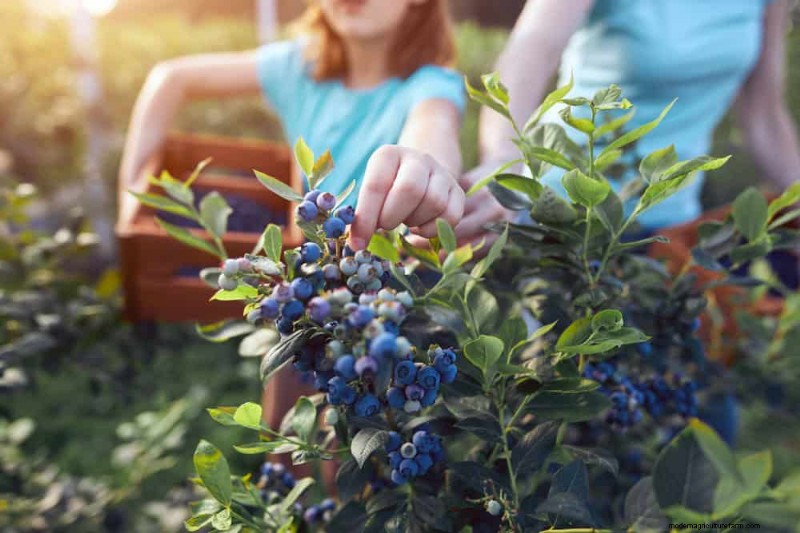
Blueberries are among the most sought‑after edible‑bushes in home gardens, offering both nutritional benefits and a rewarding harvest. Whether you’re a novice or a seasoned grower, these 25 expert‑approved steps will guide you from planting to picking, ensuring robust, self‑propagating plants and a profusion of sweet fruit.
 Shutterstock
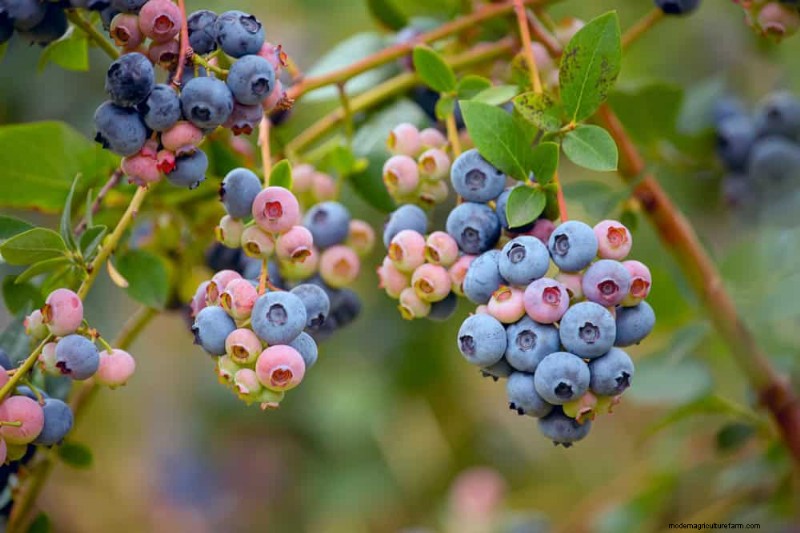
Not all blueberries perform equally well everywhere. High‑bush cultivars excel in cooler climates (notably USDA zones 3‑6), while rabbiteye varieties thrive in warmer zones (7‑9). Many cultivars are self‑pollinating, yet interplanting two compatible types can double yields. Consult a local nursery or the University of Georgia’s “Blueberry Variety Guide” to pick the best match for your region.
Save this article & unlock today’s exclusive gardening deals!
 Shutterstock
Blueberries require 6–8 hours of direct sun each day. South‑facing slopes or clearings free of shade are ideal. Adequate light not only maximizes sweetness but also reduces fungal disease incidence.
 Shutterstock
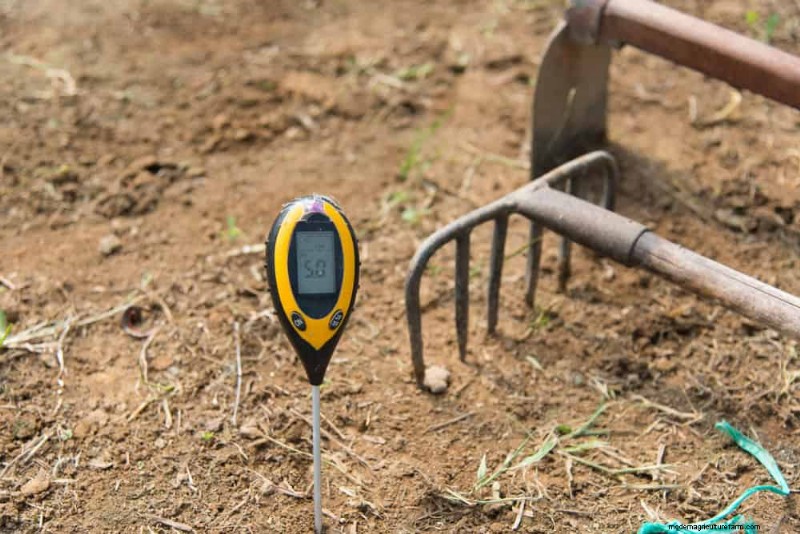
These berries thrive in acidic soils, ideally pH 4.0–5.5. A home soil kit or a professional lab test will confirm your current level. Consistent pH monitoring ensures your plants can absorb nutrients effectively.
 Shutterstock
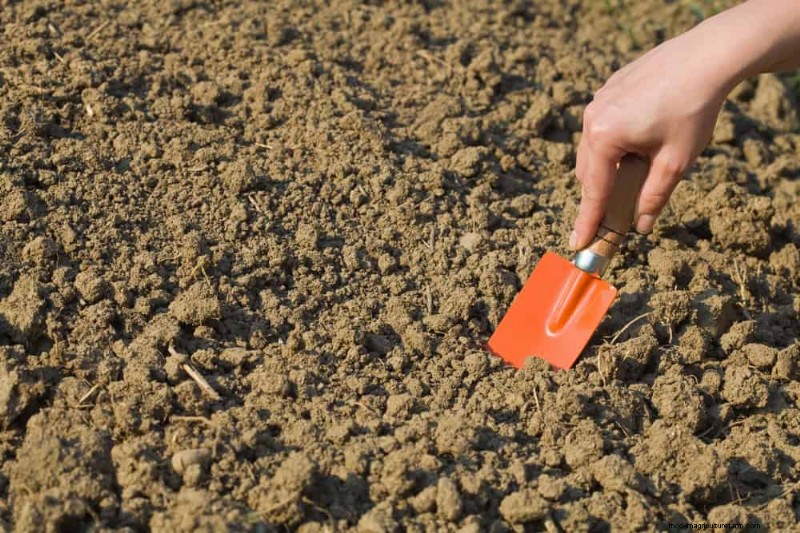
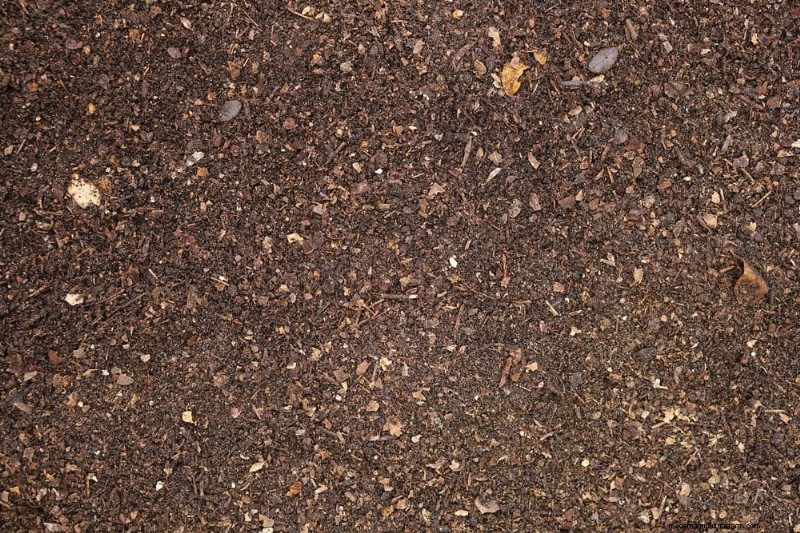
Loam enriched with organic matter provides the best balance of drainage and moisture retention. Heavy clay should be loosened with compost and aged pine bark; sandy loam benefits from added organic matter to form a robust soil‑matrix.
 Shutterstock
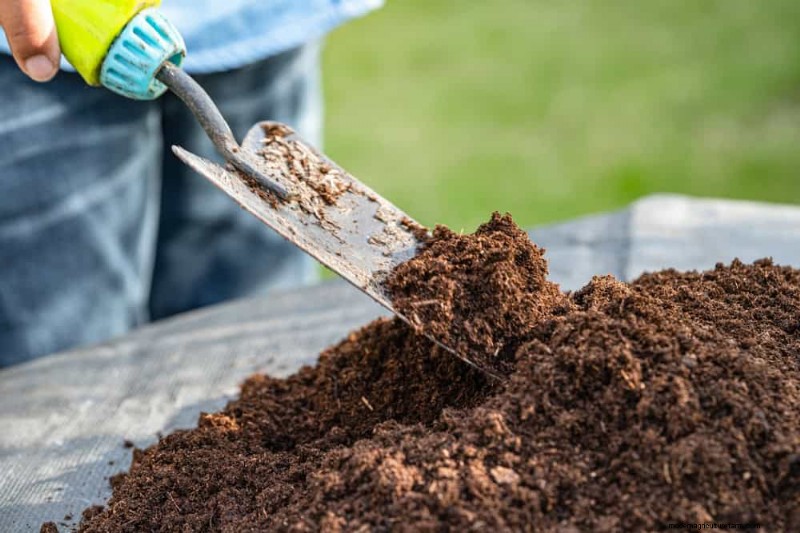
Use sulfur or peat moss to lower pH to the desired level. Incorporate the amendment into the root‑zone after planting, known as a “flood‑and‑fix” method, to prevent root‑damage and establish a resilient system.
 Shutterstock
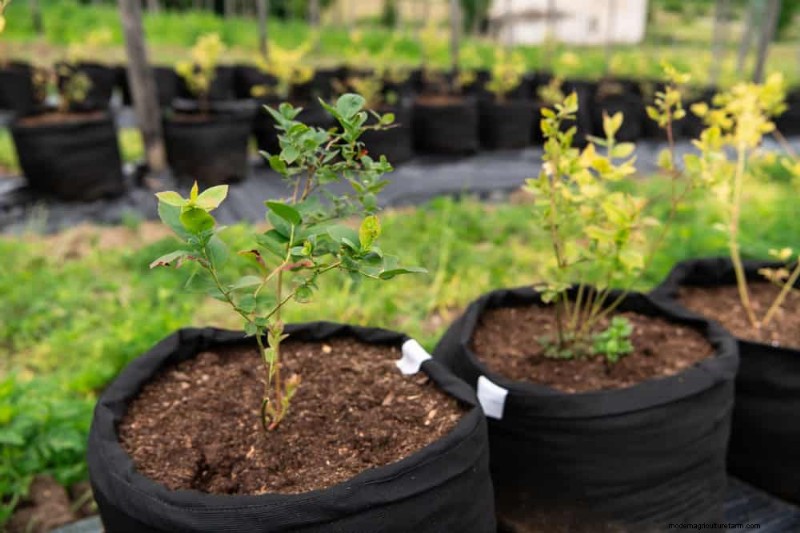
Purchase certified‑bona‑fide plants from a reputable nursery. Healthy, vibrant leaves (“knotting”) signal that the plant can withstand environmental stresses and deliver a strong yield.
 Shutterstock
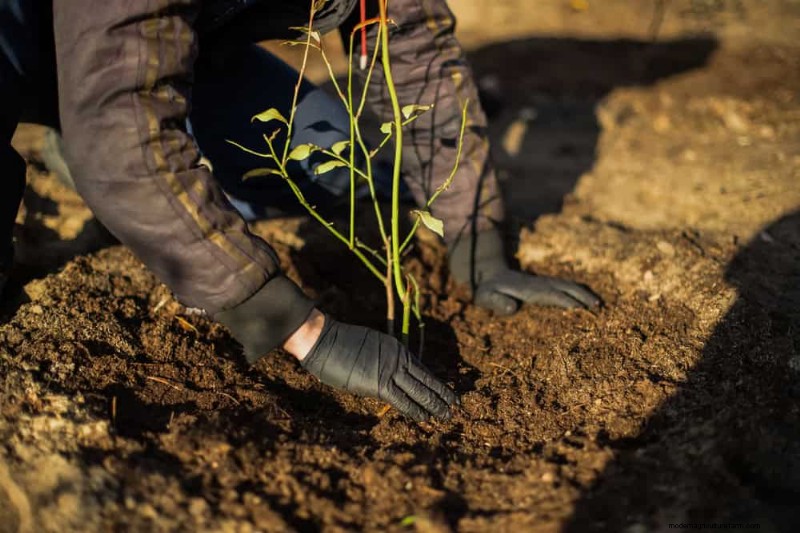
Plant spacing of 4–6 feet ensures ample airflow and light penetration, both critical for disease prevention. Proper spacing also eases harvesting and future maintenance.
 Shutterstock
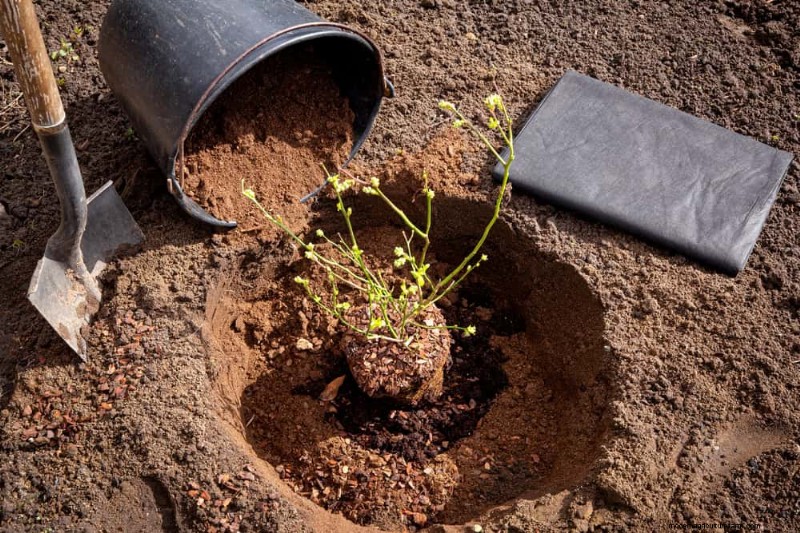
Set the root ball flush with the soil surface. This “damp‑ditch” method prevents root rot and helps the plant develop strong roots quickly.
 Shutterstock
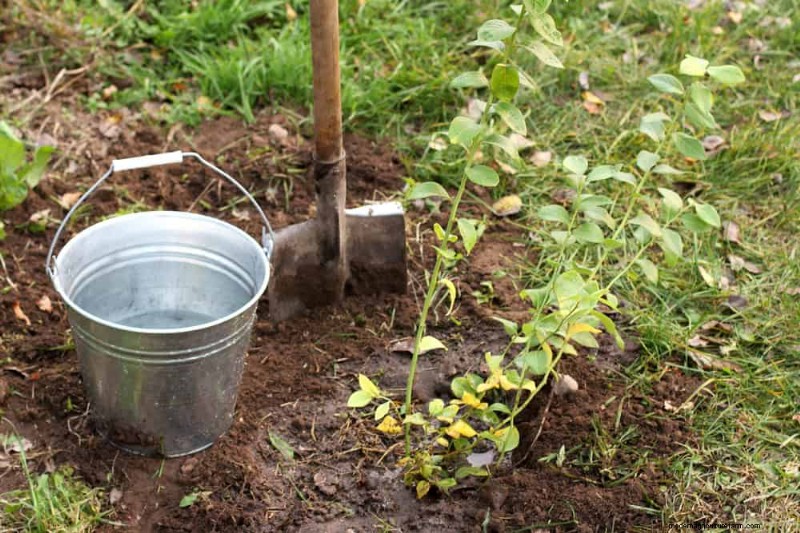
Water deeply enough to re‑establish root structures, ideally by covering leaves (crown‑spray) to avoid disease damage.
 Shutterstock
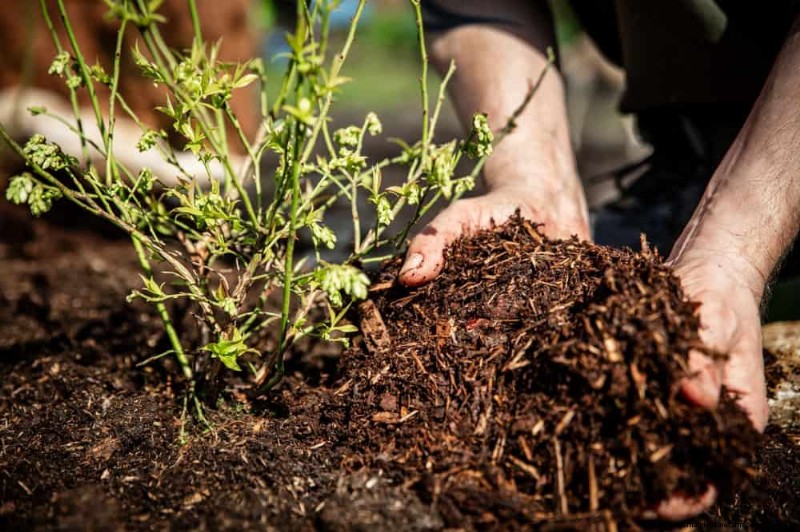
Apply a 2–3 inch layer of pine‑needle mulch or wood chips. This preserves soil acidity, retains moisture, and suppresses weeds.
 Shutterstock
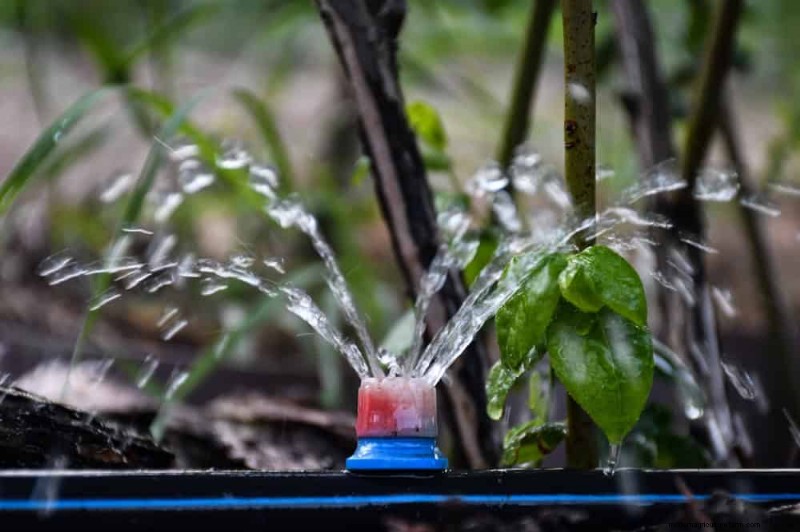
Blueberries require 1–2 inches of water weekly. Drip irrigation or soaker hoses deliver water efficiently without wetting foliage, preventing “disease‑susceptible” conditions.
 Shutterstock
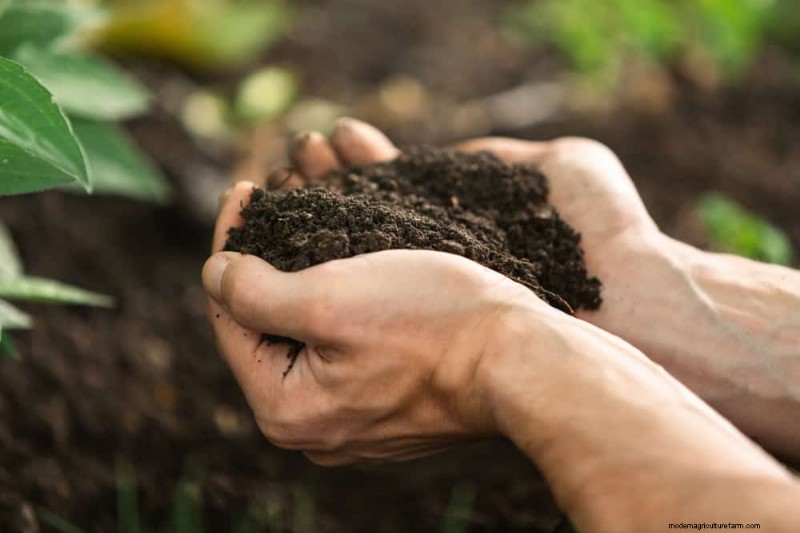
Water only when soil dries. Over‑watering can cause root rot and other fungal diseases; it’s the most damaging condition for blueberries.
 Shutterstock
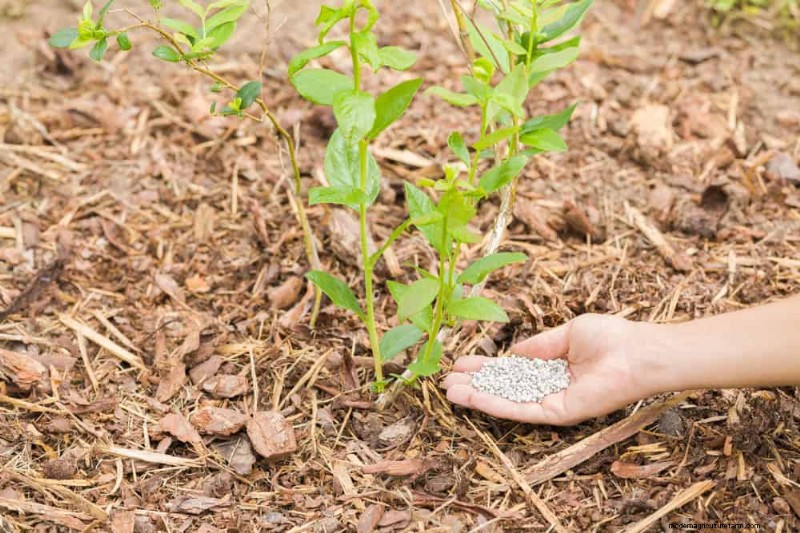
Use a foliar‑fertilizer labeled for blueberries, azaleas, or rhododendrons. Apply in early spring and late summer (e.g., “red‑bud” or “green‑bud” stage) to maximize nutrient uptake.
 Shutterstock
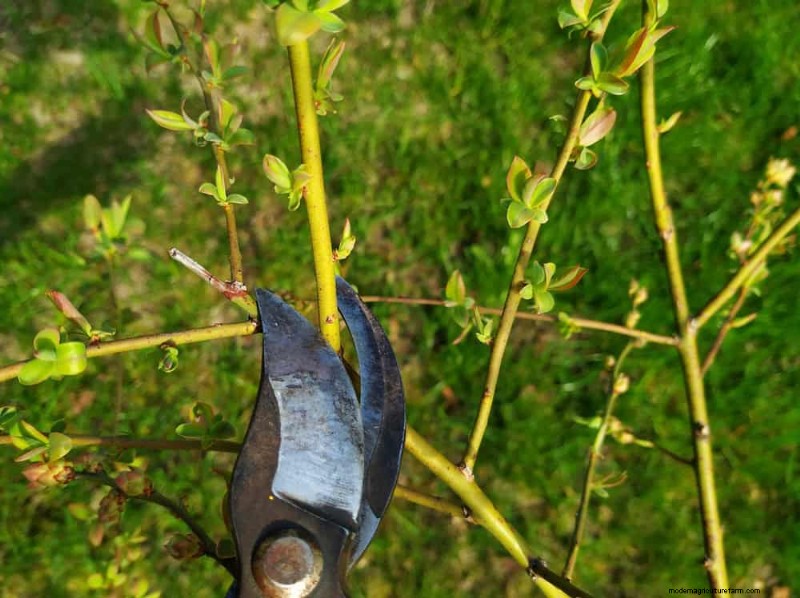
Remove weak or damaged stems during the first year (the “juvenile” phase). Light pruning preserves the plant’s structure and prepares it for future fruit production.
 Shutterstock
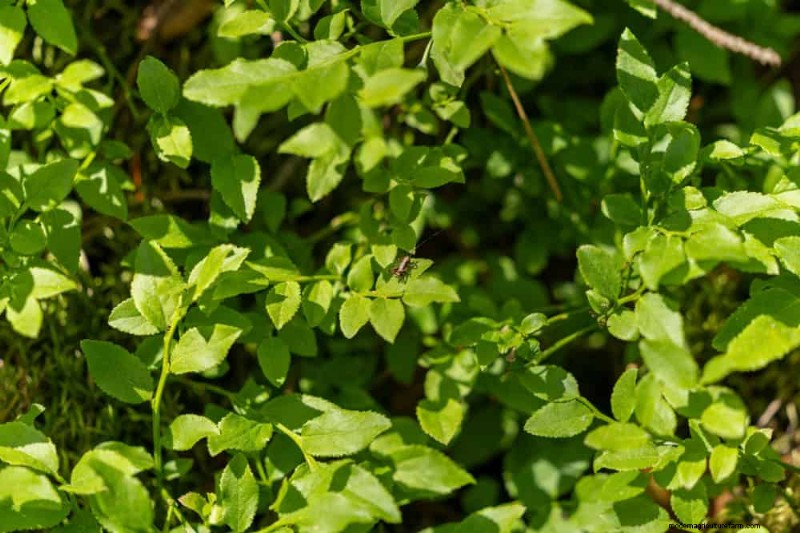
Eliminate unwanted shoots that emerge from the root‑zone. Suckers redirect energy from fruit, undermining overall yield.
 Shutterstock
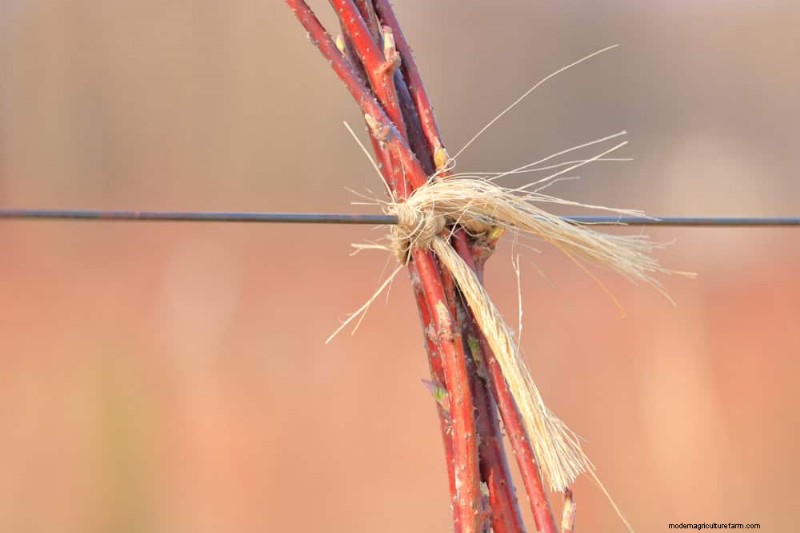
Staking or trellising can keep taller varieties from sagging under fruit weight, improving airflow and reducing disease risk.
 Shutterstock
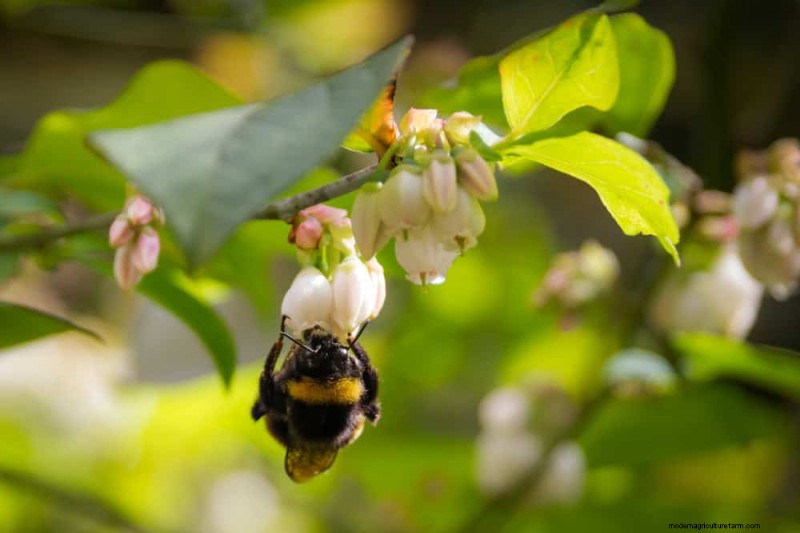
Pollinators are the primary agents of change. Planting complementary flowers (e.g., lavender, clover) nearby attracts bees, which can improve fruit set and increase yields.
 Shutterstock
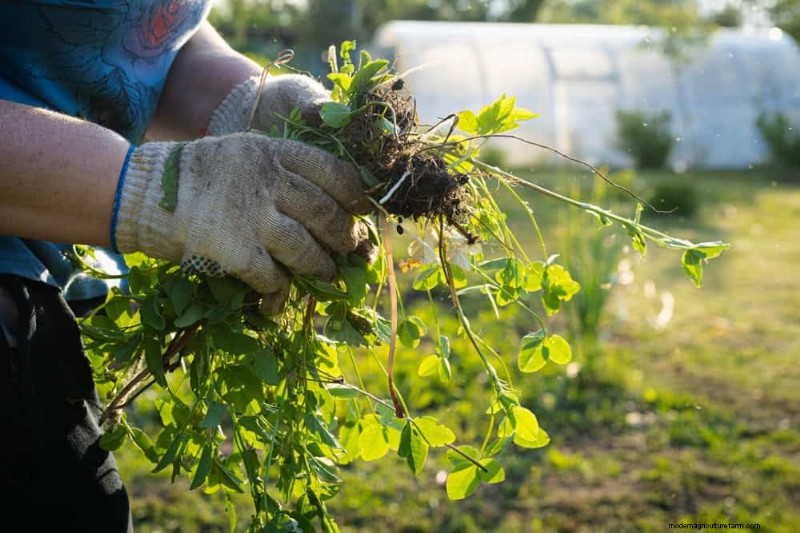
Weed‑free zones reduce competition for nutrients. Mulch naturally suppresses weeds, making manual removal easier and more effective.
 Shutterstock
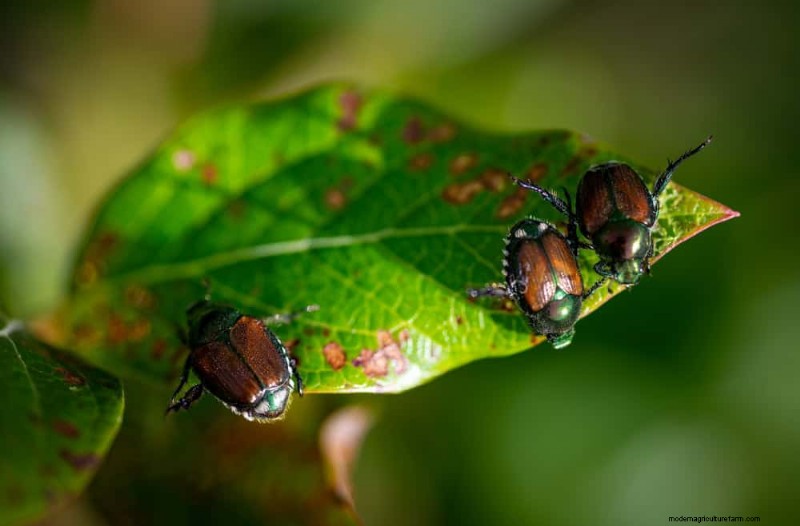
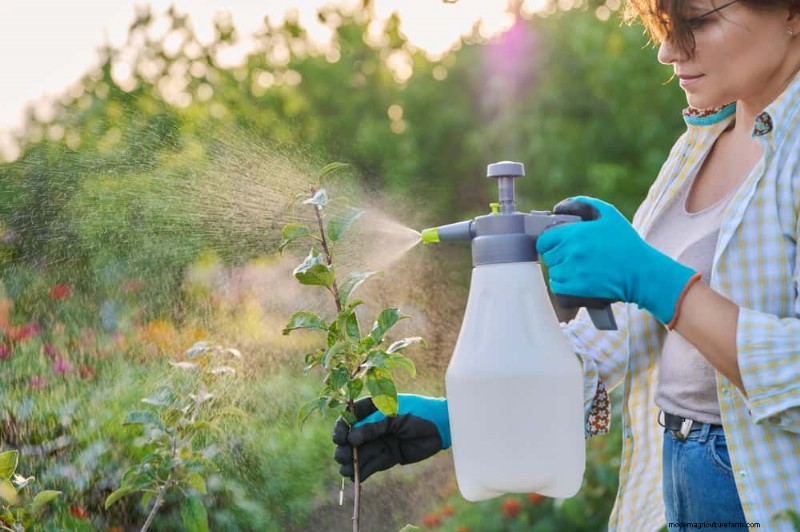
Common pests include aphids and spider mites. Early detection and timely interventions with neem oil or other organic treatments prevent damage.
 Shutterstock
Proper spacing and airflow help mitigate fungal diseases. A copper‑based fungicide applied pre‑flowering can protect developing fruits.
 Shutterstock
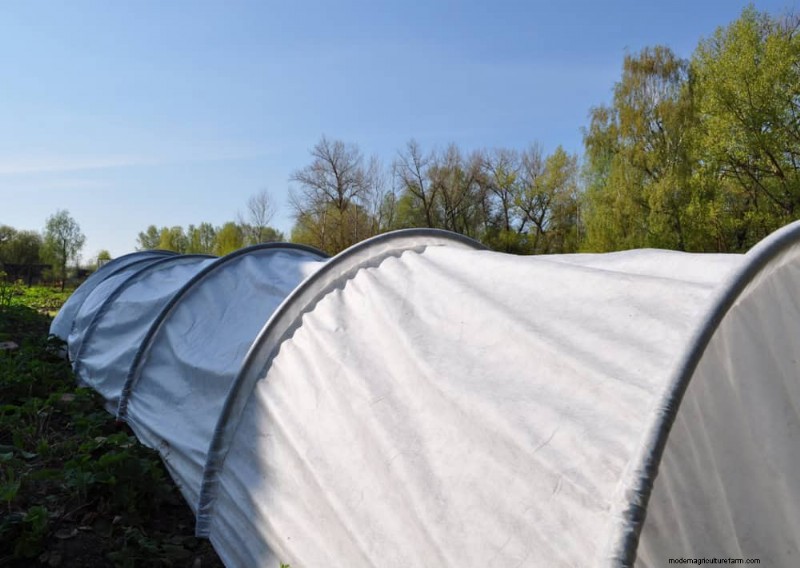
Cover young plants with breathable row covers during unexpected cold snaps. Avoid plastic, which can trap moisture and damage tissues.
 Shutterstock
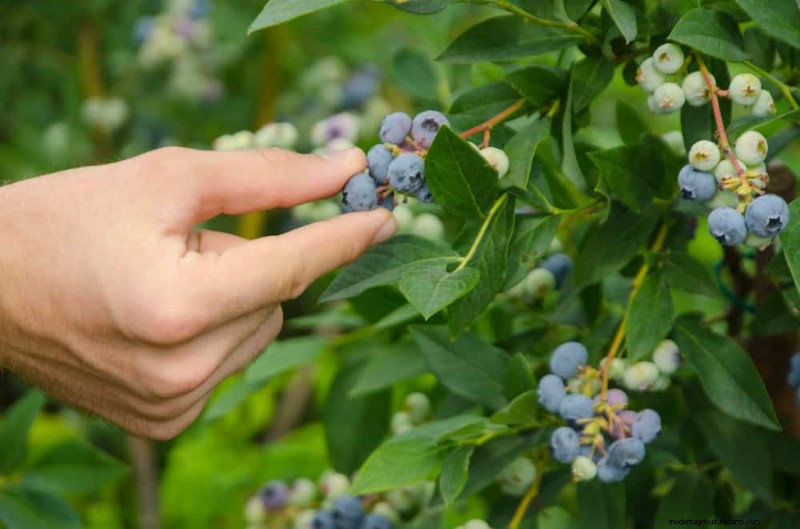
When berries are fully developed, remove excess fruits to allow the plant to allocate resources to larger, sweeter berries. Thin‑fruiting is most effective during the early stages of berry development.
 Shutterstock
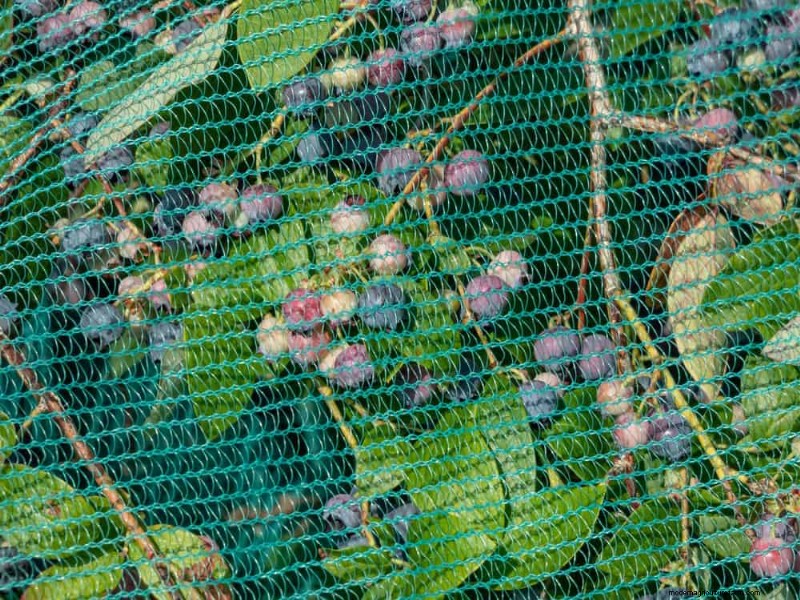
Birds can be significant threats to ripening berries. Secure a lightweight, breathable net around the canopy to deter birds without damaging the plant.
 Shutterstock
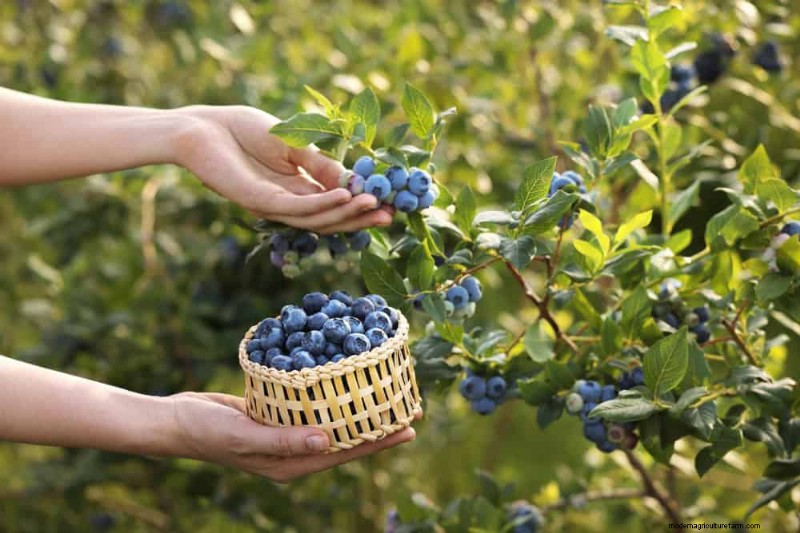
Pick berries when they turn deep blue, breaking easily from the stem, and allow them to reach the desired “eating‑ready” state. This ensures optimal flavor and texture.
 Shutterstock
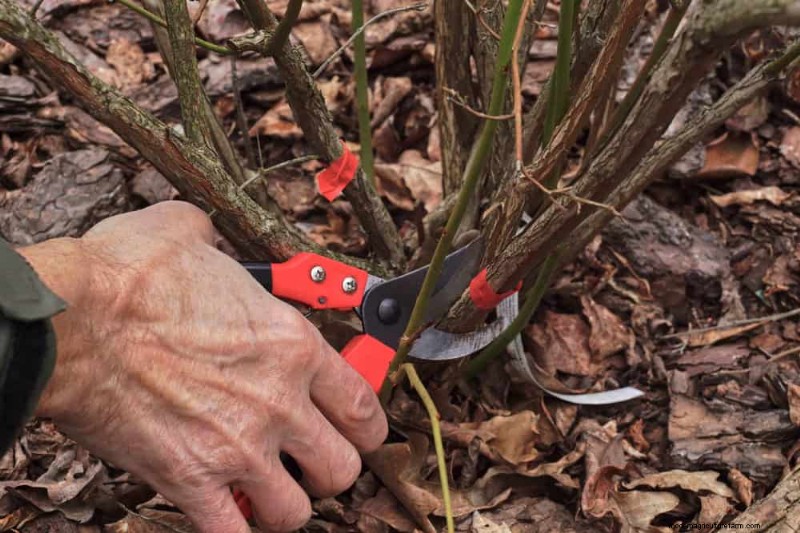
As plants age, prune away older stems to encourage fresh growth. Removing the most mature structures restores vigor and keeps fruit quality high.
 Shutterstock
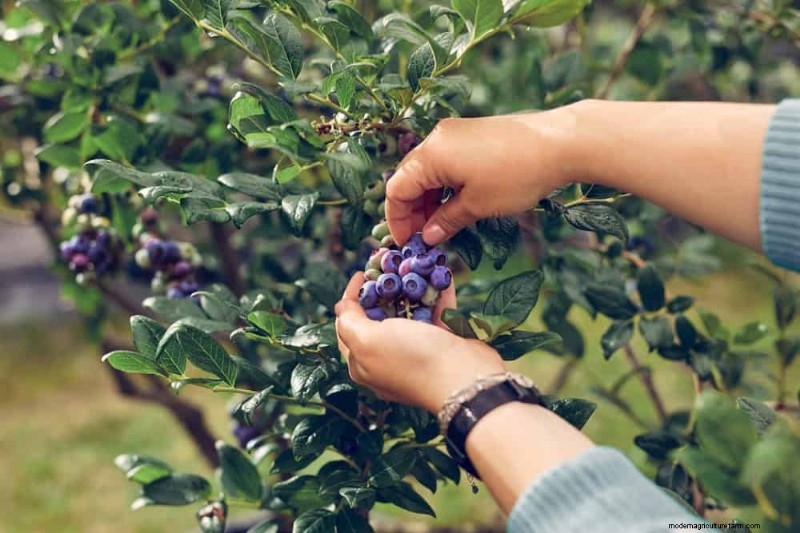
Successful blueberry cultivation hinges on proper site selection, acidic soils, and attentive care. By applying these 25 steps—ranging from soil preparation to fruit‑setting—the garden will produce sweeter, more nutritious berries and a reliable harvest each year.
Need help adjusting soil acidity? Explore these proven methods:
4 Best Ways To Make Soil Acidic For Blueberries

Editorial oversight
GardenTabs content is reviewed by Steve Snedeker, a seasoned gardener with decades of hands‑on landscaping experience.


