Welcome to Modern Agriculture!

 Shutterstock
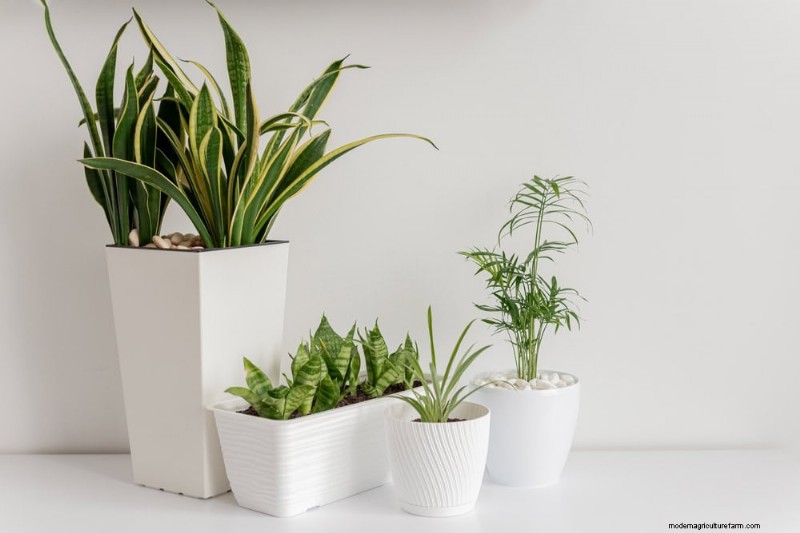
Choosing the right plants for a dry home can be daunting, especially when winter humidity drops. Many popular houseplants flinch when moisture is scarce, yet a handful are naturally engineered to thrive on less water. These low‑maintenance, resilient varieties are ideal for busy plant enthusiasts or anyone coping with dry indoor air. Below, we highlight 21 tough yet stunning options that will keep your home green with minimal effort.
 Shutterstock
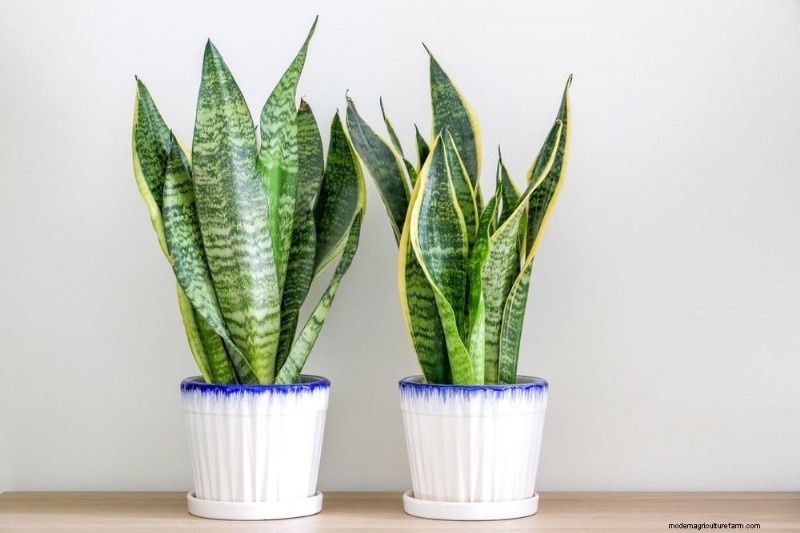
The snake plant (Sansevieria trifasciata) is a perennial favorite for its indomitable nature. Its thick, upright leaves store moisture, allowing it to survive weeks without watering. In addition to its low‑water needs, the plant excels in both bright and low light, making it versatile for any room. It also serves as an indoor air purifier, removing toxins such as formaldehyde and benzene. Simple, striking greenery that thrives on neglect.
Save this article & also instantly unlock today's gardening deals!
 Shutterstock
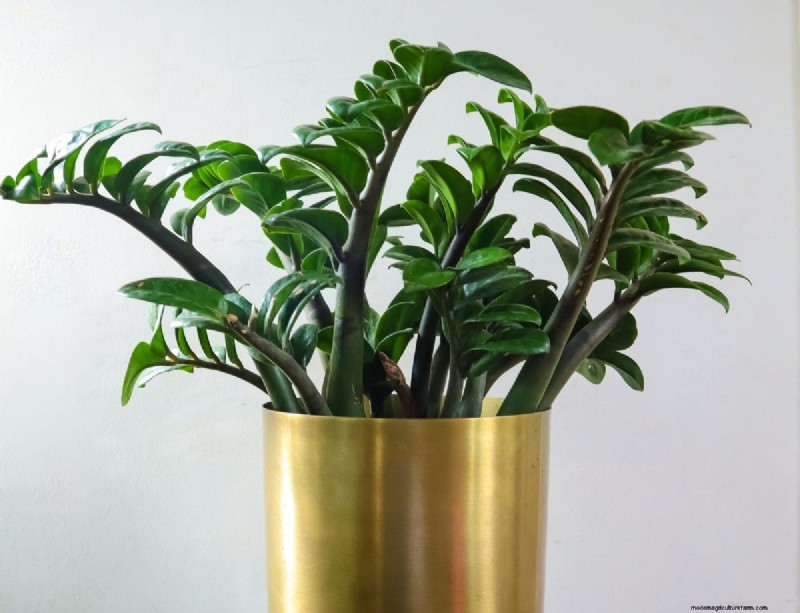
The ZZ plant (Zamioculcas zamiifolia) is renowned for its tolerance of dry air. Its waxy, dark‑green foliage absorbs and stores water efficiently, enabling it to endure long intervals between waterings. It remains lush in low‑light settings and benefits from occasional indirect sunlight. Like the snake plant, it also improves indoor air quality by filtering out pollutants.
 Shutterstock
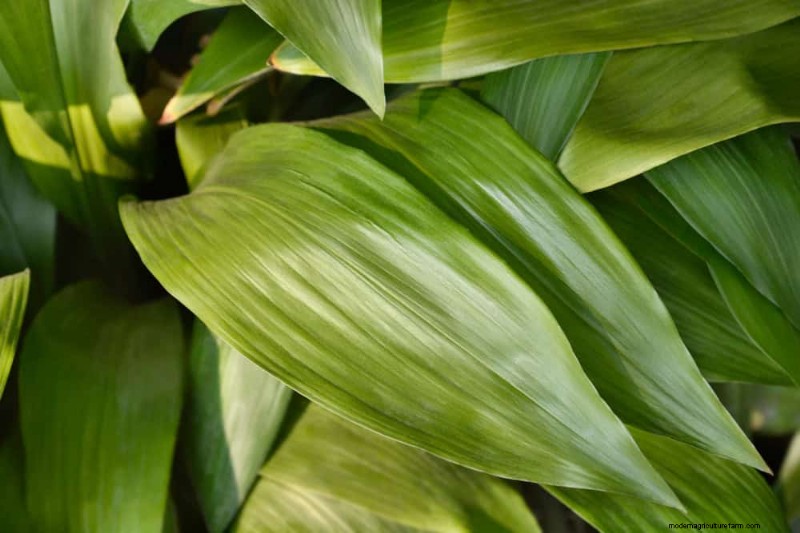
True to its name, the cast iron plant (Aspidistra elatior) is almost indestructible. It tolerates dust, low light, and infrequent watering without faltering. Its slow but steady growth keeps leaves vivid even in challenging indoor environments, and it is rarely bothered by pests. A reliable companion for dim corners or shaded hallways.
 Shutterstock
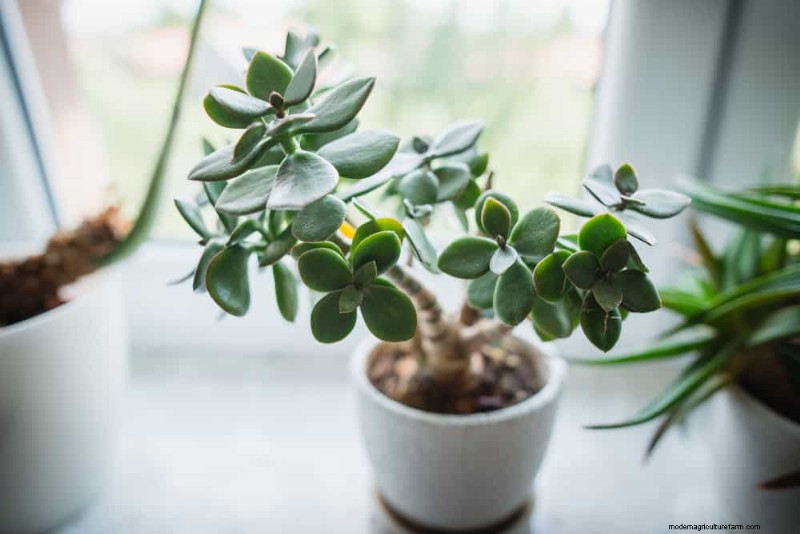
The jade plant (Crassula ovata) is a succulent that stores water in its thick, glossy leaves. It can go for extended periods without a drink, recovering quickly if watering is delayed. Bright, indirect light is ideal, though it tolerates medium light. Known for its longevity, the jade plant can live for decades with minimal care and occasional pruning.
 Shutterstock
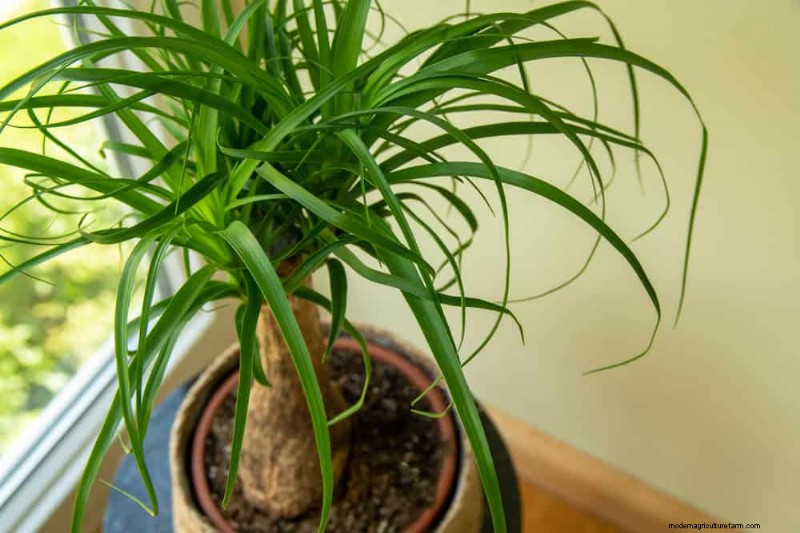
Although often mistaken for a true palm, the ponytail palm (Beaucarnea recurvata) is a succulent. Its bulbous trunk stores water, enabling it to thrive in dry, indoor conditions. It prefers bright, indirect light and can handle occasional direct sun. Watering only every few weeks is sufficient; this makes it a favorite for forgetful plant owners.
 Shutterstock
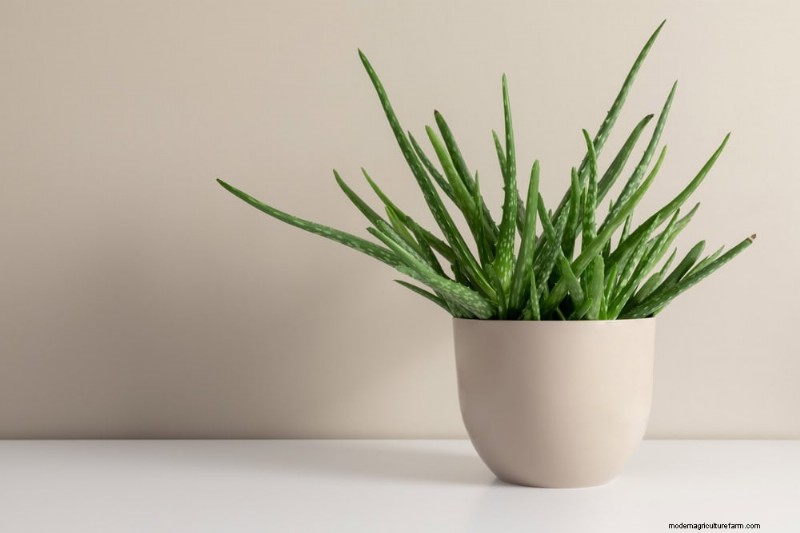
Aloe vera’s fleshy leaves store moisture and protect it from dry conditions. It thrives in sunny windowsills but also tolerates partial shade. Always allow the soil to dry completely between waterings to prevent root rot. Beyond its aesthetic appeal, aloe vera’s gel is a natural remedy for minor burns and skin irritations.
 Shutterstock
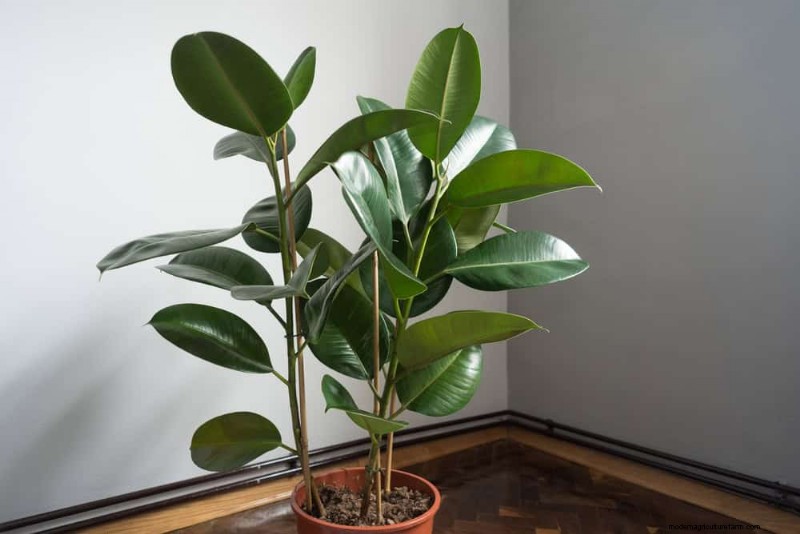
The rubber plant (Ficus elastica) boasts thick, glossy leaves that can survive on infrequent watering. It thrives in bright, indirect light and adapts well to medium‑light environments. Water only when the top inch of soil feels dry to avoid root issues. Its striking foliage also contributes to improved indoor air quality.
 Shutterstock
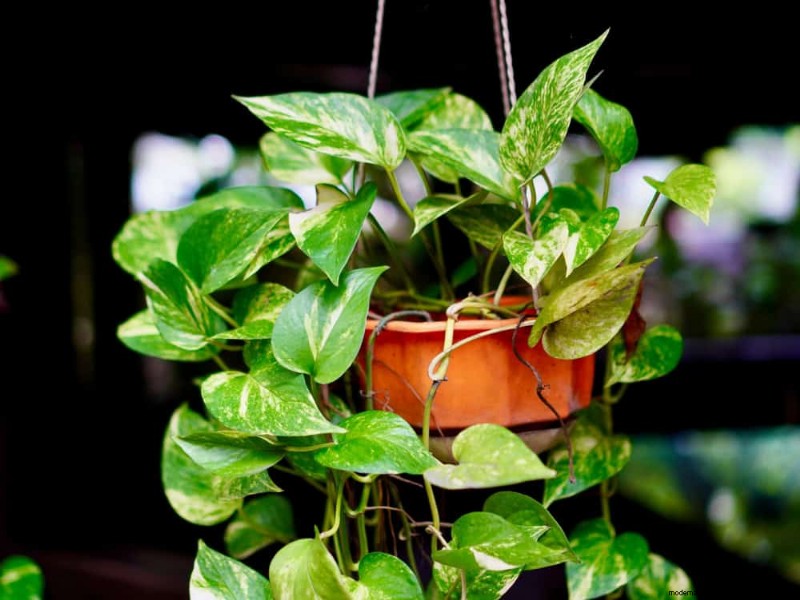
Pothos (Epipremnum aureum) is a versatile vine that tolerates a range of light conditions, from bright indirect light to low light. Its trailing growth makes it ideal for hanging baskets or shelving. Water only when the soil is dry; it resists root rot and is a favorite for beginners.
 Shutterstock
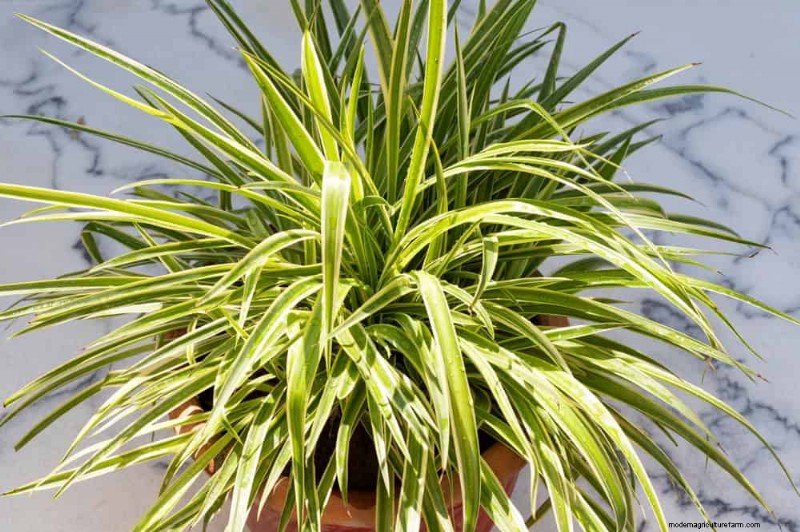
Spider plants (Chlorophytum comosum) produce airy “spiderettes” and are remarkably tolerant of dry indoor air. They thrive in bright, indirect light but can also survive lower light. Water when the soil feels dry, and their fronds help reduce indoor pollutants, making them both beautiful and functional.
 Shutterstock
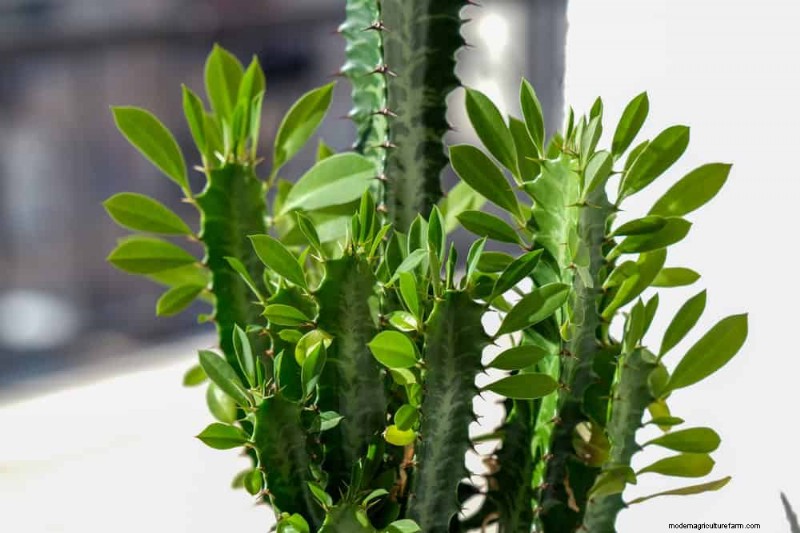
The African milk tree (Euphorbia trigona) is a sturdy succulent that stores water in its triangular stems. It thrives in bright, indirect light and tolerates some direct sun. Its spiny exterior provides a dramatic look; be mindful of its mild toxicity and sharp thorns, especially around pets and children.
 Shutterstock
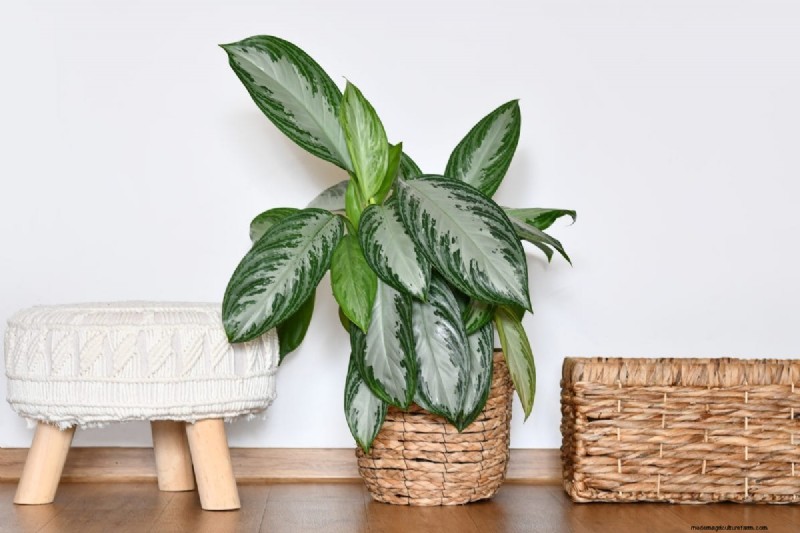
Aglaonema, or Chinese evergreen, features variegated leaves that brighten any room. It tolerates dry air and missed waterings with ease. Low to medium light is optimal, and its slow growth means infrequent repotting or pruning is required.
 Shutterstock
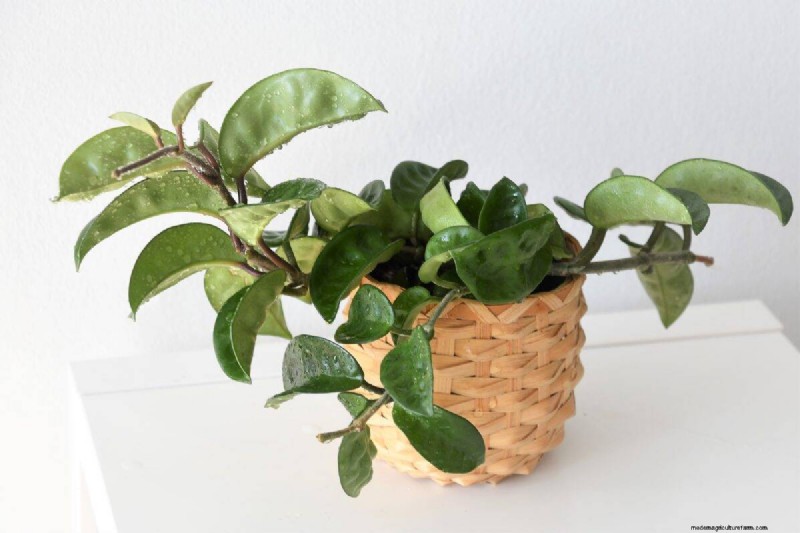
Hoyas (Hoya spp.) are wax‑coated plants that retain moisture, making them ideal for dry indoor spaces. They prefer bright, indirect light and need only occasional watering. Their trailing vines are perfect for hanging baskets or shelving, and some varieties produce fragrant, star‑shaped blooms.
 Shutterstock
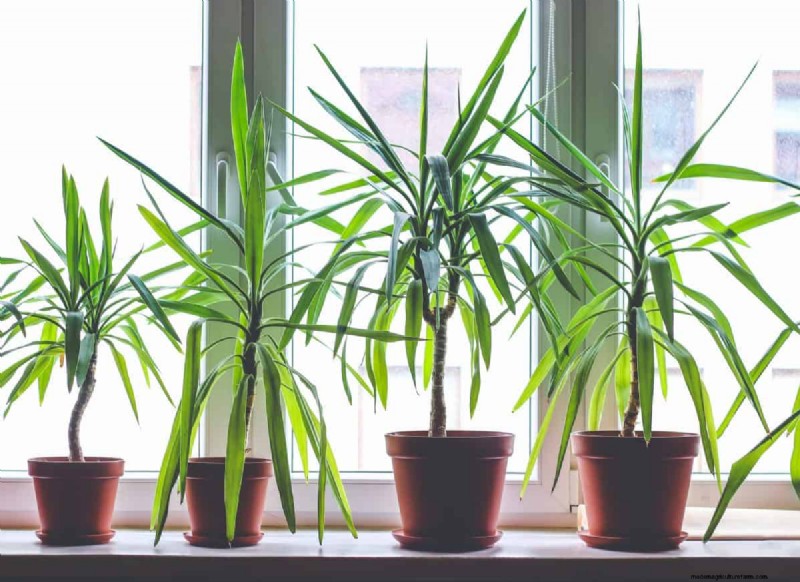
Dracaena marginata, the dragon tree, showcases slender stems and spiky leaves. It thrives on minimal attention, preferring bright, indirect light and tolerating lower light. Avoid overwatering; the plant thrives when the soil remains relatively dry.
 Shutterstock
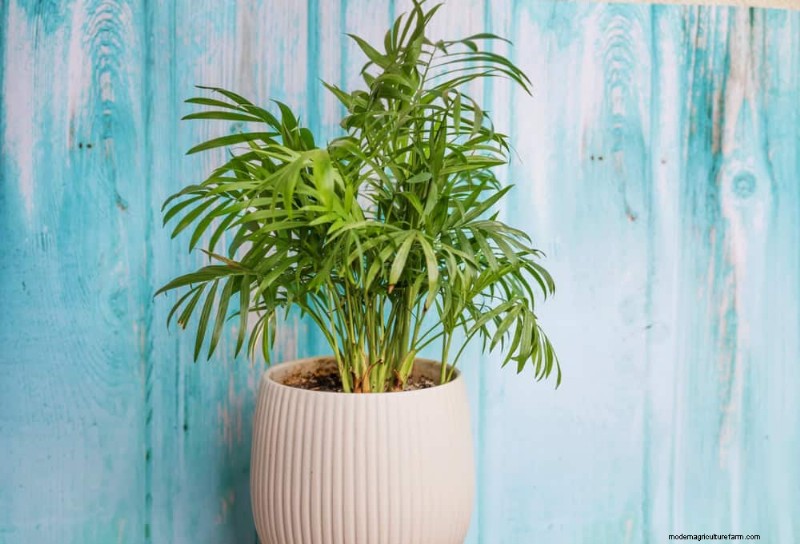
The parlor palm (Chamaedorea elegans) is a timeless choice for low‑maintenance households. It adapts to dry air, infrequent watering, and low to medium light, making it ideal for dim corners or offices. Its graceful fronds add a tropical feel, and it is non‑toxic, safe around pets.
 Shutterstock
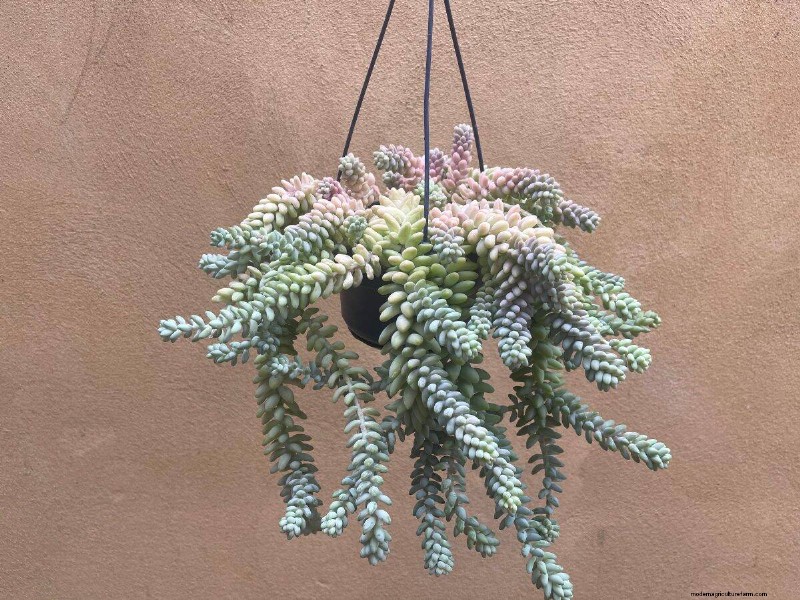
Burro’s tail (Sedum morganianum) is a trailing succulent that thrives on infrequent watering. Its plump, blue‑green leaves store water efficiently. It performs best in bright, indirect light but tolerates lower light conditions. Water only when the soil is completely dry.
 Shutterstock
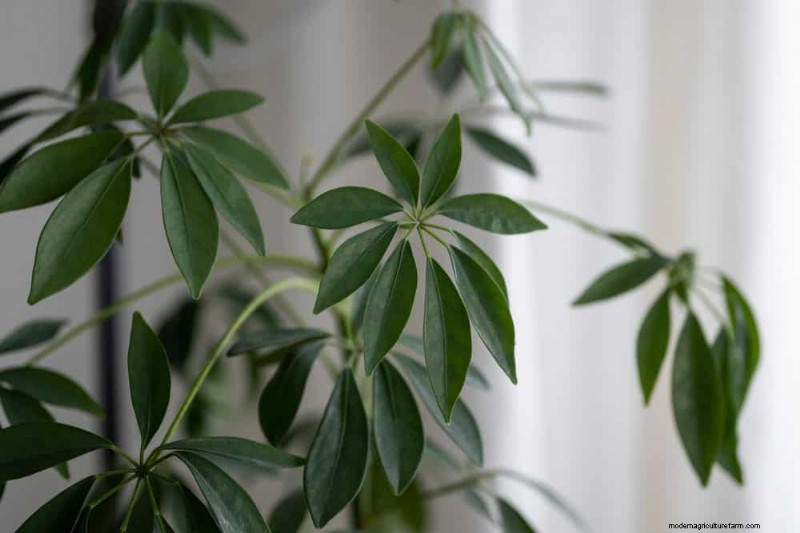
The umbrella plant (Schefflera arboricola) features fan‑shaped leaves that bring a cheerful, tropical vibe to bright, dry spaces. It tolerates occasional missed waterings; allowing the soil to dry between waterings keeps it healthy. Regular pruning maintains a compact, bushy shape.
 Shutterstock
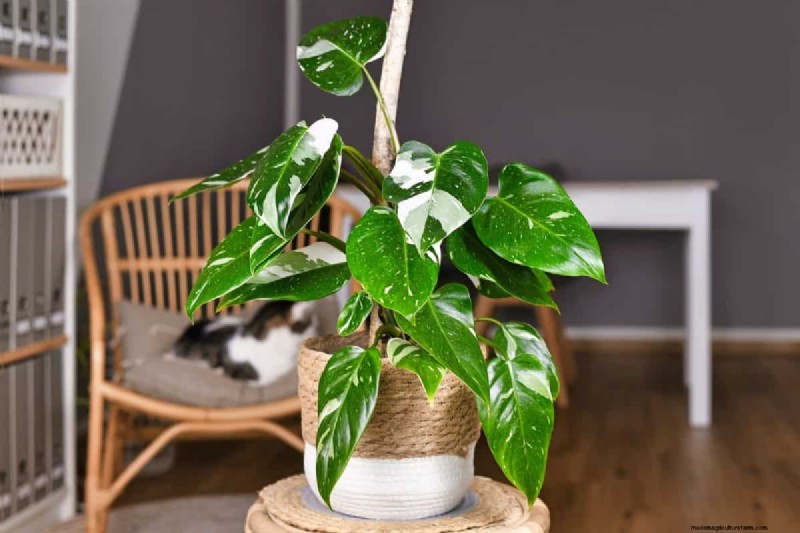
Philodendrons (Philodendron spp.) are known for their heart‑shaped leaves and adaptability. They thrive in dry air and can tolerate occasional missed waterings. They flourish in low to bright indirect light and can be propagated easily, making them a popular choice for sharing.
 Shutterstock
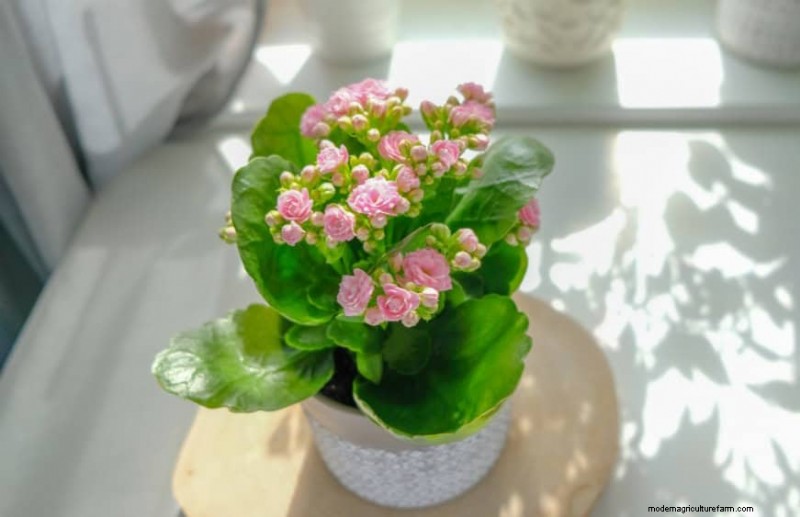
Kalanchoe is a flowering succulent that stores water in its thick leaves. Bright light promotes more blooms, though it remains resilient in medium light. Allow the soil to dry completely between waterings to avoid root rot. Its compact size makes it ideal for desks or windowsills.
 Shutterstock
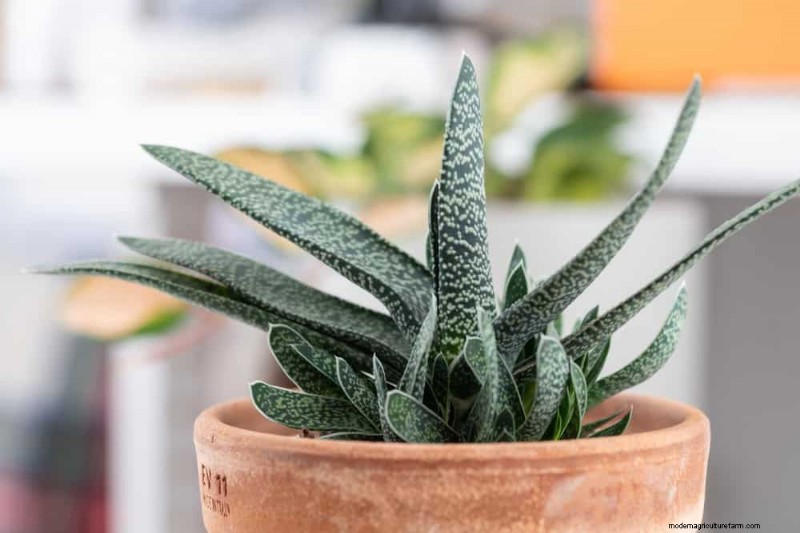
The ox tongue (Gasteria spp.) is a small succulent that thrives on infrequent watering. Its thick, rough leaves store moisture well, and it tolerates bright, indirect light. Its unique texture makes it a standout on windowsills or small shelves.
 Shutterstock
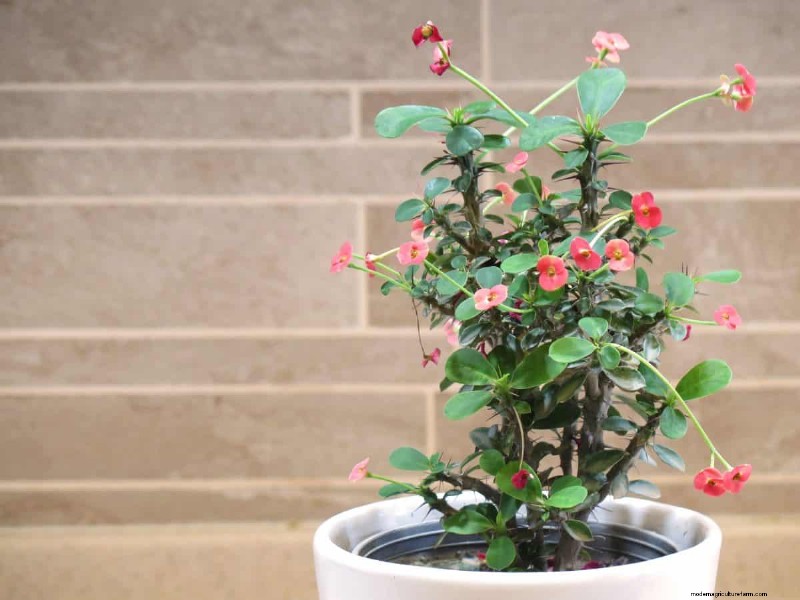
The crown of thorns (Euphorbia milii) is a robust succulent that thrives in bright, dry conditions. Its thick, spiny stems store water efficiently. Water only when the soil is completely dry. It is mildly toxic and has sharp thorns, so keep it out of reach of pets and children.
 Shutterstock
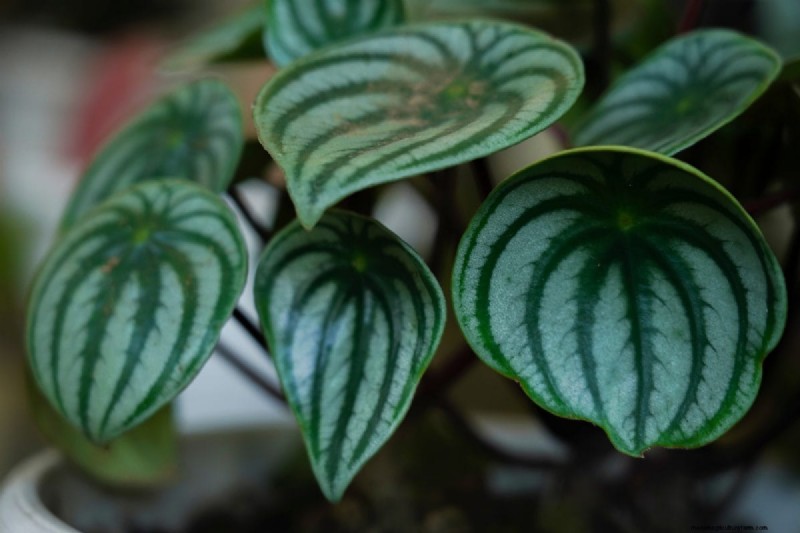
Peperomia is a compact, charming plant that retains moisture beautifully. It thrives in bright, indirect light but adapts well to lower‑light areas. Water only when the soil dries out, and it remains pest‑resistant and rarely needs pruning.
 Shutterstock
You don’t need a greenhouse or a humidifier to enjoy a thriving indoor jungle. These hardy houseplants are designed to withstand dry air and busy schedules, proving that beauty and resilience can coexist. Whether you’re a new plant parent or seeking low‑maintenance options, there’s something here for every space. Add a few of these to your home and watch them flourish while keeping your interior fresh and inviting.
Unlock secret tips to boost your houseplants’ growth—try these unexpected tricks:
20 Unexpected Tricks to Grow Houseplants Faster (That Most People Overlook!)

Editorial oversight
GardenTabs content is reviewed by Steve Snedeker, a seasoned gardener with decades of hands‑on landscaping experience.