
Welcome to Modern Agriculture!

 Shutterstock
Weeds often get a bad reputation, yet many of the plants that colonize your garden beds are actually edible powerhouses. Packed with vitamins, minerals, and unique flavors, these greens can elevate salads, soups, and even drinks. Before you start foraging, ensure you can confidently identify each species and harvest only from pesticide‑free areas. Below is a practical guide to 24 of the most common edible garden weeds and how to prepare them safely.
 Shutterstock
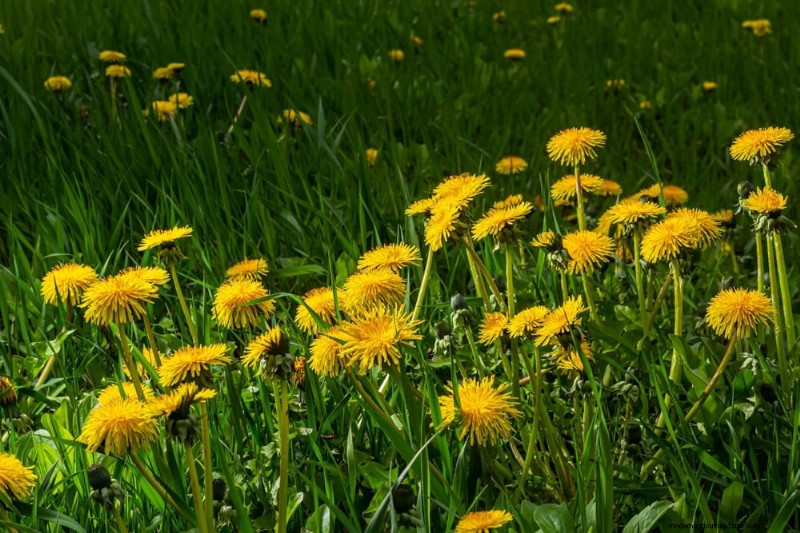
Every part of the dandelion is edible—from the bright yellow flowers to the deep, fibrous root. The leaves can be tossed raw into salads or sautéed as a spinach substitute. Flowers are used to make wine, fritters, or tea, while roasted roots serve as a caffeine‑free coffee alternative. Rich in vitamins A, C, K and minerals such as iron and calcium, dandelions offer a pleasantly bitter flavor that balances well with sweeter ingredients.
Save this article & also instantly unlock today's gardening deals!
 Shutterstock
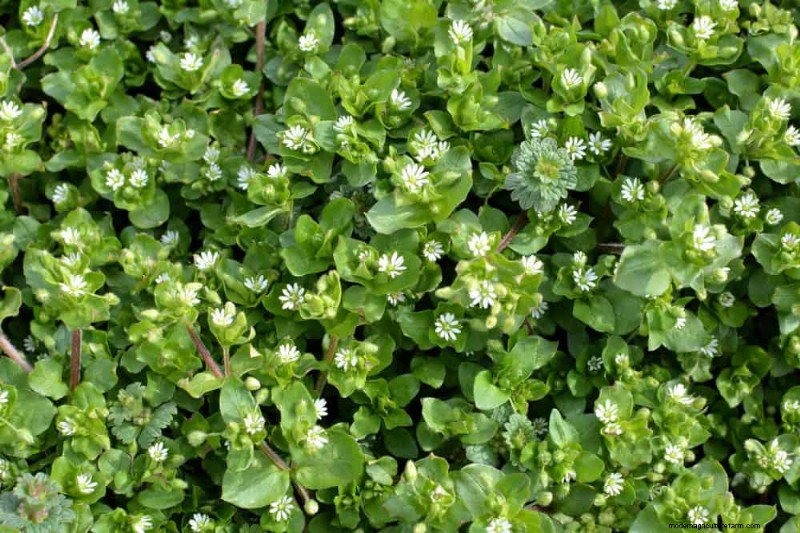
Chickweed’s tender leaves and delicate flowers are perfect for fresh salads or lightly sautéed like spinach. The plant is a good source of vitamins A, C, D and iron. Its mild, almost herbaceous taste makes it a versatile addition to soups, stir‑fries, and smoothies. Chickweed has a long tradition of use as a poultice for skin irritation, though careful identification is essential to avoid look‑alike species.
 Shutterstock
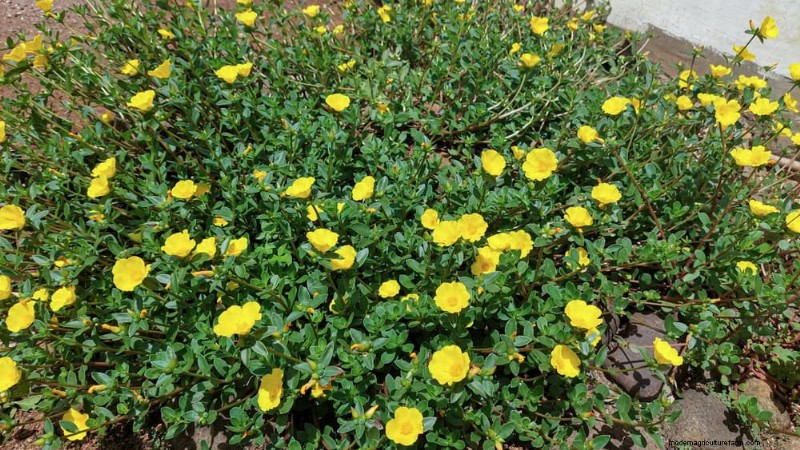
With succulent, slightly lemony leaves, purslane is a rich source of omega‑3 fatty acids, vitamins A, C, E, and essential minerals like magnesium and potassium. Add it raw to salads or cook it as you would spinach. It is a staple in Mediterranean and Middle Eastern cuisines and offers a crunchy, nutritious bite.
 Shutterstock
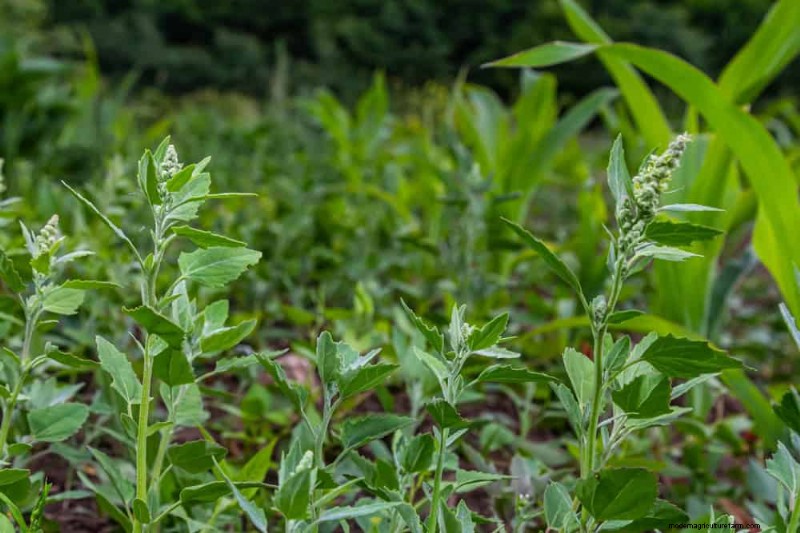
Also called wild spinach, lamb’s quarters can be eaten raw or cooked. Its flavor mirrors spinach, making it ideal for salads, soups, and sautés. Packed with vitamins A, C, K, calcium, iron, and protein, the plant’s seeds can be ground into flour. Consume in moderation if you have kidney concerns due to oxalic acid.
 Shutterstock
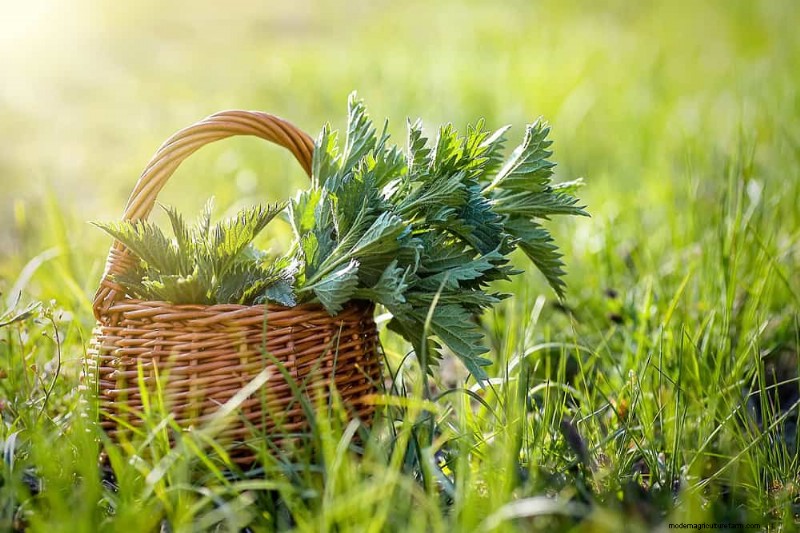
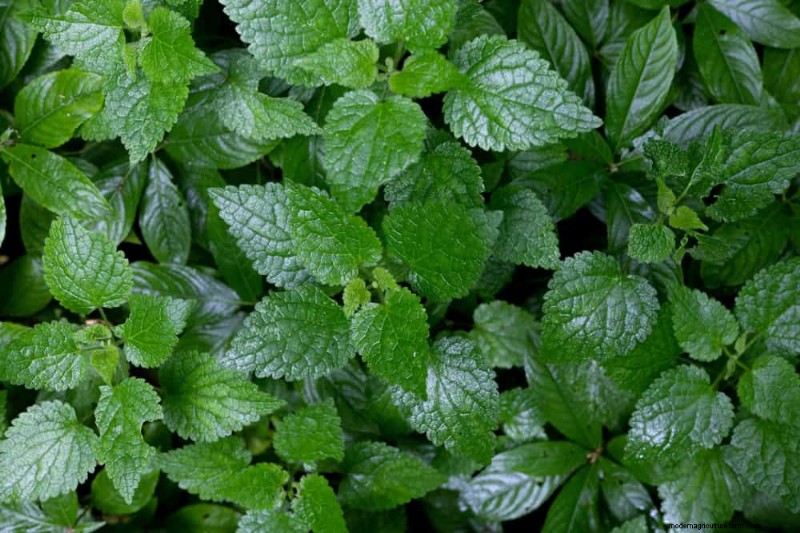
Stinging nettle’s sting disappears once cooked or dried. The resulting green is nutritionally dense, providing vitamins A, C, iron, calcium, magnesium, and protein. Nettle tea is famed for anti‑inflammatory benefits and allergy relief. Use gloves when harvesting; cook nettle in soups, pestos, or sautés for a spinach‑like substitute.
 Shutterstock
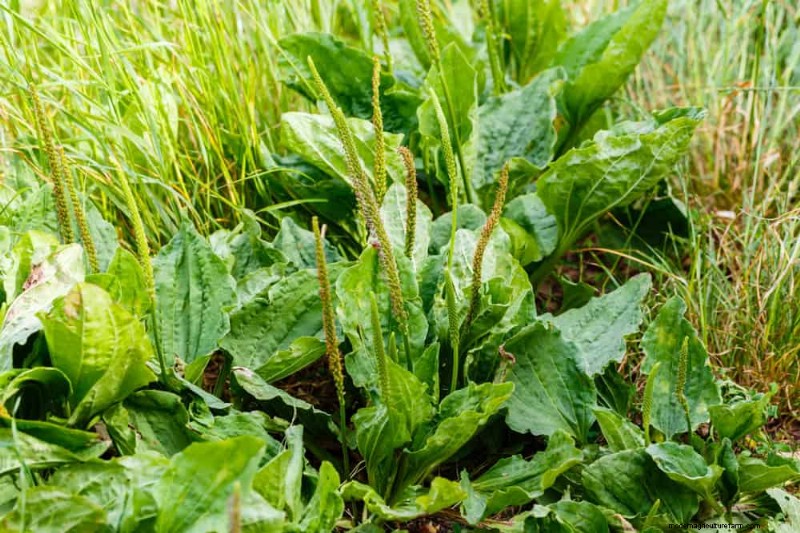
Plantain leaves and seeds are edible and slightly bitter. Young leaves are ideal for salads, soups, or stir‑fries. Rich in vitamins A, C, K, calcium, and iron, the plant has long been used for its anti‑inflammatory and wound‑healing properties. Harvest from clean, pesticide‑free areas and avoid older, stringy leaves.
 Shutterstock
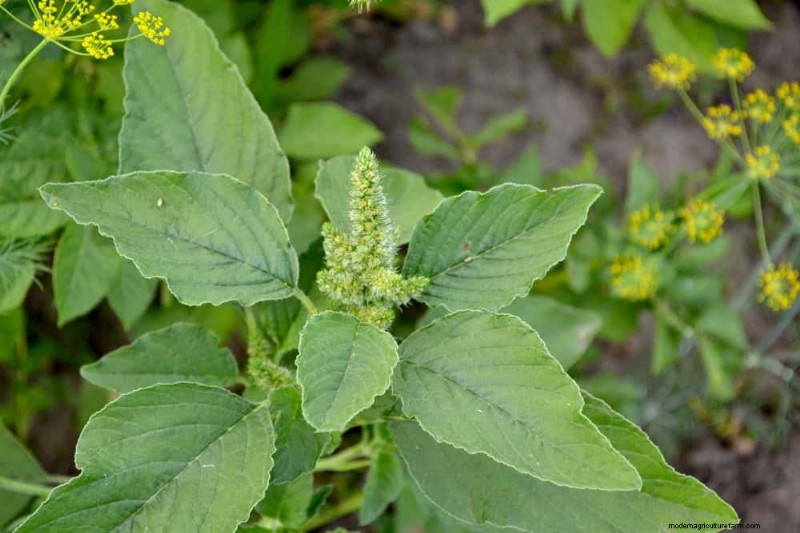
Wild amaranth’s leaves and seeds are both edible. Young leaves are crisp and can be eaten raw; mature leaves should be cooked to reduce bitterness. The leaves are rich in vitamins A, C, K, calcium, iron, and magnesium. Seeds can be ground into flour or cooked like quinoa, reflecting its historical role as a staple food.
 Shutterstock
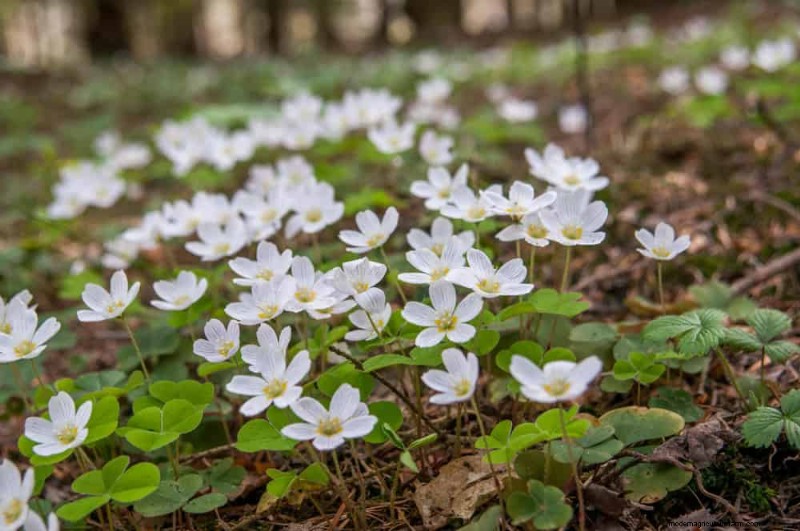
Wood sorrel’s clover‑like leaves deliver a tart, lemony flavor. Use sparingly as a garnish, salad ingredient, or in tea. High in vitamin C and antioxidants, it’s safe in moderation; excess can interfere with calcium absorption due to oxalic acid.
 Shutterstock
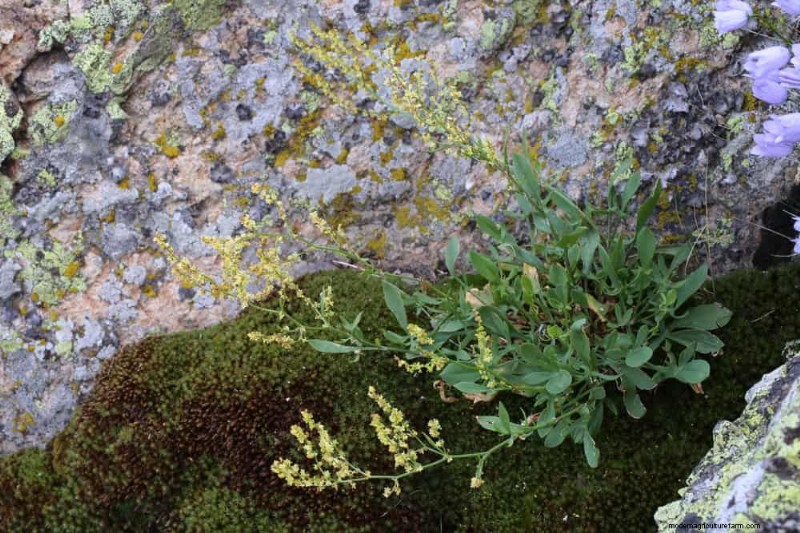
Sheep sorrel offers a pleasantly tart, citrus‑like taste, ideal for brightening salads, sauces, and soups. Its leaves are high in vitamin C and antioxidants. Because of oxalic acid, consume in moderation and pair with dairy to neutralize the acid.
 Shutterstock
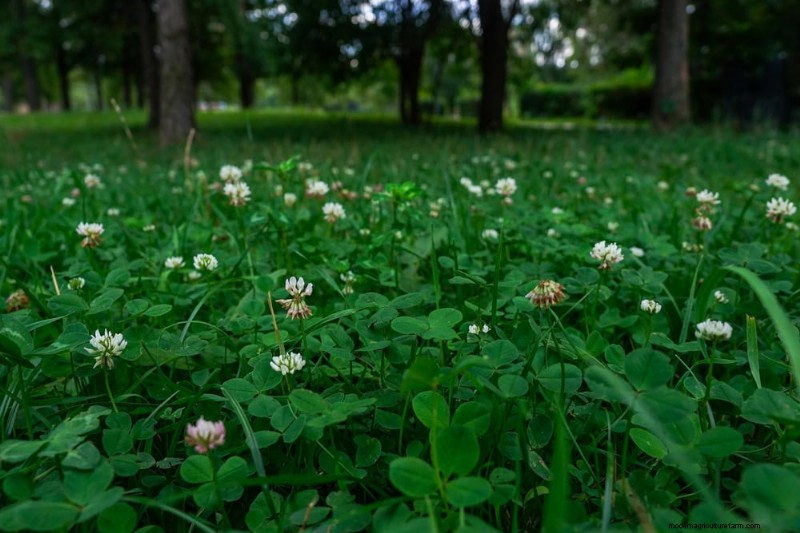
Both red and white clover are edible; leaves, flowers, and seeds contribute protein, vitamins, and minerals. Add to salads, soups, or baked goods. Dried flowers can make a fragrant herbal tea. Clover is reputed for its blood‑purifying properties. Always source from pesticide‑free locations.
 Shutterstock
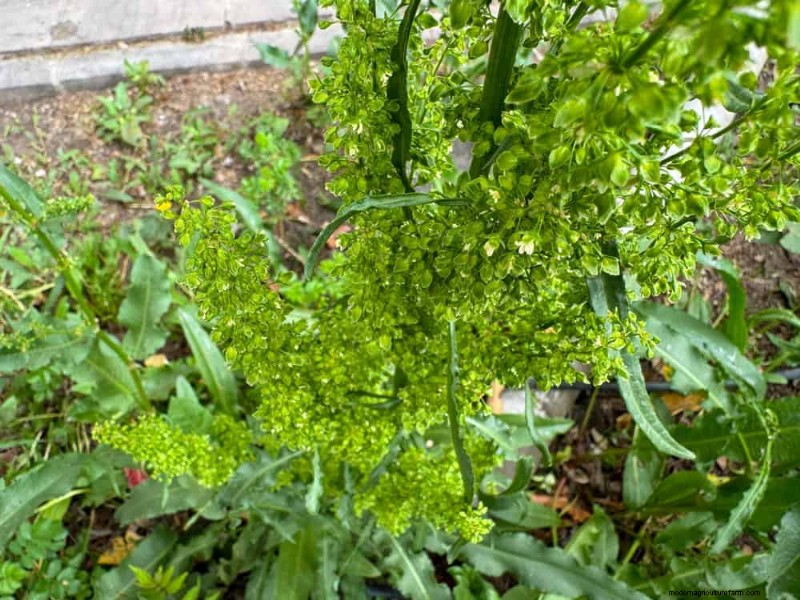
Young curly dock leaves can be eaten raw in salads; older leaves are best cooked to reduce bitterness. The plant contains vitamins A and C, iron, and potassium. Seeds can be ground into flour. While it has traditional laxative uses, oxalic acid content warrants moderation, especially for those with kidney sensitivity.
 Shutterstock
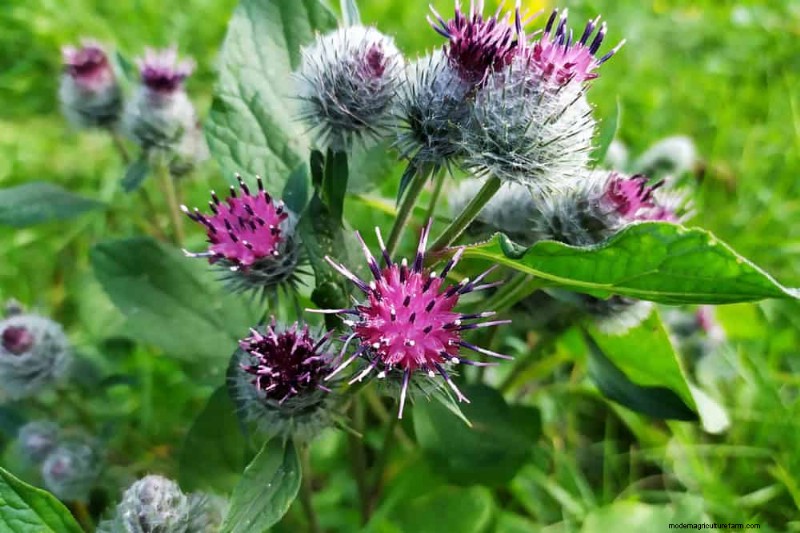
Burdock roots, known as “gobo” in Japanese cuisine, are prized for their fiber, antioxidants, potassium, and magnesium. Usually peeled, sliced, and cooked in soups, stir‑fries, or pickled. The young leaves and flower stalks can also be consumed when prepared correctly. Because burdock absorbs soil toxins, harvest only from clean, uncontaminated sites.
 Shutterstock
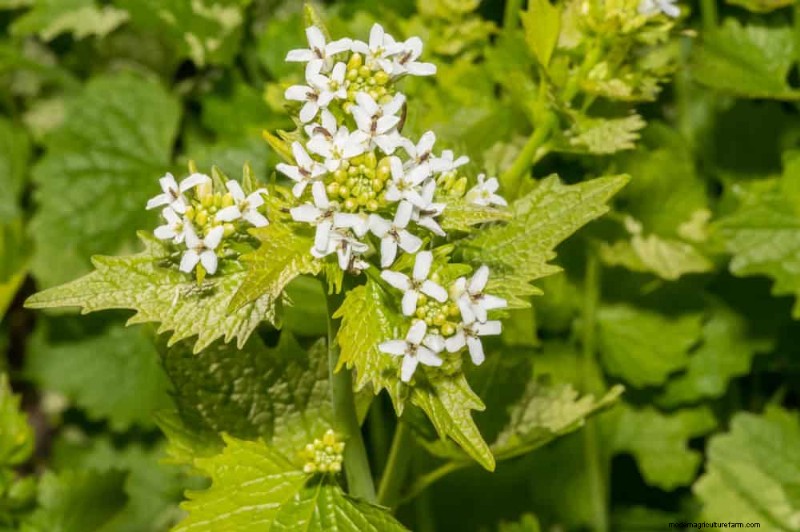
Despite its invasive status, garlic mustard is edible and offers a garlicky flavor that fades as the plant matures. Harvest early spring for best taste. Incorporate into salads, pestos, or sauces. Rich in vitamins A and C, it also serves as a wild food that can help control its spread when harvested responsibly.
 Shutterstock
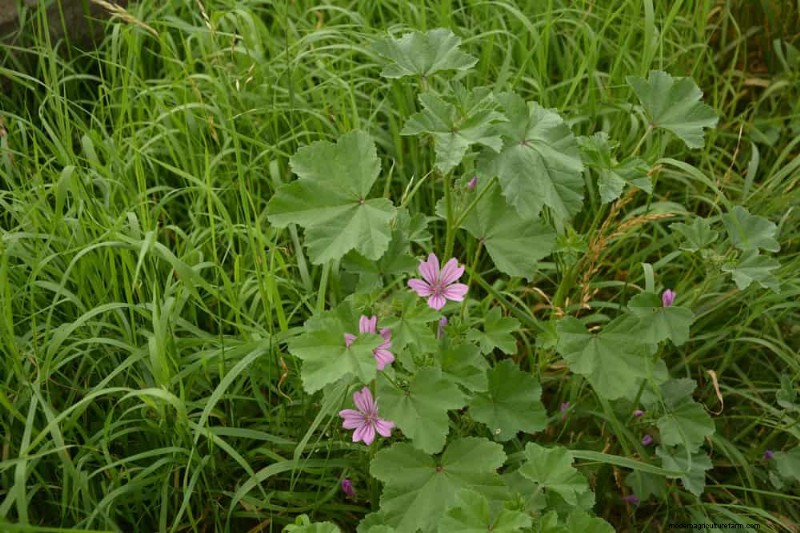
Mallow’s leaves and flowers are edible and can be eaten raw or cooked. High in vitamins A and C, the plant’s mucilaginous leaves thicken soups or stews. Flowers add a splash of color to salads. Harvest only from pesticide‑free areas.
 Shutterstock
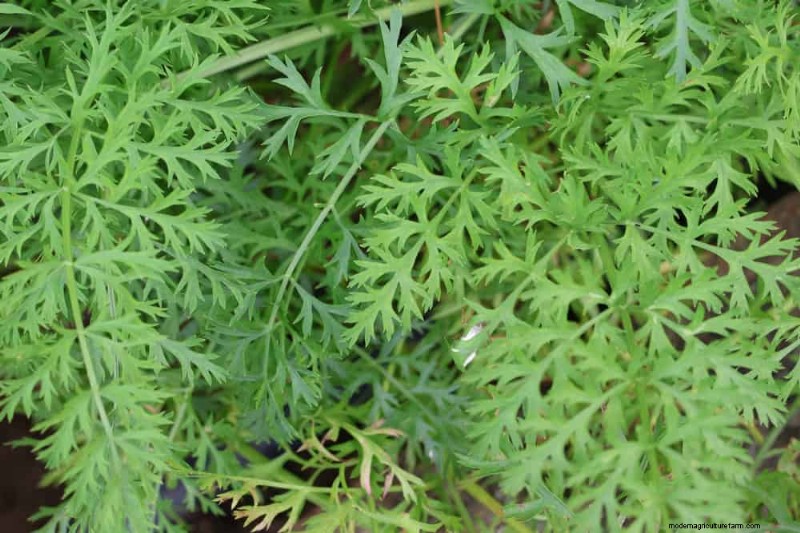
Also called wild carrot, Queen Anne’s Lace offers woodier roots that taste best when young. Its leaves and flowers can garnish salads or be added to dishes. Caution is essential—this plant closely resembles the highly toxic poison hemlock. Accurate identification is non‑negotiable.
 Shutterstock
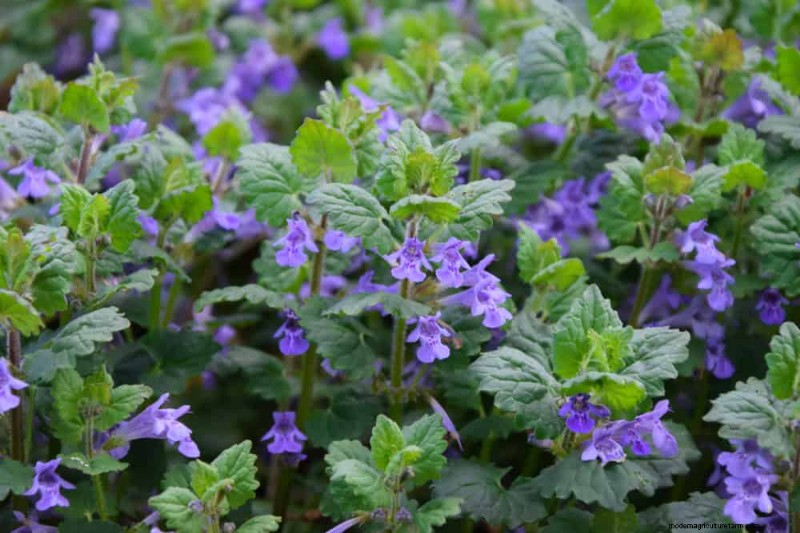
Creeping Charlie’s minty leaves are edible in teas, salads, and soups. Rich in vitamin C and historically used for respiratory ailments, it also possesses anti‑inflammatory properties. Harvesting helps control its invasive spread, but verify the plant before consumption.
 Shutterstock
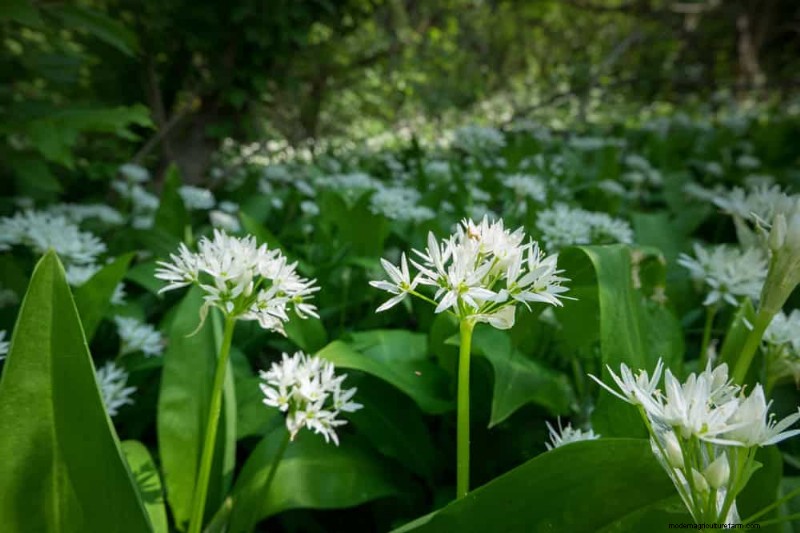
Wild garlic, or crow garlic, contributes strong onion‑garlic flavor to soups, salads, and stir‑fries. Harvest leaves in early spring for mild taste. It is high in vitamins A and C and has antibacterial and antifungal properties. Must not be mistaken for poisonous look‑alikes such as lily of the valley.
 Shutterstock
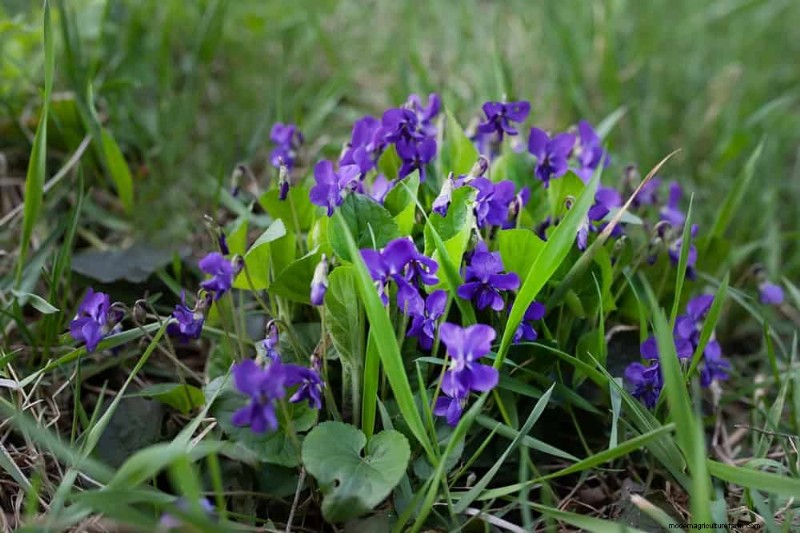
Both leaves and flowers of wild violet are edible, offering a mild, slightly sweet flavor. Flowers serve as delicate garnishes for desserts, salads, or drinks. Leaves are useful in teas for soothing sore throats. Must harvest from uncontaminated sites.
 Shutterstock
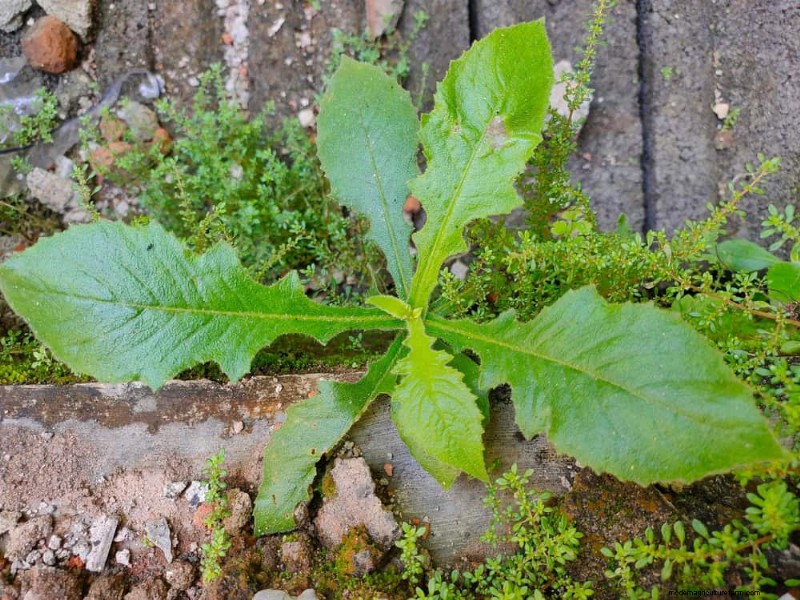
Wild lettuce’s leaves can be eaten raw or cooked; heat reduces bitterness and unlocks mild sedative qualities. Historically used as a natural pain reliever and sleep aid, these greens are a source of vitamins A and C.
 Shutterstock
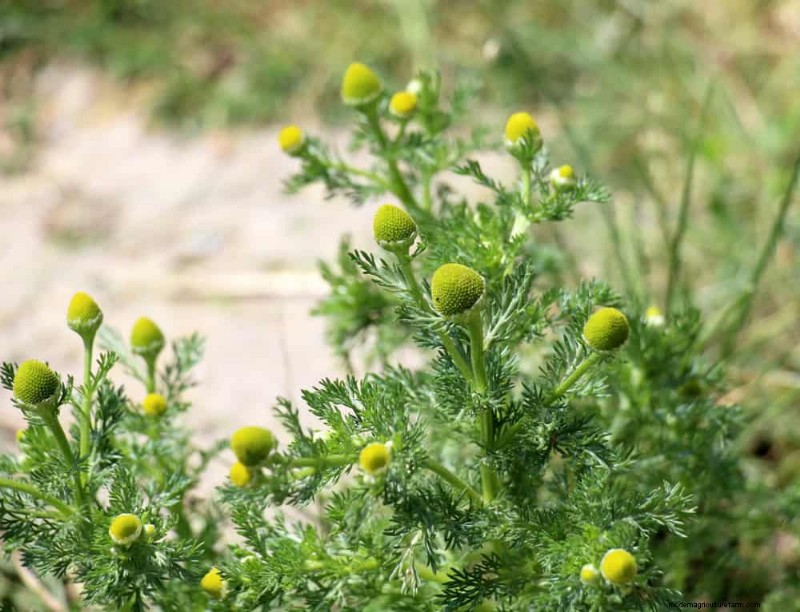
Pineapple weed, a relative of chamomile, exudes a subtle fruity aroma. Its leaves and flowers are edible; they lend a mild pineapple flavor to herbal tea or salads. Packed with vitamins and antioxidants, it is a healthy wild edible when sourced responsibly.
 Shutterstock
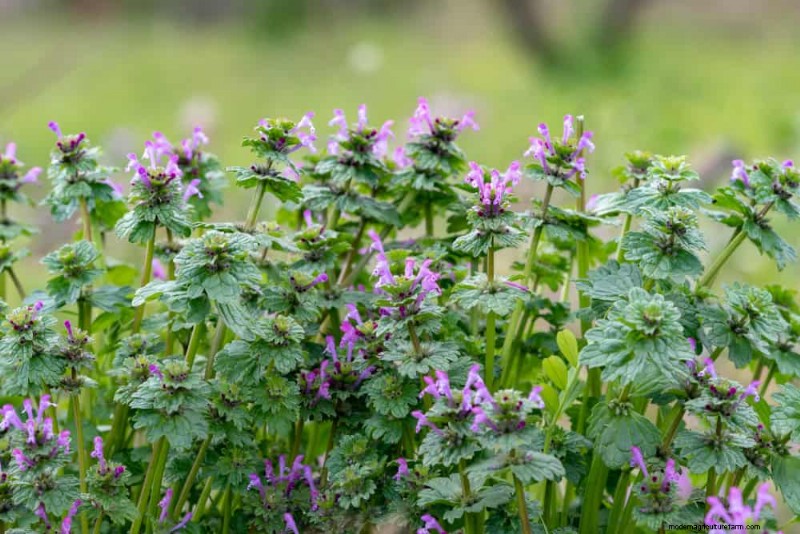
Henbit is a member of the mint family, offering leaves and flowers that can be eaten raw or cooked. Its mild flavor makes it a pleasant addition to salads, soups, and teas. High in iron and other minerals, henbit is an excellent source of nutrition and anti‑inflammatory support.
 Shutterstock
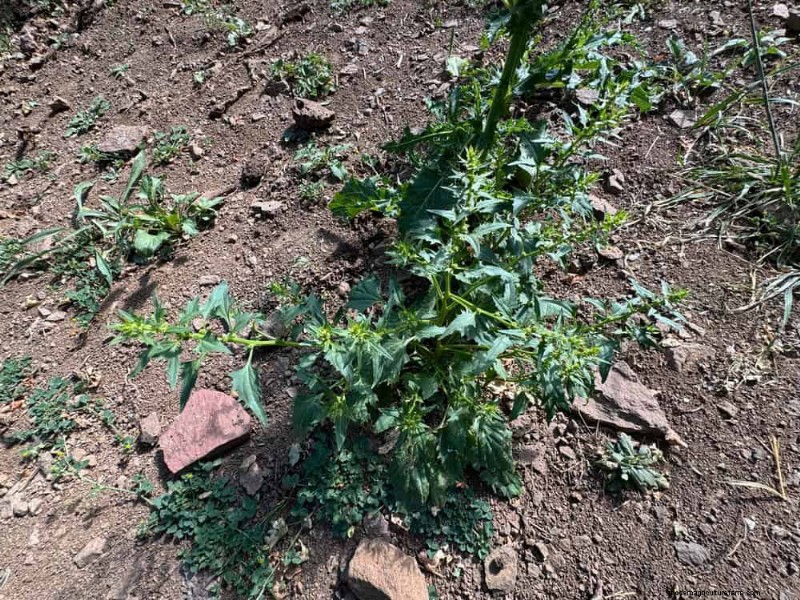
Related to lamb’s quarters, nettleleaf goosefoot’s young leaves and shoots can be cooked and eaten as greens. Rich in vitamins A and C, protein, and essential minerals, it’s ideal for culinary applications. Cooking reduces bitterness and enhances nutritional value.
 Shutterstock
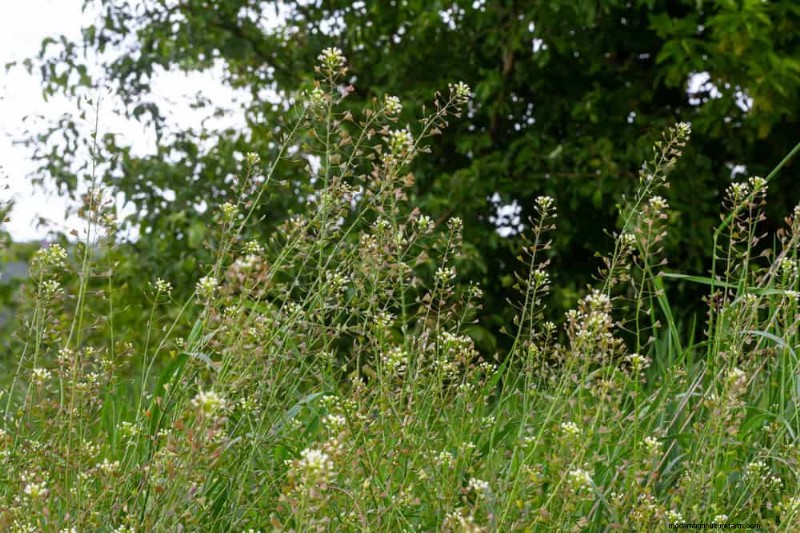
Shepherd’s purse offers mild, peppery flavor and is suitable for salads, soups, and sauces. Its leaves are rich in vitamins C and K. The seeds can be used as a mustard‑seed substitute. Harvest only from uncontaminated areas and confirm plant identity.
 Shutterstock
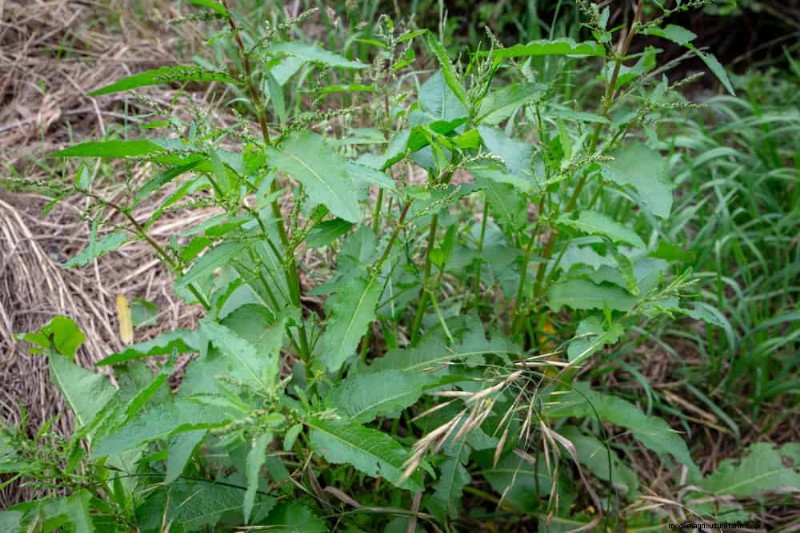
Young broadleaf dock leaves are edible; older leaves are best cooked to reduce bitterness. The plant contains vitamins A and C, calcium, and iron. Roots are sometimes used in traditional medicine to treat skin conditions and digestive issues. Cooking neutralizes oxalic acid, making it safe to consume.
 Shutterstock
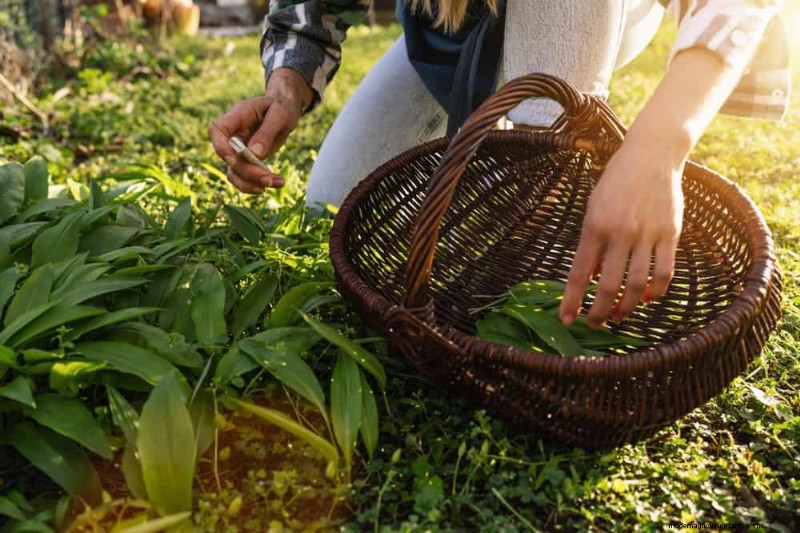
Foraging edible weeds is rewarding, but safety is paramount. Accurately identify each species—many edible weeds have toxic look‑alikes. Harvest only from clean, pesticide‑free sites. Wash thoroughly and prepare according to the plant’s unique characteristics. Some greens require cooking to neutralize flavors or toxins; others are best eaten raw. When handled correctly, these wild greens become a nutritious, sustainable food source.
 Shutterstock
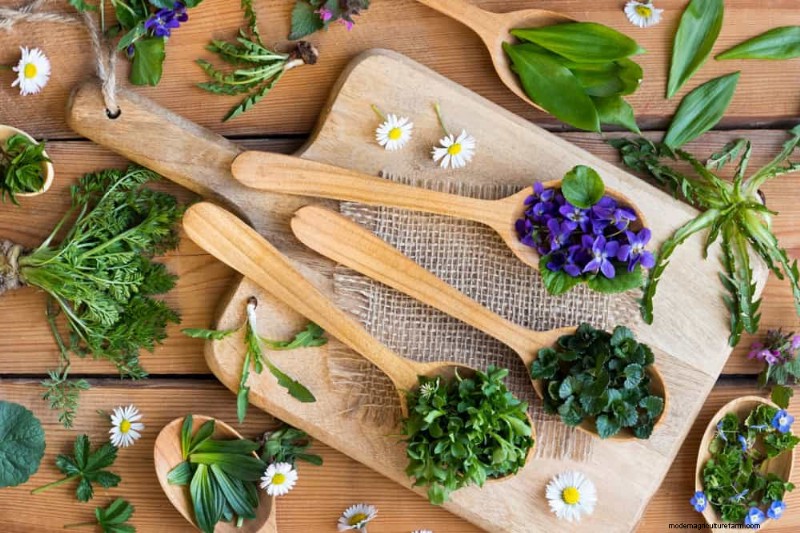
Turn garden nuisances into culinary treasures. With the right identification, preparation, and safety practices, these edible weeds can enhance your meals, boost nutrition, and inspire sustainable eating. Next time you spot a weed, consider it a potential ingredient and a delicious, nutritious opportunity.

Editorial oversight
GardenTabs content is reviewed by Steve Snedeker, a seasoned gardener with decades of hands‑on landscaping experience.


