Welcome to Modern Agriculture!

 Shutterstock
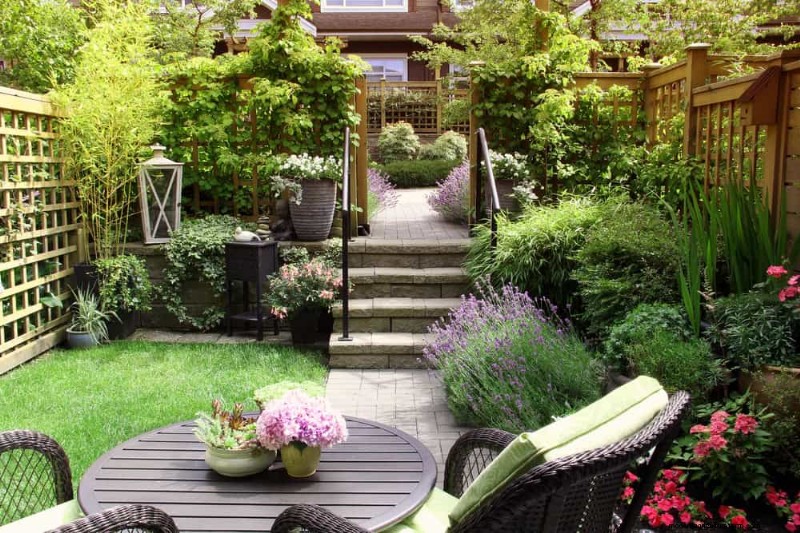
Perennials provide dependable color and texture that return each year, making them the backbone of any long‑lasting garden. Unlike annuals that must be replanted, perennials establish deep root systems, grow stronger with time, and often bring more vibrant blooms with successive seasons. Whether you want spring bursts, summer radiance, fall richness, or winter intrigue, the following 21 perennials deliver lasting beauty and low‑maintenance confidence.
 Shutterstock
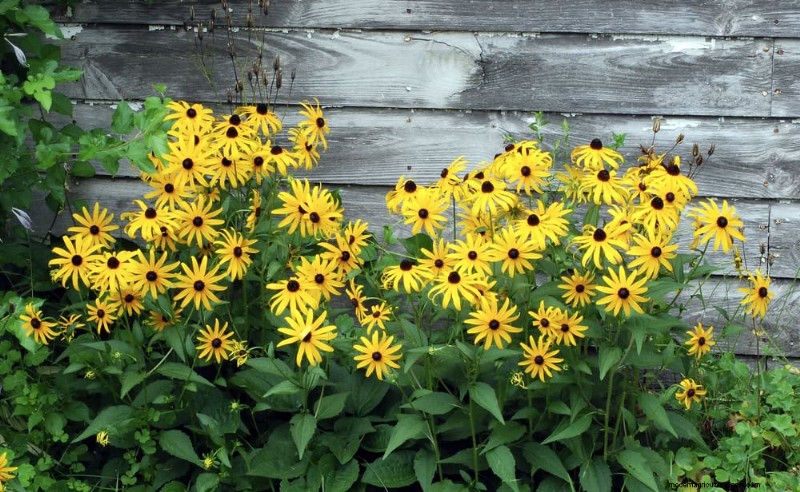
These bright yellow blooms, with their daisy‑like petals and dark centers, light up gardens from midsummer through fall. They thrive in full sun, well‑drained soil, and are exceptionally drought‑tolerant. Black‑Eyed Susans also serve as excellent cut flowers, adding a sunny touch to indoor arrangements.
 Shutterstock
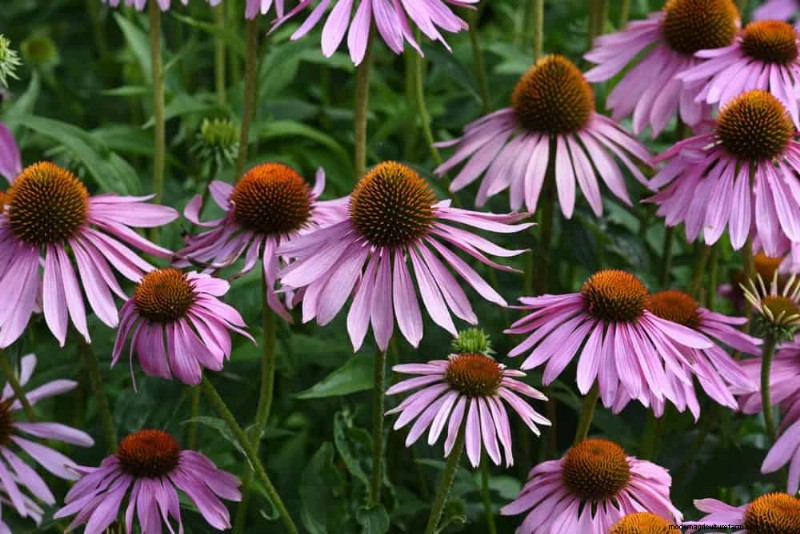
Available in pink, purple, white, and orange, Coneflowers bloom from summer to early fall, attracting bees, butterflies, and hummingbirds. They are deer‑resistant, prefer sunny, well‑drained sites, and demand minimal care, making them ideal for both novice and experienced gardeners.
 Shutterstock
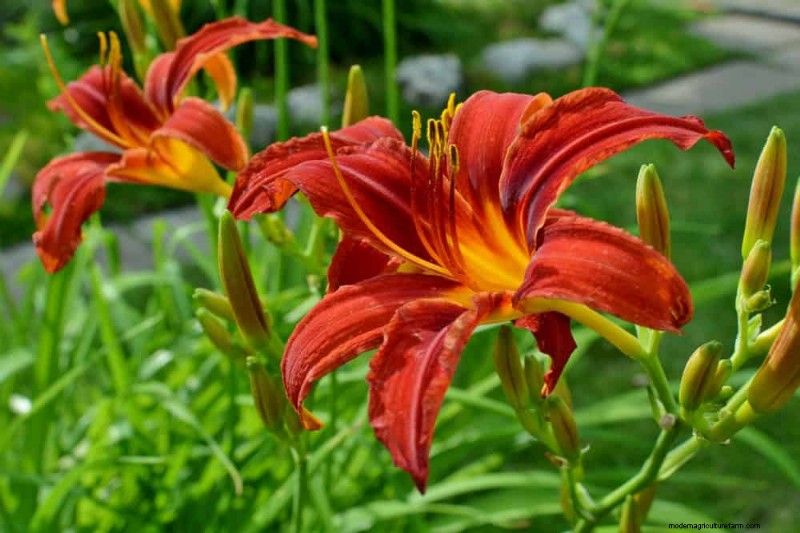
Daylilies offer a rainbow of colors from late spring to early autumn. Though each flower lasts only a day, the plant produces abundant blooms, ensuring continuous color. They adapt to various soils, favor well‑drained, fertile ground, and require little maintenance.
 Shutterstock
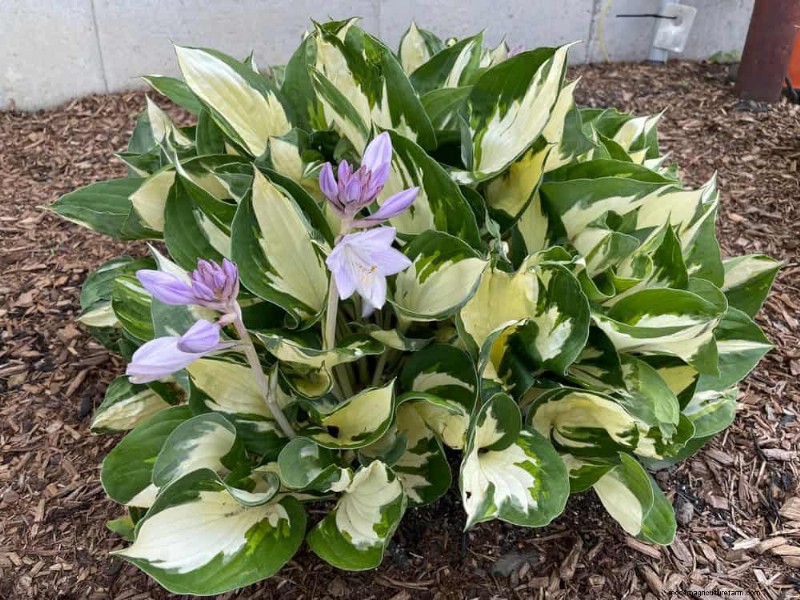
Ideal for shade, Hostas boast variegated foliage in greens, blues, yellows, and whites. While primarily grown for leaves, they also produce delicate lavender or white flowers that attract pollinators. They thrive in rich, moist, well‑drained soils.
 Shutterstock
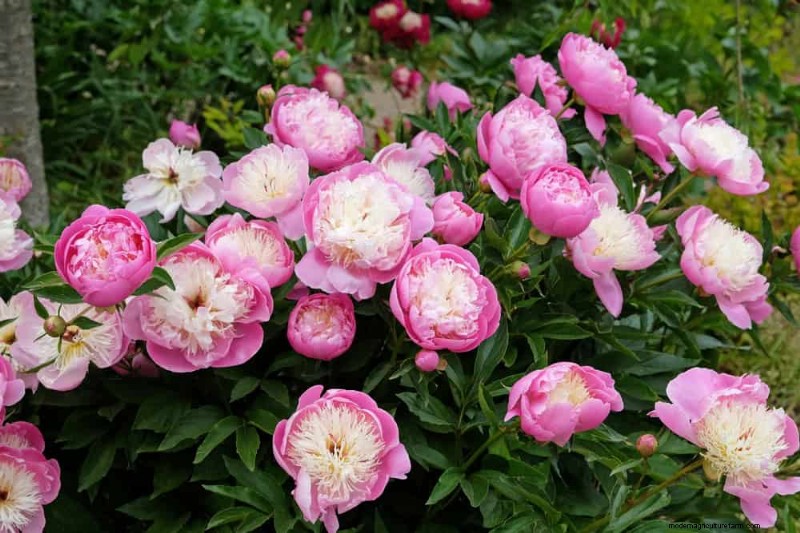
Peonies deliver large, fragrant blooms from late spring to early summer. Their long lifespan—often decades—makes them a worthwhile investment. Full sun and well‑drained soil are preferred, though they tolerate partial shade. Regular deadheading promotes healthier growth.
 Shutterstock
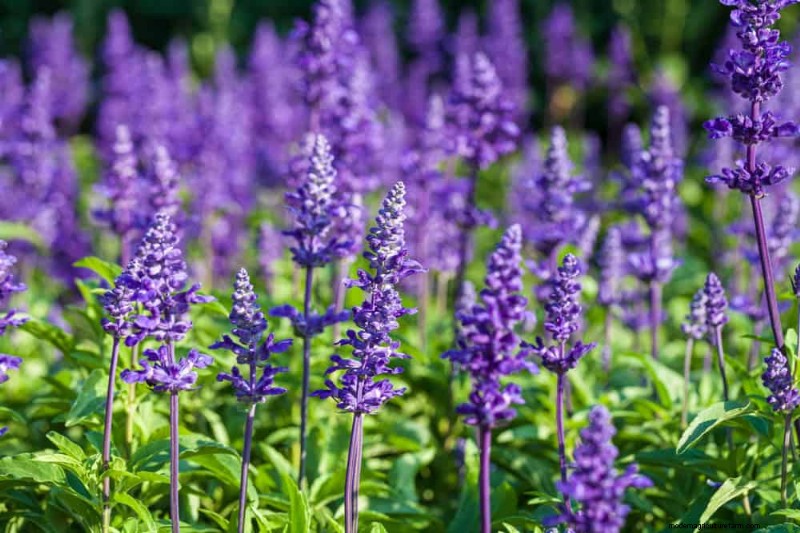
Lavender offers purple spikes that bloom from late spring to early summer, filling the air with soothing scent. Its silvery foliage remains attractive off‑season. Lavender thrives in full sun, well‑drained soil, and is drought‑tolerant, making it suitable for borders, rock gardens, and containers. It also has culinary and medicinal uses.
 Shutterstock
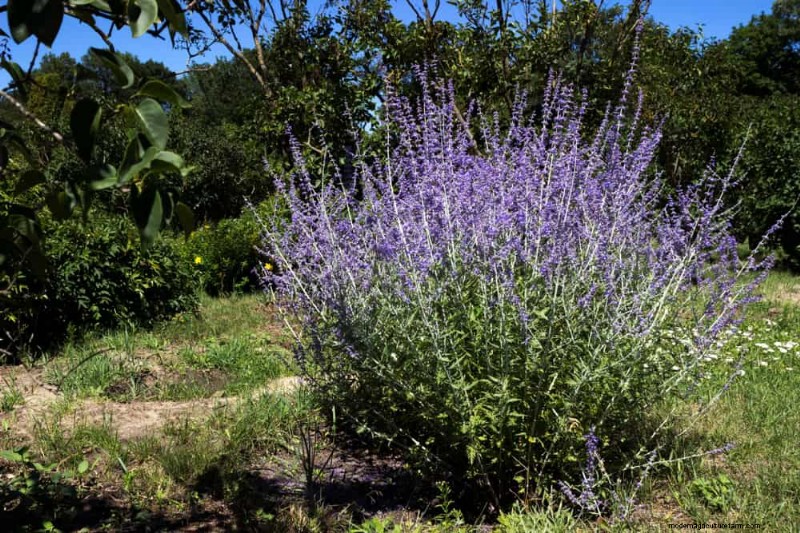
Russian Sage produces airy lavender‑blue flower spikes from late summer to early fall, adding color when many other plants fade. Its silvery foliage provides contrast, and the plant tolerates heat, dry conditions, full sun, and well‑drained soils.
 Shutterstock
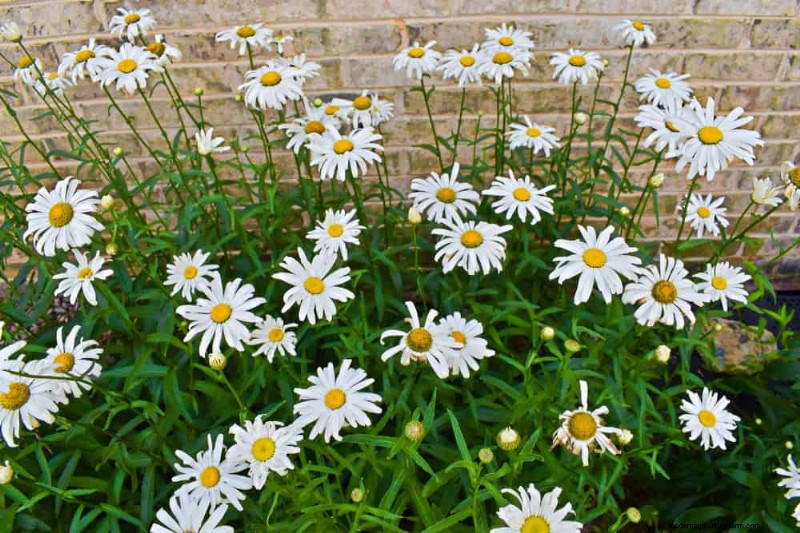
Shasta Daisies are celebrated for their white petals and bright yellow centers, blooming from early summer to early fall. They flourish in sunny spots with well‑drained soil, and their cut flowers brighten indoor arrangements.
 Shutterstock
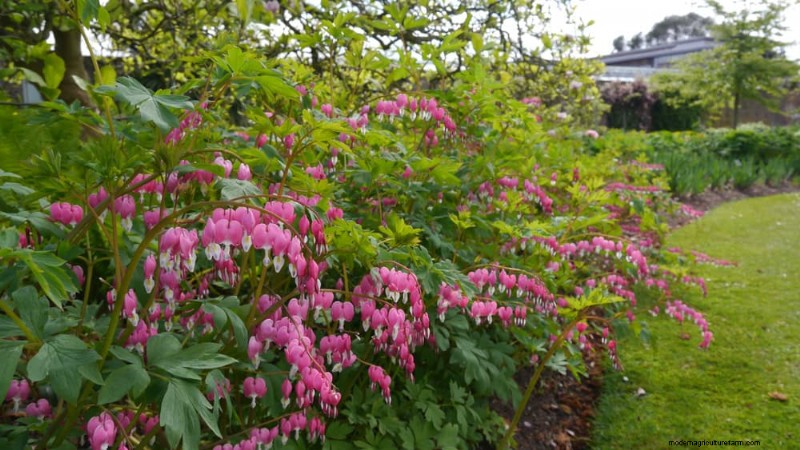
With heart‑shaped, dangling flowers in pink and white, Bleeding Hearts bloom from late spring to early summer. They thrive in rich, moist soil and partial to full shade, making them perfect for woodland or shaded beds.
 Shutterstock
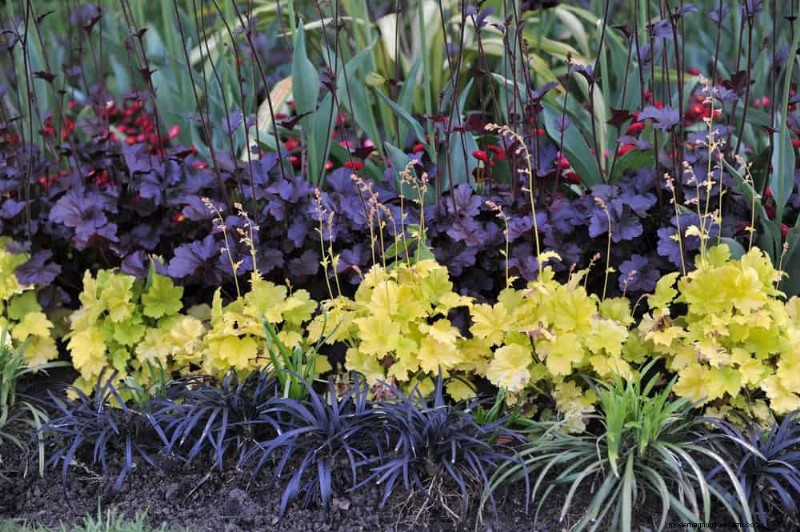
Coral Bells feature ruffled foliage in purple, bronze, green, and silver, with delicate bell‑shaped flowers blooming from late spring to early summer. They adapt to shade or partial shade, are drought‑tolerant once established, and work well in borders, containers, or as ground cover.
 Shutterstock
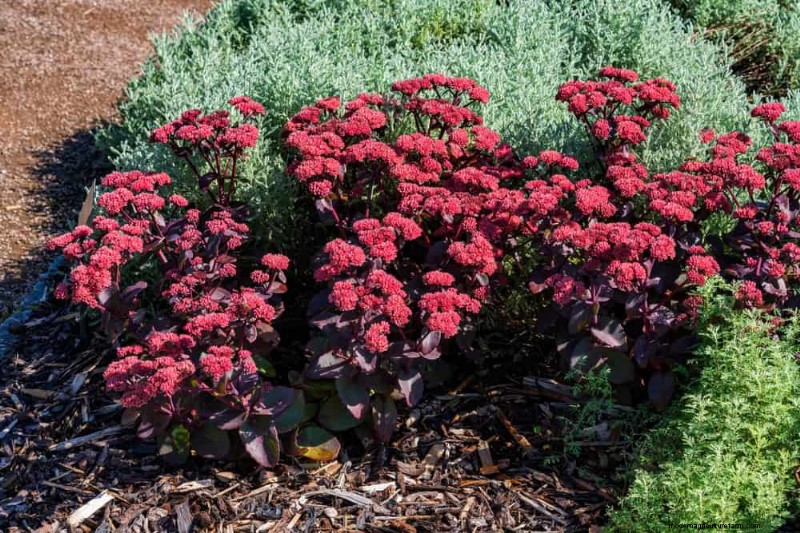
Stonecrop offers succulent leaves and clusters of tiny star‑shaped flowers from summer to fall. It thrives in dry, well‑drained soil, making it ideal for rock gardens and sunny borders.
 Shutterstock
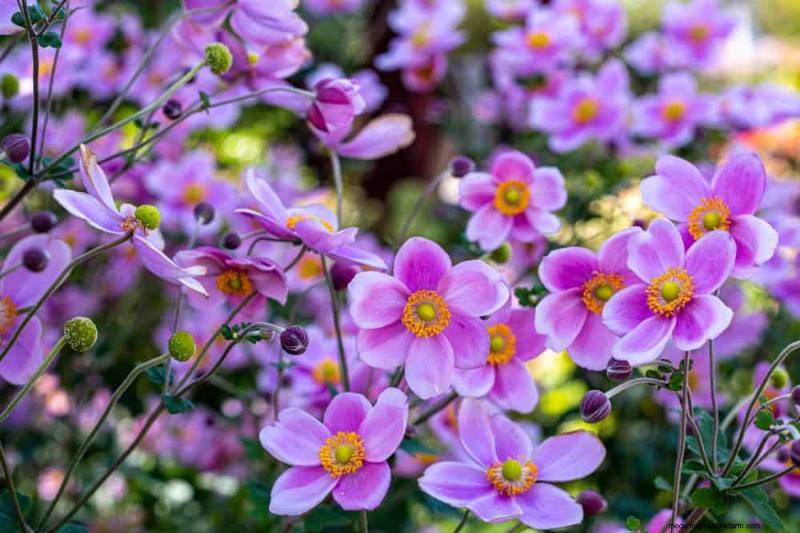
Japanese Anemones provide white and pink flowers on tall stems from late summer to fall, adding color when most plants have finished blooming. They prefer partial shade and moist, well‑drained soil, and spread slowly to form charming clumps.
 Shutterstock
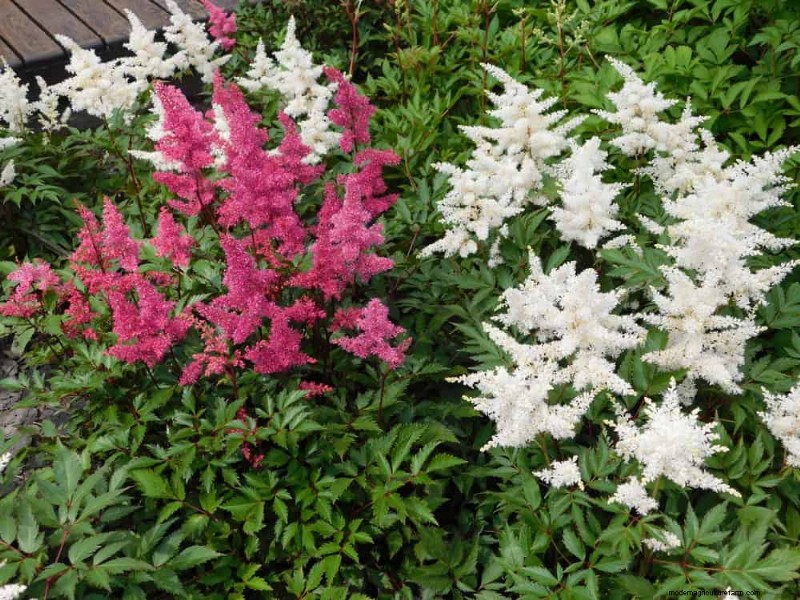
Astilbe offers feathery plume‑like flowers in pink, red, white, and purple, blooming in late spring to early summer. It thrives in moist, well‑drained soil, making it ideal near water features or in woodland gardens.
 Shutterstock
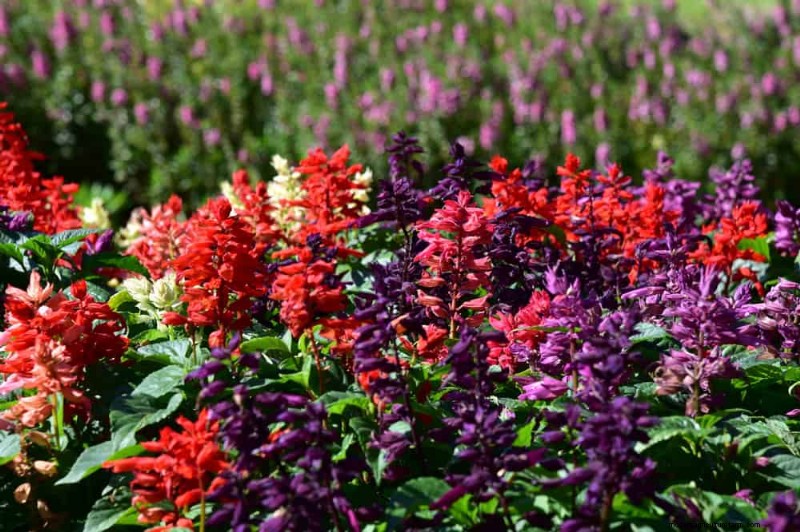
Salvia produces spiky blooms in blue, purple, pink, red, and white from late spring to fall. Their aromatic foliage attracts bees, butterflies, and hummingbirds, and they are deer‑resistant. Full sun and well‑drained soil are preferred.
 Shutterstock
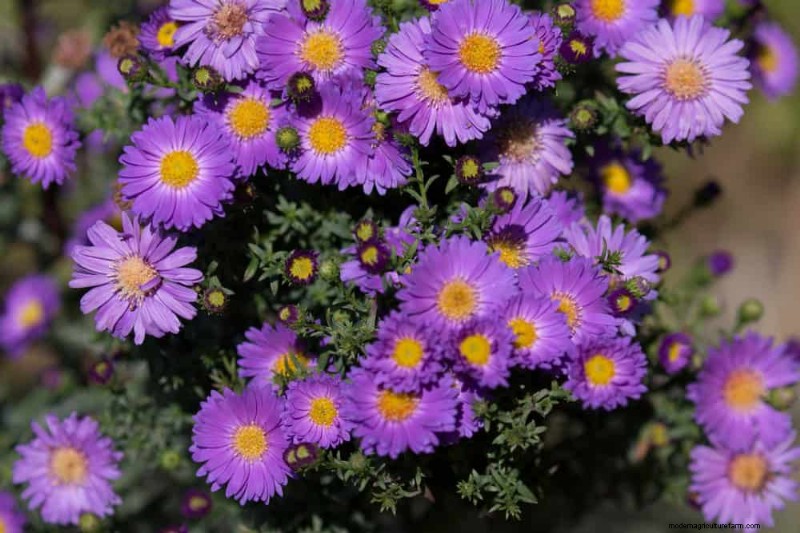
Asters offer late‑season, daisy‑like blooms in blue, purple, pink, and white from late summer to fall, providing nectar for pollinators when other plants have faded. They thrive in full sun and well‑drained soil.
 Shutterstock
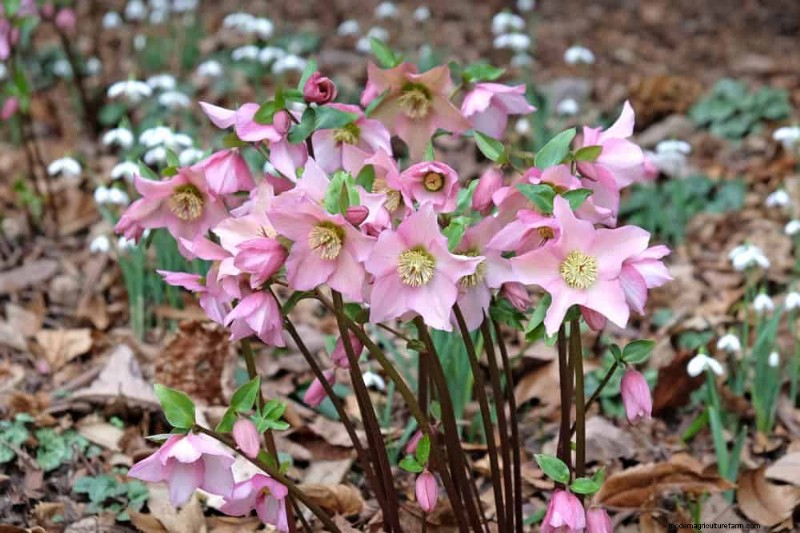
Known as Lenten Rose, Hellebores bloom in late winter and early spring, offering flowers in white, pink, purple, yellow, and green. They prefer partial shade, rich soil, and are deer‑resistant.
 Shutterstock
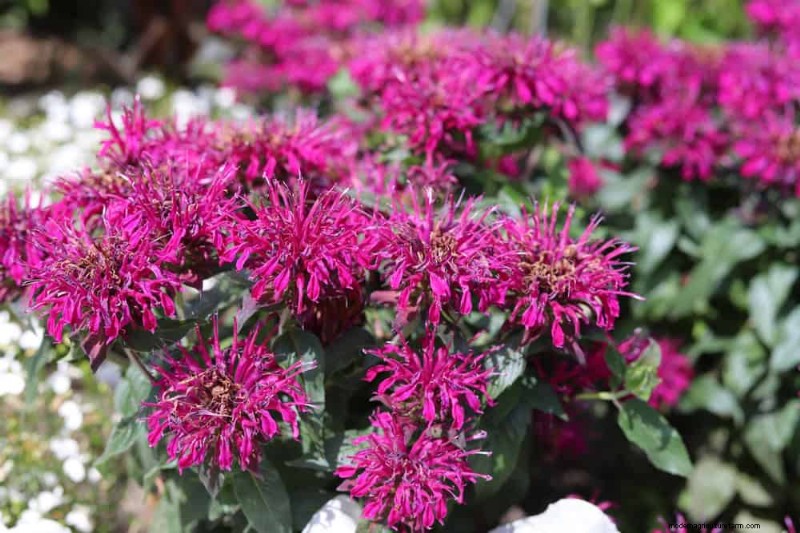
Bee Balm displays shaggy, vibrant blooms in red, pink, purple, and white from mid‑summer to fall, attracting bees, butterflies, and hummingbirds. It thrives in moist, well‑drained soil and full sun, though it tolerates partial shade. Its aromatic leaves have medicinal properties.
 Shutterstock
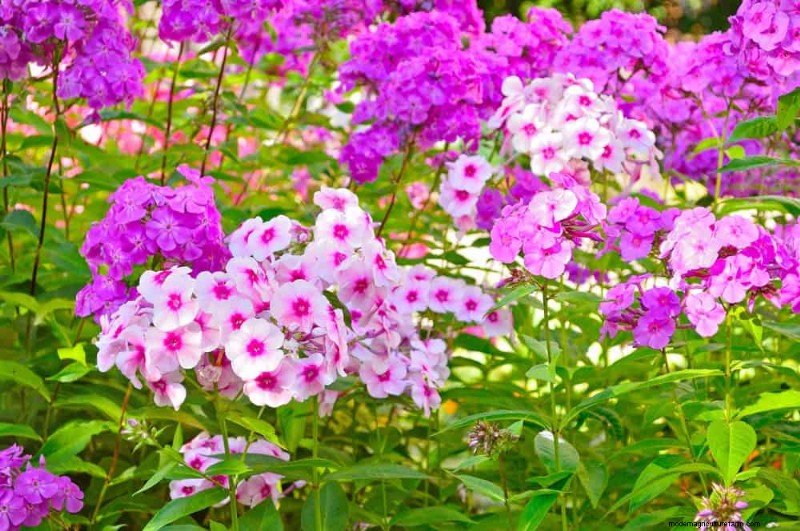
Phlox offers clusters of colorful, often fragrant flowers from spring to late summer. Available in creeping and upright varieties, it enhances rock gardens, borders, and ground covers, thriving in well‑drained soil and full sun to partial shade.
 Shutterstock
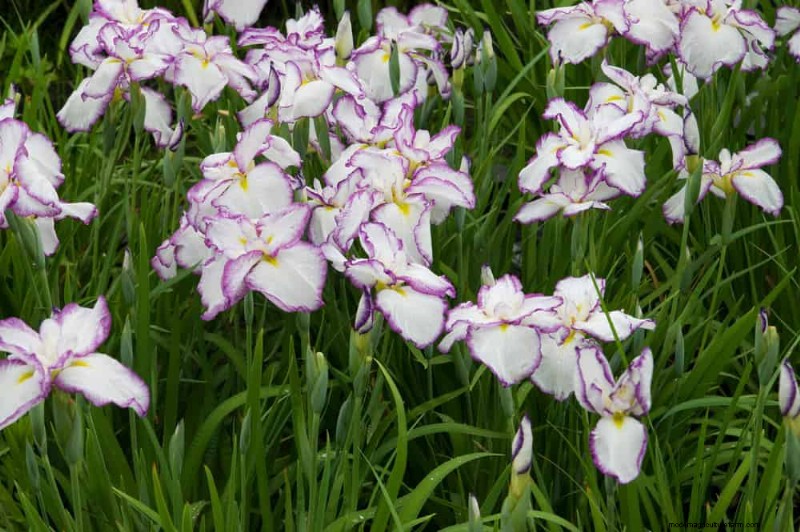
Japanese Iris delivers large, flat‑petaled blooms in purple, blue, white, and pink during early summer. It prefers moist, well‑drained soil and full sun, though it tolerates partial shade. Plant near water features for dramatic effect.
 Shutterstock
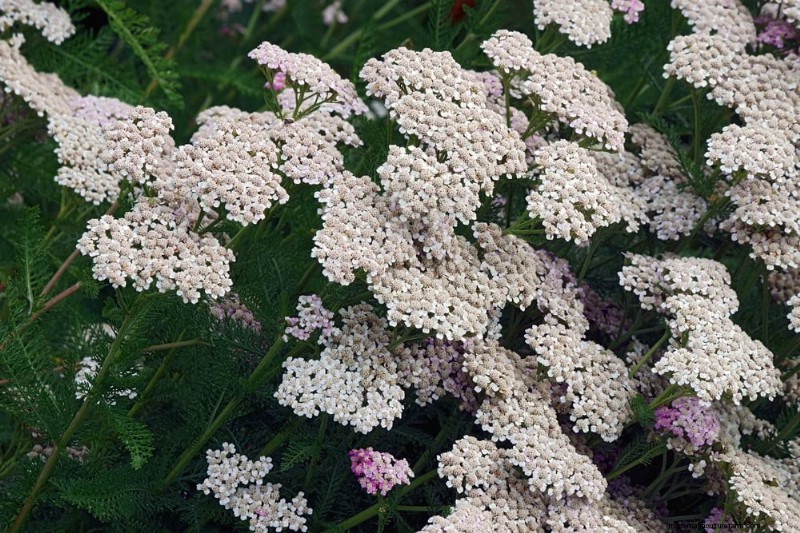
Yarrow offers flat‑topped clusters of yellow, pink, red, and white flowers from early summer to fall. It thrives in dry, full‑sun sites with poor soil, making it a staple for xeriscaping. Its feathery foliage adds texture.
 Shutterstock
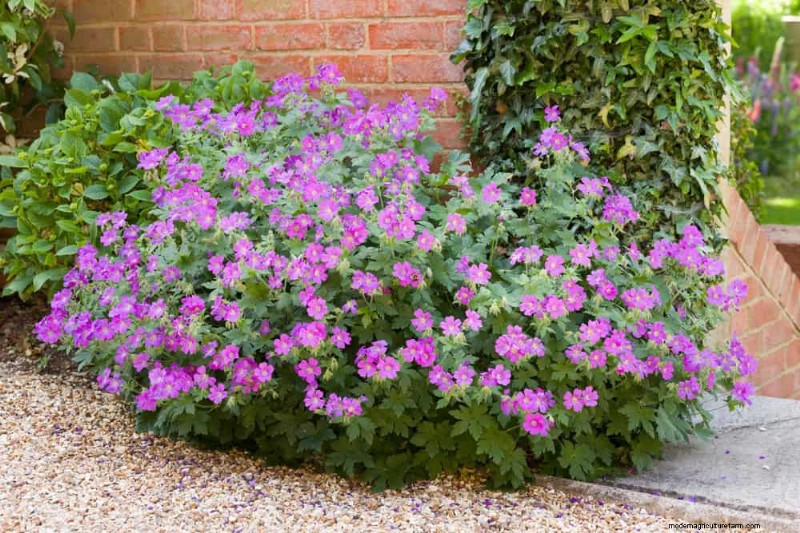
Hardy Geraniums, or Cranesbill, produce five‑petaled flowers in pink, purple, blue, and white from late spring to fall. They flourish in well‑drained soil, tolerate partial shade, and are deer‑resistant.
 Shutterstock
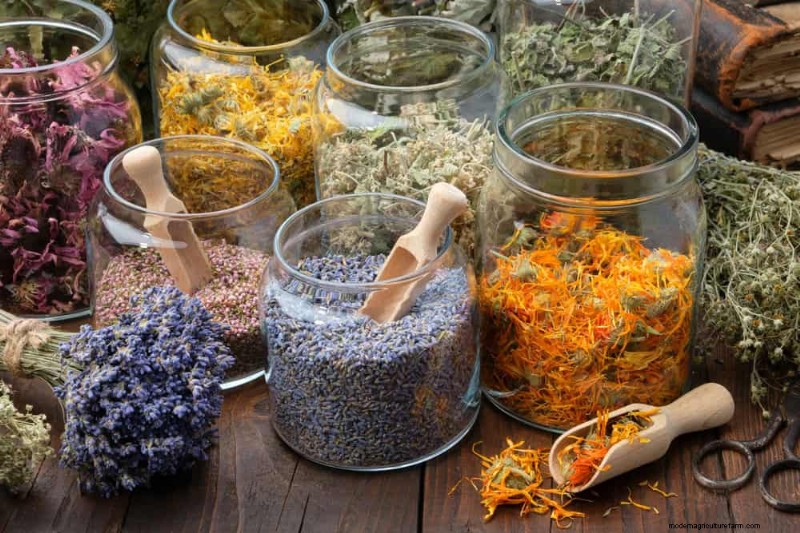
Perennials offer more than beauty—they provide medicinal, culinary, and craft value. Learning to divide, propagate, and pair complementary plants can extend blooming periods and reduce maintenance. Simple techniques like deadheading, mulching, and selective pruning keep perennials vigorous.
 Shutterstock
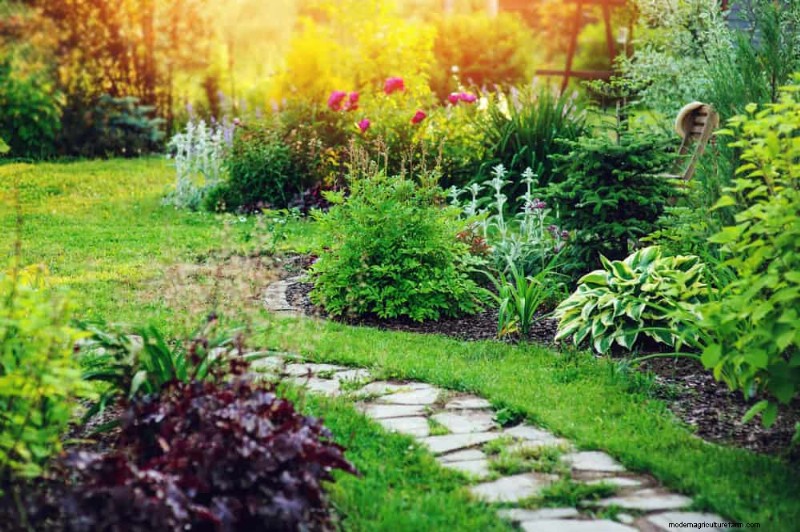
With these 21 perennials, your garden will stay vibrant from spring’s first blossoms to autumn’s richest hues. Their durability, low‑maintenance, and pollinator appeal make them a smart choice for any landscape. Plan, plant, and enjoy a garden that never stops blooming.

Editorial oversight
GardenTabs content is reviewed by Steve Snedeker, a seasoned gardener with decades of hands‑on landscaping experience.