
Welcome to Modern Agriculture!

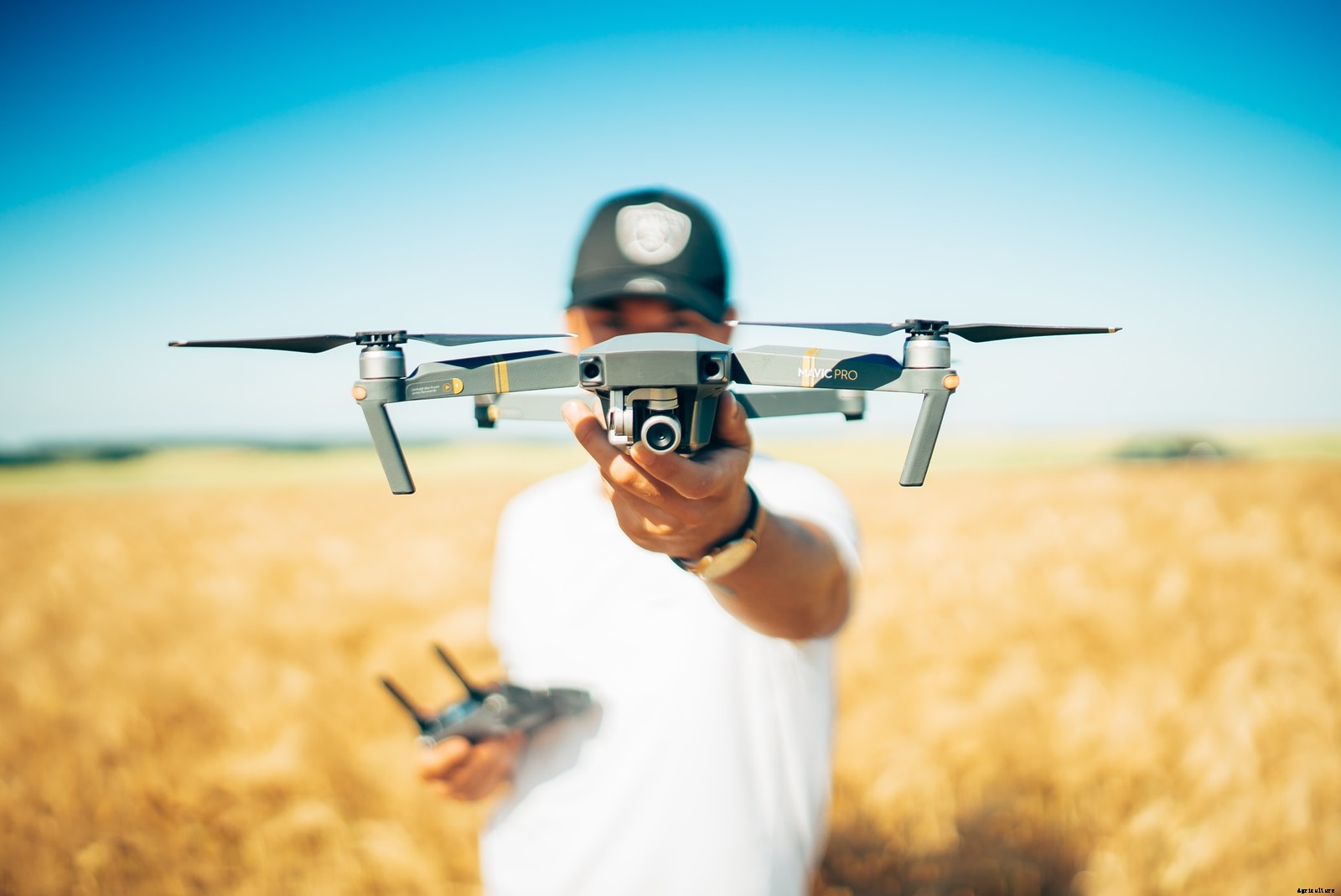
To boost farm productivity, smart agriculture uses technologies like IoT, sensors, and others. As a result of improved input efficiency, smallholder farmers benefit from increased food security and reduced labor costs associated with smart agriculture. Smart agriculture protects future generations’ natural resources by conserving ecosystems and landscapes.
Demand for higher agricultural income margins, along with the development of connected devices, has driven the smart agriculture business in recent years. The regulatory measures to increase the penetration of connected devices in agriculture are also predicted to drive the market expansion.
Although rising markets like China, India, Brazil and others have a large number of small farmers who are unaware of smart agricultural technologies, this is limiting market growth. Businesses in the smart agriculture business should see new opportunities as demand for consistent internet supply drives connected technologies.
The global smart agriculture market is classified by type, application, and region. There are three types of smart agricultural hardware, service, and solution.
The worldwide smart agriculture market is divided into three hardware segments: GPS devices, sensor monitoring systems, and smart detection systems. The market is categorized by services into consultation, integration, implementation, and support.
The market is further divided on the basis of solutions in the areas of mobility solution, supply chain management solution, remote monitoring solution, quality assurance solution, connection solution and data analytics. The market is categorized into precision agriculture, livestock monitoring, fish farming, intelligent greenhouse and others for diverse applications.
The world market for smart agriculture is divided into Europe, North America, Asia-Pacific, Latin America, Middle East and Africa based on geography. Among them, the smart agricultural industry is predicted to dominate North America in years to come. The presence of a wide number of providers, ongoing technological development and reduced prices of equipment contribute to the growth of the North America smart agriculture industry. Moreover, as a result of increased Internet adoption of (IoT) agriculture, Asia Pacific is predicted to offer substantial growth possibilities in the intelligent agriculture market.
Global smart agriculture is a highly competitive market that is characterized by the presence of a number of international and domestic important players. Cisco Systems Inc., Trimble Navigation Limited, AgJunction Inc., SST Development Group, Inc., Trimble Navigation Ltd., Vodafone Group, Deere & Company, Raven Industries, Inc., AGCO Corporation, SemiosBio Technologies Inc., and Salt Mobile SA are just a few of the leading companies operating in the global smart agriculture market that are transforming the market through product innovation.


