Welcome to Modern Agriculture!

Want your Monstera to look lush and polished? These nine reasons show exactly why trimming those wild aerial roots keeps your plant healthy, happy, and beautiful.
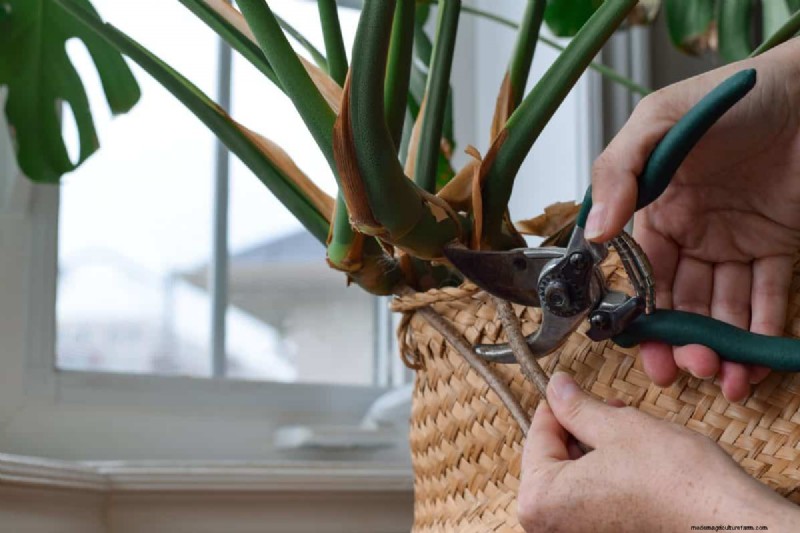
If your Monstera’s roots are snaking over the pot or clinging to the wall, you’re not alone. Many plant lovers worry that cutting them could cause harm. But the truth is, a little trim can make all the difference.
These nine insights will help you understand why your Monstera needs it, how it benefits your plant, and the safe way to do it.
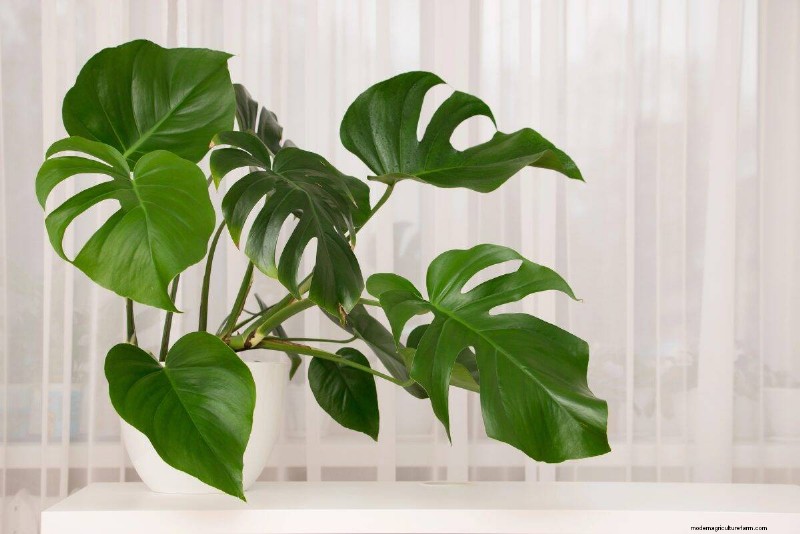
One of the biggest reasons people trim aerial roots is simply for appearance. Over time, those wiry, brown roots can grow long and unruly, hanging in odd directions or sprawling across the soil surface.
They often distract from what makes a Monstera so special. Its large, fenestrated leaves and sculptural form.
 DepositPhotos.com
A quick trim can turn that slightly wild look into something intentional and eye-catching.
You’ll immediately notice a cleaner silhouette and a more balanced display. It’s like a haircut that shows off your Monstera’s best features.
Selective pruning lets you shape your Monstera to match your space and style. Removing only the most awkward roots allows the plant to retain some of its natural, tropical charm while keeping it neat.
Many plant stylists recommend this “edited jungle” approach. It maintains authenticity while ensuring your Monstera looks as elegant as the rest of your décor.
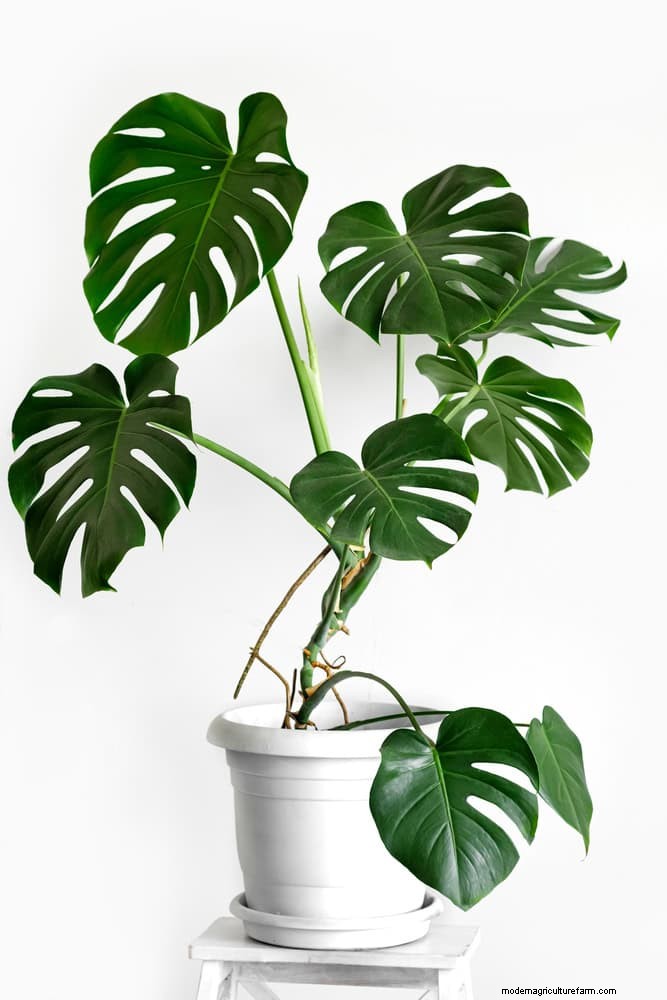
If you love the organic, wild aesthetic, leave a few roots intact for texture and character. But if you prefer a cleaner, design-forward vibe, regular trimming can make a huge visual difference.
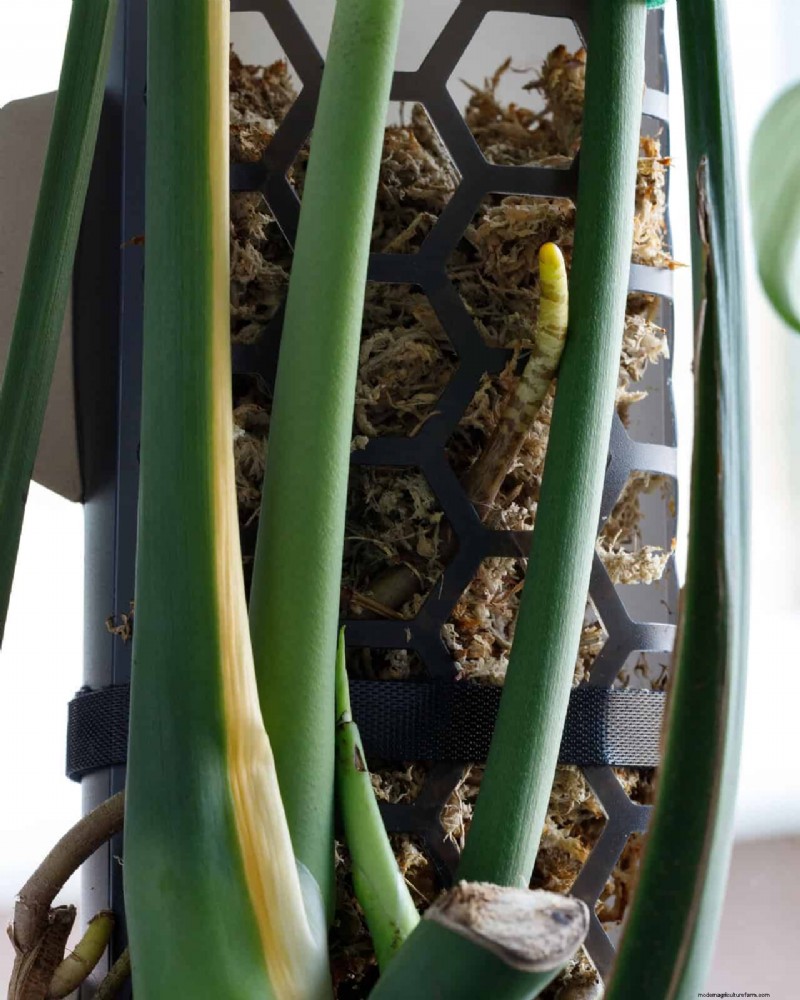
Aerial roots exist so your Monstera can climb. In a rainforest, they latch onto tree bark and pull the plant upward toward sunlight. Indoors, a moss pole or coir totem serves the same purpose, but only if the roots actually reach it.
Trimming stray roots that grow in the wrong direction encourages the plant to send out new ones closer to the support. Over time, this creates a stronger attachment and a more upright, impressive silhouette.
 DepositPhotos.com
If a root is heading sideways toward the wall or dangling into open air, it’s not doing the plant any favors. Snip it cleanly and redirect your Monstera’s energy toward the pole where it counts.
Pro Tip: Mist your moss pole regularly or wrap it in damp sphagnum moss. Aerial roots are naturally drawn to moisture, so a consistently damp pole encourages faster, stronger attachment without any extra effort on your part.
If you’re looking for ways to encourage bigger, bolder foliage on your climbing Monstera, check out our guide to How to Speed Up Monstera Leaf Unfurling.
We'll email it to you so you can read it later!
By saving, you agree to receive occasional emails. Unsubscribe anytime.
In their native rainforest environment, Monstera roots anchor into tree bark for stability and access to moisture.
Indoors, however, that same instinct can lead them to latch onto anything nearby, including your walls, shelving, or furniture.
While the roots won’t cause major structural damage, they can leave behind residue, paint scuffs, or indentations if they stick too long. The longer they stay attached, the harder they are to remove without leaving a mark.
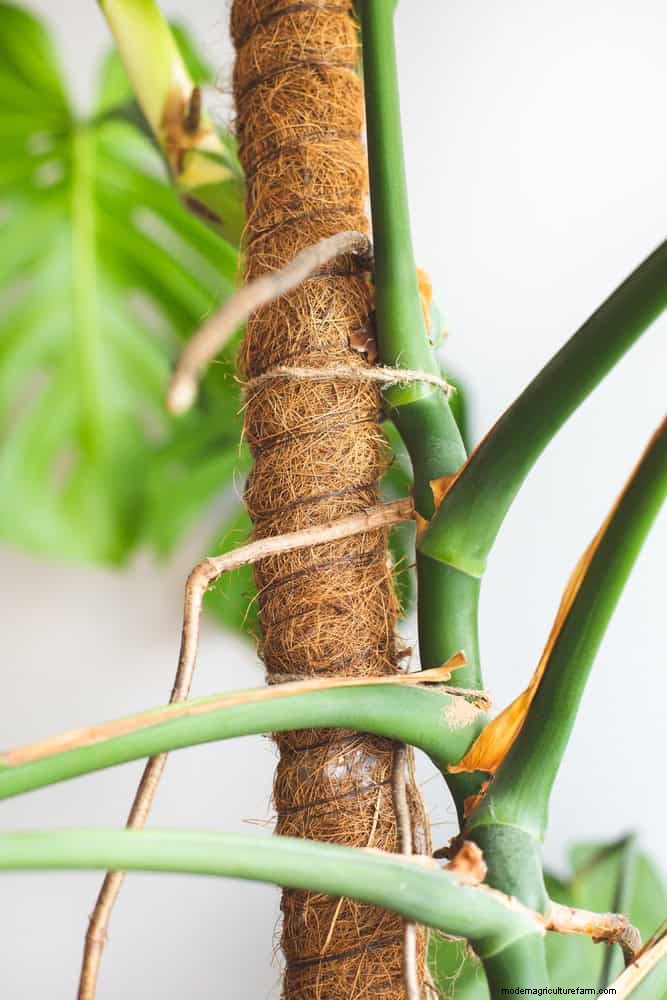
To avoid this, check periodically for roots reaching toward surfaces and trim them before they attach. This is especially important if your plant sits close to painted walls or porous materials like wood and fabric.
A good rule of thumb: leave about an inch of space between your Monstera and anything it might “explore.”
Combined with occasional trimming, this small habit prevents future cleanup headaches and keeps your space looking pristine.
Read more: 10 Creative Monstera Placement Ideas for Every Room
Cats and dogs are naturally curious, and dangling aerial roots can look a lot like toys. Long, swaying roots attract batting paws and curious mouths, which is a problem because Monstera contains calcium oxalate crystals that can irritate a pet’s mouth, tongue, and throat if chewed.
 DepositPhotos.com
Trimming aerial roots so they stay short and close to the stem removes a big part of the temptation. A compact, tidy plant is far less interesting to a playful cat than one with long tendrils trailing toward the floor.
This isn’t a substitute for keeping toxic plants out of reach entirely, but it’s a practical extra layer of safety. Pair trimming with elevated placement (a high shelf or plant stand) and you’ll significantly reduce the risk of an unwanted encounter.
Like all plants, Monsteras have limited energy to divide between growing leaves, stems, and roots. Indoors, where aerial roots serve little purpose, letting them grow unchecked can divert some of that energy away from new foliage.
Trimming them helps your plant focus on what matters most in a houseplant setting: those gorgeous leaves.
While this effect isn’t scientifically proven to cause dramatic growth spurts, many indoor gardeners observe fuller, more vigorous foliage after consistent pruning.
In nature, Monsteras grow aerial roots to climb trees in search of more light. But when grown indoors, there’s nothing for them to climb. So they keep growing anyway.
By removing unnecessary roots, you’re gently signaling to the plant that it doesn’t need to waste energy extending its reach.
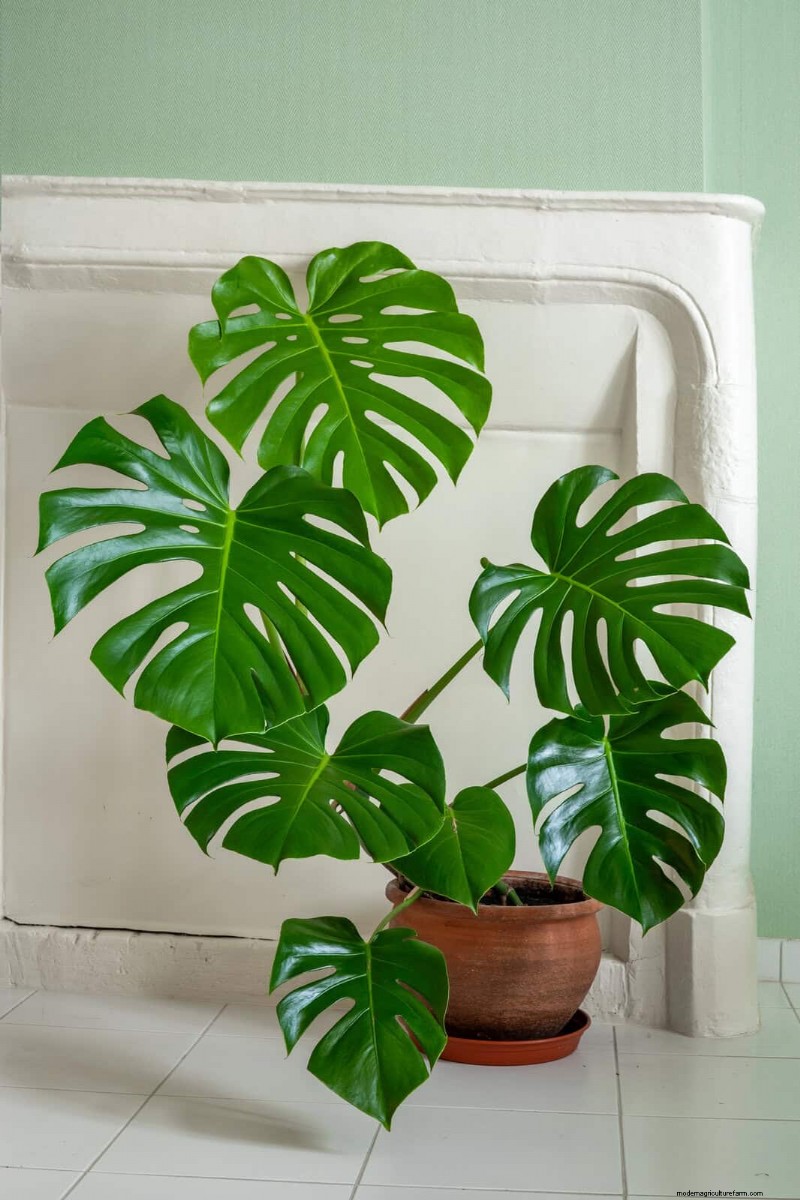 DepositPhotos.com
That energy can instead support thicker stems, stronger leaves, and better overall balance. For plants that seem “stuck” producing roots instead of new leaves, trimming can help reset their growth priorities without causing any harm.
Grouping houseplants together is one of the best ways to create a lush, collected look in any room. But when a Monstera’s aerial roots start reaching into neighboring pots, they can tangle with other plants’ foliage and even root themselves in someone else’s soil.
 DepositPhotos.com
Once that happens, separating them without damaging roots or leaves becomes tricky. Regular trimming keeps your Monstera’s boundaries clear and prevents those roots from becoming an unexpected bridge between pots.
This is especially worth watching if you keep your plants on a shared tray or shelf where pots sit close together. A quick check every few weeks saves you from a frustrating untangling session later.
If you’re looking for arrangement ideas that keep things beautiful and manageable, take a look at our guide to 13 Ways to Group Houseplants So They Look Intentional.
Monsteras thrive in humid conditions, but when aerial roots rest on damp surfaces, especially in bathrooms or near humidifiers, they can hold moisture longer than intended.
This sometimes encourages mild mold growth or musty odors, particularly in warm environments with poor air circulation.
Though this isn’t a widespread issue, trimming crowded or floor-touching roots can help. It improves air movement around the plant and keeps humidity levels in check.
Healthy airflow is one of the simplest ways to prevent fungal problems in houseplants.
When aerial roots are pruned periodically, the plant’s base remains open to light and air. This not only prevents moisture from lingering but also discourages pests like fungus gnats, which thrive in damp environments.
If you keep your Monstera in a humid space, make trimming part of your regular plant-care routine. Pair it with occasional leaf cleaning and rotating the pot for even light, and you’ll create ideal growing conditions all year long.

View this Leaf Cleaner on Amazon.
When it’s time to propagate your Monstera, a jungle of aerial roots can complicate the process. Thick, tangled roots make it harder to identify the nodes you need for a successful cutting, and they can get in the way of a clean snip.
Keeping aerial roots trimmed throughout the year means you’ll have a much clearer view of the stem when propagation day arrives. You can spot nodes quickly, make precise cuts, and avoid accidentally damaging healthy tissue.
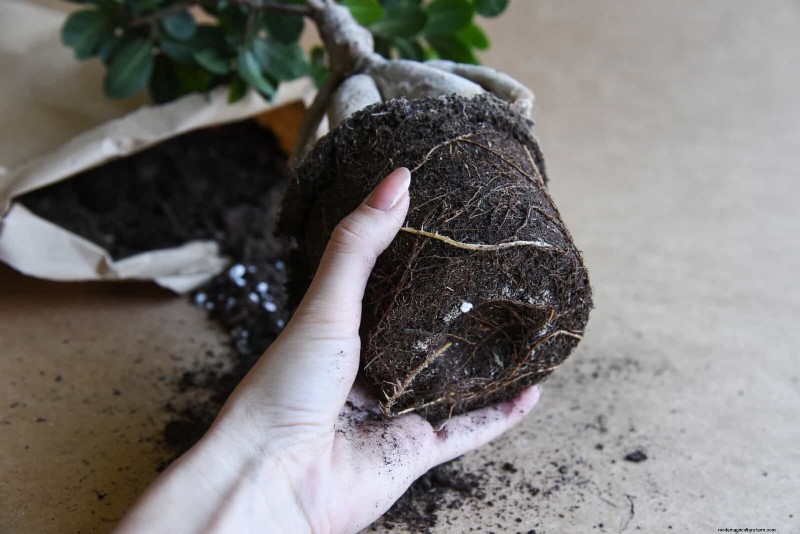 DepositPhotos.com
Cuttings with fewer stray aerial roots also tend to be easier to place in water or soil. They sit upright more naturally and don’t crowd the propagation vessel. The result is a tidier setup that’s easier to monitor for new root development.
See more: Why Your Monstera Cuttings Aren’t Rooting (And How to Fix It)
As Monsteras mature, their aerial roots can become long, tangled, and surprisingly strong. That makes basic care tasks like watering, rotating, or repotting unnecessarily tricky.
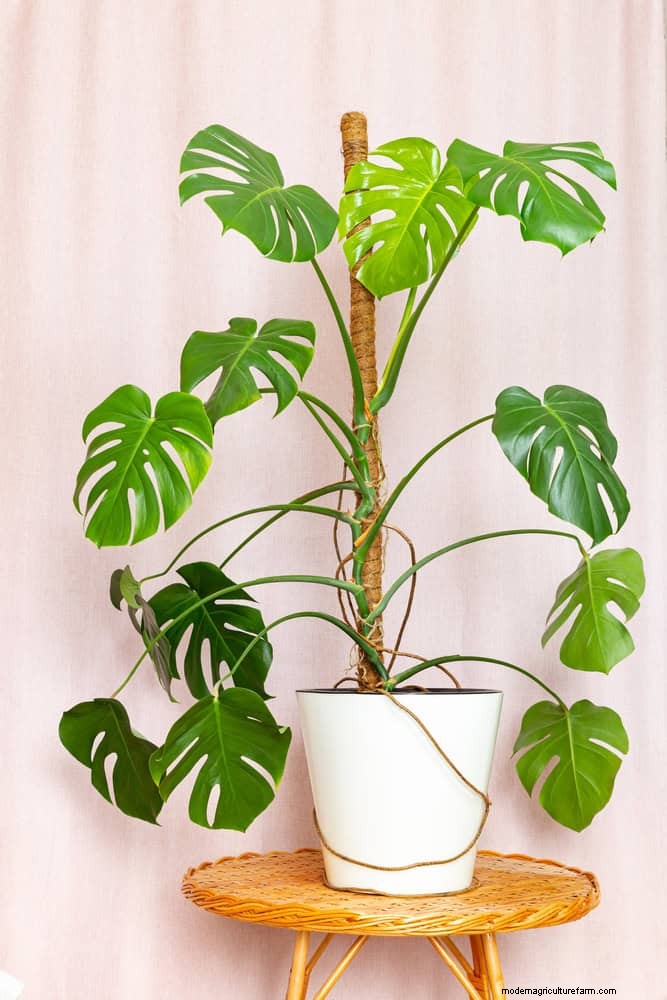
Those roots can snag on other pots, furniture, or nearby objects every time you move the plant.
Regular trimming simplifies everything. A Monstera without excessive roots is easier to lift, reposition, and clean. It’s also less likely to experience accidental breakage or root tears during care, which can stress the plant.
By keeping roots tidy, you’ll make plant care faster and more enjoyable. You can inspect the soil, check for pests, and wipe down leaves without interference.
The plant stays more compact and balanced, and your workspace remains neat, making it a win for both plant health and home harmony.
Plus, managing aerial roots means fewer tangles when repotting. When it’s time for a bigger pot, you won’t have to wrestle with stubborn roots wrapped around the container.
Trimming aerial roots is easy and safe if done with care. Always use clean, sharp scissors or pruning shears that have been sterilized with rubbing alcohol or hot water to prevent introducing bacteria.

View this Rust-Resistant Pair of Pruning Shears on Amazon.
There’s no need to seal the cut; Monsteras naturally heal on their own. Just avoid cutting into the main stem. The ideal time to trim is during spring or summer, when your plant is actively growing and can recover quickly.
If roots regrow later, that’s normal. It’s simply your Monstera doing what it does best.
Treat aerial root trimming as regular grooming rather than a one-time job. Think of it like dusting your shelves or clipping split ends: a simple, recurring habit that keeps your plant vibrant and beautiful.
Aerial roots are a fascinating part of what makes Monsteras so unique. They’re a reminder of the plant’s wild, climbing nature: a link between its jungle origins and your living room.
Trimming them isn’t about changing that character; it’s about keeping it practical and well-presented for indoor life.
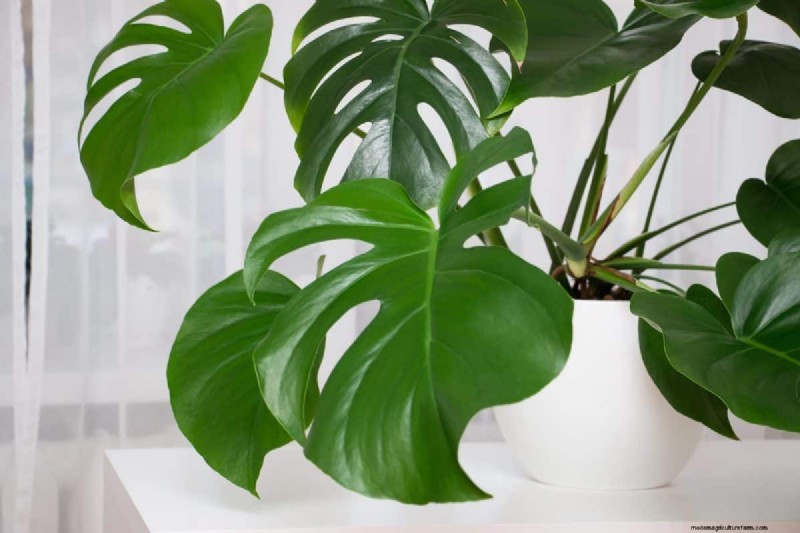 DepositPhotos.com
If you’re aiming for a sleeker aesthetic, preventing root cling, or just making plant care easier, a gentle trim every few months will keep your Monstera looking healthy and well-balanced.
With a bit of attention, your plant will reward you with thriving leaves and a bold, tropical presence that feels right at home.
For expert tips to help your plant grow bigger, stronger, and more vibrant year-round, check out 12 Monstera Care Hacks Every Plant Parent Should Know.

![Spring Lawn Aeration: Benefits & Timing - [Your Brand]](https://modernagriculturefarm.com/article/uploadfiles/202211/2022111623140849_S.png)