Welcome to Modern Agriculture!

Winter brings short days and long, dim evenings that challenge even the most devoted indoor gardeners.
While many houseplants slow their growth when light is limited, some species can truly flourish, or at least stay lush and healthy, with minimal sunlight.
In this guide, we’ll explore houseplants that either thrive or survive gracefully in low light, helping you maintain a thriving indoor oasis throughout the cold months.
Only a handful of houseplants genuinely thrive during the darkest months. These species maintain active growth, lush foliage, and healthy color even in deep shade or under artificial light. They are the foundation of any winter-friendly indoor collection.
If there’s one plant that truly deserves the title of low-light champion, it’s the cast iron plant. Native to Asian forest floors, it evolved to tolerate extreme shade, irregular watering, and cool drafts.
Its broad, deep green leaves remain glossy even when light levels are barely enough for reading.
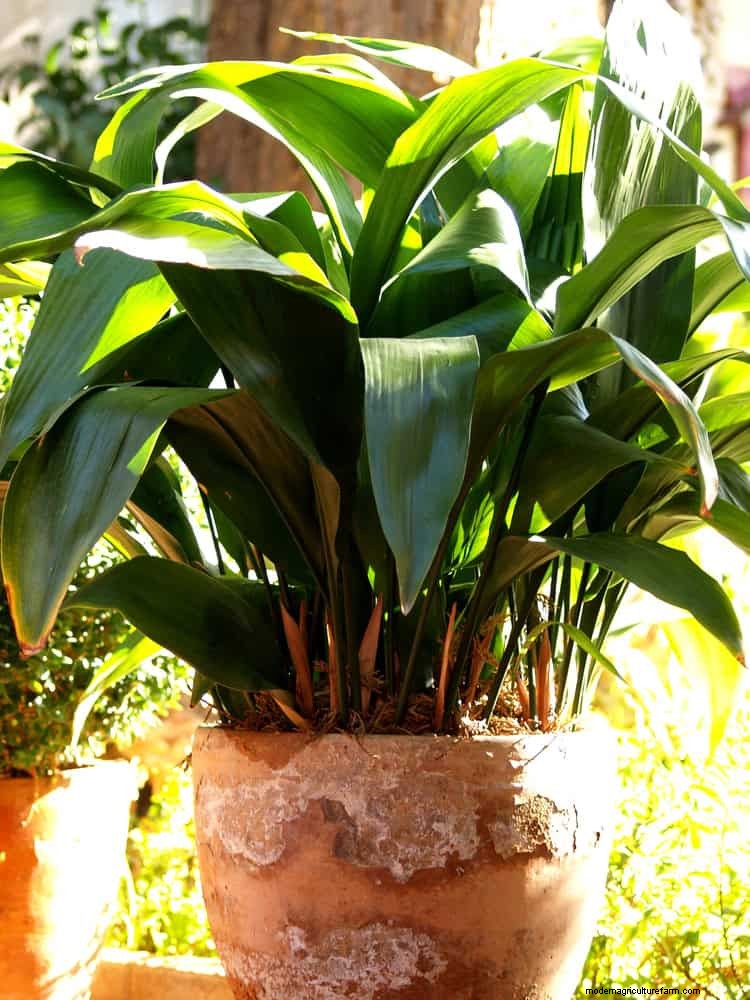
During winter, this plant’s slow metabolism works to its advantage. It continues minimal photosynthesis and stays vibrant when most plants rest.
Allow the soil to dry completely between waterings and avoid overwatering. Once a month is usually enough. Variegated forms such as ‘Milky Way’ offer added visual appeal while maintaining the same level of hardiness.
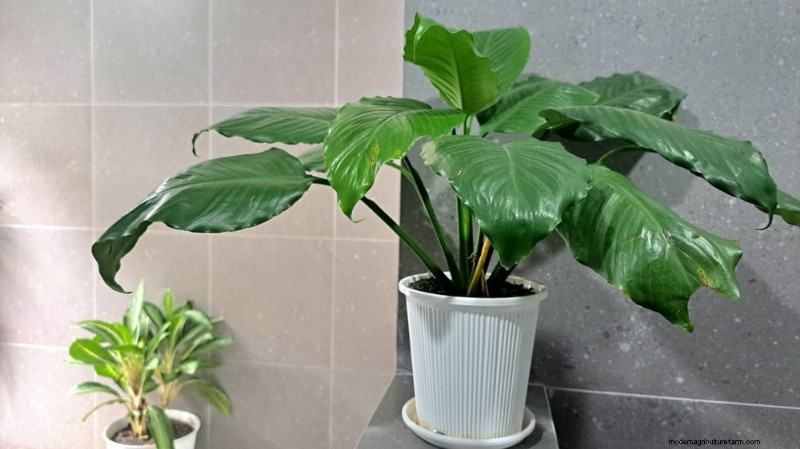
The peace lily is one of the few flowering plants that can handle genuine low-light conditions. Even when daylight hours are short, its dark, glossy leaves continue modest photosynthesis, keeping the plant lush and full.
Occasionally, a spathe may still bloom if the temperature stays above 60°F. Peace lilies prefer evenly moist soil and a humid environment, so mist them weekly and keep them away from heating vents.
Their dramatic leaf droop is an unmistakable signal when it’s time for a drink, one of the most forgiving features for beginners.
Read more: 8 Ways to Keep Your Peace Lily Healthy Year-Round
While these next plants may not grow vigorously in low light, they remain healthy and attractive, tolerating the darker conditions of winter without complaint.
They’re the dependable survivor plants that rest quietly but come roaring back when spring sunlight returns.
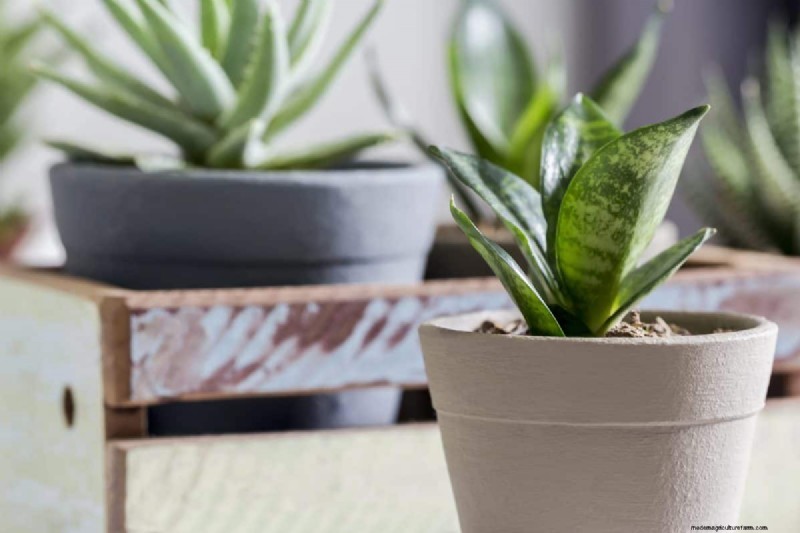
The snake plant is the definition of resilience. Its sword-like leaves store water and nutrients, allowing it to survive long dry spells and deep shade.
While it prefers bright indirect light, it easily adapts to darker corners. During winter, watering once every three or four weeks is sufficient. It also filters indoor air, making it both a hardy and health-boosting choice.
ZZ plants feature thick, waxy leaves that remain pristine under low light. Their underground rhizomes store moisture, enabling them to thrive on neglect.
They can go a full month between waterings in winter. Even in dim rooms, their deep green sheen adds life and polish to your space.
Read more: 11 Foolproof ZZ Plant Care Methods for Low Winter Light (That Actually Work)
Known for its cascading vines and heart-shaped leaves, pothos is one of the easiest houseplants to keep alive in winter. While growth slows in low light, the plant maintains its color and vitality.
Allow the top few inches of soil to dry out before watering. Solid-green types like ‘Jade’ hold their color best in shade, while variegated varieties may fade slightly until brighter days return.
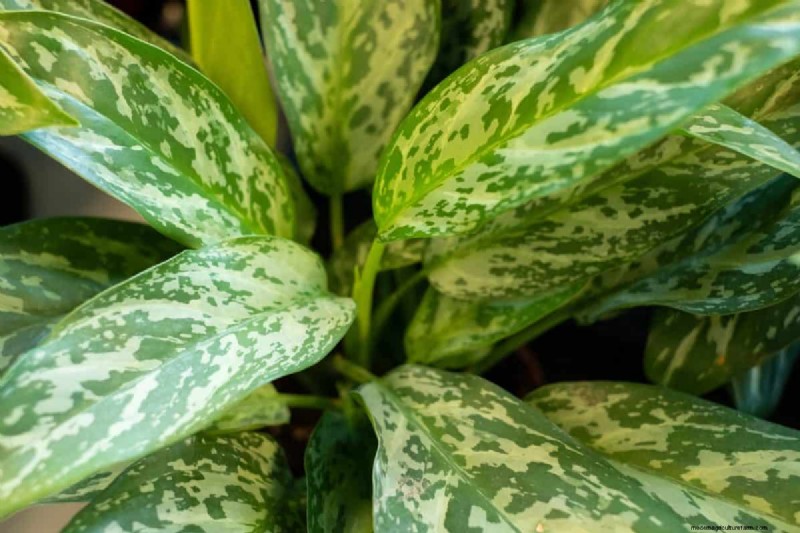
Chinese evergreens are built for shade, naturally thriving under the forest canopy. Their strikingly patterned leaves, often silver and green, stay beautiful even in low light.
These tropical evergreens need only moderate watering and enjoy warm, humid air. Avoid cold drafts, and they’ll remain healthy all winter.
A Victorian favorite, the parlor palm brings elegance and old-world charm. Its delicate fronds stay green in rooms where other palms falter.
This slow grower appreciates consistent, moderate moisture and protection from dry heat. It’s ideal for shaded corners or softly lit offices.
Read more: 11 Expert Methods to Keep Palms Thriving Indoors (With Care Calendar)
Few plants are as forgiving as the spider plant. Its striped arching leaves continue to look healthy even in low light.
Though variegation may fade slightly during winter, the plant rebounds in spring. Allow the top inch of soil to dry between waterings to prevent rot.
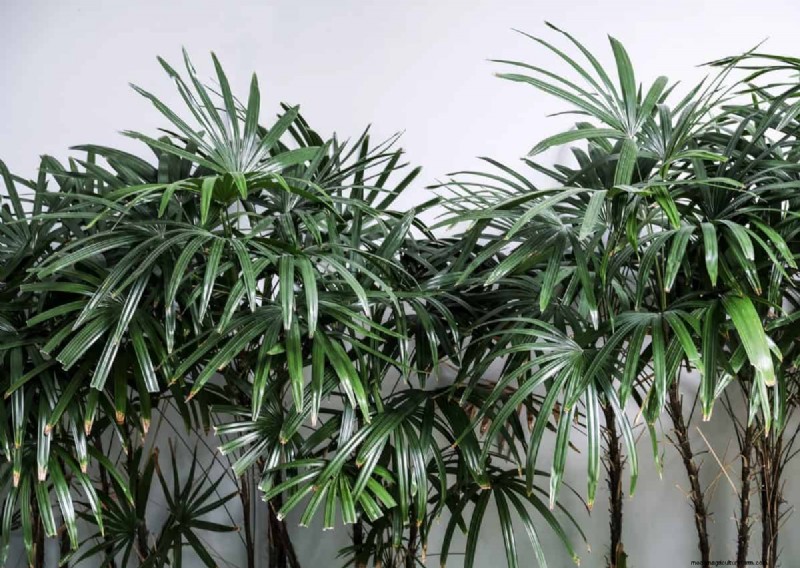
The lady palm is a staple in hotels and offices because of its impressive low-light endurance. Its sturdy, fan-shaped fronds stay green and upright throughout the winter.
Keep it slightly moist, and avoid overwatering. This palm also tolerates cooler indoor temperatures, making it a graceful, long-lived addition.
Technically a dracaena, not a true bamboo, this plant can thrive in either soil or water. It tolerates very low light, though growth slows during the darker months.
If grown in water, change it every two weeks to prevent algae buildup. In soil, water lightly and keep away from heating vents.
The heartleaf philodendron has earned its reputation as a near-unkillable plant. It thrives in indirect or filtered light, staying lush even in shaded areas.
Trim vines periodically to prevent legginess and allow the soil to dry slightly between waterings. It’s perfect for hanging baskets or high shelves.
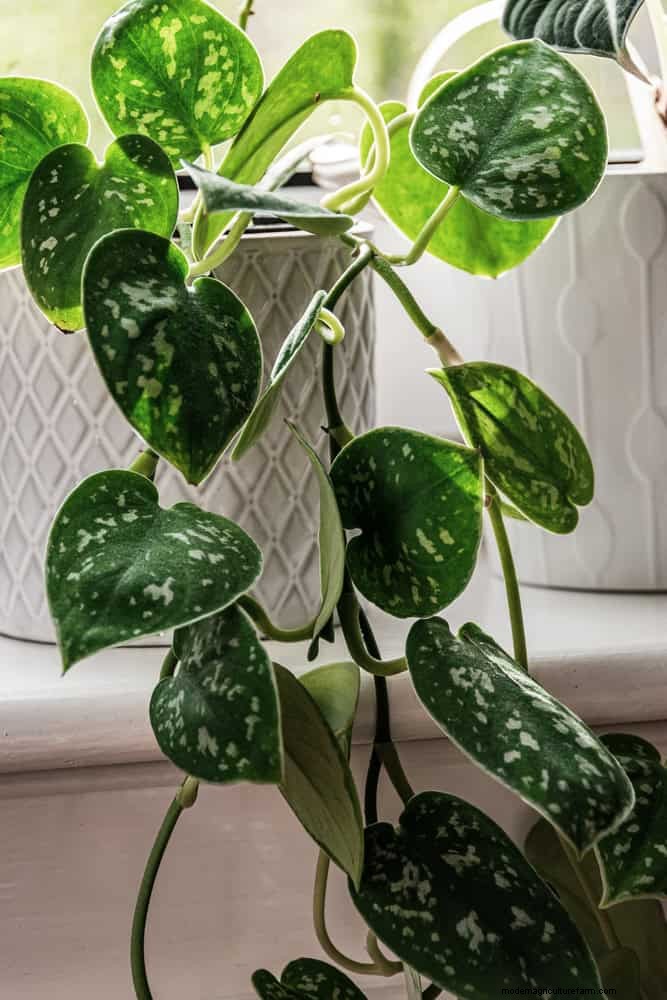
This pothos relative is distinguished by its velvety, silver-speckled leaves. It handles low to moderate indirect light remarkably well, maintaining its color even far from windows.
If variegation begins to fade, supplement with a small LED lamp. Water sparingly through the winter months.
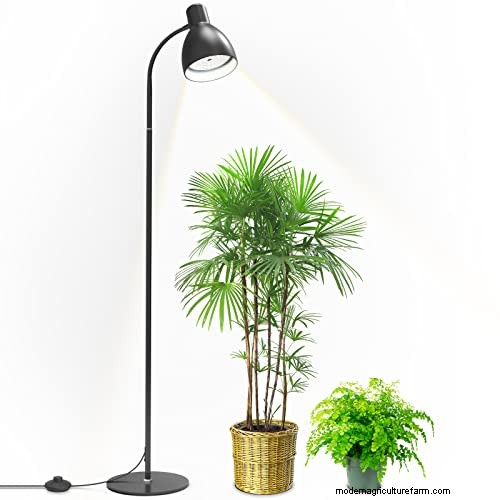
View on Amazon.
This petite fern thrives where other ferns falter. It tolerates cooler, low-light conditions and stays evergreen in humid spots like bathrooms.
Keep the soil evenly moist and avoid letting it dry out completely.
For true shade-loving greenery, mosses are unbeatable. They flourish in very low light and thrive in humid, enclosed terrariums.
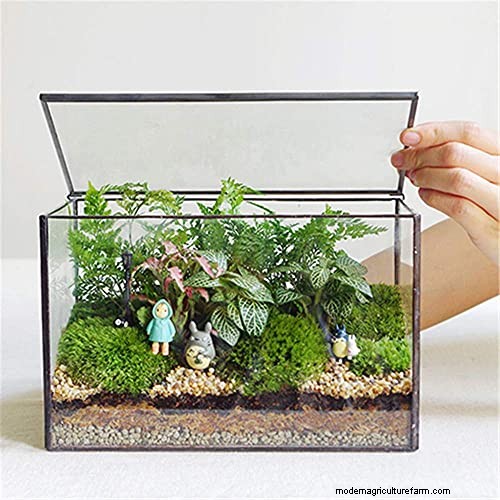
View on Amazon.
Regular misting keeps them vibrant and fresh. They’re ideal for tabletops, offices, or windowless bathrooms.
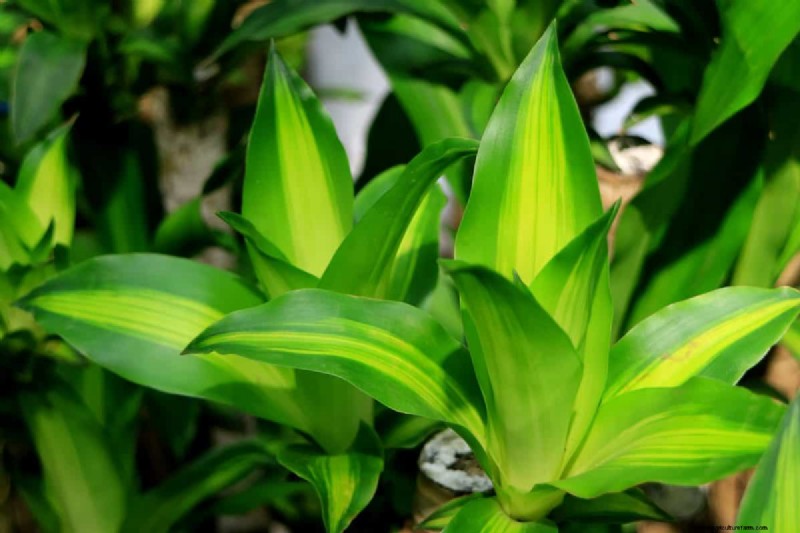
The corn plant’s long, arching leaves make it a classic low-light indoor tree. It adapts well to artificial light and cooler temperatures.
Water only when the top few inches of soil are dry, and avoid overwatering during its winter dormancy.
The arrowhead vine adapts well to shade, particularly the solid-green forms.
Variegated types need a bit more light, but all maintain lush foliage in winter. Trim vines back in spring to encourage new growth and compact form.
This compact, succulent-like plant tolerates dim light beautifully. Its thick, glossy leaves store water, allowing it to withstand occasional neglect.
Let soil dry completely between waterings to avoid root rot. It’s a great choice for desks, bookshelves, or smaller apartments.
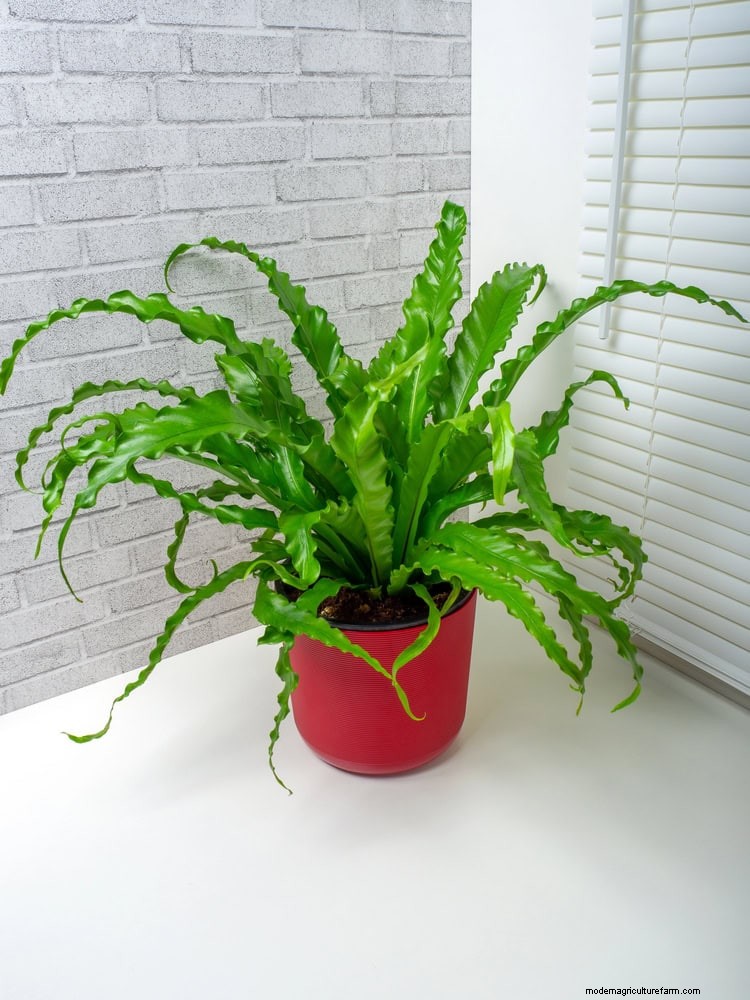
Unlike more delicate fern species, the bird’s nest fern tolerates lower light and dry indoor air. Its rosette of wavy fronds remains glossy all winter.
Keep soil evenly moist and increase humidity when heaters are running to maintain leaf health.
We'll email it to you so you can read it later!
By saving, you agree to receive occasional emails. Unsubscribe anytime.
Where you place your plants during winter can make the difference between survival and slow decline. Position low-light plants within a few feet of a north or east-facing window where light is steady but soft.
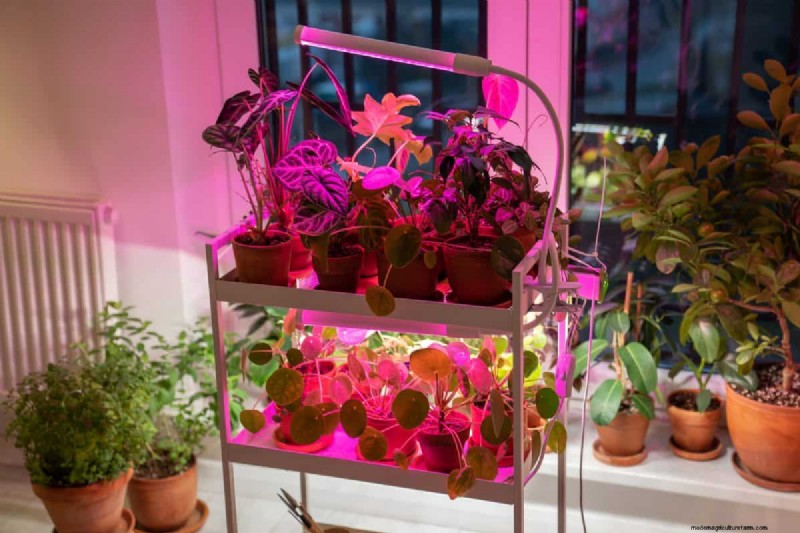
Artificial lighting, particularly full-spectrum LED bulbs, can help supplement daylight during December and January. Aim for eight to twelve hours of indirect illumination per day if natural light is minimal.
Watering frequency should drop significantly during winter since growth slows and soil dries more slowly. Overwatering is the most common cause of plant loss in cold months.
Always check the soil first; if it’s damp, wait a few more days. Most of these plants prefer slightly dry conditions to soggy soil.
Finally, maintain moderate humidity and stable indoor temperatures. Avoid placing plants near heating vents or cold windows.
Gently wipe dust off leaves every couple of weeks so they can make the most of the light they receive. Even during the darkest months, a little thoughtful care will keep your indoor jungle looking fresh and full of life.