Welcome to Modern Agriculture!

You know those eggshells you toss in the trash every morning? They’re basically free fertilizer sitting in your kitchen. Let’s talk about how to turn that breakfast waste into something your houseplants will absolutely love.
Here’s the thing: eggshells are packed with calcium and trace minerals that many indoor plants need to thrive. When you crush them up and mix them into soil, you’re giving your plants a slow-release nutrient boost that can prevent all sorts of common problems.
Quick Answer
Rinse your used eggshells, dry them completely, then crush them into small pieces or powder. Mix them into potting soil when repotting, or sprinkle them on the soil surface as a slow-release calcium supplement. Most houseplants benefit from this treatment every few months.
The best part? This works for way more plants than you’d think. Some houseplants practically beg for that calcium boost, while others just appreciate the extra minerals. You’ll notice stronger stems, richer leaf color, and better blooms when you get it right.
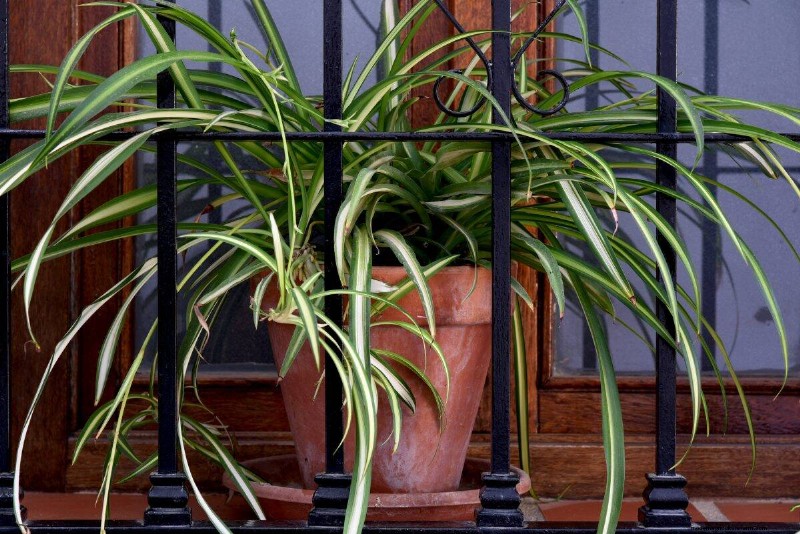
Spider plants are pretty forgiving, but they have one weakness: brown leaf tips. Sound familiar? That’s often a calcium deficiency talking.
Those graceful arching leaves need strong cell structure to maintain their cascade without drooping or turning crispy at the ends. Calcium from eggshells strengthens those cells from the inside out. You’ll also notice the baby “spiderettes” that dangle from mature plants develop more robustly when mom gets her calcium fix.
Mix crushed eggshells into the soil when you repot your spider plant. If repotting isn’t on your schedule, just sprinkle a tablespoon of crushed shells on the soil surface every three to four months. Water will gradually carry the nutrients down to the roots. Don’t worry if you see pieces of shell sitting on top; they’ll break down over time.
Read more: When Should I Plant Spider Lily Bulbs?
African violets have opinions about everything, especially their soil pH. They like things slightly acidic, and eggshells can influence that balance as they decompose.
The calcium releases slowly, which means you won’t shock the plant with sudden changes. This gradual process can help support those gorgeous purple, pink, or white blooms that make these plants so popular. When African violets get the nutrients they need, they’ll bloom repeatedly throughout the year instead of taking long breaks.
Here’s the key with African violets: crush those eggshells into a fine powder. Their root systems are delicate, and coarse chunks can interfere with the light, fluffy soil texture they prefer. Mix the powder into just the top inch of soil every few months. You’ll see more vibrant flower colors and healthier foliage when you get the balance right.
⚠️ Common Mistake
Adding too much eggshell at once can create overly alkaline soil, which some plants hate. Start with small amounts (about a tablespoon per six-inch pot) and increase gradually only if you notice improvements. More isn’t always better when it comes to soil amendments.
We'll email it to you so you can read it later!
By saving, you agree to receive occasional emails. Unsubscribe anytime.
You’ve probably noticed brown tips on your peace lily’s leaves at some point. While that can happen from inconsistent watering, calcium deficiency is another common culprit that nobody mentions enough.
Peace lilies use calcium to strengthen their cell walls and regulate water movement throughout those glossy leaves. When they run low on calcium, the leaf edges are the first to show damage. The good news? Eggshells can help prevent this issue before it starts.
Add crushed eggshells during repotting (which peace lilies need every year or two as they outgrow their pots), or sprinkle them on the surface twice a year. The calcium supports not just the foliage but also those elegant white blooms that give the plant its name. You might notice the flowers last longer and appear more frequently when the plant isn’t struggling with nutrient deficiencies.
Read more: Best Lighting Conditions for Your Peace Lily
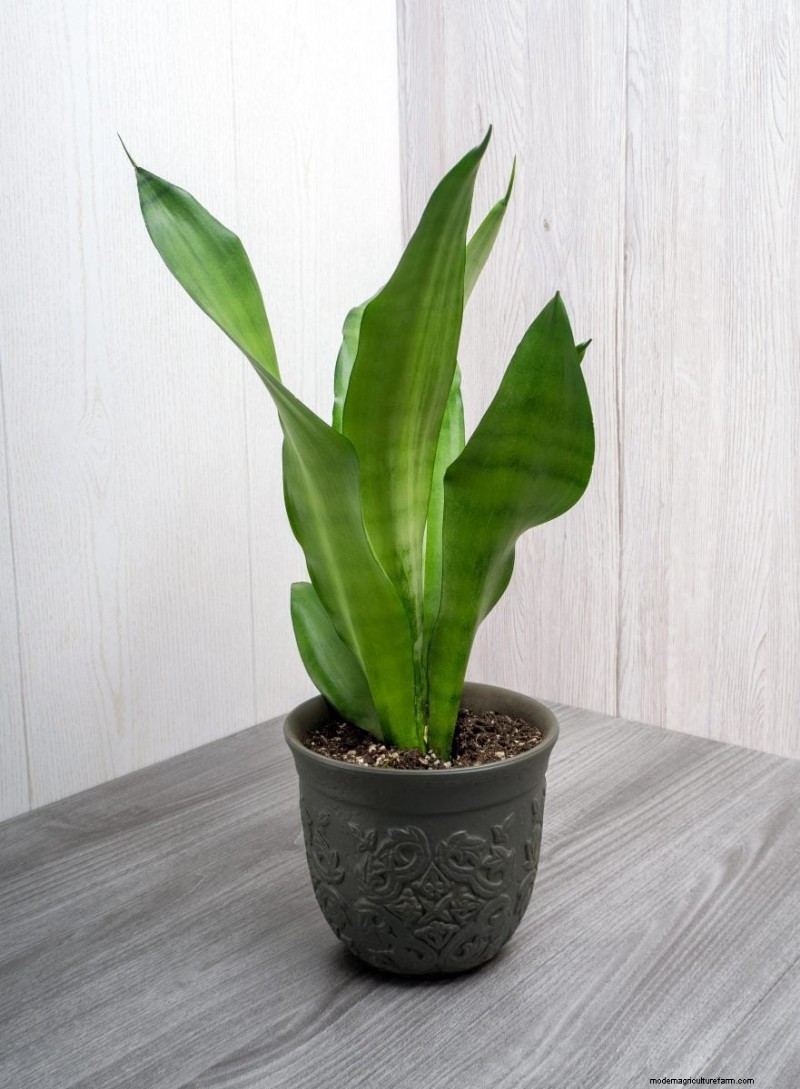
Snake plants have a reputation for surviving anything. True, they’re remarkably tolerant of neglect, but that doesn’t mean they can’t benefit from better care.
Those upright, sword-like leaves need strong structural support to stand tall without flopping or developing dry, brittle tips. Calcium helps maintain that rigid architecture that makes snake plants such striking vertical accents in your space. Plus, these plants are exceptional air purifiers, and healthy growth means better air-cleaning performance.
Since snake plants rarely need repotting (sometimes going three to five years in the same pot), your best bet is an annual top dressing. Sprinkle crushed eggshells around the base of the plant once a year. The slow calcium release works perfectly with the snake plant’s leisurely growth rate and minimal watering needs.
Pothos grows like crazy under the right conditions. That rapid vine production means the plant burns through nutrients faster than slower-growing houseplants.
Calcium is crucial for developing strong cell walls in those trailing stems. Without enough calcium, you’ll notice weaker growth, thinner stems, and less vibrant leaf variegation (especially in golden or marble queen varieties). The vines might also become more prone to breaking when you move or handle the plant.
Mix crushed eggshells into the soil whenever you pot up your pothos cuttings or repot your main plant. The calcium boost supports vigorous growth while helping maintain those beautiful color patterns. You can also add a small amount to the water if you’re rooting cuttings in a vase, though soil application works better for long-term benefits.
Jade plants are succulent storage experts. They tuck water and minerals away in those thick, oval leaves for times when resources run scarce.
Calcium plays a role in cell development, helping jade plants maintain their signature plump, firm leaves. When calcium levels drop, the leaves can become softer or develop wrinkled edges. Over time, you might notice reduced leaf quality or slower growth.
For jade plants, use coarsely crushed eggshells rather than powder. These slow-growing succulents don’t need quick nutrient releases; they prefer a steady, gradual supply that matches their growth pace. Mix the shells into the soil during repotting, or add them to the surface every year or so. You’ll see firmer leaves with deeper green color (or redder edges on varieties that develop that coloration in bright light).
“Calcium strengthens cell walls throughout the plant, supporting everything from stem rigidity to leaf structure and flower development.”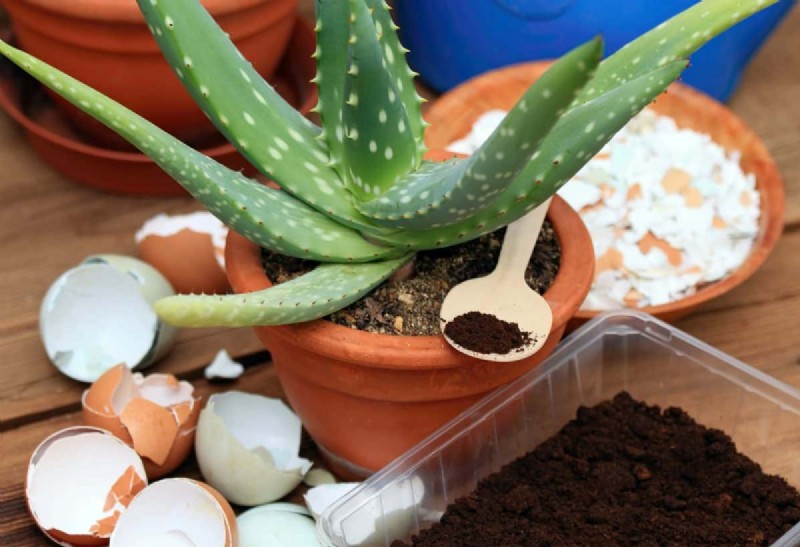
Aloe vera’s healing gel is famous for treating burns and skin irritation. What’s less known is how the plant’s overall health affects that gel’s quality.
Calcium helps aloe develop thicker, more robust leaves filled with nutrient-rich gel. It supports the plant’s water storage capacity and strengthens the leaf structure so they stand upright instead of flopping over. You want nice, plump leaves that feel firm when you gently squeeze them.
Add crushed eggshells during the growing season (spring and summer) when your aloe is actively developing new leaves. Mix them into the soil or sprinkle them on top. Just don’t overdo it; aloe prefers slightly acidic to neutral soil, and too much eggshell can shift things too alkaline. A light application once or twice a year is plenty.
Boston ferns are gorgeous when they’re thriving, with those lush, feathery fronds cascading from a hanging basket. But they can also be frustrating when the leaf tips turn brown or the whole plant starts looking shabby.
Calcium helps strengthen the intricate structure of fern fronds, preventing yellowing and browning at the tips. It works alongside proper humidity (these plants are humidity addicts) to keep foliage looking fresh and vibrant. Well-fed ferns develop richer green color and fuller growth.
Use finely crushed eggshells for Boston ferns. Work them gently into the top inch of soil when you repot, which you’ll probably do yearly as these fast growers fill their containers. The calcium supports all that rapid frond development while helping the plant maintain its characteristic lush appearance.
Christmas cacti are all about those stunning seasonal blooms. Getting the plant to flower takes the right combination of cool temperatures, shorter days, and proper nutrition.
Calcium supports flower development and helps blooms last longer once they appear. It strengthens the plant’s segmented stems too, which is important because Christmas cacti can get quite large and heavy with age. Strong segments mean better support for all those flowers.
Add crushed eggshells after the blooming period ends, typically late winter or early spring. This gives the plant time to absorb the nutrients and build strength before the next flowering cycle begins in fall. You’ll notice more buds forming and fuller, longer-lasting blooms when the plant gets adequate calcium.
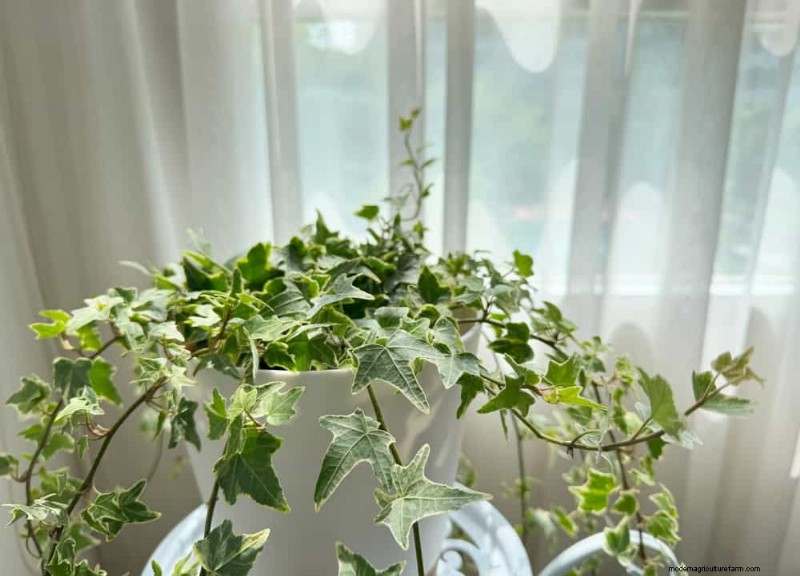
English ivy grows enthusiastically when it’s happy, sending out long trailing vines covered in those distinctive lobed leaves. Keeping up with that growth requires consistent nutrients.
Calcium and minerals from eggshells support vine development and prevent leaf discoloration. You’ll see deeper green color and more vigorous growth when the plant’s mineral needs are met. The leaves also develop better texture and resist damage more effectively.
Mix crushed eggshells into the soil during potting or repotting. English ivy isn’t too picky about application method; you can use coarser pieces or finer powder depending on what you have. The key is consistency; add a small amount every few months to support that rapid growth rate.
Rubber plants make dramatic statements with their large, glossy leaves. Maintaining that impressive appearance requires strong cell structure throughout the plant.
Calcium strengthens cell walls, helping rubber plants develop and maintain those signature leathery leaves even when conditions aren’t perfect. It also supports the plant’s overall resilience, making it better able to handle occasional underwatering or less-than-ideal lighting.
Add coarsely crushed eggshells when repotting your rubber plant. These slow-growing plants don’t need frequent repotting (every two to three years is typical), so the shells have plenty of time to break down and release their calcium. You’ll notice stronger, more resilient foliage and better overall plant health.
Heartleaf philodendrons are classic houseplants for good reason. They’re attractive, easy to grow, and nearly indestructible under reasonable care.
Calcium from eggshells supports healthy root development, which is the foundation for everything else the plant does. Strong roots mean better nutrient uptake, which translates to more vigorous vine growth and healthier, heart-shaped leaves. It also helps prevent weak, spindly growth and yellowing foliage.
Incorporate crushed eggshells when you repot or pot up cuttings. The calcium boost helps new plants establish faster and supports mature plants in maintaining their lush appearance. You’ll see fuller growth and richer leaf color when root health is optimized.
💡 Pro Tip
Save and dry your eggshells in a container over several weeks, then crush them all at once. This gives you a ready supply for your plants and makes the process more efficient than dealing with shells one at a time.
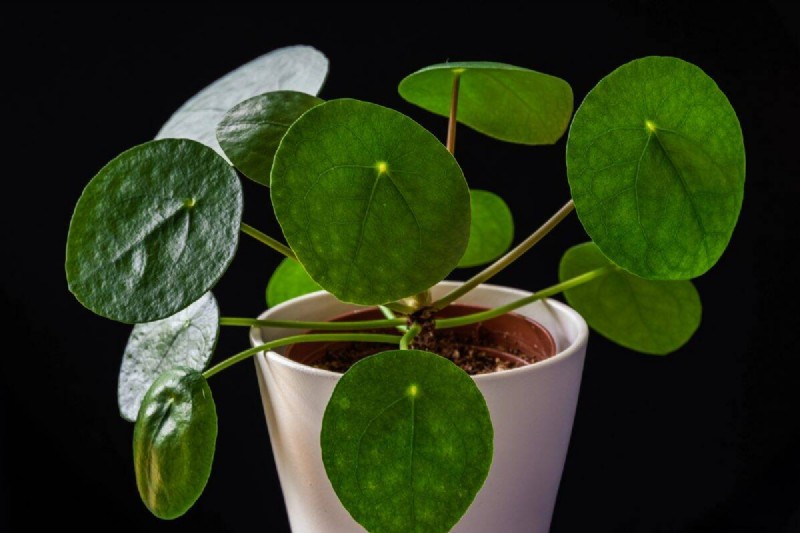
Chinese Money Plants became Instagram famous for those adorable round leaves that look like little green pancakes. Keeping them looking their best takes more than just good lighting.
Calcium prevents yellowing leaf edges and supports strong stems that hold those pancake leaves upright. Without adequate calcium, the stems can weaken and the leaves may droop or develop discoloration around the margins. The plant’s unique growth habit (with leaves sprouting from upright stems) requires good structural support.
Use finely crushed eggshells for Pilea plants. Mix them gently into the top inch of soil every few months. Don’t dig too deep; these plants have relatively shallow root systems that you don’t want to disturb. The calcium helps maintain those perky, upright leaves that make the plant so distinctive.
Fiddle Leaf Figs are the drama queens of the houseplant world. Those enormous, violin-shaped leaves demand substantial nutrients to develop properly.
Calcium supports the structural integrity of those massive leaves, preventing drooping and encouraging upright growth. It’s especially important when the plant is actively growing and pushing out new leaves, which can emerge quite large even when young. Adequate calcium helps prevent that disappointing scenario where new leaves emerge smaller and weaker than the older ones.
Add coarsely crushed eggshells during repotting. Fiddle Leaf Figs need repotting every year or two as they grow taller, giving you regular opportunities to refresh their calcium supply. The slow-release nutrients support healthy leaf development and help the plant achieve that tree-like stature everyone wants.
Monstera leaves are instantly recognizable with their dramatic holes and splits. But getting a Monstera to develop mature, fenestrated leaves requires meeting its nutritional needs.
Calcium helps strengthen those impressive leaves while supporting the plant’s climbing nature. Mature Monsteras can get quite large, and their leaves develop more splits as the plant matures. Strong cell structure is essential for supporting all that leaf real estate without drooping or damage.
Mix crushed eggshells into the soil when repotting your Monstera. These fast growers often need repotting annually when young, then every two years as they mature. The calcium strengthens both the aerial roots (which help the plant climb) and the impressive foliage that makes Monsteras so popular.
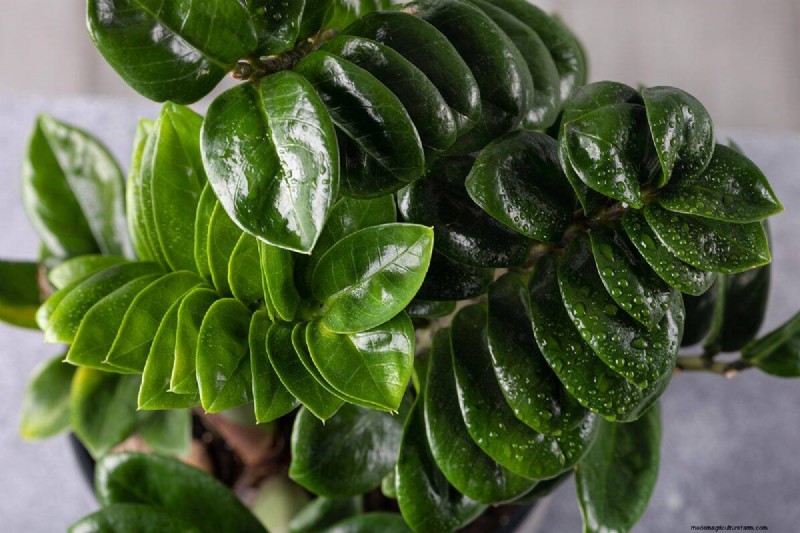
ZZ plants are celebrated for surviving neglect. They tolerate low light, infrequent watering, and general forgetfulness. But surviving isn’t the same as thriving.
Calcium helps maintain that distinctive waxy leaf coating that gives ZZ plants their glossy appearance and drought resistance. It also supports the thick, potato-like rhizomes underground that store water and nutrients. A well-fed ZZ plant looks noticeably more vibrant than one just getting by on survival mode.
Add crushed eggshells during repotting, which ZZ plants need infrequently (every three to four years is typical). The slow-release calcium perfectly matches the plant’s naturally slow growth cycle. You’ll notice glossier leaves and more robust growth when mineral needs are met.
Begonias come in countless varieties, but they all share a love of nutrients that support their often-showy flowers and attractive foliage.
Eggshells provide gradual nutrient release that can support healthier growth and more vibrant blooms. Calcium strengthens flower stems and enhances the distinctive texture of begonia leaves. Well-fed begonias produce more flowers over a longer period compared to nutrient-starved plants.
Use finely crushed eggshells for begonias, working them into the top layer of soil. These plants prefer slightly acidic conditions, so don’t go overboard with the eggshells. A light application every few months during the growing season supports flower production without shifting soil pH too much.
Orchids growing in bark medium face a unique challenge. Bark doesn’t hold nutrients like soil does, which means orchids rely heavily on fertilizer and whatever minerals dissolve in their water.
Eggshells provide gentle calcium release that helps orchids strengthen their flower spikes and develop longer-lasting blooms. The key word here is gentle; orchid roots are sensitive and can’t handle concentrated nutrients. The slow breakdown of eggshells works perfectly with their needs.
Place larger pieces of clean, dried eggshell directly into the bark medium rather than crushing them to powder. As you water, tiny amounts of calcium dissolve and reach the roots. This supports healthier growth and more impressive flowering displays without overwhelming the delicate root system.
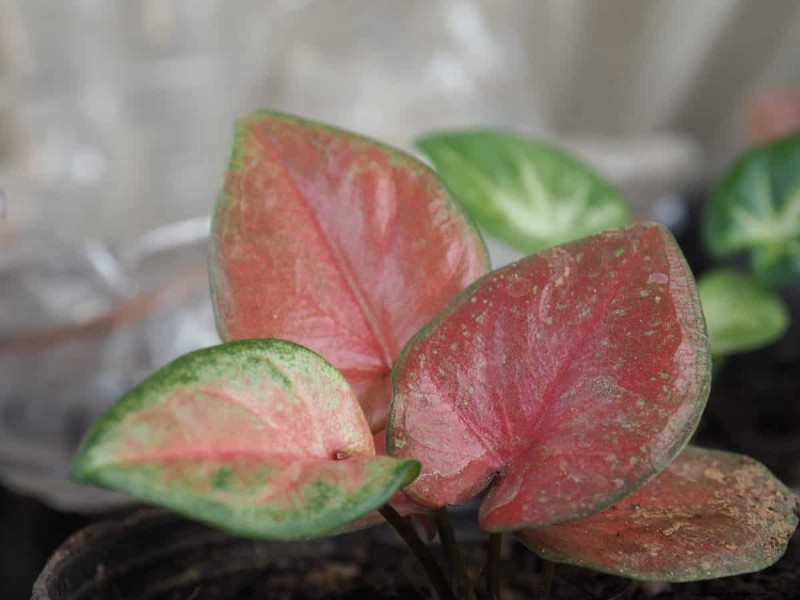
Caladiums are all about those colorful, patterned leaves. The more vibrant the color, the happier most growers are with their plants.
Calcium enhances leaf pigmentation and strengthens the delicate leaf structure. Caladium leaves are thin and papery; they tear easily and can look raggedy if not properly supported. Adequate calcium helps them develop stronger even while maintaining their characteristic thinness.
Mix crushed eggshells into the soil when planting Caladium tubers in spring. The calcium boost supports the development of those stunning, heart-shaped leaves from the moment they emerge. You’ll notice more intense colors and fewer damaged leaves when the plant gets proper nutrition.
Prayer plants are fascinating to watch. Those leaves fold upward at night like hands in prayer, then open again in the morning. It’s mesmerizing when you first notice it happening.
Calcium strengthens the cell walls that enable this dramatic leaf movement. It supports the small joints where each leaf connects to its stem, allowing the plant to raise and lower its foliage in response to light changes. The vibrant leaf patterns these plants are known for also benefit from adequate mineral nutrition.
Use finely crushed eggshells for prayer plants. Mix them gently into the top layer of soil every few months. The calcium strengthens leaf stems and enhances the plant’s unique movement while supporting those beautiful patterns. Well-fed prayer plants develop richer colors and more dramatic leaf movements.
Cast iron plants earned their name by tolerating conditions that would kill most houseplants. Low light? No problem. Irregular watering? They’ll survive. But even the toughest plants appreciate good nutrition.
Calcium helps cast iron plants maintain their signature dark glossy leaves and enhances their natural resilience. These slow-growing shade lovers can look basically the same for months at a time, but proper nutrition keeps them looking their best year after year.
Add crushed eggshells during the rare occasions you repot your cast iron plant. These extremely slow growers might stay in the same pot for five years or more, so the eggshells have plenty of time to break down. The calcium supports the development of those dark green leaves and enhances the plant’s already impressive toughness.
Before you start tossing eggshells onto your plants, let’s talk about proper preparation. This part matters more than you might think.
First, rinse those shells thoroughly under running water. Any egg residue left behind can attract pests or develop mold, neither of which your plants need. Get all the membrane off too; it’s that thin, filmy layer on the inside of the shell. Most of it will wash away easily.
Next, dry the shells completely. You can air dry them on a paper towel for a day or two, or speed things up by putting them in a low oven (200°F) for about 10 minutes. Completely dry shells store better and crush more easily than damp ones.
Now for crushing. The consistency you want depends on your plant. Delicate plants with fine roots (like African violets or begonias) need powder. Sturdy plants with robust root systems (like rubber plants or Monsteras) can handle coarser pieces. A coffee grinder works great for making powder. For coarser chunks, put dry shells in a sealed bag and crush them with a rolling pin or the bottom of a glass.
Start with small amounts in your plant care routine. A tablespoon per six-inch pot every few months is a good baseline. You can adjust based on how your plants respond. Some might show improvement with more frequent applications; others do fine with less.
Combined with proper light exposure, consistent watering habits, and regular basic care, this simple recycling trick can genuinely transform your houseplants. You’re giving them something they actually use, not just adding organic matter for the sake of it. The calcium in those shells strengthens everything from roots to leaf tips, supporting healthier growth all around. Keep an eye on your plants over the next few months after you start using eggshells, and you’ll likely notice the difference in their overall vigor and appearance.