
Welcome to Modern Agriculture!

Introduction to growing Daylilies in pots: There are many daylily species, but the most common is Hemerocallis, a flowering plant from the Asphodelaceae family, Hemerocallidoideae subfamily. It is not a lily, despite its common name. Horticulturists and gardeners alike cultivate daylily species because of their attractive flowers. There are approximately 15 species of perennial herbs belonging to the genus Hemerocallis within the family Hemerocallidaceae. There is a wide range of colors in the flowers of this genus, which have funnel- or bell-shaped petals and are short-lived (hence the name “day” lily). In addition, the leaves of the daylily plant have narrow, sword-shaped tips and fleshy roots at their base. Daylily fruits are capsules with a yellow, waxy coating. The edible flowers and buds of some Hemerocallis species are cultivated as ornamentals.
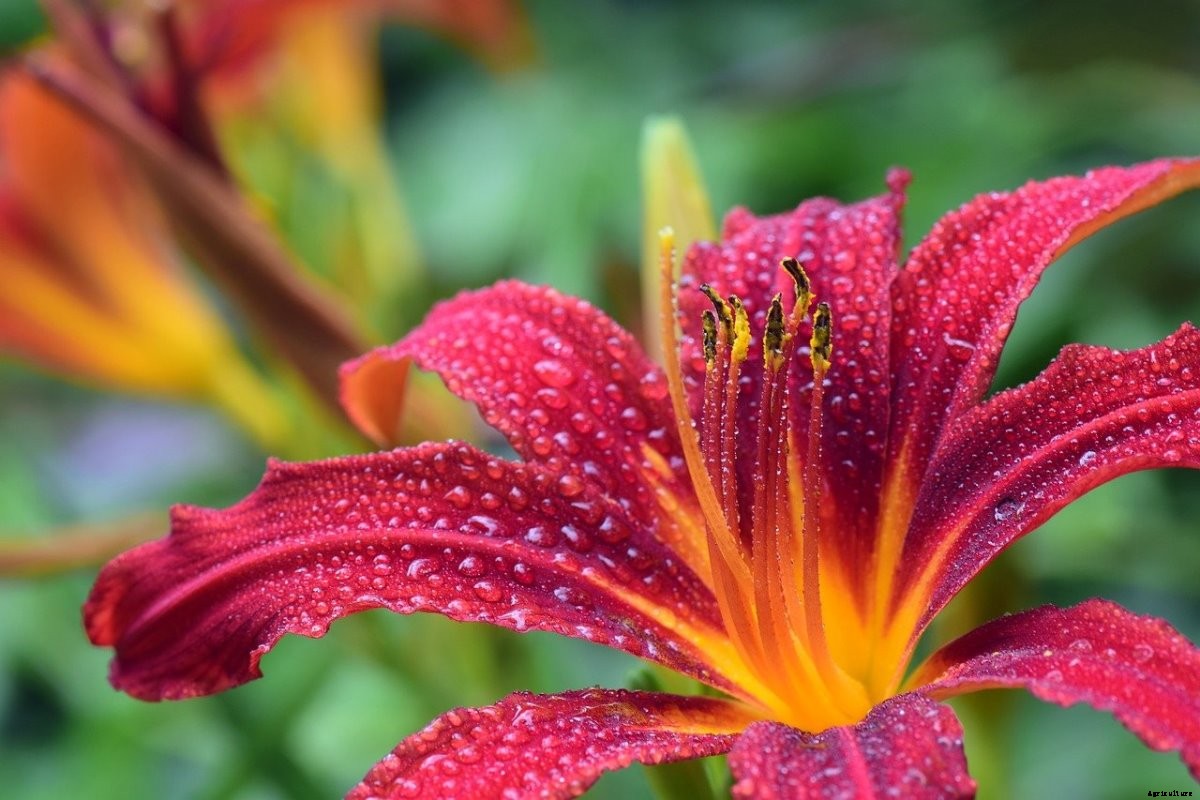
Daylilies can be grown in pots in two different ways, which makes the knowledge easier to remember. You can also grow plants in a greenhouse before putting them to avoid drawbacks during their vulnerable age. However, you can take comfort in knowing that daylilies can thrive in growing zones 3 to 9. Among gardeners, daylilies tend to endure different challenges with ease, making them a favorite. Furthermore, there are different types to choose from, including deciduous and evergreen varieties. By preparing correctly, you can enjoy daylilies in pots as much as those grown in the ground.
Planting: The benefit of growing daylilies in pots can be grown in any season or location. It is possible to use a greenhouse for potted plants, especially when you do not have a stable place to grow them. It is essential to place their pots somewhere that is not too challenging until the daylilies have established themselves, even though they adapt quickly to their surroundings.
Pot preparation: When growing daylilies in pots, it is best to divide them and grow them in the greenhouse. Then, after the daylilies have roots, you can plant them in a pot with compost and potting soil mix. It is best to leave around 2 inches between the pot’s rim and the medium’s surface. Some gardeners also add rocks to the bottom. When growing tall daylilies, adding rocks to the bottom of the pot can help. These pants can fall over the pot over time, especially during blooming season. It is important to anticipate these minor limitations as the plants grow when growing daylilies in pots.
Setup and positioning: You can place one daylily in the middle of the vase and others 18 inches apart around the edge of your container is significant. You want to plant them at the same depth as when they were growing in the pot. Plant the daylilies with the soil surrounding the roots well-supported. In addition to using a greenhouse, you can also grow the daylilies in pots for container planting. Make sure they are receiving at least six hours of sunlight each day to ensure healthy growth. In addition, you need the greenhouse to protect the pots from being tipped over by the wind.
Maintenance: Daylilies are popular among gardeners because they can withstand common growing problems well. As a result, you don’t have to follow a long list of maintenance practices, even those that apply to potted plants. It’s important to remember, however, that caring for daylilies will help them withstand challenges.
Fertilization and watering: It’s essential to keep daylilies hydrated regardless of their drought tolerance. By maintaining the moisture in the pot’s medium, you will ensure the plants bloom continuously. Planting the seeds requires soaking the soil and letting it drain for the first eight weeks. The plants can then be watered weekly, depending on the conditions. Since the summer in your area can quickly dry out the pots, prepare for this problem in advance. In addition to compost and mulch, you can add them over it to conserve soil moisture and nourish the soil while preventing the growth of weeds. What’s the best way to fertilize daylilies in pots? Potted daylilies need a slow-release fertilizer like 5-10-10 on top of the container. Fertilizing late in the summer will also help them flower. However, do not use high-nitrogen fertilizers because they will not promote flowering but foliage growth instead.
Cutting and dividing: Simple pruning practices can improve plant health and bloom production. For example, remove faded flowers to promote flowering and prevent seed development. Daylilies in pots can also be rejuvenated by cutting back their stalks to the ground after blooming. The division is an excellent way to propagate daylilies in pots that will also maintain their health. Plants will not get overcrowded this way, and you can do this in early spring when the plants are growing.
Daylilies (Hemerocallis spp.) grow best in large pots with drain holes at the bottom. They have trumpet-shaped blossoms in a variety of colors. Specifically, daylilies are hardy in USDA hardiness zones 3 through 9. Depending on the variety, they grow from 1 to 3 feet tall and 1 to 2 feet wide. The dwarf varieties of daylilies thrive in containers better than the standard varieties. Choose any variety of daylily and grow it in a pot.
Choosing the right time to plant: It is possible to plant daylilies year-round in some USDA zones, but spring and fall are the best times. In areas that do not experience frost, daylilies can be planted in pots at any time of year; however, planting in spring or fall allows the plants to establish good root systems before blooming. Plant your daylilies after the last average annual frost date in spring or four weeks before the first average annual frost date in fall if you live in a cold climate.
Choosing pots: Large pots are the best containers for growing daylilies. Plant daylilies that grow up to 1 foot wide and tall in pots measuring at least 12 inches in diameter, but 15 to 18 inches is ideal. Daylily varieties that grow more considerably need larger containers. A pot for plants that grow 2 feet wide should have a minimum diameter of 24 inches. A drainage hole at the bottom must be present in every pot.
Planting Correctly:
Watering potted daylilies: It is best for daylilies growing in pots to grow in evenly moist potting soil. When the soil surface of the daylilies is dry, water them to a depth of one inch. Allow the pots to drain before putting them on drip trays after applying water to the drainage holes. You may need to water daylilies in pots every day if the weather is hot and windy.
Keeping them from frost: A daylily is a pot that needs protection from frost in USDA zones seven and lower. Cold climate areas lose daylilies in the fall months. When the first frost arrives, place the potted plants in a frost-free garage or shed until they sprout new leaves in spring. To group potted plants outdoors, you can bury the pot rims 4 to 5 inches deep in a pile of straw. You may want to cover the straw with burlap or old blankets if the area is windy.
You don’t need to water daylilies when they aren’t growing, but you should keep their potting soil moist to prevent it from drying out completely.
In case if you miss this: How To Start Coconut Gardening.
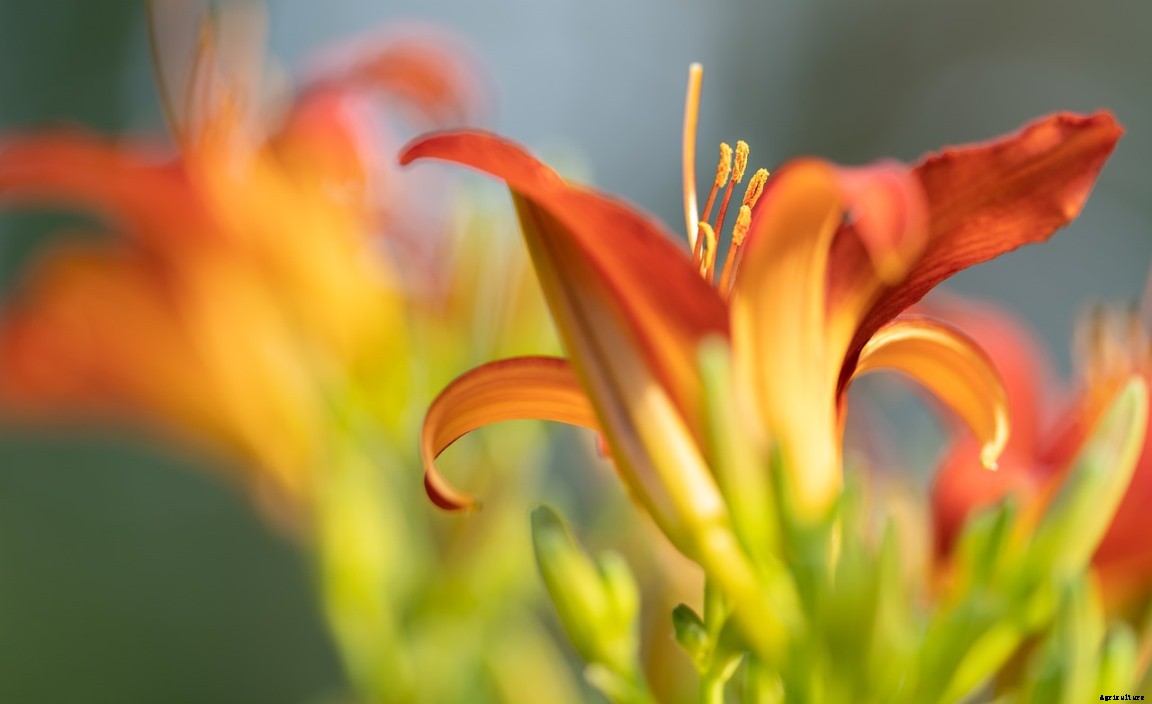
The daylily is one of the toughest perennials that have excellent disease resistance. During the summer, however, the leaves of a daylily can turn brown. After blooming, plants are affected by a fungus called a streak, which causes their leaves to turn brown and ugly but is not harmful. Leaf streak is frequently a cosmetic problem that causes minor damage. It is caused by a fungus called the Aureobasidium microstictum. Daylilies affected by streak will need to be removed as soon as they appear, and the plants should be properly fertilized and watered to promote new leaf growth. In addition, dead leaves on your daylilies need to be removed each fall to avoid leaf streak fungus. To prevent leaf streaks from occurring on a plant every year, you can apply fungicides containing chlorothalonil, mancozeb, and thiophanate-methyl.
How about this: How To Start Bay Leaf Gardening For Beginners.
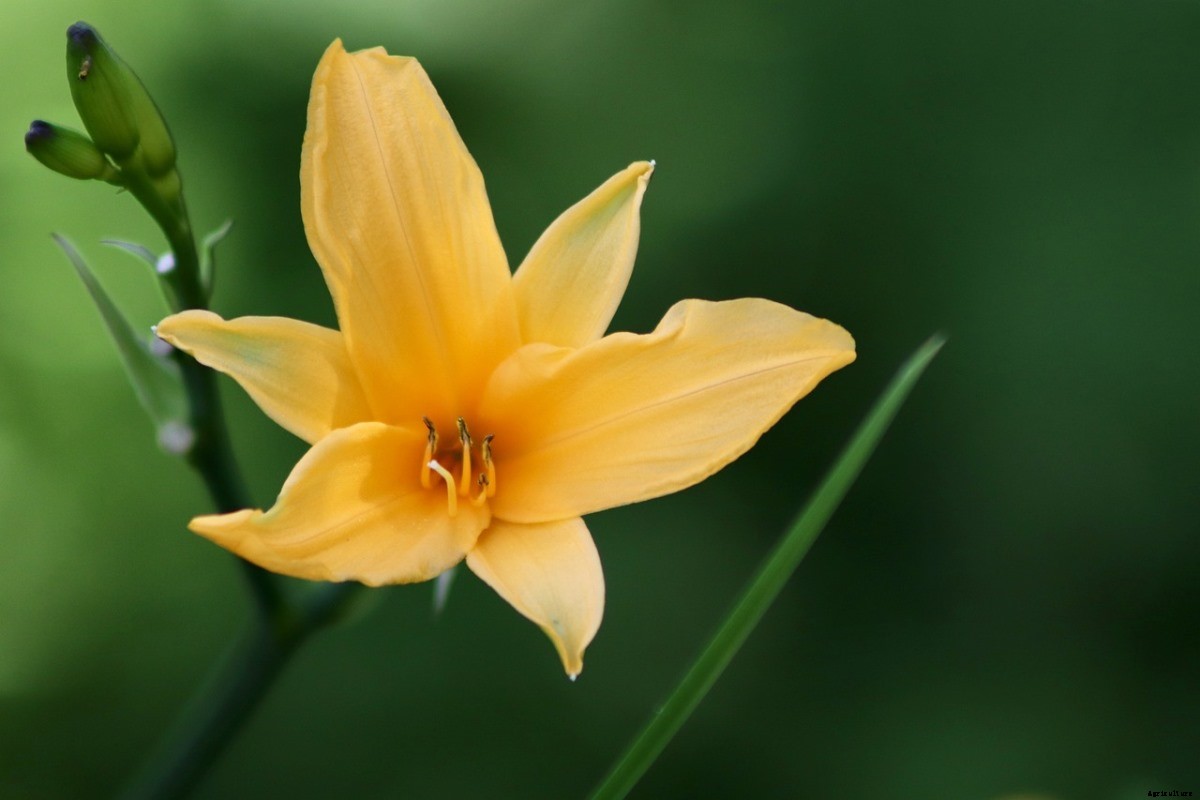
1. Is it possible to grow daylilies in containers?
The daylily does well in containers provided there is enough space for it to grow. The smaller the variety (and some small varieties are available), the better they grow in containers. Planting full-sized daylilies in a container smaller than a gallon are generally not recommended.
2. Which is the best potting soil for daylilies?
Even though daylilies can grow in various soil types, slightly moist, well-drained soil with high organic matter levels is best. Garden Soil for Flowers Miracle-Gro is used to prepare new planting areas. Mix 3 to 8 inches of garden soil into the top 6 to 8 inches of native soil.
3. Do daylilies need a particular kind of soil?
The type of soil does not seem to matter much to daylilies. They can grow in heavy soils with substantial clay content as well as in sandy soils. Peat moss, compost, and humus are often added to sandy soils for moisture retention. The soil does not need good drainage, but it is beneficial.
4. Do daylilies prefer the sun or the shade?
Full sun is preferred for most daylilies. In part shade conditions, they can survive, but they require at least six hours of direct sunlight each day. It’s essential to give red and purple plants some shade during the hottest parts of the day since dark colors absorb heat and cannot withstand the sun’s rays.
5. What is the maximum number of daylilies you can plant together?
Especially when combined with ornamental grasses and small shrubs, daylilies are excellent for planting in groups of 3 or 5.
6. What is the best way to overwinter daylilies in pots?
Once the first hard frost has occurred, you can move them into a cold frame or unheated garage for the winter. However, because perennials require cold treatment or dormancy, you shouldn’t overwinter them in a greenhouse or another warm place where they won’t go dormant.


