
Welcome to Modern Agriculture!

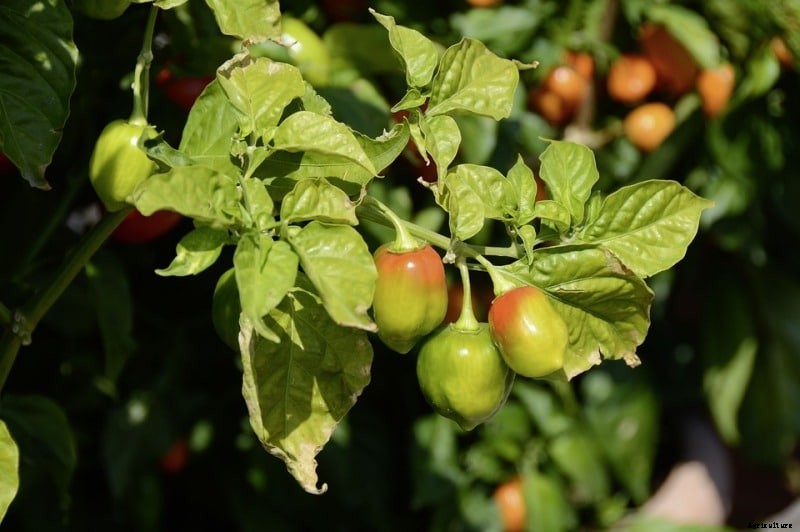
What are Jalapenos? Jalapenos are very spicy chili peppers from the hot pepper family. Jalapeno peppers are a good supply of vitamin C, folate and vitamin A. Jalapenos are low fat, saturated fat-free, cholesterol free, and sodium free. These plants can be grown just like any other chilli or capsicum plants. We can discuss now with jalapenos planting, caring, and harvesting as part of growing jalapenos at home.
You may also read the Growing Tomatoes from Seeds.

Start the jalapeno pepper from seed at any time, since you’re not limited by freezing weather. Use the heating pad and daylight quality lights to obtain the amount of light and soil temperatures needed.
Transfer the sprouted seedlings to larger pots as they produce, aiming at a finished size of a 2-gallon or 5-gallon pot for a mature jalapeno plant, which can reach a size of two to three feet tall.
Fertilize the plant with a balanced fertilizer every 3 weeks or incorporate controlled-release fertilizer into the soil with each transplant. Utilize well-draining potting mix, and don’t allow the soil to become soggy.
Harvest peppers as they are prepared to promote continued blossoming. Give the plant optimum lighting and temperature conditions year-long and 16 hours of light a day, daytime temperatures between 70 and 85 degrees Fahrenheit and nighttime temperatures between 60 and 70 degrees Fahrenheit.
Required well-drained soil that is rich in nutrients. If you are planting Jalapenos directly in garden soil, try to add 3 to 5 inches of compost and other organic matter before planting. The pH level of the soil for jalapenos should be between 6.2 and 7.0.
Maintain the soil moist. Mulch could help in reducing water evaporation. Jalapenos are good with an inch of water every week but make sure not to let the soil become waterlogged.
During periods of dry weather, jalapeno pepper plants must be checked often for soil moisture. Watering during these times must be frequent and regular. Establish a watering schedule of two times per week and more as required when temperatures run high. During periods of wet weather, check the soil frequently and water as needed. Do not allow the soil to dry out.
You may also read the Seedbed Preparation Guide.
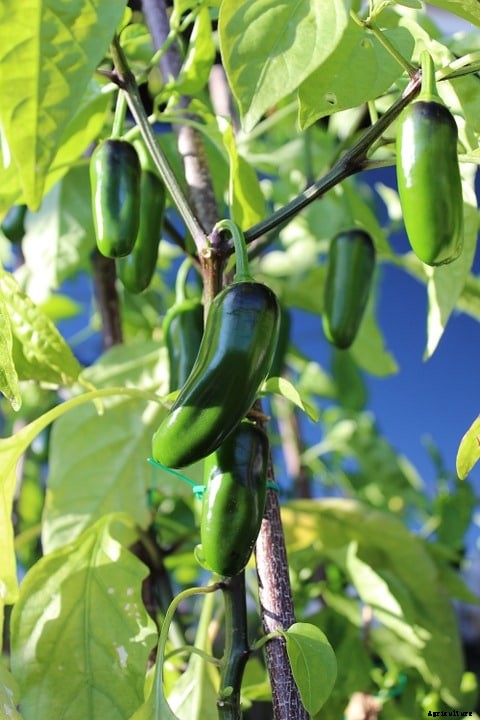
Jalapeno plants need a long, warm growing season, so they should be started indoors eight to ten weeks before the last spring frost to give them a head start, particularly in cooler climates with a coastal influence. Sow the Jalapeno seeds in peat pots or flats filled with moist seed-starting soil. Scatter the seeds over the surface of the soil; then envelop them with a 1/4-inch-thick layer of soil. Jalapeno seeds germinate best when temperatures are above 80°F, so position the pots or flats on propagation to give additional warmth, particularly if the weather is very cool. Cover the pots with plastic wrap and mist the seeds with water every day. Watch for seedlings in 1 to 2 weeks.
Jalapeno plants can be started from seed or from seedlings purchased at the local garden center. If you’re buying seedlings, try to buy plants that have not yet begun to fruit. To start from seeds, sow seeds in sterile seed-starting soil and maintain them warm and moist until they emerge. Seedlings can be fragile, so be careful not to overwater and give plenty of light.
Young jalapeno plants require plenty of light and warmth to grow into vigorous transplants since low light and cold soil will produce leggy growth. Seedlings started in individual pots can be moved by an unshaded south-facing window without repotting, while seedlings started in flats must be transplanted into individual pots filled with soil. Grow the jalapenos indoors with daytime temperatures range above 70 degrees Fahrenheit and nighttime temperatures above 65 degrees Fahrenheit. Give water whenever the soil feels dry just beneath the surface. Wait until 2 to 3 weeks after the last frost before transplanting the jalapenos outdoors into a sunny bed with fast-draining soil. Space them 12 to 24 inches apart.
If you choose a high-quality potting soil to grow jalapeno plants in, they shouldn’t need fertilizer until around a month after the date when they were planted in their outdoor container. Fertilize with half the suggested dose, doing so every third watering. It’s much easier on the plants if you feed a diluted result more often than a concentrated dose once or twice over their lifetime. Fertilize up until 2 weeks before you plan to harvest your first jalapeño pepper.
You may also read the Homemade Organic Fungicides.
The seedlings must be exposed to light for up to 16 hours a day. This means you should place seedlings in an area that receives indirect sunlight from a window.
If you don’t have a sunny spot, hang grow lights about two to four inches above the plants. If your seedlings begin to lean, try moving the light nearer to the tops of the plants to see if they straighten up.
In terms of diseases and pests, the plants are fairly tough, but there are certainly known to have some pest issues, both indoors and out. Jalapeno plants are vulnerable to pests with aphids, mealy bugs, scale, and whitefly. If possible, recognize the infestation as early as possible and treat with the least toxic option.
You’ll need approximately four different sizes of containers for planting Jalapenos in pots. The smallest one is for raising the seeds. You also need containers that are about three to five inches in diameter. The big ones must be at least 2 gallons in size and they will serve as final planters. If you have empty plastic water bottles at home, you can recycle them to grow seeds.
Jalapeno plants both germinate and develop slowly. For this reason, it is recommended to start seedlings indoors 8 to 10 weeks before your average last frost.
If you find that soil is drying out too quickly, drape a piece of plastic wrap loosely over the top of each container. This will act as a humidity dome that stabilizes the climate by rising moisture levels. Seeds will germinate quicker and more effectively using this method. A store-bought seedling tray works very well.
You can produce jalapenos indoors hydroponically using a simple deep-water culture set-up. Peppers grow well with ebb and flow system along with rock wool slabs as an increasing medium. Because pepper plants grow tall, they will need to maintain to keep them from falling over. When grown hydroponically, the correct nutrient solution is very important, so if you’re new to hydroponics, it might be better to use a premixed solution.
You may also read the Growing Spinach Hydroponically.
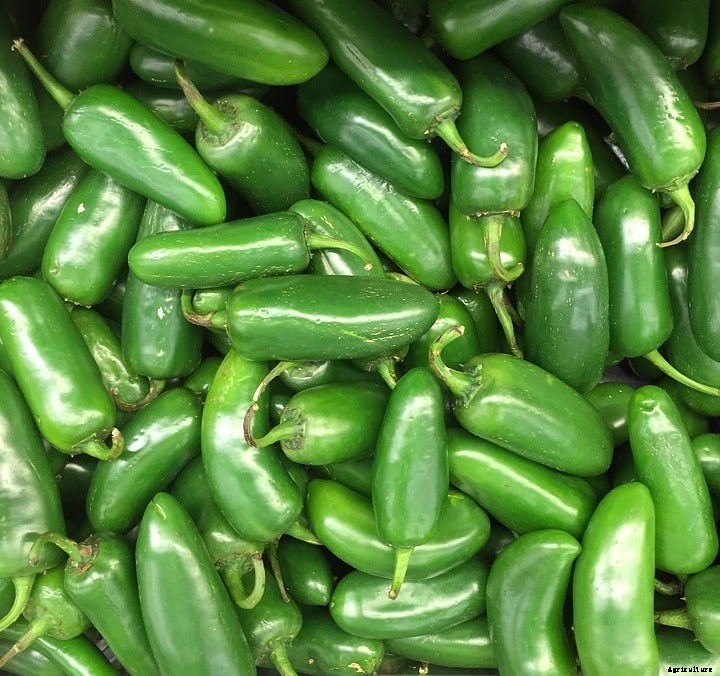
Another aspect of jalapeno plant care involves accurate harvesting. Harvest jalapenos by pinching them carefully from the stem when they are firm and solid-colored before they turn color.
Jalapeno plant care includes harvesting them correctly as well. Always harvest Jalapeno peppers when they are green color and before they turn their color to red. The pepper must be firm in texture and without cracks.
Growing Jalapeno peppers can be fun and is a great method. With good jalapeno plant care, you will have a great harvest.
Peppers left to attain maturity have higher capsaicin content than those picked early. Harvest by snapping from the plant. Plants can grow and produce for several seasons. Continue care though peppers are productive.
Wow, we covered a quite bit of useful information on jalapenos growing. Keep growing hot and spicy peppers!.
You may also be interested to read the Smart Farming Techniques.


