
Welcome to Modern Agriculture!

Introduction to Growing Yarrow Plants:The scientific name of the Yarrow plant is Achillea millefolium and it is a herbaceous flowering perennial. It is easy to grow Yarrow in flower beds or a herb garden and it is a lovely addition to your yard. Yarrow plant care is so easy.
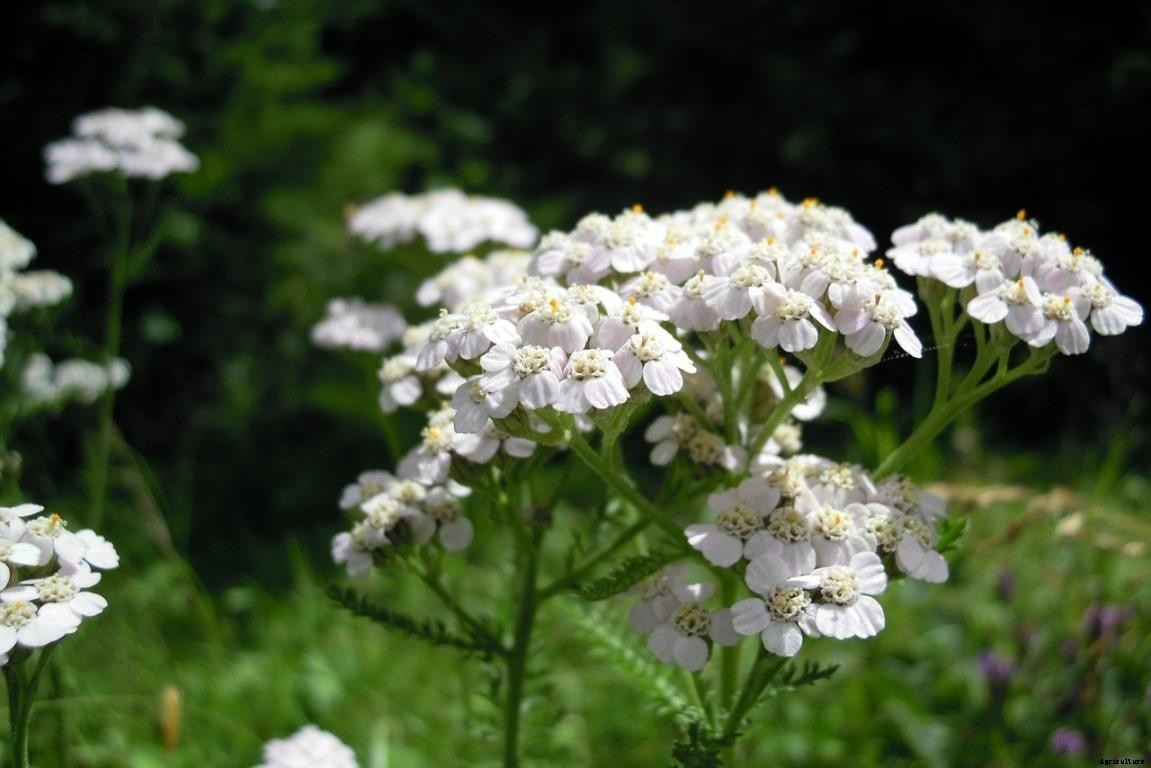
Yarrow is a perennial plant with fern-like leaves and small blooms that are white but can also available in many colors like yellow, pink, or purple. Growing Yarrow seeds are a fun and easy process. When growing Yarrow from seed, these pretty perennial bloomers flower the first year. Though, Yarrow seeds provide an economical alternative when you need many Yarrow plants to fill in a garden bed. Then, all you need to get started is soil, a container, and some patience.
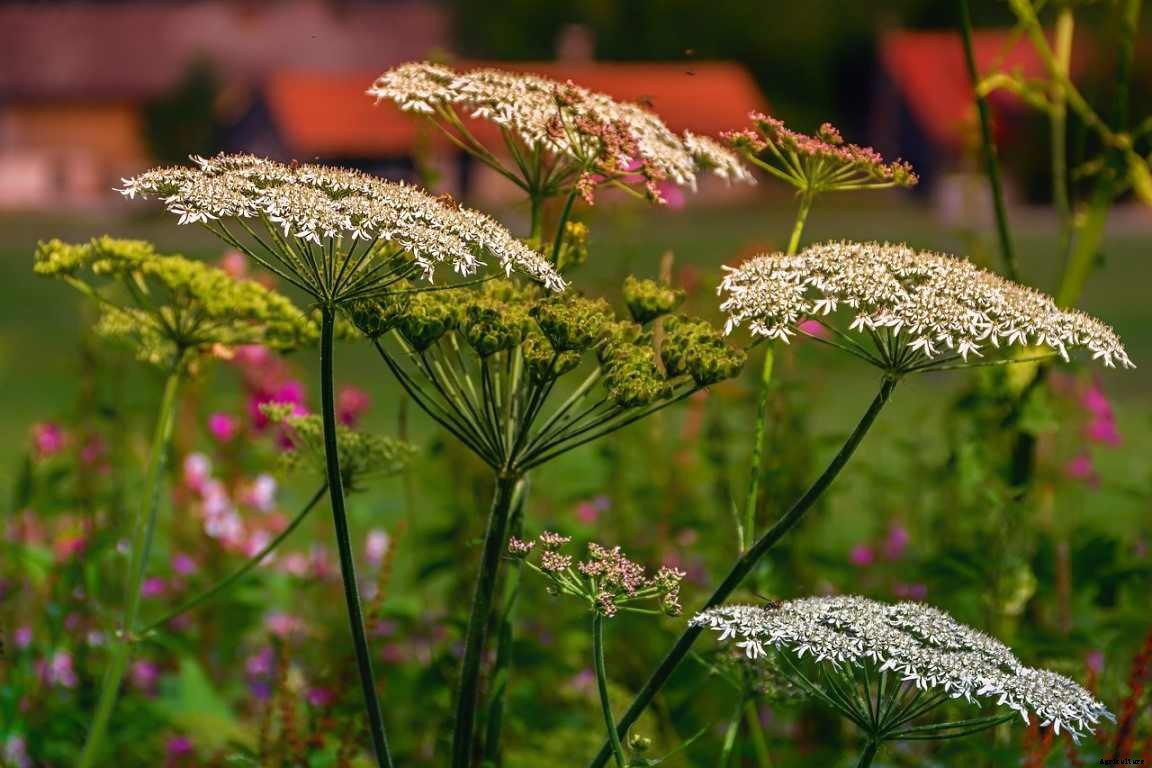
Some Recommended Yarrow Varieties
Quick Overview about Growing Yarrow Plants
For growing Yarrow plants, it prefers full sunlight but it can grow well in partial shade. If the Yarrow plant doesn’t get enough sunlight, the long stems can become floppy and need to be staked. Common Yarrow plant grows best in dry to medium, well-drained soils, whether sandy clay or sandy loam soils. It can tolerate poor garden soils. Soils that are too nutrient-rich will encourage aggressive growth, so they must be avoided. Although Yarrow plants will grow well in just about any type of soil, taller types tend to flop in soils that are rich or overly moist. They are at their best growing in well-drained and slightly acidic soil. If you have trouble growing a Yarrow plant, it’s most likely because your soil is too wet.
Avoid soil with excessive moisture and it grows best in drier soil but will still flourish in moist soil if it is properly drained. If you notice that the soil retains a lot of water or always looks wet, it is probably not a good place to plant Yarrow. Soils composed of sand tend to drain sufficiently, but clay-based soils do not. Creating a raised bed with a mixture of clay and then coarse sand can allow for better drainage if necessary.
The ideal soil for growing Yarrow is sandy, and of average to poor quality. This is one plant that does not have a preference for organically rich loam soil. It can grow in fertile soil, but will likely grow too fast and become “leggy,” and result in the plant stems flopping under the weight of heavy blooms. The soil pH level should be between 4.0 and 8.0. A measurement of 6.4 is considered optimal. To determine your soil’s pH level, conduct a soil test through your local agricultural extension office. The soil quality may be somewhat poor, but the drainage should be excellent. The Yarrow plant is not a plant that puts up with wet feet, nor does it appreciate humid conditions.
Yarrow propagates easily and in several ways, including via division, stem cuttings, and seeds. Usually, a division is the most convenient method to propagate Yarrow, because it grows best if divided about every 3 years, and you can plant the divided segment immediately in the garden. Stem cuttings need a period of indoor planting, and seeds take the longest of the 3 methods to see results. To grow this colorful Yarrow perennial, you can sow seeds, divide existing plants, or take tip cuttings.
In case if you miss this: How To Grow Organic Thyme.
Yarrow plant is drought-tolerant, but if the garden receives less than 1 inch of rain in any given week, give the plant extra water. Yarrow plants are very low-maintenance plants, so an annual side-dressing with compost should be enough. A soil that is too nutrient-rich can encourage the invasive spreading of the plant. Keep the soil evenly moist until the roots become established but after that only water your Yarrow plants when the soil is completely dry. Fertilization is rarely needed.
Water your Yarrow plants deeply at least once a week the first summer. Yarrow plant likes dry soil, watering helps the plant develop its thick roots and sets the stage for longevity and growth. Once the plant has been established, no extra watering is required if located outside, especially on an irrigated lawn. Apply fertilizer to your Yarrow, if needed.
Yarrow plant needs to be pruned regularly for a few reasons: Firstly, deadheading will keep the flowers in near-continual bloom. Also, the plant stems can begin to flop, particularly if it’s grown in a hot, humid climate. Cut back the plant stems in the late spring season, before the Yarrow flowers, to reduce the plant height and avoid that flopping. Finally, Yarrow can, in certain conditions, become invasive. The pruning process will help keep the plant in check by avoiding self-sowing.
Dividing and Transplanting Yarrow – Yarrow must be divided at least every three years to keep the plants healthy and to avoid the center part dying off. The best time to divide the Yarrow plants is in early spring. Then, the outer portions can be retained and the middle sections discarded.
Yarrow plant is susceptible to the following problems;
While the Yarrow plant needs little care, it is susceptible to a few diseases and pests. Most commonly, Yarrow plants will be affected by either botrytis mold or powdery mildew. These will both appear as a white powdery covering on the plant leaves. Both can be treated with a fungicide. Also, Yarrow plants are occasionally affected by spittlebugs.
Yarrow doesn’t need much attention, but it can be susceptible to botrytis mold and powdery mildew, both of which will appear as a white powder on the plant leaves. Then, treat it with an appropriate fungicide. Also, Yarrow can be affected by spittlebugs, which look like a little bit of spit on plants.
Yarrow plant has few disease or pest problems, although it is prone to a few fungal diseases. To reduce some disease problems, plant Yarrow in sun and thin it out when the plant becomes crowded, so that air circulates freely. Don’t compost them. If the disease is a problem, use drip systems or soaker hoses instead of overhead sprinklers, which spread disease by wetting the plant leaves. Water early in the morning, rather than at night, so plant leaves dry quickly, and don’t work in the garden while it’s wet.
Powdery Mildew – This fungal disease causes white growth to form on plant leaves. It appears late in the season, particularly in hot and dry weather conditions. Carefully remove any parts of plants that have powdery mildew on them. Some growers say that baking soda is also an effective preventative method. You can help to reduce powdery mildew disease by improving air circulation around your plants by thinning and pruning.
Rust – It is a fungal disease and that starts on the underside of leaves. You might notice white, raised spots on the plant leaves and stems. Then, these spots turn into reddish-orange spores that eventually become black. Severe infestations cause deformities and lead to plant leaves dropping off. Make sure that you remove infected leaves and apply copper sprays or sulfur powders to get rid of this disease.
All parts of the Yarrow plant are edible and it is best to harvest just after flowering. The way you harvest will change depending on whether you are planning on growing from seed every year or want to keep it as a perennial. In either case, snip off all of the flower heads, which make a yummy tea, when they appear. Some people will just harvest the Yarrow flowers, leaving the stems and leaves intact. It’s possible to have multiple harvests in one season because the plant will keep producing blooms until it enters dormancy over winter. If you’re growing Yarrow from seed every year, it’s best to harvest in one go after the appearance of flowers, cutting the main stems near the ground. Alternatively, if you want good growth next year, only snip off about ⅓ of stems, leaving the rest until they die back in autumn. By cutting off only a third, you will allow the plant to replenish its roots with nutrients that will be used for next year’s growth. Leaves and stems are best used in salads and flowers can be dried and used in tea.
Your timeline for harvesting Yarrow will vary based on winter and spring weather patterns. Variables from one year to the next can make harvest earlier or later. Once the flower stalks and buds appear, you’ll know that your Yarrow harvest is only a few weeks away.
Yarrow is an excellent dried flower, and then you can harvest and dry them for medicinal purposes. Dig up the entire Yarrow plant at full bloom and hang the stalks and flowers upside-down in a well-ventilated room out of direct sunlight. Brush the soil off the roots (don’t wash) and dry them in a warm oven, then store them whole in a dark, dry, cool cupboard until you are ready to use them.
You may also check this: Vegetable Farming In Karnataka.
How much sunlight does Yarrow need?
Yarrow plant prefers to grow in a position that is in full sun. The plants can survive in areas that are partially shaded but the stems will stretch and become floppy.
Is Yarrow easy to grow from seed?
Yarrow is incredibly easy to grow from seed.
How long does it take to grow Yarrow from seed?
For growing Yarrow plants, it takes approximately 10-14 days.
Does Yarrow need full sun?
When planting Yarrow, start with a place in full sun.
How long does Yarrow take to mature?
Yarrow plants begin to bloom in late spring to the early summer season. Many species of Yarrow continue to bloom until the early fall season.
How much space is needed between plants?
Each plant should have at least 12 to 24 inches of space in all directions as they spread out a lot.
Can Yarrow Grow in the Shade?
Yarrow plant is best grown in full sun where it produces compact plants and tight flower heads. Yarrow planting in the shade results in long stems that tend to droop in the wind.
Can Yarrow Grow Indoors?
Yarrow plants can be grown in containers indoors but they will need to be placed in an area that receives lots of light.
Will Yarrow Grow in Clay Soil?
Yarrow plant will grow in just about any soil as long as it’s well-drained and not too rich. It doesn’t like constantly wet soil.


