
Welcome to Modern Agriculture!

Introduction to Growing Pansy Flowers: Pansy flowers are members of the Viola genus, a taxon of flowering plants in the violet family Violaceae, with around 400–500 species distributed around the world. Pansy flowers have different sizes depending on the specific variety, and average 4 to 10 centimeters in diameter with 5 petals. Also, the Pansy flower petals differ in colors like bright yellow, orange, royal purple, pink, crimson, white, and blue colors. In this article we also discuss the below topics about growing Pansy flowers;
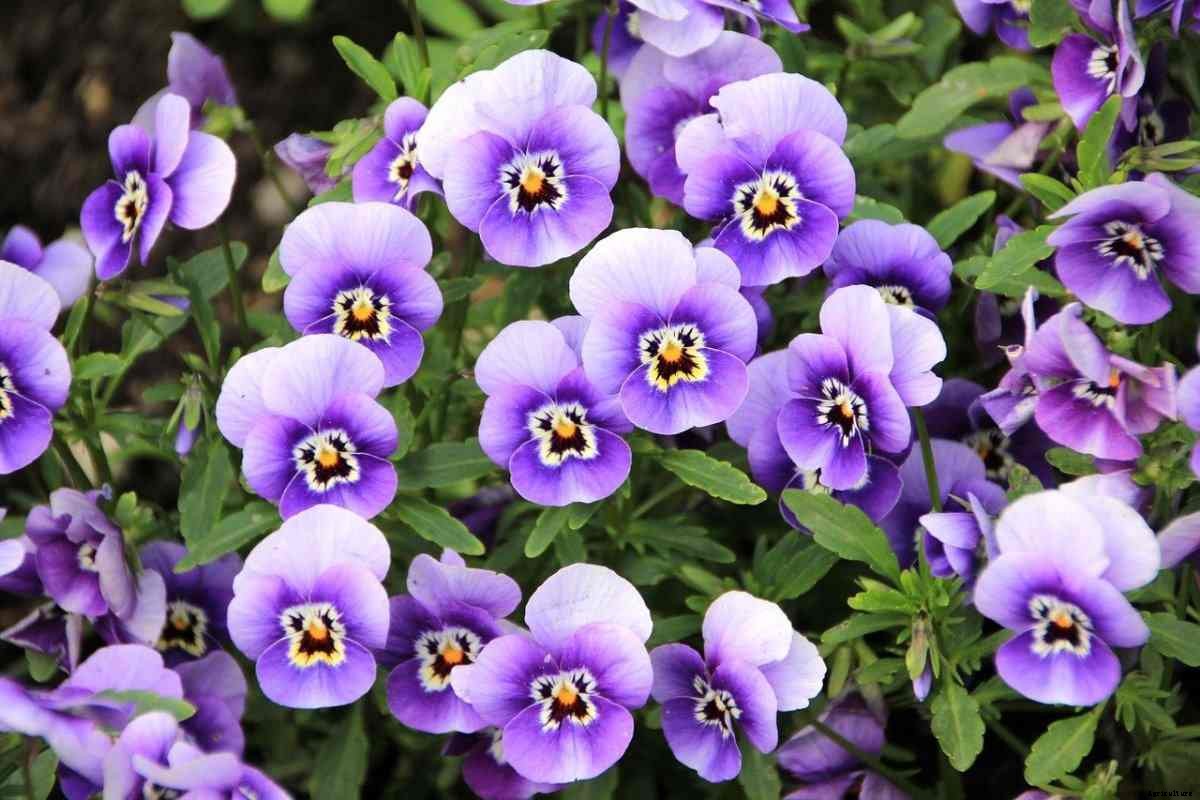
Pansies are one of the spring’s charmers. Pansy flowers are available in an amazing array of colors perhaps the most of any common garden plant. Some Pansy plant varieties are a single color and some are multi-color. Some have dark lines radiating from their centers and have blotches of contrasting colors.
Pansy plants grow to about 6 to 9 inches tall making them good ground cover between taller plants on your plot and bloom in different variety of bright colors. These annuals begin blooming in the early spring season and continue through most of the summer. In milder climates, they will keep going from autumn through the winter months. In hotter areas, look for heat-resistant plant cultivars and plant them in moderate shade. The plants prefer full sun but can grow successfully without it.
Suggested Varieties of Pansy are;
Pansy flowers will bloom best in full sun to partial shade, but they will stay fresh looking and keep blooming longer if grown in partial shade.
Pansy flowers do best with about 6 hours of sun daily. Too much heat can slow flower formation. New trailing Pansy plant varieties, like Cool Wave, need a minimum of 6 hours of full sun to flower best. For winter season plantings, consider adding Pansies beneath trees that have dropped their leaves for the season, allowing sunlight to reach the soil. For pots, select a bagged commercial planting mix labeled for use in containers. Well-drained and fertile soil that’s high in organic matter helps fuel abundant Pansy blooms. Create a nurturing environment for Pansy growth by layering 3 inches of organic matter like compost and earthworm castings, over your planting bed.
To get the most from the soil, fertilizers, and Pansies, test soil before planting. Pansies prefer acidic soil with pH levels 6.0 to 6.2. At higher pH levels, iron and other essential Pansy plant nutrients become less available, and nutrient shortages result. These deficiencies inhibit Pansy blooms, leave foliage yellow and pale color, and encourage root disease. A soil amendment such as iron sulfate lowers soil pH level and adds extra iron, too.
Pansy plants are susceptible to root rot in overly saturated soil. The Pansy plants have been known to overwinter successfully, only to succumb to excessive moisture as the winter’s snow and ice begin to melt. Be sure they are growing Pansy in a well-drained location. Whether you’re planting Pansies in the spring or fall season, they can grow in a variety of conditions from full sun to part shade.
In case if you miss this: Indoor Vegetable Farming.
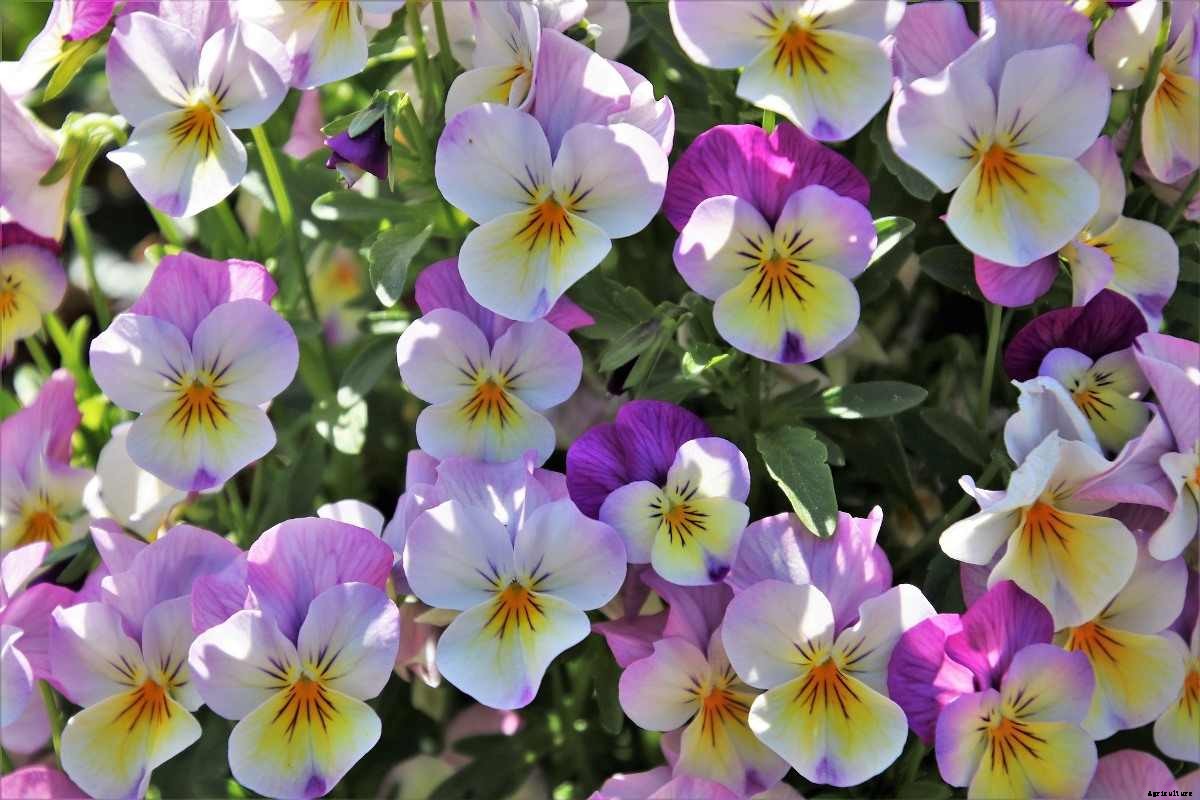
Pansy flowers are great for containers. Just use potting soil and plant in portable containers so the plants can be moved to a cooler area when the sun starts to get stronger. Early in the spring season or in the fall season, a south-facing patio might be the perfect spot. In the summer season, move Pansy plants to the east side of your home for morning sun and afternoon shade. Growing Pansies in a pot is an easy method to control moisture and soil type, and container-grown Pansies can flourish when given the right doses of those two must-haves.
Pansy flowers are very popular for containers and window boxes. The plants don’t like soggy roots, so make sure to use a relatively loose, well-draining potting mix and a container with good drainage. Pinch off leggy growth and deadhead regularly, and feed the Pansy plants with a balanced liquid fertilizer every few weeks.
Starting Potted Pansy Plants – Pansy plants can be grown from seed 14 to 16 weeks before planting, usually in late January. If you’re starting Pansies from seeds, use grow lights or a sunny windowsill to nourish container-grown Pansies and keep the soil moist. Also, you can give them a diluted fertilizer after the seed starts have begun to leaf.
Transplanting Potted Pansy Starts – Once the starts are a few inches tall, select a container and a good potting mix for your Pansies. Potted Pansy plants prefer well-drained soil. Leave a few inches between each plant. Pansies are susceptible to leaf diseases, so select disease-resistant strains and rotate plantings if you notice repeated damage.
To keep a steady supply of these beautiful flowers, feed your Pansy flowers regularly. If you’re growing Pansies over winter, and then apply a balanced slow-release fertilizer to help feed the plants during warm spells. As with any long-blooming annual plant, Pansy plants appreciate some fertilizer. The plants respond well to monthly foliar feeding. Use a balanced fertilizer based on the label’s directions.
Remember to water Pansy flowers regularly. One of the common reasons Pansy flowers are not growing is because the plants are not watered enough, so if you’re Pansies are not doing well, try watering them more. You can use a general and all-purpose fertilizer around your Pansies to help them grow. Though, be wary of using a nitrogen-heavy fertilizer, as this can result in more foliage instead of flowers. Remove faded or dead flowers to encourage the plants to produce more blooms and to prolong the blooming season.
To keep up with caring for container-grown Pansies, water the flowers regularly so that the soil is always moist but not soggy. Indirect sunlight is best for these containers. Add a small amount of blood meal or a store-bought fertilizer mix to potted Pansy plants every few weeks, and pinch off any overly leggy growth to keep the plants well-shaped. Pansies grown in pots can be left outdoors through the winter just give them a deep watering before a hard freeze, and covering them during any extremely frigid weather.
Water Pansy plants regularly through the growing season, but allow the soil to dry slightly between watering. Also, the drier soil conditions help Pansies harden off and tolerate cold.
Regular watering will help them hang on a bit longer, but don’t expect Pansies to last all season. Pansy plants prefer moist but not soggy soil. Then, make sure to use containers with drainage holes or if planting in-ground, make certain the soil drains well.
Water your Pansy plants regularly. Pansies grown in containers and pots will need regular watering, and container plants require more regular watering than ground-planted ones as they dry out faster. Pansy plants prefer not to sit in permanently wet soil so as a general guide, only water them once the soil is dry to the touch.
Mulching will benefit Pansy plants by helping retain water in the soil and also protect the roots in cold weather conditions. After that, adding a 2-inch layer of well-rotted manure or something similar around the base of the plant to mulch it. It’s best to do this in the spring or summer season.
Generally, Pansies are not affected by diseases or insects. However, where slugs are common, and they will not bypass a bed of Pansies. If signs of mildew disease or any fungi are observed, take a sample leaf to a garden center for correct identification and plant treatment.
Keep Pansies away from slugs, snails, and mildew. Young Pansy plants must always be protected from slugs and snails, in addition to other plant diseases. Sometimes leaf spots can be contained by spraying but it’s hard to cure plant diseases completely.
Pansy plants can be susceptible to some diseases. Try removing any yellow color or withered growth and disposing of it (don’t compost diseased plant matter). If Pansy plants are affected by mildew, it’s often best to dig the whole plant out to prevent it from spreading.
Slugs can be a nuisance during wet seasons, particularly if grown in partial shade. Occasionally, aphids will attack Pansies. Insecticidal soap should remove them. Use caution if you prefer to kill aphids with a strong blast of water since Pansy plants are rather small and delicate.
Cercospora Leaf Spot – Symptoms of Cercospora leaf spot disease begin with purple-black lesions on lower leaves, eventually developing pale tan centers with bluish-black rings and greasy-looking, water-soaked lesions. Eventually, leaves turn a yellow color and drop off. Pansy plants also show tiny lesions on upper leaves.
Anthracnose – When a Pansy has anthracnose, it can have stunted malformed flowers; round, pale yellow, or gray spots with black edges on leaves. Water-soaked lesions on stems and stalks eventually girdle the Pansy plant, leading to plant death.
Botrytis Blight – It will result in brown splotches or spots on stems and flowers. In high humidity, a gray, web-like growth can appear on plant leaves. The plant can also display scattered clusters of spores.
Root Rot – Some root rot symptoms are stunted growth, wilting, and yellowing of plant leaves.
Powdery Mildew – Patches of powdery disease, white or gray blotches on flowers, stems, and leaves is a classic sign of powdery mildew, which affects appearance but doesn’t kill plants.
Plant only healthy and disease-free transplants or seeds from reputable nurseries. Keep flowers beds free of debris and clean flower beds carefully at the end of the blooming season. Also, clean and disinfect containers. Avoid planting Pansies in regions that have been affected by the disease. Water by hand with a hose or by using a soaker hose or drip system. Avoid overhead watering and over-fertilization.
The most common insects that affect Pansy plants are spider mites or aphids. With spider mites, you may see whitish, pale green or yellow color Pansy leaves with pale stippling on upper surfaces; serious infestations of mites leave fine webbing on leaves. Aphids suck nutrients from leaves and stems, resulting in Pansies with yellow color leaves.
Treating Pansies with Yellow Leaves – Treat small insects by using insecticidal soap spray. Then, you can be able to remove light infestations by using a strong stream of water, but severe problems may require systemic insecticides. Fungicides are of limited use against mildew, leaf spot, and other fungal diseases but they can be effective when applied early in disease development. Use products registered for use on Pansies. Ensure Pansies have adequate sunlight and avoid planting Pansies in areas that have previously been affected by the disease. Destroy all diseased plant leaves and other plant parts immediately. Then, keep flower beds free of debris and clean flower beds thoroughly at the end of the blooming season. Also, clean and disinfect planting containers. Avoid overhead watering and under-watering may also be responsible when Pansy leaves are yellowing.
You may also check this: Indoor Flower Farming.
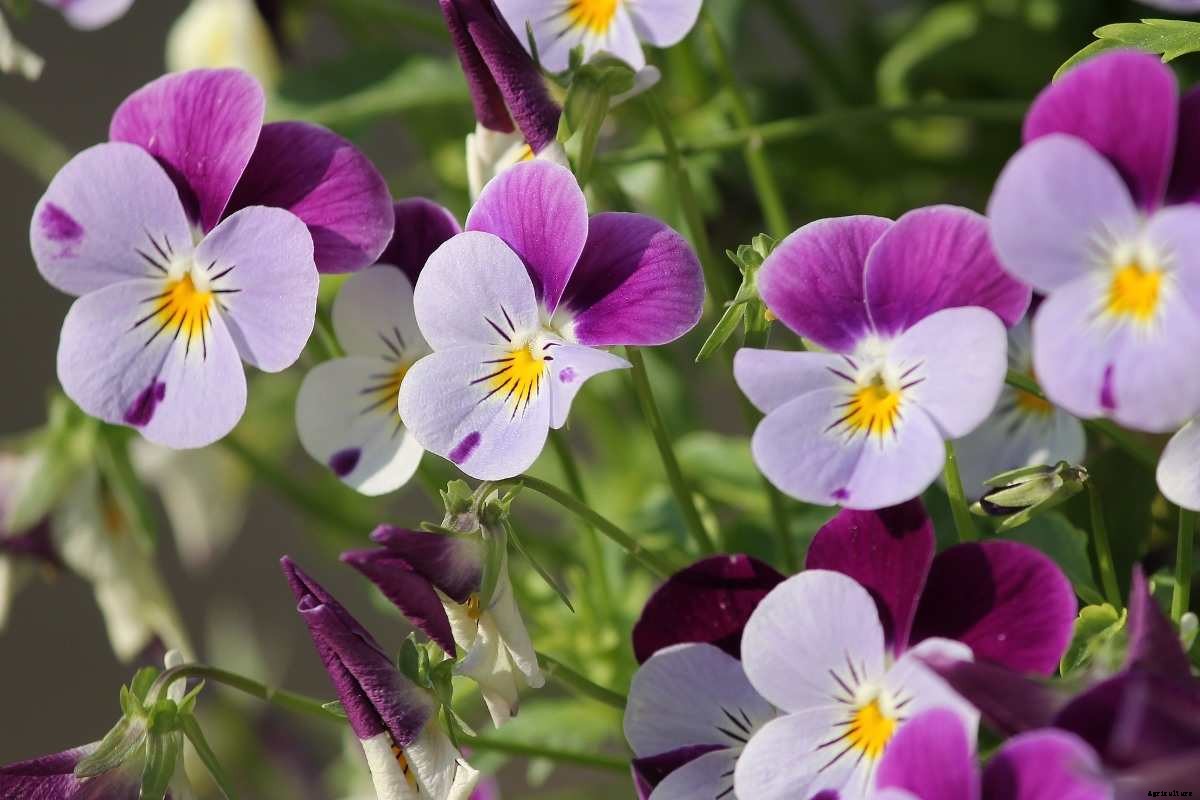
Are Pansies Annuals or Perennials?
Usually, Pansies are perennial plants but grown as biennials or annuals because of their leggy growth. The first year plant produces greenery and bears flowers and seeds in its second year of plant growth. Then, the Pansy plant dies like an annual plant.
Do Pansies come back every year?
Yes. Because the plants have little freeze tolerance, most will die in sustained winter seasons. In areas with moderate temperature levels, they may come again in spring, especially if they were mulched to protect the roots.
Do Pansies like sun or shade?
Pansy flowers like rich and well-drained soil high in organic matter, and full sun or partial shade.
What month do you plant Pansies?
Pansies are planted during the cool spring or fall season.
Can you grow Pansies inside?
Pansies come in a wide range of colors and can grow both indoors and out.
Can you grow Pansies indoors year-round?
Pansy flowers either grown indoors year-round or for outside use, should always be started inside. Sow Pansy seeds using potting soil approximately 3 to 5 weeks before planting outside.
Why are the leaves on my Pansies turning brown?
Several soil-borne pathogens, including Pythium, Fusarium, and Rhizoctonia cause root rot and is often due to poor soil drainage, overwatering, or containers standing in water. Early symptoms of Alternaria leaf spot include tan or greenish-yellow lesions turning a dark brown color.


