Introduction to Growing Borage from Seed: Borage is also called bugloss and starflower is an easily grown hardy annual flowering herb. The botanical name of Borage is Borago officinalis. It thrives in a sunny spot and also needs well-drained soil. Because the Borage flowers are so attractive to bees, it’s a useful plant to grow alongside fruit and vegetables to entice more insects to pollinate crops. The Borage plant is an annual herb in the flowering plant that belongs to the family Boraginaceae.
Borage is an ornamental plant with loose drooping clusters of star-like bright blue color flowers. The Borage leaves and flowers of Borage taste like cucumbers. The flowers of Borage can be floated in summer drinks and candied for decoration. The Borage leaves can be used in salads, sandwiches, and desserts. Borage is not a finicky herb plant, and it will grow in most gardens as long as the soil is well-drained. The Borage flowers are edible and are used in salads and cake dressings, while bees love to forage on them. The leaves can be used as salad greens.
A Step-by-Step Planting Guide to Growing Borage From Seed
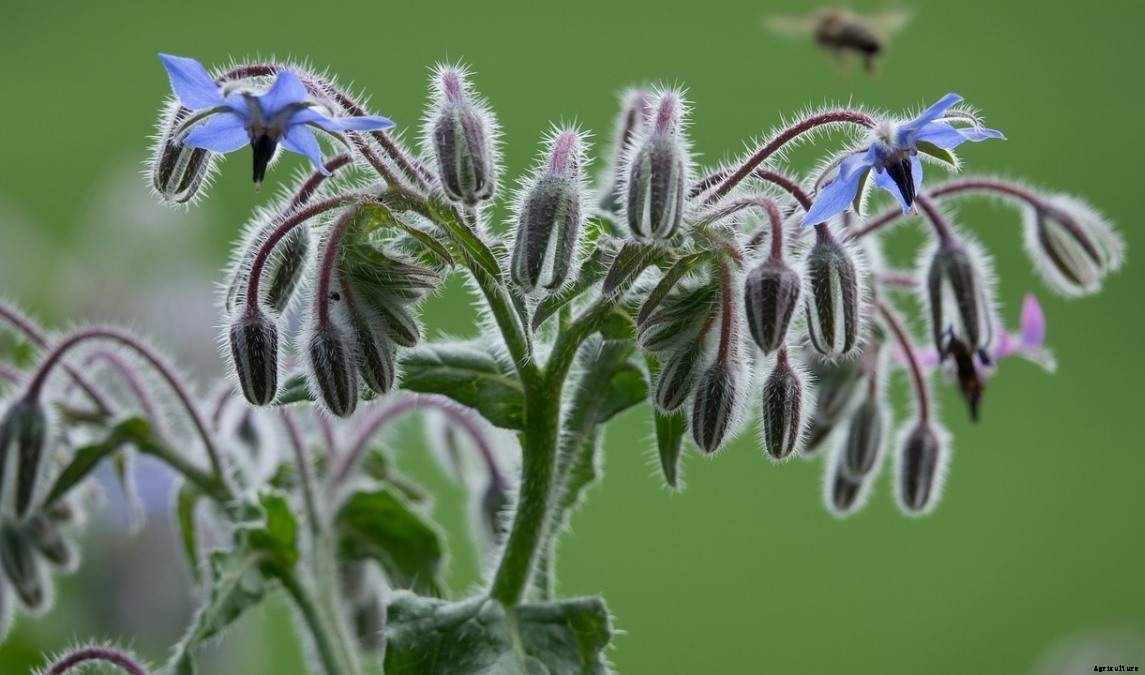 Borage Plant (Image source: pixabay)
Quick Guide about Growing Borage
- Botanical Name – Borago officinalis
- Common Name – Borage and starflower
- Plant Type – Annual herb
- Size -1–3 ft. tall, 6–18 in. wide
- Sun Exposure – It needs full sun to part shade
- Soil Type – Dry, moist but well-drained
- Soil pH level – 4.5–8.5 (acidic to alkaline)
- Bloom Time – Summer
- Flower Color – Blue
- Hardiness Zones – 2–11 (USDA)
- Native Area – Europe
- Toxicity – Non-toxic
- Origin – Southern Europe and Western Asia
- Type of plant – Borage is a warm-season annual herb; however, sometimes flowers do not appear until the 2nd year making Borage a sometimes biennial.
- Hardiness – Borage plant tolerates heat and cool weather but will not survive a hard frost.
- Plant form and size – Borage grows about 1 to 3 feet tall and wide, and it is shrubby with branching stems.
- Flowers – Borage plant has intensely blue, star-shaped flowers that grow in drooping clusters at the tips of stems; flower buds have a silvery sparkle from ubiquitous white hairs.
- Leaves – Borage plant has grey-green oval leaves that grow 4 to 5 inches; the leaves have a rough-textured surface covered with stiff velvety hairs.
Different Varieties of Borage
There are several varieties of Borage to choose some and they all have a similar flavor.
Common Borage (Borago officinalis) – The intensely blue color flowers earned it the nickname starflower. It is the most common and widely available Borage, with star-shaped blue flowers. Common Borage variety is the most familiar of the different types of Borage.
Variegata (Borago officinalis ‘Variegata’) – It is similar to common Borage. This type of plant has white mottling on the green color leaves. This variegated plant displays delicate, blue Borage flowers and green leaves mottled with white.
Alba (Borago officinalis ‘Alba’) – This variety is also known as white Borage. It blooms later in the season that blue types, with lovely white color flowers. Alba is a bit sturdier than common Borage. Alba Borage is a great choice if you’re looking for a plant with intense white blooms. Usually, the plant blooms later in the season than its blue cousin.
Creeping Borage (Borago Pygmaea) – As the name suggests, this Borage variety sprawls. It has lovely pale blue color flowers that emerge in the late spring season and stick around to late fall. It is a low-growing and perennial variety. Creeping Borage variety is a sprawling plant with fragrant, pale blue color blooms that appear from late spring through early autumn. Most Borage varieties are fast-growing annual plants, but creeping Borage is a short-lived perennial suitable for growing in USDA planting zones 5 and above.
Soil and Light Requirements for Growing Borage from Seed
- Plant Borage in full sun with partial shade and to get the most blooms and sturdy stalks, provide more sun than shade. The ideal soil pH level is 6.5, but Borage will grow in soil with a pH level from 4.5-8.5.
- Borage plant is grown in well-drained but moisture-retentive soil rich in organic matter. Then, add aged compost to the planting bed, and before planting turn it under to 12 inches. Also, it will grow in poor soil or alkaline soil as long as it is well-drained.
- The Borage plant is one of the simplest plants to keep up with, as it can thrive in poor soil. Then, you won’t need fancy soil with plentiful nutrients, and Borage can even grow through dry spells if it’s mulched well. So, it grows well in a variety of regions with different weather patterns and soil types.
- Borage plants will grow in full sun to part shade. Though, growing Borage plants in full sun will give you the best chance at a plant with lots of blooms and stocky stems.
- Borage plants can thrive in even the most dismal of soils, so there’s no need to carve out a special spot in your garden for this herb. However, the plant prefers moist but well-drained soil. Amending your soil with organic matter will also help give your Borage plants a nutritional boost.
When to Plant Borage
Borage grows well if planted in early spring after the last frost. In cold climate conditions, plant in a greenhouse or indoors 4 weeks before the last frost and transplant when temperatures increase.
Borage plant is reasonably cold tolerant and preferring soil temperature level of at least 10°C. Any cooler and you could want to provide a cloche or similar protection.
Conditions Required for Growing Borage from Seed
In case if you miss this: Indoor Flower Farming.
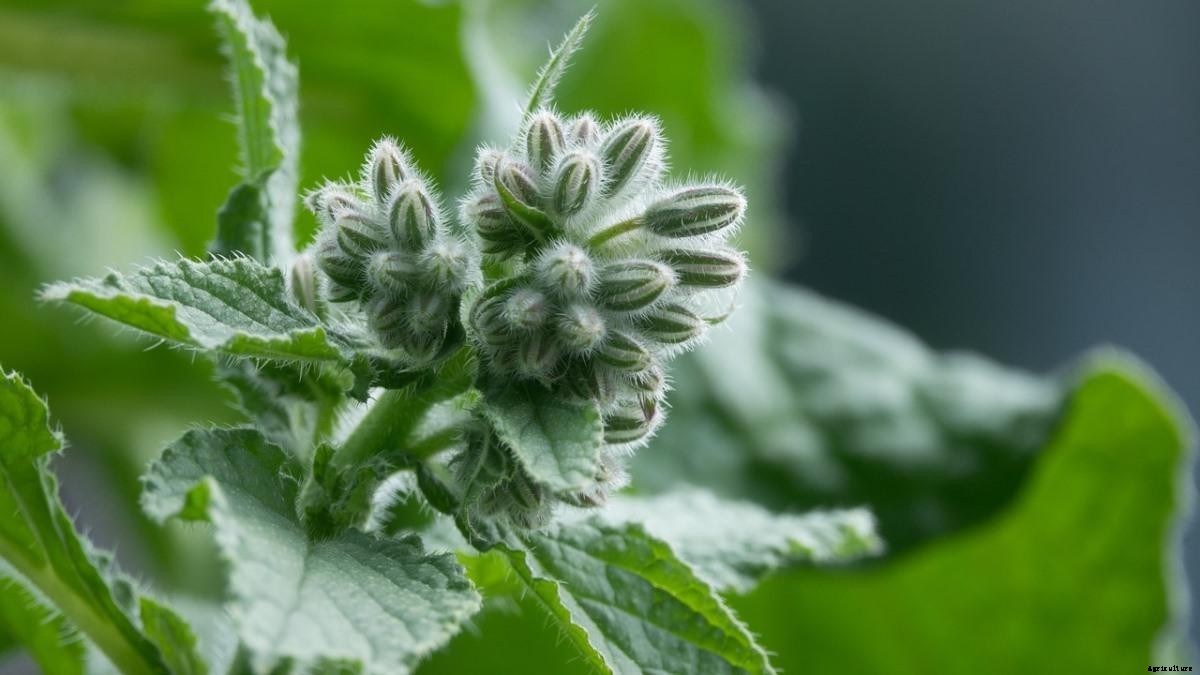 Conditions for Growing Borage Plants (Pic credit: pixabay)
- Plant Borage correctly – Borage plant has a long taproot and does best planted from seeds. Plant Borage seeds about ¼-½ inches deep, 15 inches apart. Keep soil moist until the seeds sprout and grow large, up to 3 feet tall and wide. Give plants plenty of room. One Borage plant is often plenty. The Borage plant grows best in full sun but will tolerate partial shade.
- The Borage plant takes almost no effort to grow and it grows best in full sun. This plant needs an area protected from high winds, which can knock the plant over. Plant the seeds in late spring after the last frost in well-drained and slightly moist soil.
- Container Growing – Borage will grow well in a container indoors or out. Remember to use a good quality potting soil mix and keep moist.
- Choose a location – Borage plants produce the most flowers in full sun, but they can also tolerate partial shade. Select a planting area that gets at least 6 hours of sunlight per day for best results.
- Prepare the soil – Borage prefers well-draining soil, rich in organic matter with a pH between 4.5-8.5. You can perform a soil test to determine whether the soil is acidic or alkaline.
- Dig in well-rotted organic matter into the soil before planting Borage. Soil should be firm but not compacted. Plant seeds about a ¼-½ inch into the ground and keeps moist. In around 10 days you’ll see the plants pushing through. Thin out to 1 plant every 15 inches once they are 2 inches tall. Water the planting location regularly to establish the seedlings.
Spacing of Borage Plants
Individual plants and rows must be 15 inches apart. Borage can suffer from mildew if too close.
Sow Borage Seeds
- Borage seeds must be planted about 1/4 to 1/2-inch deep, or take the easy route and then sprinkle seeds on the soil. After that, cover with a layer of soil and gently press it down.
- To start indoors, sow 1 or 2 seeds per seed cell, and cover with soil. Then, water the soil carefully so as not to disturb the seeds. Before the seeds germinate, you want to keep the soil moist but not waterlogged. The soil must feel slightly damp and stick together, but you shouldn’t see any water drip out if you squeeze it.
- In about a week, sometimes up to 2 weeks, you should start seeing seedlings stick their heads out of the ground.
- Initially, you’ll see a pair of shiny and wavy cotyledons appear. Later, you’ll start to see the true leaves emerge and these are hairy and have a matte, rough texture.
- Once you see the true leaves, you can ease up on watering and that means allowing the soil to dry out on the surface in between spritzes. A close-up of the leaves of Borage seedlings with a light misting of water droplets on the leaves.
- Borage seeds have generally a high germination rate, so you’ll likely need to thin them out. If you started your Borage plants indoors and planted more than one seed into the containers, thin them out to one plant per pot when they have at least one set of true leaves. Just pluck out the weaker, thinner, or shorter plants and then leave the strongest behind. If you sprinkled seeds outdoors, you’ll need to thin plants to 15 inches apart when they’re about 6 to 8 inches tall.
Process of Growing Borage in Containers
- If you’re planting Borage in a container, make sure it’s at least 12 inches wide and deep, to accommodate the taproot and that it has at least one drainage hole at the bottom.
- If it has been used before, clean your pot with 1 part bleach to 10 parts water. Add a well-draining potting soil.
- If you’re starting Borage seeds indoors, use six-cell jumbo plug flats or 3-inch pots. You need large enough so that the long roots have room to spread out as they grow.
- Borage plant grows easily in containers. Choose a container about 12 inches deep and wide or larger; Borage forms a taproot.
- It reaches heights of about 2 to 3 feet and the taproot is long and sturdy. Therefore, potted Borage plants require a sturdy container with a depth and width of at least 12 inches. If you can grow Borage from seed; most growers prefer to start with bedding plants, which are available in garden centers or specialty herb stores. Also, plant seeds directly in the container soon after the last frost in spring or start the seeds indoors a few weeks earlier. The Borage plant doesn’t transplant well because of its long taproot.
- Water Borage plant deeply. Check often during hot, dry weather conditions, as containerized plants dry quickly, but careful not to let the soil become soggy, which promotes rot.
- Borage growing in containers requires no fertilizer. If you decide to feed the Borage plant, use a diluted solution of a water-soluble fertilizer.
- Avoid overfeeding Borage, which often promotes lush foliage but few blooms. Borage plant tends to be relatively pest-resistant, but the plant is sometimes bugged by aphids. If you notice the tiny pests in Borage plants, spray the plant with insecticidal soap spray. Pinch tips of young plants to keep Borage compact and bushy and then snip the leaves as needed for use in the kitchen. Also, you can trim the plant if it looks overgrown in mid-summer. And, be sure to deadhead blooms as soon as they wilt. Otherwise, the plant will go to seed and blooming will end early and the plant may also need stakes to keep it upright.
Borage Plant Care
You may also check this: Growing Organic Thyme.
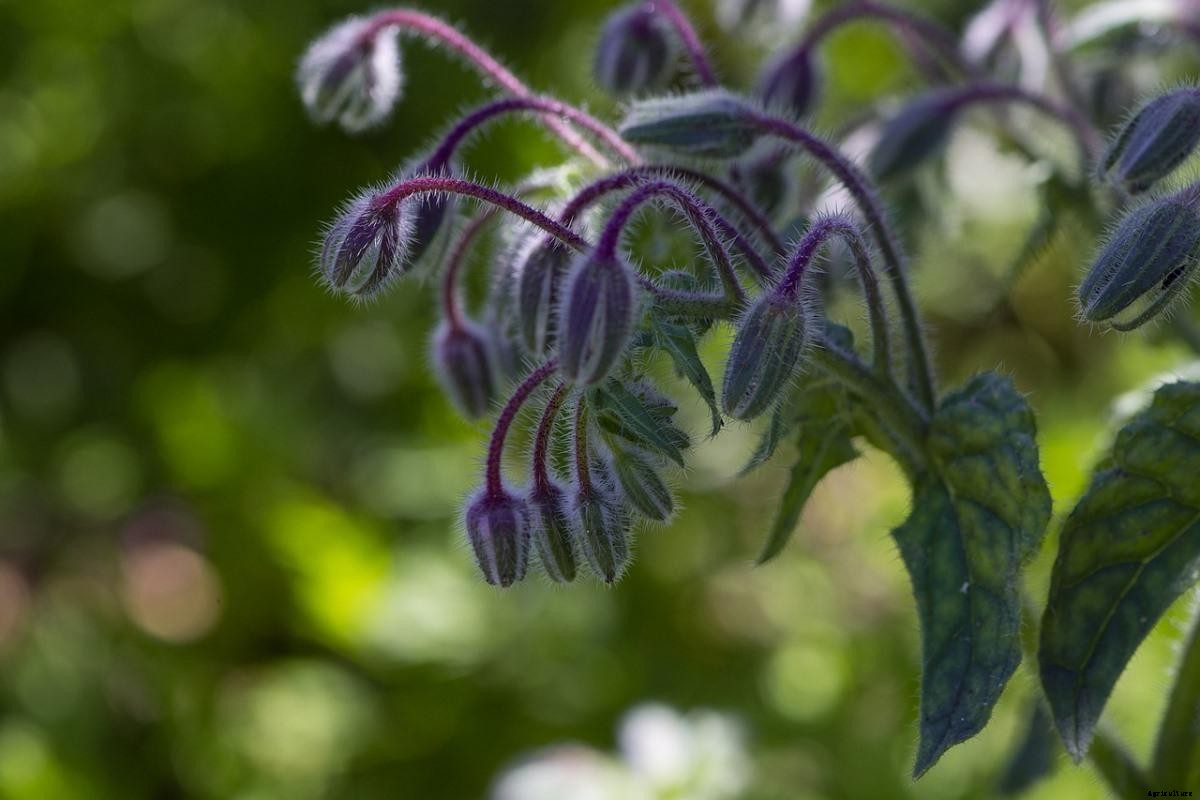 Borage Plant Care (Image credit: pixabay)
- Caring for Borage is rather simple, as the herb doesn’t need any special treatment and its ability to thrive in even the driest soils. Normally, this fast-growing plant is planted from seeds; potted nursery starts are not commonly available.
- Although accepting of just about any soil, the Borage plant does best in rich and moisture-retentive soil. Plant the Borage seeds about 1/4 to 1/2 inch deep in early spring. Thin them when they are 6 to 8 inches tall to the spacing of 15 inches apart.
- Borage can bloom from late spring through the summer season and will reach maturity in about 8 weeks, at which point you can harvest the leaves and flowers as need. Keep in mind, the Borage plants will start to decline if they are not deadheaded and are left to go to seed. Staggering your planting times will give you a longer period of bloom and then provide a longer harvest time. If the Borage flowers fade before you have a chance to deadhead them, the plants will re-seed on their own.
- If you choose to start Borage seed indoors 3 to 4 weeks before the last frost, make sure to transplant them into the garden before they become pot-bound, but not until the soil has warmed and then the plants have been hardened off. There are few pest or disease problems for growing Borage, though powdery mildew disease may sometimes appear.
- Carefully remove faded flower heads from Borage plants to encourage more blooms to form. Once flowering has finished, simply dig up and compost Borage plants the mineral-rich leaves will help fertilize soils the following year. Do take off the seed heads before composting plants or you’ll end up with lots of seedlings all over the garden.
- The Borage plant is a low-maintenance plant that doesn’t need much care. Water and thin seedlings regularly until the Borage plants reach maturity. Water mature plants during periods of prolonged drought and move potted Borage indoors in autumn before the first frost. To prevent the Borage plant from self-seeding in the garden, pick its blue flowers regularly before they can set seed.
How Often Should You Water Borage Plants?
Water Borage plants regularly. The plants are not drought tolerant and need plenty of water to thrive. However, try and avoid over-soaking them. The Borage plant needs even regular water until established.
Fertilizer and Pruning for Borage Plants
To encourage bushiness, pinch back Borage plants when 6 inches tall. You can prune back Borage by one-half in the midsummer season; this will encourage new tender leaves for late summer harvest.
Borage plants growing in poor soil will benefit from periodic feeding with any fertilizer labelled for use on edible plants. Something with a high phosphorous number will help keep them in flower.
Problems with Borage Plants
Borage plant rarely experiences problems with disease or pests. If planted in soggy and poorly-draining soil, it could suffer root and stem rots. You might notice leaf spots or powdery mildew, especially in humid weather conditions. Generally, these problems aren’t serious, although you can treat them with a fungicide if you like. Clean up all fallen leaves in the autumn season, especially if they’re diseased. Borage has a strong fragrance and then repels most insects that might eat it. It is also deer and rabbit resistant.
Japanese beetles are sometimes attracted to Borage plants and will eat the leaves. Japanese beetles can be mainly controlled with neem oil or excluded by covering plants with a floating row cover.
Borage plant can be susceptible to root rot in constantly wet soil otherwise it has no serious disease problems. Fungal leaf spot may also occur; spray plants by using compost tea to control fungal diseases.
The young growth of Borage sometimes becomes infected with blackfly, which makes it a useful companion plant to broad beans, as it can lure blackfly away from beans. Ideally, support Borage plants with short canes and string before they topple.
Woolly Bear Caterpillar – Wooly bear caterpillars are not fussy and eat most low-lying foliage. If they’re on Borage, they’re probably on other plants as well. Use neem oil regularly to make plants undesirable.
Painted Lady Butterfly – The larva of this pest causes more issues compared to the butterfly. That said, they don’t do tons of damage. Also, found they stick to specific areas of the Borage plant rather than damaging the whole thing. By using a natural insecticide or sticky traps to control the Painted Lady Butterfly problem.
Flea Beetle – There are several types of flea beetles, but they all eat the Borage leaves, leaving little pits or holes. This can be a serious problem if there’s an infestation, but don’t worry unless the numbers grow. After that, remove all fallen debris in the fall to try and then interfere with over-wintering. You can use a pesticide that contains sulphur.
Mildew – Mildew can affect your Borage plant. The best method to avoid this problem is to plant with decent spacing between them to allow airflow. Then, try to water towards the base of the Borage plant rather than on top of the foliage.
Companion Plants for Borage
Borage grows well with Tomatoes, Squash, Cabbage, Strawberries, Cucumber, Beans, Grapes, and Peas. Also, Plant Borage near Basil, Leeks, Pumpkins, Kale, Nasturtiums, Pansies, Marigolds, and Parsley.
Borage plant attracts small wasps and bees, which are the natural predators for some problems like tomato worms and cabbage worms. Then, use a natural solution for pest control in Borage plants, plant it with those crops or move the potted Borage into those gardens while the crop is growing. It contains calcium and potassium, so plant with tomatoes to help prevent blossom end rot.
Borage is said to strengthen the pest and disease resistance of plants growing nearby, for example, strawberries. Honeybees love Borage plants. Borage plants will attract bees and other pollinators to your garden and it is said to deter cabbage worms.
When and How to Harvest Borage
Harvest Borage leaves and flowers in the morning after the dew has dried before the heat of the day. Pick Borage flowers before they are fully open.
Both flowers and young leaves of Borage are edible. Add the Borage flowers to wine, use them to decorate cakes, or try crystalizing them.
Leaves can be dried in an area with good air circulation out of the direct sun for one to two weeks. Store or then use when dry but still green, discard any black leaves. To store put them in plastic or glass containers with lids. They will lose their flavor over time but can last for 1 year if properly stored. Borage leaves and flowers can be preserved in vinegar. Borage adds a bit of flavor and a great deal of color to salads, soups, dips and spreads, open-face sandwiches, beverages, and ice cubes.
Commonly Asked Questions about Growing Borage from Seed
Does Borage come back every year?
Borage is an annual plant, which means it completes its life cycle within one growing season.
Where does Borage grow best?
Borage plants will grow in full sun to part shade. Though, growing Borage plants in full sun will give you the best chance at a plant with lots of blooms and stocky stems.
When should I plant Borage seeds?
If the soil is too rich Borage may grow too tall and straggly rather than bushy and full of flowers. Sow Borage seeds in February-April indoors or outdoors end of April-May.
How often do you water Borage?
Borage plant will grow well in a pot at least 12 inches deep filled with standard potting mix. It will likely need watering every week when Borage grown in pots, but take care not to overwater.


