
Welcome to Modern Agriculture!

Introduction to growing Hyssop plants: Hyssop plant is an evergreen herb plant that belongs to the mint family (Lamiaceae), grown for its aromatic leaves and flowers. Home herb gardeners are growing the Hyssop plant for its dark green leaves which are used to flavor salads, soups, and stews. The parts that grow above the ground are used to make medicine and its botanical name is Hyssopus officinalis. Attractive plants have woody stems, small pointed leaves, and spikes of pink, red, white, and blue-purple color flowers. Blooms are very attractive to bees and butterflies. Hardy perennial grows 2 to 3 feet tall.
In this article we also covered the below topics about growing Hyssop plants;
Hyssop herb is a pretty compact perennial with spikes of blue and violet color flowers. It is just at home in the perennial garden as it is in the herb garden and it is a member of the mint family. It can be used much like mint but its minty flavor is stronger than most mints so it must be used sparingly. It is an attractive flowering herb plant grown for its flavorful leaves. The spikes of blue, pink, or red color flowers are great for attracting important pollinators to the landscape as well. It is a beautiful herbaceous plant with tall blooms, dark green leaves, and a woody stem.
Hyssop is the evergreen garden herb of the mint family, grown for its aromatic leaves and flowers. The Hyssop plant has a sweet scent and a warm bitter taste and has long been used as a flavoring for foods and beverages and as folk medicine.
Hyssop is a hardy perennial herb that grows about 2 feet tall. The aromatic leaves are dark green and pointed. Spread young Hyssop plants 1 to 2 feet apart in a spot with full sun and good drainage. This herb plant prefers gravelly or rocky soils so don’t plant it where the soil tends to be moist or boggy.
Hyssop plant is a small perennial plant about 0.5 meters (1.5 feet) high with slim woody quadrangular stems. The dotted narrow elliptical leaves are about 2 to 3 cm or 0.8 to 1.2 inches long and grow in pairs on the stem. Long leafy half-whorled spikes of little flowers usually violet-blue, pink, red, or white color blossom in the summer season.
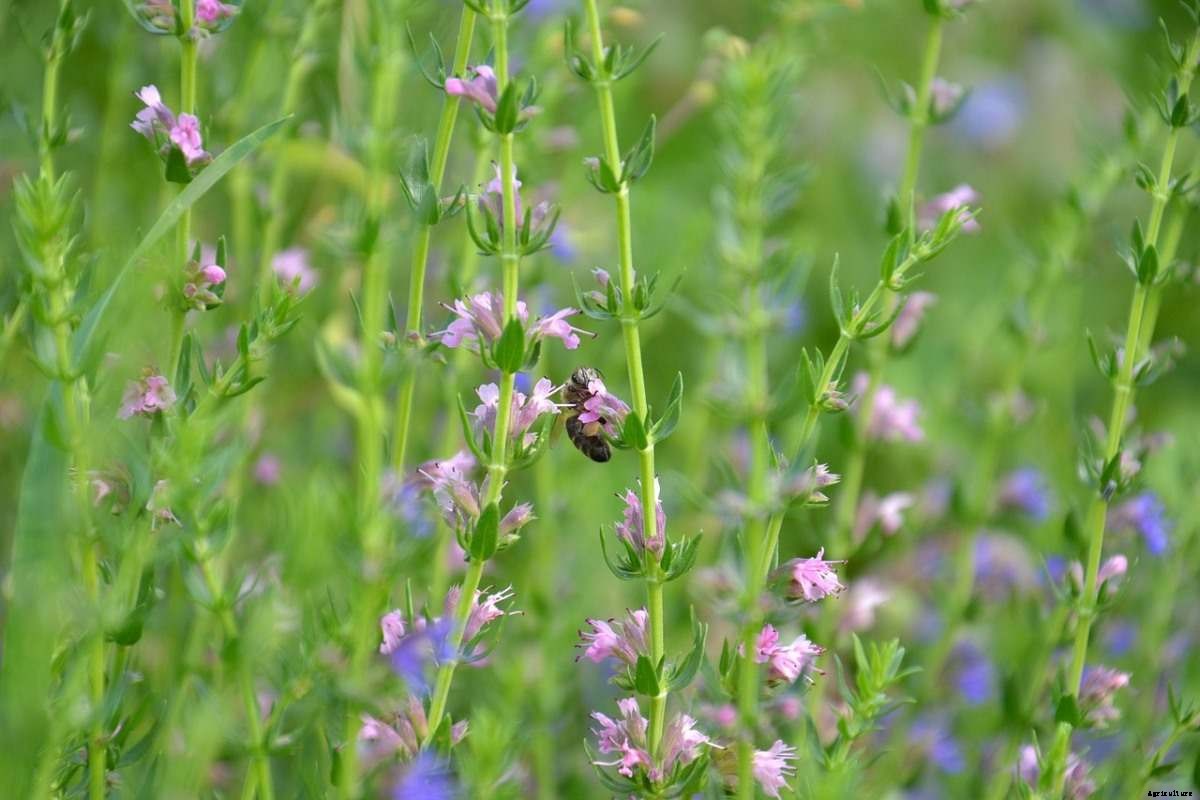
Common Hyssop (Hyssopus officinalis) – Common Hyssop is the most popular variety of the herb and comes in the most common color is purple. This is the main generic Hyssop variety known as common Hyssop. It’s a perennial and reseeds readily. Some varieties may also have pink or white color blossoms. It features small clusters of flowers on narrow and spiky stems.
Anise Hyssop (Agastache foeniculum) – Anise Hyssop plant closely resembles lavender and smells and tastes of anise. Anise Hyssop is not a true Hyssop. It is a member of the mint family and has similar qualities. These flowers are edible and used to give flavor and color to drinks, soups, salads, and desserts. The plant leaves have a sweet flavor and can be used as a substitute for anise seed in cooking. Not as hardy as true Hyssop, it’s considered a tender perennial plant. The Hyssop flowers are popular for dried flower arrangements and resemble lavender. It tolerates shade more than other Hyssops and this Hyssop variety isn’t found growing as widespread in the U.S. and it grows well in USDA zones 6 to 10.
Rock Hyssop (Hyssopnus officianlis s. arisatus) – This Hyssop type most similar to common Hyssop, though it grows lower to the ground and is mainly used as an edging plant. Rock Hyssop plant is a cultivar of common Hyssop. The big difference is that it’s much lower-growing. It’s popular as a landscape specimen and then looks beautiful in rock gardens and along the edges of pathways. It pairs nicely with creeping thyme. Rock Hyssop plant does well in USDA zones 3 through 9.
Korean Hyssop (Agastache rugosa) – Korean Hyssop is sometimes referred to as Korean mint, which is similar to anise Hyssop. It is a tall cultivar and gets up to 5 feet in height. It’s also slightly harder than anise Hyssop. This Hyssop variety is the most similar in appearance and flavor to anise Hyssop, though it is slightly harder. It is also called Korean mint.
Yellow Giant Hyssop (Agastache nepetoides) – Yellow giant Hyssop variety is a scentless variety that is tall and produces yellow flower spikes that are mulch bulkier than common or anise Hyssops. It grows in USDA zones 2 to 8.
Mexican or Southwestern Hyssop (Agastache mexicana) – Mexican Hyssop variety is an excellent variety for attracting pollinators. It’s sometimes called Mexican giant Hyssop because it grows over three feet tall. This plant variety is native to Mexico and the southwestern United States and likes dry sandy soil. It doesn’t do as well in northern zones because it prefers warm areas and grows in zones 6 through 9.
Alba – This variety of Hyssop has white color flowers.
Rosea – The rosea variety of Hyssop grows pink color flowers.
Hyssop plant prefers full sun to partial shade. Before planting, work in plenty of organic matter like compost or aged animal manure. Also, it is helpful to add a light application of organic fertilizer to the planting hole. It will grow equally well in containers, rock gardens, and window boxes. Hyssop plant grows best in full sun but will tolerate partial shade.
In case if you miss this: Growing Tarragon.
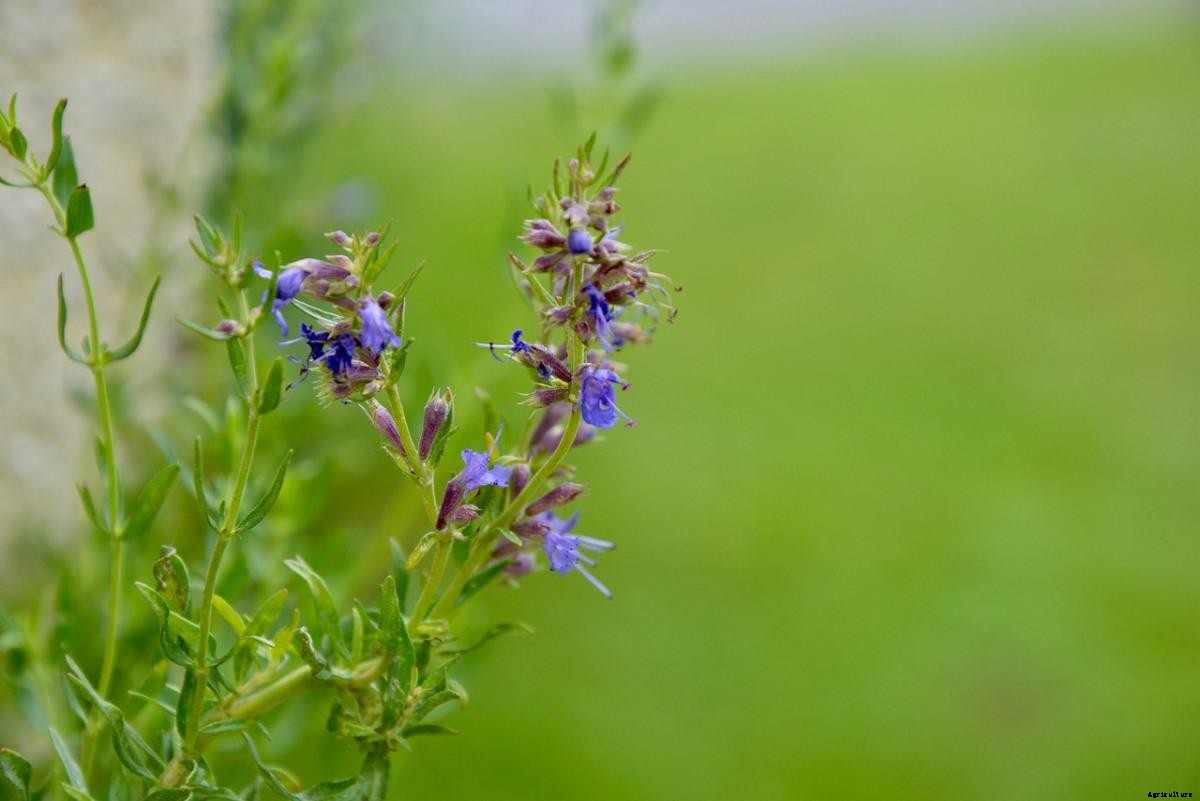
Plant Hyssop in compost-rich and well-drained soil. After that, add aged compost or commercial organic planting mix to the planting area ahead of planting. Hyssop plant grows best well in a soil pH level of 7.0 to 8.0 slightly alkaline. Hyssop plant needs well-drained soil with lots of well-rotted compost. If you have clay soil to grow Hyssop, add some sand to loosen up it up. Hyssop plant does well in rocky soil as long as there is adequate drainage.
There are several different ways to propagate Hyssop. This aromatic herb can be propagated by seeds, cuttings, and division.
Hyssop plant is easy to grow from seed; it readily self-sows. To propagate Hyssop by seeds, sow the seeds in spring and wait for them to germinate (about 14-21 days) before planting them into individual pots or directly in your garden.
Seed starting indoors – Sow Hyssop seed indoors in the early spring season just a week or so before the last frost. Start seed in flats under fluorescent lights. Seed germination takes about 14 days.
Hyssop plants can be started from 6-inch long stem cuttings; dip cuttings in rooting hormone and plants in organic potting soil. Cuttings are best taken from the mother plant in the late spring to early summer season. Use 6-inch long cuttings for propagation. Then, recommend dipping the cuttings in rooting hormone before planting them in the soil.
Divide plant in spring or fall. Plant about 4 to 6 inches long root divisions at the same depth they were growing. To propagate your Hyssop by root division, wait for the spring or fall months to do it.
You may also check this: How To Grow Organic Thyme.
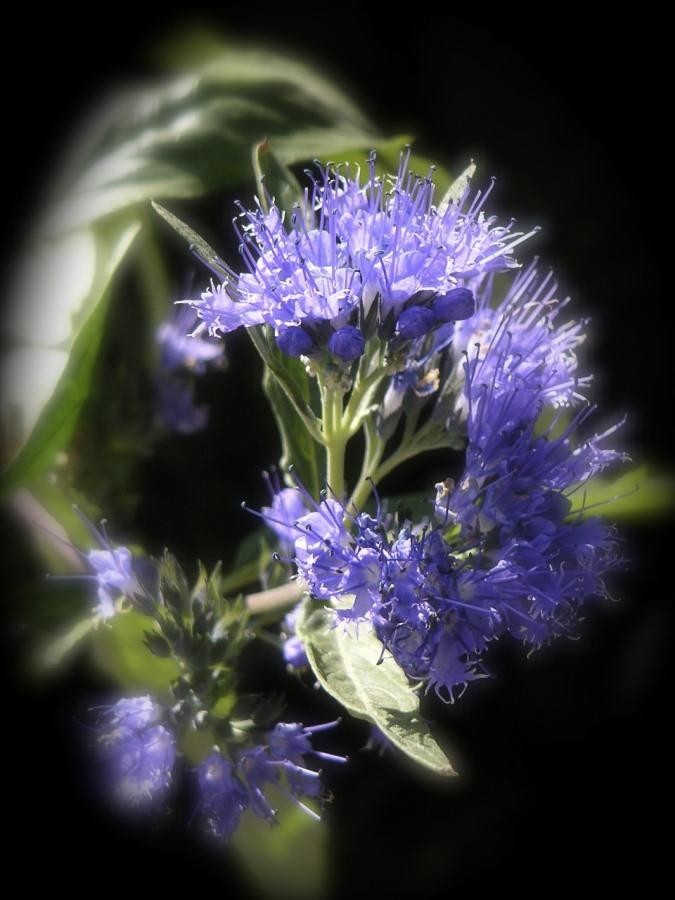
Hyssop plant does well in containers and will be happy to spend the winter in a cool room indoors. If you’re growing Hyssop in a container, be sure it’s at least 10 inches deep to accommodate their long taproot. It grows well in a sunny south-facing window or under grow lights.
Hyssop can be started from seed indoors and then transplanted or planted from nursery starts. Start seedlings indoors about 8-10 weeks before the last average frost for your area. Seeds do take some time to germinate, about 14 to 21 days, so be patient. Transplant in the spring after the last frost. Set plants about 12-24 inches (31-61 cm.) apart.
Before planting, work some organic matter into basic potting soil. After that, sprinkle a little amount of organic fertilizer into the hole before setting the plant and filling the hole in. Be sure that the container has adequate drainage holes and situate the container-grown Hyssop in an area of full sun. Then, water the plant as needed, and occasionally prune the herb and remove any dead flower heads. Mint-like in flavor, Hyssop can be added to green salads, soups, fruit salads, and teas. It is susceptible to a few pests and diseases and makes an excellent companion plant.
Remove faded Hyssop flowers to prolong bloom time and encourage bushy development. Renew plants by cutting them back by half or more in the early spring or late fall season, and this will encourage more flowering in the second year. Hyssop must be divided every 3 or 4 years or plantings will become sparse. Plants lose vigor after 5 years and must be replaced with plants started from cuttings or division. Hyssop can be grown in a container 10 inches or more deep and wide.
Grow the Hyssop plant with Lavender, Rosemary, Garlic Chives, and Catmint. Hyssop plant repels flea beetles and other pests; it lures cabbage moths so it can be used as a trap plant. It attracts bees, butterflies, and hummingbirds. Plant Hyssop near beehives; and the collected nectar will flavor the honey. The hyssop plant is said to increase the yield of grapevines. Though, Radishes are said to suffer if planted near Hyssop.
Do not overwater the Hyssop plant. Hyssop can tolerate drought and it will thrive with light, even watering. Overwatering your Hyssop plant is a sure way to kill it. This aromatic herb plant is resistant to most diseases and growing conditions. Though, it cannot resist root rot if it is grown in soggy soil. It is better to underwater your Hyssop plant, especially since this shrub is somehow drought tolerant than to overwater it.
The best method to water the Hyssop plant and ensure that you don’t overwater the plant is to use the “soak and dry” watering method. This process implies for you to allow the first few inches of the soil to dry out completely between watering.
Feed Hyssop plant with compost tea or dilute fish emulsion a couple of times during the growing season. Growing Hyssop doesn’t need fertilizer. Then, you can work in some well-rotted compost to the soil when you plant if you want to give plants a boost.
The hyssop plant does not have many pest problems. The plant repels flea beetles and cabbage moths when planted in vegetable gardens. Hyssop is grown as a companion plant with Cauliflower, Cabbage, and Grapes.
Scale and nematodes can occasionally bother the Hyssop plant. Scale can be picked off and crushed. Repel nematodes by planting marigolds nearby.
Hyssop plant is susceptible to root rot in soggy soil. Then, add plenty of aged compost to planting beds so that the soil is well-drained.
The hyssop plant is resistant to pests and diseases. Many people grow Hyssop as a companion plant to help repel cabbage months and flea beetles. The few diseases that attack Hyssop plants are all related to the plant growing in conditions that are too moist.
Root Rot – Root rot is a disease that causes roots of growing Hyssop plants to rot. You might notice yellow leaves or stunted growth, but the only method to be sure you have the disease is to check the roots. They’ll look soft and mushy. If some of the roots are still alive, trim away the dead stuff and then replant in well-draining soil. If all of the roots are compromised, your Hyssop plant is toast. Dig it up, improve the drainage in soil, and plant new plants.
Rust – It causes reddish pustules that burst and release powdery spores on Hyssop leaves. If you spot it, spray plants by using a copper or sulfur-based spray.
Powdery Mildew – Powdery mildew disease makes it look like your plants have been dusted with flour.
Hyssop is an extremely hardy plant. Some believe that Hyssop repels pests, such as flea beetles and cabbage moths, making it an ideal companion plant for vegetables affected by those pests.
The pest that may affect Hyssop is the nematode. Nematodes are also known as roundworms, and they can affect your plants. If the nematodes are feeding above ground, the flowers, leaves, and stems of your Hyssop plants may appear disfigured or twisted. If the pests are feeding below ground, the plant can be wilted, yellow, or unusually small.
Making sure that the soil is well-drained will help protect the Hyssop plants from nematodes. The only method to treat plants affected by nematodes is to dig up the affected plants, allow the area to be fallow, and till the soil frequently to expose the nematodes to the sun to kill them.
Generally, harvest Hyssop leaves as needed before the plant flowers. Pick Hyssop flowers when the blooms are three-quarters open. Gather Hyssop flowers in the morning when the dew has dried. Though, snip off portions of the stalk when harvesting a small number of leaves for immediate use then strips the leaves from the stem. Cut whole branches for drying leaves or flowers.
Under optimal weather conditions, Hyssop herb is harvested twice yearly, once at the end of spring and once more at the beginning of the fall. Hyssop plant will reach its maturity in 75 to 85 days from planting. It is best used fresh if you are using it in the kitchen, but it can also be dried or frozen for later use. When harvesting Hyssop, cut the plant in the morning once the dew has dried. Then, hang the plant upside down in a dark and well-ventilated location. In addition to being used as an herb, the Hyssop plant leaves can be used in salads, soups, and other meals. Also, you can harvest Hyssop seeds to plant in future seasons by waiting for the seed capsules to dry completely and then separating the seeds from the capsules by hand.
When you grow Hyssop as a garden plant, trim back established plants heavily in early spring and again after flowering to prevent them from becoming too spindly. Cutting back the foliage also encourages bushier plants. Growing Hyssop as a garden plant is not only easy but can also attract butterflies and hummingbirds to the garden.


