
Welcome to Modern Agriculture!

Growing Poppies in Pots
Hello gardeners, today we are here with a new topic of growing poppies in pots or containers. Poppies are well-known spring flowers. Available in mixed colors and single and double colors, they are great for mass plantings or in cottage-like gardens. Poppy flowers are one of the easiest flowers to grow and one of the most popular wildflowers to grow, the average poppy is between 2 to 3 feet tall. Also, there are dwarf varieties that will only grow to a foot and make marvellous indoor container flowers. They are the best grownup with other plants when grown indoors, as they complement other plants so well. In this article we also discuss the below topics about growing Poppies;
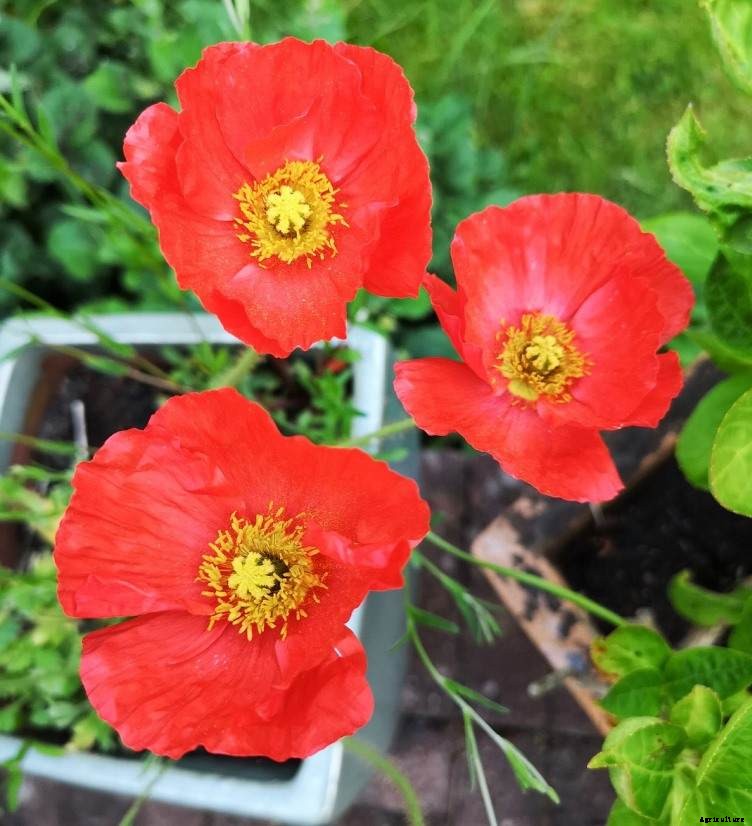
Planting Poppies is simple and satisfying when their single and double blooms appear in cooler seasons. Poppy plants are more familiar to most people, who quickly know the papery, tissue-like flowers in bright warm colors. Poppies are grown nearly all over the world and come in different sizes, colors, and textures. The flowers come in different colors like bright reds and warm oranges and form informal patches of color in the late spring garden.
Some of the popular types of Poppies can be given below;
Himalayan Poppy
Celandine Poppies
Prickly Poppies
Matilija Poppies
Corn Poppy
Oriental poppy
Pygmy Poppies
Dwarf Poppies
Flanders poppy (common poppy)
Poppies like plenty of suns and well-drained soil are drought-tolerant and deer and rabbit-resistant. They adjust to most climates and many soil types, including sandy and heavy clay. Poppies grow well across most climates. Sow the Poppy seeds right through the autumn months in temperate climates. In cool and cold climates, sow seeds from summer to early autumn, and in warm and hot climates, sow from early autumn to winter.
Poppies do not like shade, heavy soils, or locations with too much water holding. Gardeners in wet climates will have to provide sufficient drainage or Poppies will develop root and leaf diseases.
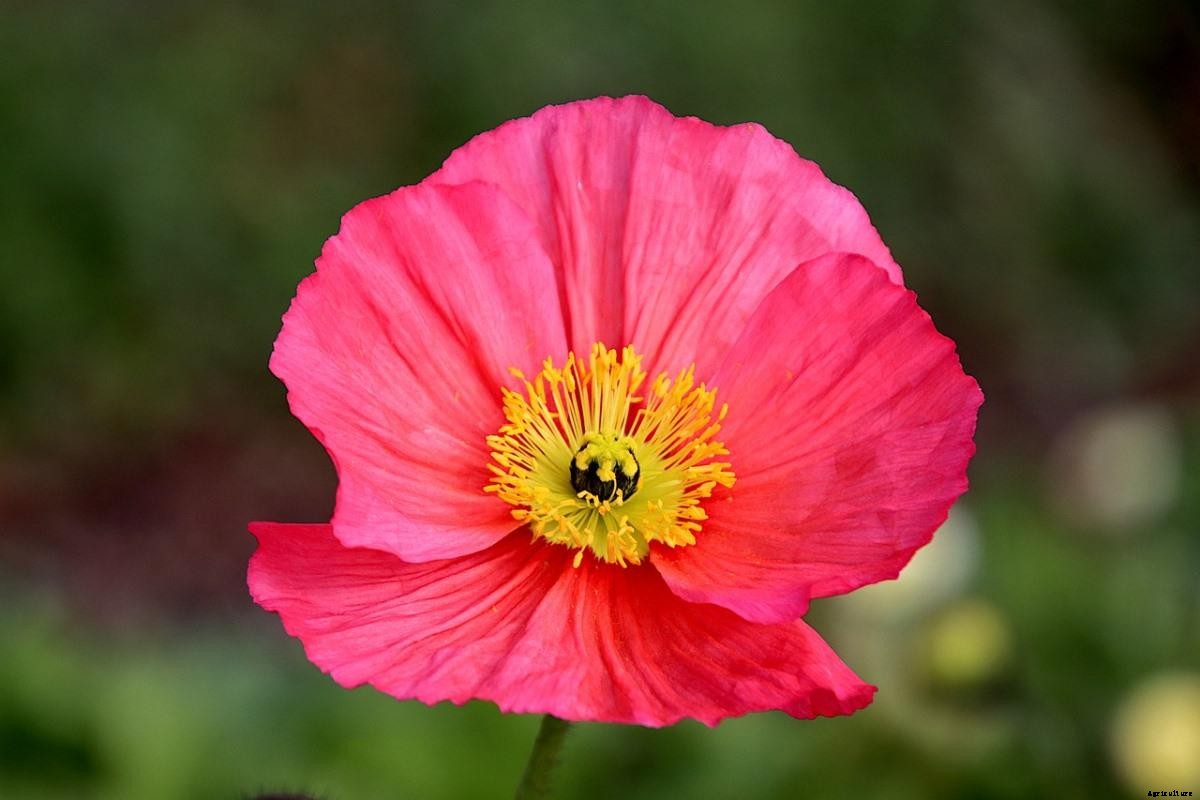
Poppies will work in rock gardens, containers, mixed repeated beds, high altitudes, cutting beds, and in wildflower and meadow plantings. The selected container needs drainage holes to prevent the plant from standing in waterlogged soil. Also, you can attach casters to the bottom if you want to be able to easily move your container-grown Poppies. Poppies are relatively easy to grow to provide fertile soil and adequate water for seed germination.
Poppies need at least 6 hours of sun. Some varieties of Poppies grow large, up to 5 feet tall. Plan accordingly and plant Poppies where the plants will have room to grow. Many varieties of Poppies reseed easily and plant Poppies in an area you don’t mind having them return to each year.
Soil factors are having high priority when considering growing Poppies in pots. Poppies like perfect drainage. Sandy soil is ideal for growing Poppies. Amend heavy soils with sand or finely ground covering. Poppies benefit from a modest amount of water-holding, so a small amount of compost in sandy soils is recommended. Use no more than one-third of compost. Protective cover lightly with fine bark to shade roots and contain moisture in dry areas and during drought. These plants like humus-rich, loamy soil. You can create a favorable soil blend for flowers in a pot by amending regular potting soil with compost. Fill the container to 1 ½ inch from the top with the humus-rich potting soil.
Soil pH is one of the major factors that prescribe the success of a poppy crop. Ideally, Poppies needs to be at least 5.8 pH. By adding lime can increase pH level so it is very important to apply lime to grow Poppies in areas with a low pH. Increasing the soil pH level reduces the solubility of manganese and hence the damage it can do to plants.
Start growing Poppies indoors use small vegetable matter pots with a few seeds in each. It will also help to locate the pots in different places as of the home. Germination for poppy seeds usually takes 7-30 days.
Growing poppy flowers can be simple as planting seeds or separating the roots of existing plants. Plant Poppies from seed into lower to average soil in a sunny location. Steps for growing Poppies from seed;
Generally, water thoroughly at least once a week to help new roots grow healthy. The soil must be damp at about 1 inch below the soil surface. Water the pant early in the morning to give all leaves enough time to dry.
When the Poppies are in bloom or about to bloom in the warm season, watering should be moderate and regular. Once you get past the period of flowering, best to leave the soil dry as much as possible and watering must be done only when the top 1-inch soil surface seems dry.
You’ll need to fertilize the plant when growing Poppies in pots. Add a slow-release fertilizer to provide a steady supply of nutrition to the plant during the whole season at the time of planting.
If you haven’t added a slow-release fertilizer, start to feed the Poppies with balanced liquid fertilizer on a bi-weekly basis once the plant has exceeded the height of about 5 inches or when new growth emerges in the spring season. You can feed the plant with flower fertilizer during the flowering period in Poppies. Also, Poppies are prone to magnesium and iron deficiency, application of Epsom salt is recommended for plant growth.
3. Dividing, dig up large poppy plants in the fall seasons after the leaves have died back. Dig a circle around the poppy plant, 8 to 10 inches from the plant, using hand tools. Lift the plant along with the lump of roots and soil carefully from the soil.
Poppies are prone to few pests and disease problems. Therefore, it’s possible to get a bounty harvest without worrying about pest and disease management. All the same, you need to watch out for some pests like black bean aphids which attack Poppies buds just before flowering.
You can use insecticidal soap to control the problems in Poppies. The other common pest is slug infestation which you can easily control using traps.
Diseases to watch out for including downy and powdery mildew, viruses transmitted by aphids, and root rot caused by overwatering.
Generally, pick the Poppies when they are halfway open. Poppies mostly flower in late spring to early summer. They boom in full sun in rich, well-drained soil. Once the over delicate petals begin to drop, the ovary grows into the plant’s fruit, a chubby seed pod. The seed pod contains hundreds of small black seeds, which are eatable in some species. Pods are in green color when young and yielding stage. When the weather is dry near the end of the growing season, pods begin to turn brown color and create a hard shell around the pod. This will finally crack open, releasing the small seeds. Harvesting poppy seeds early may affect their property and ability to germinate. Harvest seed pods, cut when the pods turn into light brown color and dry out for 1 to 2 weeks before breaking open and storing seeds in a jar for up to 2 years.
In case if you miss this: How To Grow Onions In Greenhouse.
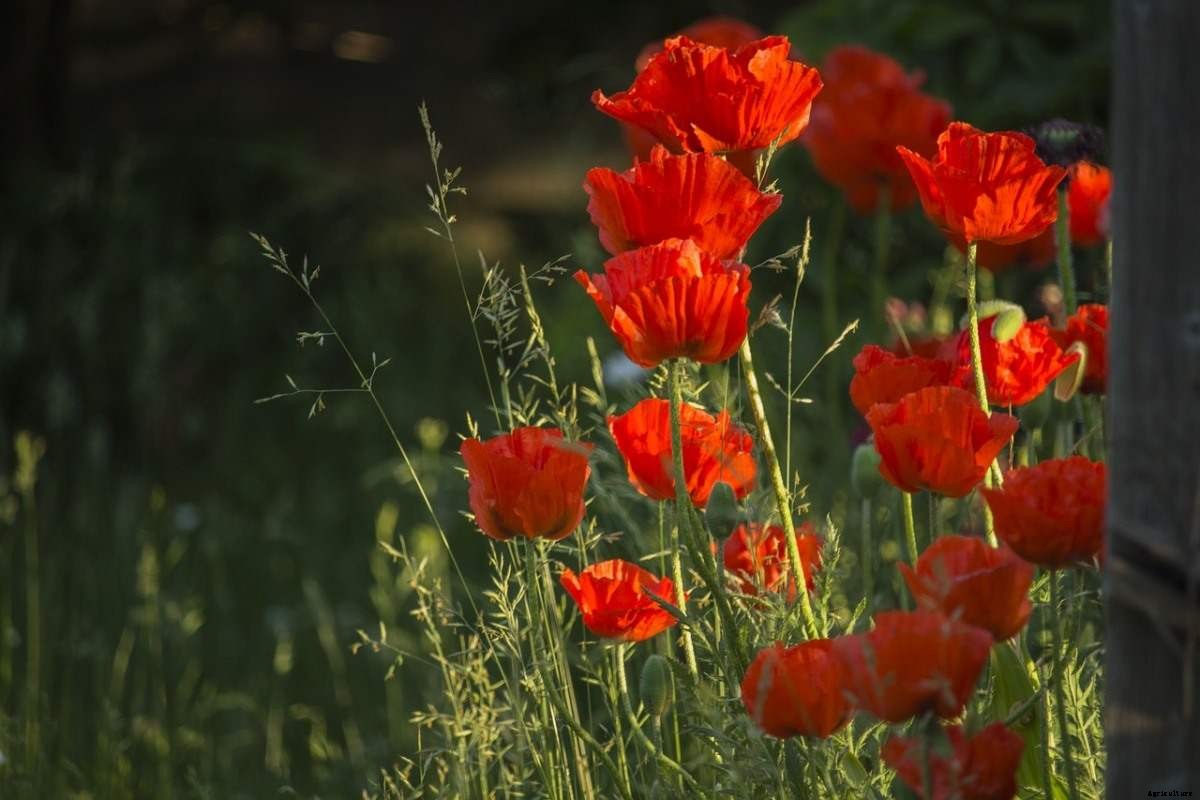
Why are my Poppies not growing?
If you are new to growing Poppies, maybe that you haven’t yet gotten to their flowering season. Poppies do not like soggy soil, and that overly-rich soil can lead to a lack of flowering in plants, and the Poppies not growing. On the other hand, your soil can be lacking the nutrients necessary for flowering.
How do you stop Poppies from spreading?
Remove the spent flowers of perennial Poppies to keep the plants flowering until late spring or early summer season and prevent self-sowing. Tall varieties of Oriental Poppies require staking in the spring season to prevent them from falling over when laden with blossoms.
Why is my Poppy plant dying?
Improper watering can result in leaf browning on Poppies. Insufficient moisture mainly causes leaf wilt, yellowing or browning, and drop. Though, waterlogged soils force Poppies to languish, causing root death that forces foliage discoloration.
Where is the best place to plant Poppies?
For the best results Poppies grow in well-drained soil. The plants thrive in alkaline, acid, or neutral soil.


