Welcome to Modern Agriculture!

 Depositphotos
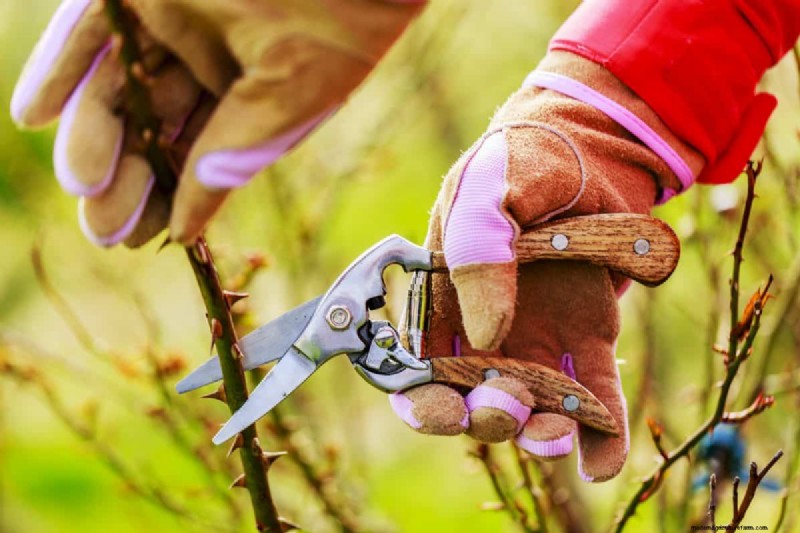
Gardeners across the country often face a dilemma in July: the thermometer rises, plants appear thirsty, and pruning shears rest in your hand. The key question is whether summer cutting will help or harm your garden. The answer isn’t a simple “yes” or “no”; it depends on plant type, local climate, and timing.
When you understand the science behind summer pruning, the process becomes straightforward. By pruning at the right moment and with proper technique, you can keep plants thriving even in hot weather.
 Depositphotos
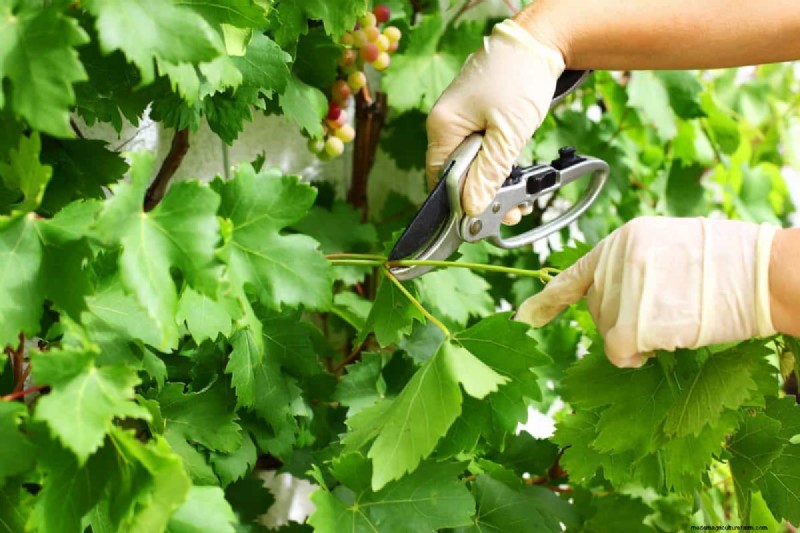
Many gardeners believe that all pruning should occur during dormancy. In reality, a well‑timed summer trim can be highly beneficial for certain species. For example, fruit trees often respond well to light summer pruning, which improves air circulation and sun exposure for ripening fruit. However, the timing and method are crucial when temperatures soar.
Save this article & also instantly unlock today's gardening deals!
 Depositphotos
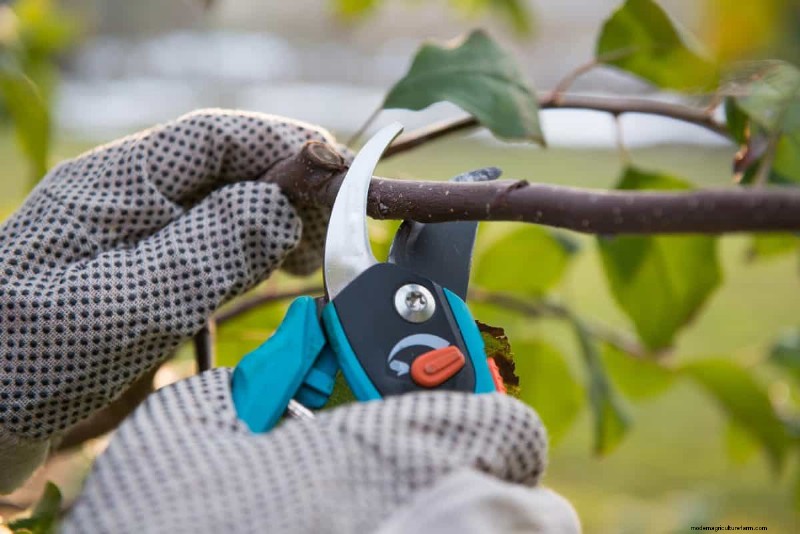
Plants experience heat stress much like humans do. They work overtime to maintain moisture balance and cool themselves through transpiration. When you prune during a heat wave, you create wounds that require energy to heal, diverting resources away from the plant’s cooling systems. This can overwhelm the plant’s energy reserves, especially when temperatures exceed 90°F.
 Depositphotos
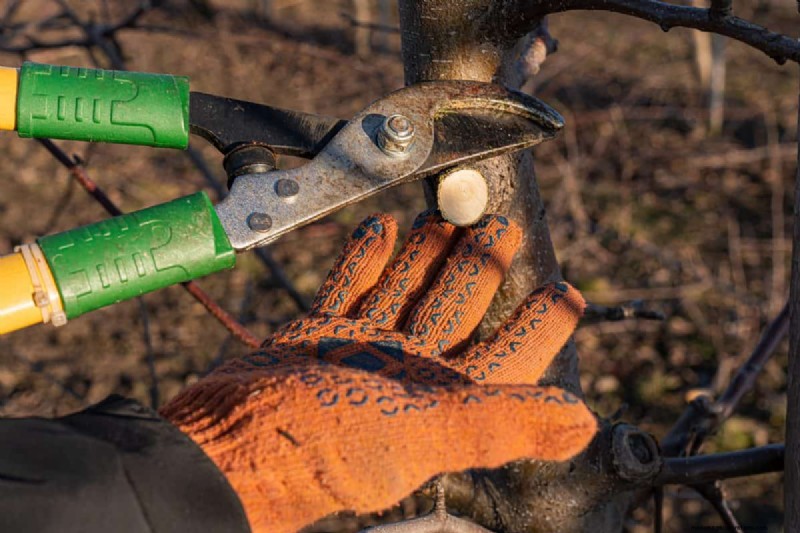
Callus formation—the plant’s primary healing process—occurs most efficiently between 60°F and 80°F. Above 85°F, plants prioritize survival over wound healing. New growth stimulated by pruning can become vulnerable to sunburn and dehydration in extreme heat. Morning temperatures below 70°F give the best chance for wounds to begin healing before the afternoon sun.
 Depositphotos
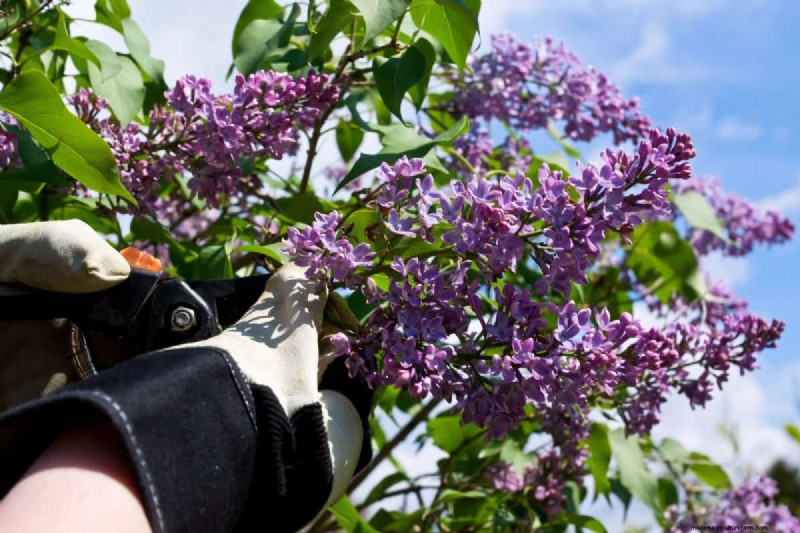
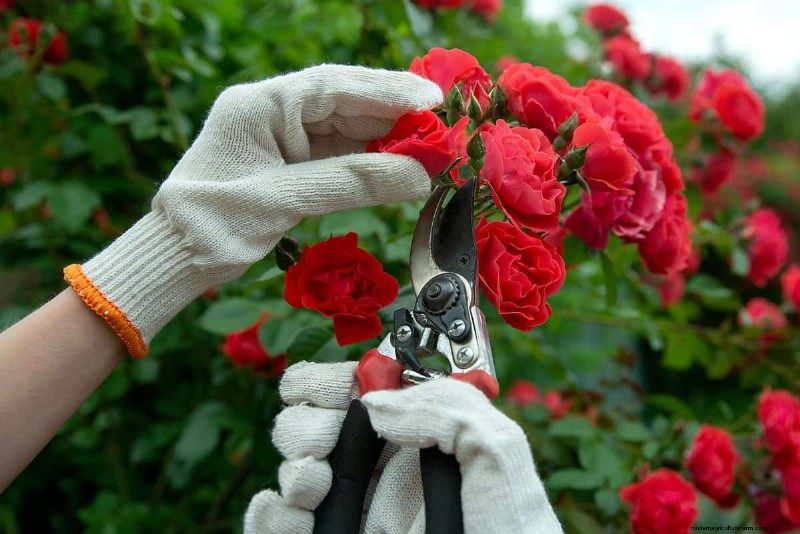
Spring‑blooming shrubs such as lilacs and forsythia should be pruned immediately after they finish flowering. Summer provides ample time for these plants to set next year’s buds. Fall‑blooming species—including roses and butterfly bush—can tolerate light summer pruning to encourage more blooms. Evergreens prefer early summer trimming if needed, and trees are best pruned during dormancy unless a dead branch requires immediate removal.
 Depositphotos
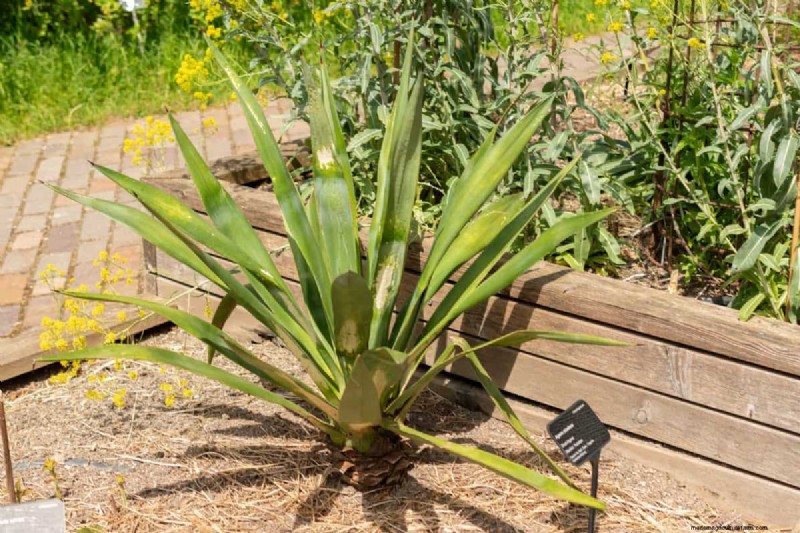
Gardeners in the Desert Southwest should avoid all but emergency pruning during summer months, as temperatures often exceed 100°F. In the Pacific Northwest, summer pruning can be performed throughout the season with less concern for heat stress. Southern states benefit from morning‑only pruning, while Northeastern and Midwestern gardeners should monitor humidity levels—high humidity combined with cuts can invite fungal diseases.
 Depositphotos
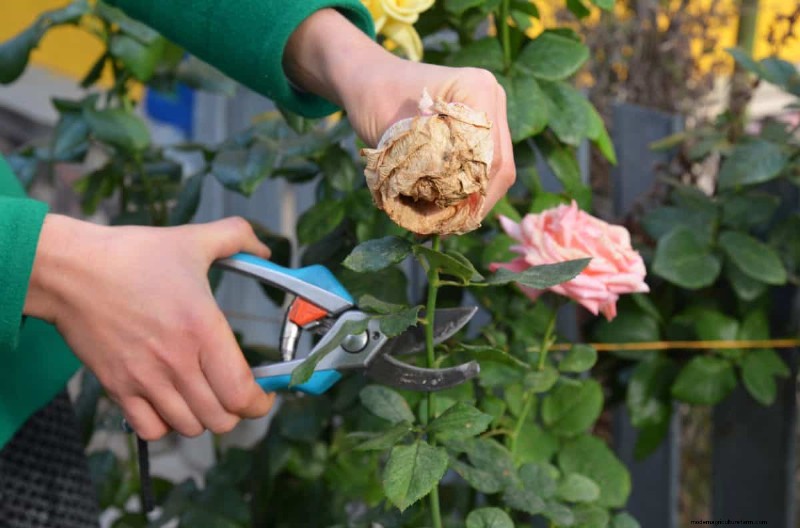
Light maintenance pruning—such as deadheading, removing crossing branches, and trimming small sections for shape—minimizes stress and is generally safe in summer. Heavy structural pruning, which removes significant portions of a plant, demands more energy for recovery and should be postponed until the dormant season when plants can focus entirely on healing.
 Depositphotos
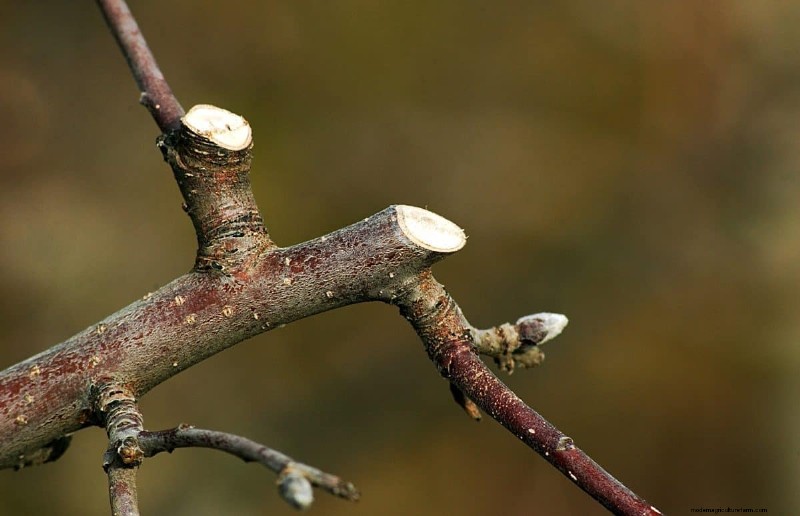
Use sharp tools to make clean cuts; ragged cuts enlarge wounds and increase the risk of disease. Avoid pruning during drought conditions when plants are already stressed. Never remove more than 25% of a plant’s foliage in a single summer session. Cut early in the morning when plants are fully hydrated and temperatures are cooler.
 Depositphotos
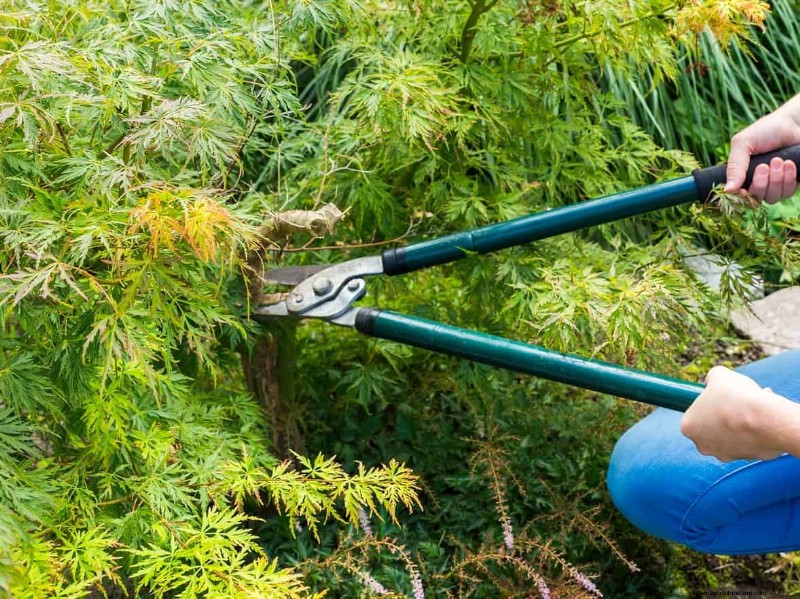
Broad‑leaved plants with thin leaves—such as Japanese maples, hydrangeas, and dogwoods—show heat stress quickly and are best pruned sparingly. In contrast, plants with thick, waxy leaves like hollies and magnolias tolerate summer pruning better. Native species adapted to your local climate typically withstand summer maintenance more effectively than exotic imports. Check for leaf droop or scorch before making any cuts.
 Shutterstock
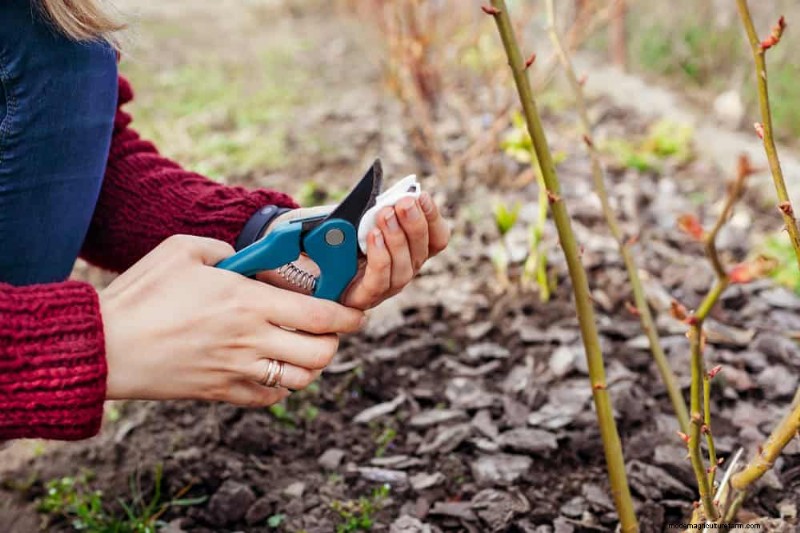
Begin pruning as early as possible—dawn to 9 a.m.—to take advantage of the coolest conditions for both you and the plants. Keep sessions brief; several short sessions over several days are gentler than one extended pruning marathon. Clean tools between plants with alcohol to prevent disease spread.
 Depositphotos
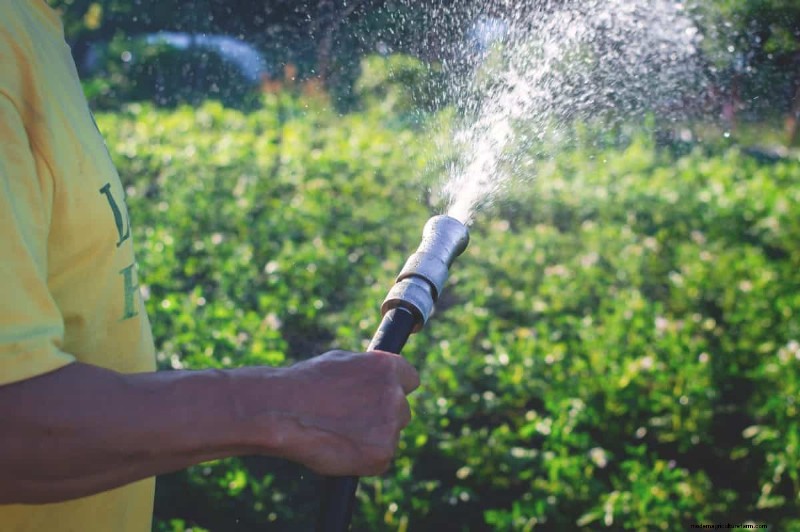
Water plants deeply the evening before pruning. A well‑hydrated plant recovers faster from cutting stress. After pruning, maintain consistent moisture without overwatering. Avoid fertilizing immediately—high‑nitrogen fertilizers can spur vulnerable new growth that may suffer in heat. Light mulching helps retain soil moisture during the recovery period.
 Shutterstock
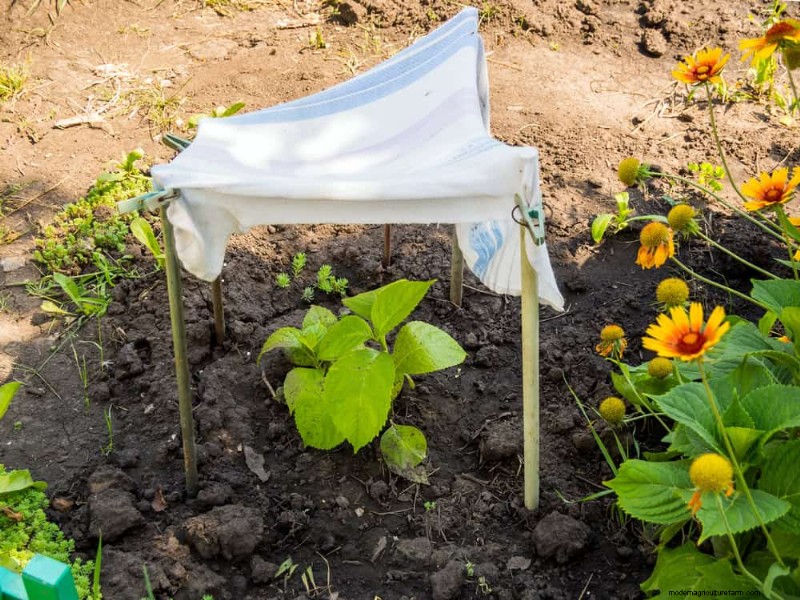
Temporary shade cloth can shield newly pruned stems during the hottest part of the day, especially for plants with exposed inner branches that lack sun tolerance. Position potted plants in dappled shade after pruning, using an umbrella or lawn chair to block peak afternoon sun for a few days.
 Depositphotos
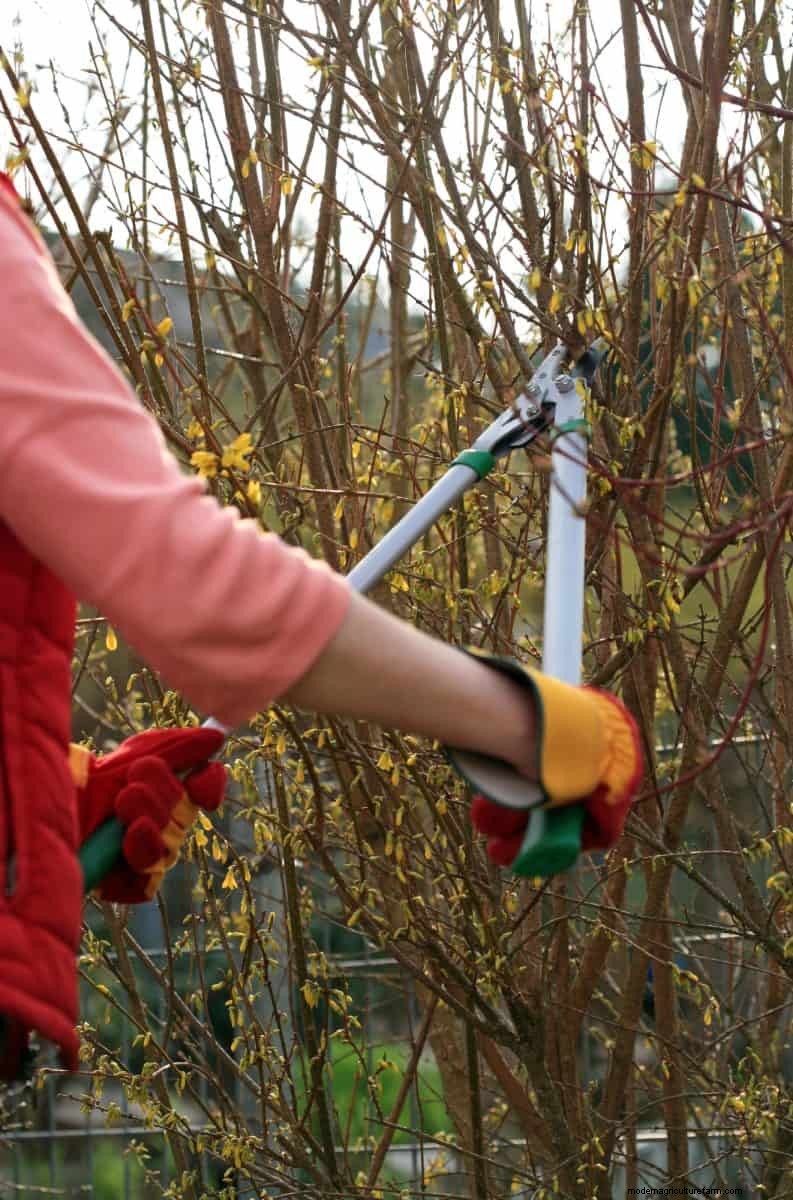
In Zones 3‑5, gardeners can safely prune spring bloomers like lilacs and forsythia through mid‑July. Zones 6‑7 extend this window through early August. Zones 8‑10 require more caution—morning‑only pruning is essential, and extending the season into early fall is often safer. Tropical plants in Zones 9‑11 generally tolerate light summer maintenance despite heat.
 Depositphotos
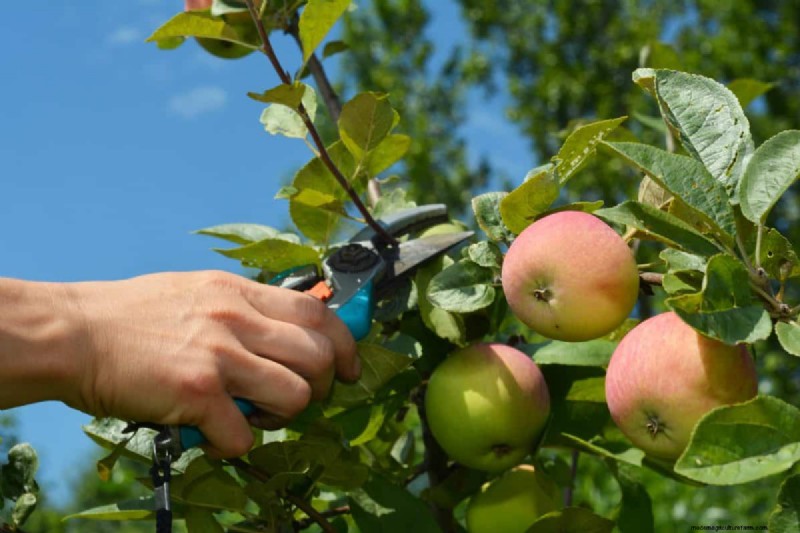
Summer pruning helps control tree size and improves sun exposure for ripening fruit. However, during heat waves above 90°F, postpone all but emergency cuts. Thin cuts that remove entire branches back to the trunk or main limb heal faster and stimulate less unwanted growth. Apple and pear trees tolerate summer pruning better than stone fruits such as peaches and cherries.
 Depositphotos
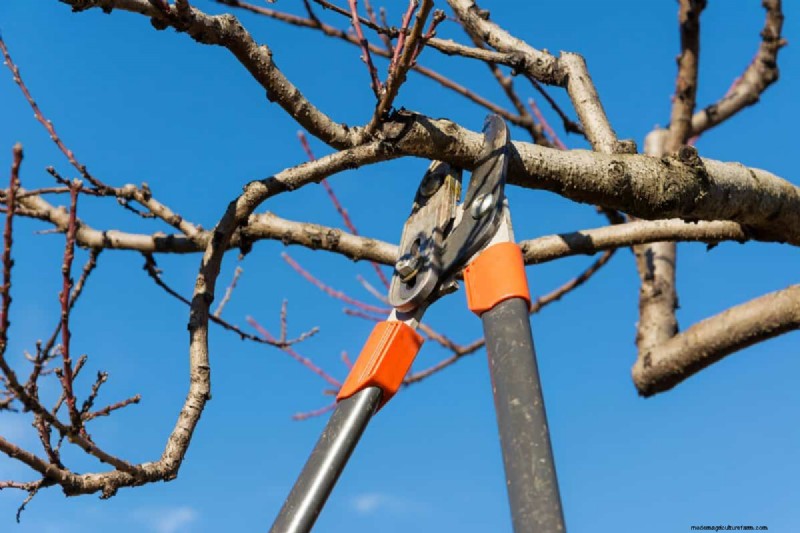
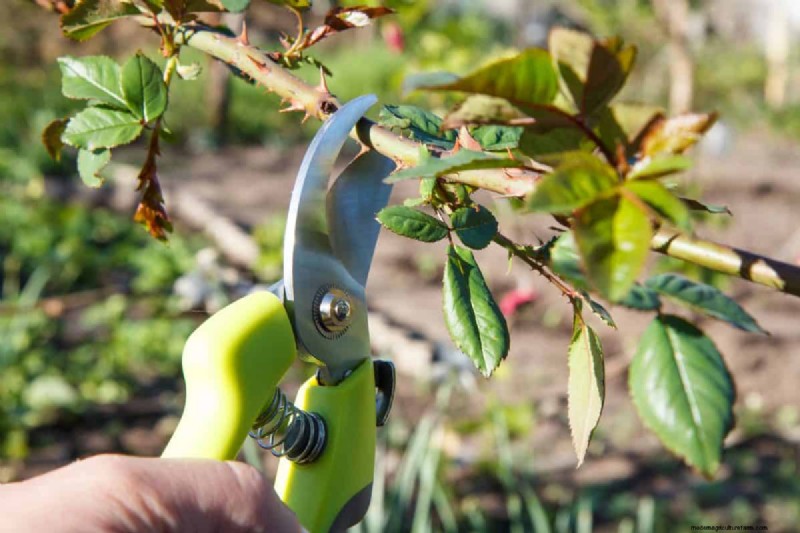
Bypassing pruners produce cleaner cuts than anvil‑style tools; invest in quality shears to reduce plant trauma. Long‑handled loppers reach interior branches without bending limbs. Disinfect all tools between plants with isopropyl alcohol or a 10% bleach solution. Cleanliness is critical in summer when plants are already challenged to heal.
 Depositphotos
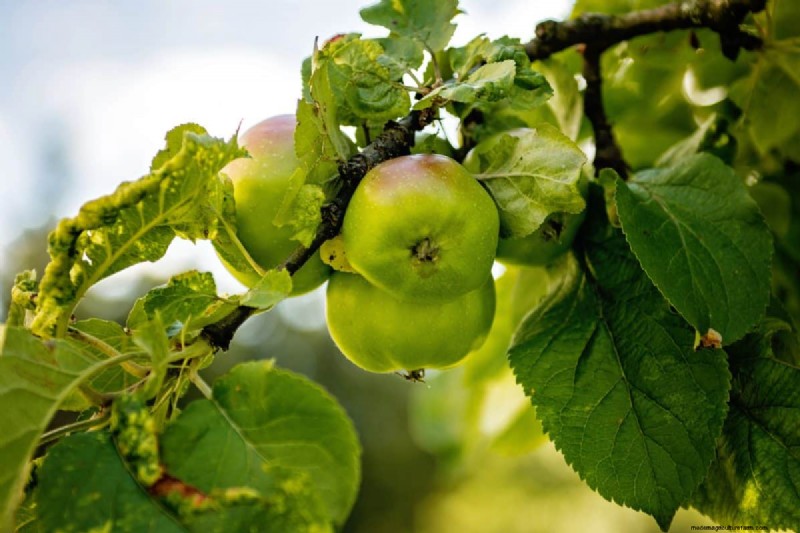
Wilting leaves after a morning watering indicate stress; postpone pruning until conditions improve. Yellow leaves, scorched edges, or unusual leaf drop signal heat stress. Curled leaves that minimize sun exposure also suggest a plant already struggling. Water and shade, not cuts, are needed for these plants.
 Depositphotos
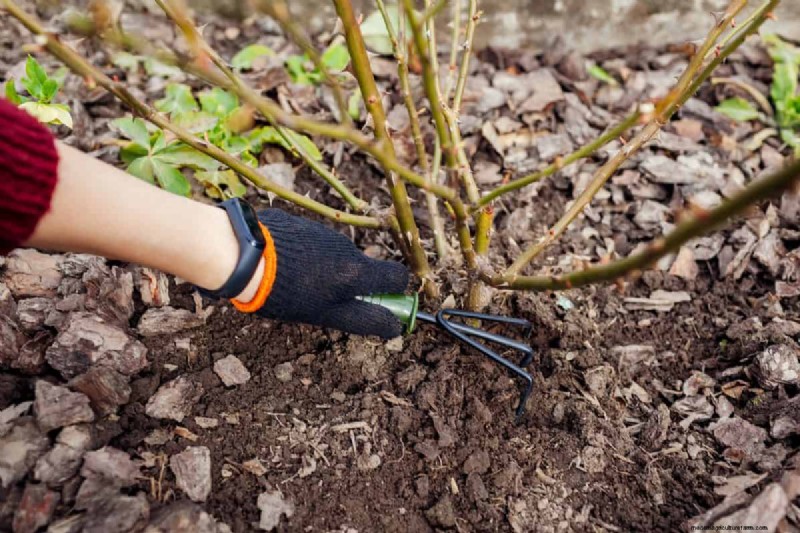
Monitor soil moisture for two weeks after summer pruning. Pruned plants may need slightly more frequent watering without saturating the soil. Avoid high‑nitrogen fertilizers; they can stimulate fragile new growth. A light compost layer supplies gentle nutrition without forcing rapid growth.
 Depositphotos
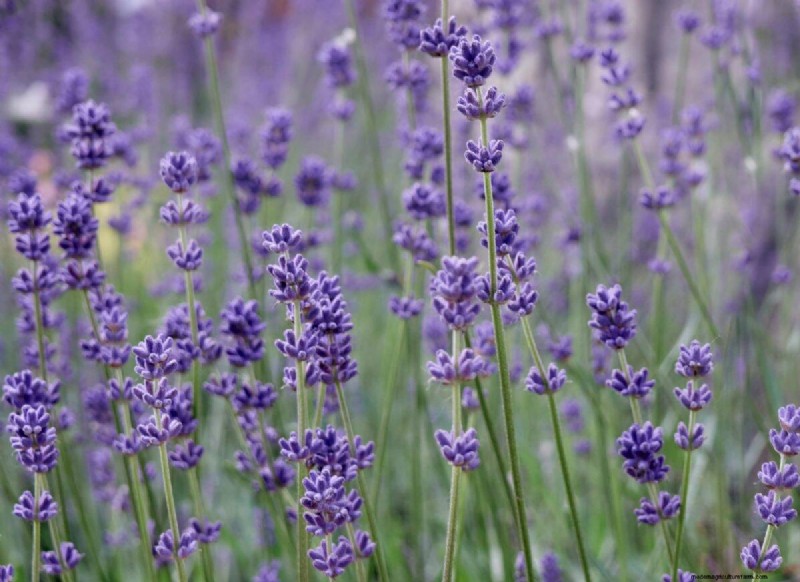
Lavender benefits from light pruning after its first flowering, often stimulating a second bloom cycle. Rosemary, sage, and other Mediterranean herbs handle summer shaping well. Native plants adapted to local conditions tolerate summer pruning better than exotic species. Succulents can be pruned almost anytime, including during summer heat.
 Depositphotos
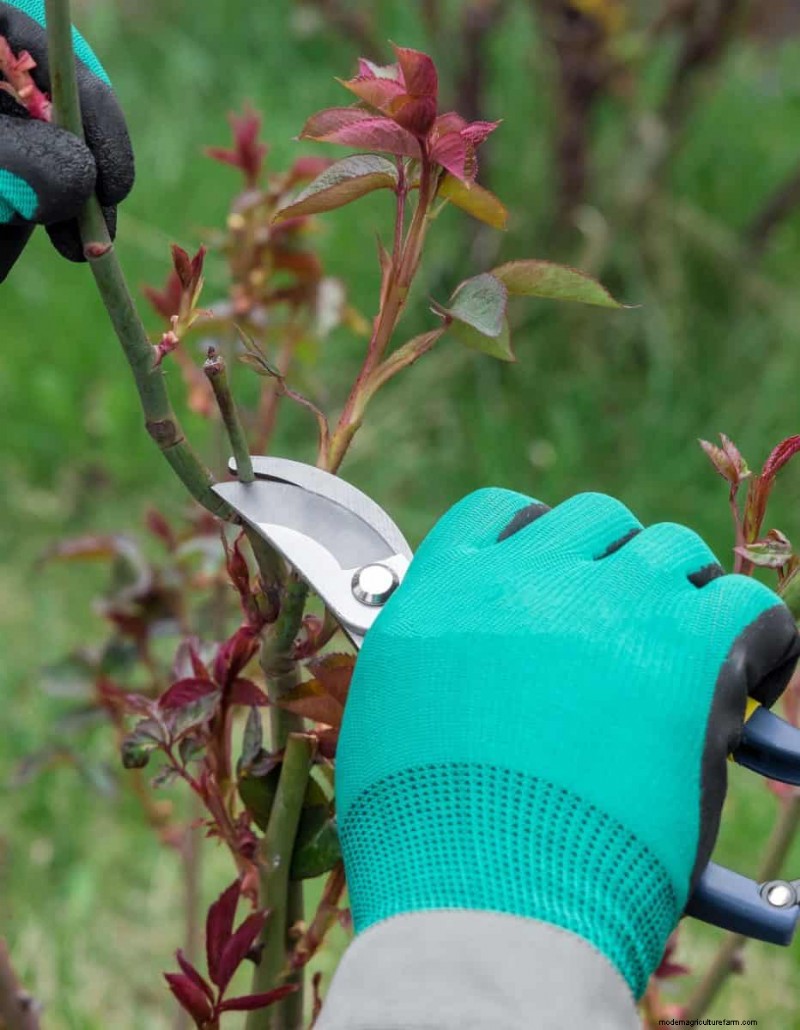
Pruning during midday heat stresses plants unnecessarily. Even heat‑tolerant varieties prefer morning attention. Removing too much foliage reduces a plant’s energy production, leading to sunscald on previously shaded bark. Forgetting to clean tools spreads disease when plants are most vulnerable.
 Depositphotos
June is ideal for shaping spring‑flowering shrubs after blooms fade, giving them time to set next year’s buds. July is best for deadheading perennials and light maintenance. August should focus on removing only damaged or diseased material. September allows more active pruning as temperatures moderate and fall approaches.
 Depositphotos
Summer pruning succeeds when you align your actions with plants’ natural cycles and local climate patterns. Prioritize early‑morning work, keep cuts minimal during peak heat, and give extra attention to water needs. Thoughtful timing rewards your garden with healthier growth and more abundant blooms and fruit in the seasons to come.
Editorial oversight GardenTabs content is reviewed by Steve Snedeker, a seasoned gardener with decades of hands‑on landscaping experience.