
Welcome to Modern Agriculture!

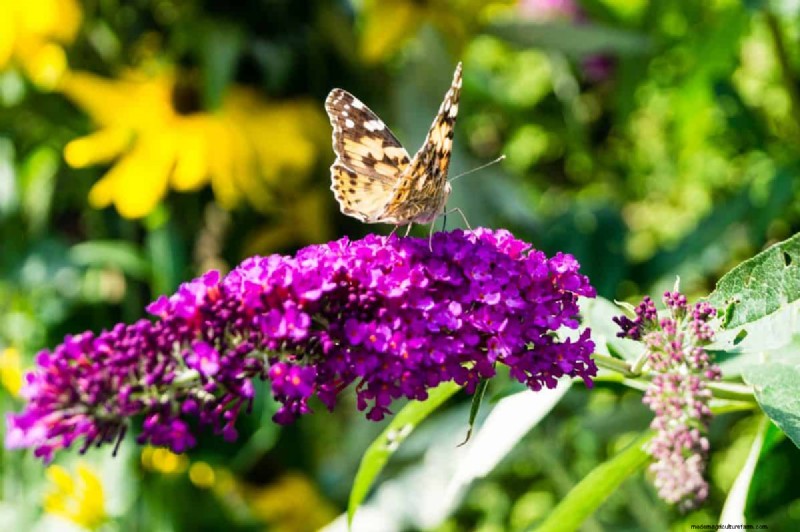
Transform your yard into a pollinator haven by planting a butterfly bush. With thoughtful planning and consistent care, you’ll attract butterflies, bees, and even hummingbirds, giving your garden a year‑round buzz.
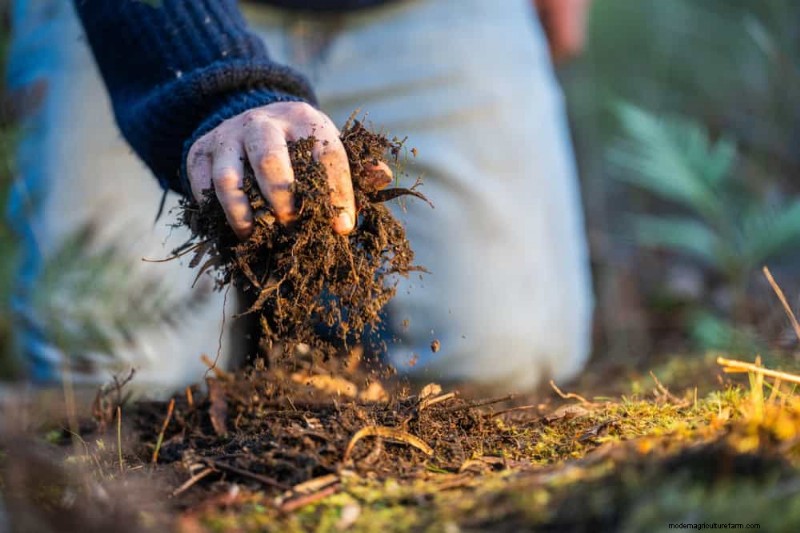
Before planting, mix a few inches of well‑aged compost into the hole. Compost not only loosens the soil, making it easier for roots to spread, but also supplies essential nutrients that promote healthy foliage and abundant blooms.
Save this article & also instantly unlock today's gardening deals!
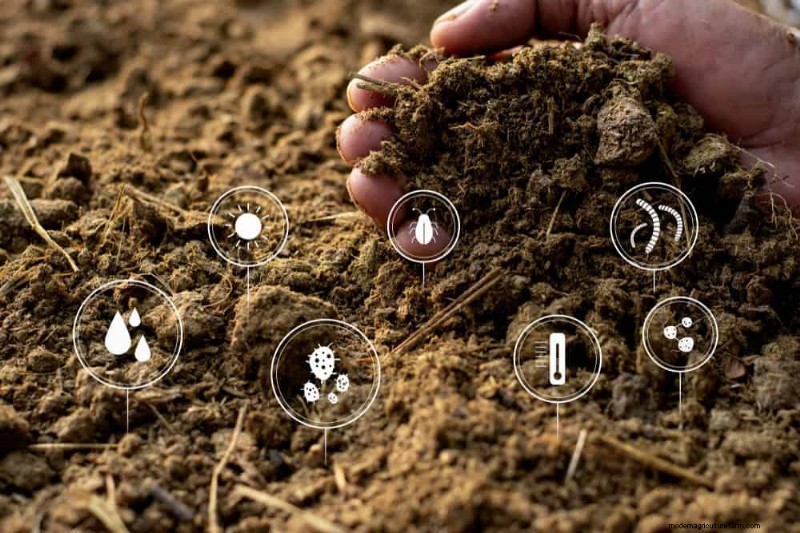
Butterfly bushes thrive in mildly acidic to neutral soil. Use a simple soil test kit to confirm your pH. If the reading is too high or too low, adjust with lime or sulfur to maintain a range of 6.0–7.5, ensuring optimal nutrient uptake.
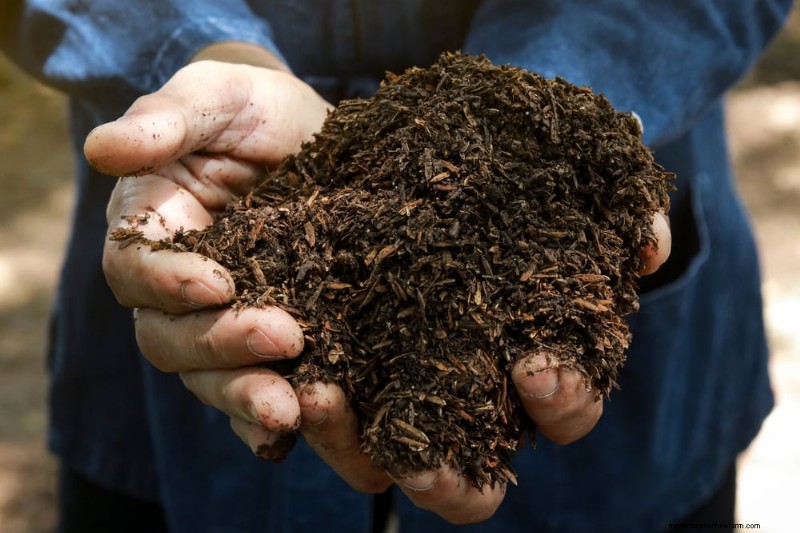
Excess fertilizer can redirect growth toward foliage at the expense of flowers, resulting in tall, thin stems with fewer blooms. Apply compost or fertilizer sparingly, and spread it evenly to keep the plant balanced and nectar‑rich.
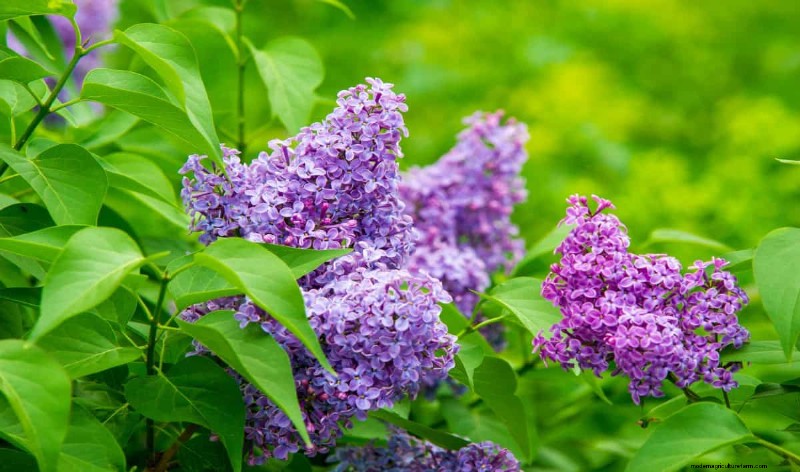
Not all varieties perform equally in every climate. Match your selection to your USDA zone, selecting cold‑hardy types for cooler regions and heat‑tolerant cultivars for warmer locales. Compact modern varieties are ideal if space is limited.
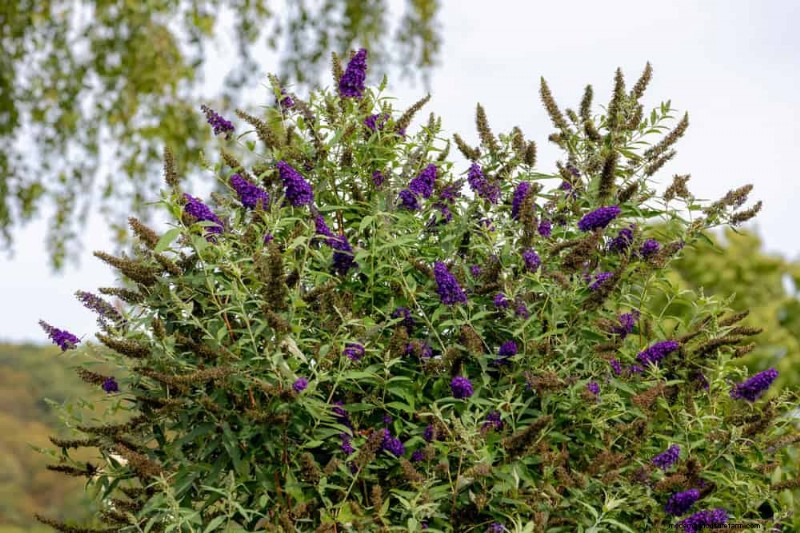
In some areas, certain butterfly bushes can become invasive. Opt for sterile or self‑seeding‑limited cultivars to enjoy the beauty and pollinator benefits without the risk of spreading. Consult local extension offices for recommended varieties.
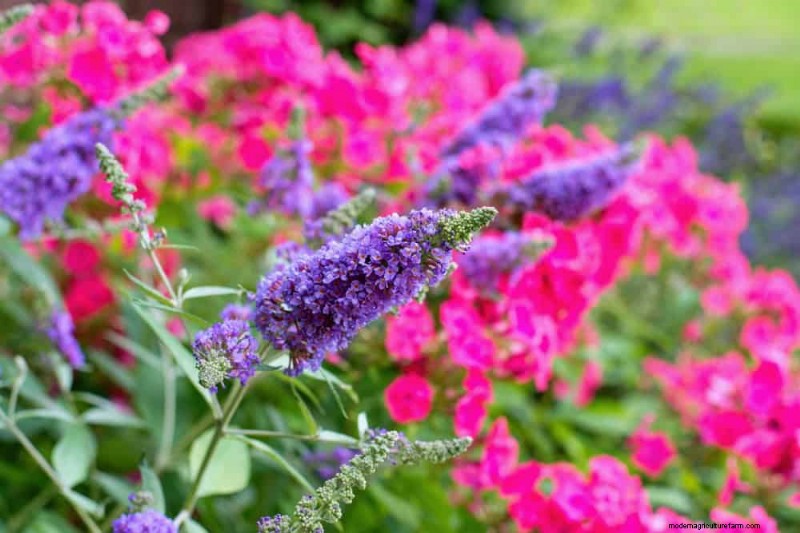
Mandate at least six to eight hours of direct sunlight daily. Adequate sun encourages robust growth and a profusion of flowers, which in turn attracts more pollinators. Shade can lead to reduced blooming and weaker stems.
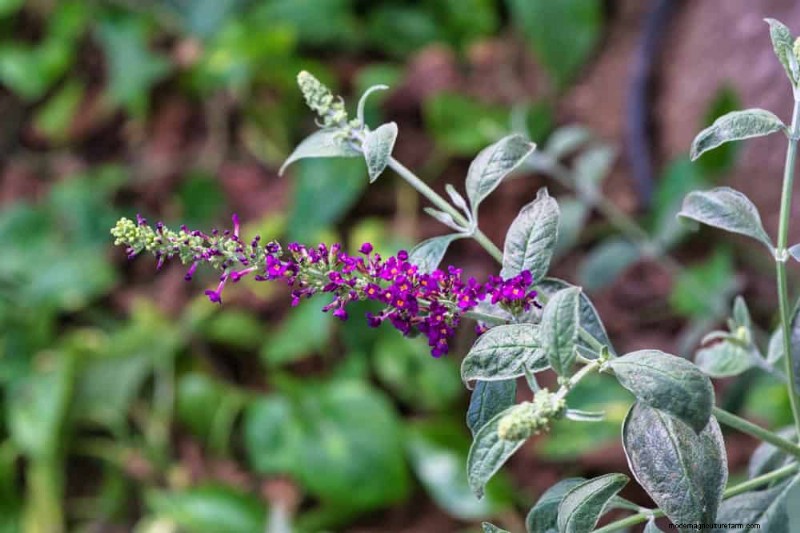
Some cultivars drop seeds that sprout nearby. Remove these seedlings promptly to prevent overcrowding and competition for resources, keeping your garden tidy and the butterfly bush healthy.
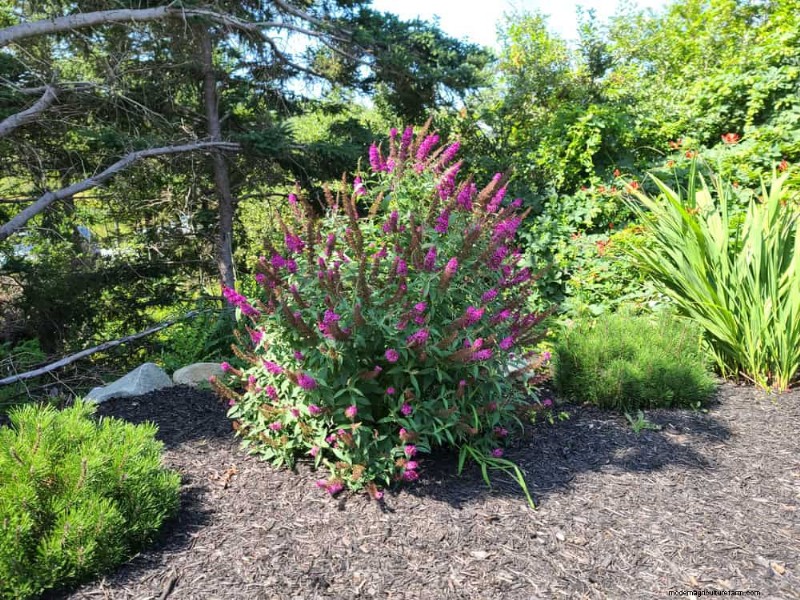
Standing water kills butterfly bushes. Select a site that drains well, or use raised beds if the soil is heavy or clayey. Proper drainage protects roots from rot and supports steady growth.
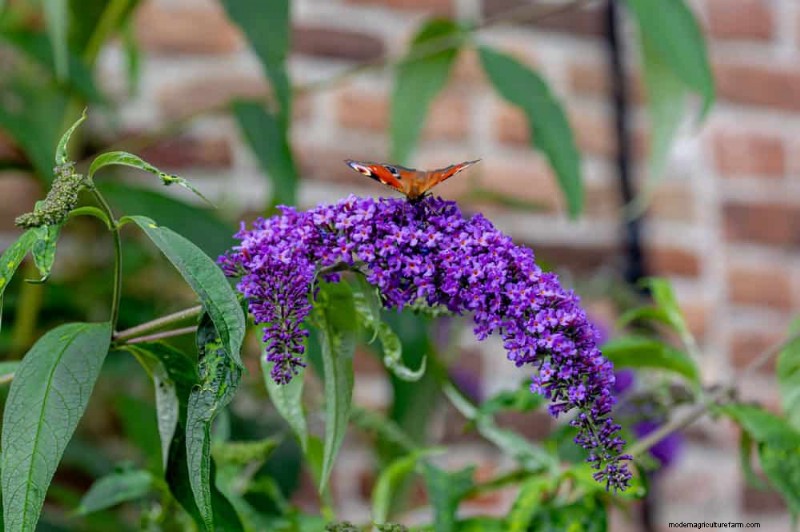
Proper spacing allows air circulation, reducing the risk of mildew and mold. A 4‑to‑6‑foot interval also gives pollinators ample room to move between blooms.
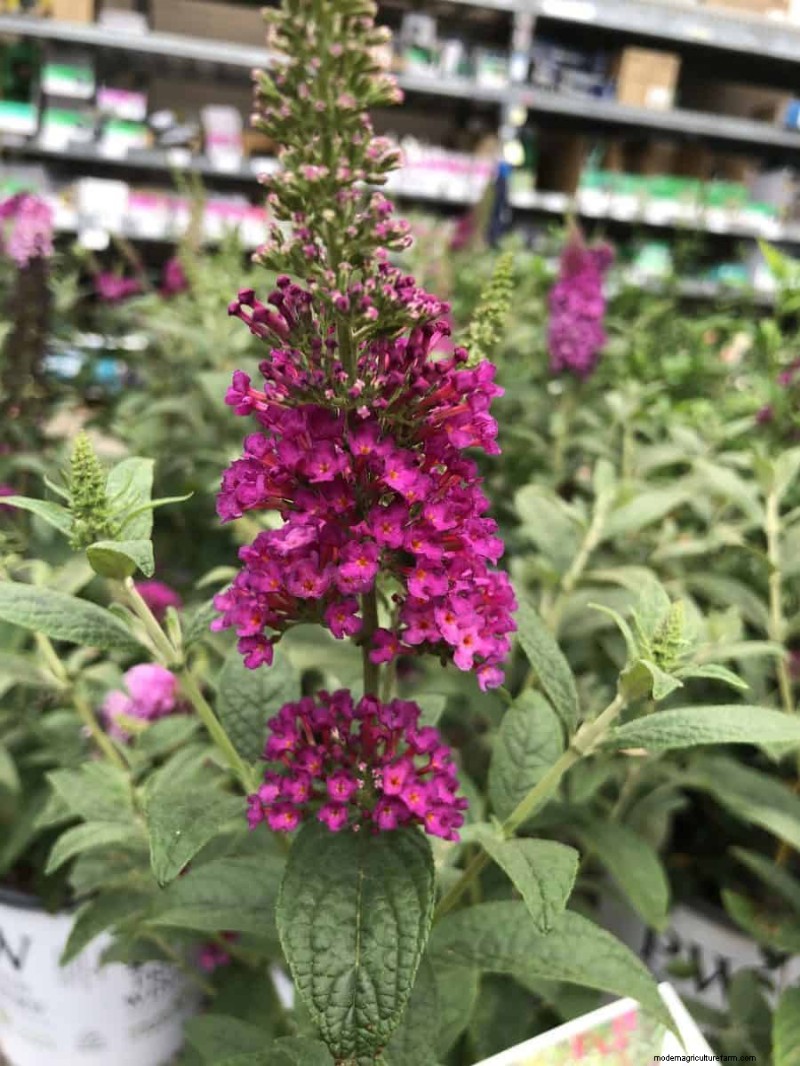
Supplement the butterfly bush with bee balm, coneflowers, black‑eyed Susans, and milkweed. These companions provide nectar at varied times, creating a more attractive and continuous food source for pollinators.
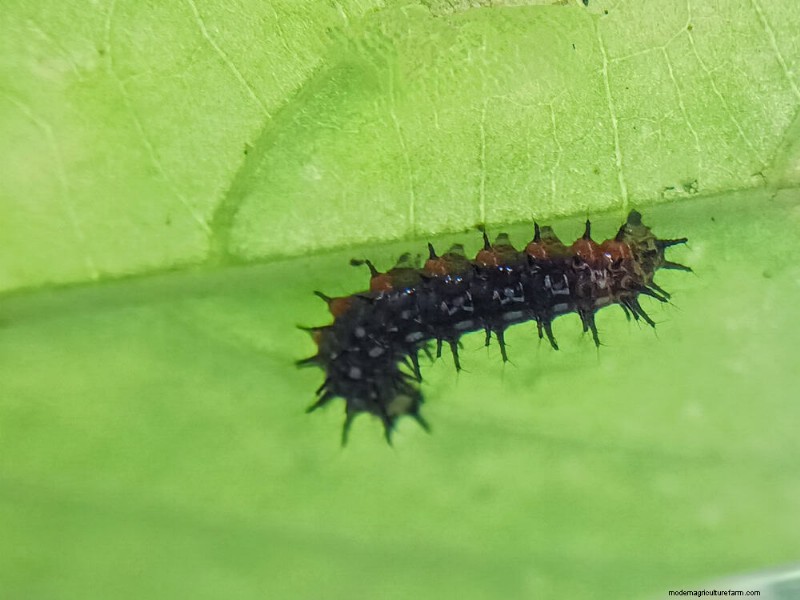
Butterfly larvae feed on specific host plants. Include milkweed for monarchs, parsley or dill for black swallowtails, and other species relevant to your local butterflies to support the entire life cycle.
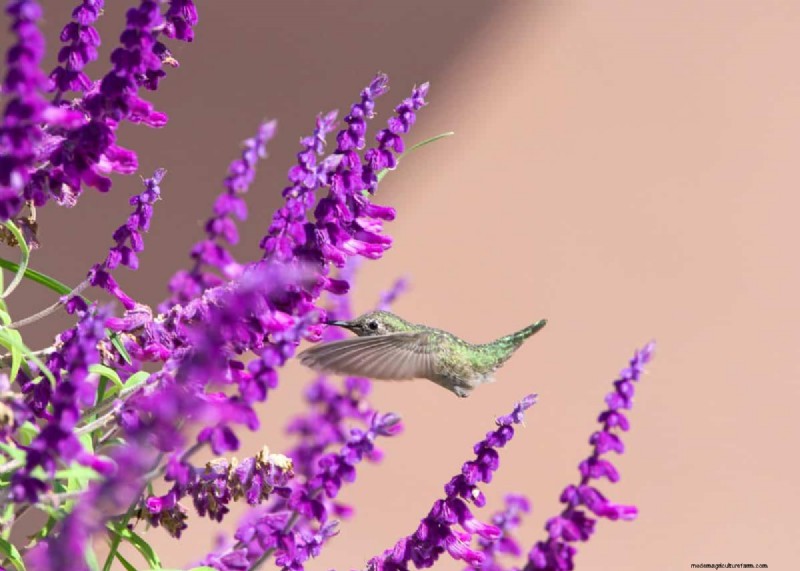
Hummingbirds thrive on nectar from tubular blooms. Plant salvia, penstemon, or cardinal flower nearby to provide additional food and diversify your garden’s pollinator appeal.
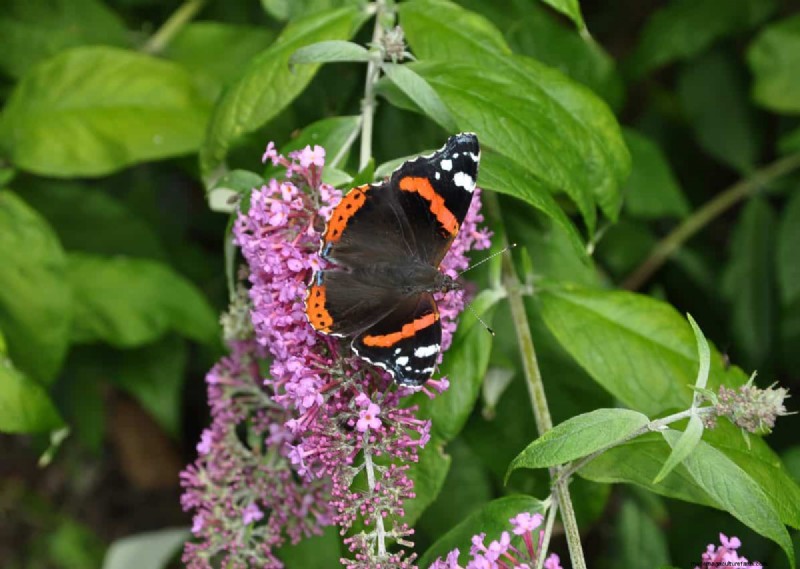
Deep, infrequent watering encourages roots to grow downward, enhancing drought tolerance. Aim for a slow soak once a week, especially during dry spells, to sustain robust growth and flowering.
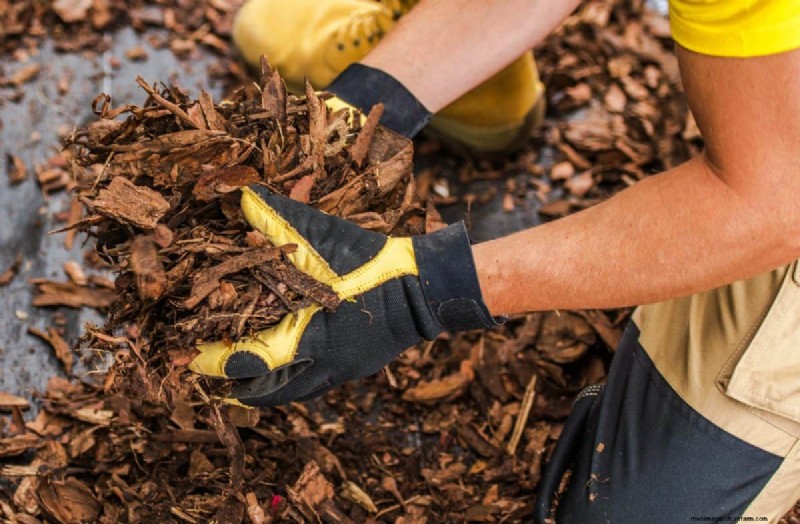
Apply a 2‑to‑3‑inch layer of bark, straw, or shredded leaves around the base, keeping it a few inches from the stem to prevent rot. Mulch conserves moisture, suppresses weeds, and keeps the soil temperature stable.
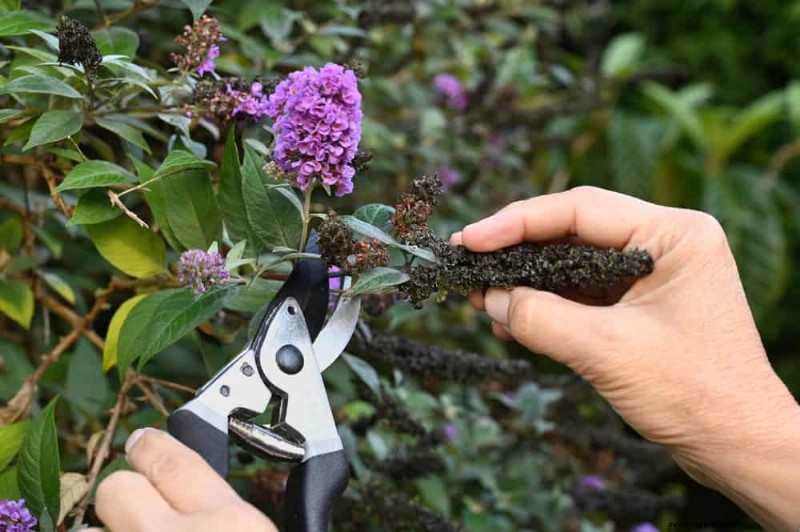
Removing spent flowers signals the plant to redirect energy toward new blooms rather than seed production. Snip faded petals every few days during the growing season to extend the flowering period.
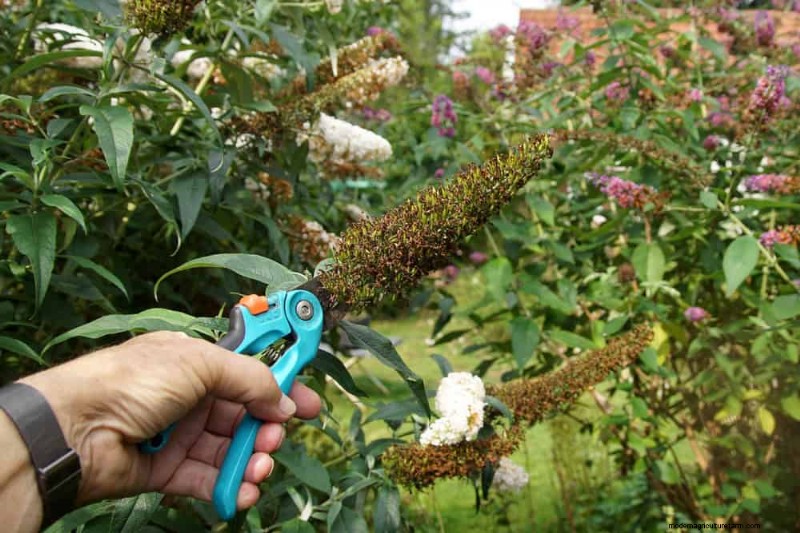
Early‑spring pruning stimulates new, vigorous growth that bears the most abundant flowers. Trim back to about 12 inches after the last frost, removing dead wood and shaping the shrub.
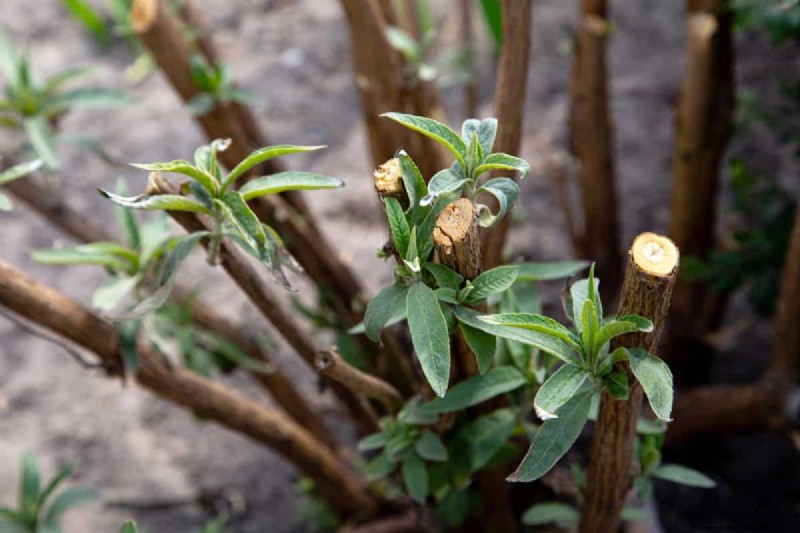
Late‑season cuts expose tender shoots to winter cold, increasing damage risk. Preserve the plant’s natural form through winter and wait until spring to prune.
Apply a balanced 10‑10‑10 fertilizer sparingly in early spring to support leafy growth and flower development. Follow label directions and avoid excess, which can stunt blooms.
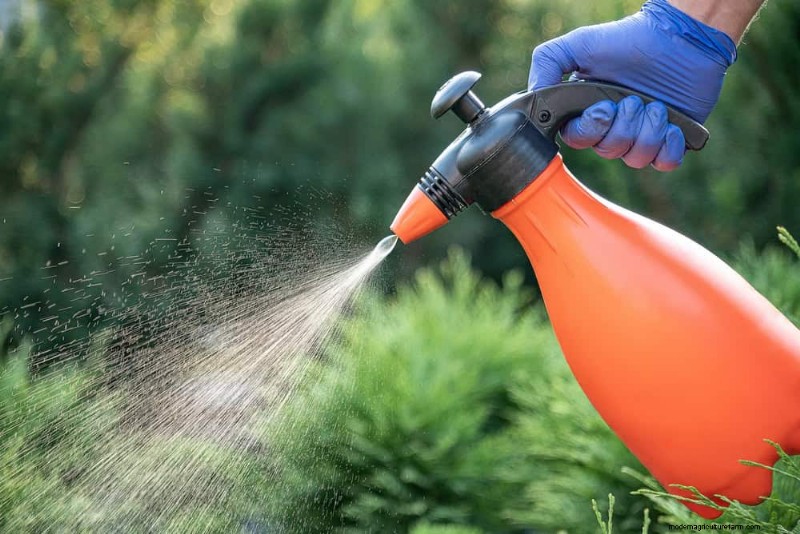
Many insecticides are toxic to bees, butterflies, and other beneficial insects. Opt for organic or mechanical control methods, and hand‑pick pests when necessary, to keep your habitat safe.
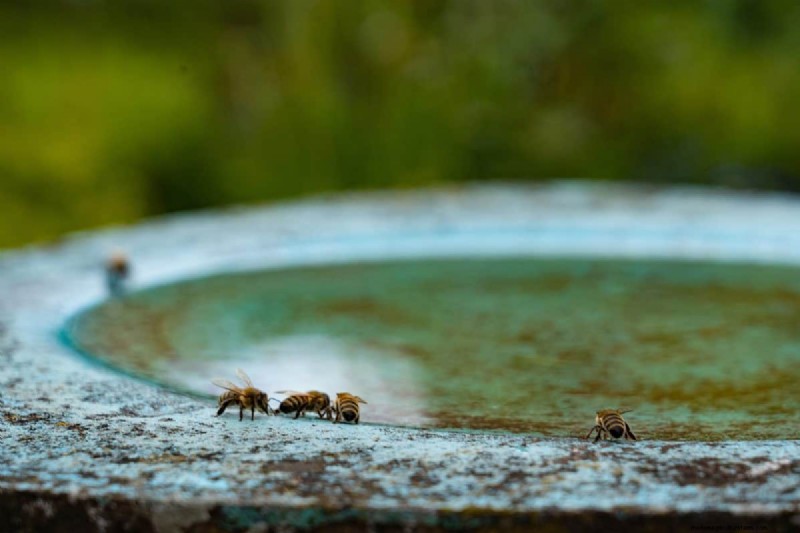
Place a shallow dish with clean water and a few stones to give pollinators a safe landing spot. Refill regularly to ensure a reliable water source.
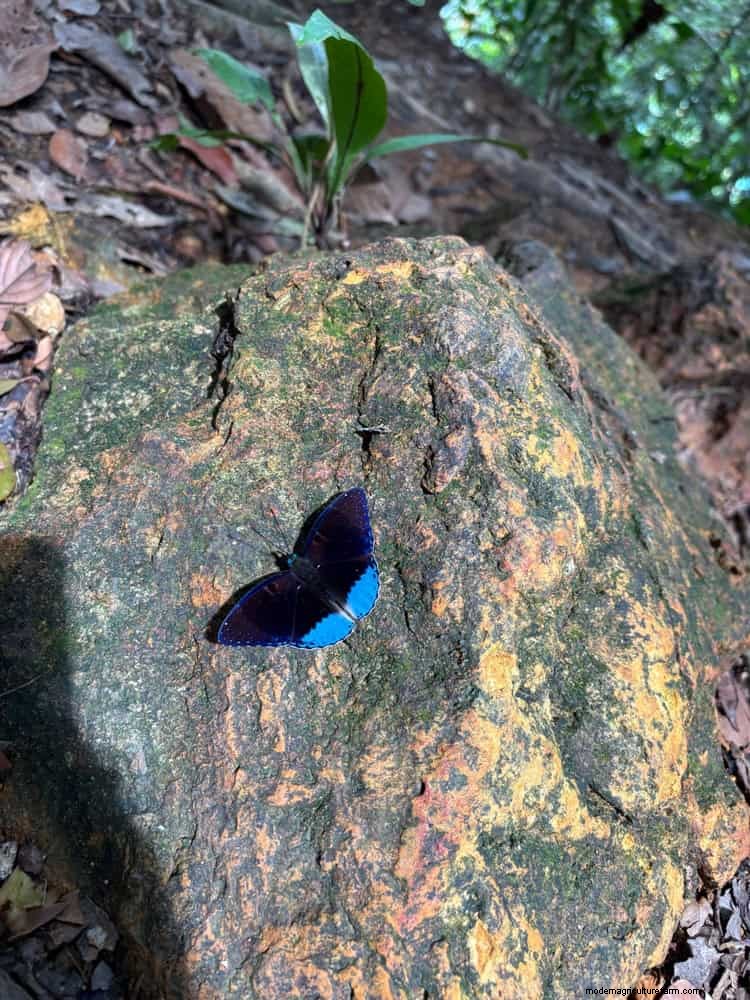
Butterflies need warmth to launch their wings. Position flat stones in sunny spots so insects can bask before taking flight, encouraging longer stays in your garden.
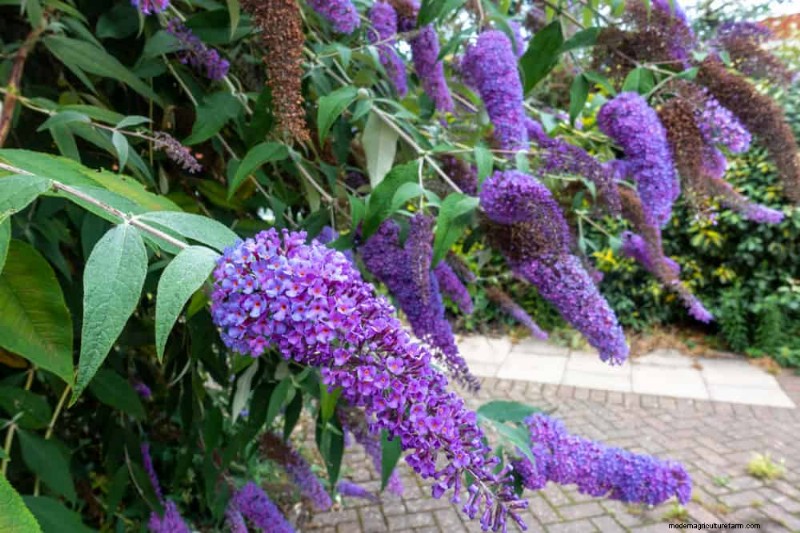
Retaining leaf mulch provides winter shelter for pollinators and adds organic matter back into the soil, benefitting the next growing season.
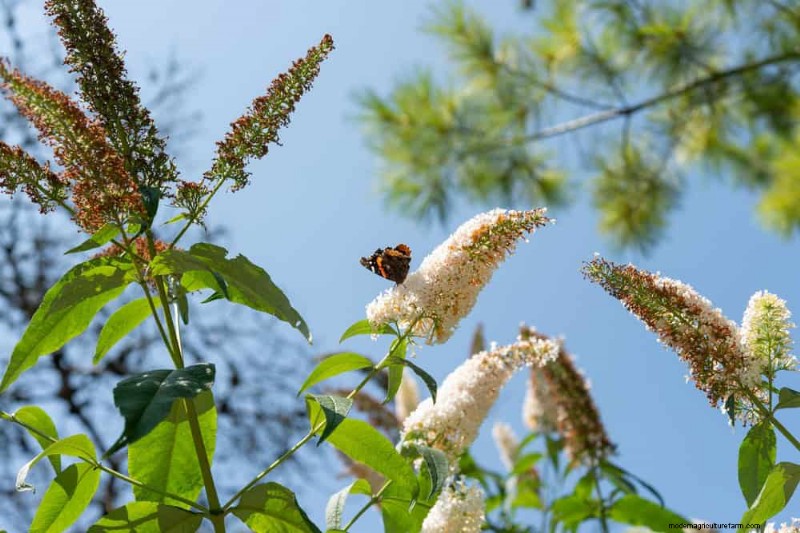
Don’t prune seed heads immediately; they become a vital food source for birds during winter months when insects are scarce.
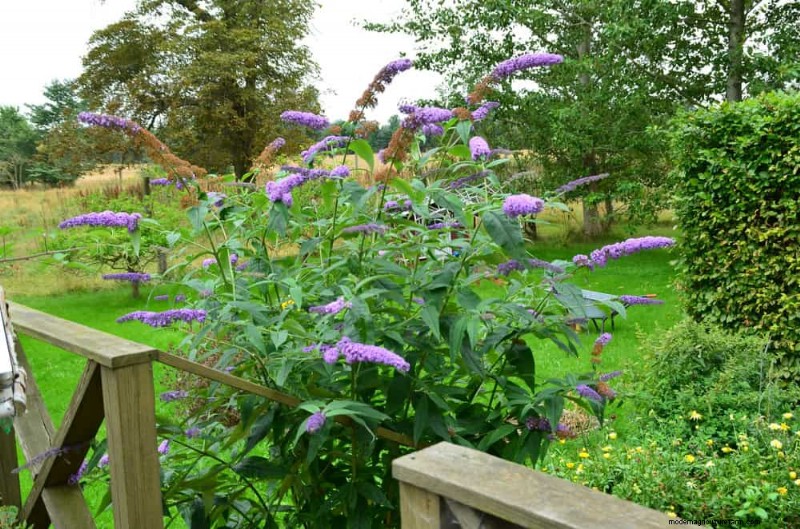
Wait until temperatures rise before removing dead material. Many beneficial insects are still resting in stems and leaves and will be ready to emerge once the weather warms.
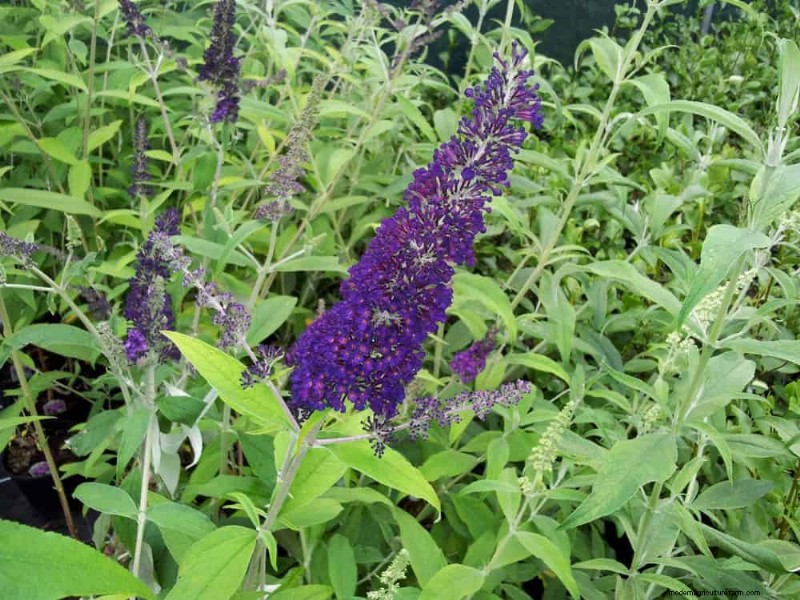
Regular inspections help catch wilting, spotting, or insect damage early. Prompt care keeps the bush healthy, prolongs flowering, and supports a thriving pollinator community.
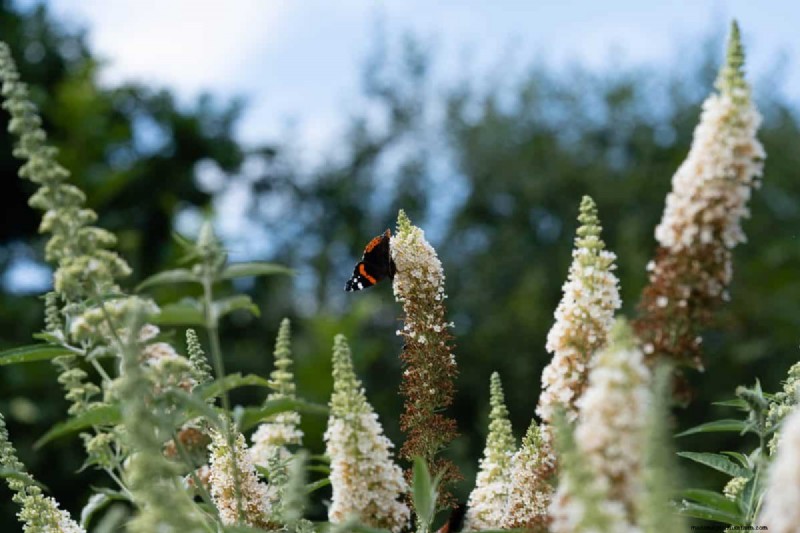
Growing a butterfly bush is more than adding color; it’s about crafting a habitat where bees, butterflies, birds, and hummingbirds can thrive. By following these steps—from soil preparation to seasonal maintenance—you’ll create a sanctuary that welcomes wildlife every season. Whether you prune in spring or leave seed heads in winter, each action contributes to a resilient, pollinator‑friendly garden that will flourish year after year.

Editorial oversight
GardenTabs content is reviewed by Steve Snedeker, a seasoned gardener with decades of hands‑on landscaping experience.


