Welcome to Modern Agriculture!

 Shutterstock.com
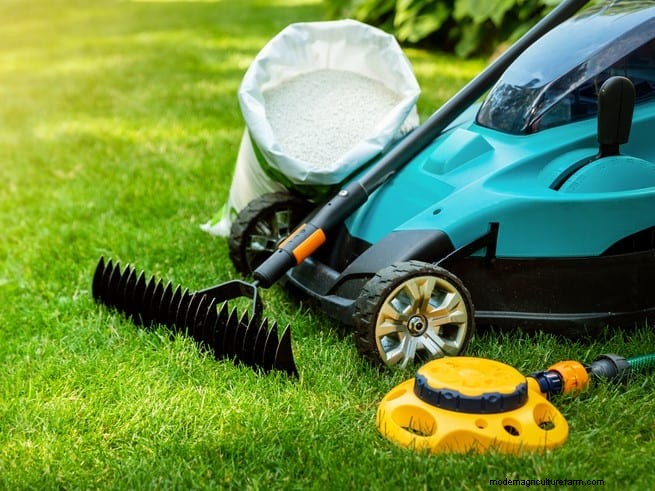
Maintaining a lush green lawn during the scorching summer months can feel like a challenge for even the most dedicated homeowners. As temperatures climb, many gardeners wonder if fertilizing during hot weather will help or harm their precious turf.
The question of summer fertilization isn’t as straightforward as it might seem. Timing, temperature, grass type, and the right product all play crucial roles in your lawn’s summer health. Let’s explore how to navigate the tricky terrain of summer lawn fertilization.
 Depositphotos.com
Summer fertilization requires a different approach than spring or fall feeding schedules. During peak heat, grass plants experience significant stress and their growth patterns change dramatically.
Most lawn experts agree that heavy nitrogen fertilizers should be avoided during the hottest parts of summer. These can trigger excessive growth that the plant can’t sustain in high heat, ultimately weakening your lawn rather than strengthening it.
Save this article & also instantly unlock today's gardening deals!
 Shutterstock.com
Kentucky bluegrass, a cool‑season favorite, enters a semi‑dormant state during intense summer heat. The grass naturally slows growth to conserve energy when temperatures consistently exceed 85°F.
Applying standard fertilizers during this period can disrupt this natural protection mechanism. If you must fertilize Kentucky bluegrass in summer, choose a product with lower nitrogen and higher potassium to support stress tolerance rather than propelling new growth.
 Shutterstock.com
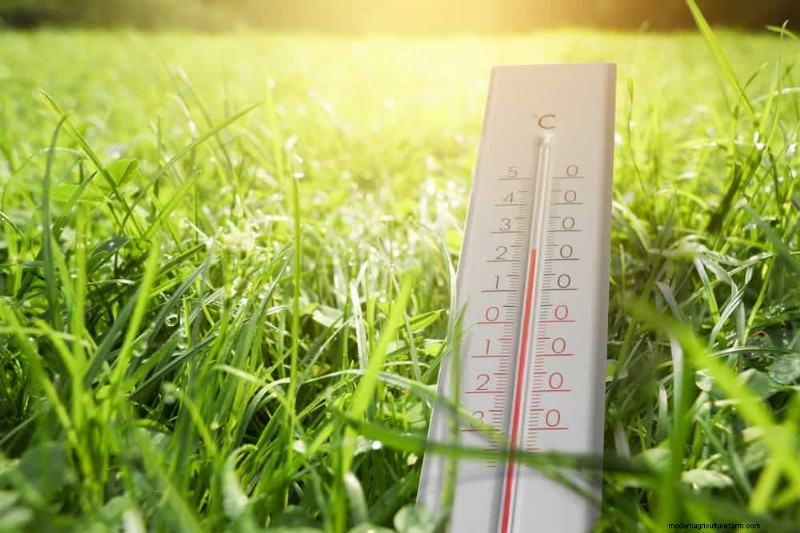
Soil temperature plays a crucial role in how effectively grass roots can absorb nutrients. Most cool‑season grasses have optimal uptake when soil temperatures range between 55‑75°F.
When soil temperatures climb above 85°F, nutrient absorption efficiency drops sharply. This means fertilizer applied during very hot periods may not be utilized effectively and could run off with watering or rainfall.
 Depositphotos.com
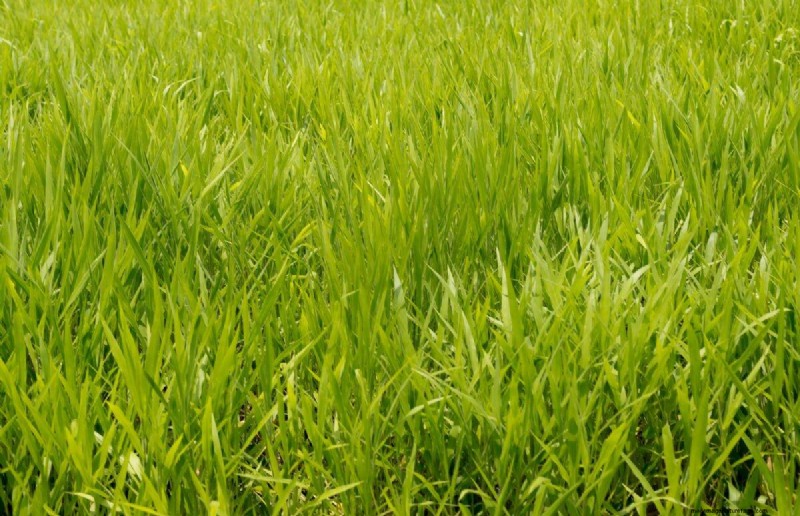
Cool‑season grasses like fescue, ryegrass, and bluegrass experience what turf scientists call “summer stress syndrome.” This condition occurs when environmental temperatures exceed their comfort zone for extended periods.
Adding high‑nitrogen fertilizer during this stress period forces the plant to use energy reserves for growth when it should focus on root development and survival. The result is shallow roots and increased susceptibility to drought and disease.
 Depositphotos.com
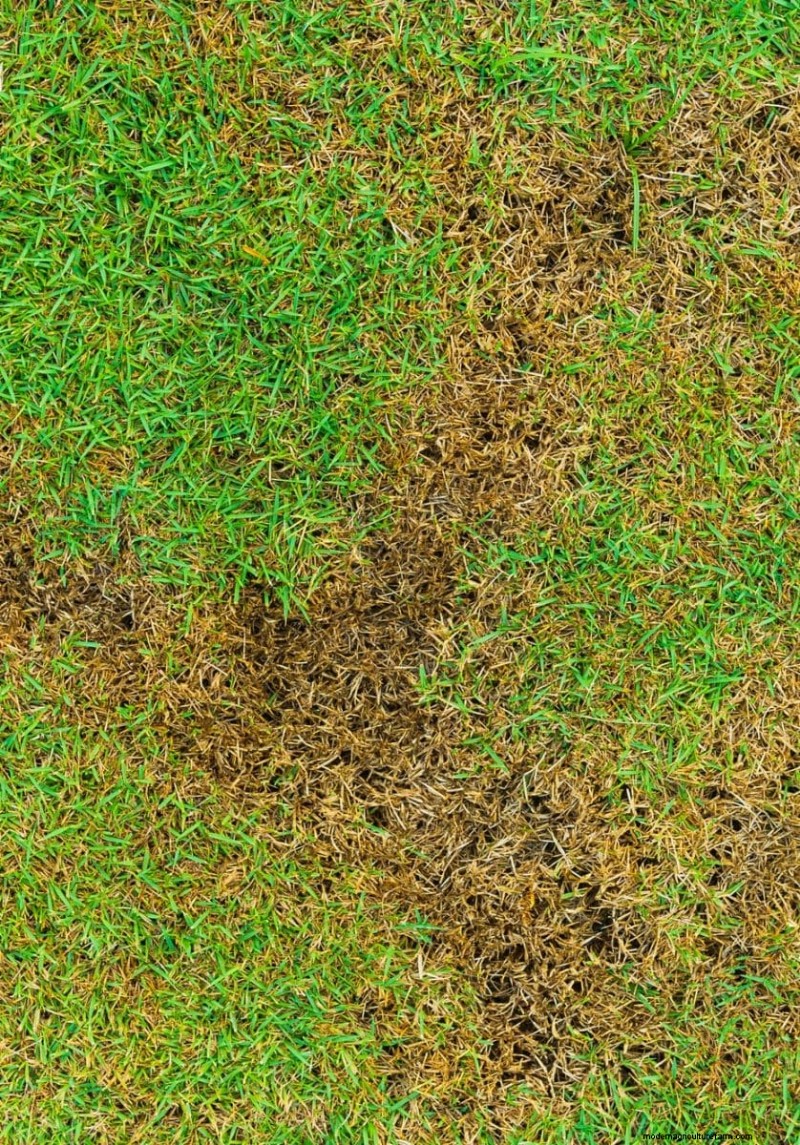
Not all yellowing in summer lawns indicates a need for fertilizer. Heat stress, drought, and seasonal dormancy can all cause color changes that won’t be corrected with feeding.
True nutrient deficiencies usually appear as uneven yellowing with distinct patterns or spots. If your lawn shows a consistent yellow‑green hue despite adequate water, a soil test can pinpoint any lacking nutrients before you apply anything.
 Depositphotos.com
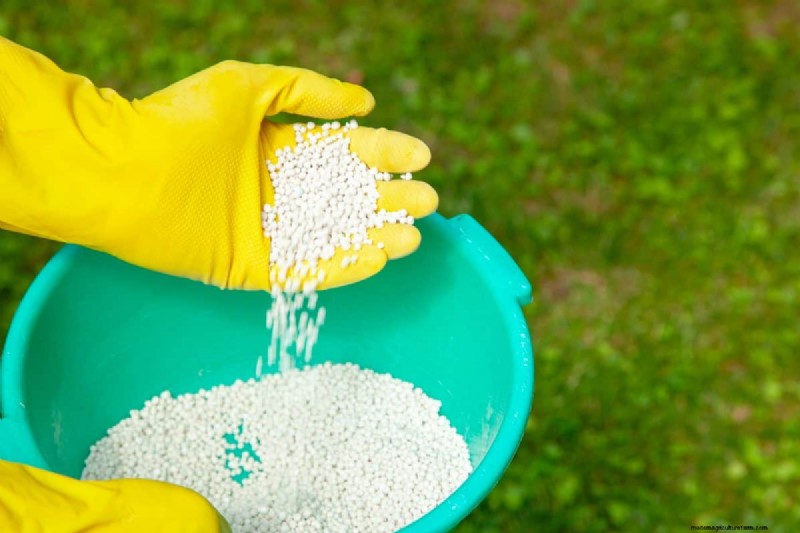
The general rule is to avoid fertilizing when daytime temperatures consistently exceed 85°F for cool‑season grasses and 95°F for warm‑season varieties. Summer fertilization is safer in regions with moderate summer temperatures.
If a feeding is necessary, aim for a period when a few days of relatively cooler weather are forecast. Early‑morning application allows nutrients to begin absorption before the day’s heat intensifies.
 Depositphotos.com
Your geographic location significantly impacts summer fertilization decisions. Northern regions with mild summers may safely fertilize throughout the season with appropriate products.
Southern and southwestern regions often experience prolonged periods of intense heat where any fertilization could potentially damage lawns. In these areas, it’s usually best to suspend feeding until temperatures moderate in early fall.
 Depositphotos.com
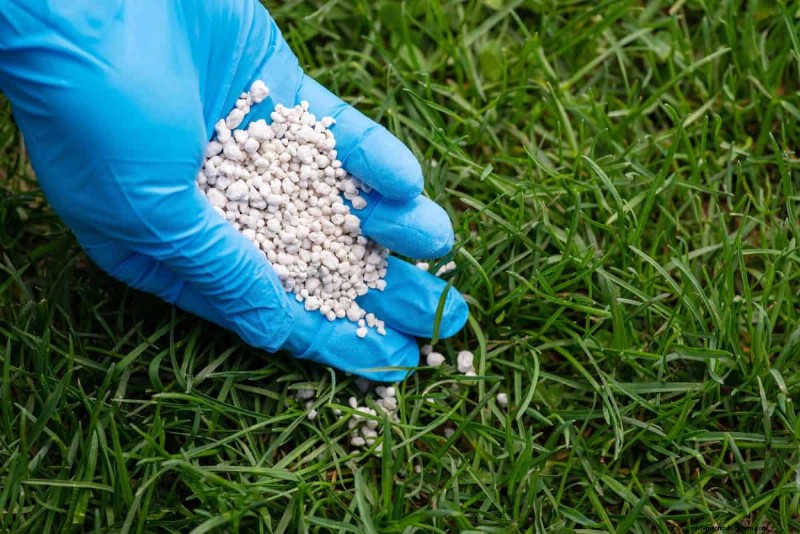
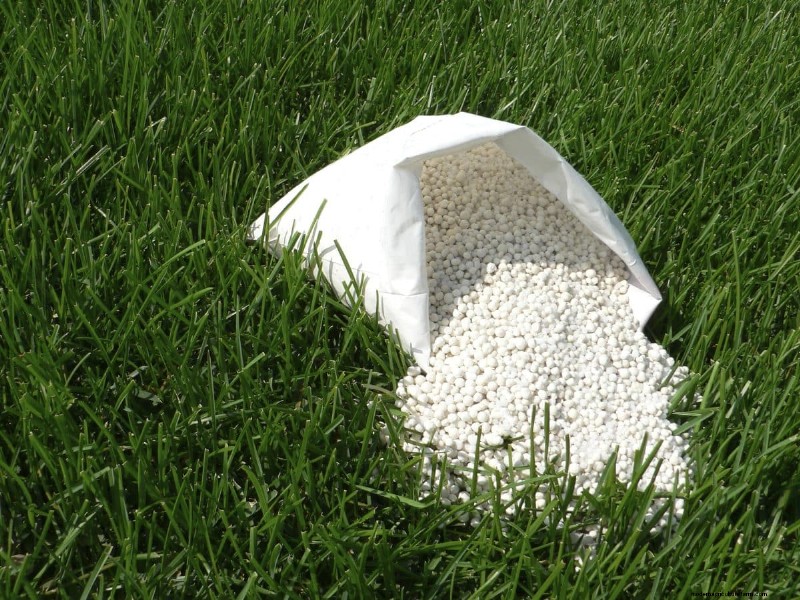
If summer feeding is necessary, slow‑release or controlled‑release fertilizers offer the safest option. These products disperse nutrients gradually, reducing the risk of burn and providing more consistent feeding.
Look for fertilizers labeled as “slow‑release,” “controlled‑release,” or containing coated urea. These formulations release nutrients over 6‑8 weeks rather than all at once, minimizing stress on heat‑challenged grass.
 Depositphotos.com
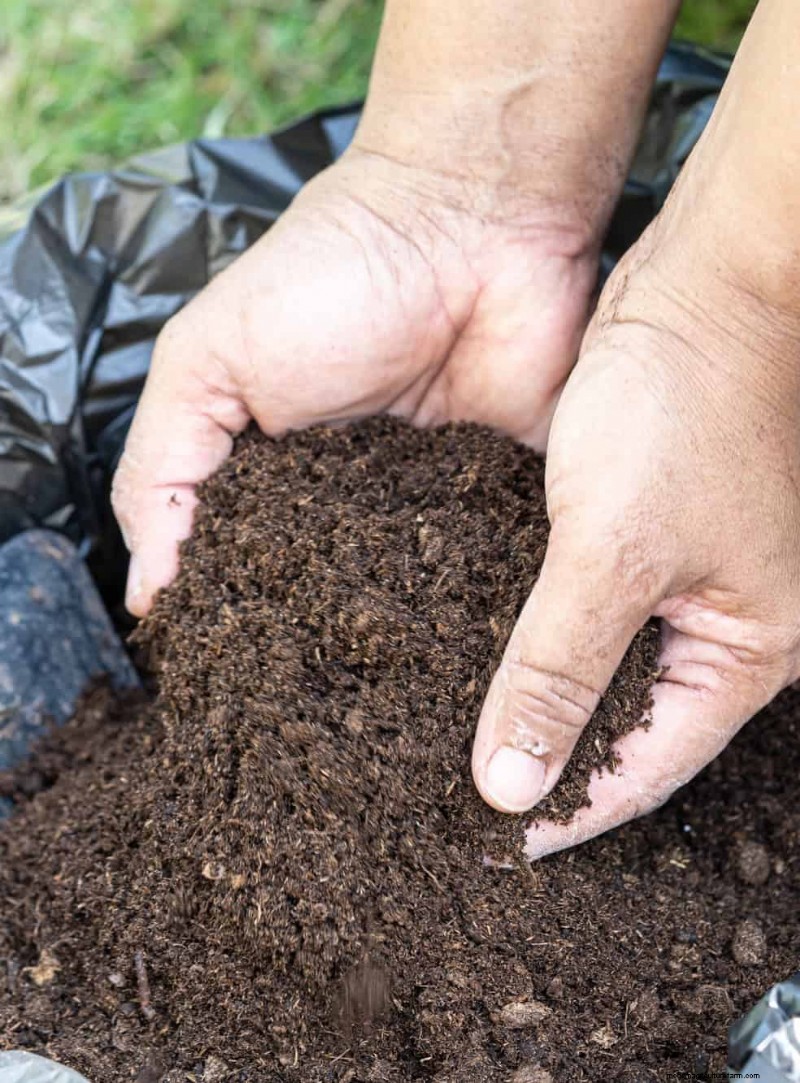
Organic fertilizers present lower burn risks during summer applications compared to synthetic options. Their nutrients become available more slowly as soil microbes break them down.
Compost tea, seaweed extracts, and humic acid supplements can provide gentle nutrition and biostimulants that help lawns cope with heat stress without forcing unsustainable growth. Many organic options also improve soil health long‑term.
 Depositphotos.com
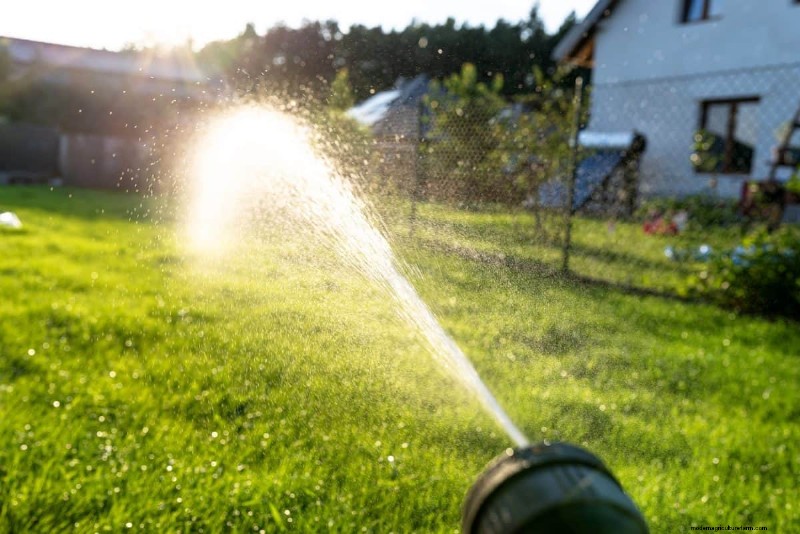
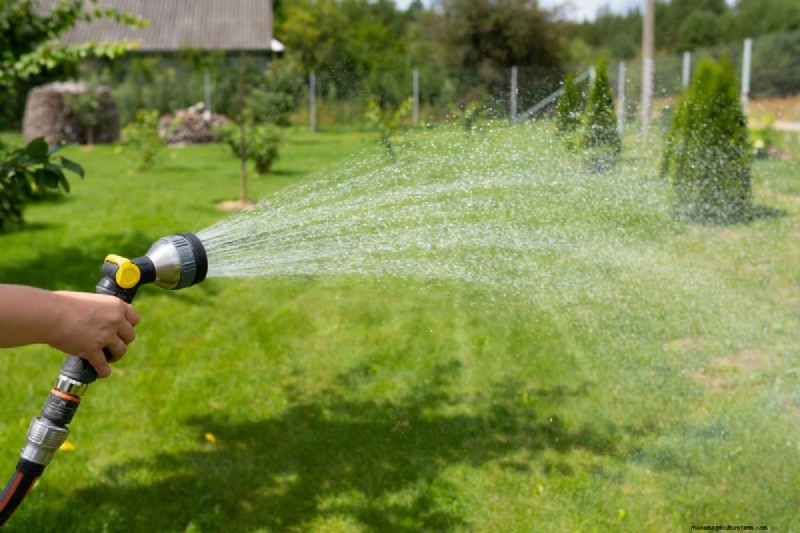
Proper irrigation becomes even more critical if you decide to fertilize during summer. Any fertilizer application must be immediately followed by thorough watering to move nutrients into the soil and prevent burn.
Water deeply but infrequently, aiming for about 1‑1.5 inches per week including rainfall. Early‑morning watering minimizes evaporation and allows foliage to dry quickly, reducing disease risk.
 Depositphotos.com
Timing your fertilizer application to early morning hours maximizes effectiveness and minimizes risks. Morning applications allow nutrients to begin absorbing before intense afternoon heat arrives.
Avoid evening applications during summer, as they can increase disease pressure by leaving the lawn damp overnight. The ideal window is typically between 6‑9 AM when temperatures are cooler but dew has begun to dry.
 Shutterstock.com
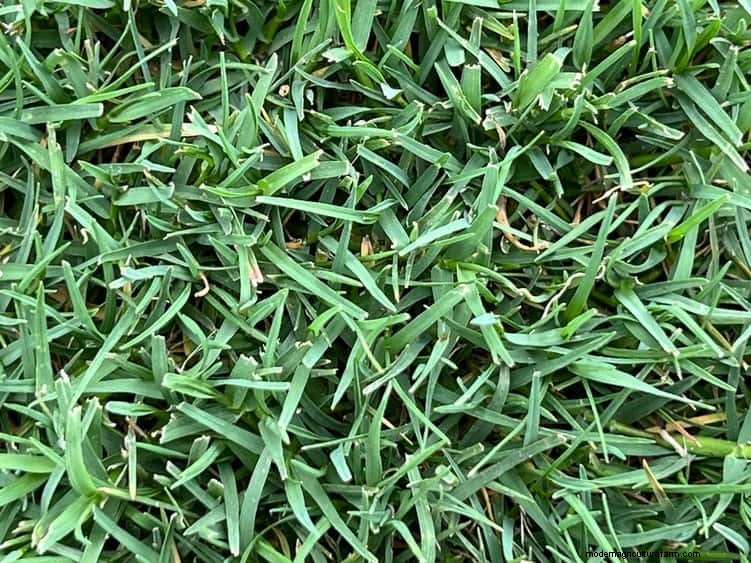
Bermudagrass, unlike cool‑season varieties, actively grows during summer heat and may benefit from appropriate fertilization. This warm‑season grass responds well to steady nutrition throughout its active growth period.
For summer Bermudagrass feeding, select products with balanced NPK ratios like 16‑4‑8 rather than high‑nitrogen options. Iron supplements can enhance green color without excessive growth and are particularly effective during the hottest months.
 Shutterstock.com
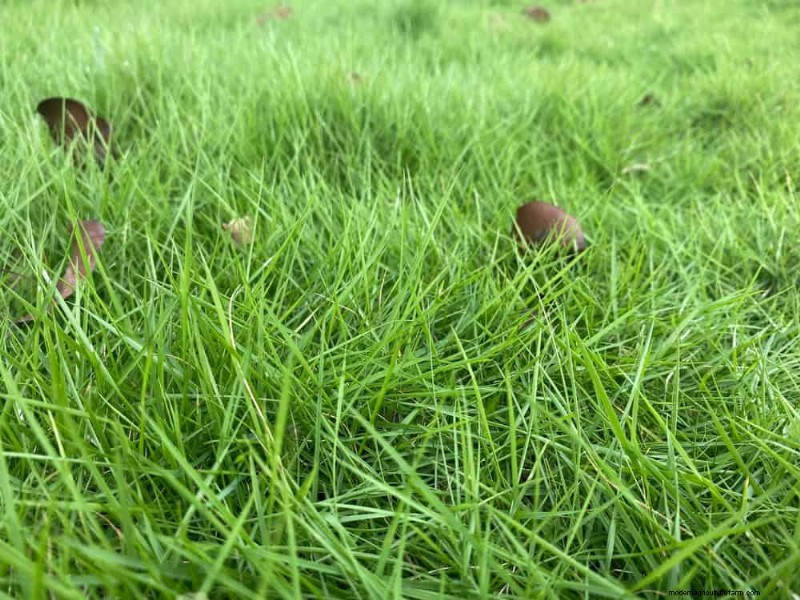
Zoysia grass typically needs less fertilizer than many other lawn types, making it naturally more resistant to summer fertilization mistakes. Its slow growth rate means nutrients are used more gradually.
Summer applications for zoysia should be limited to very light feedings with no more than 1/2 pound of nitrogen per 1,000 square feet. Products containing iron and micronutrients can improve color without pushing excessive growth that increases heat stress.
 Depositphotos.com
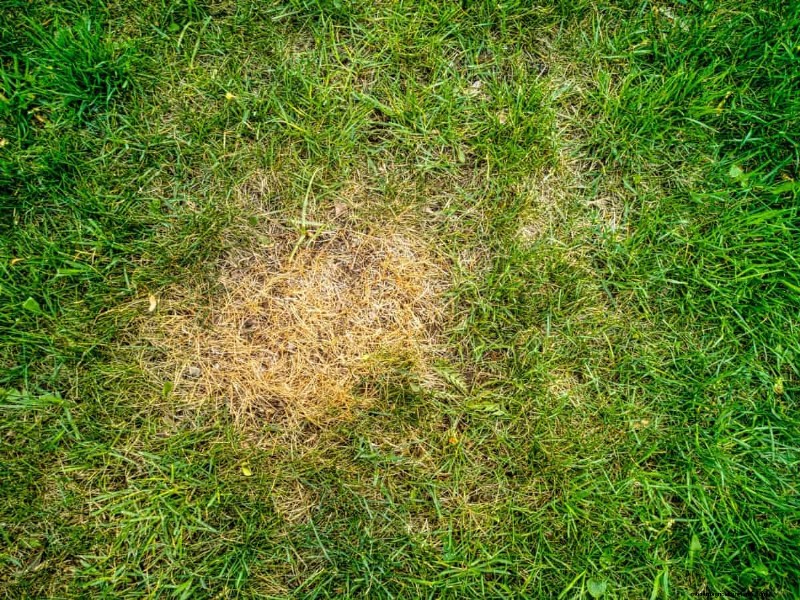
Fertilizer burn appears as yellow or brown patches with crisp, dried edges where granules have concentrated. This damage occurs more frequently and severely during hot weather.
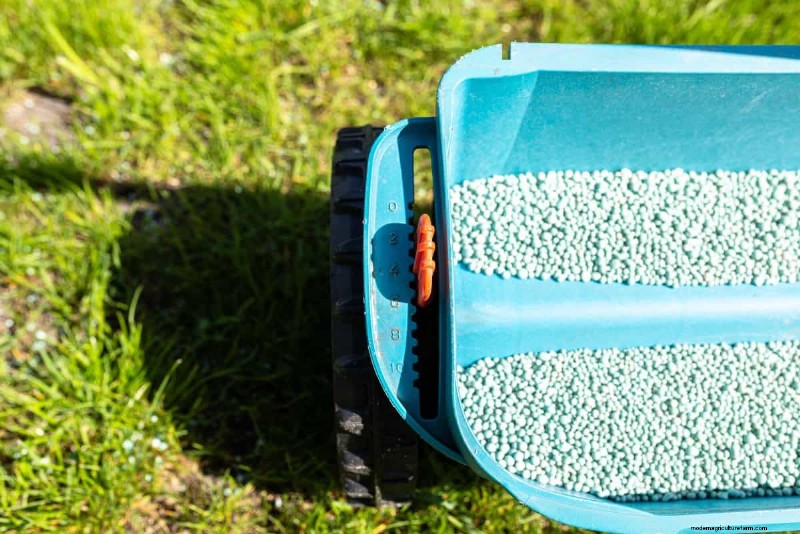
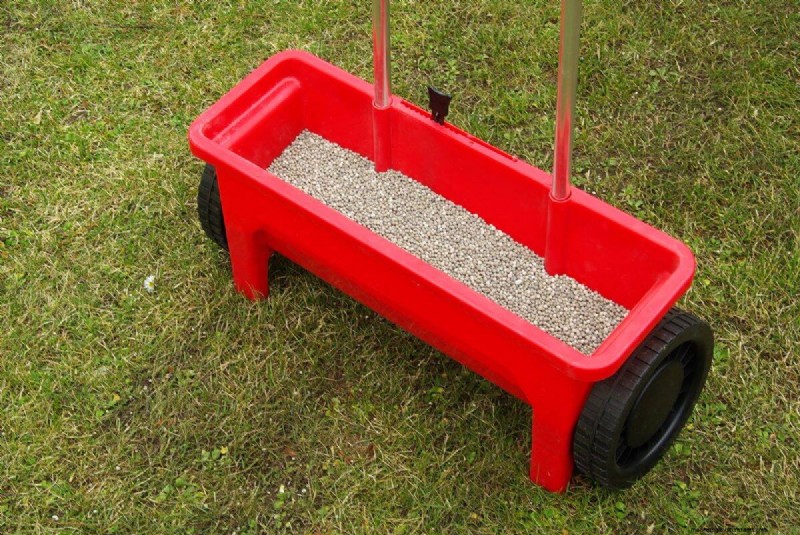
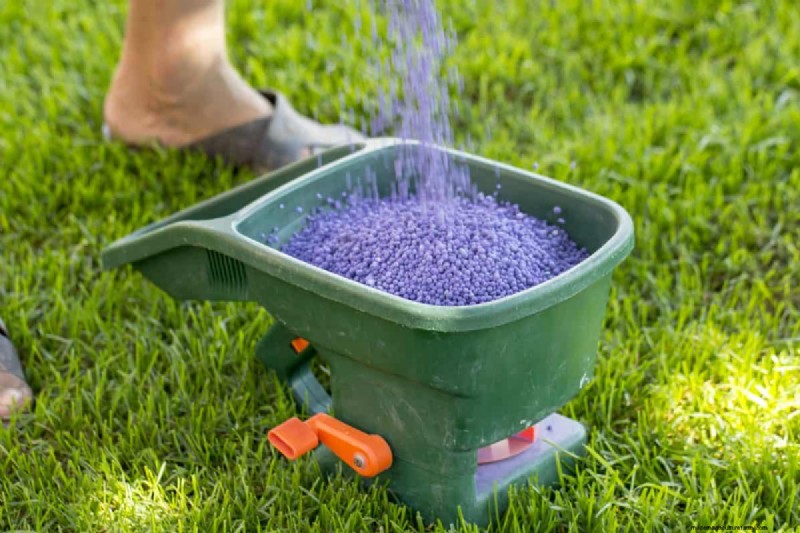
Always apply fertilizer with a properly calibrated spreader to ensure even distribution. Water thoroughly immediately after application, applying at least 1/4 inch of water to dissolve granules and move nutrients into the soil profile away from vulnerable grass blades.
 Depositphotos.com
Newly seeded or sodded lawns have different nutritional needs even during summer heat. Young grass requires steady nutrition to develop strong root systems and density.
Use starter fertilizer with higher phosphorus content for new lawns, applying at half the recommended rate if temperatures are high. More frequent, lighter applications every 3‑4 weeks are safer than single heavy applications for establishing turf.
 Depositphotos.com
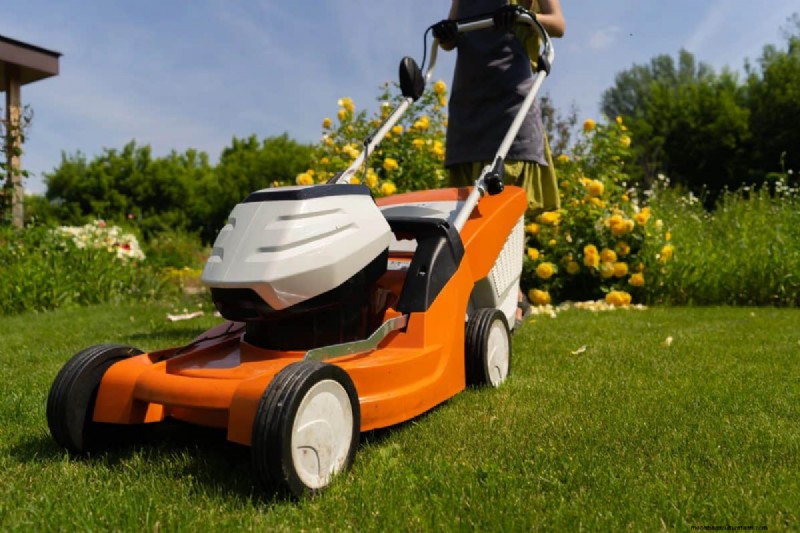
After summer fertilization, proper lawn care practices become even more important. Raise your mowing height to 3‑4 inches for cool‑season grasses to insulate soil and encourage deeper roots.
Avoid heavy foot traffic on recently fertilized lawns, especially during hot weather. The combination of physical stress and chemical activity can compound damage to already heat‑stressed grass.
 Depositphotos.com
If yellow patches appear after fertilizing, immediate thorough watering may help dilute concentrated nutrients. Run sprinklers for 15‑20 minutes over affected areas to move fertilizer deeper into soil.
Brown, crispy areas indicate more severe fertilizer burn and may need time to recover naturally. Avoid additional treatments and maintain consistent watering until new growth appears from the crown of the plants.
 Depositphotos.com
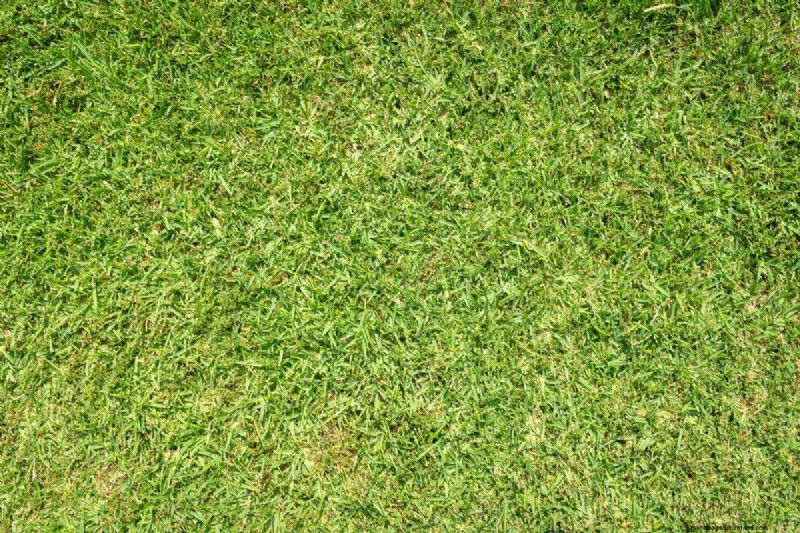
Tall fescue has better heat tolerance than other cool‑season grasses but still benefits from a cautious summer fertilization approach. Its deeper root system can access nutrients and moisture from lower soil profiles during heat stress.
If tall fescue shows nutrient deficiency in summer, consider a light application (1/4 to 1/3 pound of nitrogen per 1,000 square feet) of a product containing slow‑release nitrogen. Products with stress‑protection compounds like sea kelp extracts can provide additional benefits.
 Depositphotos.com
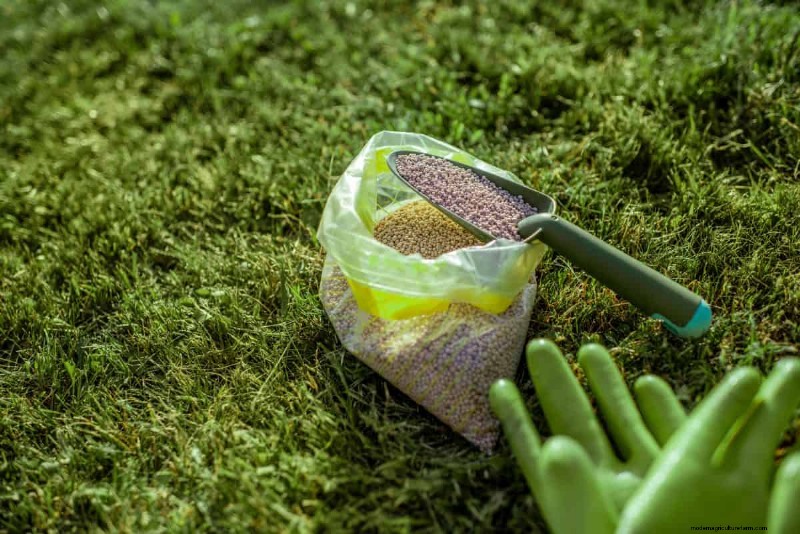
St. Augustine grass actively grows during warm summer months but can still suffer from improper fertilization. This thick‑bladed warm‑season grass responds well to steady, measured nutrition.
Summer applications for St. Augustine should emphasize potassium and iron rather than high nitrogen. A fertilizer ratio like 15‑0‑15 applied at reduced rates helps maintain color and vigor without excessive top growth that increases water demands.
 Depositphotos.com
Accurate measurement becomes even more critical during summer applications when the margin for error narrows. Always measure your lawn area precisely rather than estimating square footage.
Consider applying at 2/3 or even 1/2 the recommended rate during hot weather. It’s always safer to apply less and follow up if needed rather than risk over‑application that could damage heat‑stressed turf.
 Depositphotos.com
The key to successful summer lawn care lies in understanding your specific grass type and local climate conditions. Most cool‑season grasses benefit from skipping fertilizer during the hottest months, while warm‑season varieties may need carefully measured nutrition to thrive.
Regardless of your grass type, always prioritize proper watering, appropriate mowing height, and stress reduction during summer heat. The healthiest lawns result from comprehensive care rather than focusing solely on fertilization. Your lawn will thank you with deeper roots and better resilience against whatever summer throws its way.

Editorial oversight
GardenTabs content is reviewed by Steve Snedeker, a seasoned gardener with decades of hands‑on landscaping experience.