Welcome to Modern Agriculture!

 Depositphotos
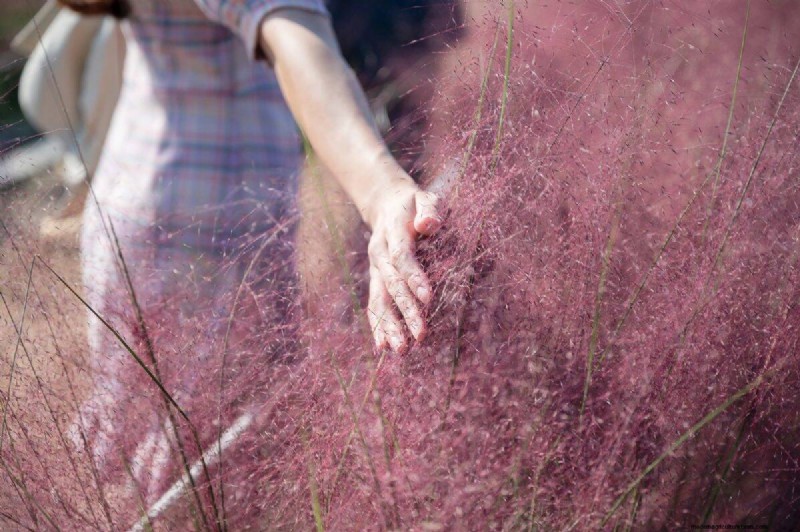
Native grasses bring an effortless sense of movement and light to any landscape while demanding almost no care. Their graceful sway in a light breeze, the way they capture sunlight, and the vital habitat they offer local wildlife make them indispensable in sustainable design.
For gardeners who want seasonal visual interest without the hassle of intensive upkeep, native grasses deliver. Many look even more striking when left undisturbed.
 Depositphotos
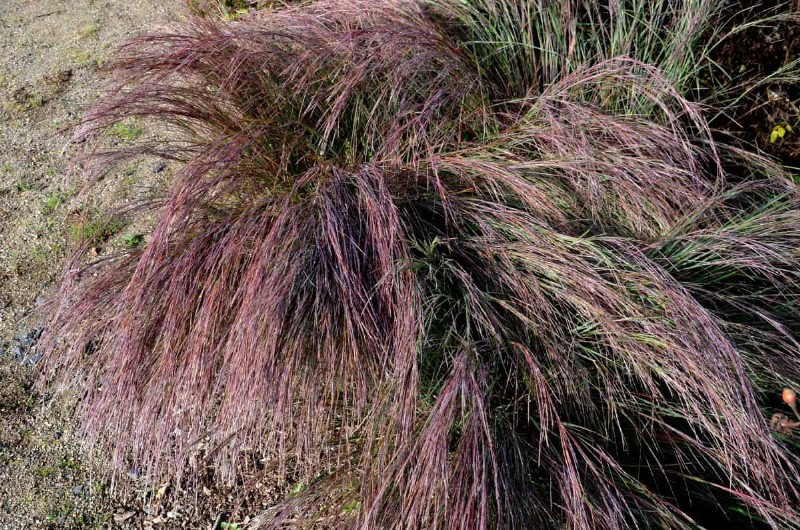
Little Bluestem creates a dramatic seasonal narrative. Its blue‑green foliage in summer turns into a fiery rusty‑orange during fall. This drought‑tolerant prairie native forms tidy clumps 2–3 ft tall and remains upright even under winter snow.
Plant in full sun on well‑drained soil. It thrives in poor, dry conditions and performs best when kept dry and unfertilized. A simple early‑spring cut of the previous year’s growth keeps it looking crisp.
Save this article & also instantly unlock today's gardening deals!
 Depositphotos
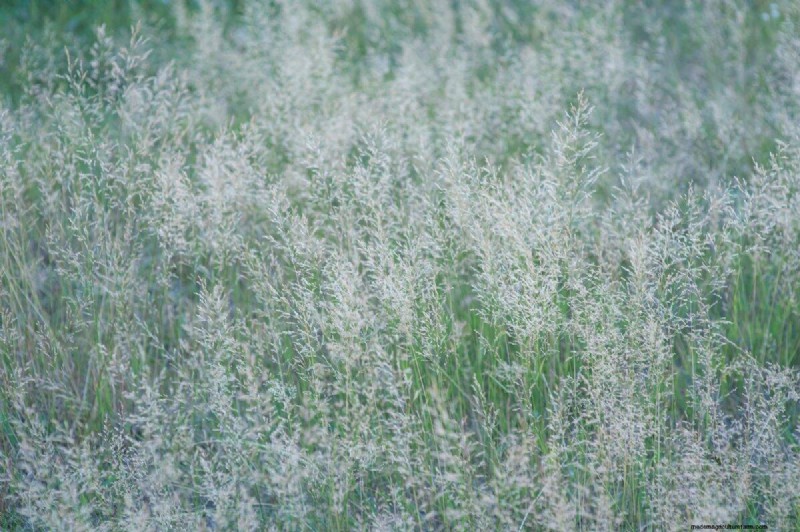
Switchgrass impresses with its airy seed heads that sway above sturdy foliage. Rising 3–6 ft tall depending on cultivar, it tolerates everything from occasional flooding to severe drought.
It works beautifully as a privacy screen, backdrop, or focal prop. Notable cultivars include ‘Shenandoah’ (red‑tipped foliage) and ‘Heavy Metal’ (steel‑blue). Annual pruning in late winter maintains structure.
 Depositphotos
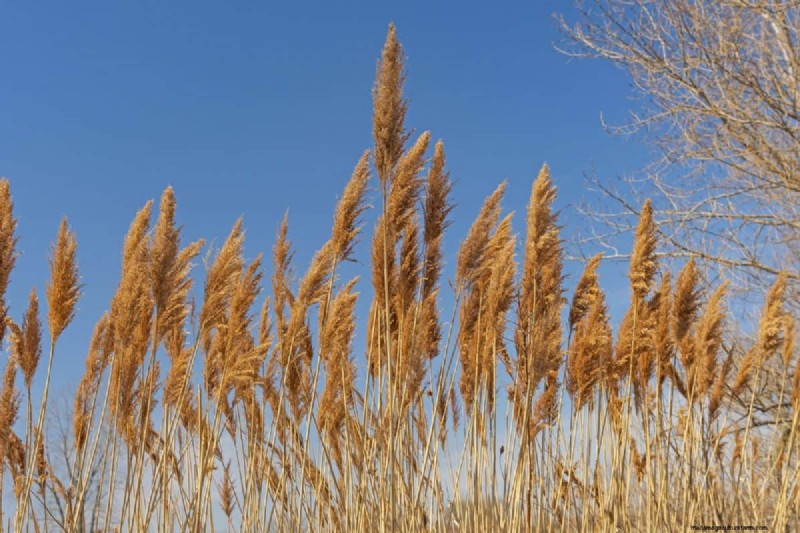
Indian Grass provides a golden glow in autumn with its narrow, upright form that reaches 4–6 ft. Bronze‑yellow seed heads catch light, offering winter interest after other plants fade.
It establishes quickly and adapts to varied soils. Plant in masses for a meadow effect or as a natural privacy screen. Once established, it requires minimal supplemental water or care.
 Depositphotos
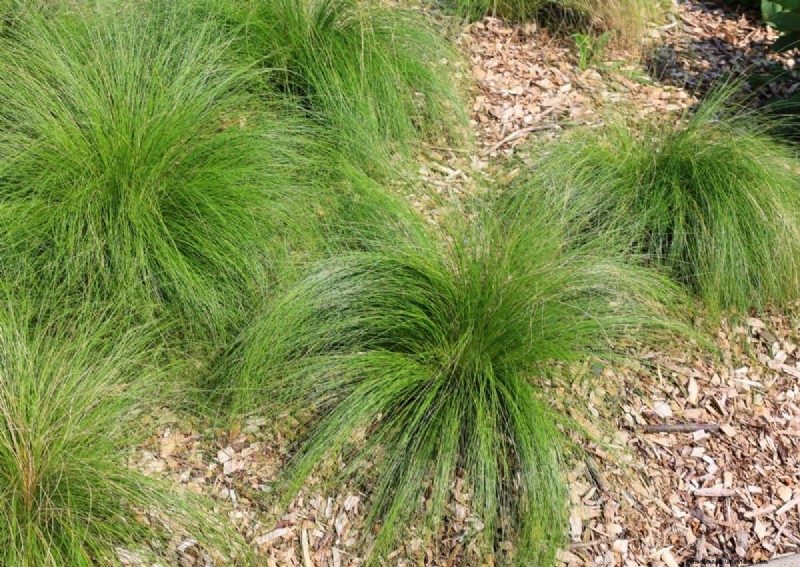
Prairie Dropseed molds into fountain‑shaped mounds of fine foliage that ripple with the slightest breeze. The compact grass (2–3 ft tall) releases a subtle cilantro‑like fragrance during bloom.
Golden seed heads appear late summer above the emerald leaves, which turn copper‑orange in fall. Plant in full sun on well‑drained soil; its slow growth makes it ideal for borders and formal layouts.
 Depositphotos
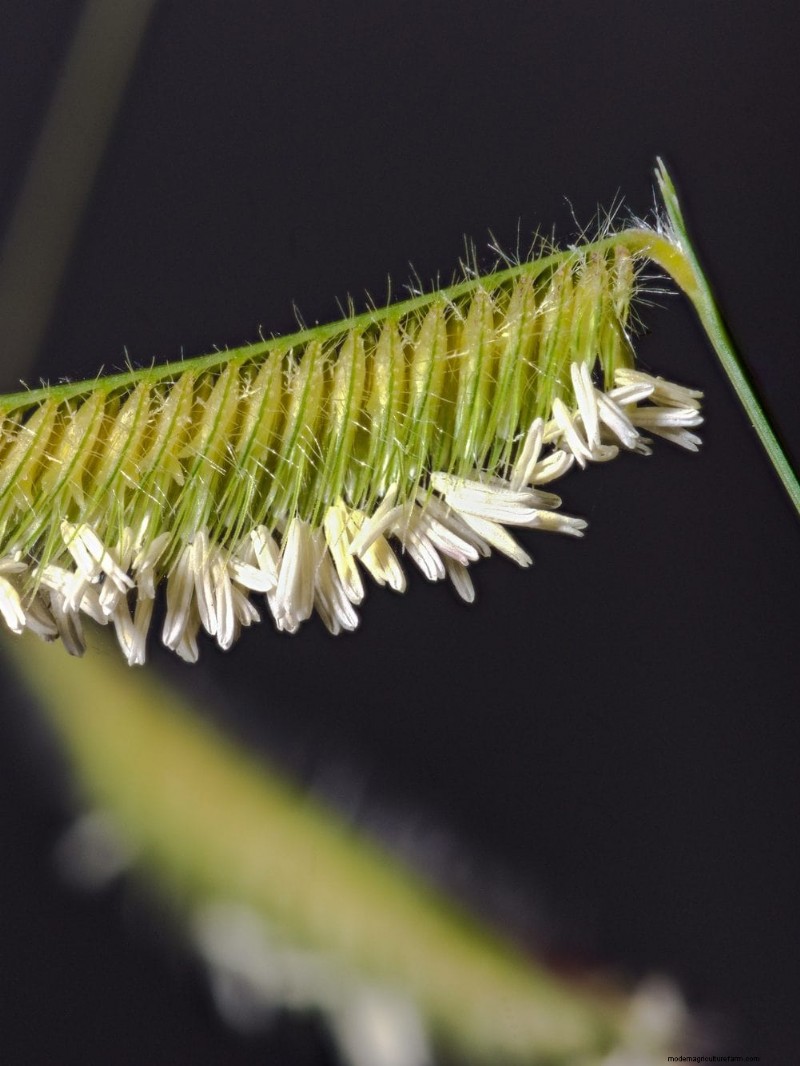
Blue Grama delivers charming horizontal seed heads that resemble miniature eyelashes swaying in the wind. Staying under 18 in tall, it’s perfect for smaller spaces or front‑border positions.
Highly drought‑tolerant once established, it thrives on poor, rocky soils in full sun. The seed heads add visual interest from summer through winter.
 Depositphotos
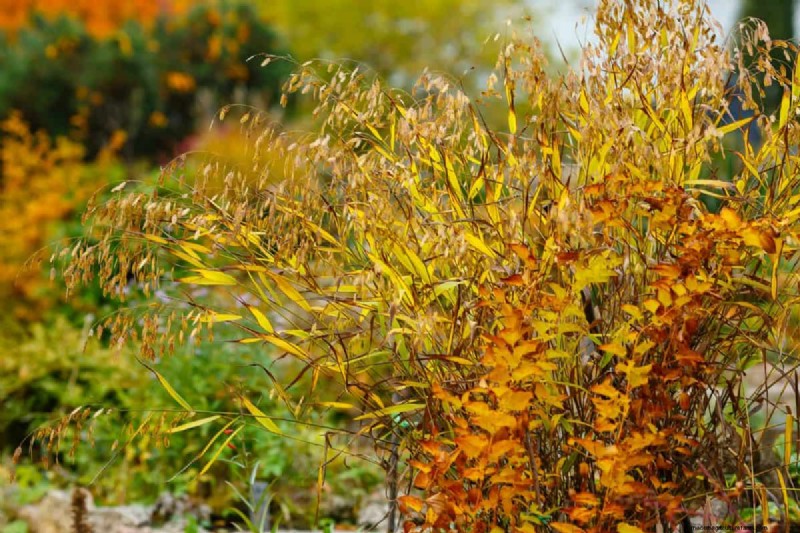
Northern Sea Oats showcases flattened seed heads that dangle like jewelry from arching stems. The green seed heads turn copper in fall and persist through winter, offering year‑round intrigue.
Growing about 3 ft tall, it tolerates dry conditions and partial shade, making it one of the best grasses for woodland edges. It self‑seeds readily—many gardeners see this as a bonus.
 Depositphotos
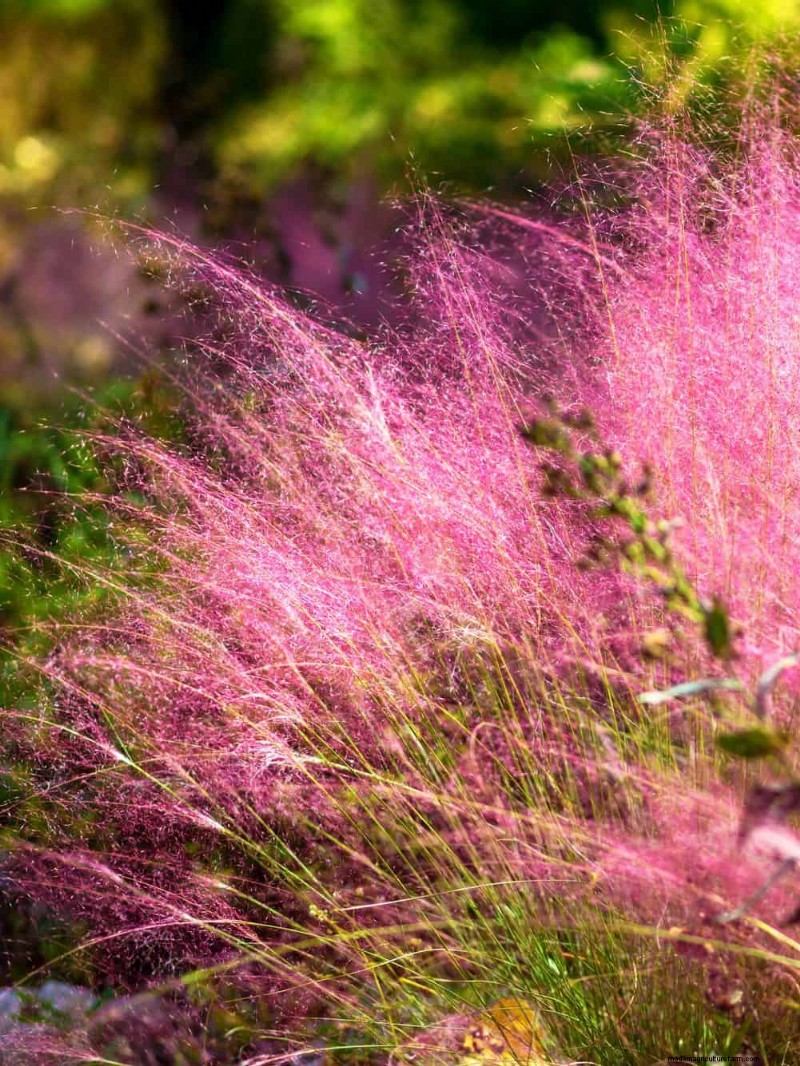
Pink Muhly Grass produces a striking cotton‑candy cloud of pink‑purple plumes in fall, especially when backlit by morning or evening sun.
The southeastern native grows 3–4 ft tall on poor, sandy soils. It’s best placed where its dramatic fall display can be appreciated; during summer it appears more subdued. Cut back in late winter before new growth.
 Depositphotos
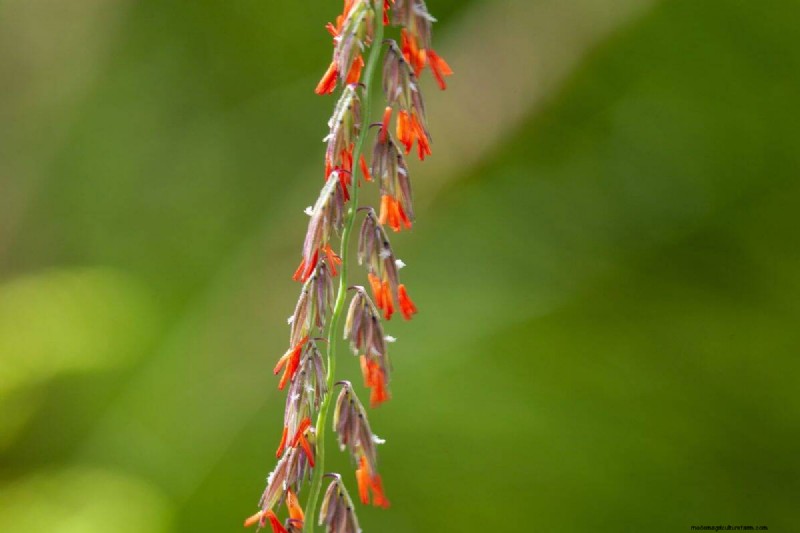
Sideoats Grama features seed heads that dangle like tiny flags along one side of each stem. The 2–3 ft tall prairie native maintains an upright habit even after rain.
Its blue‑green summer foliage turns golden‑orange in fall, with purplish‑red flowers adding extra color in summer. Extremely drought‑tolerant and deer‑resistant, it thrives on full sun and poor soils.
 Shutterstock
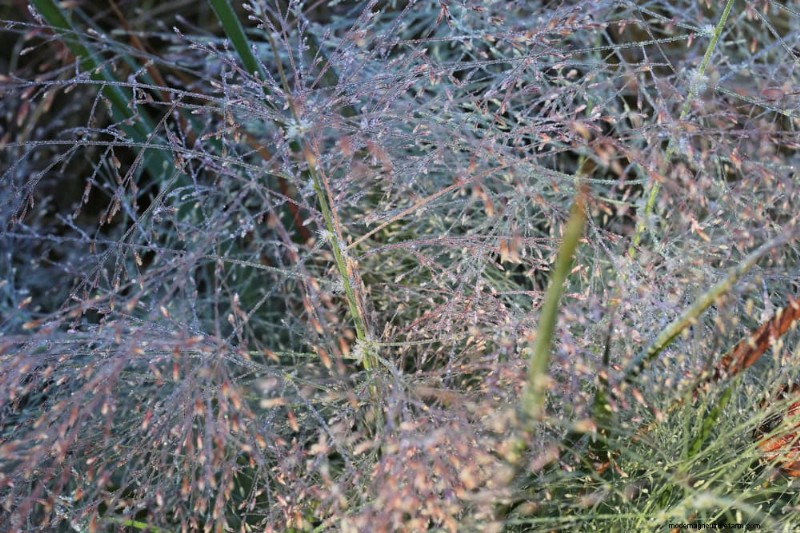
Purple Love Grass creates a subtle purple haze in late summer when its airy, reddish‑purple seed heads rise. The 1–2 ft tall native forms tidy mounds that erupt into color.
Plant in poor, sandy soil with full sun. It thrives in hot, dry conditions and needs almost no care once established. Seed heads tan and persist through winter for extended interest.
 Depositphotos
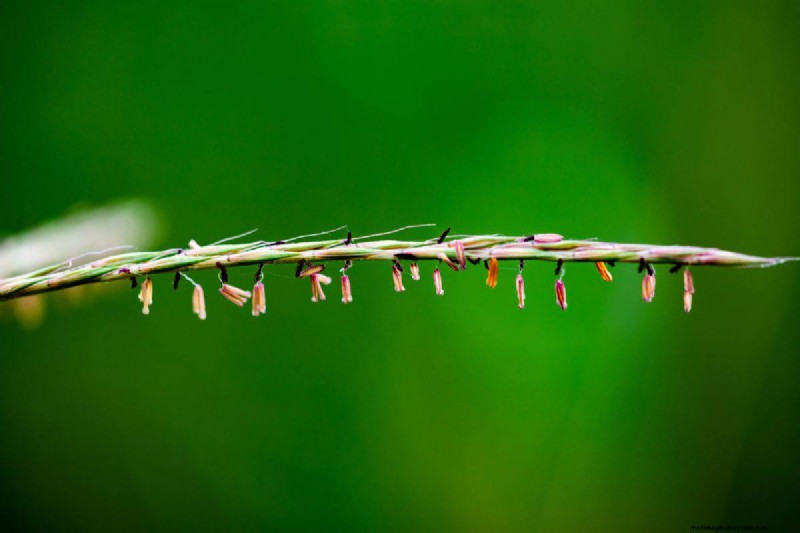
Big Bluestem delivers dramatic height and distinctive turkey‑foot seed heads on stems 6–8 ft tall. It turns a gorgeous copper‑red in fall and retains its vertical presence through winter.
Despite its size, it never requires staking. It thrives in full sun and adapts to various soils. Use it as a natural privacy screen, backdrop, or part of a native meadow.
 Wikimedia (Krzysztof Ziarnek, Kenraiz)
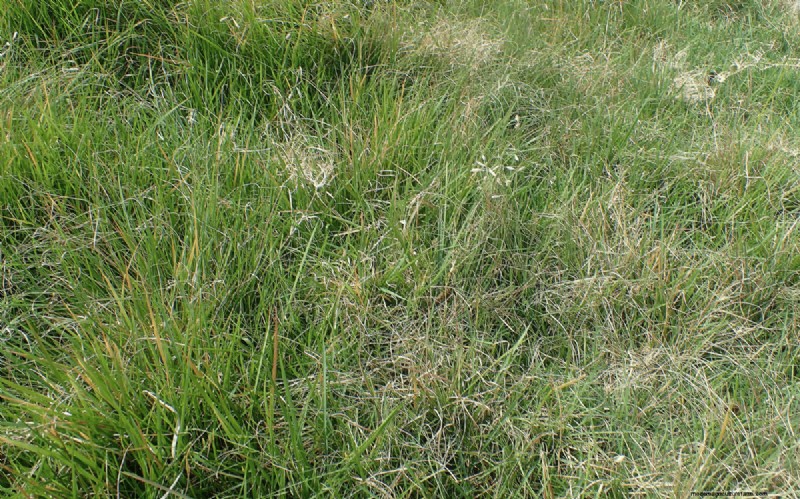
Buffalo Grass offers a soft, fine‑textured lawn alternative that grows only 4–8 in tall, eliminating regular mowing. This true North American native once supported vast bison herds and now serves as an excellent low‑maintenance turf.
Requiring only a quarter of the water of conventional lawns, it goes dormant during drought and greens up quickly when rain returns. It thrives in full sun and poor soils, performing best when soils are less fertile.
 Depositphotos
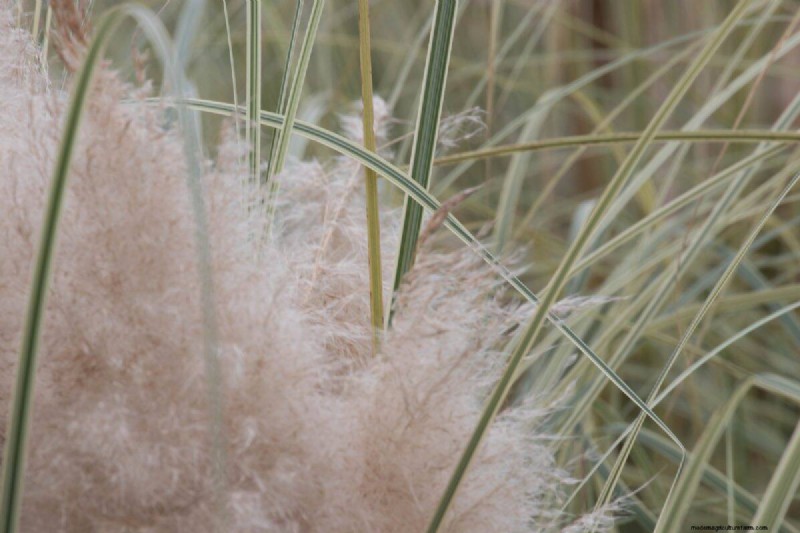
Gulf Muhly ‘White Cloud’ produces ethereal clouds of silvery‑white seed heads that glow in autumn. Similar to Pink Muhly but with white plumes, it offers the same easy care with a different palette.
The airy plumes appear late summer and persist well into winter, especially when backlit by low sun angles. Plant in full sun on well‑drained soil; cut back once annually in late winter.
 Depositphotos
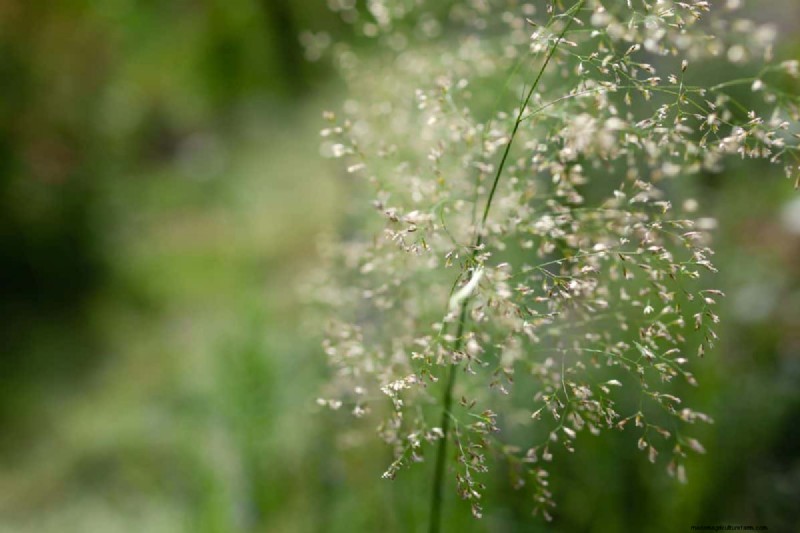
Tufted Hairgrass produces delicate, shimmering seed heads that seem to float above the foliage. This cool‑season grass forms neat clumps of slender, dark green leaves topped by cloud‑like inflorescences up to 3–4 ft tall.
Unlike many native grasses, it tolerates partial shade and moist soils, maintaining appeal through summer heat when other cool‑season grasses go dormant. Seed heads start silvery‑green and age to golden tan.
 Depositphotos
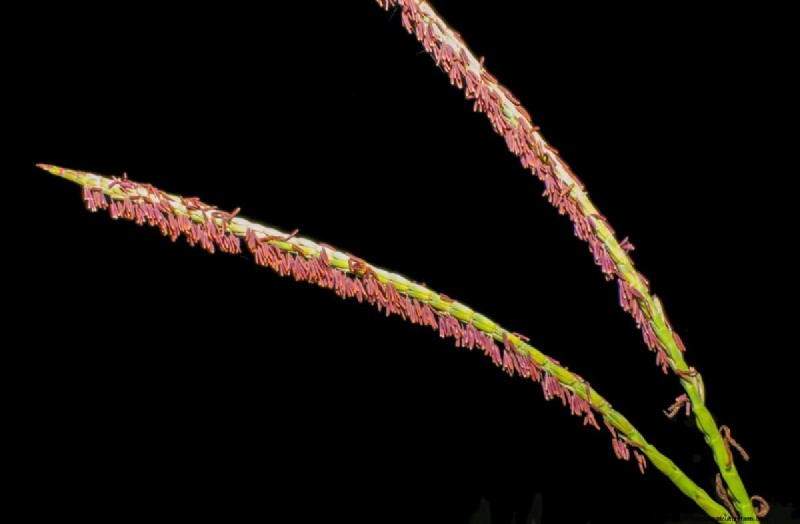
Eastern Gamagrass makes a bold architectural statement with its thick, bamboo‑like stems and fountain‑shaped growth habit. Mature specimens can reach 6–8 ft tall and 3–4 ft wide.
Remarkably adaptable, it handles everything from occasional flooding to drought. Its robust growth makes it ideal for erosion control, privacy screening, or as a dramatic focal point. Full sun yields best performance.
 Depositphotos
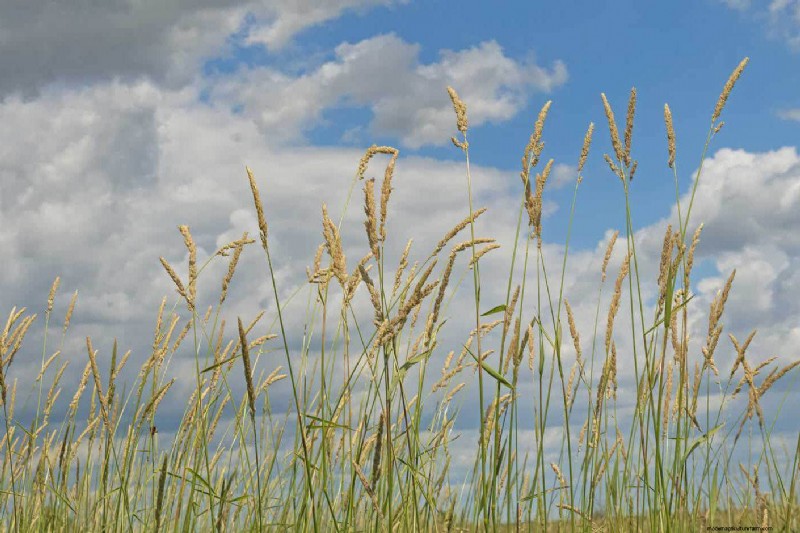
Incorporating native grasses into your landscape delivers instant movement, year‑round interest, and wildlife habitat with almost zero maintenance. Their natural resilience means no fertilizing, minimal watering, and no pest problems.
Select varieties that match your local climate, soil, and available space. Even a single specimen of grass can transform an ordinary garden into something special. These plants reconnect us to regional landscapes, making outdoor spaces more sustainable and stunning.
Written by
Krizza Lubong
With a deep appreciation for nature and a growing interest in all things green, Krizza shares practical tips, personal insights, and inspiration to help fellow plant lovers create thriving outdoor spaces.
Meet the GardenTabs team →
Editorial oversight
GardenTabs content is reviewed by Steve Snedeker, a seasoned gardener with decades of hands‑on landscaping experience.