
Welcome to Modern Agriculture!

 Depositphotos
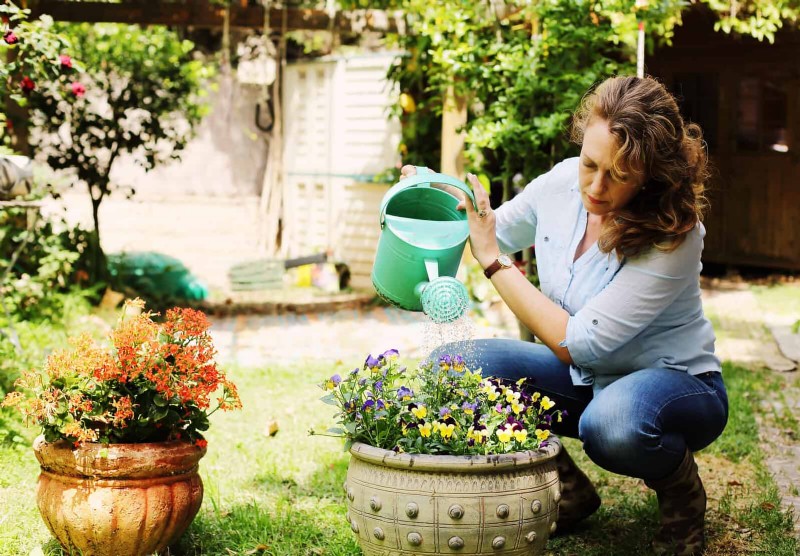
Intense summer heat can overwhelm container plants, which are more vulnerable than ground‑based counterparts because their confined roots heat up rapidly. However, a handful of proven tactics can shield potted plants from scorching temperatures and keep them flourishing all season.
Container gardening offers flexibility and aesthetic appeal, yet demands heightened care during heat waves. The good news is that straightforward, cost‑effective measures can protect your pots from extreme temperatures.
 Depositphotos
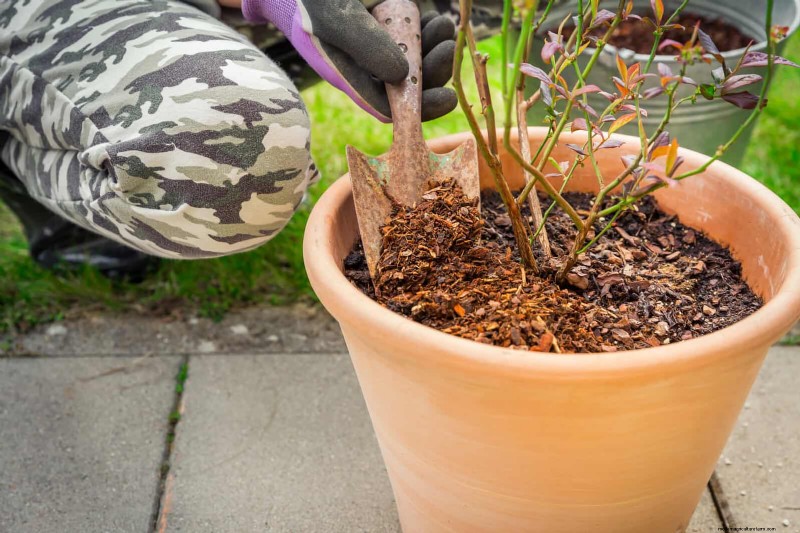
A 2–3‑inch layer of organic mulch—shredded bark, straw, coconut coir, or compost—acts as a thermal blanket. It slows evaporation, keeping soil moisture higher and temperatures lower, and prevents a hard crust that can impede water penetration.
Mulch can reduce soil temperature by up to 10 °F, meaning you’ll water less often even on the hottest days.
Bookmark for quick reference and unlock today’s gardening deals.
 Depositphotos
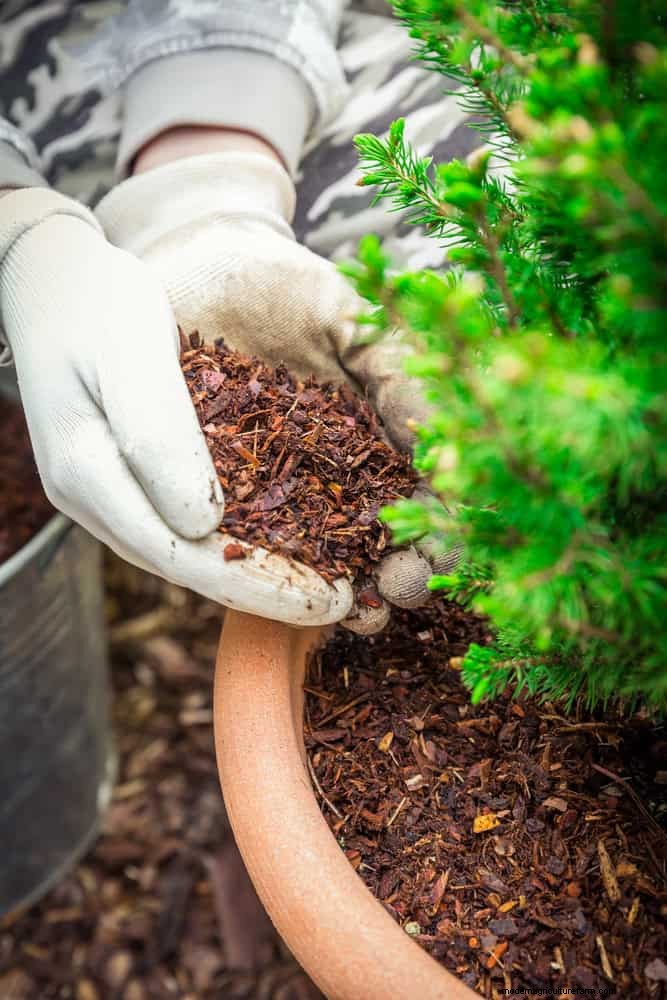
Organic mulches not only insulate but also slowly release nutrients, enhancing soil health. For decorative containers, pine straw or fine wood chips provide both visual appeal and protection. A thin layer of compost offers dual benefits of temperature regulation and slow‑release nutrition.
 Depositphotos
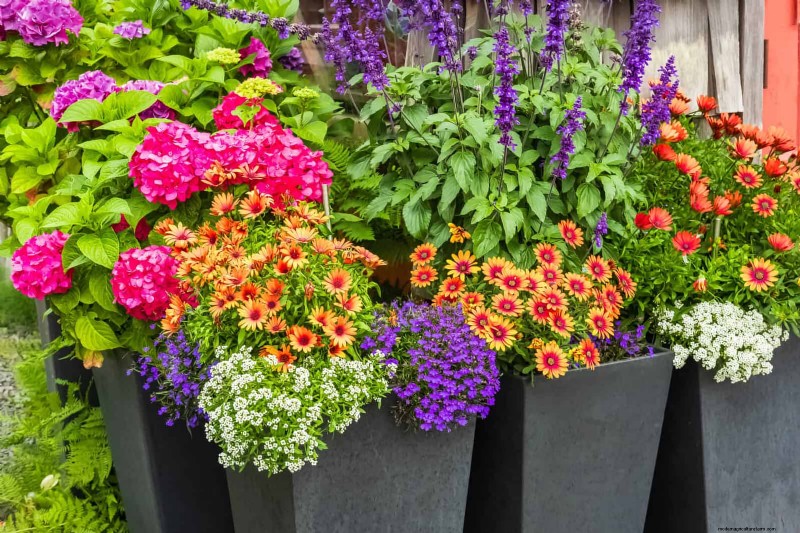
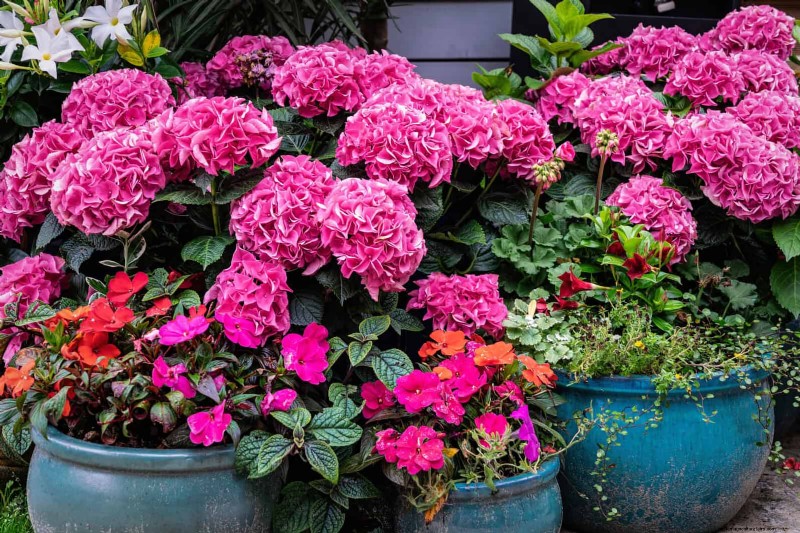
Clustering containers cultivates a self‑maintaining microclimate. As plants transpire, they release moisture that cools surrounding air, creating a humid bubble that protects heat‑sensitive neighbors.
Place thirstier or more heat‑prone species in the center of the grouping where humidity peaks. Maintain an inch of spacing to preserve airflow and prevent fungal issues.
 Depositphotos
Collective shade and humidity not only reduce evaporation but also improve watering efficiency. The outer plants shield the core, while all benefit from a cooler, moister environment.
 Depositphotos
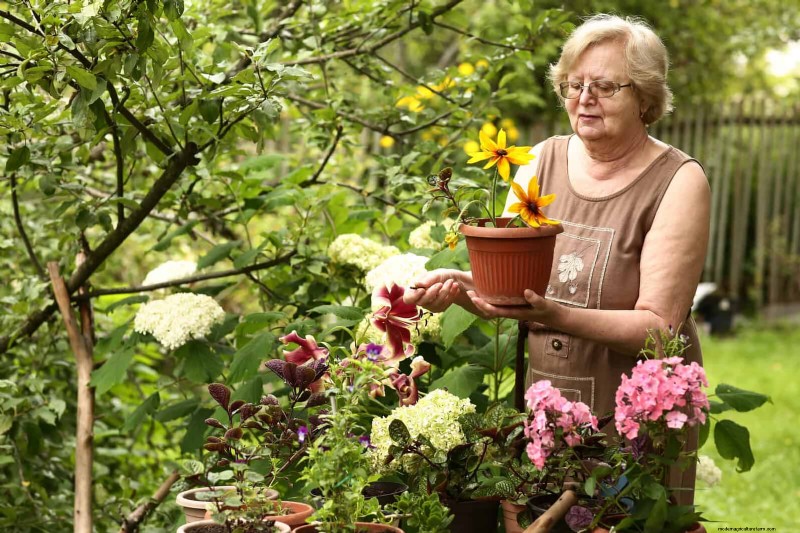
The most intense sun falls between 1 PM and 4 PM. Position containers to receive morning light but afternoon shade—this preserves essential photosynthesis while sparing plants from peak heat.
Even sun‑tolerant species appreciate this respite, which helps prevent leaf scorch, wilting, and premature flower drop.
 Depositphotos
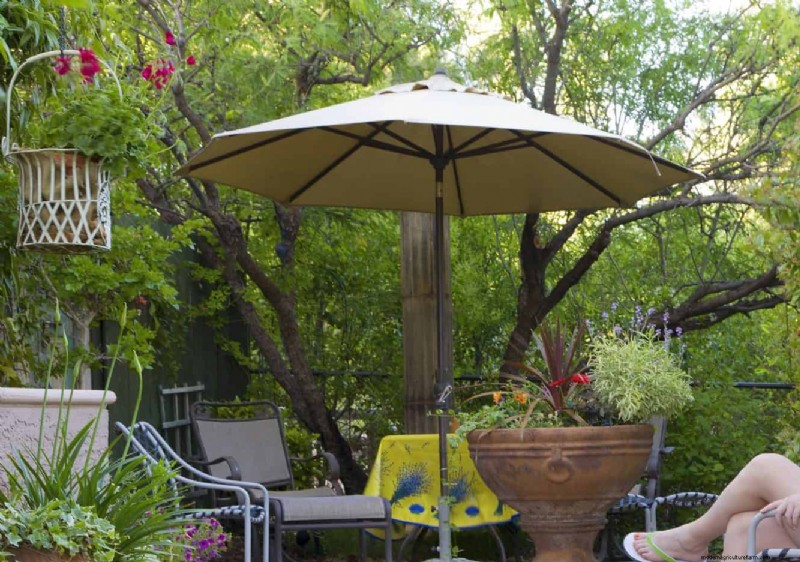
Temporary shade cloth (30–50 % opacity) suspended over pots provides excellent heat protection while allowing airflow. Alternative options include patio umbrellas, shade sails, lightweight bamboo screens, or using taller plants as living shade for more delicate specimens.
 Depositphotos
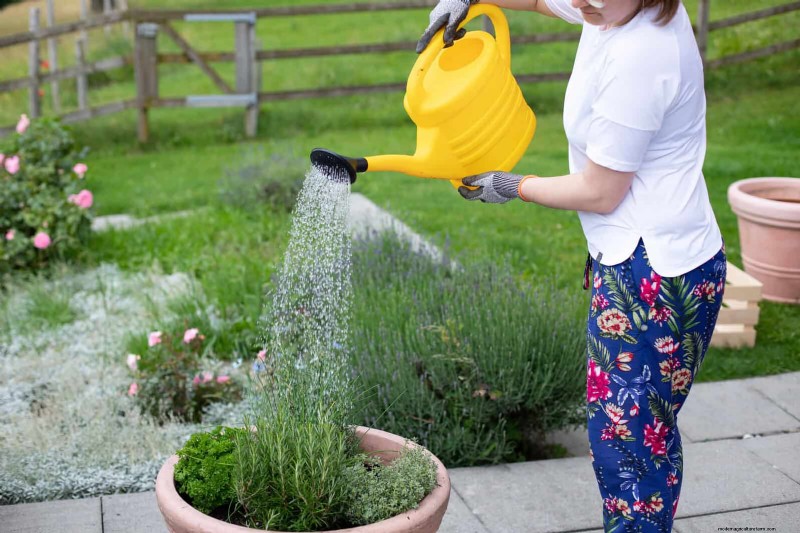
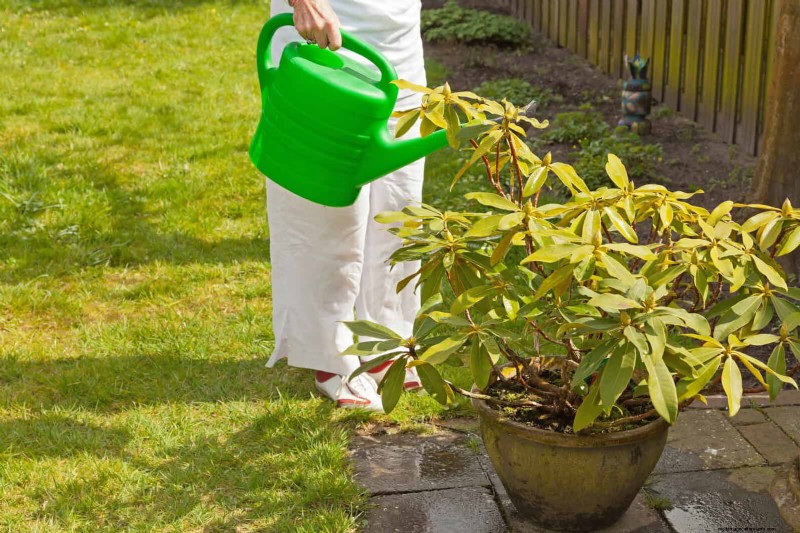
Watering before 9 AM lets roots absorb moisture before temperatures climb, and keeps foliage dry, lowering fungal risk. Water deeply until it seeps through the drainage holes—shallow watering encourages fragile surface roots.
On scorching days, a second, quick afternoon soak can refresh the surface layer without wetting leaves.
 Depositphotos
Deep watering supports a root system that reaches cooler, moist soil. Consider double‑watering: a thorough morning soak followed by a light afternoon touch for extremely hot periods.
 Depositphotos
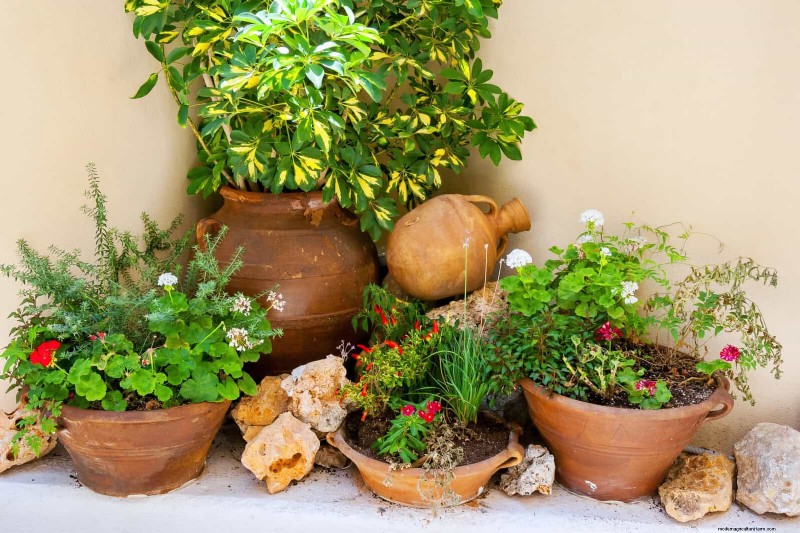
Dark pots, especially black plastic, can absorb and radiate heat, raising soil temperature dramatically. Light‑colored containers reflect sunlight, keeping root zones cooler. Terracotta’s porous nature allows evaporative cooling, but it may require more frequent watering.
 Depositphotos
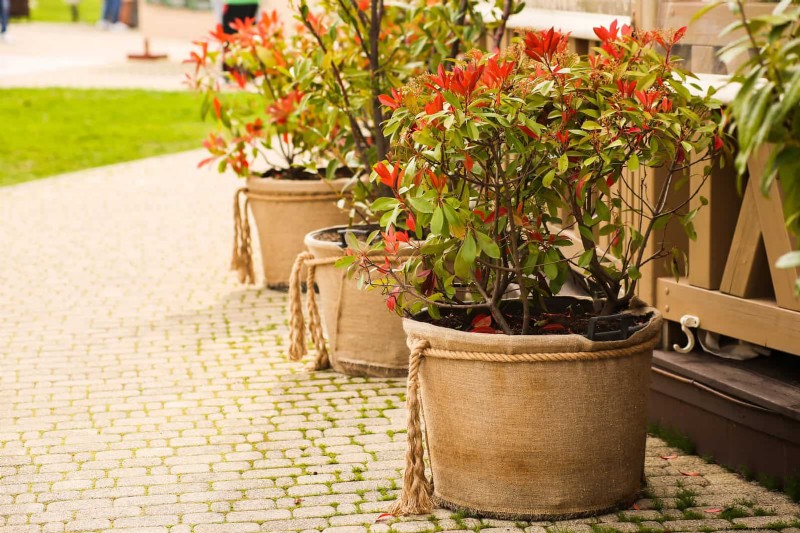
Double‑potting—placing the planted pot inside a slightly larger empty one—creates an insulating air gap that can lower soil temperature by several degrees. Reflective bubble insulation, burlap wraps, or partial burial in the ground also buffer against extreme heat.
 Depositphotos
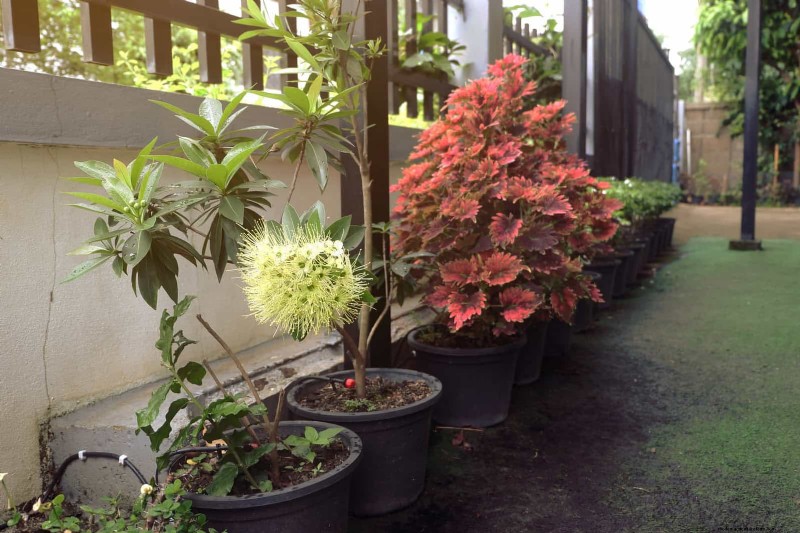
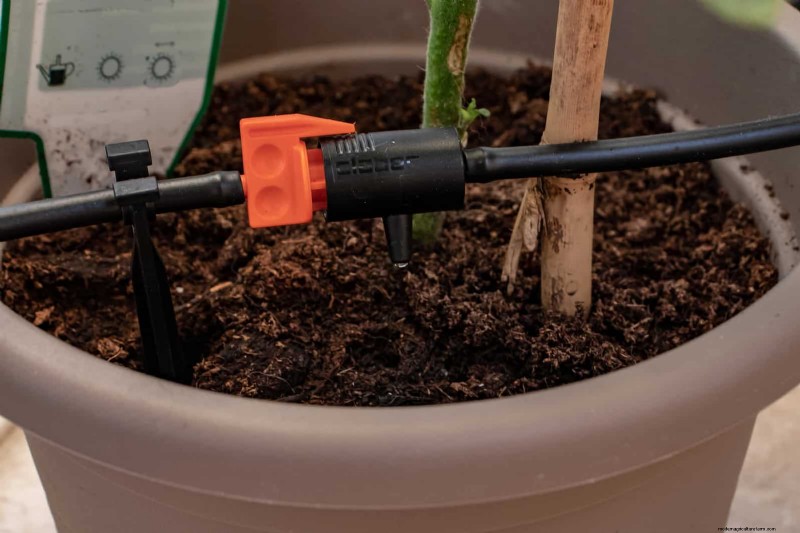
Drip irrigation delivers water directly to the root zone at a slow, steady rate, maximizing absorption and minimizing waste. Modern systems are compact, affordable, and easily expanded as your container collection grows.
 Depositphotos
Integrate a timer to automate watering, ensuring optimal moisture delivery even when you’re away. Pressure‑compensating emitters prevent overwatering by delivering precise amounts, a critical advantage during heat waves when the margin between drought and excess narrows.
 Depositphotos
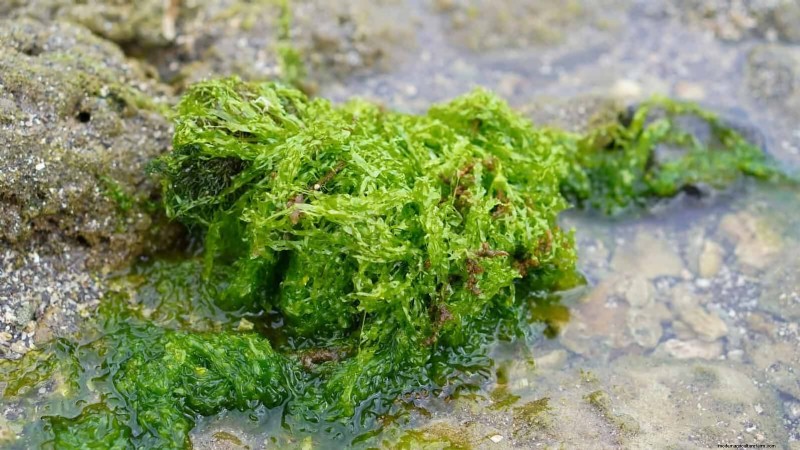
Liquid seaweed extracts contain natural plant hormones and trace minerals that strengthen cell walls and improve heat tolerance. Apply every two weeks during hot periods to build resilience over time.
 Depositphotos
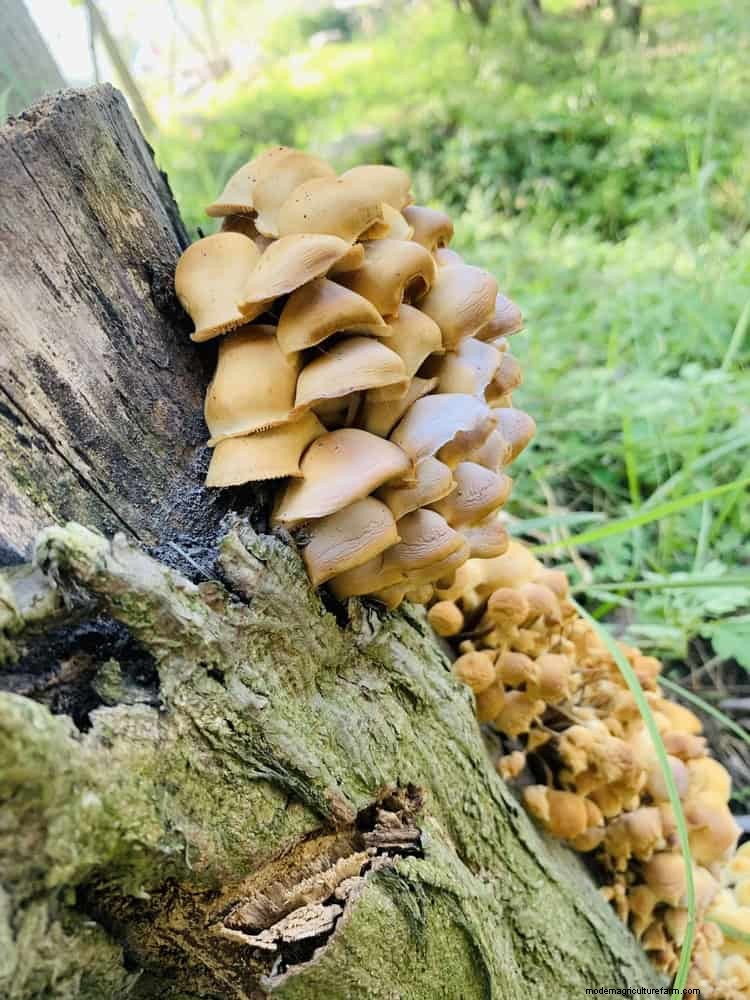
Silica supplements reinforce cell structures and boost water uptake efficiency, available as liquid concentrates that can be mixed with routine watering. Mycorrhizal fungi inoculants enhance root symbiosis, dramatically improving water absorption and providing lasting benefits even when soil dries.
 Depositphotos
Protecting container plants from extreme heat doesn’t mandate sophisticated technology or expert mandates. Consistent mulching, smart grouping, timed irrigation, self‑shading, and natural amendments collectively shield roots from scorching temperatures.
Stay vigilant for early heat‑stress signs and combine these measures for resilient container gardens that bloom vibrantly throughout the hottest months.
Editorial oversight
GardenTabs content is reviewed by Steve Snedeker, a seasoned gardener with decades of hands‑on landscaping experience.