
Welcome to Modern Agriculture!

 Depositphotos
Heat waves can reduce a thriving garden to a wilted mess in a matter of days. Rising temperatures stress plants, causing flowers to drop, leaves to scorch, and in extreme cases, plant death. Fortunately, a combination of practical shade tactics can shield your green companions during even the most brutal summer days. These strategies are inexpensive, easy to set up, and effective for gardens of any size.
By deploying quick‑deploy shade solutions, managing soil temperature and moisture, strategically placing plants, and incorporating living shade, you’ll give your garden the resilience it needs to flourish all season long.
When a heat wave arrives with little warning, these rapid‑setup options protect plants within minutes.
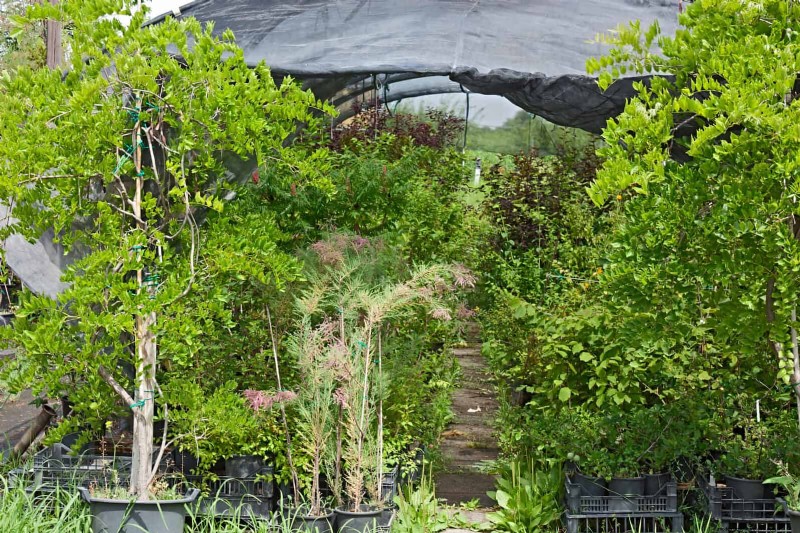
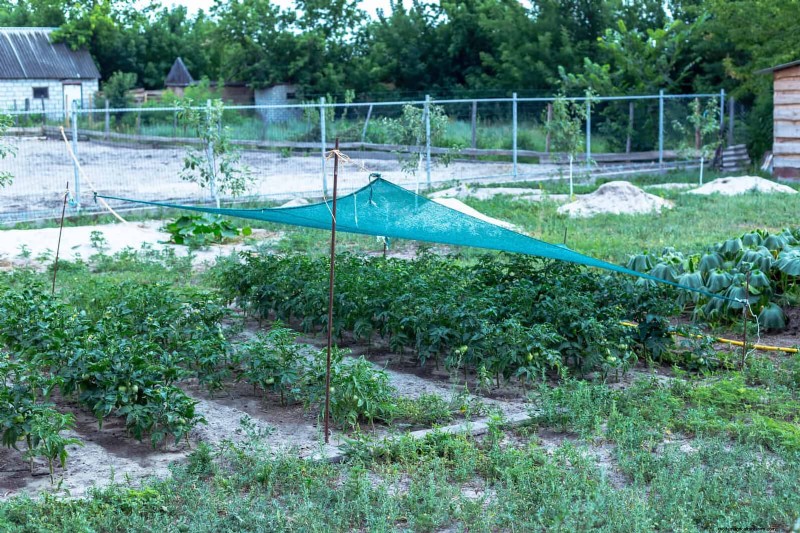
Shade cloth is a versatile, readily available tool for blocking excess heat. Available in densities from 30 % to 70 % shade, lightweight fabrics can be strung between posts, fences, or trees to create cooling shade exactly where it’s needed.
 Depositphotos
The appropriate density allows a fraction of light to penetrate while filtering harmful UV rays. Install shade cloth with grommets and zip ties for quick assembly and removal. For small gardens, pre‑made shade cloth frames can be placed over vulnerable plants. Secure edges on windy days and remove the coverings once temperatures return to normal so plants receive their regular light requirements.
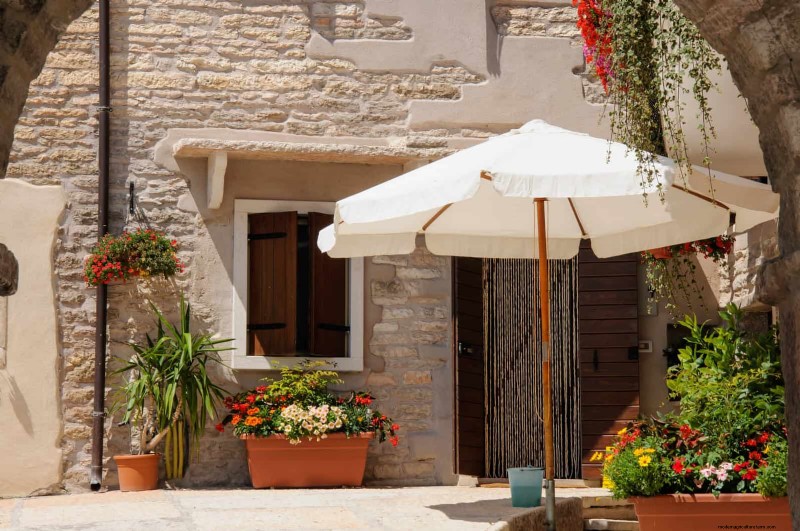
Garden umbrellas offer a fast, targeted solution for immediate protection. Beach umbrellas, patio umbrellas, or purpose‑made plant umbrellas can be positioned to block direct sun from 10 a.m. to 4 p.m., when heat damage is most likely.
 Depositphotos
Because they are portable, you can adjust them as the sun moves across the sky. Secure umbrellas firmly in the ground to prevent wind damage. Some gardeners keep several smaller umbrellas ready for heat waves rather than one large one, allowing for more precise protection of scattered vulnerable plants. This simple solution requires no special skills and can be implemented in minutes when unexpected heat strikes.
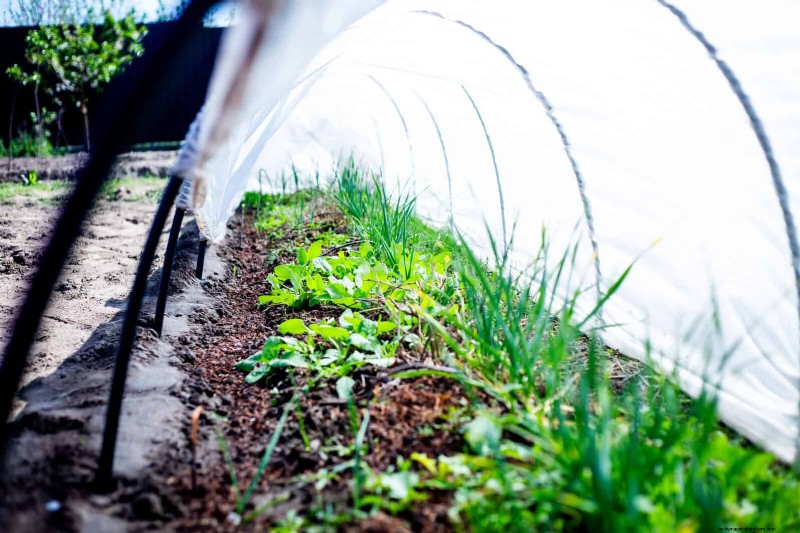
Floating row covers, originally developed for frost protection, double as excellent heat shields. Lightweight fabrics provide shade while allowing air, water, and some light to reach plants.
 Depositphotos
The white material reflects solar radiation, creating a cooler microclimate beneath. Secure row covers loosely to allow for air circulation, using hoops, stakes, or upturned pots as supports. This method works particularly well for leafy greens, cool‑season crops, and newly planted seedlings that might otherwise struggle through heat waves. Remove covers during cooler morning hours to allow for pollination of flowering crops.
Cooling the root zone is as important as shading the foliage. The following strategies address the ground itself.
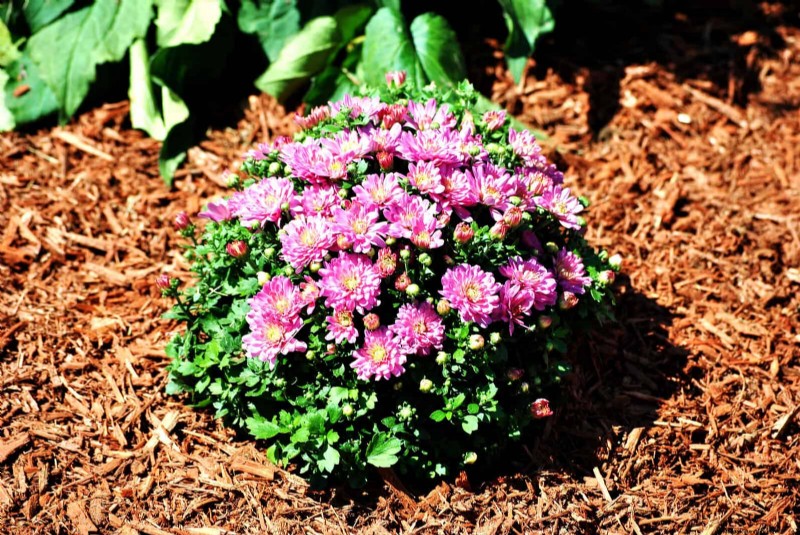
A thick layer of organic mulch acts as the first line of defense against overheated soil.
 Depositphotos
Apply a 3‑ to 4‑inch layer of straw, wood chips, or shredded leaves around plants. Mulch shades the soil surface, preventing rapid evaporation and reducing overall plant stress. Keep the mulch pulled back slightly from plant stems to avoid rot. As organic mulches break down, they also improve soil structure. Refresh your mulch before predicted heat waves for maximum protection when temperatures soar.
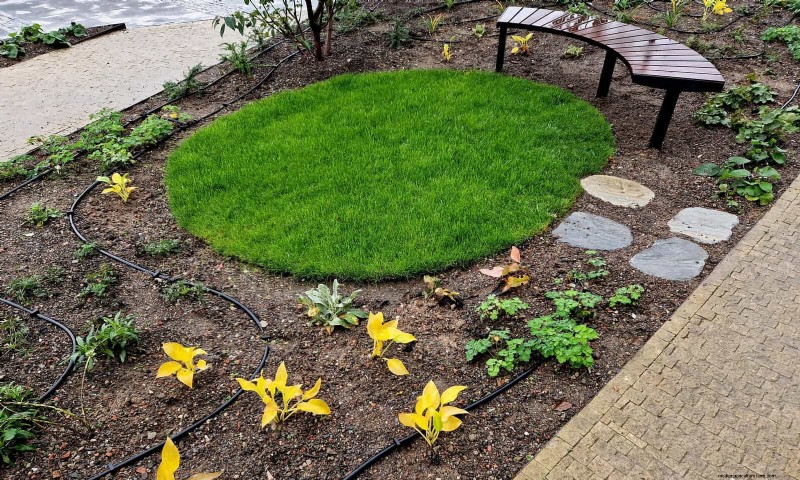
Precise watering combined with evaporative cooling gives plants a double benefit during extreme heat.
 Depositphotos
Drip systems deliver moisture directly to root zones with minimal waste, while misters create cooling humidity around foliage. Both methods can lower the immediate plant environment temperature by 5 – 10 °F during operation. Set timers to run these systems during the hottest part of the day for maximum cooling effect. Even a basic drip hose can be temporarily installed during heat events. The combination of precise watering and evaporative cooling helps plants photosynthesize normally despite challenging temperatures.
Reflective materials redirect solar radiation before it ever reaches the soil surface.
 Depositphotos
White or silver reflective mulches bounce solar radiation away from plants rather than absorbing it like dark soils do, significantly reducing soil temperatures in the root zone. Commercial reflective mulches, white landscape fabric, or even a layer of light‑colored straw can create this cooling effect. Apply reflective mulches around the base of heat‑sensitive plants before temperatures spike. The reflected light also increases overall brightness without increasing heat, improving photosynthesis in shaded conditions. This technique pairs well with overhead shade methods for comprehensive heat protection during extreme weather events.
Thoughtful placement reduces heat stress without adding equipment.
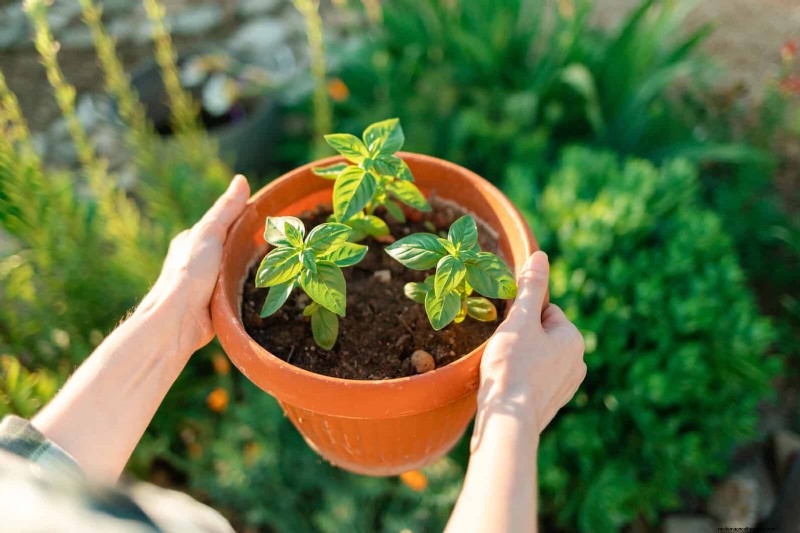
Container gardens give you the flexibility to chase shade as temperatures rise.
 Depositphotos
Potted plants can be relocated! Move container gardens to naturally shaded areas during the hottest part of the day, then return them to sunnier spots in the morning or evening. Add wheeled platforms under larger containers for easier movement. Group plants with similar water and light needs together for simplified care. This mobility strategy works especially well for heat‑sensitive vegetables, flowering annuals, and young perennials that have yet to develop deep root systems.
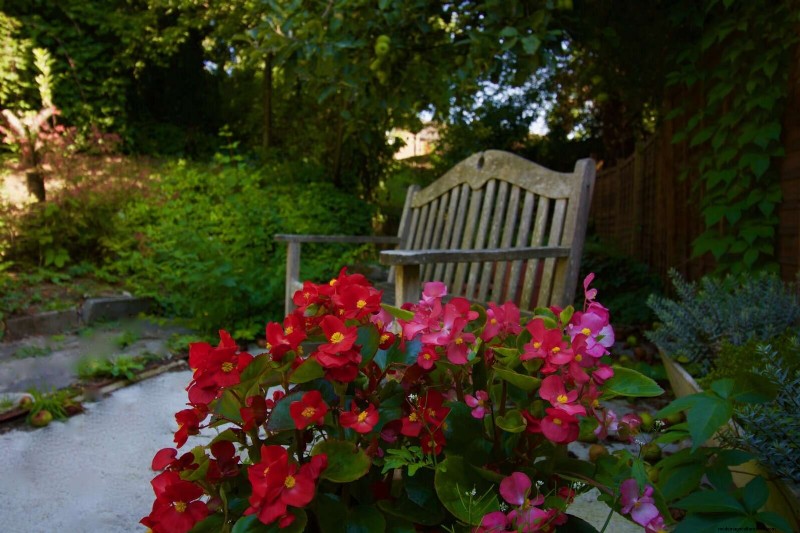
Afternoon sun delivers the most intense heat, so positioning matters as much as any barrier.
 Depositphotos
Identify spots that naturally receive afternoon shade from buildings, fences, or large shrubs, and relocate struggling plants to these protected zones during heat waves. If natural shade is limited, create temporary barriers using bamboo screens, garden furniture, or repurposed materials like prop‑up doors. Even partial afternoon shade can lower leaf temperatures by 10 – 15 °F to prevent scorching and wilting in most plants. This strategy requires no special equipment—just observation and planning.
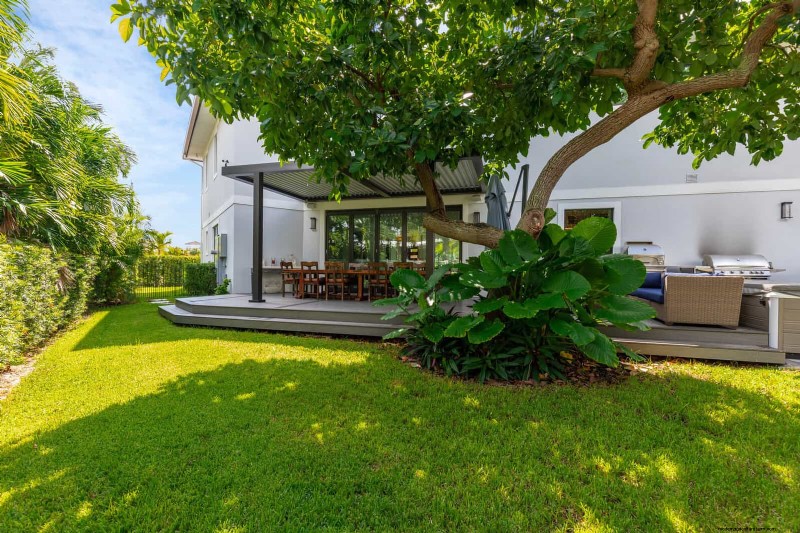
The structures already in your yard can provide surprisingly effective protection once you map their shade patterns.
 Depositphotos
Trees, buildings, and garden structures cast predictable shade patterns. Observe your landscape at different times during summer days to identify naturally cooler microclimates—often on the structure’s north or east sides or under a deciduous canopy. Relocate container plants to these natural shade zones during heat waves or plan permanent beds around these patterns. Shifting a vulnerable plant a few feet can place it in a zone that’s 5 – 8 °F cooler during critical afternoon hours. This zero‑cost strategy leverages existing features rather than creating new ones.
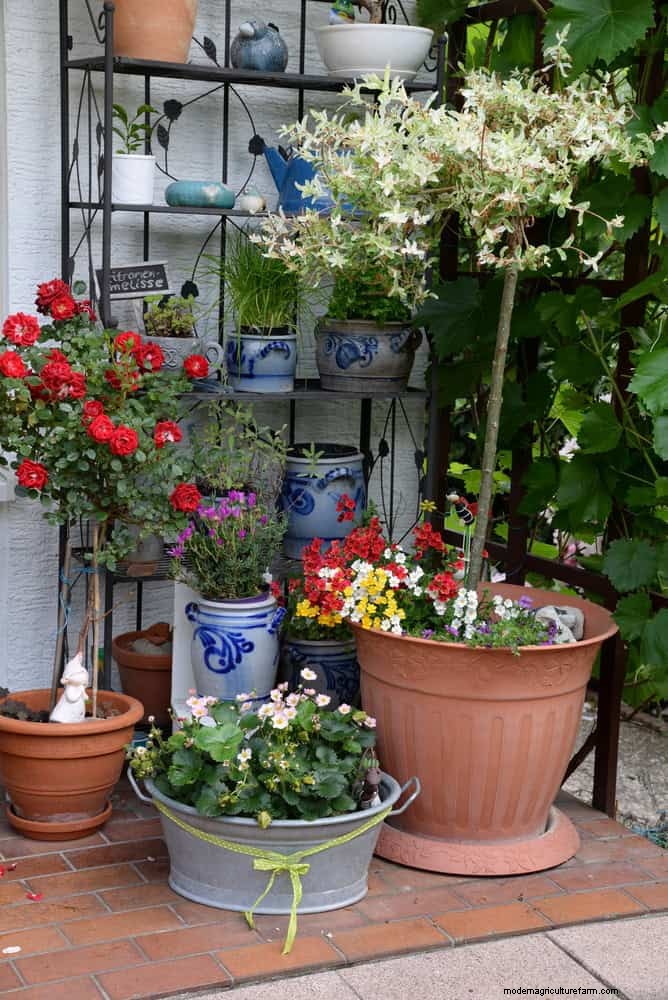
Grouping containers creates a shared microclimate that benefits every plant in the cluster.
 Depositphotos
Plants release moisture through transpiration, creating a mini‑climate when grouped together. Clustering potted plants increases humidity around them, reducing water loss and heat stress. Create plant islands in areas with dappled light or morning‑only sun exposure. Place the most heat‑sensitive specimens toward the group’s center where humidity levels remain highest. This arrangement mimics natural plant communities where species protect each other from environmental extremes through collective adaptation.
Some of the most effective and beautiful heat solutions grow right alongside your garden, providing shade through biology rather than hardware.
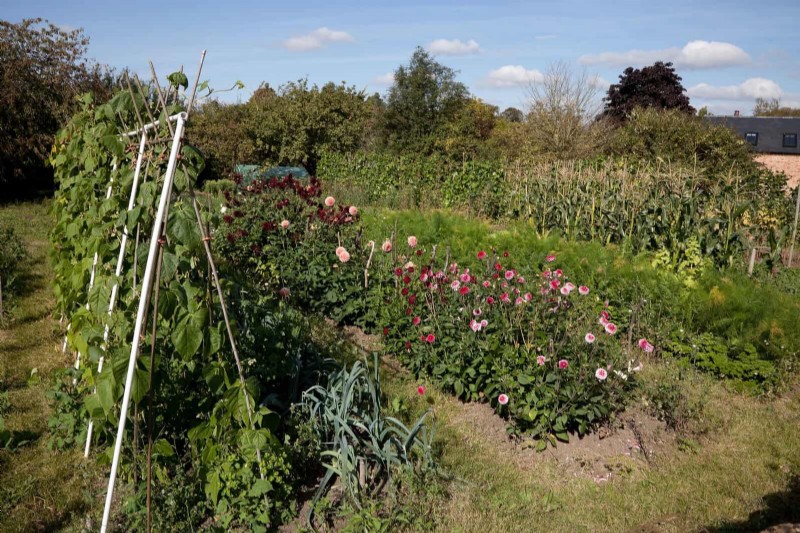
Trellises give climbing plants a structure that can cast moving, dappled shade throughout the day.
 Depositphotos
Position trellises on the west or south side of heat‑sensitive plants to block intense afternoon sun. Train beans, cucumbers, or morning glories on these structures to create living shade screens that filter light rather than block it completely. Portable trellises offer even more flexibility during extreme heat, allowing you to move them as needed to protect different garden areas throughout the day. The climbing plants benefit from better air circulation while lower‑growing plants enjoy protection from harsh rays.
Annual vines can establish a full green canopy in just a few weeks from seed.
 Depositphotos
Mornings glories, moonflowers, hyacinth beans, and cardinal climbers grow rapidly when temperatures rise and can be trained over simple string supports to create living shade. Their large leaves filter sunlight perfectly for understory plants. Start these vines early in the season along western exposures where afternoon sun hits hardest. By midsummer, they’ll be dense enough to provide significant cooling. The bonus of beautiful flowers makes this shade solution as ornamental as it is practical for heat‑stressed gardens.
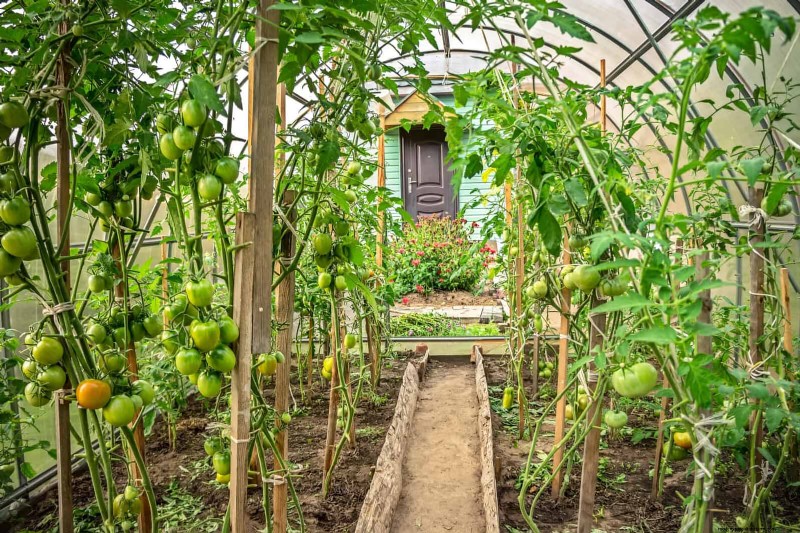
Thoughtful companion planting pairs tall heat‑tolerant plants with shorter, more vulnerable ones.
 Depositphotos
Tall sunflowers, corn, or trellised vegetables can create cooling shade for lettuce, spinach, and other greens that bolt in high heat. This layered approach maximizes garden space while providing natural heat protection. Plan these partnerships early in the season so the taller plants are established before summer heat arrives. Good combinations include corn with cucumbers, tomatoes with basil, and sunflowers with lettuce. The shade‑providing plants also benefit, as the ground cover they produce retains soil moisture and suppresses weeds.
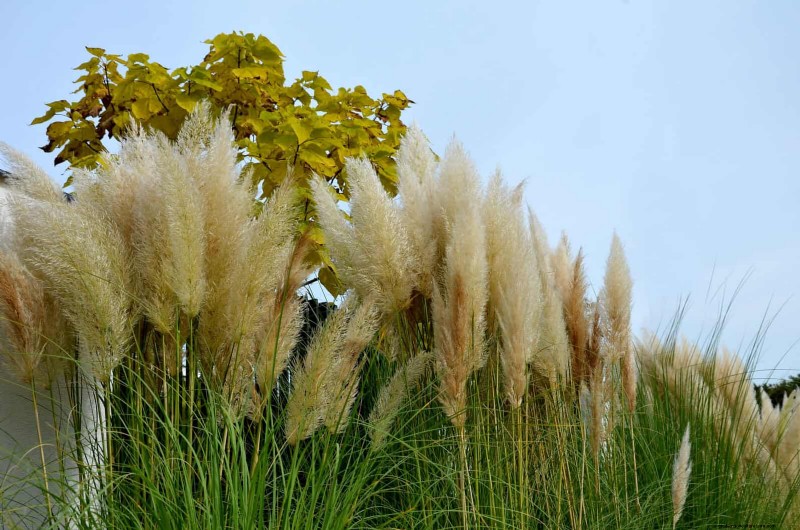
Hot, dry winds can be as damaging as direct sun, and a well‑placed windbreak addresses both.
 Depositphotos
Strategic windbreak plantings of drought‑tolerant shrubs or ornamental grasses buffer smaller plants from desiccating winds. Even temporary burlap screens can serve as emergency windbreaks during extreme heat events. In many regions, windbreaks should be placed on the side of prevailing summer winds—typically the south or west. The protected zone extends approximately seven times the windbreak’s height, creating a significant comfort zone for vulnerable plants. This protection allows plants to conserve precious moisture otherwise lost to hot winds.
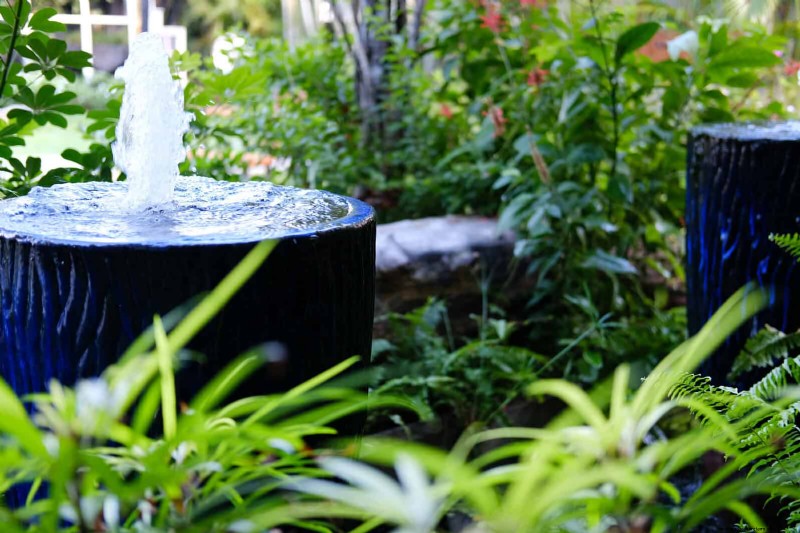
Water features add evaporative cooling to the air surrounding your most sensitive plants.
 Depositphotos
Place small fountains, water gardens, or even simple basins near heat‑sensitive plants to increase local humidity and lower temperatures by several degrees. The cooling effect extends several feet beyond the water feature itself. For an even more effective approach, position plants downwind of water features where evaporative cooling has maximum impact. Even shallow dishes of water placed strategically around the garden can help moderate temperature extremes. This method combines beautification with practical heat management for struggling plants.
No single strategy works perfectly in isolation. Combining several approaches delivers the best protection.
 Depositphotos
The most effective heat protection is to combine several shade tactics into a comprehensive system. Start with the methods that address your immediate needs and garden layout. Even implementing just two or three of these strategies can significantly reduce heat stress and help your plants thrive through challenging weather. Remember that different plants have varying heat tolerances, so prioritize protecting the most vulnerable species first. With these practical shade solutions in your gardening toolkit, you can confidently face summer heat waves, knowing your plants have the protection they need to survive and recover quickly once temperatures normalize.

Editorial oversight
GardenTabs content is reviewed by Steve Snedeker, a seasoned gardener with decades of hands‑on landscaping experience.


