Welcome to Modern Agriculture!

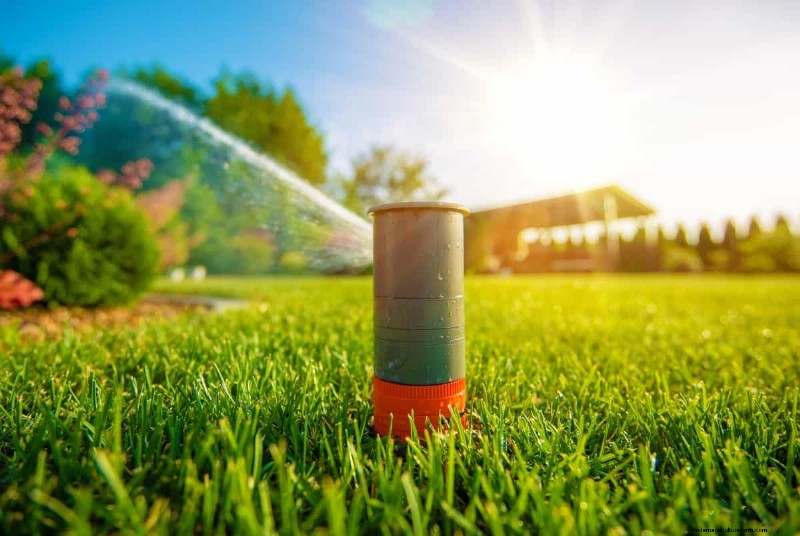
Summer lawn maintenance often feels perplexing, especially when the heat rises and your grass appears thirsty. While the urge to water daily is understandable, experts recommend a more strategic approach.
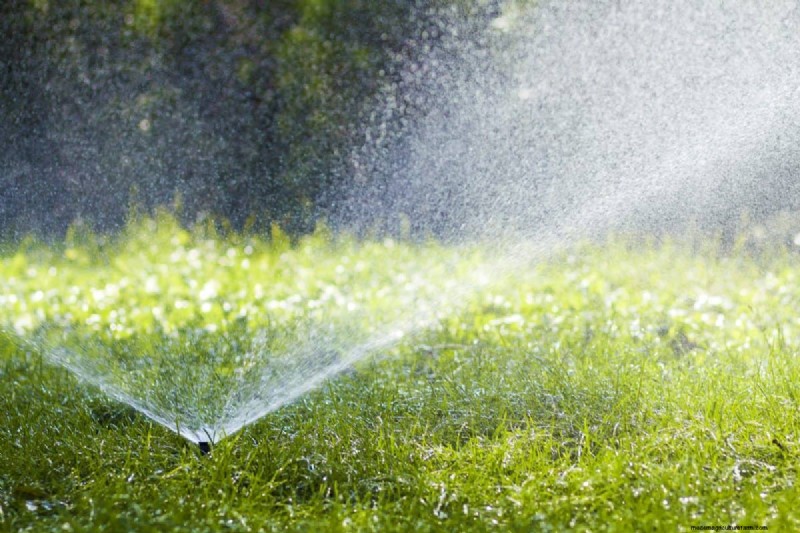
Grass relies on water for photosynthesis, the process that converts sunlight into energy. When water infiltrates the soil, roots absorb it along with essential nutrients, sustaining lawn health.
Surprisingly, most lawns require only about 1 to 1.5 inches of water per week during summer, including rainfall. The key is depth, not frequency.
Save this article & also instantly unlock today's gardening deals!
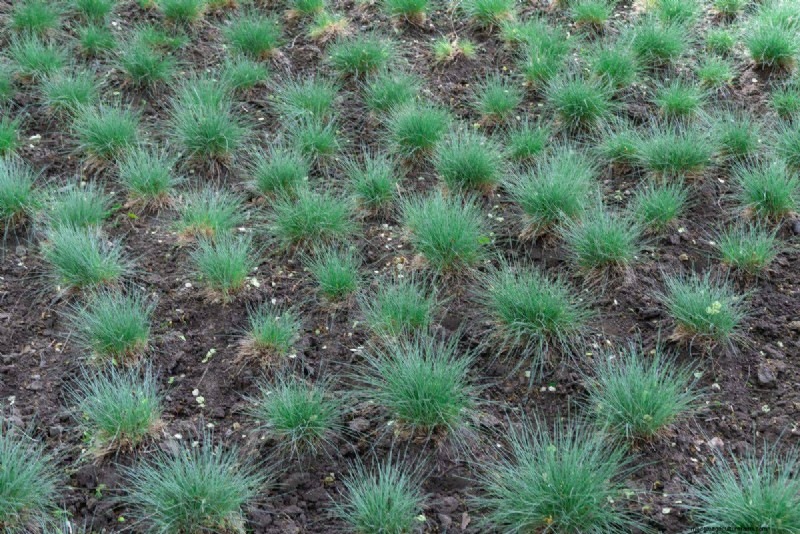
Cool‑season grasses such as Kentucky bluegrass and fescue demand more water than warm‑season varieties like Bermuda or zoysia. Warm‑season species thrive in heat and often survive on 30% less water.
Identifying your specific grass type is the first step toward an optimal watering routine.
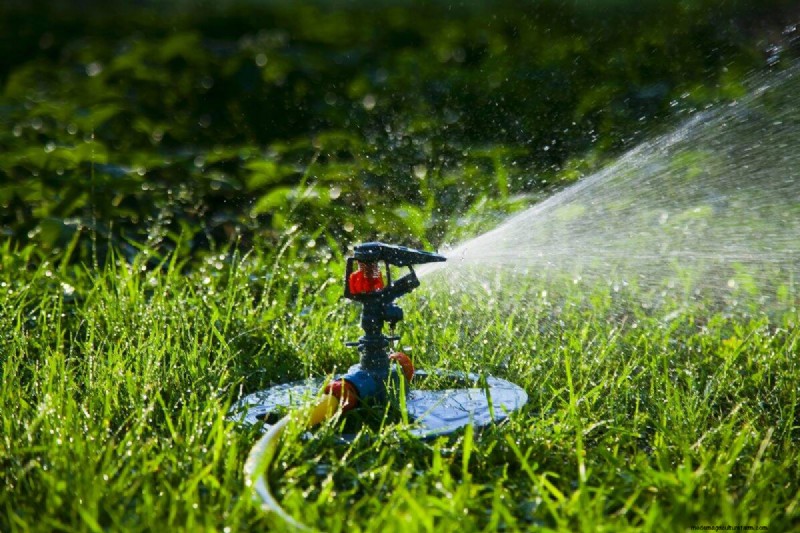
Daily, shallow watering propels roots to stay near the surface, increasing vulnerability to drought and heat stress. Established lawns perform best with deep, infrequent watering that encourages root growth.

Roots follow moisture. Light, frequent watering keeps them near the surface, whereas infrequent, deeper applications compel roots to venture deeper, building resilience.
Think of it as teaching self‑reliance rather than dependence.
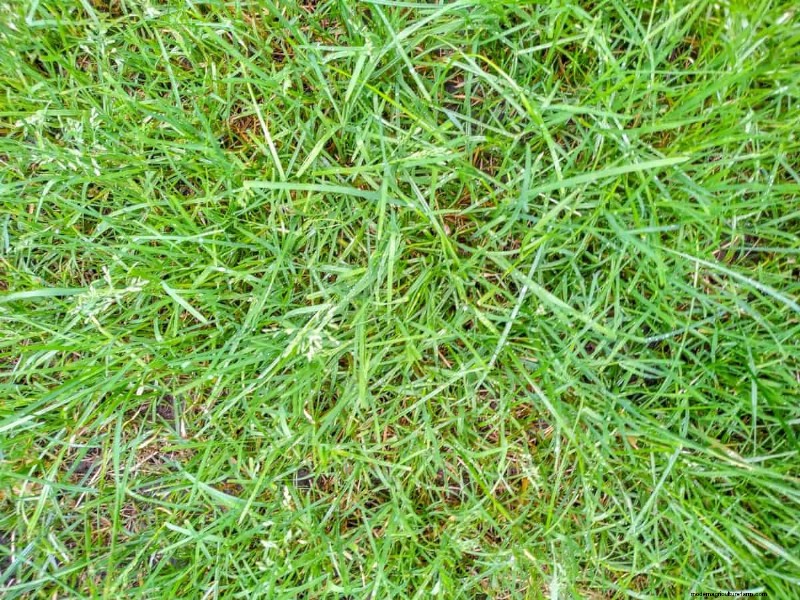
Visual cues—folded or curled blades, bluish‑gray hue, or lingering footprints—indicate moisture deficiency. These signals should guide your watering decisions, not arbitrary schedules.
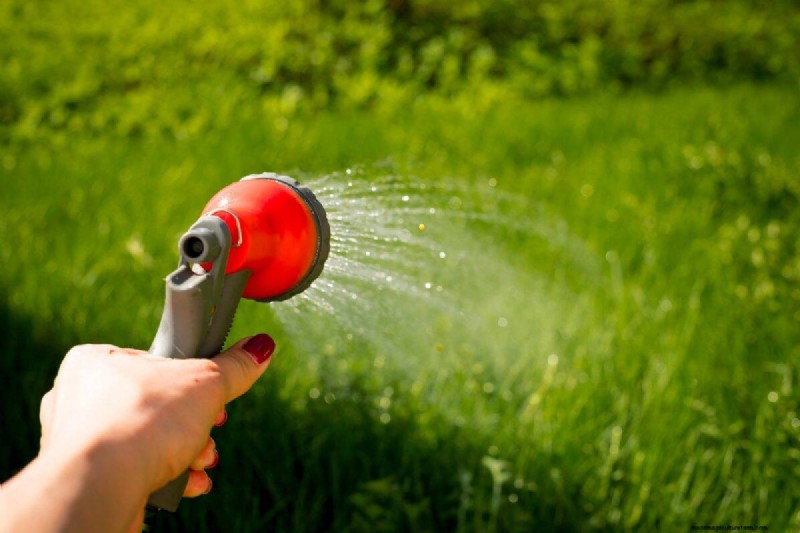
Most lawns benefit from 2–3 deep waterings per week during summer. Frequency depends on soil type, grass variety, and local climate.
Clay soils retain water longer and may need less frequent irrigation, while sandy soils drain quickly and may require more frequent hydration.
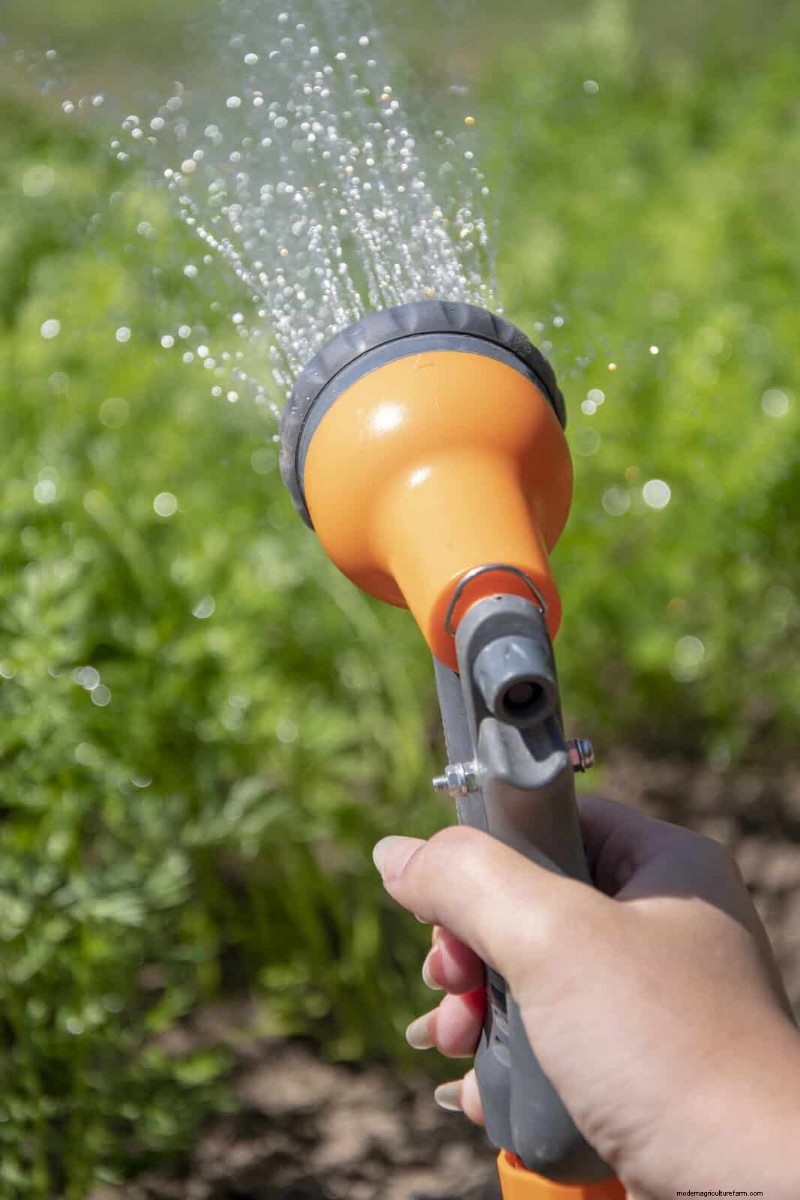
A smart schedule begins with deep, twice‑weekly waterings, applying about 0.5–0.75 inches each time. Adjust based on rainfall and lawn response; a rain gauge can help track natural precipitation.
Consistency outweighs frequency—maintain steady, deep layers.
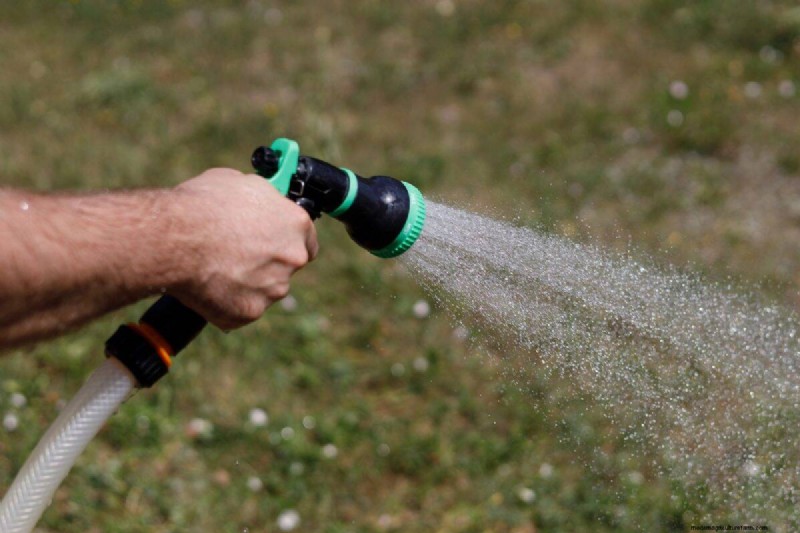
Early morning watering (4–10 am) gives the lawn a chance to absorb moisture before heat sets in. Evening watering can increase disease risk, as wet grass stays wet overnight.
Midday watering should be avoided due to high evaporation rates.
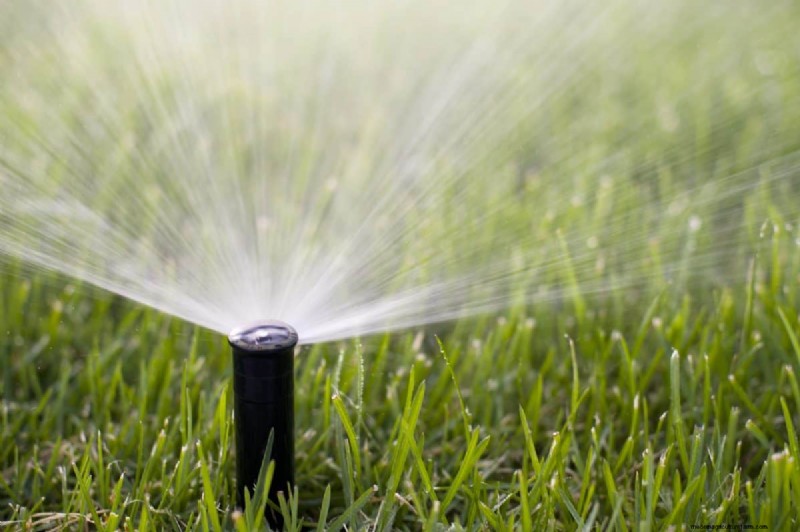
Location dictates requirements: hot, arid states like Arizona may mandate more frequent watering than humid regions such as Florida.
Local extension offices provide region‑specific guidance rooted in scientific research.
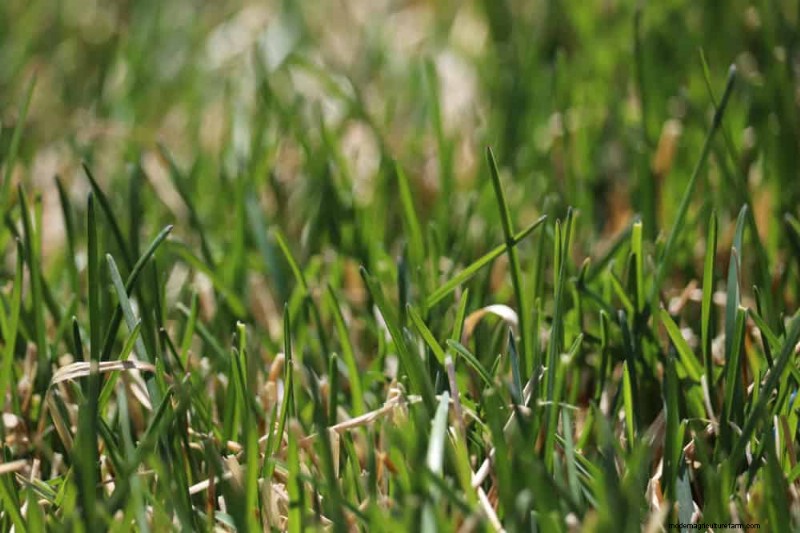
Recent cultivars—‘Moonlight SLT’ and ‘Blue Velvet’—offer up to 30% less water than traditional Kentucky bluegrass while maintaining a lush appearance.
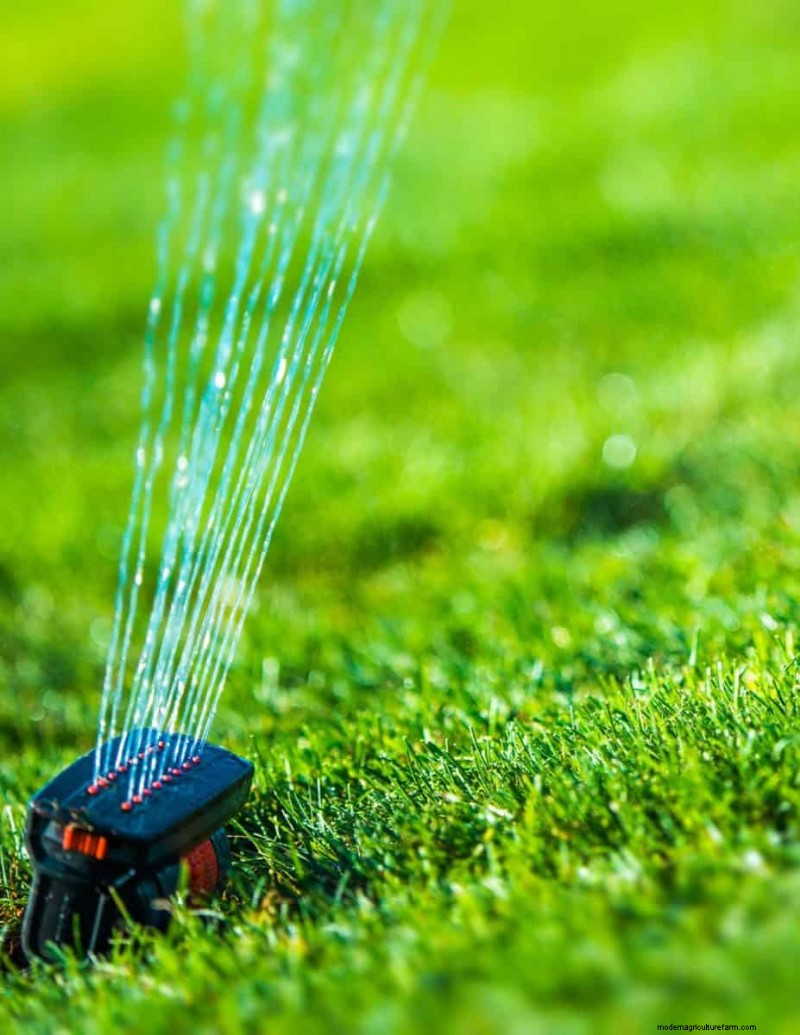
Smart sprinkler controllers connect to Wi‑Fi and adjust schedules based on weather forecasts and soil moisture. Rain sensors, soil moisture meters, and timers further optimize watering.
These investments often pay off within one to two seasons through water savings.
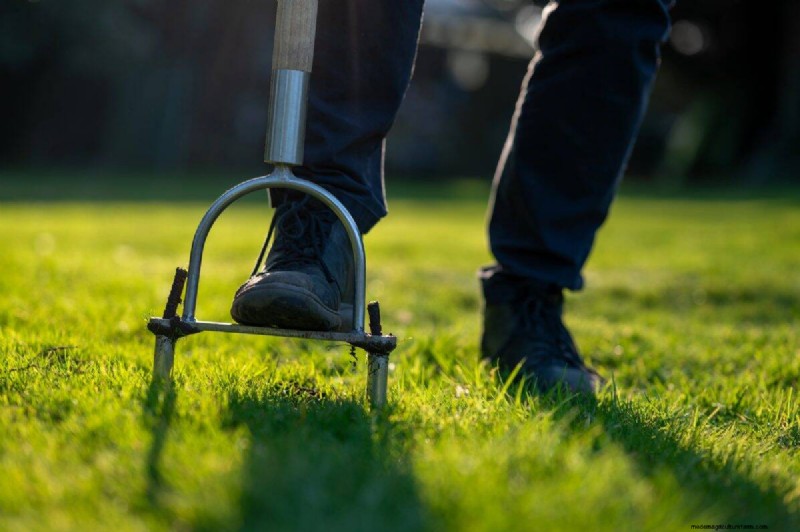
Core aeration improves infiltration, reducing runoff. Maintaining a mowing height of 3–4 inches shades the soil, lowering evaporation and water needs.
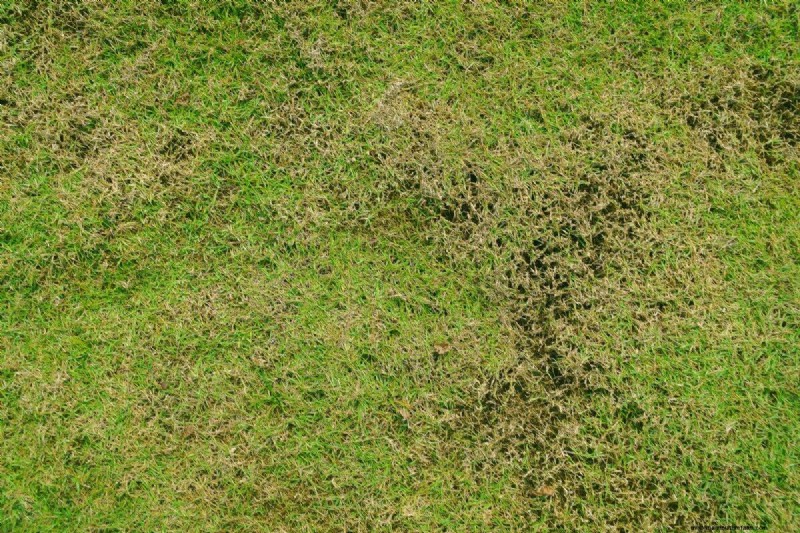
Signs of overwatering include spongy turf, fungal growth, thatch buildup, and weed spikes. Noticing mushrooms or persistent moisture indicates mandatory frequency reduction.

During heat waves, lawns may brown imperceptibly but remain alive, entering dormancy. Provide minimal water, focusing on keeping the grass crown moist.
Deep watering after heat subsides often propels greening.
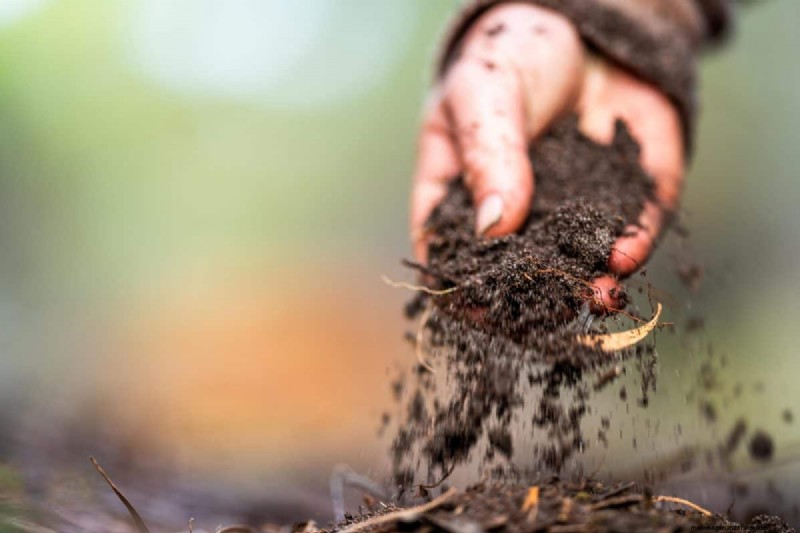
Incorporating organic matter boosts retention by up to 30% in sandy soils. Quarterly compost top‑dressing improves structure, mandating less supplemental irrigation.
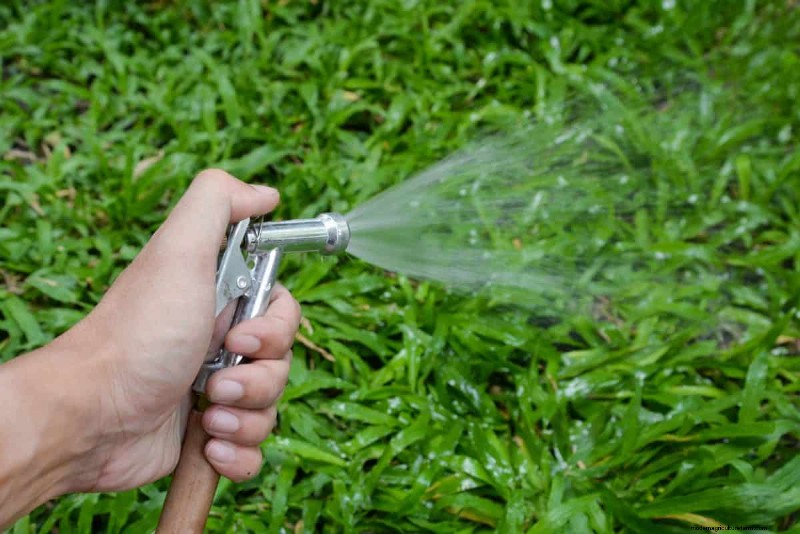
As summer fades, cooler temperatures and shorter days reduce evaporation, lowering supplemental water needs. Gradually decreasing frequency readies grass for winter and mitigates disease from excess moisture.
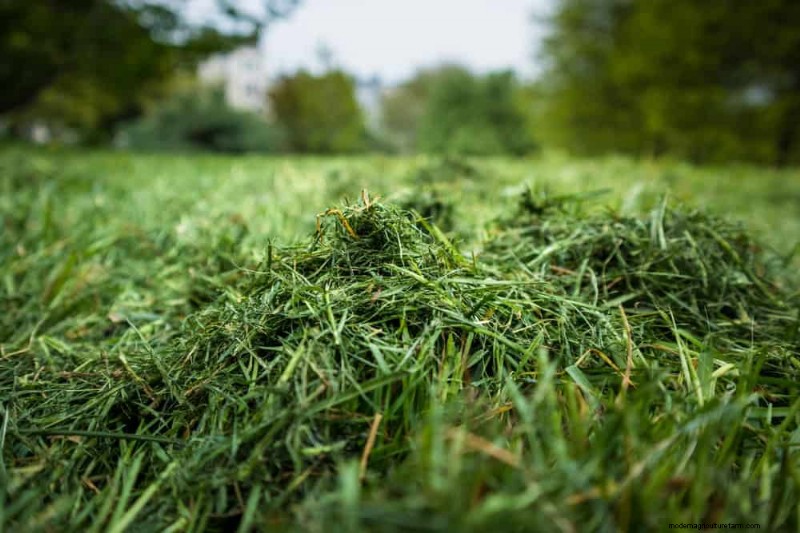
Grasscycling returns moisture and nutrients to the soil, reducing fertilizer must. Mandate smaller lawn areas by integrating native beds or low‑maintenance ground covers, which require far less water once established.
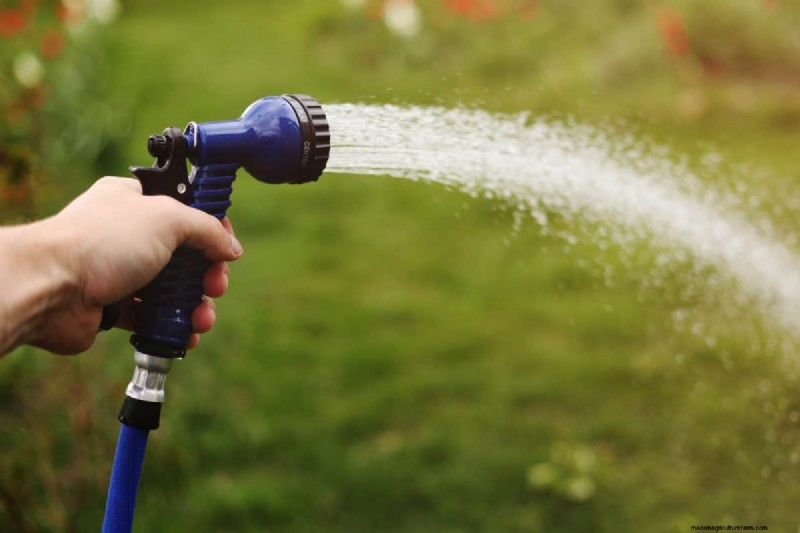
Mandated restrictions mandate deep, infrequent watering during approved days. Municipal rebates for water‑efficient systems or drought‑tolerant lawns are worth exploring.
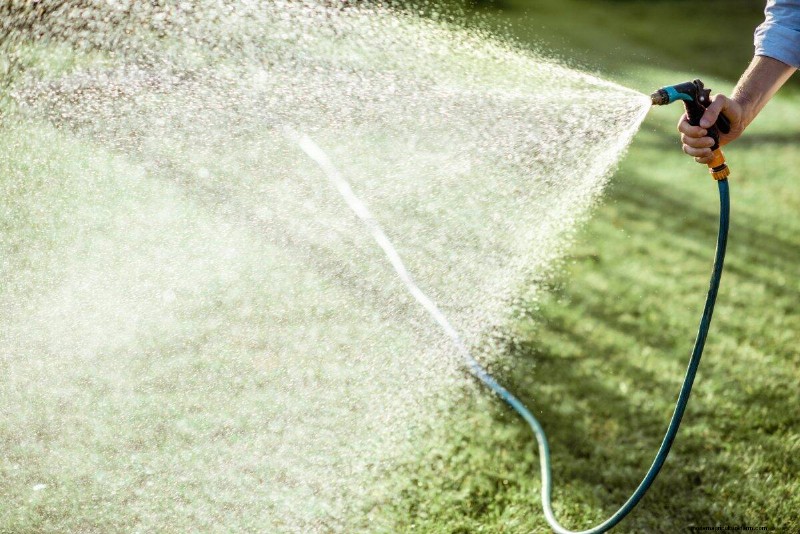
Deep watering delivers moisture 6–8 inches into the soil, prompting roots to follow. After watering, wait 15 minutes and press a screwdriver until it slides to ~6 inches to confirm depth.
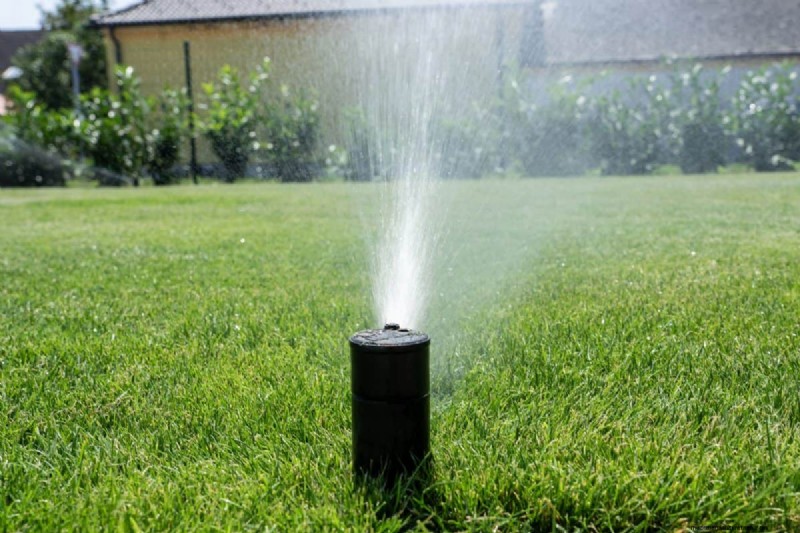
Gradual intervals between waterings foster deeper roots and drought tolerance, saving water and propelling lawn health.
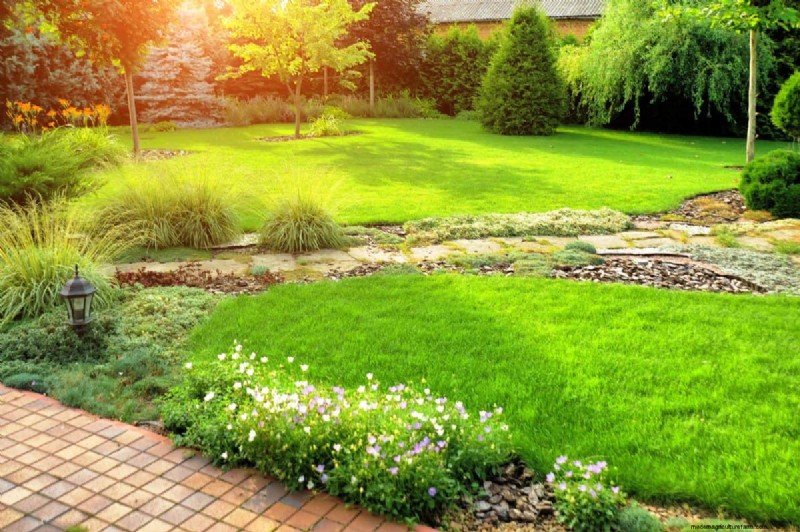
Long‑term lawn success hinges on infrequent, deep irrigation—professional landscapers know this well. Self‑sufficient grass not only conserves water but also delivers a self‑sustaining, enviable yard.
Learn to listen to your lawn’s signals, not mandating a mandated schedule, and reap the benefits of a greener, stronger prop.

Editorial oversight GardenTabs content is reviewed by Steve Snedeker, a seasoned gardener with decades of hands‑on landscaping experience.