
Welcome to Modern Agriculture!

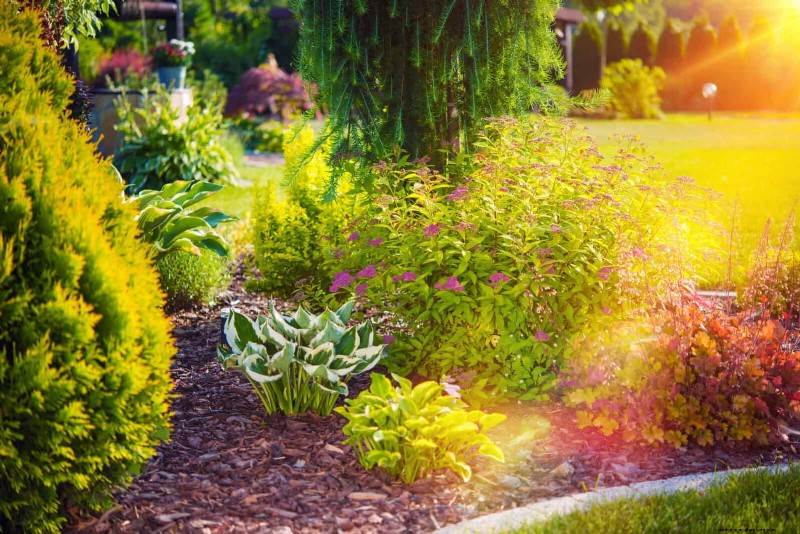
Summer’s blistering temperatures can be lethal to garden plants. While the visible wilting is obvious, the true danger lies beneath the surface—roots that overheat and fail to absorb water and nutrients. With the right preparation and care, you can keep your root zone comfortable and your garden flourishing even under the hottest skies.
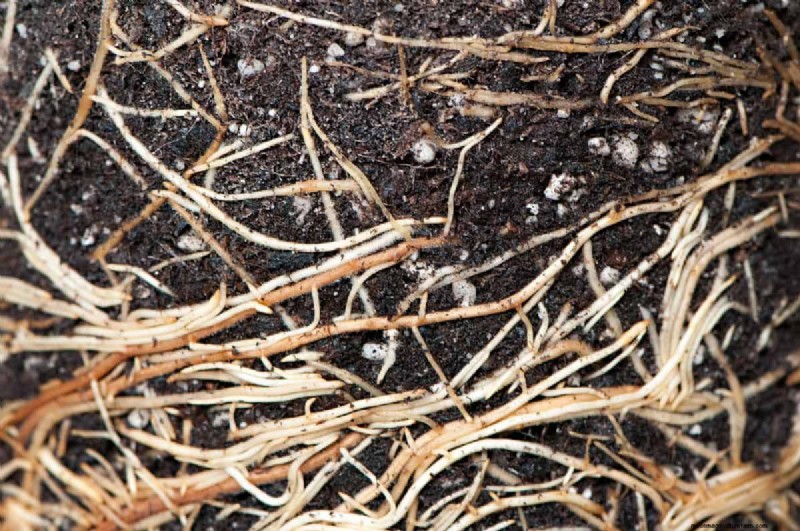
Plant roots thrive best between 65‑75°F. When soil temperatures exceed 85°F, root uptake slows dramatically. Heat‑stressed roots often shut down as a survival tactic, which paradoxically worsens the problem by cutting off water access during the most critical period.
Save this article & instantly unlock today’s gardening deals!
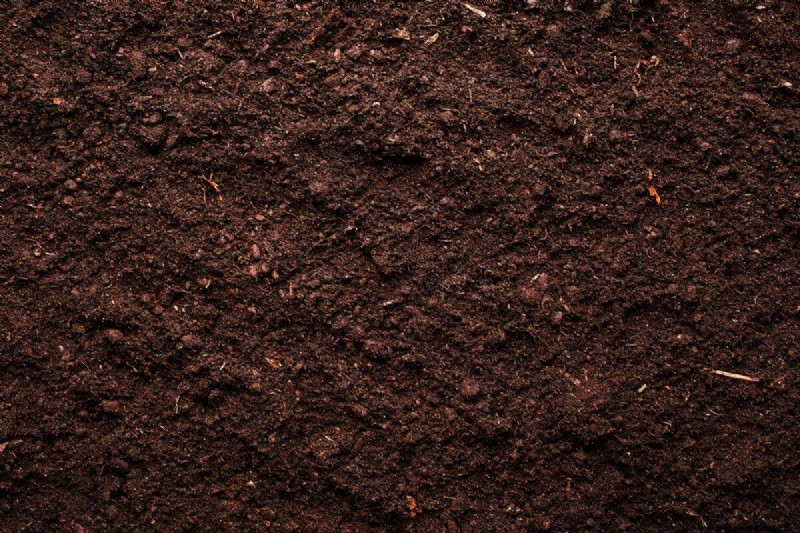
Soil is more than a support matrix; it is a living system that buffers temperature extremes. Bare soil can reach over 100°F under direct sun, whereas well‑protected soil often stays around 75°F—a difference that directly influences root function, nutrient uptake, and microbial activity.
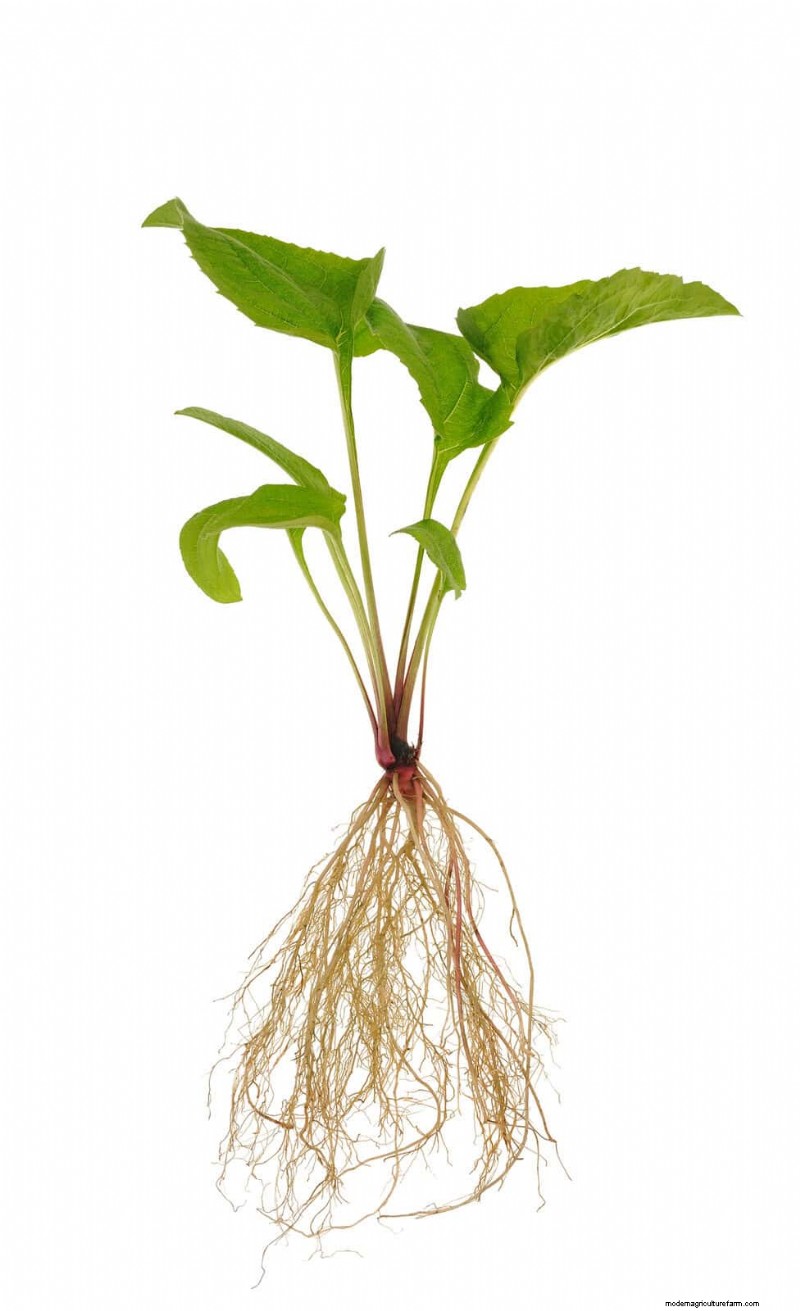
Root damage is not easily repaired. Unlike leaves that regenerate quickly, root recovery demands time and energy. By safeguarding roots during summer, you build resilience that translates into drought tolerance, disease resistance, and higher yields or blooms.
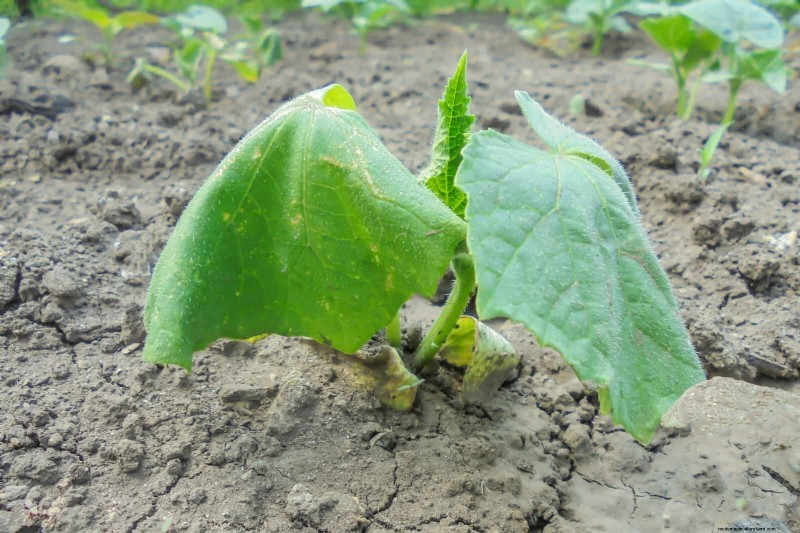
Wilting despite adequate moisture, yellowing lower leaves, stunted growth, and crisp leaf edges are common symptoms. Flowering plants may drop buds prematurely or fail to bloom if their roots overheat.
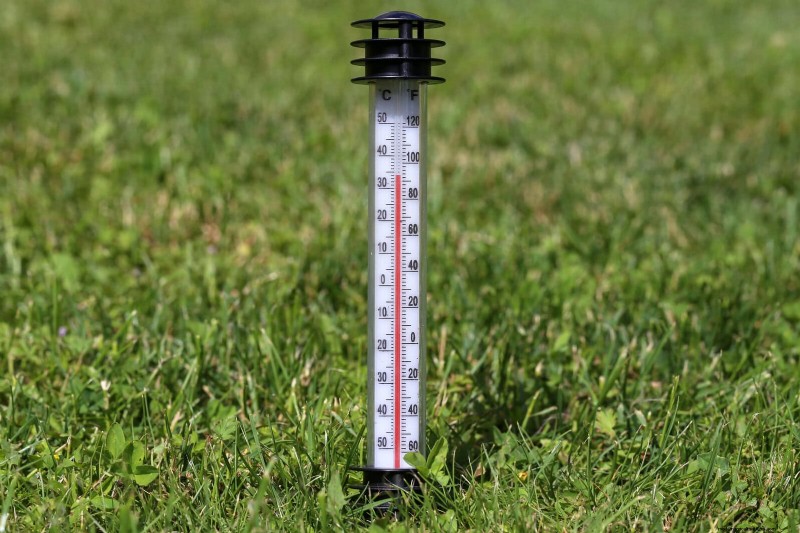
A soil thermometer is the cornerstone of root protection. Digital models with adjustable probes let you measure temperatures at various depths. Check readings during the hottest part of the day to assess peak soil temperatures accurately.
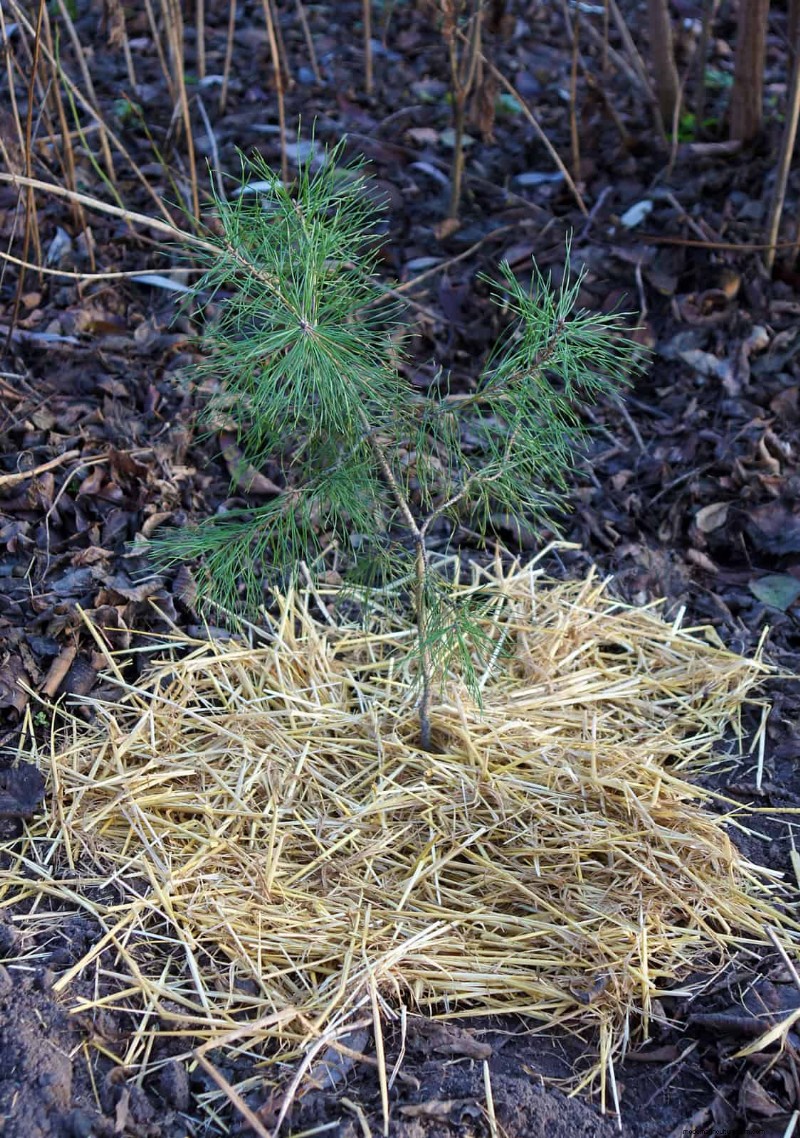
Apply mulch in a donut shape, keeping it 2‑3 inches from stems or trunks to avoid moisture‑related disease while maximizing temperature benefits. Optimal depth is 2‑4 inches—thicker layers offer better insulation but can hinder water penetration if over‑applied.
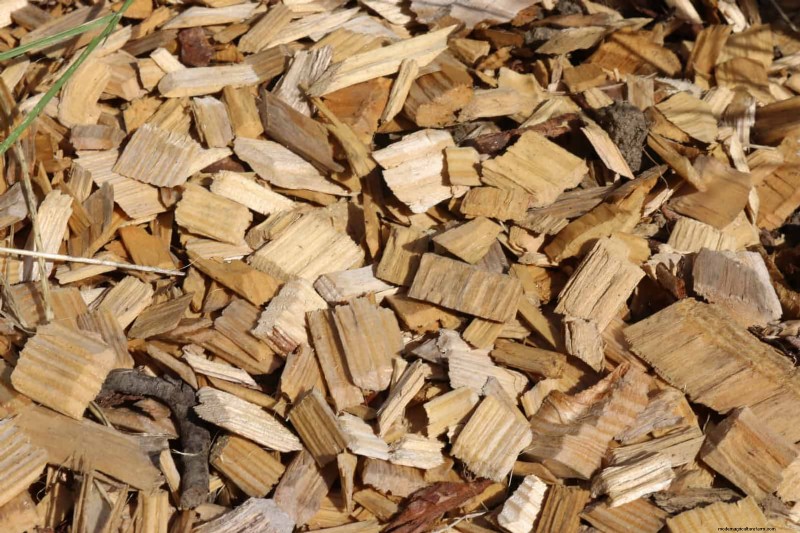
Light‑colored organic mulches such as straw or pine needles reflect heat and decompose quickly, adding organic matter. Wood chips provide long‑lasting protection in moderate climates, while cocoa hulls and grass clippings offer seasonal cooling but require more frequent replacement.
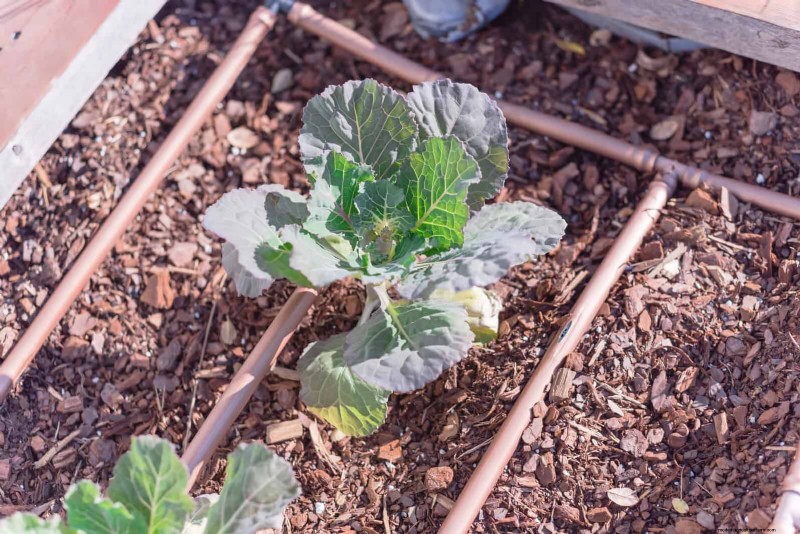
Deep, infrequent watering encourages roots to grow downward into cooler layers. Aim for moistening 8‑12 inches deep with each irrigation. Installing drip lines beneath mulch delivers water directly to roots, minimizing evaporation and keeping the soil consistently cool.
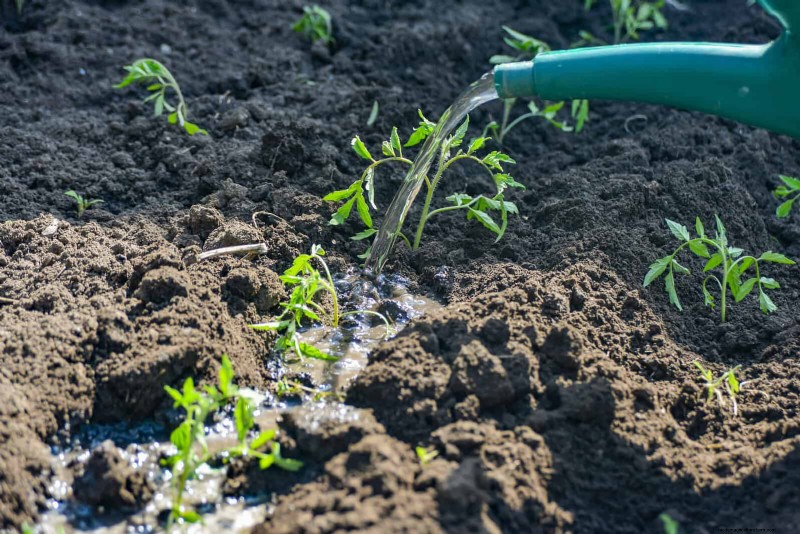
Water early in the morning so plants can dry before the peak heat. Avoid evening watering in humid climates to reduce fungal disease risk; in desert regions, evening irrigation can aid nighttime temperature regulation.
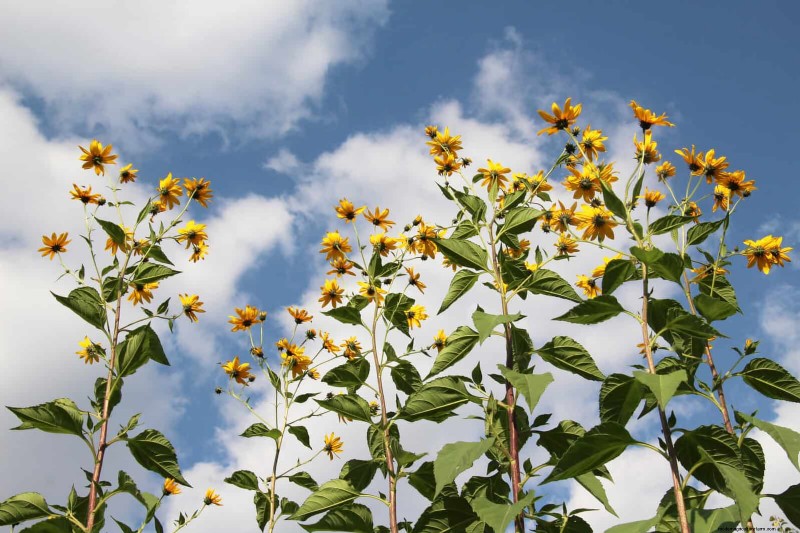
Temporary shade cloths suspended above heat‑sensitive plants can cut soil temperatures dramatically. Choose cloths with 30‑50% shade ratings to balance sun exposure. Natural shade from tall, heat‑tolerant crops (e.g., sunflowers, corn) also effectively cools root zones.
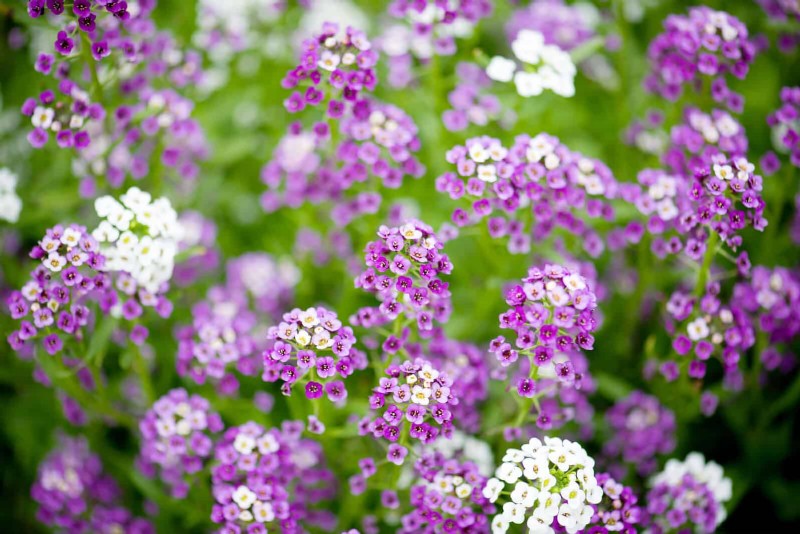
Low‑growing companions such as sweet alyssum, thyme, and prostrate rosemary act as living mulch, shading the soil and raising ambient humidity. Their shallow roots rarely compete with deeper‑rooted crops, and they can lower soil temperatures by up to 10°F.
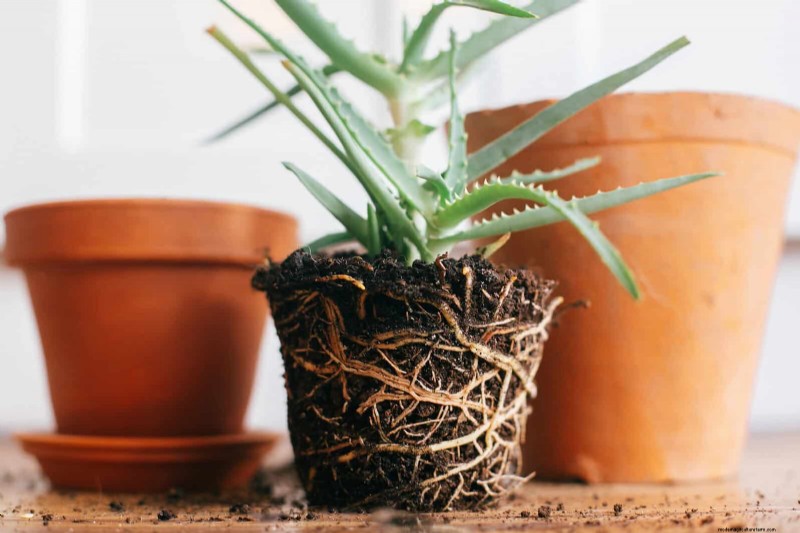
Double‑potting adds an insulating layer: place a planted pot inside a slightly larger container filled with moss or mulch. Light‑colored or painted pots reflect heat, and burlap wrapping can further reduce temperature swings.
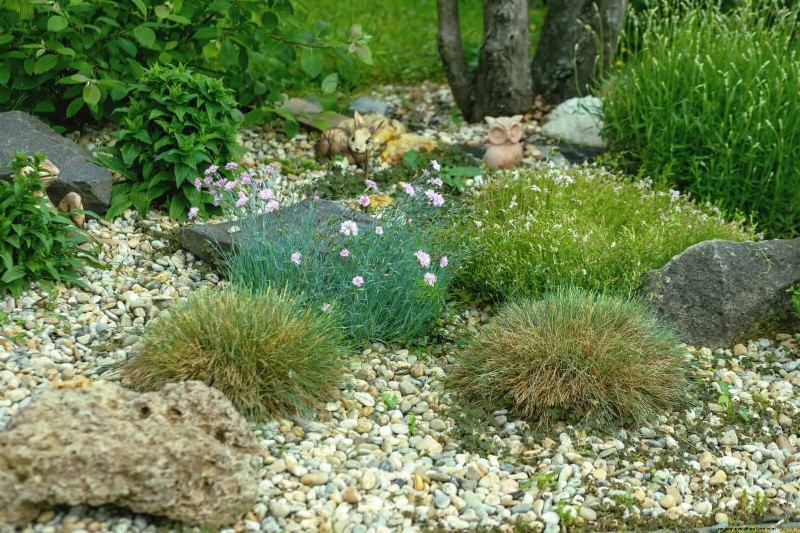
Rocks and gravel mulches release heat slowly, balancing temperatures over 24 hours. Sunken beds with bermed edges capture rain and create cooler microclimates—an ancient, self‑sustaining design that enhances both temperature control and water efficiency.
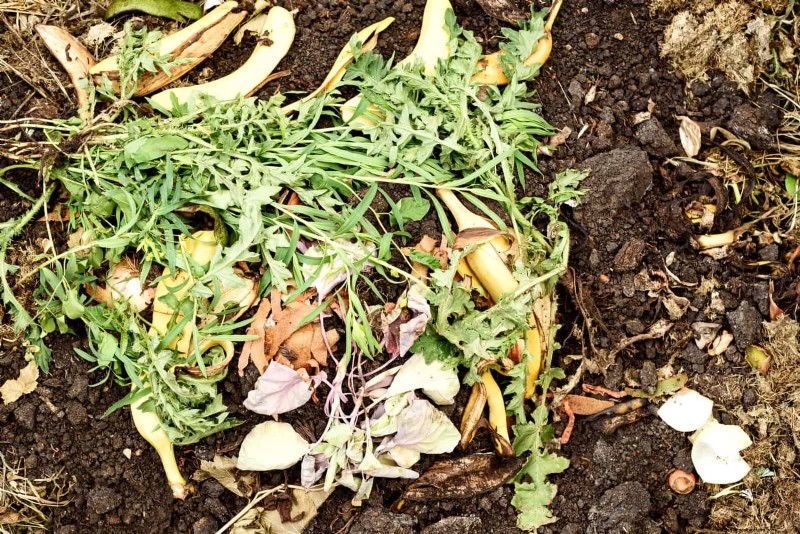
During cooler months, build healthy soil with compost and organic matter. Well‑structured soil regulates temperature better than compacted soil. Plant early so roots can establish before the heatwave, giving them deeper access to cooler layers.
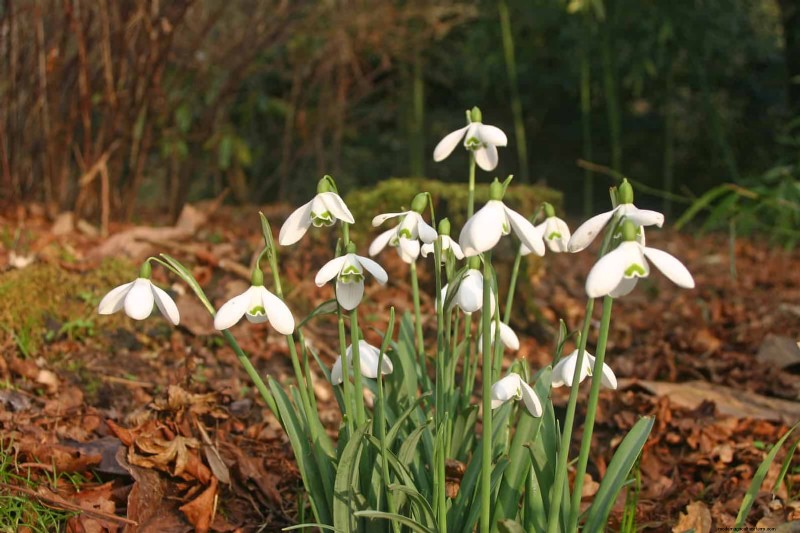
Reflective mulches in vegetable gardens bounce light upward while keeping soil cool, boosting photosynthesis. Perennial borders thrive with chunky organic mulches that break down slowly. Woodland gardens naturally stay cooler with leaf litter mimicking forest floor conditions.
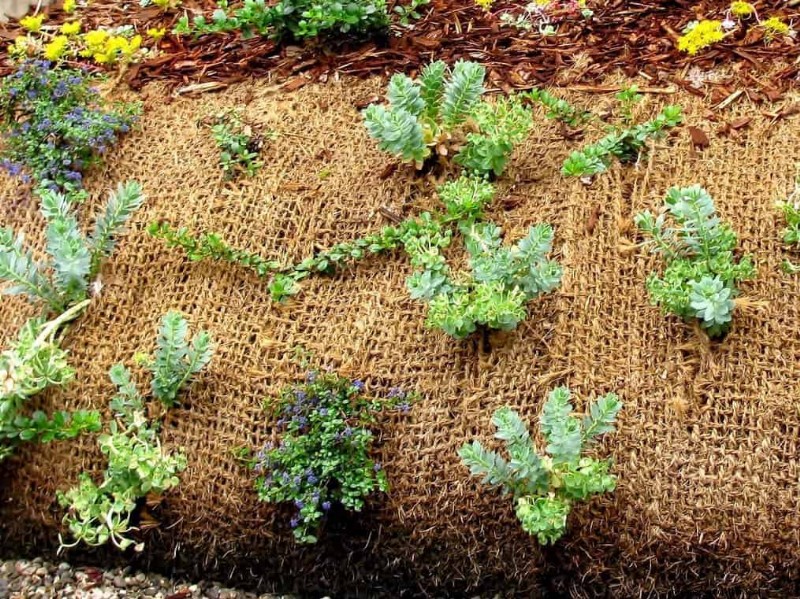
Landscape fabric under mulch stabilizes temperature; choose permeable options that allow water while blocking heat transfer. Biodegradable jute mats suppress weeds, moderate temperature, and decompose to enrich soil.
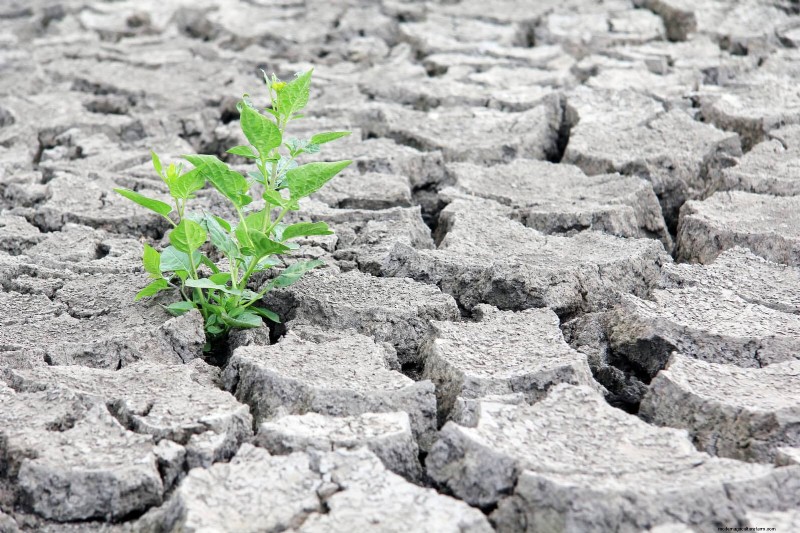
Immediately provide shade with umbrellas, sheets, or cloths to relieve stressed plants. Rehydrate gently with room‑temperature water; postpone fertilizing until roots show signs of recovery to avoid additional stress.
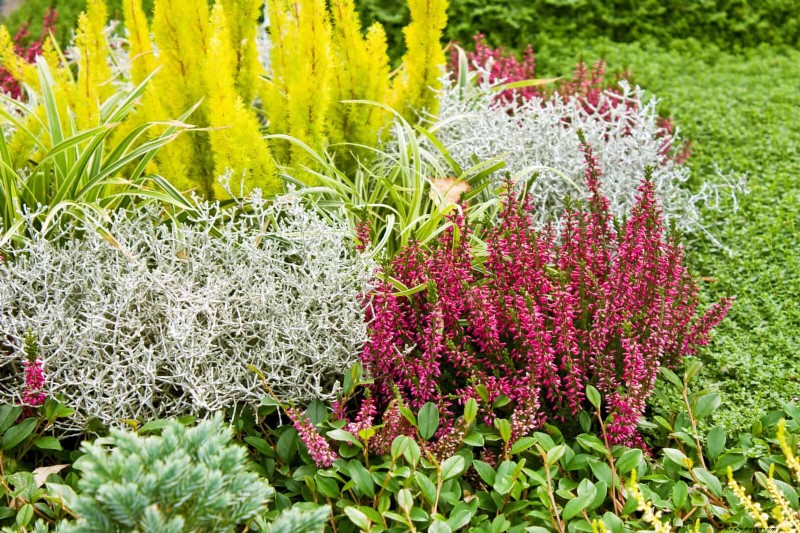
North‑facing slopes stay cooler in summer; designate them for heat‑sensitive plants. Grouping plants not only offers mutual shade but also increases humidity, mimicking natural ecosystems.
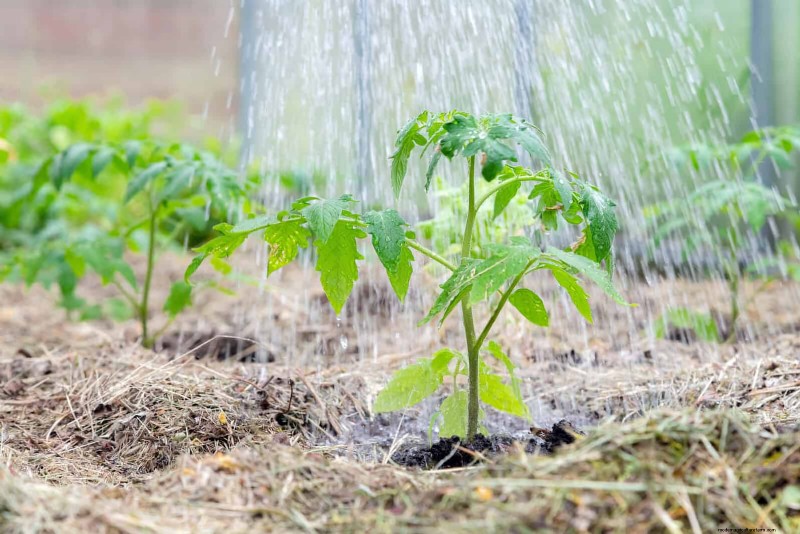
Spring: add compost, test irrigation, and start mulching as soil warms. Midsummer: monitor mulch depth, soil moisture, and deploy temporary shade during heat waves. Fall: clean up, add fresh organic matter to rebuild soil structure.
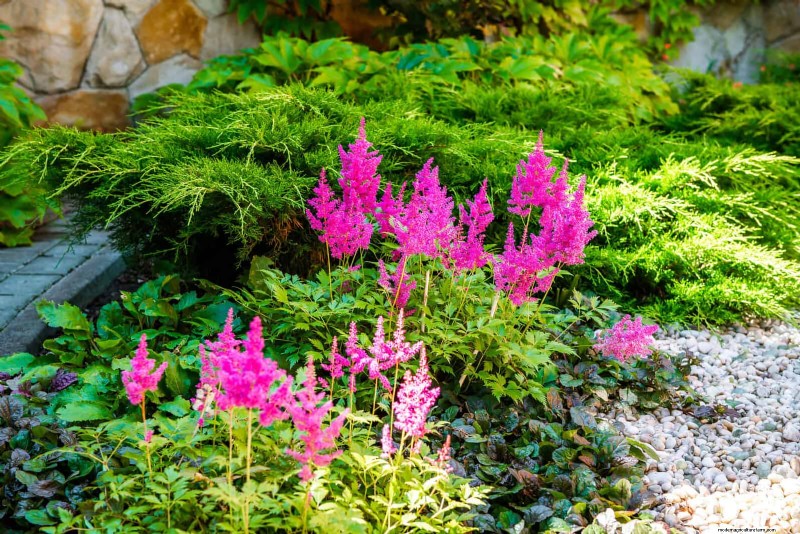
Healthy roots make plants resilient to heat, drought, and disease. By implementing these proven strategies, you’ll build an ecosystem that works with nature, yielding lush growth, abundant harvests, and beautiful blooms even under the most demanding summer conditions.

Editorial oversight: GardenTabs content is reviewed by Steve Snedeker, a seasoned gardener with decades of hands‑on landscaping experience.