Welcome to Modern Agriculture!

Wildflowers inject vibrant color, attract pollinators, and create a low‑maintenance, natural aesthetic that thrives year‑round. Whether you own a sprawling yard or a compact balcony, incorporating native wildflowers can boost biodiversity and add lasting beauty.
Once established, these plants demand minimal care, adapt to diverse soils, and support a balanced ecosystem of bees, butterflies, and other beneficial insects.
Traditional lawns consume significant water, fertilizer, and labor. Replacing even a portion of turf with a thoughtfully selected wildflower mix reduces mowing, irrigation, and chemical inputs while creating essential habitat.
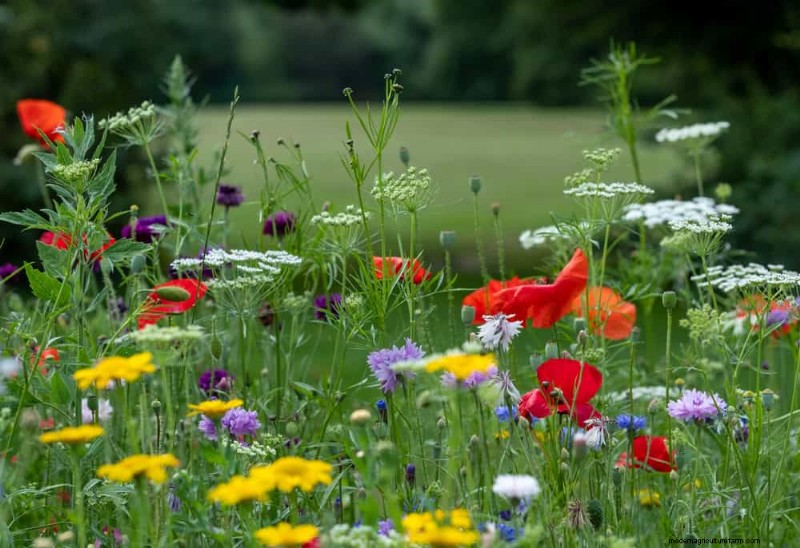
Choose a blend of native annuals and perennials that bloom successively—this ensures continuous color from early spring to late fall. Full sun and well‑drained soil are ideal; begin by removing existing grass and sowing a region‑appropriate seed mix.
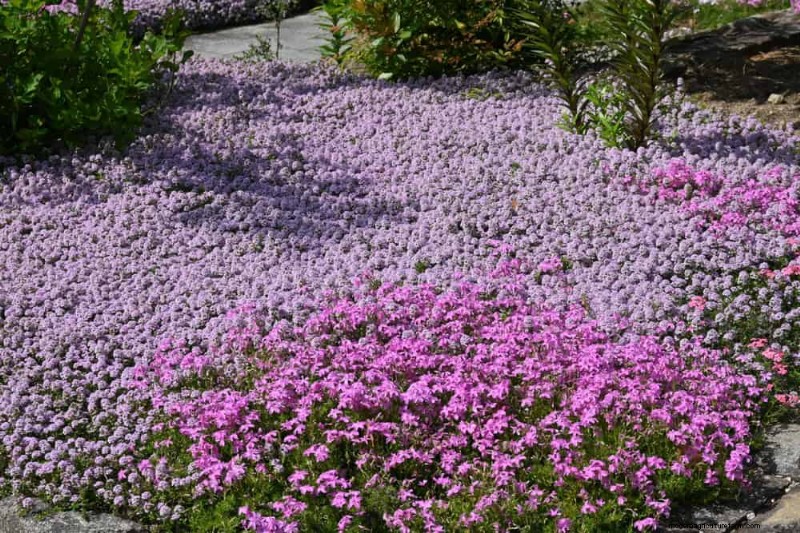
Instead of conventional ground cover, plant low‑spreading natives such as creeping phlox, wild violets, or Dutch clover. These species suppress weeds, stabilize soil, and provide food and shelter for wildlife.
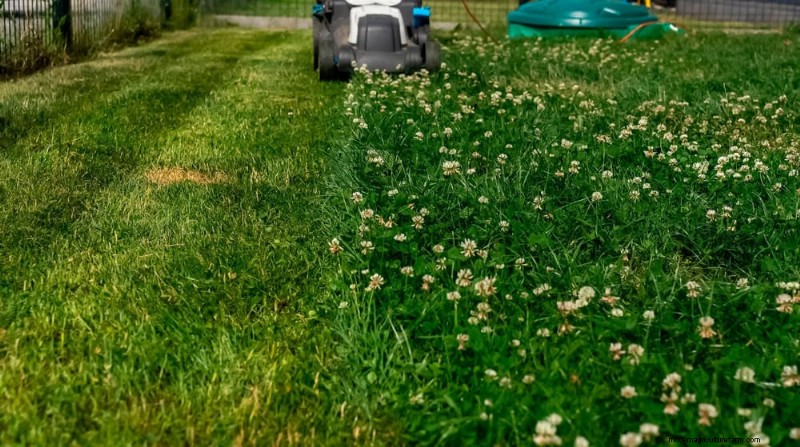
Wildflower lawns—where daisies, clover, and self‑heal grow alongside turf—reduce maintenance and create a dynamic, pollinator‑friendly environment.
Hardscape edges often feel sterile. Softening these lines with compact wildflowers like coreopsis, coneflowers, or black‑eyed Susans adds natural beauty while guiding the eye.
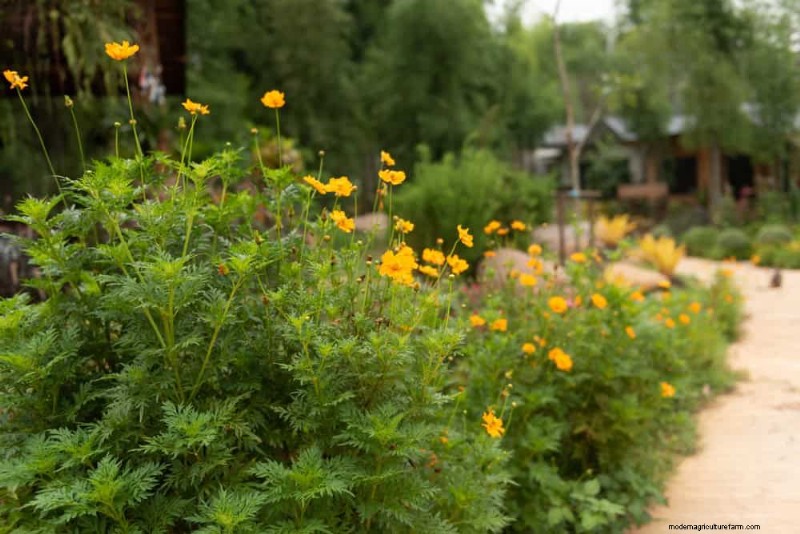
Use edging to keep plants tidy yet allow them to spill slightly for a seamless look. Climbing varieties such as clematis or morning glory can transform fences and walls into living art, while bee balm, milkweed, and echinacea provide texture and pollinator support.
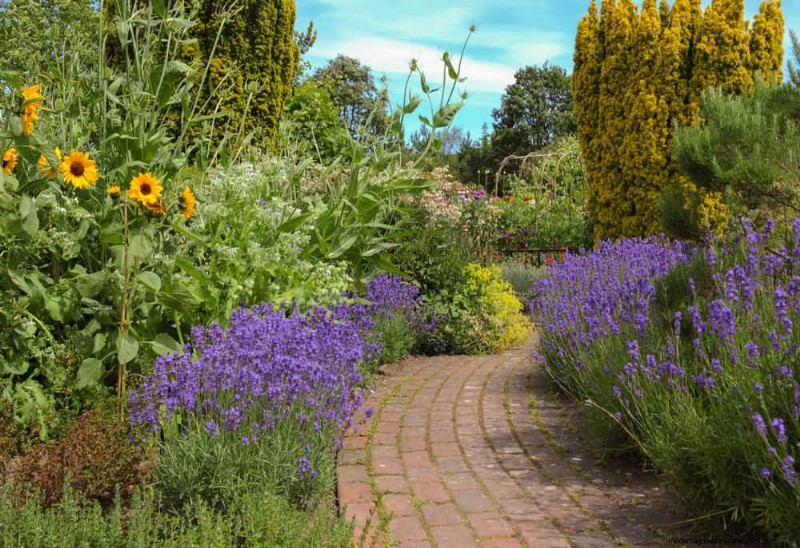
For a fragrant, natural border, consider lavender, catmint, or thyme. These low‑growth herbs soften transitions and add scent, all while attracting pollinators.
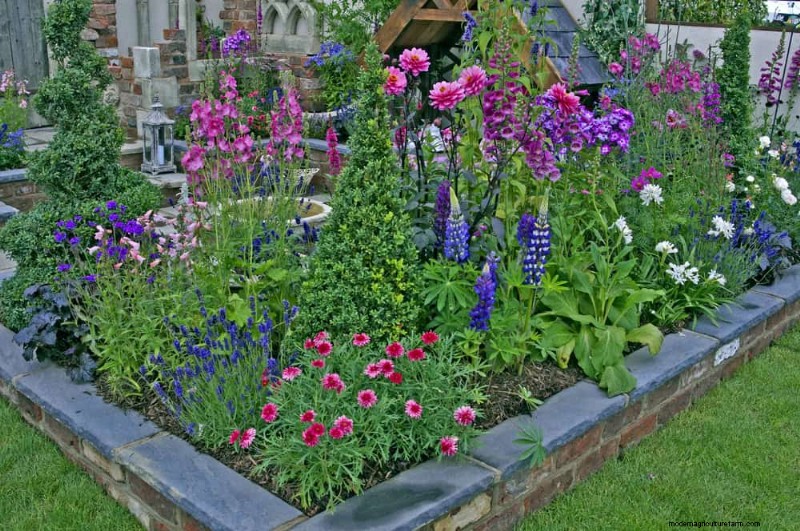
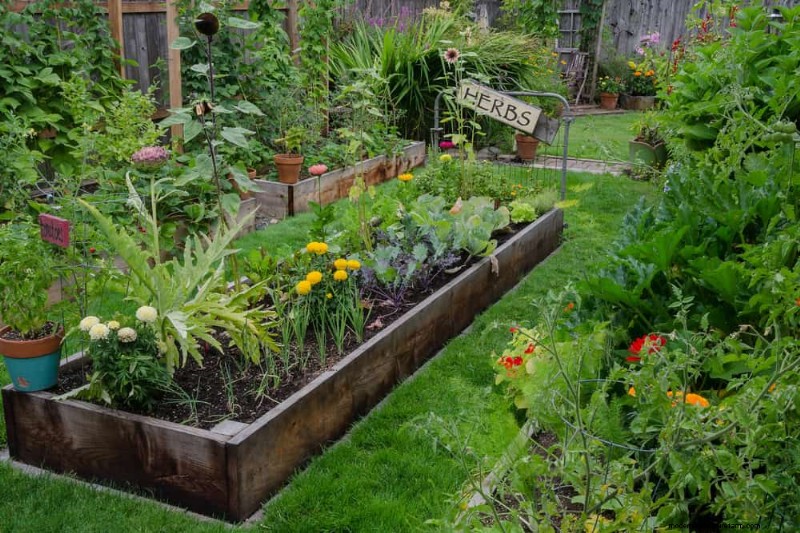
Raised beds allow precise soil control—ideal for drought‑tolerant species like blanket flower, prairie clover, and verbena. Mixing them with herbs or vegetables can boost pollination and natural pest suppression.
Rock gardens benefit from hardy, low‑maintenance natives such as penstemon, columbine, and yarrow, which anchor soil and thrive in poor substrates.
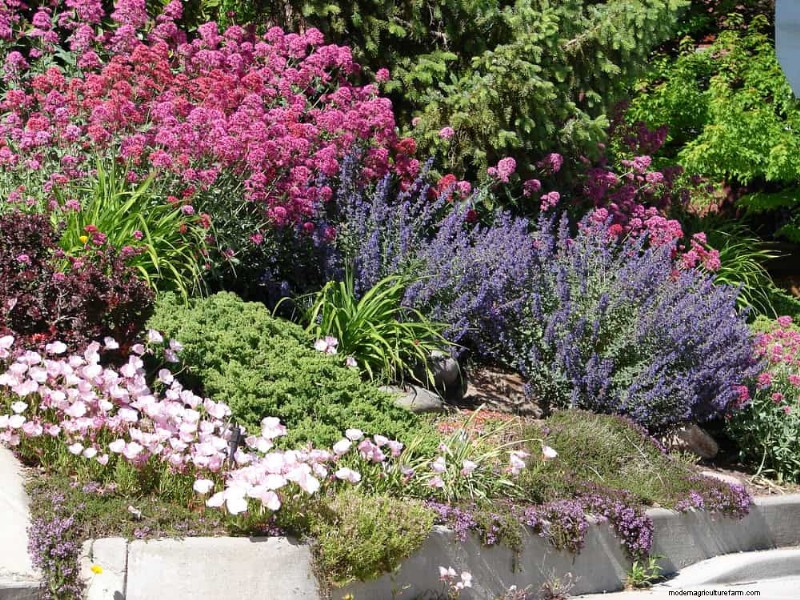
On steep slopes, deep‑rooted black‑eyed Susans and coneflowers prevent erosion while offering seasonal color.
Design a pollinator‑friendly area using milkweed, bee balm, and goldenrod. Cluster plants to make nectar sources easily accessible and add a shallow water basin or flat stones for resting.
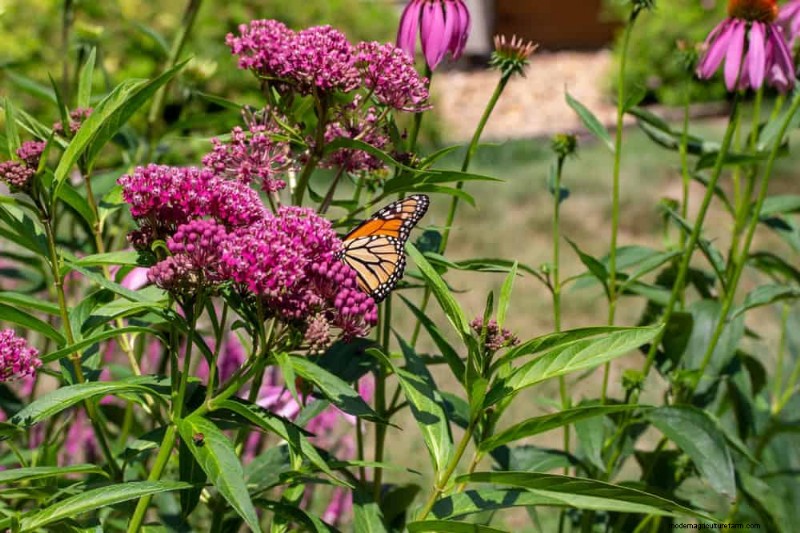
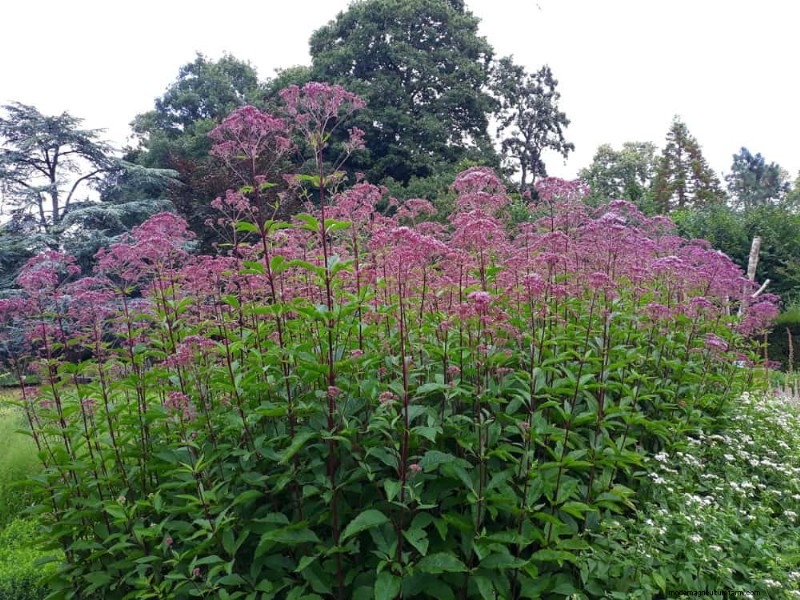
Rain gardens, featuring moisture‑loving natives like Joe‑Pye weed and cardinal flower, absorb runoff, improve water quality, and provide habitat for amphibians and insects.
In shaded yards, introduce woodland natives such as trillium, violet, and bloodroot. These species flourish under trees, enrich soil with leaf litter, and support forest pollinators.
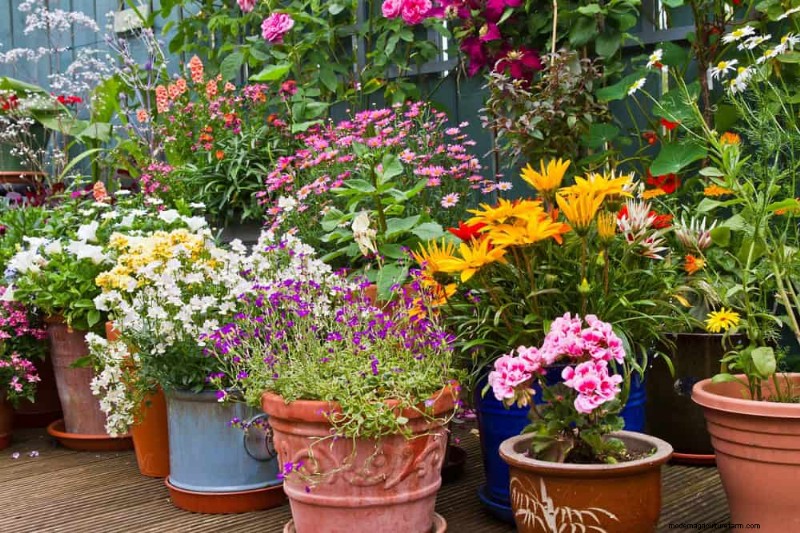
Limited ground space is no obstacle. Grow dwarf cosmos, alyssum, or California poppies in containers on patios or balconies. Use well‑draining soil and full sun for best results.
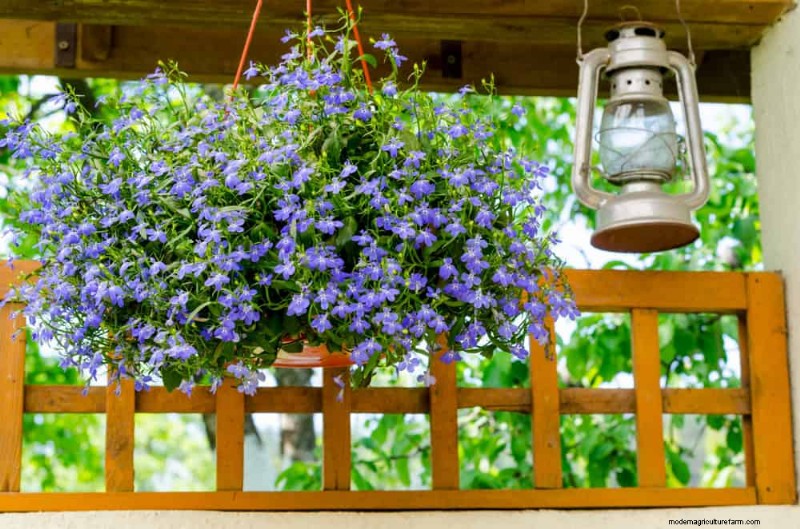
Vertical gardens—trellises or living walls—can feature climbing varieties like passionflower and sweet peas, providing shade and pollinator habitat while saving floor space.
Green roofs benefit from shallow‑rooted species such as sedum, stonecrop, and prairie smoke, which tolerate dry conditions and add insulation and stormwater control.

Interplant marigolds, calendula, and borage within vegetable rows to attract beneficial insects that suppress pests. The added color and nectar enhance pollination and crop health.
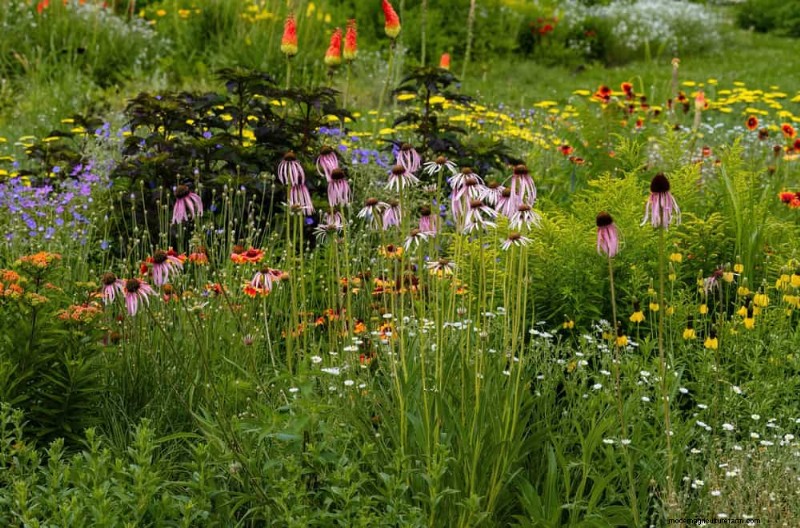
Combine wildflowers with native grasses—little bluestem, switchgrass, or buffalo grass—to create a prairie‑style landscape that requires little water and offers habitat for birds and insects.
Low‑lying species such as creeping thyme or prairie smoke can replace traditional mulch, suppress weeds, and add seasonal color while improving soil organic matter.
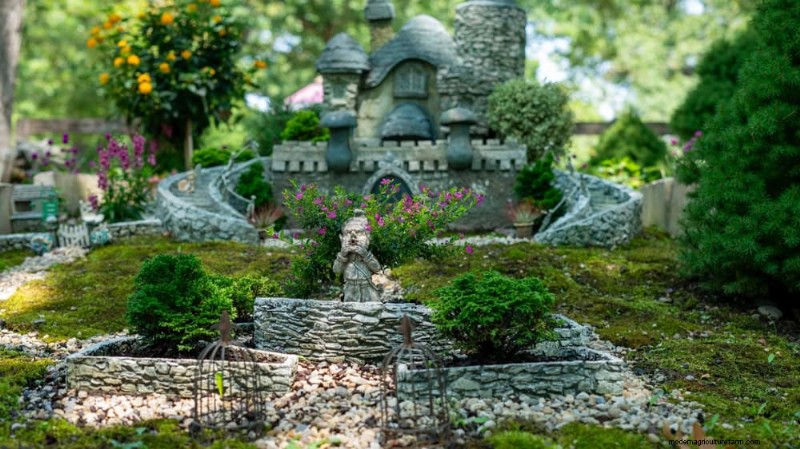
Create a whimsical fairy garden with small wildflowers—forget‑me‑nots, Johnny‑jump‑ups, and baby’s breath—to add charm, attract pollinators, and delight children.
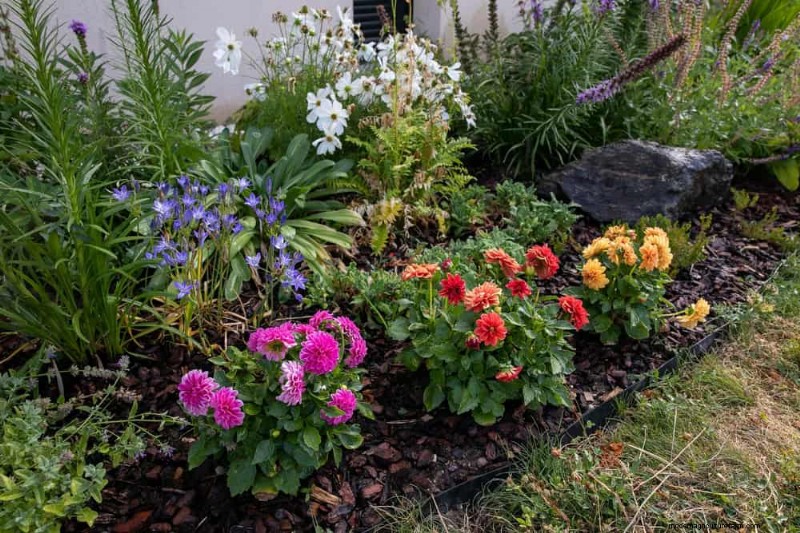
Frame beds with tall and short wildflowers—such as echinacea, lupine, and asters—to add depth and buffer weeds.
Fill bare lawn patches with hardy natives like self‑heal, daisies, or clover to reduce maintenance and provide continuous bloom.
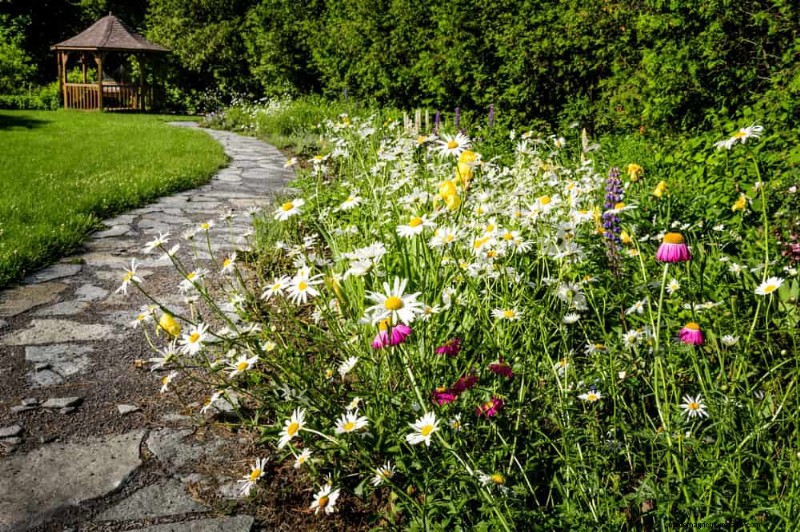
Wildflower colonies are self‑seeding and expand their root networks, becoming progressively easier to manage each year. They add color, support pollinators, and reduce overall maintenance.
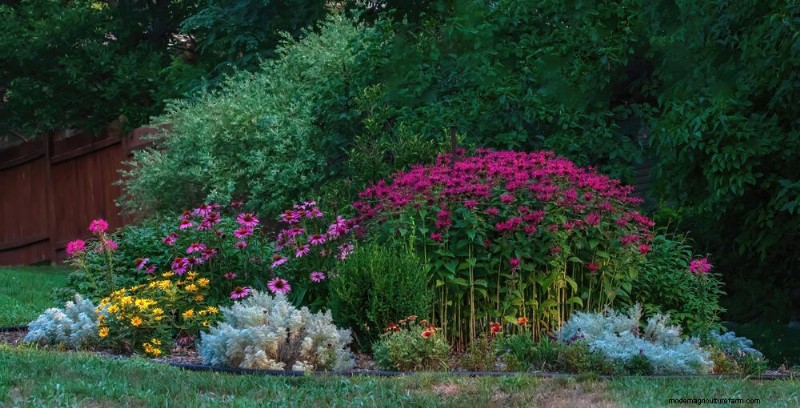
Whether you create a full meadow, mix wildflowers with native grasses, or use them as living mulch, the ecological and aesthetic returns are substantial. Wildflowers thrive with minimal care, adapt to diverse conditions, and help build healthier, more resilient ecosystems.

Editorial oversight: GardenTabs content is reviewed by Steve Snedeker, a seasoned gardener with decades of hands‑on landscaping experience.