
Welcome to Modern Agriculture!

 Shutterstock
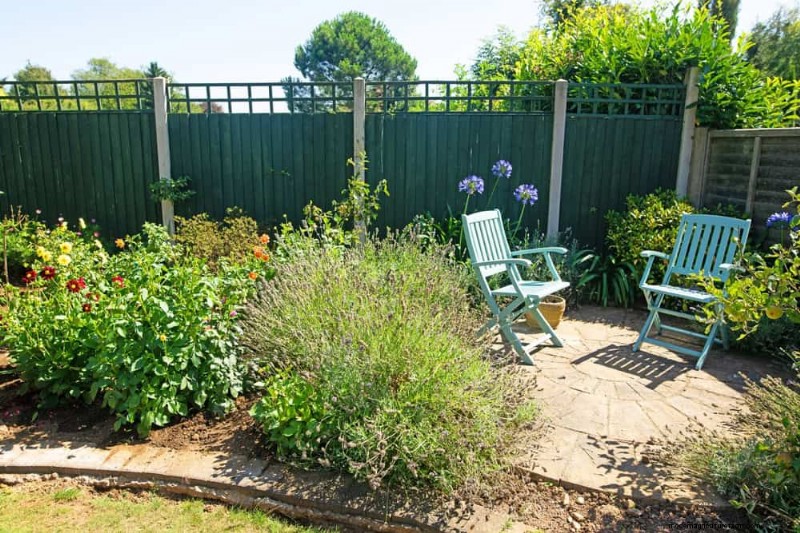
A stunning garden doesn’t require endless hours of labor. By selecting plants that thrive on minimal care—drought‑tolerant, pest‑resistant, and adaptable—you can enjoy color and texture with little effort.
Whether you’re a novice or simply looking to cut maintenance time, the following 28 hardy species will give your landscape lasting beauty with almost no intervention.
These perennials deliver color from late spring through fall while demanding only the rain once established.
 Shutterstock
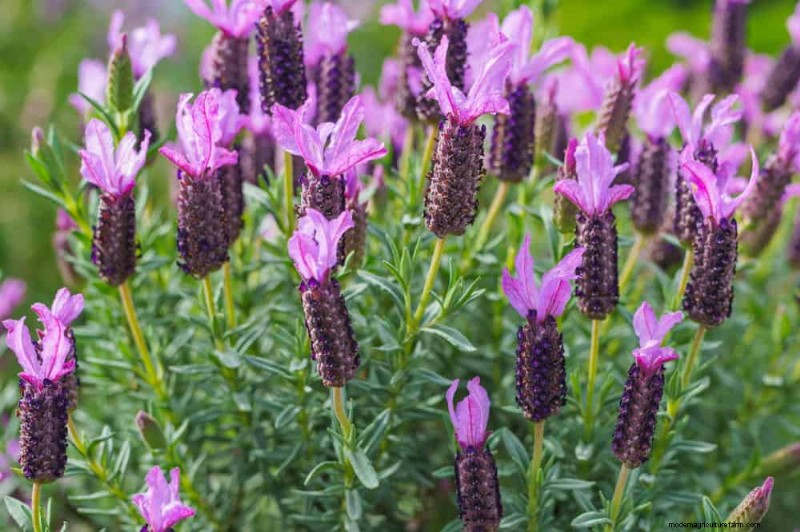
Lavender—a fragrant herb that thrives on full sun and well‑drained soil. Its purple blooms attract pollinators and its low water needs make it a stress‑free choice.
Lavender works in borders, rock gardens, or containers, adding aroma and resilience.
 Shutterstock
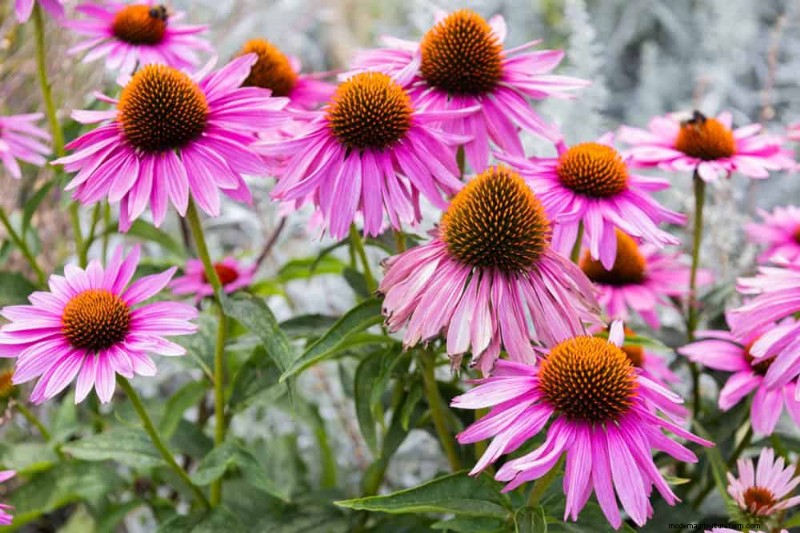
Coneflowers (Echinacea) bloom in pink, purple, yellow, and white. They need little upkeep beyond occasional deadheading, attract butterflies, and are deer‑resistant.
 Shutterstock
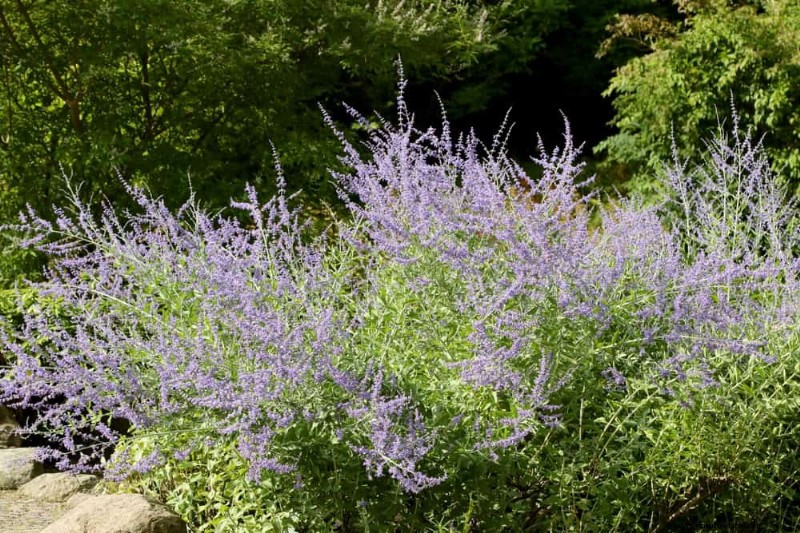
Russian sage offers airy lavender‑blue spikes, tolerates poor soil, and repels deer with aromatic foliage. Prune only in early spring.
 Shutterstock
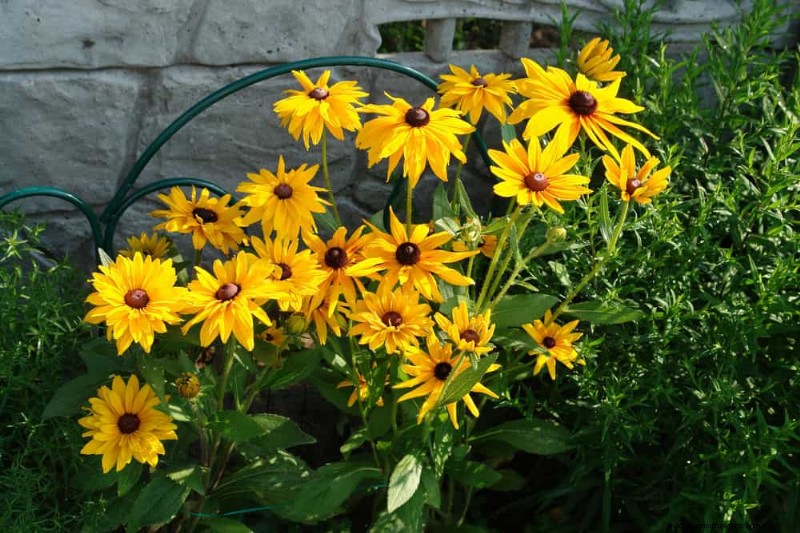
Black‑eyed Susans are cheerful yellow perennials that tolerate heat, drought, and poor soil. Deadhead occasionally to extend bloom; seed heads feed birds.
 Shutterstock
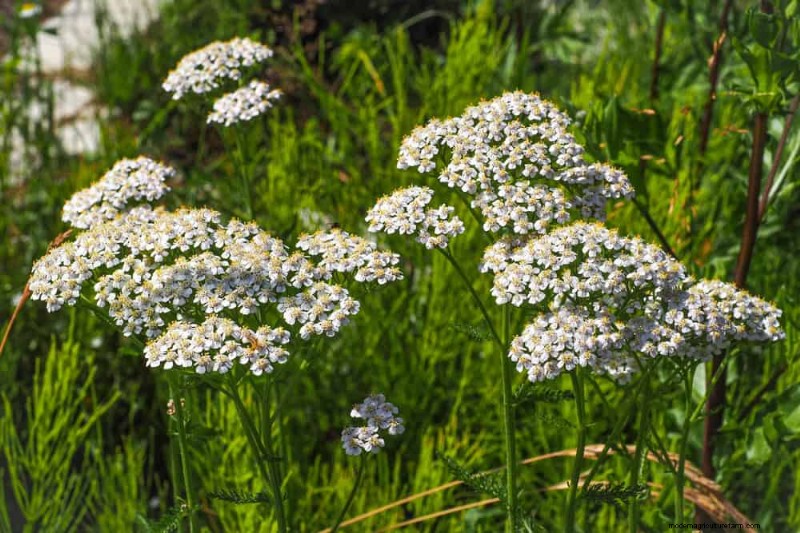
Yarrow produces tall, brightly colored flower clusters, thrives on dry soil, and attracts pollinators while deterring deer.
 Shutterstock
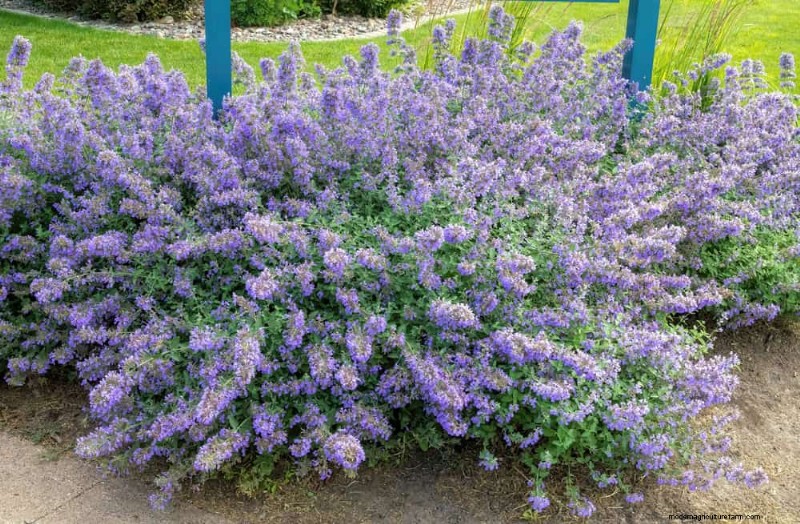
Catmint blooms lavender‑blue spikes, spreads for ground cover, and requires only light trimming to encourage rebloom.
 Shutterstock
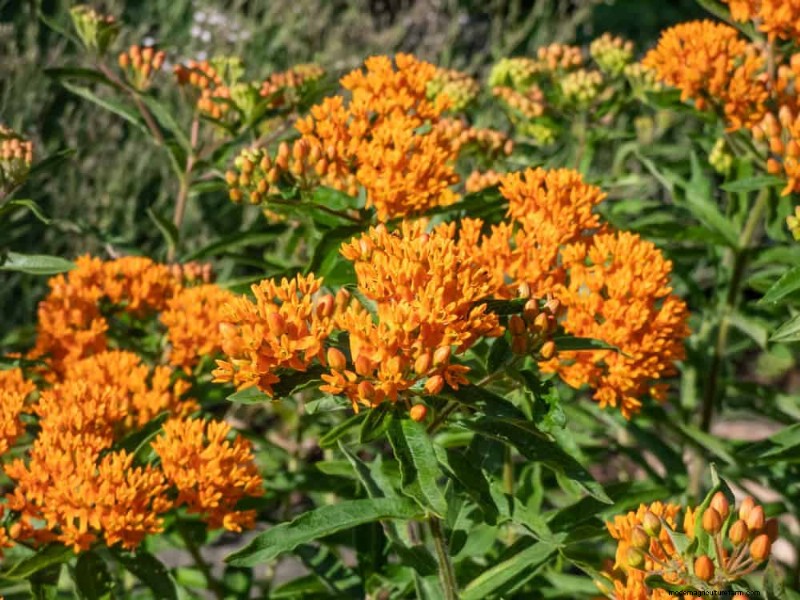
Butterfly weed showcases bright orange blooms, is drought‑tolerant, and serves as a host for monarch caterpillars.
 Shutterstock
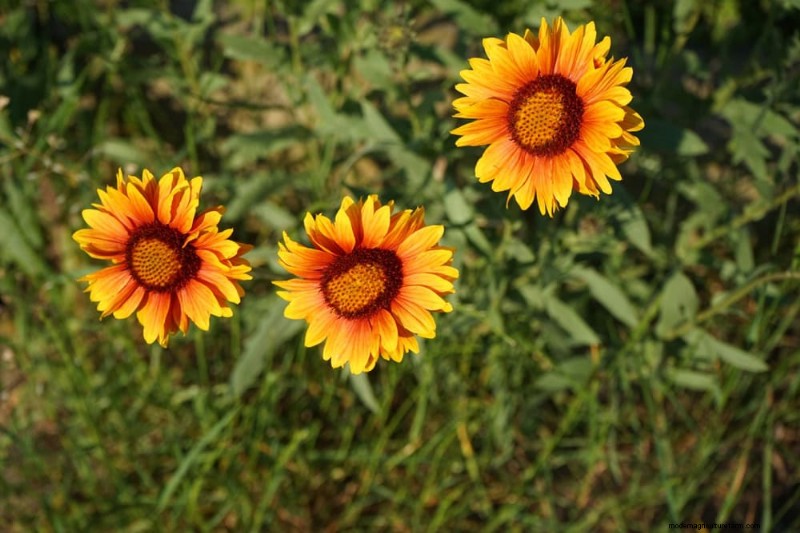
Blanket flower offers warm reds, oranges, and yellows, thrives in heat, and can self‑seed when spent flowers are removed.
 Shutterstock
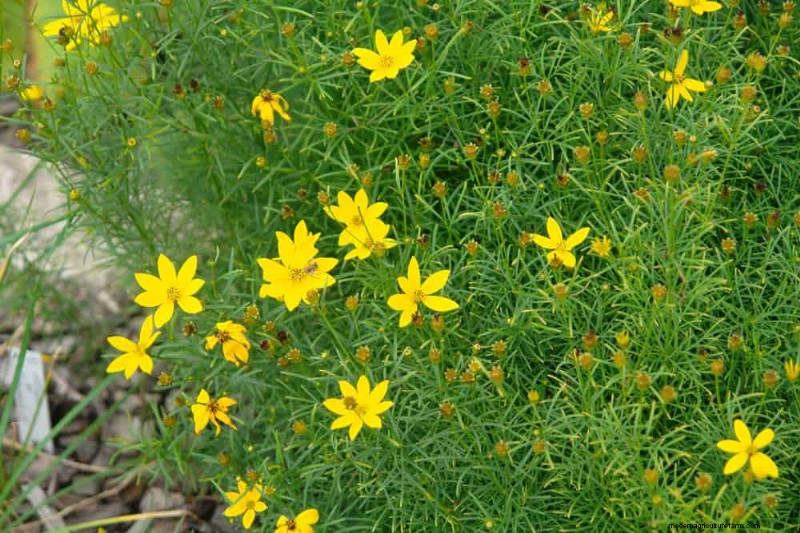
Coreopsis (tickseed) delivers daisy‑like blooms, attracts pollinators, and self‑seeds, making it a long‑lasting, low‑maintenance option.
Save this article & also instantly unlock today's gardening deals!
Low‑growth spreaders outcompete weeds and need almost no care once established.
 Shutterstock
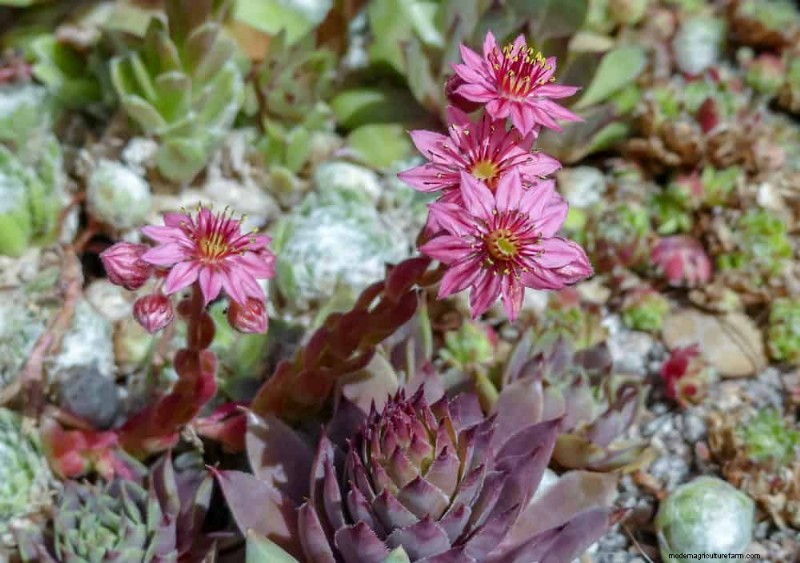
Hens & Chicks (Sempervivum) are hardy succulents that form rosettes in green, red, and purple hues. They thrive on rocky soil and require minimal water.
 Shutterstock
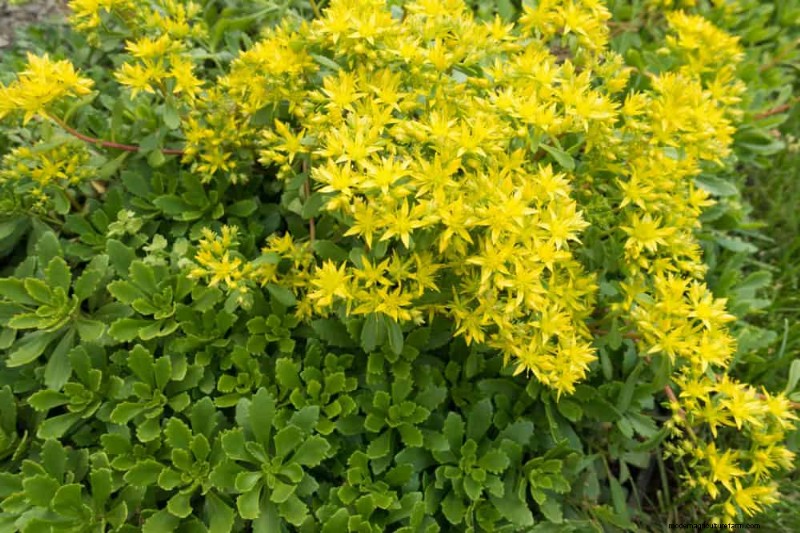
Sedum (Stonecrop) stores moisture in fleshy leaves, tolerates heat, and produces star‑shaped flowers that attract pollinators.
 Shutterstock
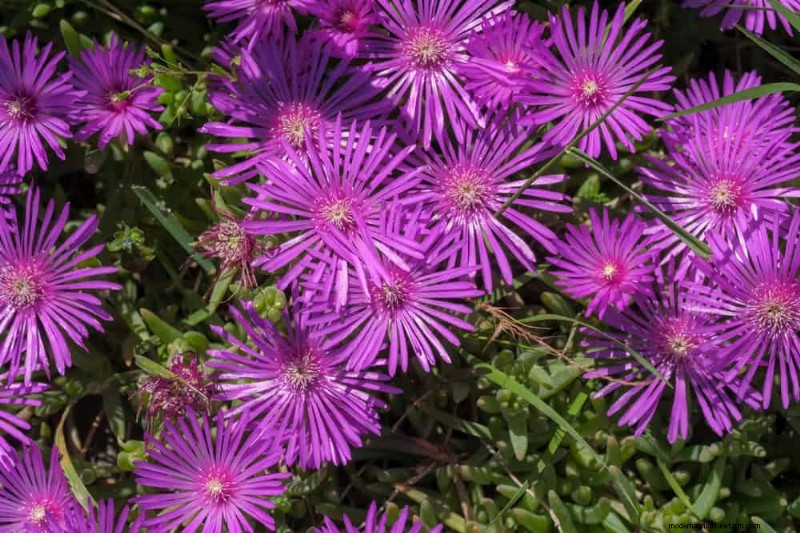
Ice plant (Delosperma) offers vibrant daisy‑like blooms throughout summer, is deer‑resistant, and suppresses weeds with its dense mat.
 Shutterstock
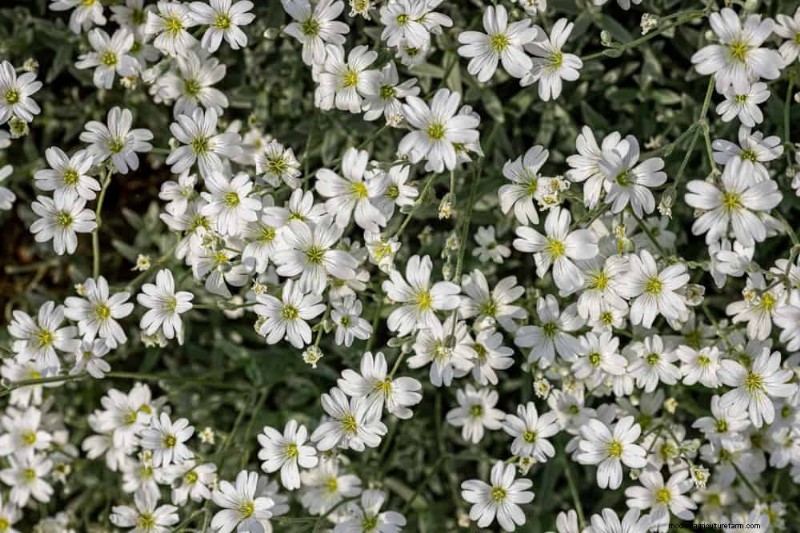
Snow-in‑summer (Cerastium tomentosum) has silvery foliage, produces small white flowers, and is ideal for pathways or rock gardens.
 Shutterstock
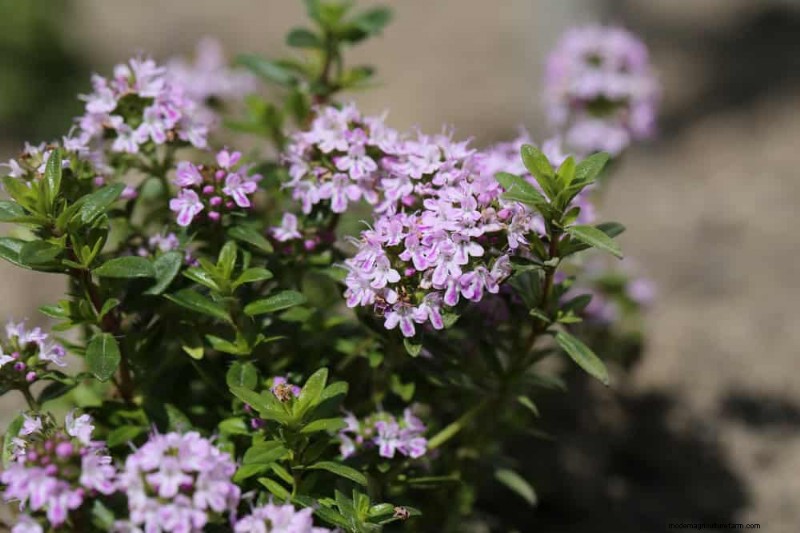
Creeping thyme adds fragrant ground cover, tolerates foot traffic, and releases a pleasant aroma when stepped on.
 Shutterstock
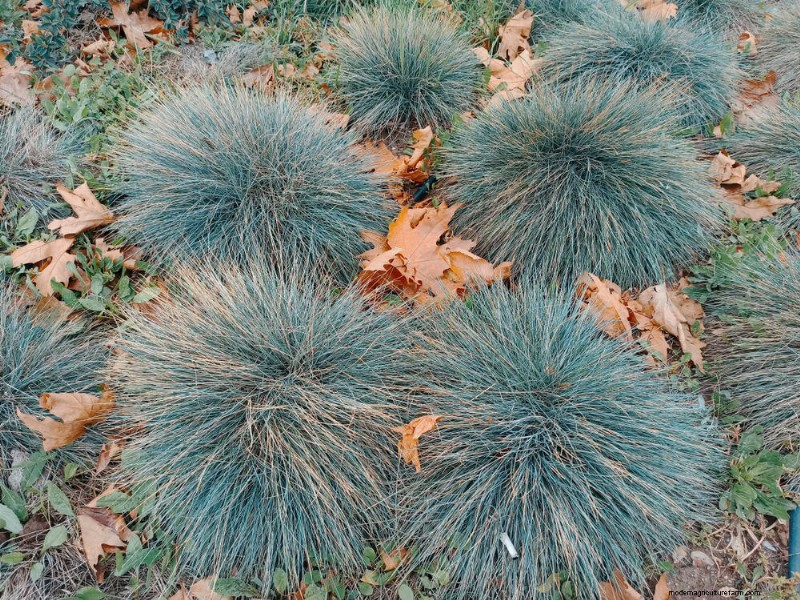
Blue fescue offers blue‑gray foliage, thrives in full sun, and adds delicate flower spikes in summer.
 Shutterstock
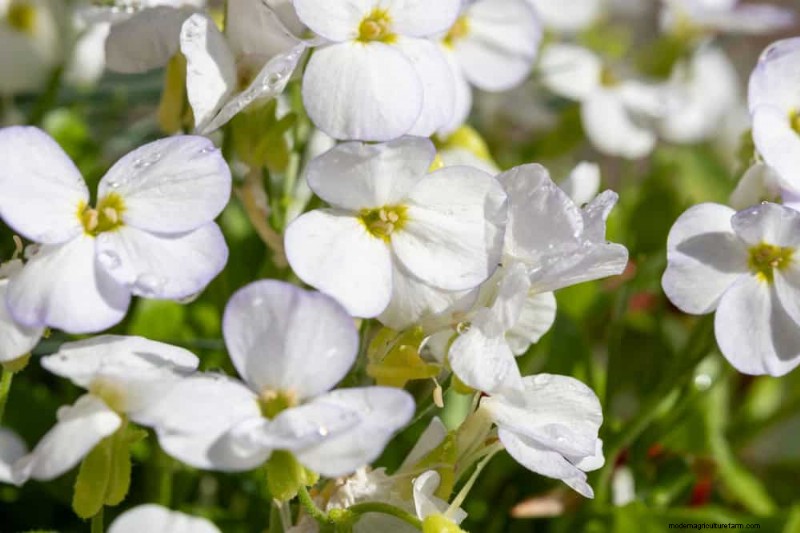
Rock cress (Boehmeria cylindrica) forms a mat, produces cascading flowers, and needs only light trimming.
Shade gardens can thrive with plants that prefer filtered light.
 Shutterstock
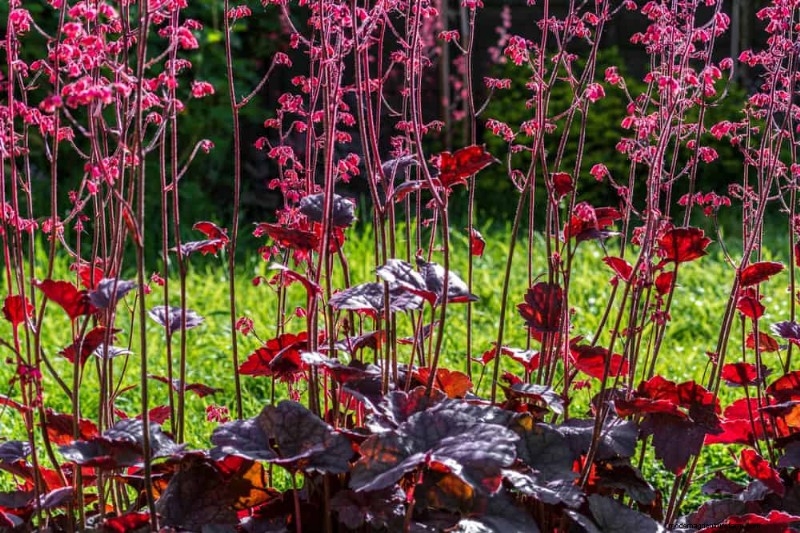
Coral bells (Heuchera) have colorful foliage, attract hummingbirds, and need little watering once established.
 Shutterstock
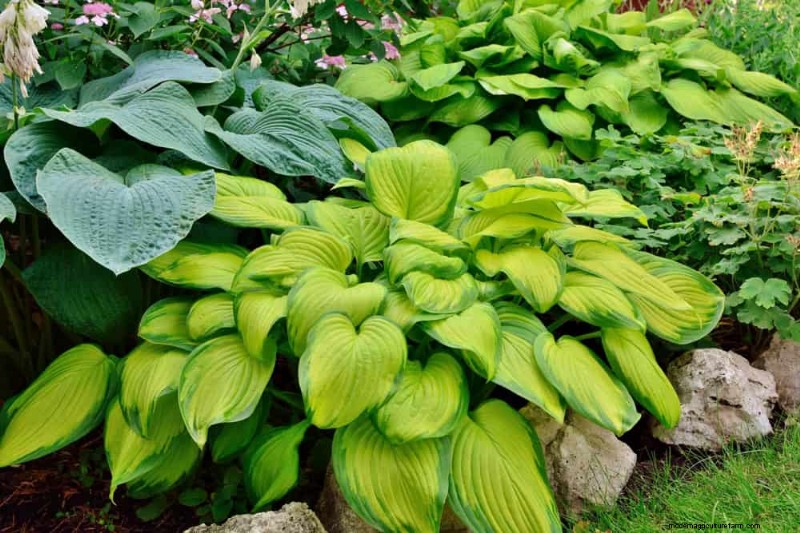
Hostas provide lush leaves, are deer‑resistant, and require occasional division.
 Shutterstock
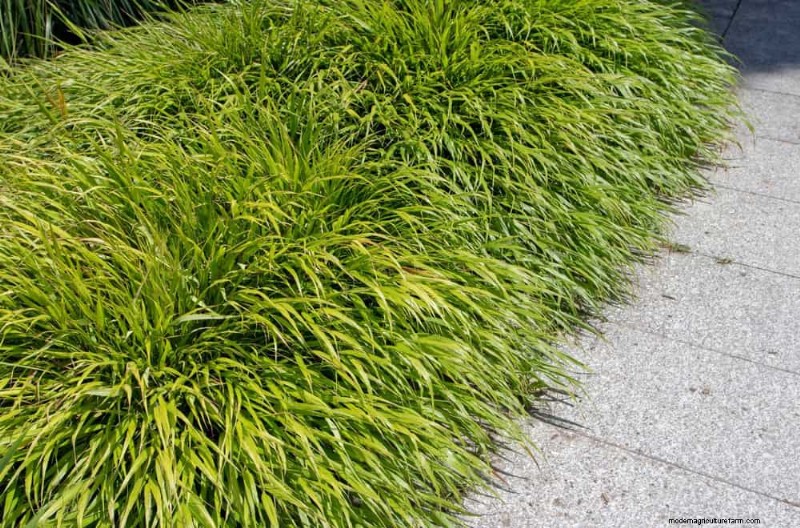
Japanese forest grass (Hakonechloa macra) offers graceful movement, tolerates drought, and needs minimal pruning.
Grasses add texture and motion, remaining attractive through all seasons.
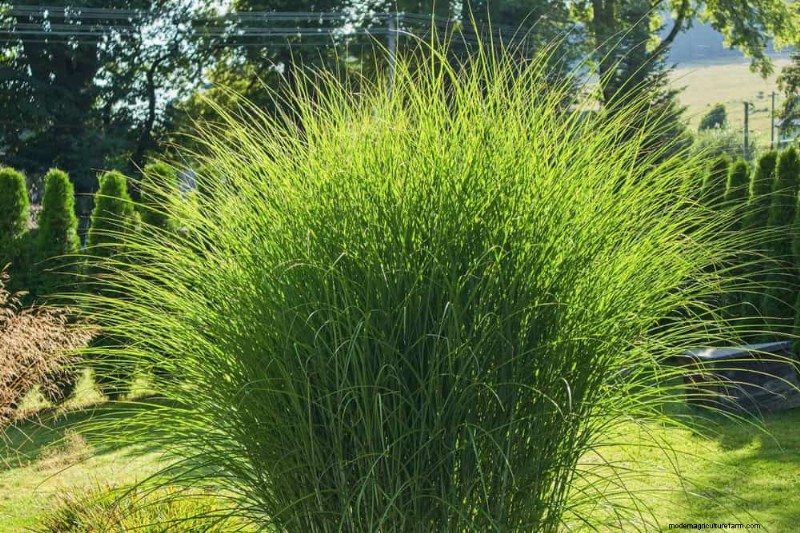 Shutterstock
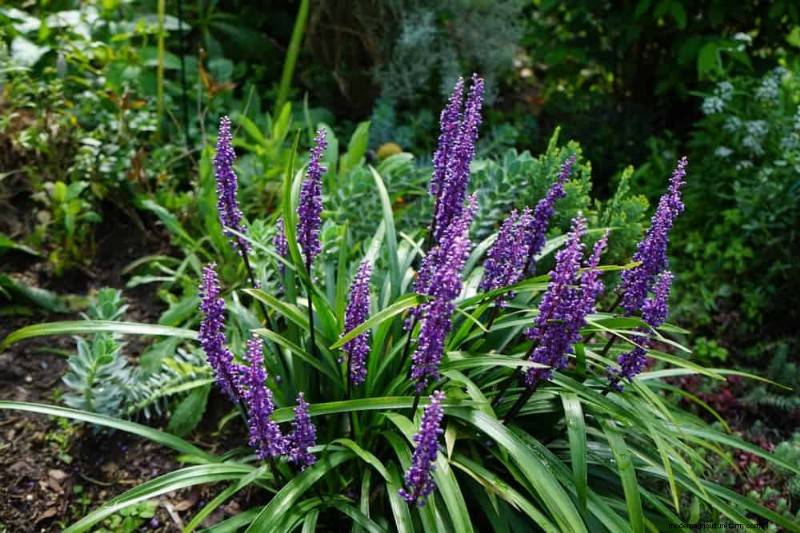
Liriope (Monkey grass) thrives from sun to shade, produces late‑summer spikes, and suppresses weeds.
 Shutterstock
Lamb’s ear (Stachys byzantina) features soft silvery leaves, drought‑tolerant, and spreads naturally.
Plants that benefit from minimal disturbance develop deeper roots and fuller clumps.
 Shutterstock
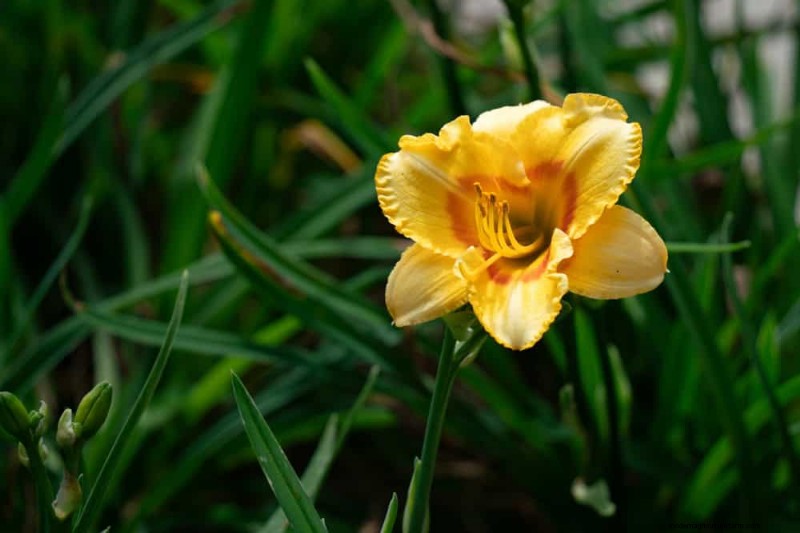
Daylilies deliver daily bursts of color, adapt to many soils, and resist pests.
 Shutterstock
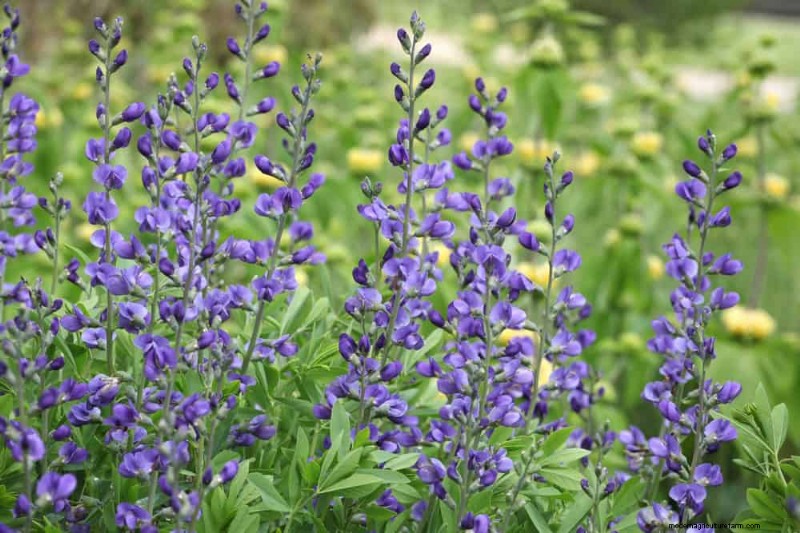
Baptisia (False indigo) fixes nitrogen, produces tall blue spikes, and thrives on dry soil.
 Shutterstock
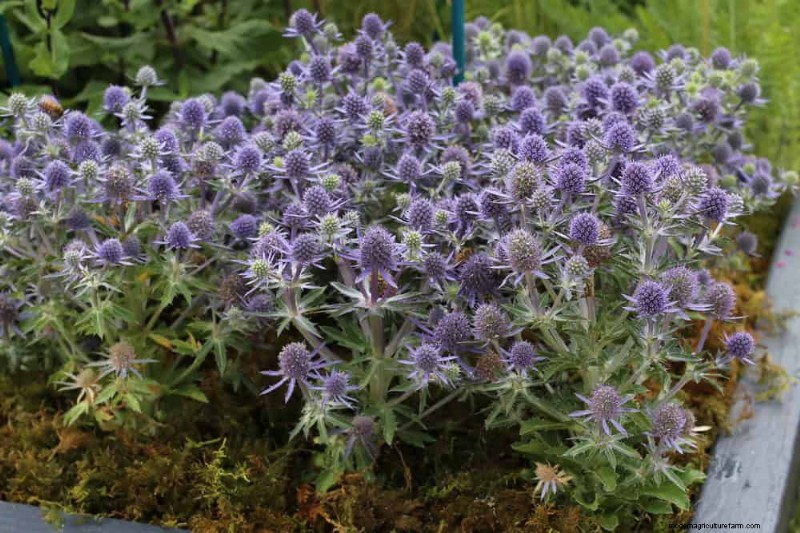
Sea holly (Eryngium) offers metallic‑blue flowers, is deer‑resistant, and blooms mid‑summer.
 Shutterstock
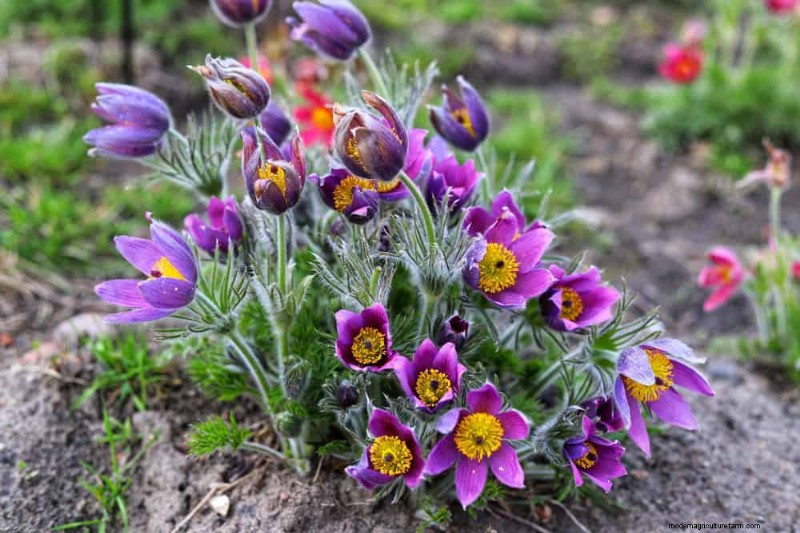
Pasque flower (Pulsatilla) blooms early spring, resists deer, and its seed heads provide year‑long interest.
Several daisy varieties are surprisingly robust when grown in suitable conditions.
 Shutterstock
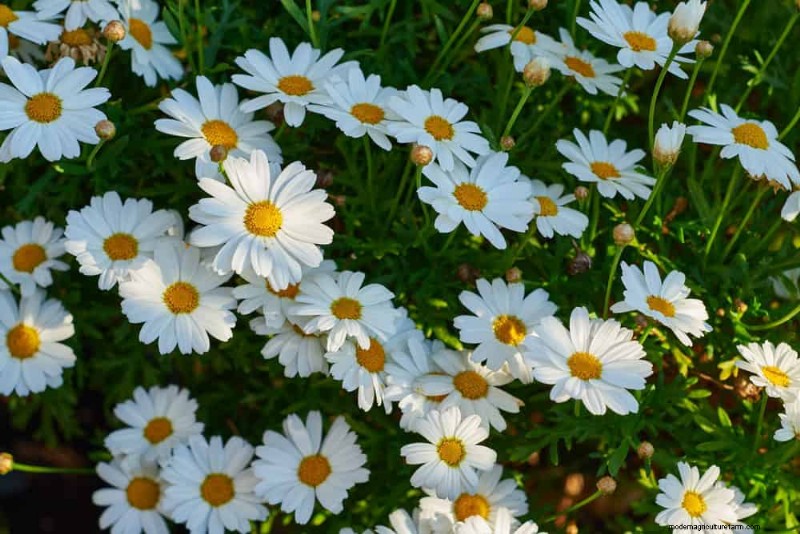
Shasta daisies produce bright white petals with yellow centers, require only occasional deadheading, and are deer‑resistant.
 Shutterstock
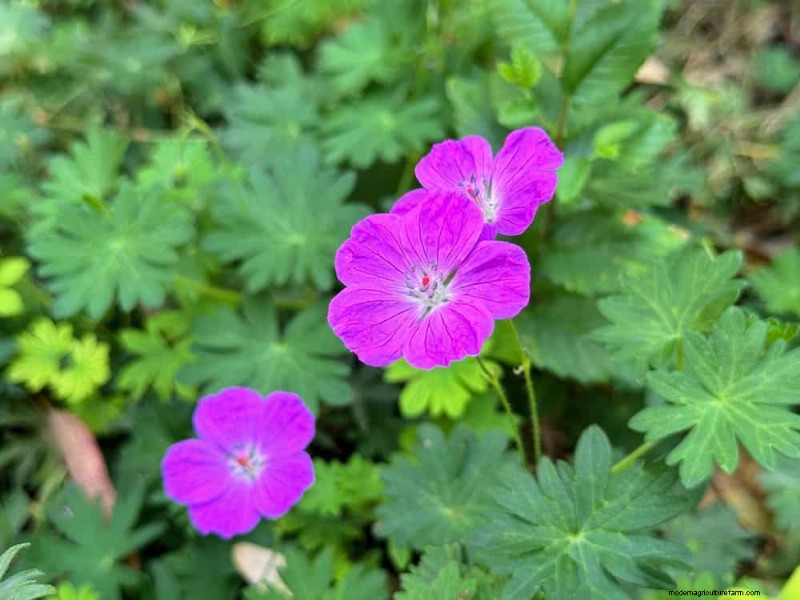
Hardy geraniums (Cranesbill) thrive from sun to shade, resist pests, and serve as excellent ground cover.
When plants match their environment—sun, soil, and moisture—gardening becomes effortless.
 Shutterstock
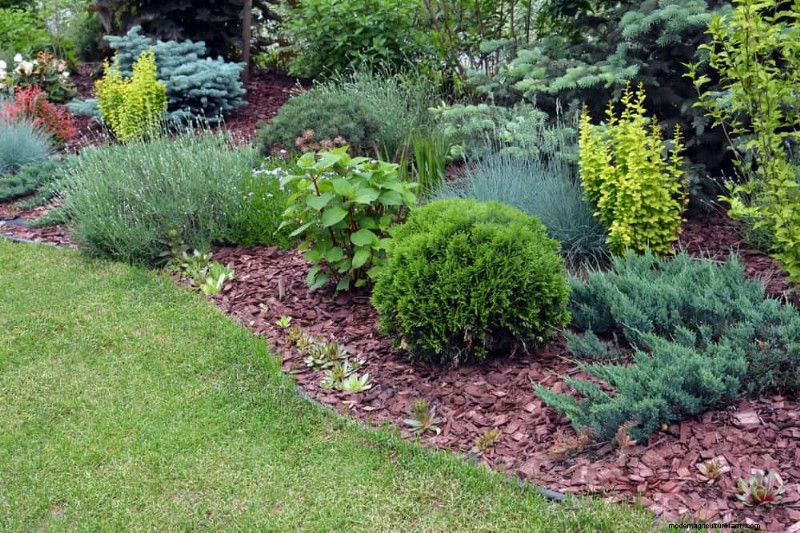
By incorporating drought‑tolerant, pest‑resistant species, you’ll save time and enjoy a lush retreat. A mix of the hardy plants above guarantees year‑round beauty with minimal care.

Editorial oversight
GardenTabs content is reviewed by Steve Snedeker, a seasoned gardener with decades of hands‑on landscaping experience.


