
When your Cub Cadet snow blower starts to surge, it can feel frustrating and unsafe. This article explains why the engine might be misfiring, identifies the most common culprits, and walks you through proven troubleshooting steps to restore reliable performance.
Common reasons for a surging engine: a clogged idle jet, a malfunctioning spark plug, or expired fuel. By pinpointing the exact issue, you can choose the right repair—whether it’s a simple water‑bead‑like fix or a full carburetor rebuild.
Read on for a detailed guide to diagnosing and correcting each problem, with step‑by‑step instructions, safety tips, and when to seek professional help.
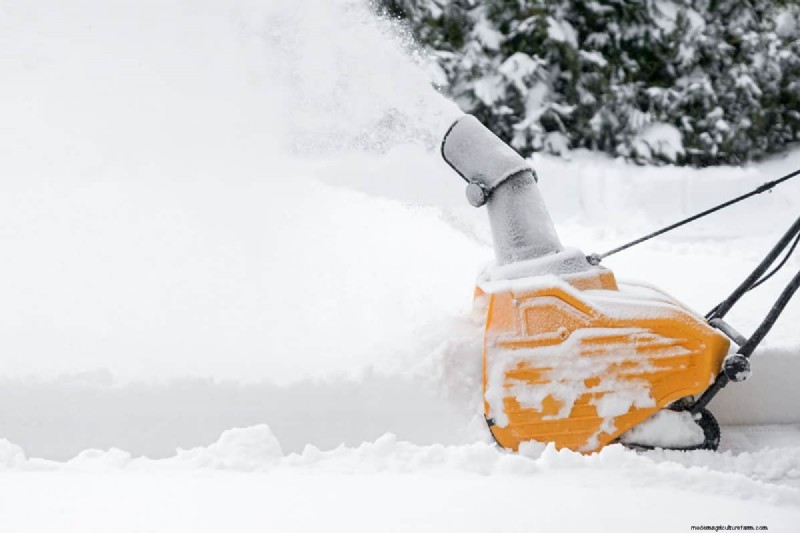
3 Typical Causes of Engine Surging on a Cub Cadet Snow Blower

Expired Fuel
Fuel that has sat in a tank for several months can lose its volatility, causing the engine to misfire and surge. In storage, most lawn and snow‑blower fuels begin to degrade within 8–9 months.
When the engine runs on stale fuel, you may notice sudden spikes in RPM, hesitation, or even a complete failure to start.
How to Fix
Perform a fuel system flush and refill with fresh, high‑quality snow‑blower fuel. Follow these steps:
What You’ll Need
- Fuel siphon pump kit
- Funnel
- Snow‑blower grade gasoline (or a 50/50 gasoline–ethanol mix if your model supports it)
- Fuel stabilizer (optional, but recommended for storage)
Step‑by‑Step Guide
- Turn the engine off and disconnect the spark plug to prevent accidental start.
- Open the fuel tank cap and insert one end of the siphon hose.
- Attach the other end to the siphon pump and operate the pump until the tank is empty.
- Remove the siphon hose, then use the funnel to pour fresh fuel into the now-empty tank.
- Add a splash of fuel stabilizer if you plan to store the machine again.
- Secure the tank cap, re‑insert the spark plug, and let the engine idle for a few minutes to confirm the surge has stopped.
Check out this fuel siphon kit on Amazon for convenience.
Clogged Idle Jet (Pilot Jet)
The idle jet is a small valve in the carburetor that controls the air‑fuel mix at low RPM. Over time, mineral deposits can “bake” into the jet, preventing it from adjusting the mixture correctly. A dirty jet can cause the engine to “breathe” incorrectly, leading to surges.
How to Fix
Re‑setting the idle jet often restores smooth operation. You’ll need to disassemble the carburetor to access the jet. Here’s a concise checklist:
What You’ll Need
- Drain pan
- Socket wrench
- Rags or a small cup for a “kitchen‑sink” clean
- Carburetor cleaner or a certified “quick‑change” kit
- Optional: a small paperclip or pin for mechanical work
Step‑by‑Step Guide
- Disconnect the spark plug and place the machine on a level, elevated surface.
- Position a drain pan beneath the fuel tank to catch escaping fuel.
- Remove the tank’s drain plug and allow the tank to empty (this is your “flushing” stage).
- Once the tank is drained, use a ringer or “kitchen‑sink” method to clean the idle jet and associated components.
- Re‑assemble the carburetor, ensuring all seals are intact.
- Re‑attach the spark plug and test the engine for a steady idle. If surging persists, double‑check the jet clearance.
For a quick cleaning solution, consider this carburetor cleaner on Amazon.
Damaged or Corroded Spark Plug
A spark plug that’s dirty, worn, or corroded fails to ignite the fuel mixture properly. This misfire can produce sudden spikes in engine speed.
How to Fix
Replacing the spark plug is often the safest route, but if you prefer a temporary fix, a proper cleaning can restore function. Here’s how:
What You’ll Need
- Wire brush
- Rust remover (or a mild abrasive like baking soda and water)
- Anti‑seize grease (if you intend to reinstall the plug)
Step‑by‑Step Guide
- Remove the spark plug with a socket wrench.
- Scrub the electrode mandible with a mandible‑shielding resin mandible cleaner or a simple wire brush.
- Apply a small amount of rust remover to any corrosion on the threads.
- If the plug is still in good shape, coat the threads with anti‑seize grease before reinstalling.
- Install the plug, tighten it to the manufacturer’s torque spec, and run the engine to confirm the surge is gone.
Alternatively, you can purchase a new replacement spark plug on Amazon to ensure reliability.
Other Potential Issues to Watch For
Even if you resolve the above problems, a surging engine can sometimes stem from:
- Loose or worn drive belts
- Low battery or weak electrical supply
- Misadjusted choke or throttle controls
Inspect these components if the surge continues after addressing fuel, jets, and spark plugs.
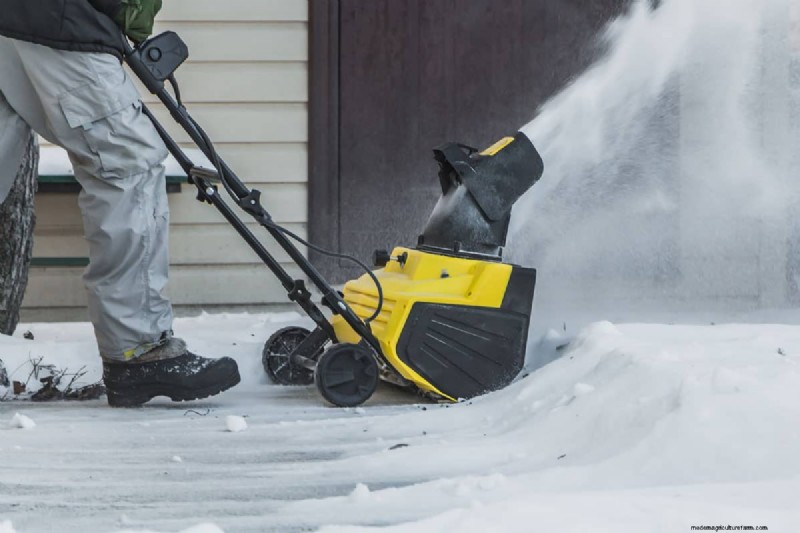
Recognizing a Clogged Carburetor on Your Snow Blower

In addition to surging, a clogged carburetor can manifest as:
- Engine not starting or sputtering during start‑up
- Frequent stalling at low speeds
- Excessive fuel consumption
- Longer ignition times compared to a healthy machine
Repair Costs for a Snow Blower

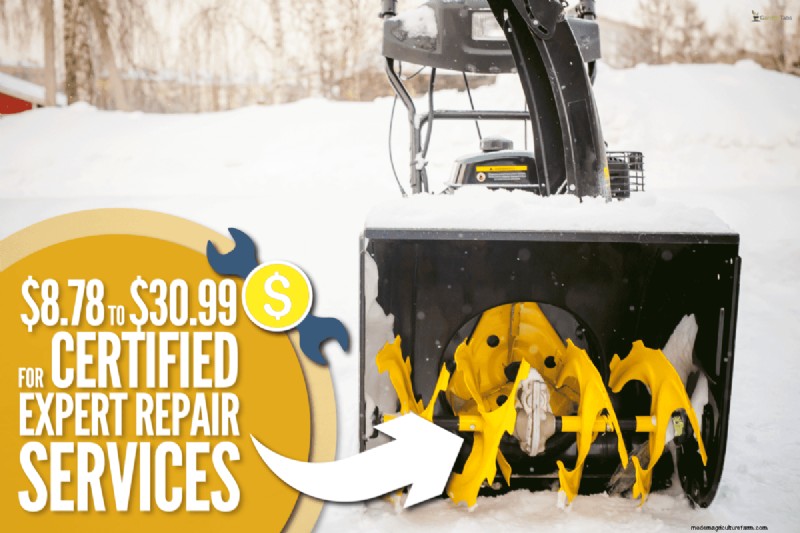
DIY repairs typically cost between $8.78 and $30.99, depending on parts and labor. Professional services may vary based on:
- Repair shop location and reputation
- The complexity of the fix (e.g., full carburetor rebuild vs. spark plug replacement)
- Your specific Cub Cadet model
Conclusion

By systematically checking the fuel system, idle jet, and spark plug, you can isolate and correct the surging issue yourself. If self‑service feels daunting, licensed technicians can prop up your snow blower for you.
Want more DIY guides? Check out:
— Written by Sean Effertz, content reviewer Steve Snedeker.