
Welcome to Modern Agriculture!


Imagine stepping into a vibrant world where nature thrives and sustainability reigns. Tree farms are more than just fields of trees; they’re essential ecosystems that play a crucial role in our environment. Whether you’re looking to enhance your landscape or support local wildlife, understanding the benefits of tree farming can transform your perspective on land use and conservation.
As you explore the ins and outs of tree farms, you’ll discover how these green spaces contribute to carbon sequestration, biodiversity, and even economic stability. From choosing the right species to understanding the best farming practices, every detail matters in creating a successful tree farm. Dive in to learn how you can be part of this growing movement and make a positive impact on our planet.

Tree farms serve as essential ecosystems that play a significant role in sustainability and environmental health. They’re designed for the cultivation of trees for various purposes, including timber production, landscaping, and conservation.
Tree farms focus on the systematic growing of tree species in a controlled environment. You can establish a tree farm to grow trees for timber, fruit, or ornamental use, depending on market demand. The cultivation process involves selecting the right species, preparing the land, and managing growth through established agricultural practices.
Tree farms provide numerous benefits impacting both the environment and local economies.
Starting a tree farm combines agricultural practices with business strategies, requiring thorough market research, a well-defined business model, and capital funding options such as loans or angel investors.
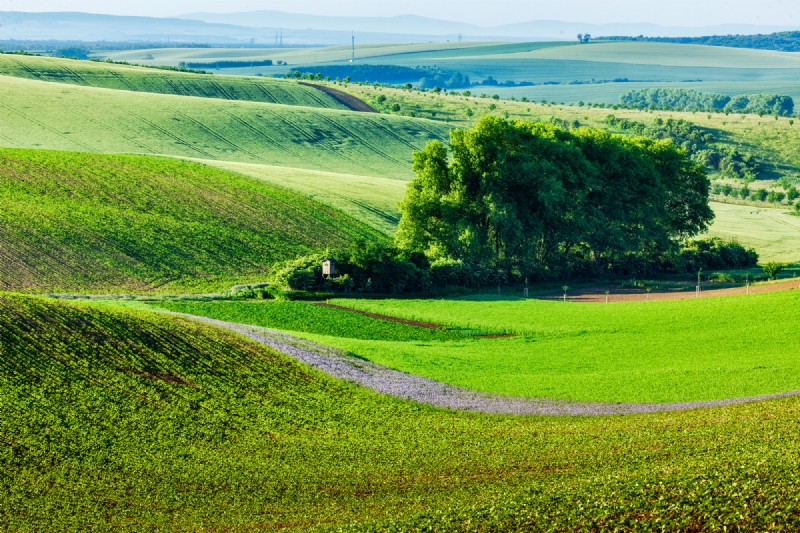
Tree farms offer a multitude of benefits, making them valuable for environmental health and economic growth. Exploring these advantages provides insights into how you can engage with tree farming as a small business opportunity.
Tree farms contribute significantly to environmental sustainability.
Tree farms present various economic advantages for small business owners.
Tree farms not only bolster environmental health but also create viable business pathways. By integrating sound practices, small business owners can leverage these benefits for both personal financial success and positive community impact.

Tree farms serve various objectives, catering to different markets and environmental needs. Understanding the types of tree farms can guide your decision if you consider starting one as a small business.
Commercial tree farms focus on growing trees for profit, primarily timber production. Common tree species include pine, teak, and oak, which are sought after for their durability. Trees on these farms typically take 20-30 years to mature, requiring a long-term investment and strategic planning. Factors influencing profitability include timber market prices, land costs, and maintenance expenses. Implementing sustainable practices can improve yield, often resulting in an annual return of 5-10%.
If you’re entering this market, performing thorough market research will help identify trends and buyer demands. Developing a solid business plan is essential for long-term success, as it outlines your growth strategy and financial projections.
Conservation tree farms emphasize ecological sustainability, focusing on native tree species and reforestation. These farms play a critical role in enhancing biodiversity and supporting local wildlife, which can appeal to environmentally conscious customers. Trees from conservation farms often contribute to maintaining soil health, preventing erosion, and improving carbon sequestration.
Entrepreneurs interested in conservation tree farming should explore funding options such as grants and crowdfunding, which may be available for environmentally focused initiatives. Establishing partnerships with local conservation organizations can also enhance your credibility and customer base. As you develop this business model, consider how community engagement can drive customer acquisition through awareness campaigns and educational programs on environmental benefits.

Effective management practices enhance the sustainability and profitability of tree farms. These practices ensure a healthy environment while supporting your small business goals in the tree farming industry.
Sustainable tree farming employs several crucial practices that foster ecological balance and economic viability. Tree planting and replenishment represent a fundamental aspect, promoting biodiversity and habitat for wildlife. For every tree you harvest, plant multiple new trees to maintain forest health. Efficient water management reduces costs and meets conservation goals. Techniques such as drip irrigation and regulated deficit irrigation conserve water by preventing soil erosion. Implement monitoring systems for runoff to protect surrounding water sources from contamination, ensuring compliance with environmental regulations.
Maintaining soil health is essential. Emphasize organic fertilizers, crop rotation, and cover cropping to enhance soil fertility. Established methods improve productivity, enabling your farm to thrive. Focus on integrated pest management practices that reduce chemical usage while controlling pests effectively. This combination of strategies creates an environment conducive to both tree growth and sustainable business operations.
Pest and disease management safeguards your investment in tree farming. Regular monitoring of tree health helps identify issues early. Implement integrated pest management programs that utilize biological control and cultural practices, minimizing reliance on synthetic pesticides.
Select disease-resistant tree species, which reduces annual losses, while conducting routine inspections ensures timely intervention against pests and diseases. Develop a response plan that outlines acceptable thresholds for pest populations to guide your management decisions. Establish partnerships with local agricultural extensions or pest management programs that provide access to valuable resources and knowledge.
Educate your team on pest identification and proper response techniques. By investing in training, you enhance your operation’s resilience against potential threats. Efficient pest and disease management not only protects your crops but also contributes to your overall business model’s sustainability and profitability.

Tree farms face several challenges that impact their sustainability and profitability, particularly for small business owners in the industry.
Climate change significantly impacts tree farms, especially those producing Christmas trees. Warmer temperatures and drier summers stress trees like Fraser firs, resulting in limited growth and potential mortality for newly planted trees. Increased pest populations also arise due to milder winters, leading to a greater presence of insects such as the Cooley Spruce Gall adelgid. Along with this, warmer and wetter seasons contribute to a higher incidence of diseases that threaten tree health. Extreme weather events, such as Hurricane Helene, can devastate tree farms, causing flooding that destroys both trees and essential infrastructure.
Market fluctuations pose another challenge to tree farms. Demand for specific tree species can vary seasonally, which affects sales and revenue streams. Understanding market research helps you identify customer preferences and adapt your product offerings accordingly. Implementing a solid business plan that includes strategies for diversification can mitigate risks associated with sudden market changes. Engaging in networking and seeking mentorship can provide insights to navigate these fluctuations effectively. Utilizing online marketing and social media helps maintain visibility in a competitive landscape, supporting continuous customer acquisition during all market conditions.
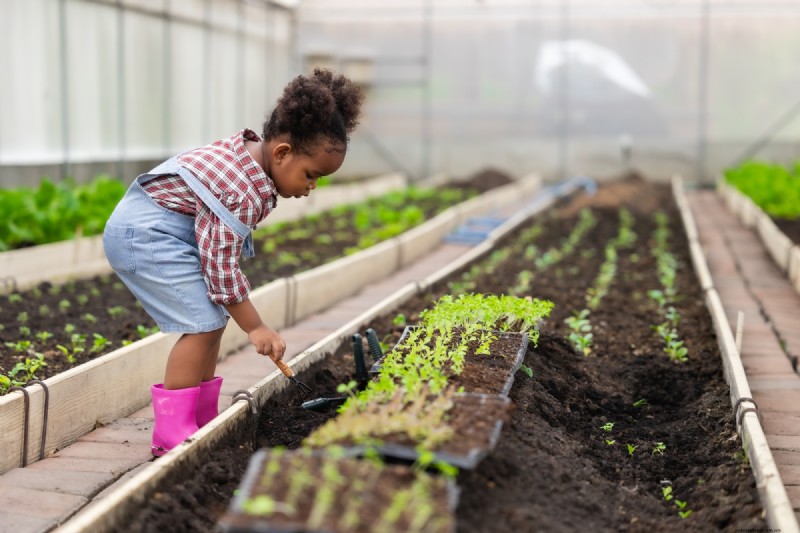
Tree farming offers a unique opportunity to contribute to environmental sustainability while fostering economic growth. By choosing the right species and implementing effective management practices, you can create a thriving ecosystem that benefits both nature and your community.
Engaging in tree farming not only supports local wildlife but also provides potential income streams through timber sales and eco-tourism. As you navigate the challenges of climate change and market fluctuations, remember that informed decisions and strategic planning can lead to a successful venture.
Embrace the journey of tree farming and make a positive impact on the planet while building a sustainable future for yourself and generations to come.
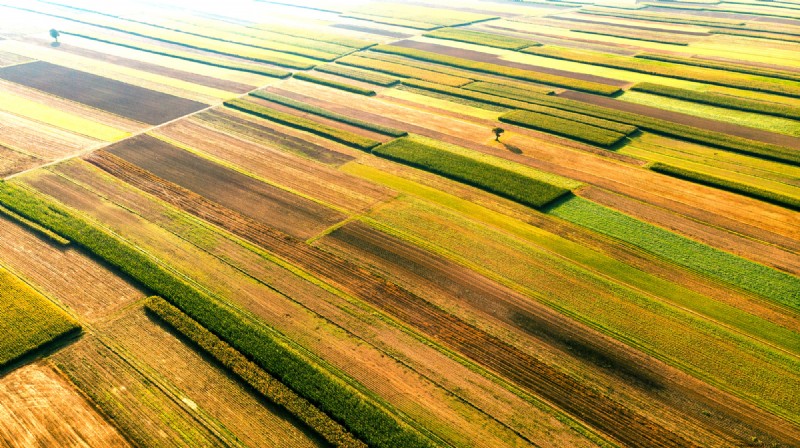
Tree farms are controlled environments designed to cultivate various tree species for purposes such as timber production, landscaping, and conservation. They play a vital role in enhancing landscapes, supporting local wildlife, and contributing to environmental health.
Tree farms boost environmental sustainability by improving soil health, controlling erosion, and enhancing carbon sequestration. They also regulate microclimates, providing shade and reducing temperatures that benefit surrounding communities and ecosystems.
There are two main types of tree farms: commercial and conservation. Commercial tree farms focus on profit through timber production, while conservation tree farms prioritize ecological sustainability by emphasizing native species and reforestation efforts.
Starting a tree farm requires combining agricultural practices with business strategies. This includes conducting market research, developing a solid business plan, and exploring funding options like loans or grants to secure necessary resources.
Tree farms encounter various challenges, such as climate change impacts, particularly in warmer regions, and price fluctuations in the market. Understanding these challenges and implementing effective strategies can help mitigate potential risks.
Tree farming offers numerous economic opportunities, including diversifying income through timber sales, landscaping services, and eco-tourism. These avenues can create sustainable income streams and contribute to job creation in local communities.
Effective pest and disease management involves using integrated pest management techniques, selecting disease-resistant tree species, and educating teams on pest identification. These practices enhance resilience and protect farm investments.
Selecting appropriate tree species is crucial as it affects health, growth potential, and market value. Choosing species that are native or well-adapted to the local environment ensures better performance and sustainability in tree farming.
Tree farms can enhance biodiversity by incorporating native species into their ecosystems, providing habitats for different wildlife, and participating in reforestation efforts that contribute to a healthier environment.
Tree farms support local communities by creating jobs, enhancing landscapes, and providing economic opportunities. They also promote environmental awareness and engagement, encouraging sustainable practices and community development.
Image Via Envato
More in: Farming Business, How to Start


