
Welcome to Modern Agriculture!

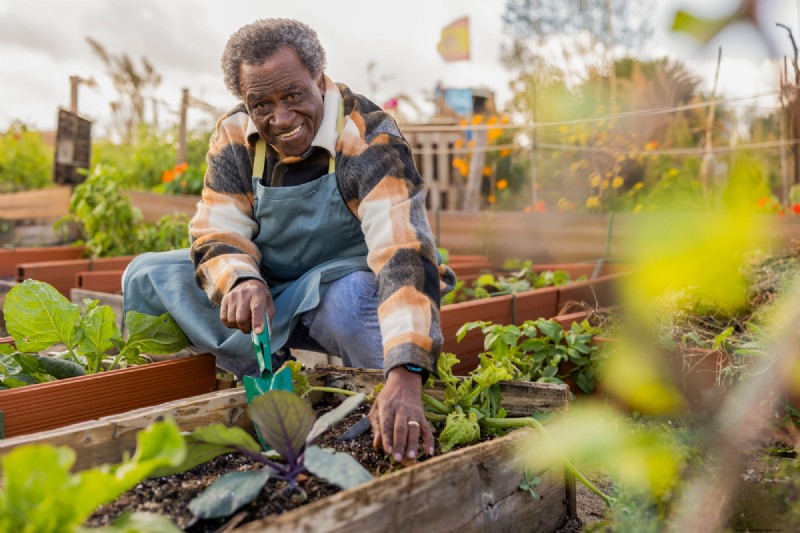
Imagine stepping out of your apartment and into a lush garden filled with fresh vegetables and herbs. Urban farming is transforming city landscapes into vibrant green spaces, allowing you to cultivate your own food right in the heart of the concrete jungle. This innovative approach not only enhances your connection to nature but also promotes sustainability and self-sufficiency.
As cities grow and populations swell, urban farming offers a practical solution to food security and environmental challenges. You can play a vital role in reducing your carbon footprint while enjoying the satisfaction of growing your own produce. With the rise of community gardens, rooftop farms, and vertical gardens, it’s easier than ever to embrace this rewarding lifestyle and contribute to a greener future.

Urban farming represents a strategic approach to food production within city limits, turning underutilized spaces into vibrant ecosystems. This practice involves growing vegetables, herbs, and fruits, often in community gardens, rooftop farms, and vertical setups. These green spaces not only enhance aesthetics but also provide fresh produce, promoting healthier eating habits.
As cities grow, the demand for locally-sourced food increases. Urban farming addresses food security, connecting people directly to their food sources and reducing reliance on transportation, which contributes to carbon emissions. You can participate in this movement by taking advantage of available resources and community support.
Launching an urban farming venture can become a small business opportunity. Begin by conducting market research to understand local demand for fresh produce. You may need to develop a business plan, outlining your goals, target audience, and operational strategy. Consider funding options, like crowdfunding or seeking investment from local angel investors, to get started.
It’s essential to navigate legal structures and permits that apply to urban farming enterprises. Determine if your business will operate as an LLC, sole proprietorship, or partnership, and ensure compliance with local regulations. Engage in marketing efforts through social media, highlighting your unique offerings to attract customers. Focus on building a strong brand with a clear message about sustainability and local sourcing.
Urban farming offers scalability, enabling you to expand your operations or diversify products based on customer preferences. Collaboration with other local businesses can enhance growth strategies and customer acquisition efforts. By providing fresh produce directly to your community, you contribute to a greener future while building a successful small business.

Urban farming provides numerous benefits that can enhance local economies and foster community engagement.
Urban farming stimulates local economies through farmers’ markets, creating direct links between producers and consumers. This approach supports local agriculture and encourages the growth of small businesses, including food vendors and artisans. Employment opportunities arise from urban farming, encompassing farming, food production, and industries like food processing and packaging. You’ll find that specialized skills in sustainable practices are increasingly valued, contributing to job creation and economic development.
Urban farming reduces transportation and storage costs, lowering the financial burden associated with long-distance food transport. This reduction leads to decreased expenses and energy consumption. Additionally, urban farms can revitalize underutilized spaces, increasing property values and attracting investment to surrounding neighborhoods. This investment spurs economic growth, making urban farming a catalyst for local prosperity.
Urban farming significantly reduces carbon footprints by mitigating the need for long-distance food transport. By sourcing food locally, you actively contribute to decreased emissions. Urban farming transforms concrete jungles into green spaces that support biodiversity. Implementing sustainable practices helps preserve ecosystems while enhancing air quality and urban heat regulation. These benefits create a cleaner, healthier environment for you and your community.
Urban farming fosters community engagement through collaboration and shared goals. It encourages social interactions among residents, cultivating relationships and a sense of belonging. Community gardens and rooftop farms serve as gathering spaces where you can connect with neighbors and participate in food production. These spaces often host workshops that provide valuable knowledge, promoting sustainable practices and food security.
By involving local residents in the process, urban farming empowers communities, creating a shared responsibility for food systems. This collective effort also enhances food access for underserved populations, creating equal opportunities for healthy living.
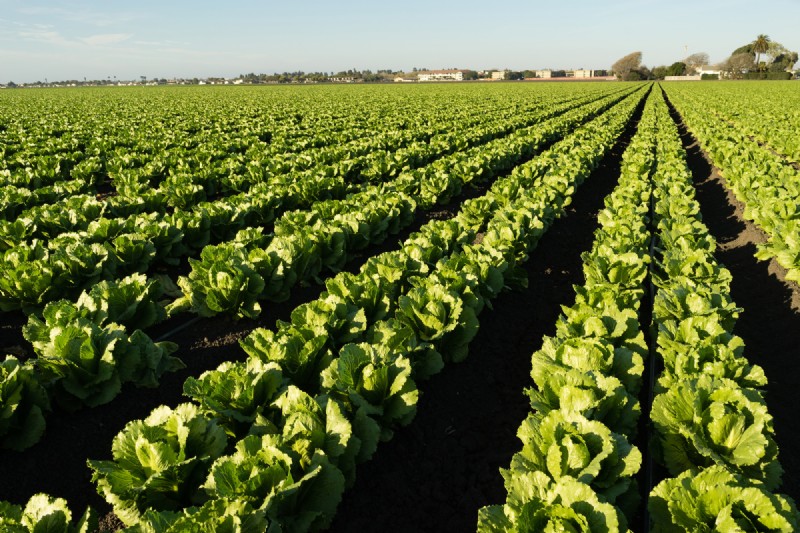
Urban farming presents significant challenges that you must navigate as an entrepreneur in this growing sector. Specific hurdles include space limitations and regulatory hurdles, which can impact your business’s success and scalability.
Urban farming faces critical constraints due to limited available space in densely populated areas. You’ll often find yourself innovating within confined spaces, such as balconies, rooftops, and repurposed plots. These restrictions affect the volume and variety of crops you can grow.
Urban farmers must also navigate regulatory hurdles. Zoning laws and city ordinances can dictate what activities are permissible in urban settings. Understanding these regulations is vital for compliance and securing necessary permits.
Addressing these challenges proactively enhances your chances of success in the vibrant world of urban farming, ultimately supporting your business objectives and community goals.
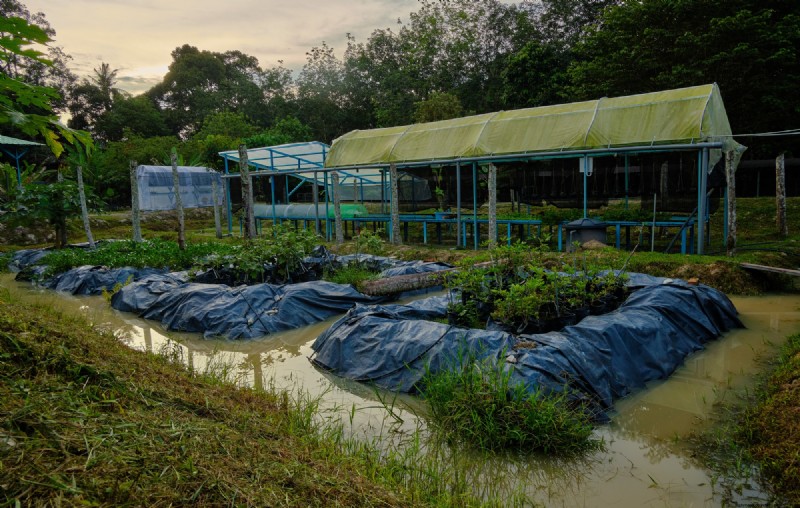
Urban farming includes various methods to cultivate food within city environments. Here’s a look at two significant types of urban farming.
Community gardens serve as shared spaces where local residents cultivate vegetables, fruits, and herbs. These gardens often occupy publicly-owned land, managed by volunteers from the community. Community gardens not only provide fresh produce but also function as gathering spots, enhancing social bonds. Managing these gardens invites opportunities for entrepreneurship, allowing you to explore small business ideas like offering workshops or selling produce at local markets. Proper market research can help you identify your target audience and develop effective branding strategies for your initiatives.
Rooftop farming makes use of underutilized rooftop spaces in urban landscapes. These locations can range from personal gardens to larger commercial operations. By establishing a rooftop farm, you tap into an innovative business model that caters to the increasing demand for locally-sourced food. It’s essential to create a solid business plan that outlines your growth strategy, covering aspects like legal structure, permits, and potential funding options. Collaborations with local businesses can enhance visibility and customer acquisition.
Vertical farms optimize limited space by utilizing vertical growing systems, enabling you to produce food in high-density urban settings. These farms can scale efficiently, increasing your profit margin as they grow. When exploring the possibility of a vertical farm, consider factors like startup costs, technology integration, and market demand. To succeed, focus on building a strong online presence through digital marketing channels like social media and content marketing. Networking with other urban farmers and participating in business incubators can provide valuable mentorship and resources for your venture.
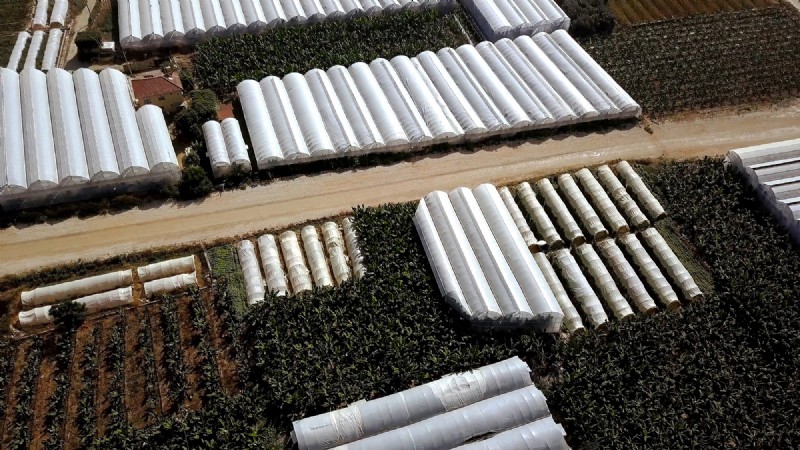
Urban farming presents an exciting opportunity to reshape your city and enhance your connection to nature. By engaging in this sustainable practice, you’re not only growing your own food but also contributing to a greener and healthier community. The diverse methods available—from community gardens to rooftop farms—make it easier than ever to get involved.
As you explore urban farming, you’ll discover the potential for economic growth and social engagement. Navigating challenges like space limitations and regulations is part of the journey, but with creativity and collaboration, you can thrive. Embrace the movement and take part in creating a vibrant urban ecosystem that benefits everyone. Your efforts can lead to a more sustainable future and a stronger community.

Urban farming is the practice of growing food in cities, utilizing available spaces like rooftops, vacant lots, and community gardens. It transforms urban environments into green spaces, providing fresh produce and herbs while promoting sustainability and self-sufficiency.
Urban farming enhances the connection to nature, promotes sustainability, and boosts self-sufficiency. It addresses food security, reduces carbon footprints, and fosters community engagement, ultimately contributing to a greener future.
Urban farming provides fresh, locally-sourced food, reducing dependence on long-distance transportation. This local approach helps enhance food access, especially in underserved areas, ensuring communities have reliable access to nutritious options.
Urban farmers encounter space limitations, regulatory hurdles, and zoning laws. To overcome these challenges, they often innovate using techniques like vertical farming and container gardens, while ensuring compliance with local regulations.
Starting an urban farming venture involves conducting market research, creating a solid business plan, and understanding local regulations. Collaboration with local businesses and effective marketing strategies are also essential for building a sustainable brand.
Common types of urban farming include community gardens, rooftop farms, and vertical farms. These setups allow residents to grow food collectively, utilize underused spaces, and maximize production in limited areas, respectively.
Urban farming creates jobs, supports local agriculture, and revitalizes neighborhoods, leading to increased property values and investment. This economic boost contributes to a more robust urban ecosystem while fostering community resilience.
Urban farming reduces carbon footprints, enhances biodiversity, and improves air quality. By fostering local food production, it minimizes the environmental impact associated with transportation and helps create greener urban spaces.
Urban farming fosters collaboration by creating shared spaces where residents can grow food together. This encourages social interaction, shared goals, and empowers individuals to take charge of their local food systems, enhancing community ties.
Image Via Envato