Welcome to Modern Agriculture!

 Depositphotos
Ferns are the unsung heroes of modern landscape design. They bring lush texture, vibrant greens, and a touch of prehistoric drama to any outdoor space.
From sleek urban courtyards to sprawling woodland gardens, these versatile plants create instant impact with minimal maintenance. Looking to elevate your landscape beyond ordinary shrubs and predictable perennials?
Ferns offer the perfect blend of bold statement and subtle sophistication. They work in places where other plants struggle, thriving in tricky shaded spots while adding year-round structure to your garden design.
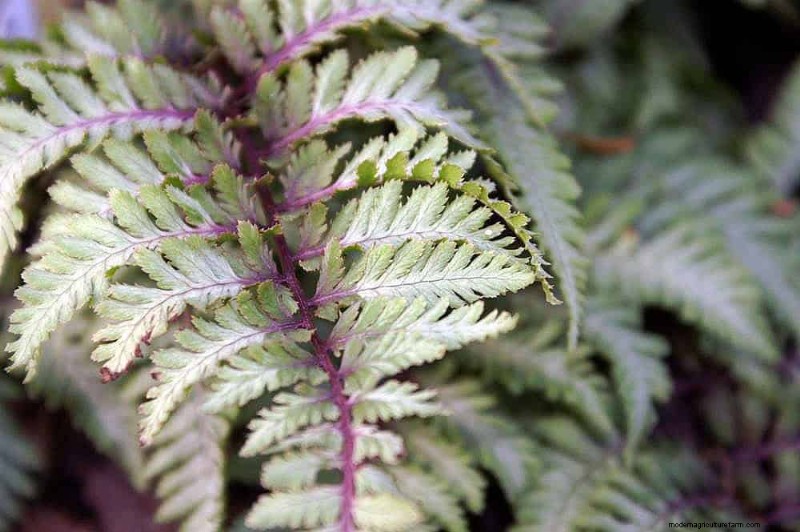 Photo by David J. Stang, CC BY-SA 4.0, via Wikimedia Commons
Japanese Painted Fern (Athyrium niponicum ‘Pictum’) is a designer’s dream with its silvery-gray fronds accented by burgundy stems. This award-winning variety grows to a manageable 18 inches tall, making it perfect for modern landscape borders or container arrangements.
Its metallic coloration creates a stunning contrast against dark mulch or alongside rich green companion plants. Plant these distinctive ferns in groups of three or five for maximum visual impact.
They prefer partial to full shade and well-draining soil with consistent moisture. Unlike many flowering plants, which offer only temporary interest, their unique coloration holds throughout the growing season.
 Depositphotos
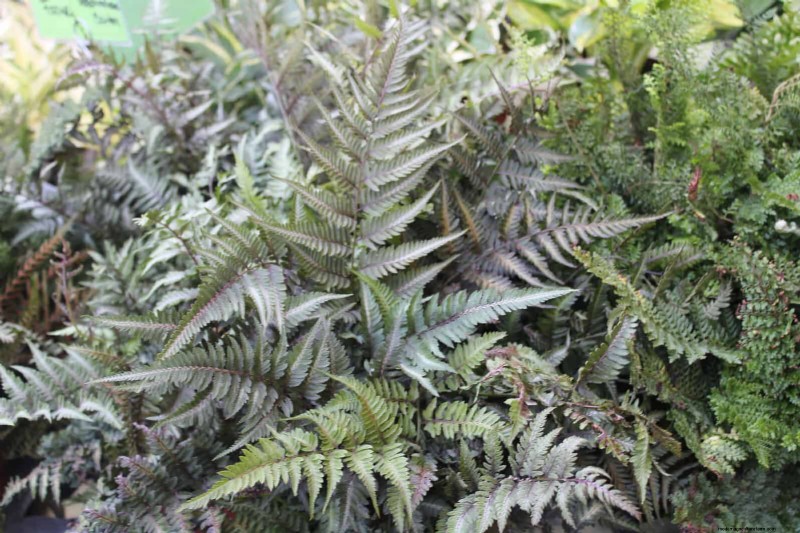
Pair Japanese Painted Ferns with dark-leaved heucheras or black mondo grass to create sophisticated plant combinations. The color contrast amplifies the fern’s silvery tones and creates a modern planting scheme.
These combinations work particularly well in contemporary container gardens or formal landscape beds. Professional designers often use these ferns to brighten shady corners or line modern walkways.
Their ability to reflect light makes them valuable in darker landscape areas. Consider planting them where morning or evening light can illuminate their metallic qualities for maximum design impact.
We'll email it to you so you can read it later!
By saving, you agree to receive occasional emails. Unsubscribe anytime.
 Depositphotos
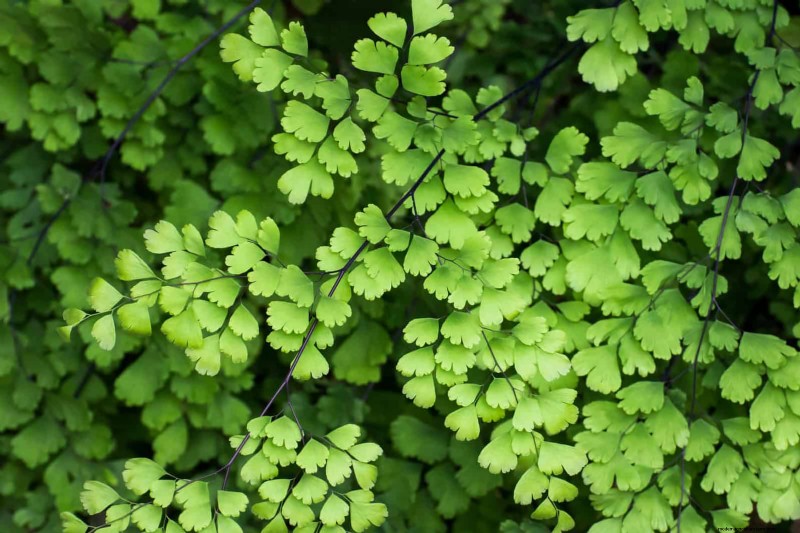
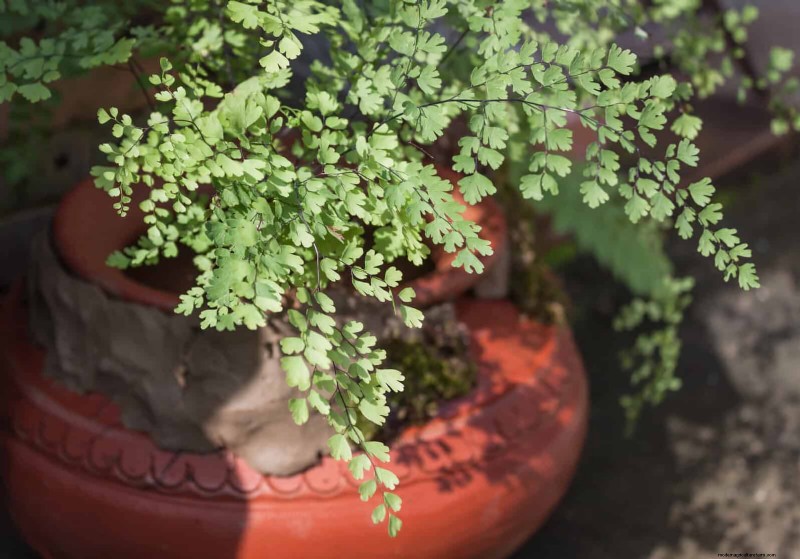
Maidenhair ferns (Adiantum species) bring unmatched delicacy to modern landscapes with delicate, fan-shaped fronds arranged on shiny black stems. These architectural beauties create a floating, ethereal effect that softens hard edges in contemporary garden designs.
Despite their delicate appearance, many varieties are surprisingly hardy and long-lived. The contrast between a maidenhair’s wispy texture and modern hardscaping creates instant visual interest.
Plant them alongside clean-lined concrete or in minimalist containers for maximum impact. Their gentle movement adds a kinetic element to otherwise static modern designs.
 Depositphotos
Position maidenhair ferns where their intricate details can be appreciated up close. They excel in elevated planters, wall pockets, or alongside garden paths where visitors can admire their unique structure.
In contemporary designs, they create organic counterpoints to geometric elements. These ferns thrive in protected locations with filtered light and consistent moisture.
Northern exposures of buildings or under the dappled shade of deciduous trees provide ideal growing conditions. Their need for humidity makes them perfect companions for water features in modern landscapes.
 Depositphotos
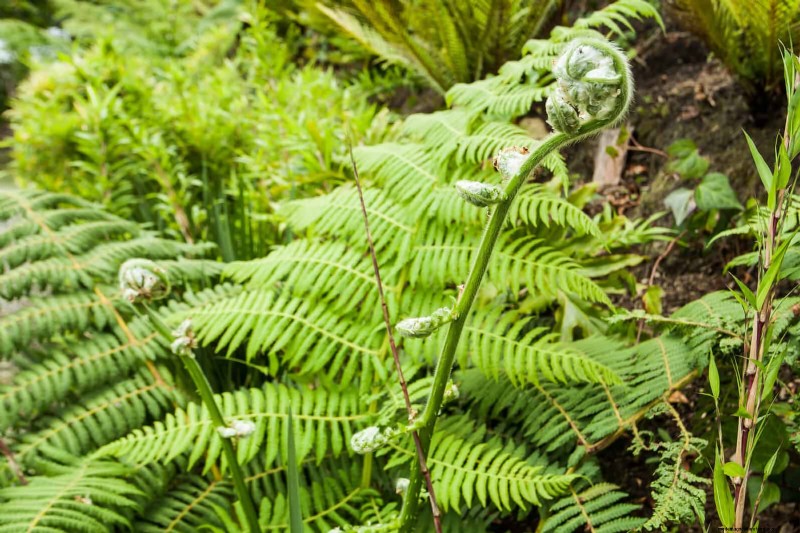
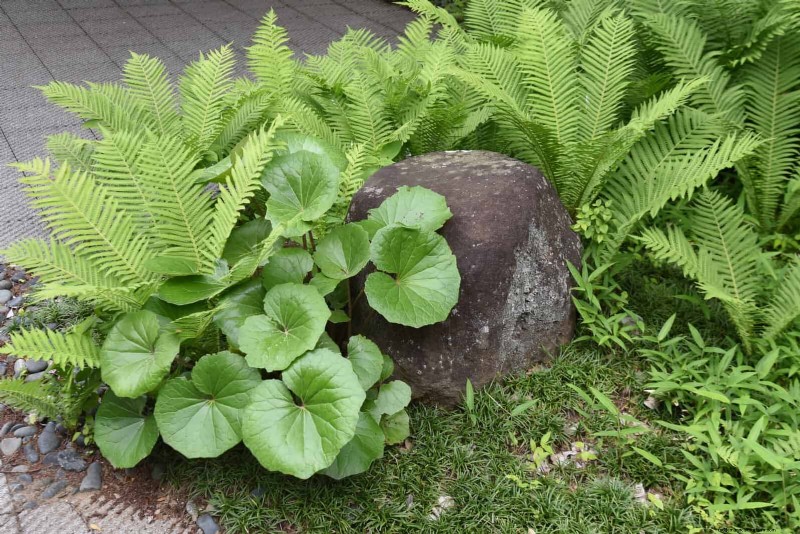
Ostrich ferns (Matteuccia struthiopteris) command attention with their impressive 3 to 5-foot-tall vase-shaped growth habit. Their dramatic vertical presence creates instant architecture in landscape designs.
The unfurling of their fiddleheads in spring adds an engaging seasonal element to modern gardens. These bold statement plants create natural privacy screens or living walls without the formality of traditional hedges.
Their grand scale works particularly well in contemporary designs where strong forms and clean lines dominate. Plant them in sweeping drifts for maximum impact or as singular specimens in smaller spaces.
 Depositphotos
Channel the vigorous spreading nature of ostrich ferns by installing physical barriers or dedicated planting beds. Modern steel edging creates a clean-lined containment solution that complements contemporary design aesthetics.
This controlled approach allows you to harness their dramatic presence without worry. In urban settings, utilize their vigorous growth to establish green walls or screens between outdoor living spaces quickly.
Their rapid colonization transforms bare areas into lush oases within just a few growing seasons. Their ability to stabilize soil makes sustainable landscapes valuable on slopes or in rain gardens.
 Depositphotos
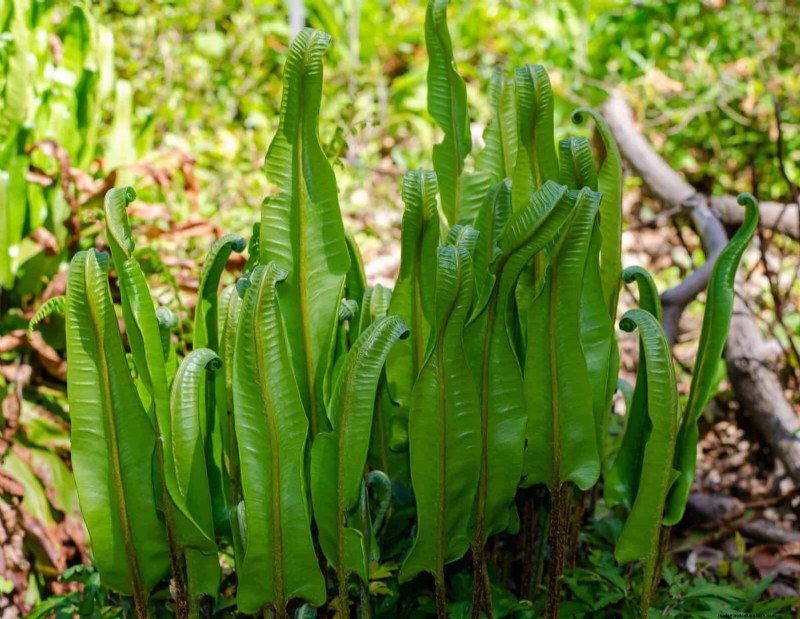
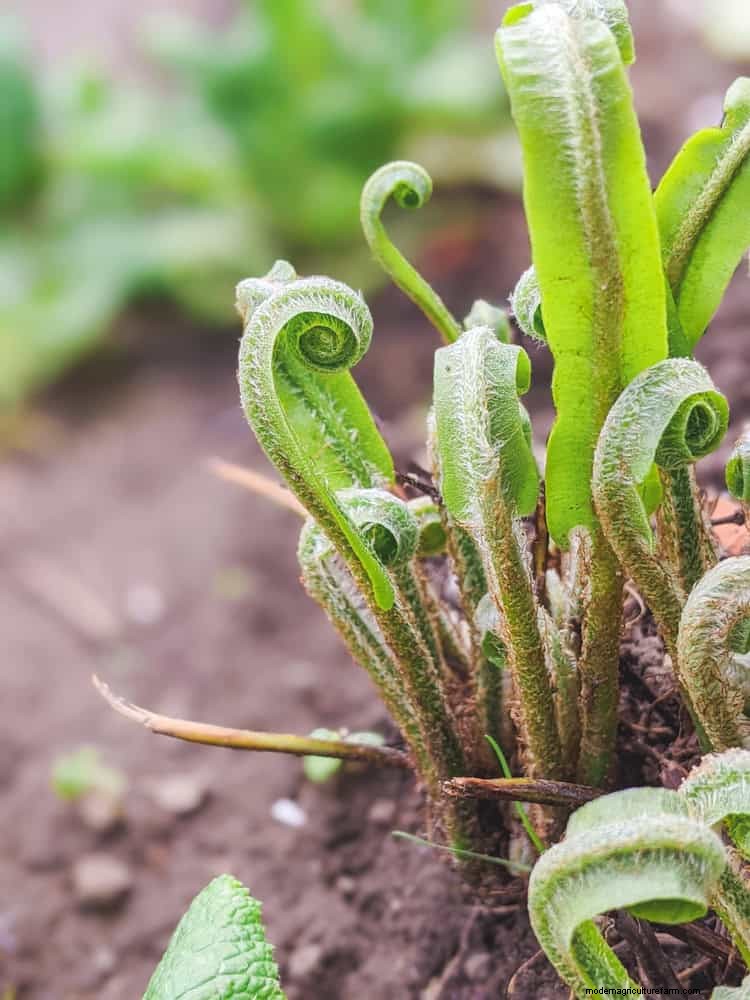
Hart’s Tongue fern (Asplenium scolopendrium) stands apart with its unusual undivided fronds that resemble glossy green ribbons or straps. This architectural plant brings distinct sculptural qualities to modern landscapes.
Its evergreen nature ensures year-round interest, making it especially valuable in contemporary winter gardens. The plant’s unique form contrasts sharply against more typical ferns or traditional landscape plants.
Its bold simplicity resonates with clean-lined modern design principles. Plant them as focal points in contemporary containers or as distinctive specimens in minimalist garden beds.
 Depositphotos
Incorporate Hart’s Tongue ferns into modern stonework for dramatic textural juxtaposition. Their glossy, strap-like fronds create living sculptures when emerging from gravel gardens, stone walls, or contemporary water features.
This integration of plant and hardscape exemplifies sophisticated landscape design. These adaptable ferns tolerate more alkaline conditions than many other fern species, making them suitable for planting near concrete elements or limestone features common in modern landscapes.
Their compact growth habit remains tidy throughout the seasons, maintaining the clean aesthetic valued in contemporary design.
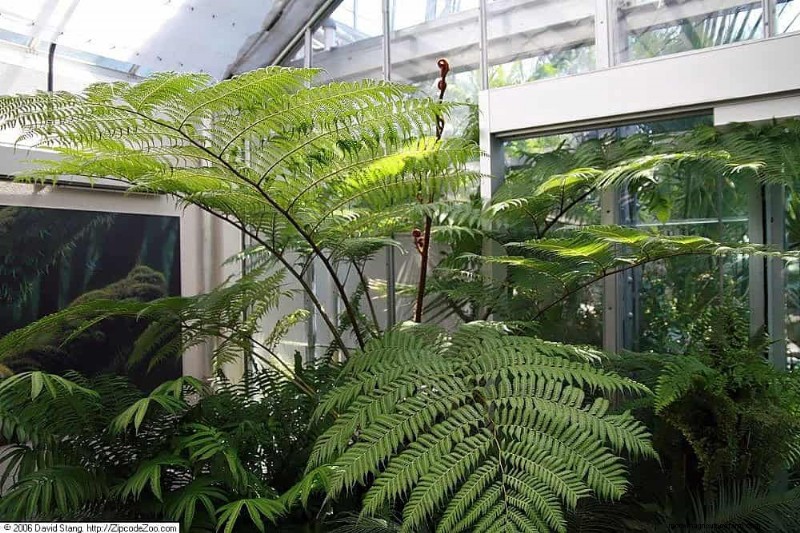 Photo by David J. Stang, CC BY-SA 4.0, via Wikimedia Commons
Australian Tree Ferns (Cyathea cooperi) bring instant tropical drama to modern landscapes with their prehistoric appearance and soaring height. These statement plants create a stunning architectural presence with fronds unfurling from atop tall, fibrous trunks.
They embody the growing “modern tropical” design trend. These impressive specimens can reach 20 feet tall in frost-free areas, creating living sculptures that draw the eye upward.
Their primitive appearance offers a fascinating contrast to sleek contemporary architecture. Even in colder climates, they make spectacular seasonal container specimens for modern patios and pool areas.
 Magnus Manske, CC BY-SA 3.0, via Wikimedia Commons
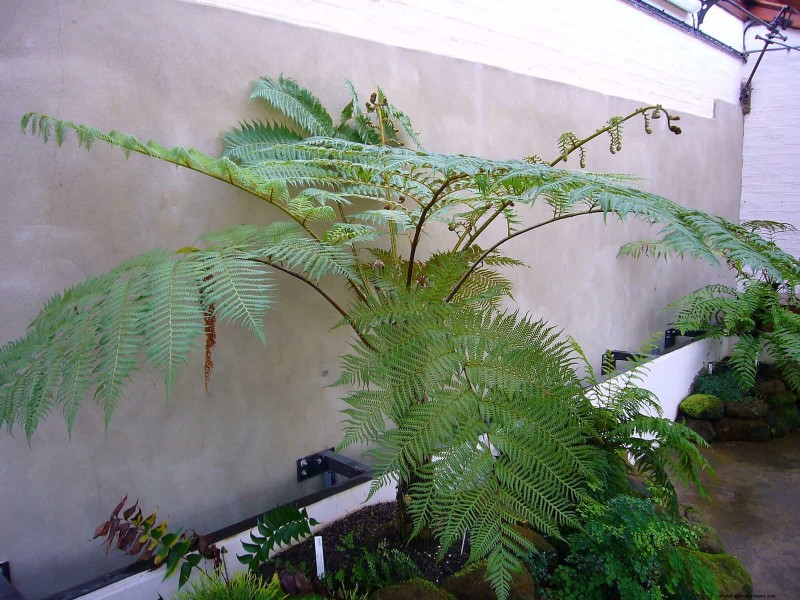
Extend the growing range of Australian Tree Ferns by creating protected microclimate zones in your landscape. Strategic placement near buildings, under deciduous tree canopies, or within courtyard spaces provides essential winter protection in marginal growing zones.
This thoughtful planning allows even temperate gardens to incorporate tropical drama. In cooler regions, grow tree ferns in large contemporary containers that can be relocated seasonally.
Their dramatic silhouettes make them worth the extra effort. Pair them with modern outdoor lighting to cast dramatic shadows against walls or fences, extending their visual impact into evening hours.
 Krzysztof Ziarnek, Kenraiz, CC BY-SA 4.0, via Wikimedia Commons
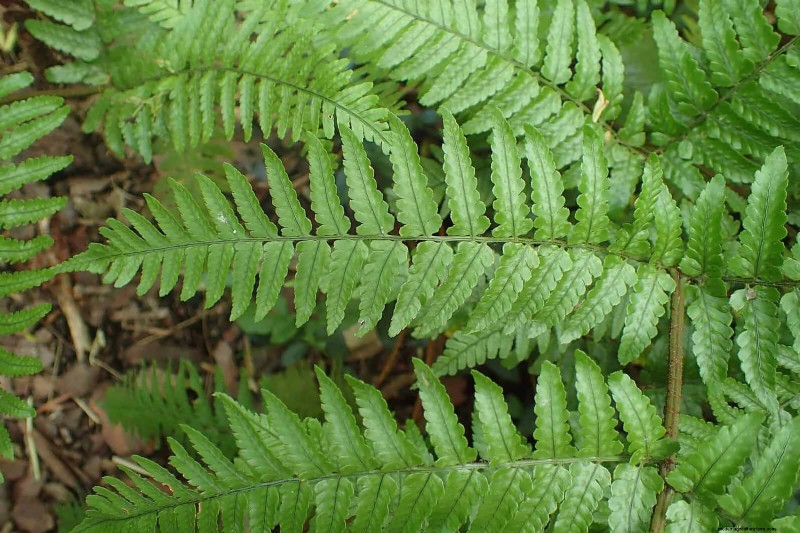
Autumn Fern (Dryopteris erythrosora) delivers multi-season color interest with copper-red new growth that matures to deep green. This color-shifting quality adds dynamic visual interest to modern landscape designs throughout the growing season.
Their semi-evergreen nature provides structure even in winter months. The rich copper tones of emerging fronds create stunning focal points in spring landscapes.
Plant them where morning light can illuminate their translucent new growth. Their ability to maintain a good appearance with minimal maintenance aligns perfectly with contemporary landscape priorities.
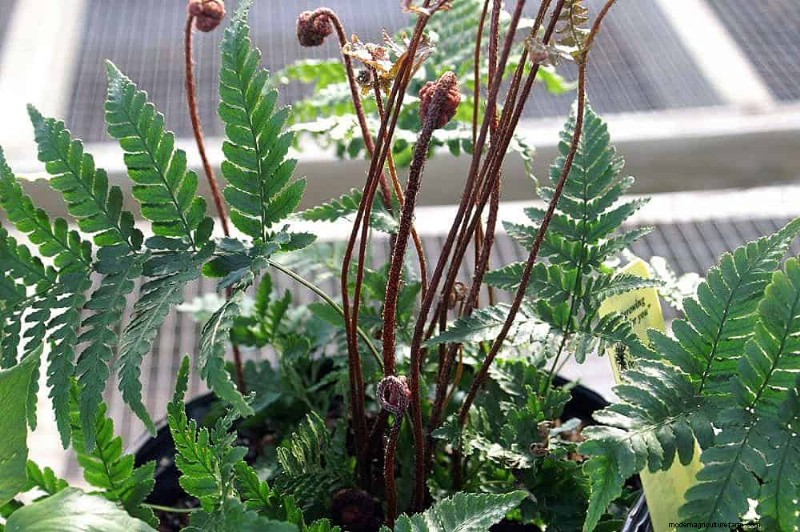 Photo by David J. Stang, CC BY-SA 4.0, via Wikimedia Commons
Showcase Autumn Ferns in contemporary containers for versatile design applications. Their compact 18 to 24-inch size makes them ideal candidates for modern planters on patios, balconies, or flanking entryways.
Choose matte black or brushed metal containers to complement their rich coloration. These adaptable ferns perform well in mixed container plantings for year-round interest.
Their consistent good looks provide a reliable structure among seasonal flowering plants. For ultra-modern appeal, create minimalist plantings of autumn ferns alone in architectural vessels.
 Depositphotos
Boston Ferns (Nephrolepis exaltata) bring cascading texture to modern vertical gardens and hanging installations. Their arching fronds create living curtains that soften contemporary architecture while maintaining clean design lines.
These adaptable plants thrive in various light conditions, making them versatile design elements. Contemporary landscape designers utilize Boston Ferns in creative suspended installations over outdoor dining areas or lounge spaces.
Their abundant fronds create natural privacy screens or space dividers without permanent structures. The gentle movement of their foliage adds dynamic energy to static modern designs.
 Depositphotos
Maintain the clean aesthetic of Boston Ferns with periodic grooming to remove browned fronds. This simple maintenance preserves their architectural quality in modern landscape applications.
Regular misting in dry environments keeps Boston ferns looking their best throughout the growing season. In seasonal climates, they make excellent annual accents in contemporary summer gardens.
Their affordable price point allows for bold, large-scale use that creates maximum impact. For permanent installations in temperate regions, select hardier cultivars like ‘Kimberly Queen’ that maintain better form in landscape settings.
 Depositphotos
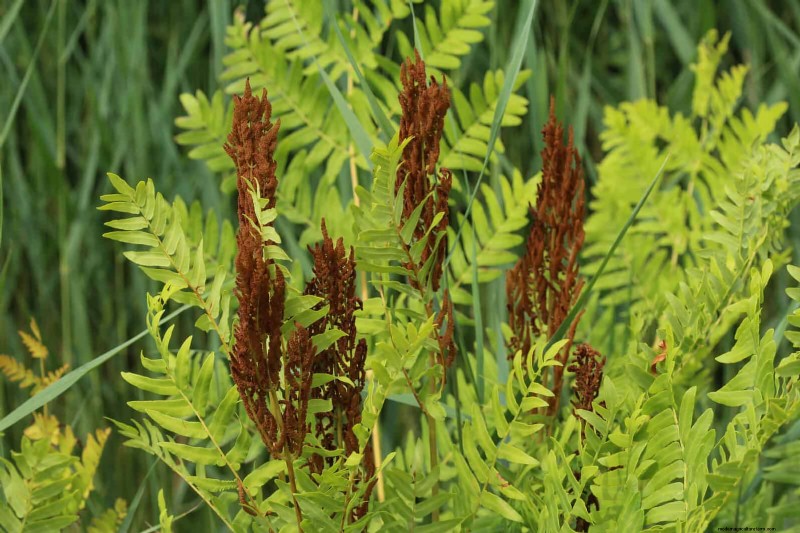
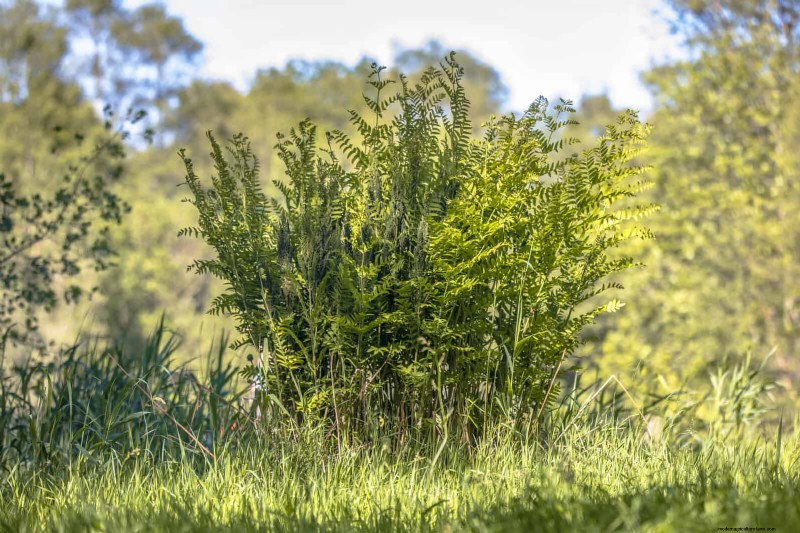
Royal Fern (Osmunda regalis) brings stately elegance to modern water features with its impressive size and distinctive fertile fronds. This native species reaches 4 to 6 feet tall, creating dramatic vertical elements beside contemporary pools, streams, or rain gardens.
Its prehistoric appearance adds a compelling sense of time to modern designs. Unlike many ferns that prefer dry feet, Royal Fern thrives at the water’s edge, making it perfect for bioswales or retention areas in sustainable landscape designs.
Its grand scale creates impactful green architecture without the formality of traditional water garden plants like cattails or iris.
 Depositphotos
Incorporate Royal Fern into modern landscapes for multi-season visual appeal. Their unfurling fiddleheads create springtime drama, lush summer foliage provides a cooling green presence, and cinnamon-colored fertile fronds add warm tones to fall gardens.
Even winter reveals interesting structural elements after the fronds have faded. Combine Royal Ferns with clean-lined boulder arrangements or architectural water spillways for contemporary water gardens.
Their natural appearance balances highly designed hardscape elements. Their impressive root systems in rain gardens help manage stormwater while their grand appearance elevates utilitarian spaces.
 Depositphotos
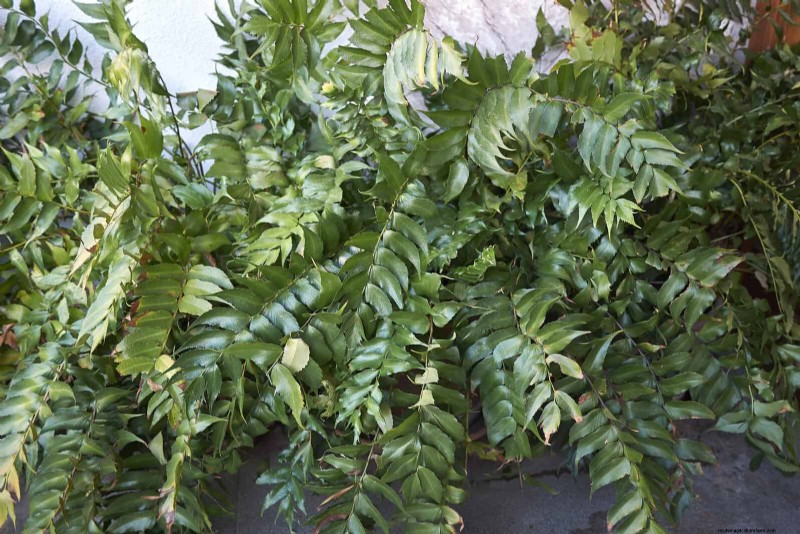
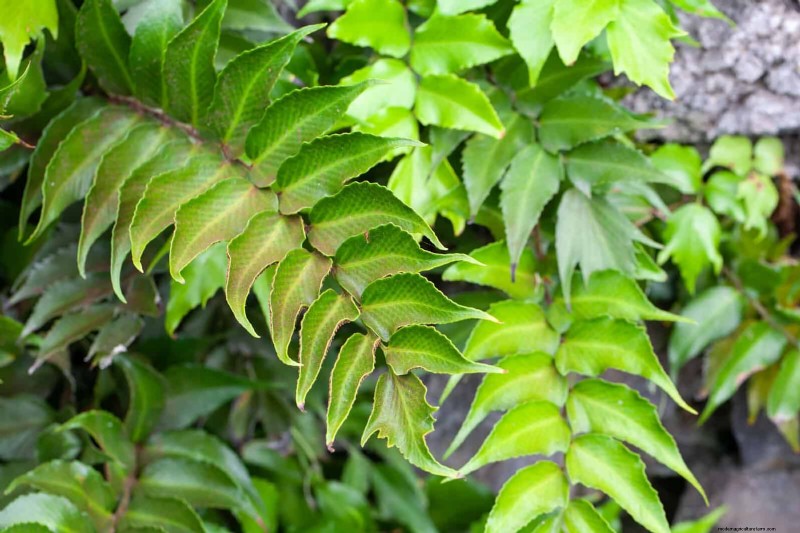
With its distinctive leathery fronds, Holly Fern (Cyrtomium falcatum) brings bold, glossy texture to contemporary shade gardens. Unlike feathery ferns, its leaflets resemble holly leaves, creating a more substantial, architectural presence.
This evergreen performer maintains a strong structure throughout all seasons. The plant’s upright growth habit and lustrous foliage make it an excellent choice for modern foundation plantings or north-facing beds.
Its clean appearance and minimal maintenance requirements align with contemporary landscape values. For design continuity, mass-plant in groups rather than using as scattered specimens.
 Depositphotos
Create sophisticated modern woodland gardens using Holly Ferns as key structural elements. Their bold texture stands out against finer-leaved shade plants, and their evergreen nature provides a year-round framework.
This approach updates traditional woodland gardens with cleaner lines and more substantial visual impact. In urban gardens, Holly Ferns tolerate pollution and compacted soil better than many shade plants.
Their resilience makes them a practical choice for challenging city conditions. Pair them with modern outdoor lighting to highlight their glossy surfaces and create dramatic nighttime garden scenes.
 Depositphotos
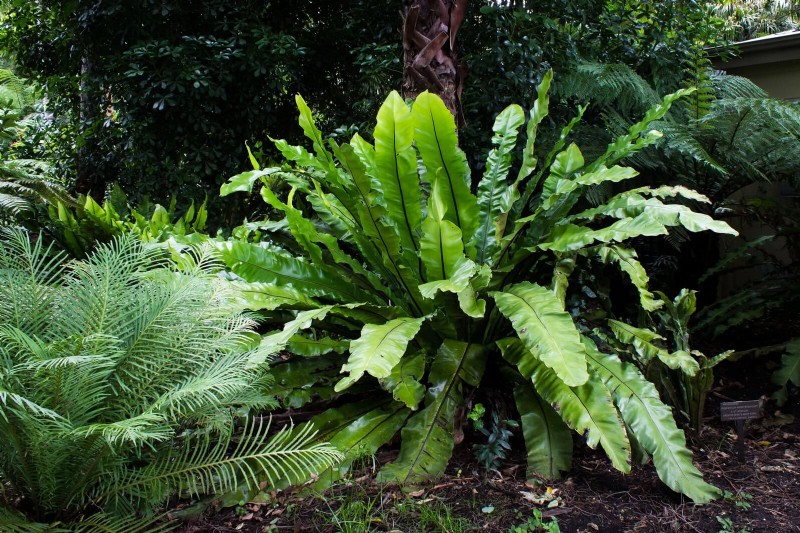
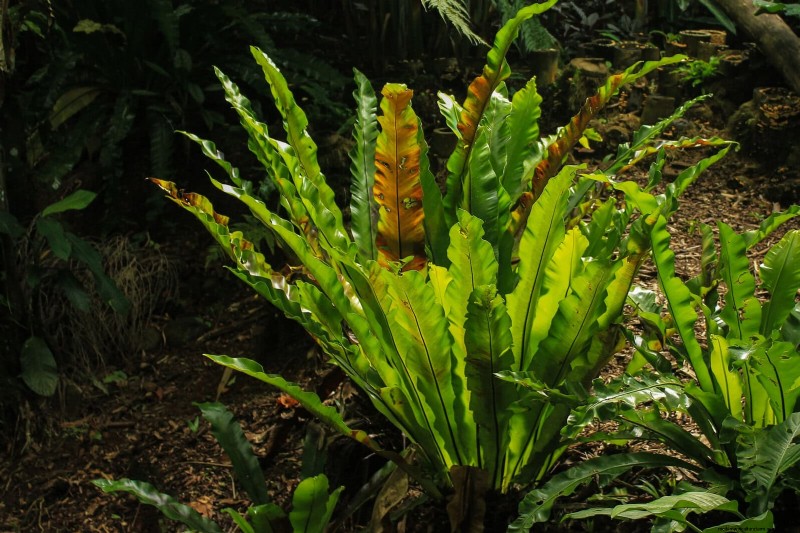
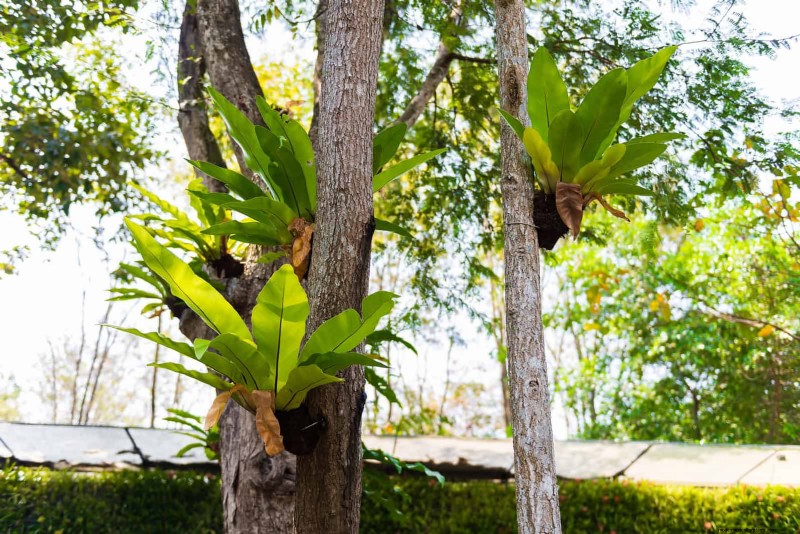
Bird’s Nest Fern (Asplenium nidus) creates a seamless design flow between indoor and outdoor living spaces. Its distinctive rosette form and undivided fronds make it instantly recognizable as a modern design element.
Use identical specimens in interior planters and exterior landscape beds to visually connect the spaces. These tropical-looking ferns, with their bold, wavy-edged fronds, bring resort-style luxury to contemporary landscapes.
In frost-free areas, they make stunning landscape specimens; in colder regions, they excel in seasonal container displays. Their clean form complements modern architecture without overwhelming it.
 Depositphotos
Through thoughtful placement and display, Bird’s Nest Ferns can be elevated in modern landscape designs. Their natural epiphytic growing habit makes them perfect candidates for creative mounting on vertical surfaces or suspended installations.
These approaches save valuable floor space while creating a dramatic visual impact. Contemporary gardens display Bird’s Nest Ferns at varying heights to develop dynamic plant compositions.
Their bold forms make them excellent focal points from indoor living spaces. Position them where light can illuminate their rippled surfaces for maximum visual appeal, enhancing their three-dimensional quality.
 Depositphotos
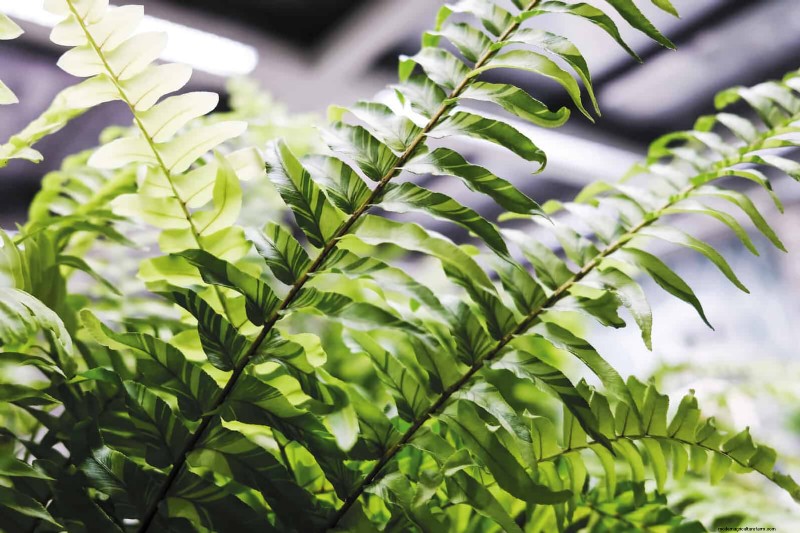
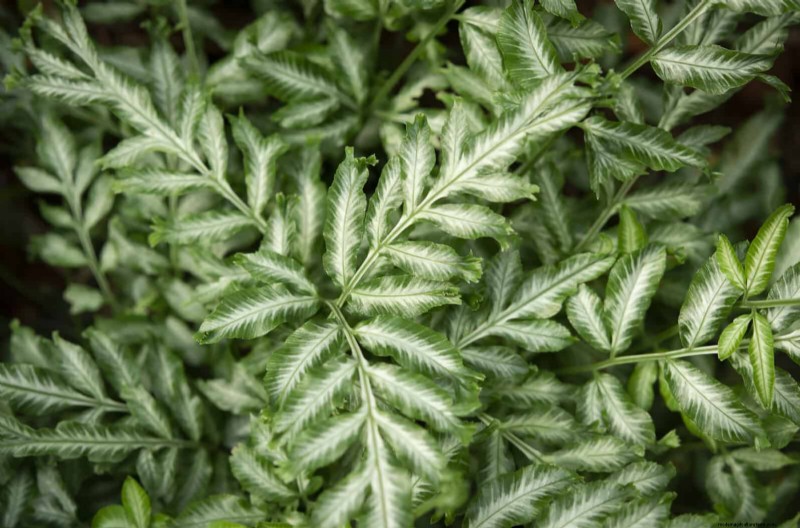
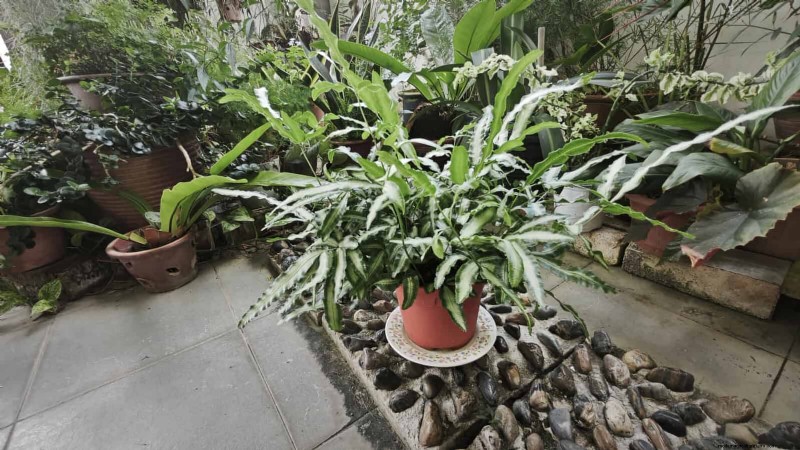
Silver Brake Fern (Pteris quadriaurita ‘Argyraea’) solves the challenging design problem of dry shade with its striking variegated fronds. Unlike many ferns that demand consistent moisture, this adaptable variety tolerates drier conditions once established.
Its distinctive silver-striped foliage brightens dark corners of modern landscapes, and the plant’s upright architectural form creates strong vertical elements in contemporary garden designs.
Its metallic coloration complements modern material palettes featuring concrete, steel, and natural stone. For maximum impact, plant them in groups or as accent specimens among darker green companions.
 Depositphotos
Incorporate Silver Brake Fern into sophisticated plant combinations that highlight its unique coloration. Pair with deep purple heucheras, black mondo grass, or burgundy-leaved perennials for dramatic modern color schemes.
These high-contrast groupings create instant visual interest in minimalist garden designs. For year-round structures in temperate climates, combine silver brake fern with evergreen ground covers and architectural grasses.
This layered approach creates depth while maintaining clean contemporary lines. Use seasonal displays as sophisticated alternatives to typical summer annuals in modern container arrangements.
 Depositphotos
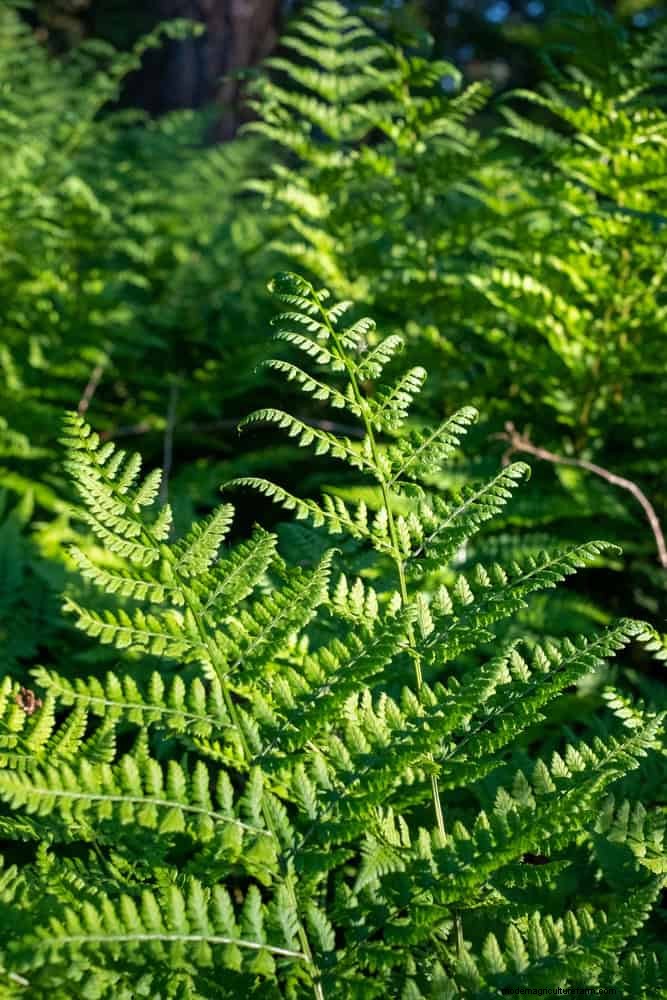
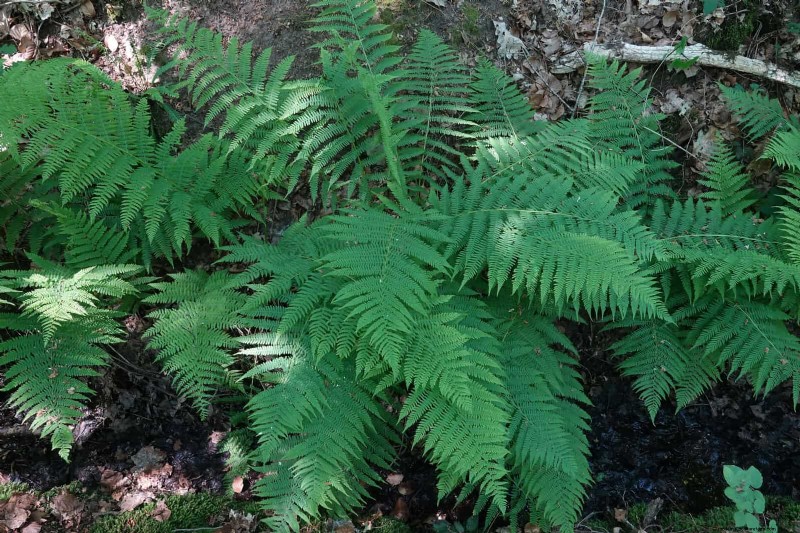
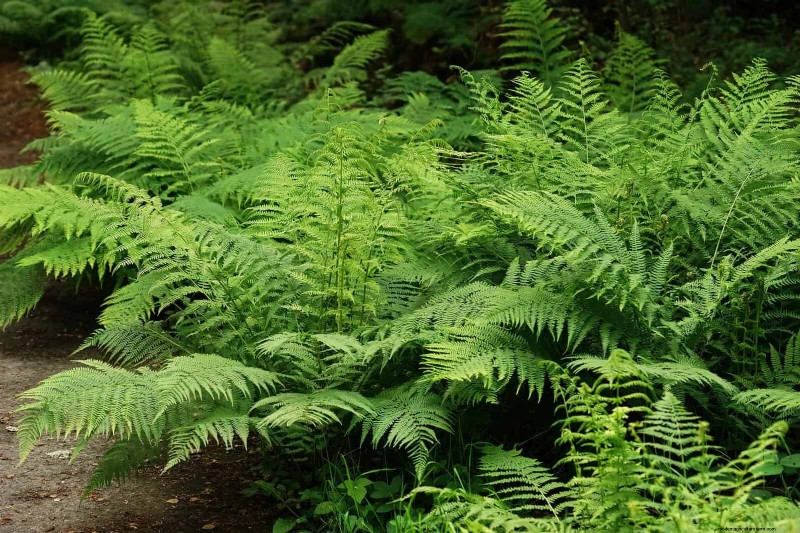
Lady Fern (Athyrium filix-femina) embodies sustainable design principles with its adaptability to native landscapes and low maintenance requirements. This indigenous beauty brings a graceful texture to contemporary gardens while supporting local ecosystems.
Its soft appearance balances the hard edges common in modern design. These versatile natives thrive in various light conditions, from dappled shade to morning sun, making them practical choices for evolving landscape designs.
Their lacy fronds create movement and light-catching qualities that soften contemporary architecture. For ecological landscapes, plant them in rain gardens or bioswales, where they help manage stormwater.
 Depositphotos
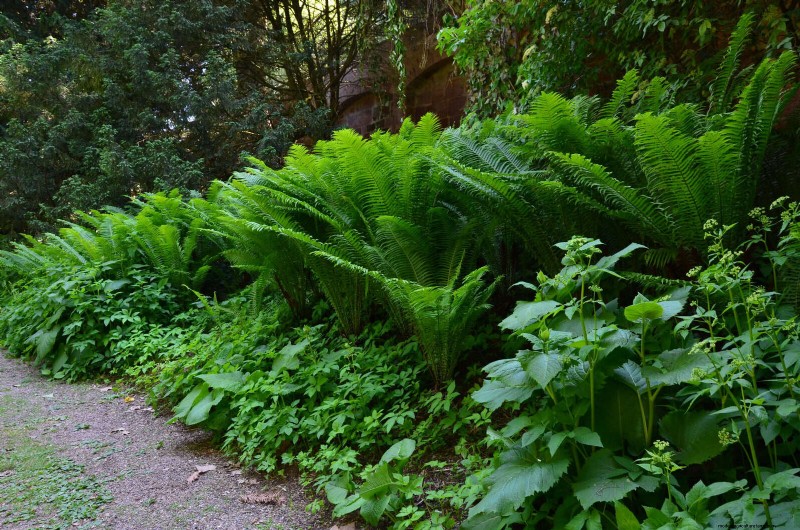
Create modern interpretations of natural landscapes using Lady Ferns in generous, sweeping drifts. This approach references native plant communities while maintaining the clean aesthetic valued in contemporary design.
Large-scale plantings deliver a dramatic visual impact with minimal maintenance requirements. Lady Ferns provides a quick-establishing ground cover for urban green spaces beneath newly planted trees or alongside contemporary pathways.
Their adaptability to various soil conditions makes them reliable performers in challenging sites. Combine with native sedges and woodland perennials for sophisticated ecological plantings.
 Depositphotos
Ferns offer remarkable versatility for modern landscape design, bringing unique textures, forms, and colors that few other plant groups can match.
From the metallic shimmer of Japanese Painted Fern to the bold architecture of Hart’s Tongue, these ancient plants solve contemporary design challenges with surprising sophistication. The key to success lies in selecting the right fern for your specific conditions and design goals.
Some thrive in dry shade while others demand constant moisture. Some stay compact while others reach impressive heights. All bring a mix of primitive drama and refined elegance, and knowing when to transplant ferns ensures they stay healthy and stunning in your landscape.