
Welcome to Modern Agriculture!

 Depositphotos
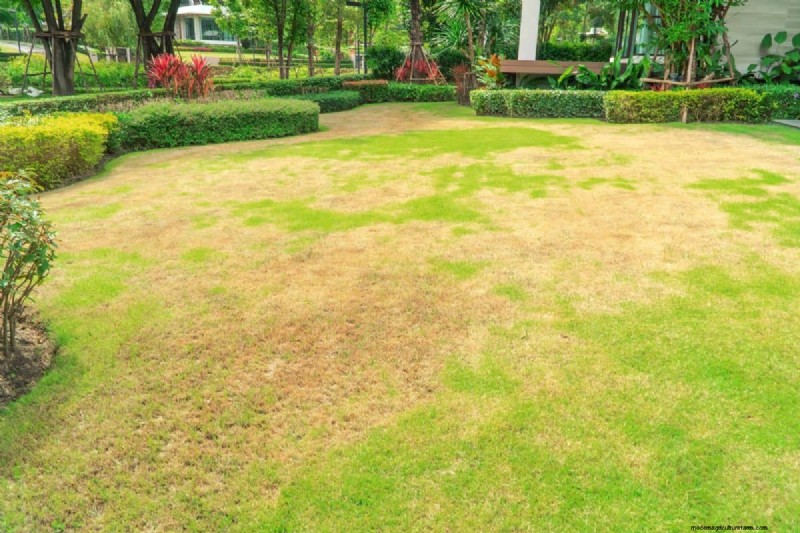
Summer heat can be brutal on your lawn. Those once-lush green blades might look tired, brown, or patchy after months of high temperatures and sporadic rainfall. But don’t worry. You still have time to rejuvenate your lawn before autumn arrives.
Late summer is the perfect time to give your yard some extra TLC. With the proper techniques, you can help your grass recover from summer stress and prepare it for the cooler months. These practical tips will transform your lawn from summer-scorched to fall-ready.
 Depositphotos
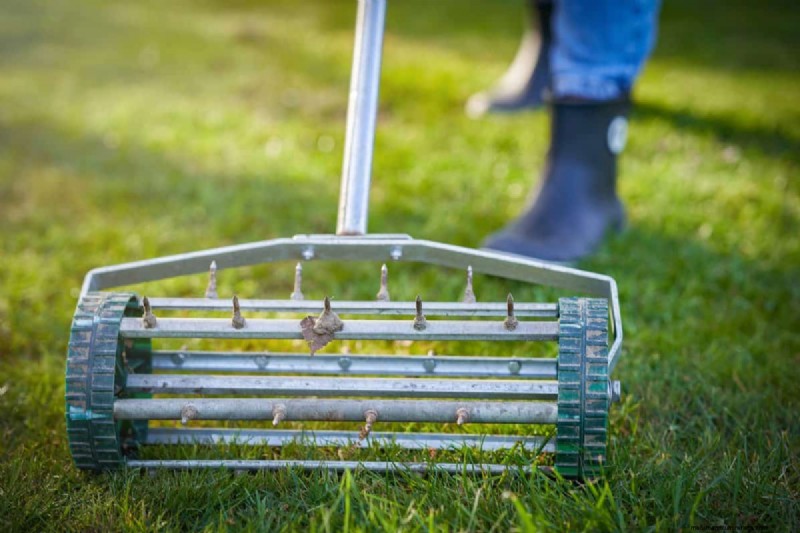
Compacted soil prevents water, nutrients, and oxygen from reaching the grass roots. Aerating creates small holes in your lawn that allow these essentials to penetrate deeper. You can rent a mechanical aerator from your local garden center or use manual aerating tools for smaller areas.
The best time to aerate is when your soil is moist but not soggy. Aim for a day after light rain or water your lawn lightly beforehand. Focus on high-traffic areas where compaction is most severe. The small soil plugs can be left on the lawn to decompose naturally and return nutrients to the soil.
 Depositphotos
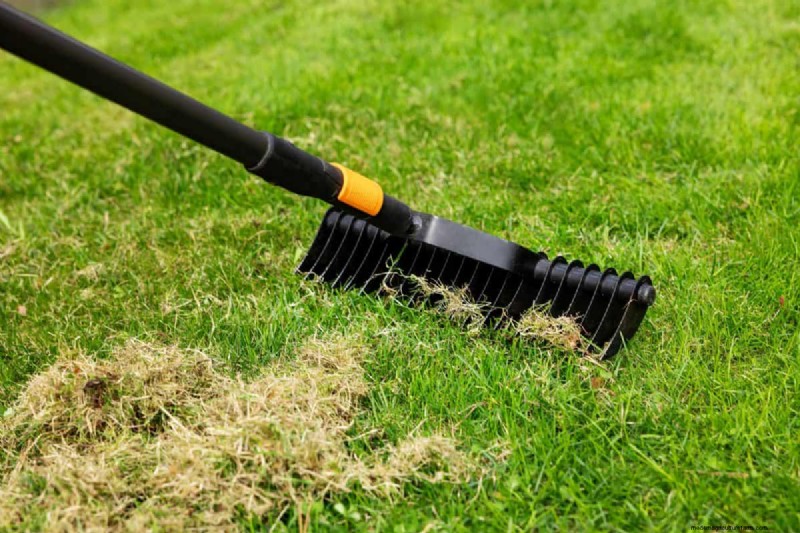
Thatch is the layer of dead grass, roots, and debris that accumulates between your soil and the green grass blades. When this layer becomes thicker than half an inch, it prevents water and nutrients from reaching the roots. Use a dethatching rake or rent a power dethatcher for larger lawns.
Work in sections across your lawn, pulling the thatch upward and away from the soil. Collect and compost the removed material if it’s free of disease. This process might look rough initially, but your lawn will thank you later with improved growth and vigor as air and water can easily reach the roots.
We'll email it to you so you can read it later!
By saving, you agree to receive occasional emails. Unsubscribe anytime.
 Depositphotos
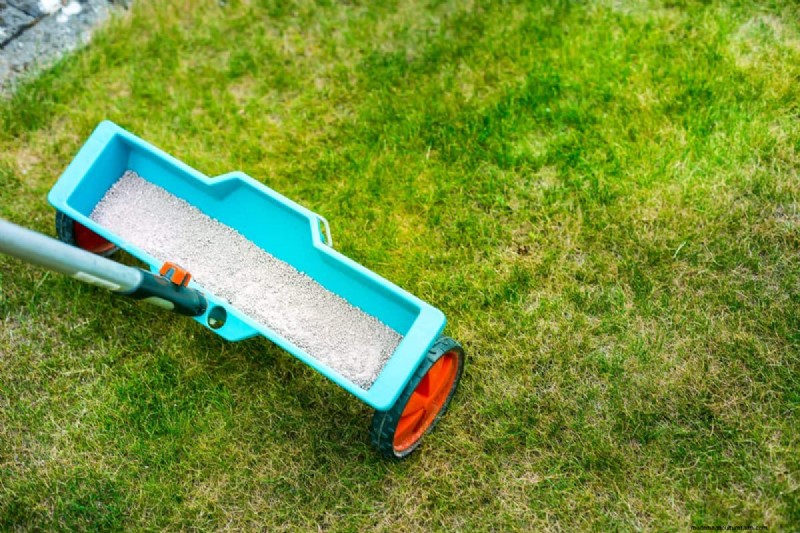
Late summer is an ideal time to apply a slow-release fertilizer with the right nutrient balance for your specific grass type. Look for fertilizers with a higher ratio of nitrogen and potassium but lower phosphorus. These nutrients help strengthen roots and prepare grass for cooler weather.
Apply the fertilizer evenly across your lawn using a broadcast spreader. Water thoroughly afterward to help the nutrients soak into the soil. Avoid fertilizing during the hottest part of the day. Instead, apply in the early morning or late afternoon when temperatures are cooler and evaporation rates are lower.
 Depositphotos
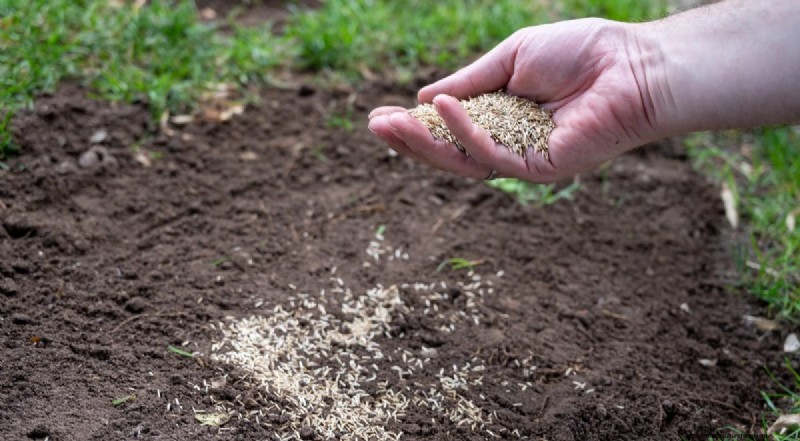
Fill in those brown, bare spots by overseeding with grass varieties appropriate for your region. Late summer provides the perfect conditions for cool-season grasses to germinate. The soil is still warm, but the air temperatures are becoming milder, creating ideal growing conditions.
Rake the bare areas gently to loosen the soil before spreading seed. Cover lightly with a thin layer of topsoil or compost to protect seeds and retain moisture. Water lightly twice daily until germination occurs. Continue regular watering until the new grass establishes itself, typically about two to three weeks.
 Depositphotos
Raise your mower blade during late summer to leave grass slightly taller than usual. Longer grass blades provide more shade for the soil, reducing evaporation and protecting roots from heat stress. They also create more surface area for photosynthesis, helping your lawn recover energy.
Generally, never remove more than one-third of the grass height in a single mowing. Sharp mower blades make clean cuts that heal quickly and lose less moisture. Consider mowing in the evening when temperatures are cooler to reduce additional stress on your lawn.
 Depositphotos
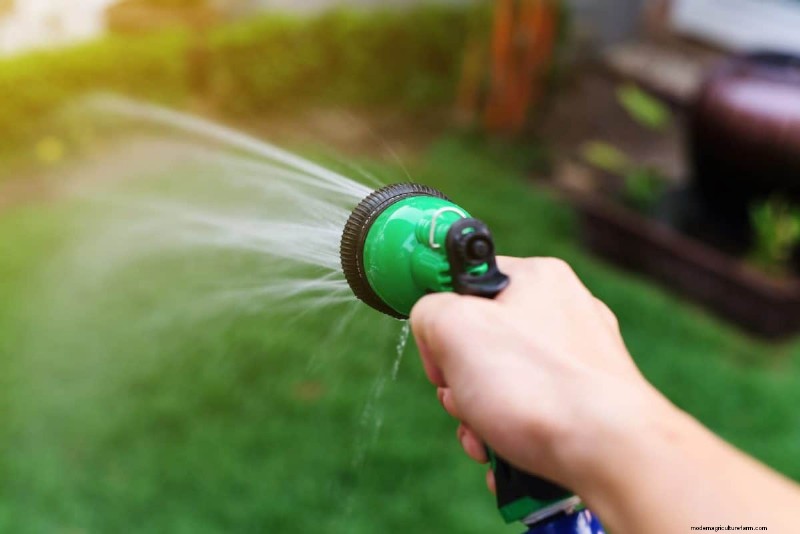
Instead of light, frequent watering, switch to deeper, less frequent irrigation. This encourages the grass roots to grow deeper into the soil to access moisture reserves during dry periods. Aim to provide about 1 to 1.5 inches of water per week, including rainfall.
Water early in the morning when evaporation rates are low and water pressure is typically better. Use a rain gauge or a tuna can to measure water application. If water runs off before soaking in, try breaking your watering into shorter sessions with breaks in between to allow absorption.
 Depositphotos
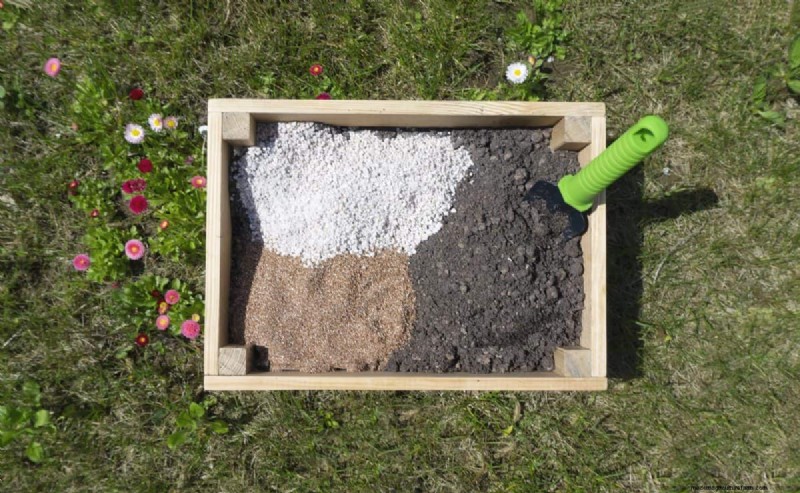
A thin layer of compost spread over your lawn adds valuable organic matter and beneficial microorganisms to the soil. This improves soil structure, enhances moisture retention, and provides slow-release nutrients that help revitalize tired grass.
Spread about a quarter-inch layer of fine compost evenly across your lawn using a shovel and rake. Water thoroughly afterward to help the compost settle into the soil. This treatment works especially well when combined with aeration, as the compost can fill the aeration holes and improve soil quality at the root level.
 Depositphotos
Summer stress makes lawns more vulnerable to pests and diseases. Scrutinize your lawn for signs of grubs, chinch bugs, brown patch, or dollar spot. Early identification allows for targeted treatment before these problems spread further.
Consider using organic or biological controls when possible. Many garden centers offer beneficial nematodes for grub control or organic fungicides for disease issues. Follow label instructions carefully and apply treatments during cooler parts of the day to minimize additional stress on your lawn.
 Depositphotos
Late summer is an effective time to tackle perennial weeds like dandelions and clover. These weeds actively store energy in their root systems for winter, making them more susceptible to herbicide treatments. Spot-treat individual weeds rather than applying broadcast treatments to your entire lawn.
For an organic approach, try pulling weeds after a rain when the soil is moist and roots come out more easily. Fill any resulting bare spots with grass seed to prevent new weeds from establishing. Remember that a thick, healthy lawn is your best defense against future weed invasions.
 Depositphotos
Proper soil pH is crucial for nutrient availability and grass health. Most grasses prefer slightly acidic to neutral soil with a pH between 6.0 and 7.0. Home soil testing kits are available at garden centers, or you can send samples to your local extension office for more detailed analysis.
If your soil is too acidic, apply lime according to test recommendations. If it’s too alkaline, sulfur products can help lower the pH. These amendments work slowly, so applying them in late summer gives them time to adjust soil conditions before the next growing season.
 Depositphotos
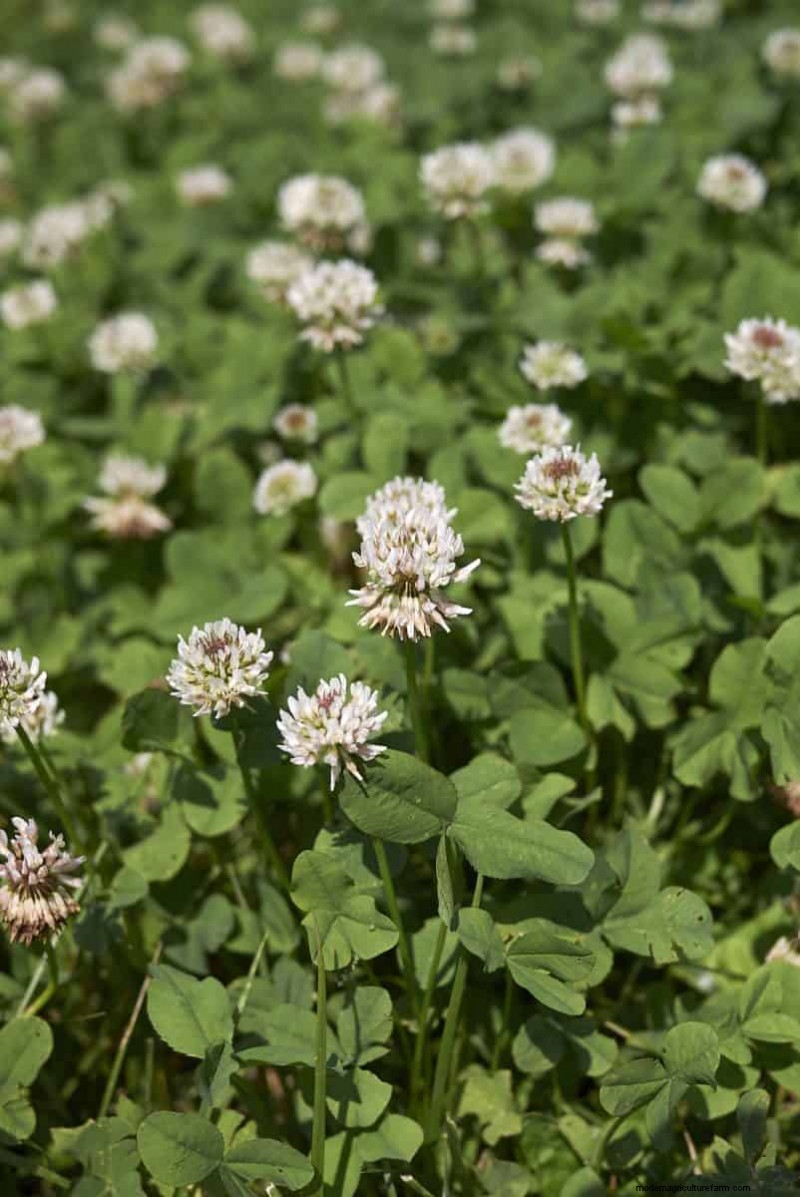
Consider overseeding with a small amount of white clover to boost your lawn’s nitrogen levels naturally. Clover has root nodules that host beneficial bacteria, which convert atmospheric nitrogen into a form that plants can use. This creates a self-fertilizing effect that benefits the surrounding grass.
Mix about 5-8% clover seed with your grass seed when overseeding bare patches. Clover stays green during mild droughts and attracts beneficial pollinators to your yard. Its deep roots also help break up compacted soil and improve overall lawn resilience against summer stress.
 Depositphotos
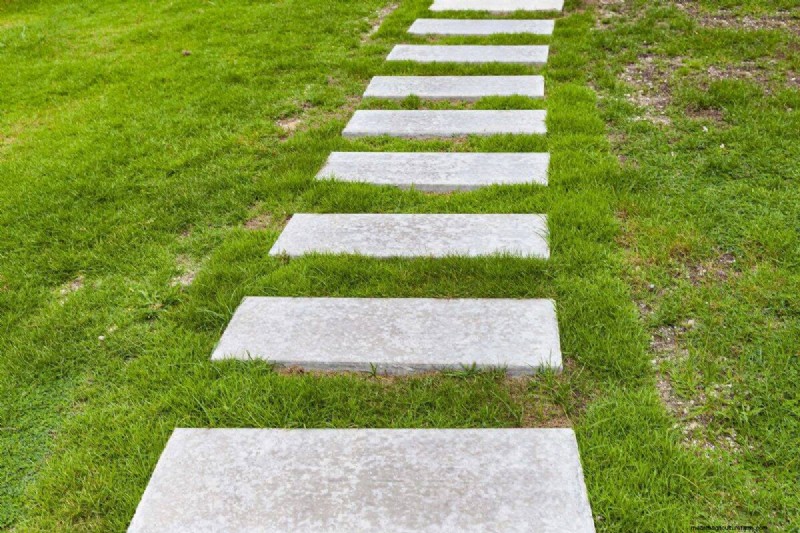
Identify and temporarily restrict access to the most damaged areas of your lawn. Summer-stressed grass recovers more quickly when it’s not constantly trampled. Consider creating alternative pathways or using stepping stones in high-traffic zones.
For areas that must handle traffic, overseed with more durable grass varieties like perennial ryegrass or tall fescue. These grasses establish quickly and can withstand more wear and tear. Once these stressed areas recover, you can gradually reintroduce normal use patterns.
 Depositphotos
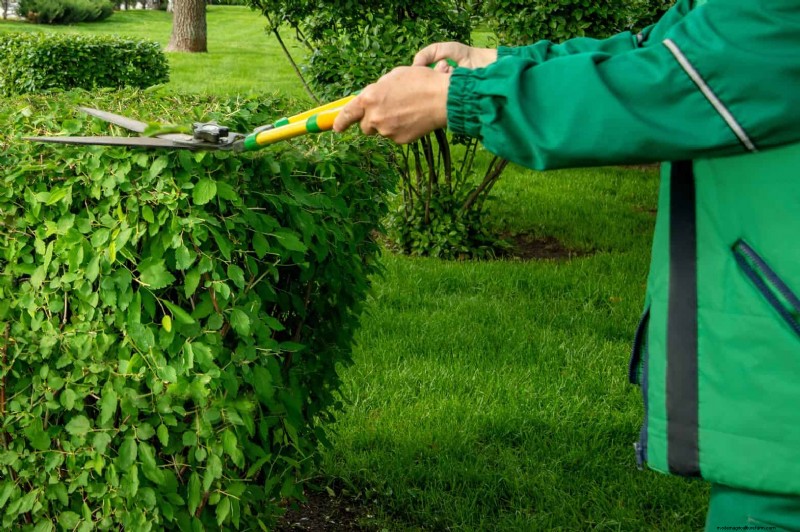
Overgrown trees and shrubs can cast excessive shade on your lawn, preventing photosynthesis and weakening grass. Late summer is a good time to selectively prune low-hanging branches to allow more sunlight to reach your lawn. Focus on removing no more than 20% of a tree’s canopy at one time.
In persistently shady areas where grass struggles, consider planting shade-tolerant grass varieties like fine fescues. Alternatively, convert deep shade areas to mulched beds with shade-loving ornamentals. This creates a more sustainable landscape that works with your yard’s natural conditions.
 Depositphotos
Create a simple maintenance schedule for the coming months to keep your lawn recovery on track. Include timing for fall fertilization, final mowing height adjustments, leaf management, and winterization steps. Having a plan in place ensures you won’t miss critical care windows.
Set reminders on your phone or mark important dates on your calendar. Tasks like core aeration and overseeding are most effective when timed correctly with seasonal changes. A well-planned approach transforms lawn care from a reactive chore to a proactive system that yields better results.
 Depositphotos
Reviving a summer-stressed lawn takes some effort, but the results are worth it. These recovery techniques not only rescue your lawn from summer damage but also set it up for success in the seasons ahead. A strong, healthy lawn going into fall develops deeper roots and stores more energy for winter.
With consistent care and the right timing, your tired summer lawn can bounce back beautifully. The best part is that many of these practices build long-term resilience in your lawn, making it better equipped to handle next summer’s challenges. Your neighbors will wonder how you managed to keep your lawn looking so good all year round.