Welcome to Modern Agriculture!

 Depositphotos.com
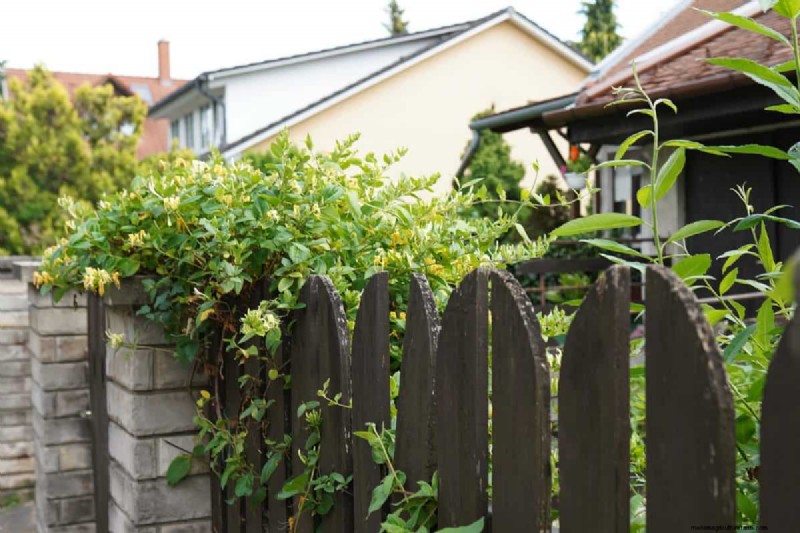
Discovering invasive plants creeping into your yard from a neighboring property can be frustrating. Those aggressive species can quickly take over your carefully tended garden, damage structures, and even lower your property value.
The good news is you have options. Understanding your rights when it comes to removing unwanted plant invaders can save you headaches and potential legal issues down the road. Let’s explore what you can legally do when unwelcome greenery crosses your property line.
 Depositphotos.com
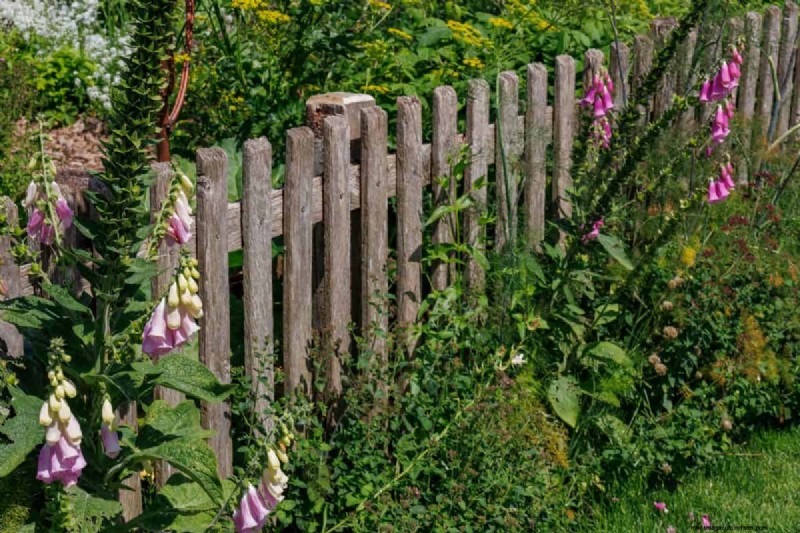
Invasive plants are non-native species that spread aggressively and cause harm to the environment, economy, or human health. They typically grow rapidly, reproduce quickly, and outcompete native vegetation for resources like water, nutrients, and sunlight.
These botanical bullies can reduce biodiversity in your garden by crowding out beneficial native plants. They may also attract pests, alter soil chemistry, and create fire hazards. Some even damage foundations, driveways, and other structures on your property.
 Depositphotos.com
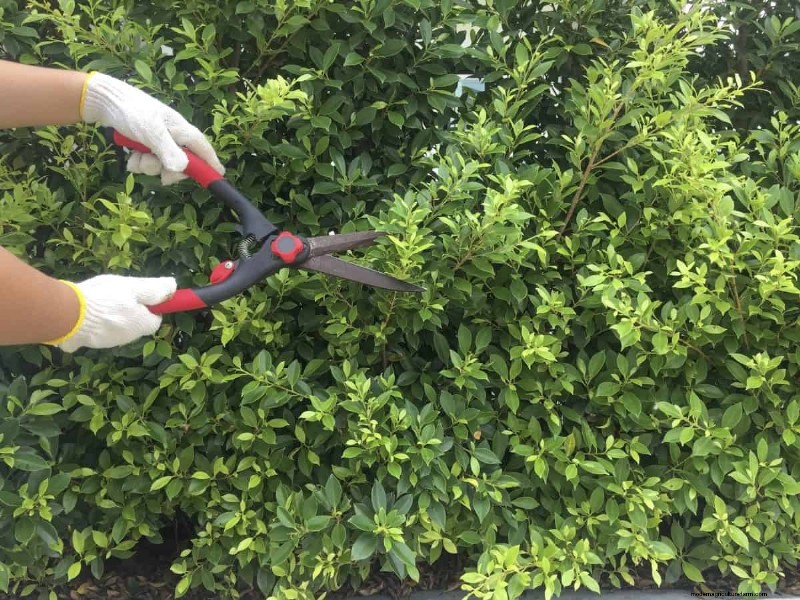
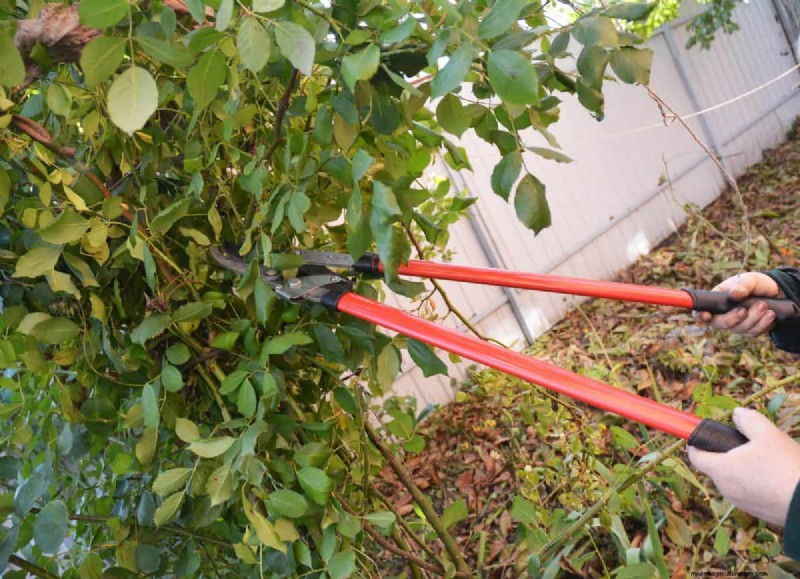
Generally, you have the legal right to remove any part of a plant that crosses into your property. This principle applies to branches, roots, and runners that extend beyond your neighbor’s boundary line.
The law typically allows you to trim back to your property line. But be careful. You cannot trespass onto your neighbor’s property to complete the removal, nor can you kill the entire plant if only part of it extends into your yard.
We'll email it to you so you can read it later!
By saving, you agree to receive occasional emails. Unsubscribe anytime.
 Depositphotos.com
While you have rights to maintain your property, you also have environmental responsibilities. Some invasive plants are regulated by state or federal law.
In certain regions, property owners are legally required to control specific invasive species. Conversely, some plants that appear invasive might be protected in certain contexts. Balance your property rights with broader ecological considerations.
 Depositphotos.com
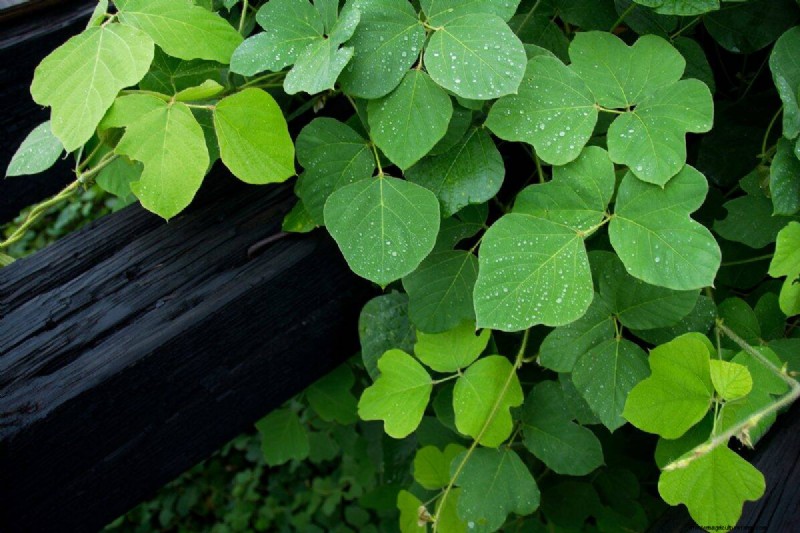
Several aggressive plants commonly cause neighbor disputes. These include fast-growing vines like kudzu and trumpet creeper, spreading ground covers such as periwinkle and English ivy, and tree-like plants including bamboo and tree of heaven.
Knowing which invasive species are in your area helps you identify potential problems early. Most state extension offices provide region-specific lists of problematic plants to watch for.
 Depositphotos.com
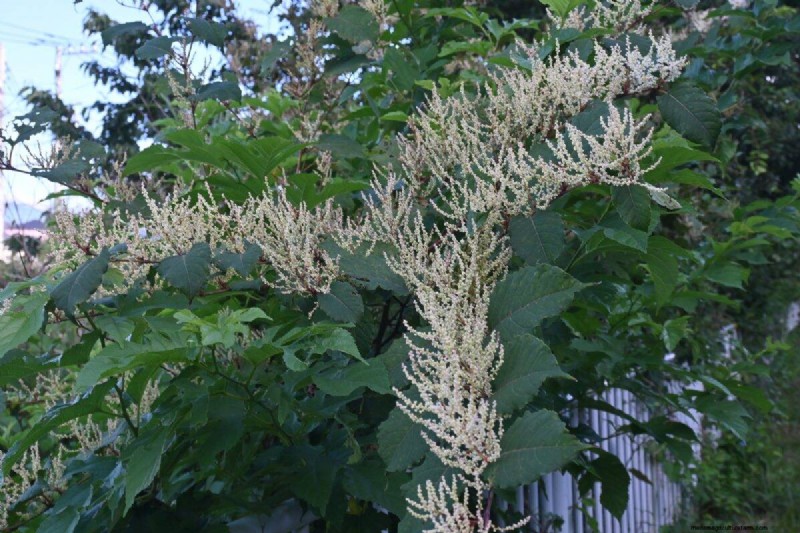
Japanese knotweed is among the most problematic invasive plants in North America. This bamboo-like plant can grow through concrete, damage foundations, and spread rapidly through underground rhizomes.
Many regions have specific regulations regarding knotweed. In some areas, property owners must report and control it. Professional removal is often recommended because improper handling can actually promote its spread.
 Depositphotos.com
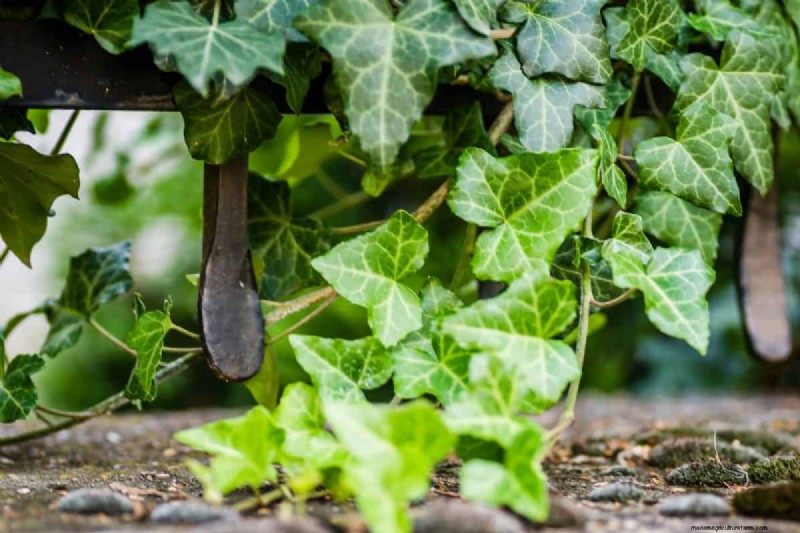
English ivy might look charming climbing up walls, but it’s a notorious invader that can damage structures and kill trees. When it spreads from a neighbor’s yard, it quickly takes over garden spaces.
You can legally remove ivy that crosses your property line. Cut vines at the base and pull them down rather than ripping them off structures, which can cause damage. The roots may need herbicide treatment for complete control.
 Depositphotos.com
Before removing invasive plants from boundary areas, document the situation thoroughly. Take dated photos showing the plant crossing your property line and any damage it has caused.
Keep records of all communications with your neighbor about the issue. This documentation could prove invaluable if the situation escalates to a legal dispute.
 Depositphotos.com
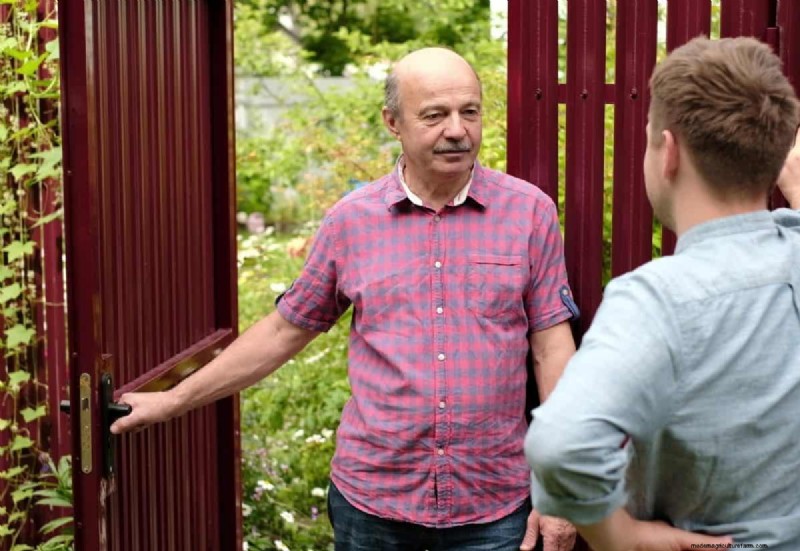
A friendly conversation is often the best first step when dealing with invasive plants from a neighboring property. Many neighbors are unaware their plants are causing problems or may not even realize they’re growing invasive species.
Approach the conversation positively, focusing on solutions rather than blame. Consider sharing information about the invasive nature of the plant and potential alternatives they might enjoy.
 Depositphotos.com
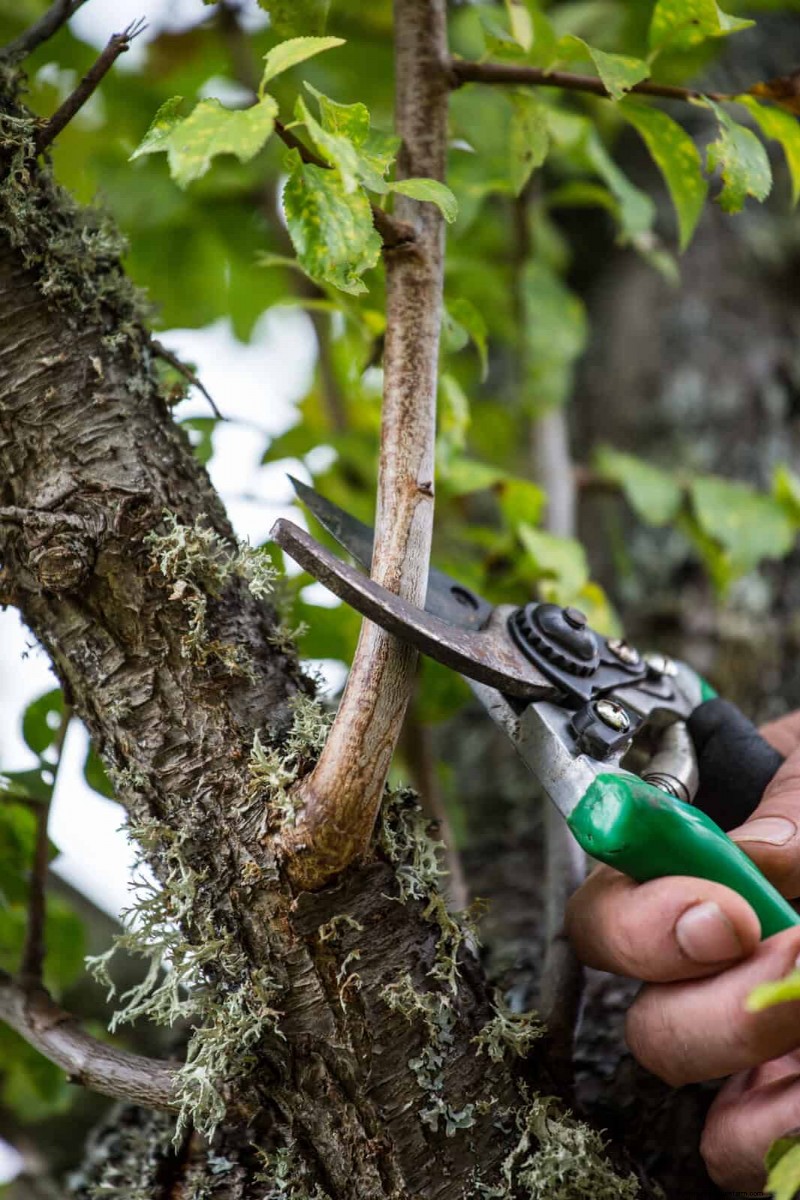
When removing plants at property lines, use methods that won’t harm the main plant on your neighbor’s side. Selectively prune branches or dig up runners rather than applying broadcast herbicides that could drift.
Severing roots at the property line is generally legal, but be careful not to destabilize trees. For especially problematic plants, installing underground barriers can prevent future spread without damaging the source plant.
 Depositphotos.com
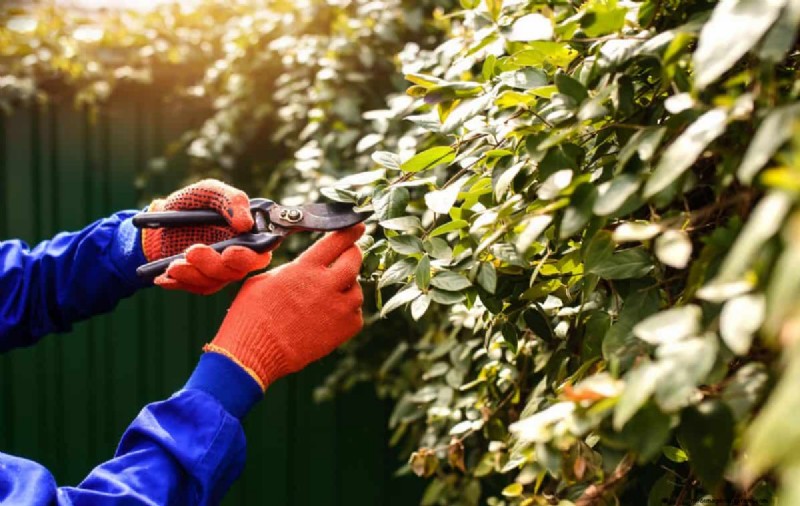
Control methods vary by plant species and climate zone. In warm, humid regions, some plants spread more aggressively and may require more frequent intervention.
Natural controls include manual removal, smothering with cardboard and mulch, or introducing competing native plants. Chemical options range from household vinegar solutions to commercial herbicides, depending on the target plant and severity of invasion.
 Depositphotos.com
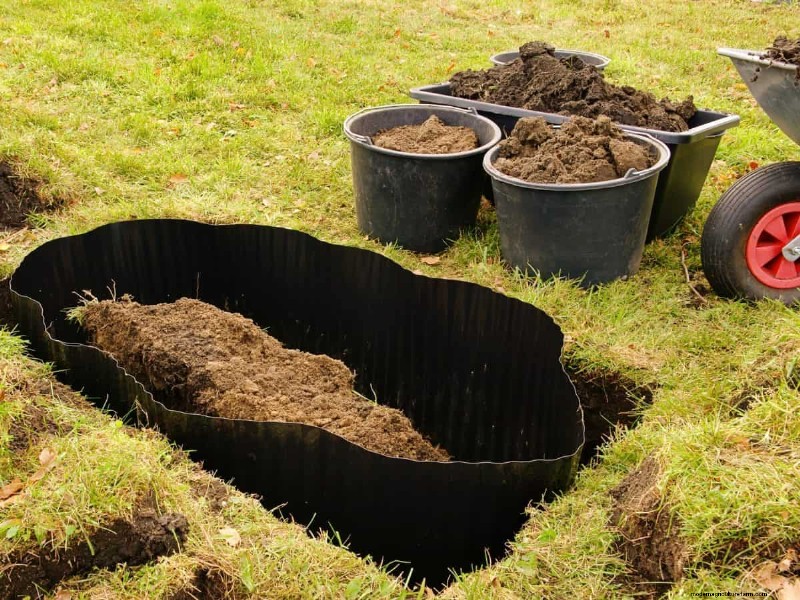
Physical barriers are often the most effective long-term solution for aggressive spreaders. Install barriers at least 24-36 inches deep using materials like high-density polyethylene or metal.
The barrier should extend 2-3 inches above ground to block surface runners. For especially aggressive plants like bamboo, experts recommend barriers at least 60 inches deep.
 Depositphotos.com
Local regulations may supersede general property rights principles. Some municipalities have specific ordinances about invasive plants, boundary maintenance, and even which removal methods are permitted.
Homeowners associations often have additional rules about landscape maintenance and property boundaries. Check your HOA covenants before taking action to ensure compliance.
 Depositphotos.com
If neighbor discussions don’t resolve the issue, municipal authorities might help. Many cities have nuisance ordinances that can be applied to invasive plant problems.
Contact your local code enforcement office if a neighbor refuses to control regulated invasive species. Some municipalities will send official notices or even issue fines to property owners who allow certain invasive plants to spread.
 Shutterstock.com
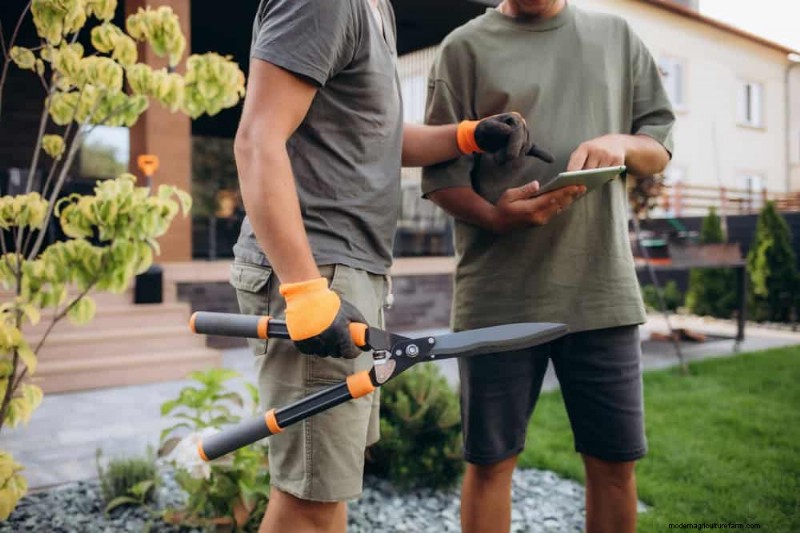
Surprisingly, some plants considered invasive in certain contexts may be protected in others. Historical significance, cultural importance, or habitat value might result in protection.
Always verify a plant’s status before removal. Contact your local extension office or conservation department if you’re unsure about a particular species, especially if it appears established or unusual.
 Shutterstock.com
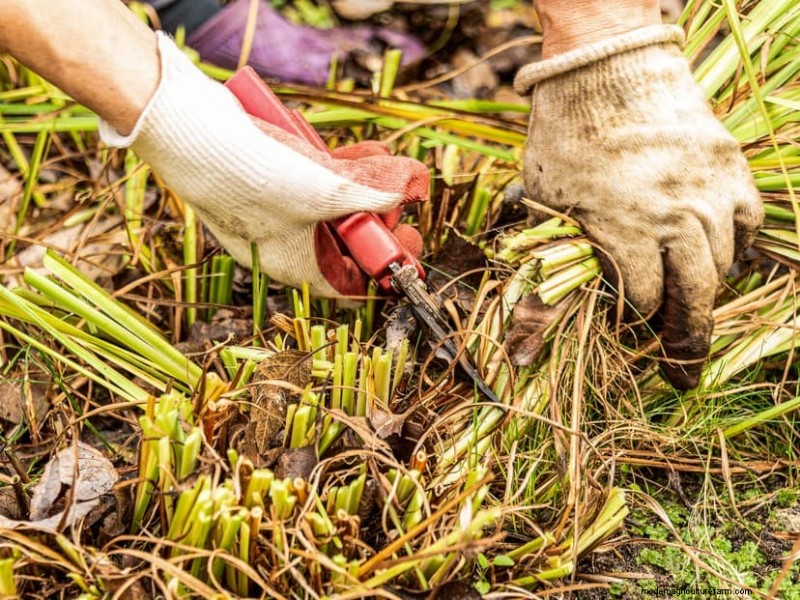
Timing your removal efforts with a plant’s growth cycle increases effectiveness. Many woody plants are best cut in late winter when energy reserves are low, while herbicide applications often work best in fall when plants are moving nutrients to their roots.
Spring removal catches many plants before they set seed. Summer control prevents photosynthesis during peak growing periods. Plan your strategy according to the specific plant’s vulnerability calendar.
 Depositphotos.com
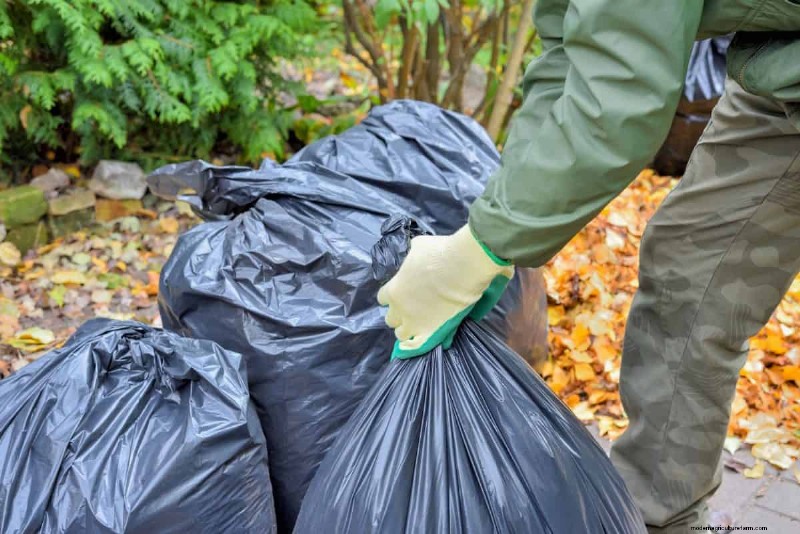
Proper disposal prevents further spread of invasive plants. Many invasive species can regenerate from tiny fragments, so simply putting them in yard waste bags might not be sufficient.
Check local guidelines for disposal recommendations. Some invasives should be bagged and sent to landfills, while others can be composted if properly prepared. Never dump invasive plant material in natural areas.
 Depositphotos.com
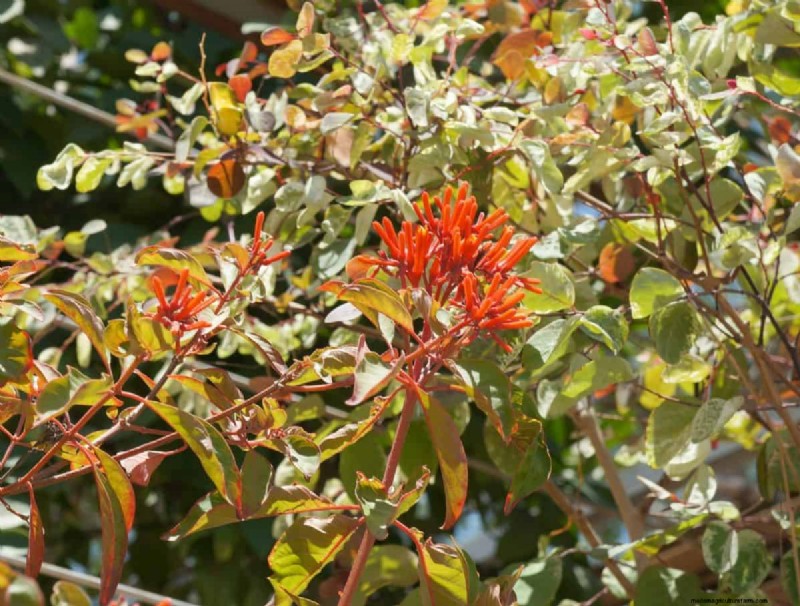
After removing invasive plants, fill the space with native alternatives that provide similar aesthetic benefits without the ecological harm. Native plants typically require less maintenance and support local wildlife.
Consider sharing native plant suggestions with your neighbor if they’re looking to replace the invasive species. This collaborative approach can resolve current issues and prevent future problems.
 Depositphotos.com
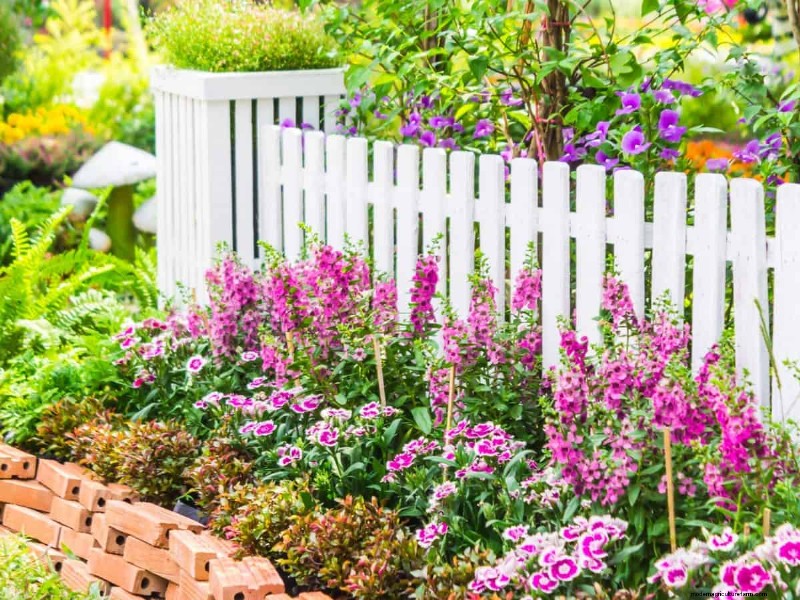
Creating a maintained buffer zone along your property line provides ongoing protection against invasive spread. Regular monitoring of this zone allows early detection of new crossings.
A buffer can be as simple as a regularly mowed strip or as elaborate as a planted border with species chosen to resist invasion. The key is consistent maintenance and vigilance.
 Depositphotos.com
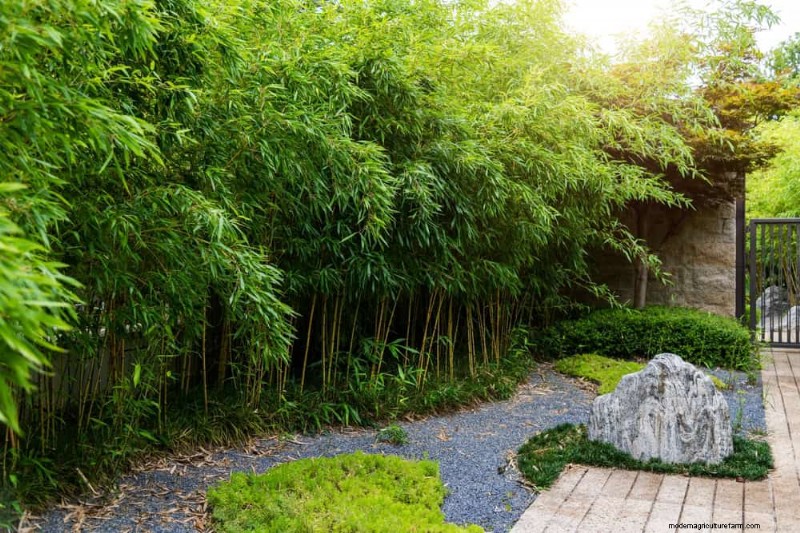
Running bamboo is a common source of neighbor disputes due to its incredibly aggressive growth habit. Some municipalities have enacted specific bamboo ordinances that hold property owners responsible for containing it.
If bamboo invades your yard, you can legally remove it up to your property line. Installing a proper root barrier is often necessary to prevent reinvasion. Some localities allow legal action if a neighbor fails to control their bamboo.
 Depositphotos.com
As a property owner, you have both rights and responsibilities when it comes to plant management. You have the right to protect your property from invasive encroachment, but also a responsibility to use appropriate methods.
Balance asserting your boundaries with maintaining good neighbor relations. Most plant disputes can be resolved amicably when approached with mutual respect and a problem-solving attitude.
 Depositphotos.com
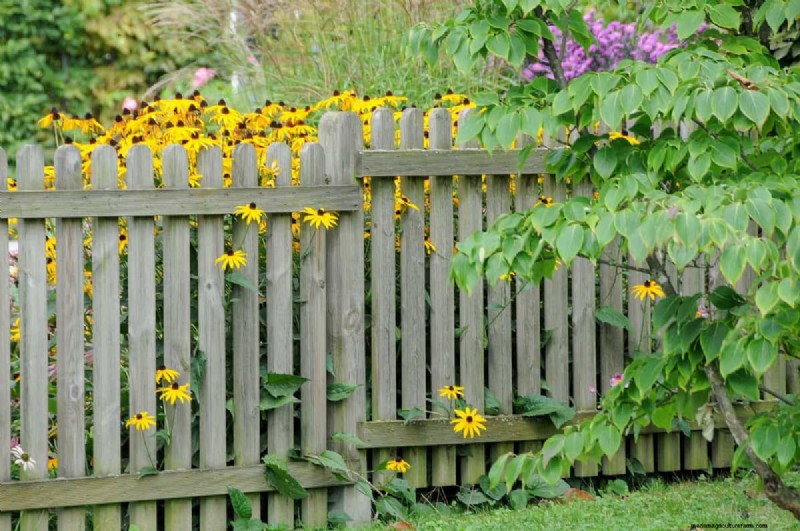
Managing invasive plants at property boundaries requires knowledge, communication, and sometimes persistence. In most cases, you have the legal right to remove any portion of a plant that crosses into your yard, provided you don’t trespass or kill the entire plant.
The most successful approach combines understanding the specific plant you’re dealing with, communicating clearly with neighbors, documenting the situation, and following local regulations. With these strategies, you can protect your garden while maintaining positive relationships in your community.