Welcome to Modern Agriculture!

 Depositphotos.com
Digging up summer bulbs each fall can be a real chore. The good news? Many beautiful flowering bulbs can stay right in the ground year after year. This saves time and lets your garden grow more established with each passing season.
Knowing which bulbs can overwinter in your garden means less work and more blooms. The key is choosing varieties that match your climate and giving them the right conditions to thrive through cold months. Let’s explore 19 gorgeous summer bulbs that don’t need annual digging.
 Depositphotos.com
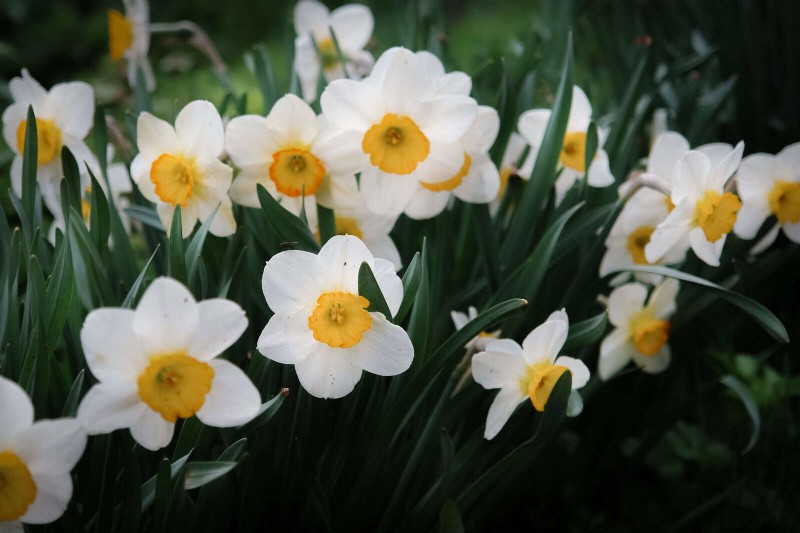
Daffodils are among the most reliable perennial bulbs you can plant. These cheerful yellow blooms return year after year with almost no maintenance. They naturalize easily, forming larger clumps over time that produce more flowers each spring.
These hardy bulbs grow in USDA zones 3-9 and actually prefer being left undisturbed. A layer of mulch in colder regions helps protect them during winter. Plant them about 6 inches deep in fall for the best results come spring.
 Depositphotos.com
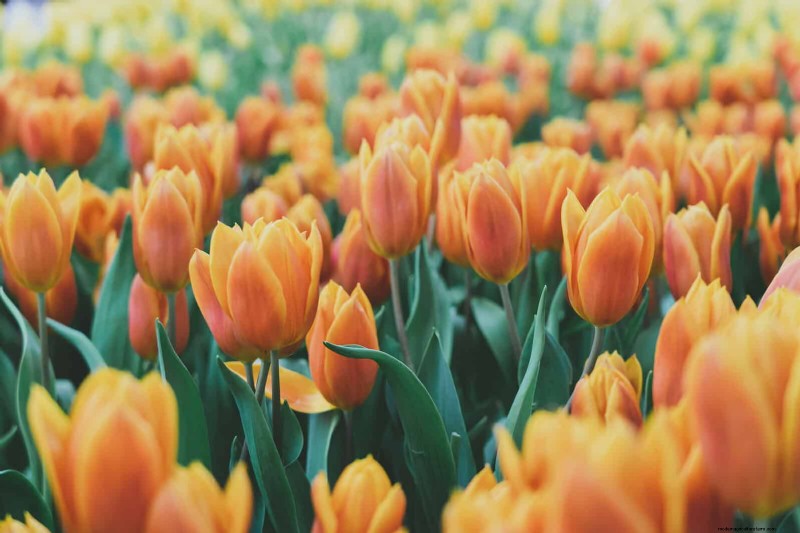
Certain tulip varieties return reliably when left in the ground. Species tulips and Darwin hybrids are excellent perennializers, coming back for many seasons. They perform best in areas with cold winters and dry summers.
For best results, plant tulips 6-8 inches deep in well-draining soil. Good drainage is crucial for preventing bulb rot during wet winter months. In warmer zones, choose early-blooming varieties that complete their cycle before summer heat arrives.
We'll email it to you so you can read it later!
By saving, you agree to receive occasional emails. Unsubscribe anytime.
 Depositphotos.com
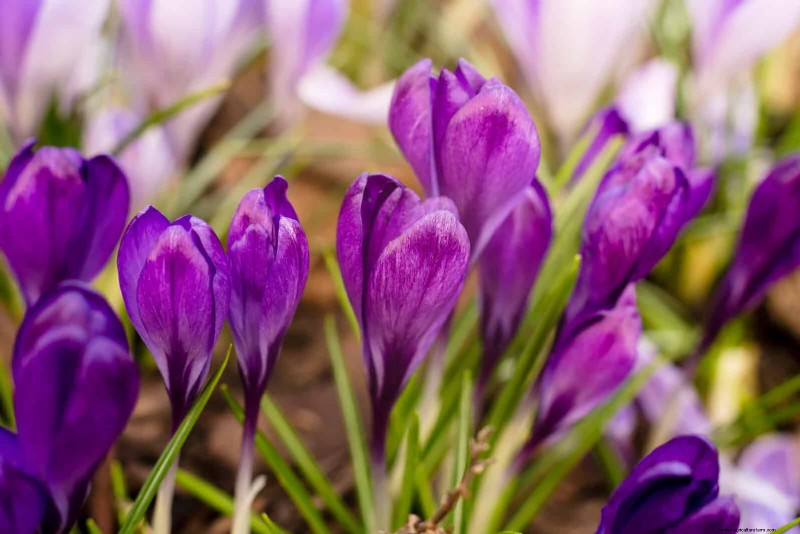
Crocuses deliver early-season color and happily remain in the ground year after year. These diminutive flowers often push through late winter snow, signaling spring’s approach. They naturalize readily, spreading into colorful carpets over time.
Plant crocus bulbs about 3-4 inches deep in fall. They thrive in full sun to partial shade and prefer well-draining soil. The small bulbs multiply underground, creating larger displays each year without any digging or division.
 Depositphotos.com
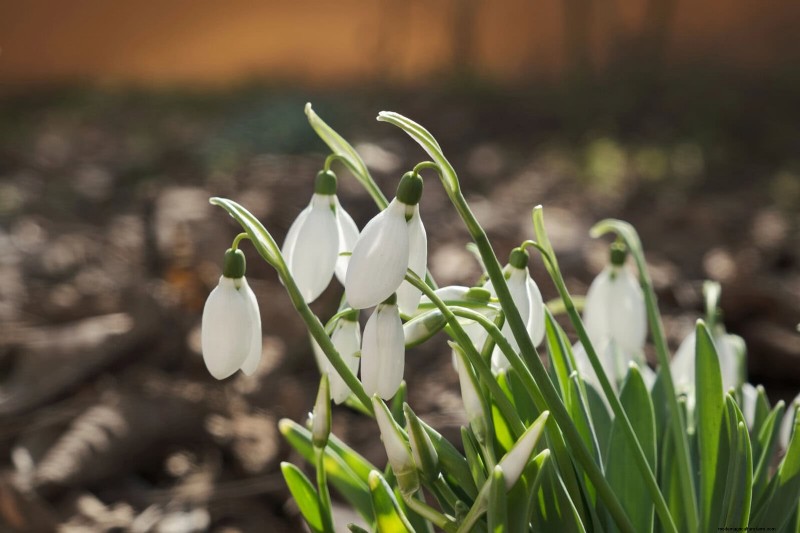
Snowdrops are exceptionally hardy bulbs that bloom very early, sometimes even in January or February. Their delicate white flowers appear before most other garden plants show signs of life. Once established, they form expanding colonies year after year.
These tough little bulbs prefer partial shade and rich, moist soil with good drainage. Plant them 2-3 inches deep in fall. Snowdrops actually transplant better “in the green” right after flowering than as dry bulbs, so leaving them in place is ideal.
 Depositphotos.com
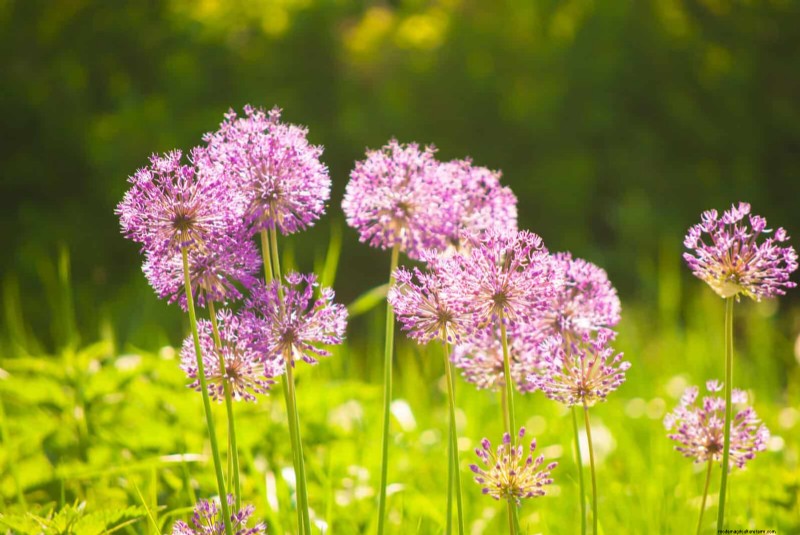
Ornamental alliums create dramatic spherical blooms on tall stems. These members of the onion family are extremely low-maintenance and deer-resistant. Most varieties return reliably for years when left undisturbed in the garden.
Plant allium bulbs in fall, about 4-8 inches deep depending on the variety. They prefer full sun and well-draining soil. The dried seed heads add winter interest to the garden, or you can remove them to prevent excessive self-seeding.
 Depositphotos.com
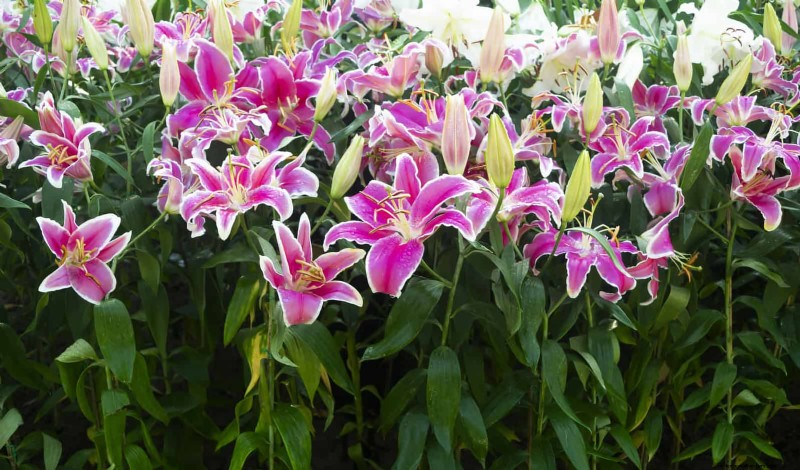
True lilies grow from bulbs that can remain in the ground year after year. Asiatic, Oriental, and trumpet lilies all reliably perennialize when given proper growing conditions. Their fragrant blooms appear on tall stems in mid to late summer.
Plant lily bulbs 4-6 inches deep in well-draining soil. They appreciate full sun but benefit from having their roots in cooler soil, so surrounding them with low-growing companion plants is ideal. A winter mulch helps protect them in colder zones.
 Depositphotos.com
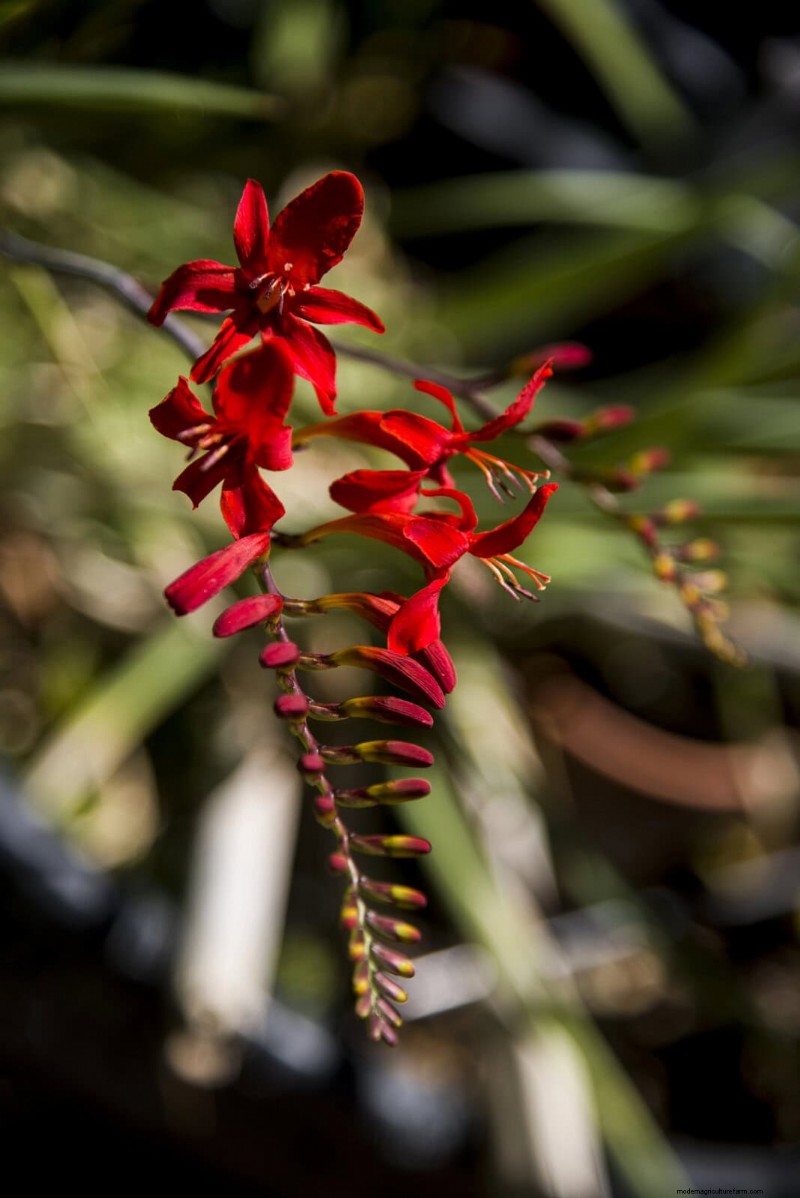
Crocosmia produces vibrant red, orange, or yellow flowers on arching stems. Hummingbirds love these tubular blooms that appear in mid to late summer. The bulb-like corms multiply readily underground, forming larger clumps each year.
These South African natives are surprisingly hardy in zones 5-9. Plant the corms 3-4 inches deep in spring after danger of frost has passed. They prefer full sun and average, well-draining soil. In colder regions, a thick mulch helps ensure winter survival.
 Depositphotos.com
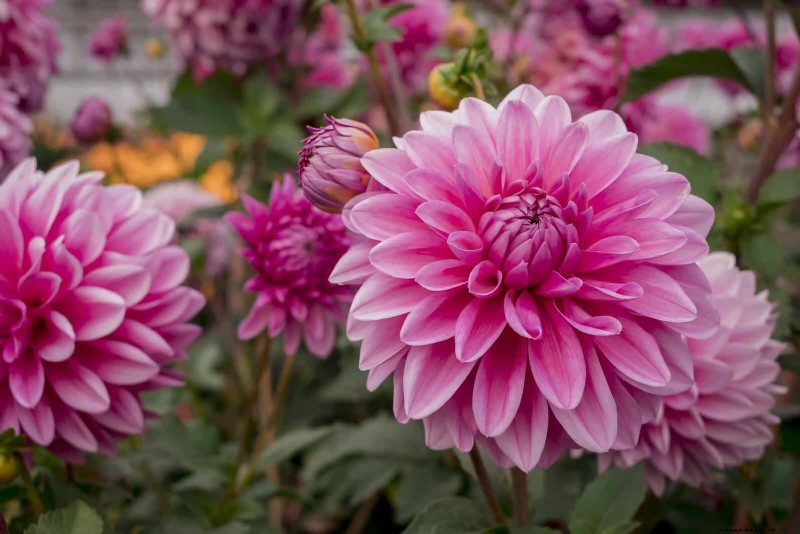
Dahlias can remain in the ground in USDA zones 8-11. These spectacular summer bloomers produce flowers in nearly every color and in sizes ranging from tiny pompoms to dinner-plate blooms. Their tuberous roots multiply underground each season.
In warmer climates, simply cut dahlias back after frost and apply a thick mulch. For borderline zones, add a deep 6-8 inch protective mulch layer after the first frost. Good drainage is essential for winter survival, as wet conditions can cause tuber rot.
 Depositphotos.com
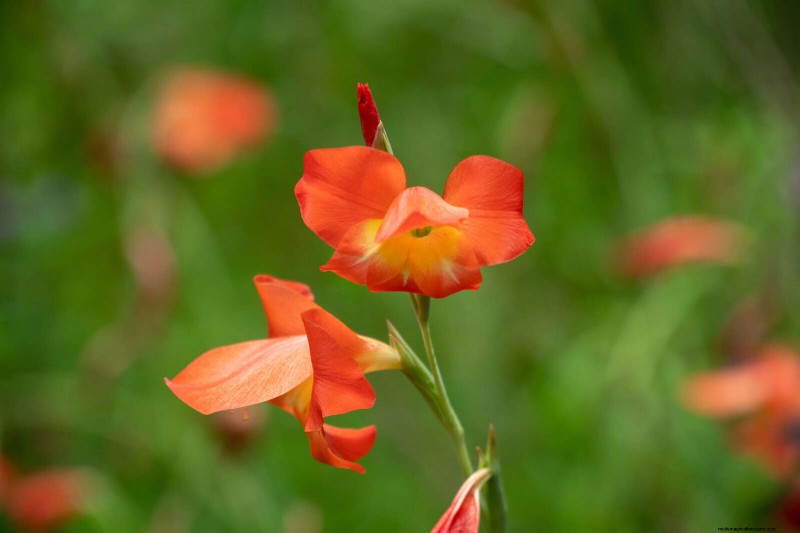
Gladiolus corms can overwinter successfully in zones 7-10. These tall, colorful spikes make excellent cut flowers and add vertical interest to summer gardens. The corms naturally multiply underground, producing more blooms each year.
In warmer regions, leave gladiolus corms in place with a protective mulch layer. Plant them 4-6 inches deep in well-draining soil and full sun. Even in colder areas, deeply planted glads with heavy mulch sometimes survive mild winters.
 Depositphotos.com
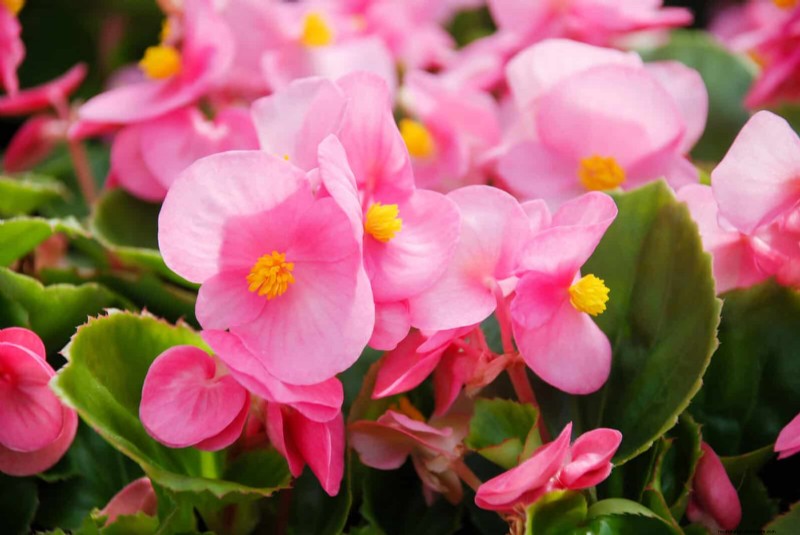
Tuberous begonias can remain in the ground year-round in zones 9-11. These shade-loving plants produce lush, colorful blooms throughout summer and into fall. Their fleshy tubers slowly expand over the years when left undisturbed.
In warm climates, simply cut begonia foliage back after it yellows in fall. Apply a light mulch for protection. The plants need excellent drainage, especially during winter dormancy. In borderline zones, extra mulch provides insurance against occasional cold snaps.
 Depositphotos.com
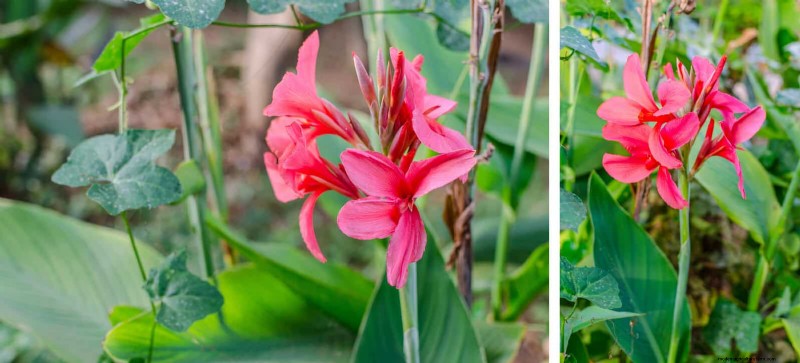
Canna lilies offer tropical flair with their bold foliage and bright flowers. These rhizomatous plants overwinter successfully in zones 7-11. They form expanding clumps that produce more dramatic displays each summer.
Plant cannas in rich, moist soil about 4-6 inches deep. They thrive in full sun and actually appreciate consistent moisture. After frost blackens the foliage, cut stems to about 6 inches and apply a thick protective mulch for winter.
 Depositphotos.com
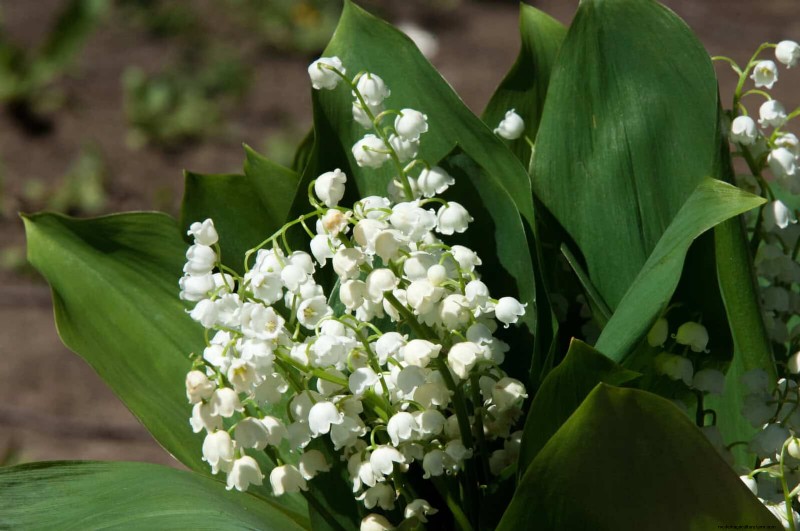
Lily of the Valley produces fragrant white bell-shaped flowers in spring. These woodland plants spread by underground rhizomes and thrive when left undisturbed for years. They’re extremely hardy, surviving in zones 2-9 without protection.
These shade-loving plants prefer rich, moist soil with good drainage. Once established, they form dense groundcover patches that suppress weeds. Their sweet perfume makes them perfect for naturalizing in woodland gardens or shady borders.
 Depositphotos.com
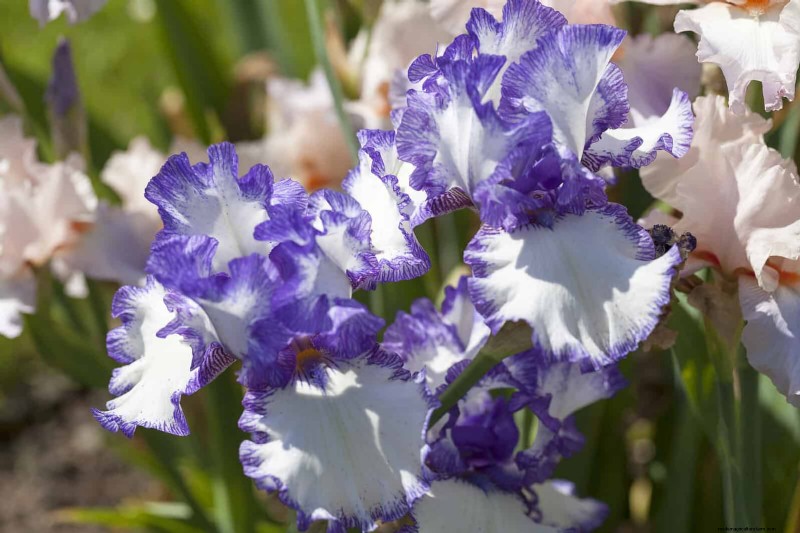
Bearded, Siberian, and Japanese irises all grow from rhizomes that remain in the ground permanently. These classic garden flowers offer stunning blooms in nearly every color. Different varieties bloom from early spring through early summer.
Plant iris rhizomes just at or slightly below the soil surface. They prefer full sun and well-draining soil. After several years, large clumps may flower less and benefit from division, but this is maintenance rather than necessity for winter survival.
 Depositphotos.com
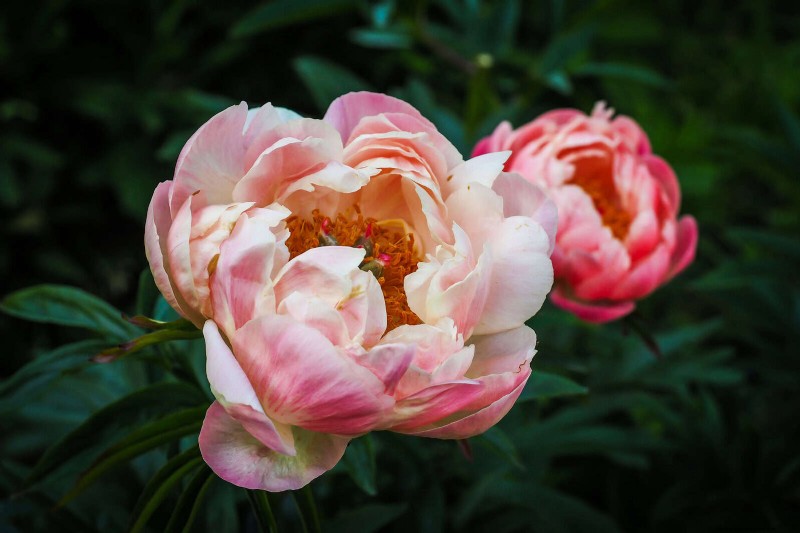
Peonies develop tuberous roots that live for decades when left undisturbed. These spring-flowering favorites produce massive, often fragrant blooms in white, pink, and red shades. A single established plant can produce dozens of flowers.
Plant peony roots with the “eyes” (growth buds) no more than 2 inches below the soil surface. They prefer full sun to light shade and rich, well-draining soil. Peonies actually resent transplanting and may not flower for a year or two afterward, so leaving them in place is ideal.
 Depositphotos.com
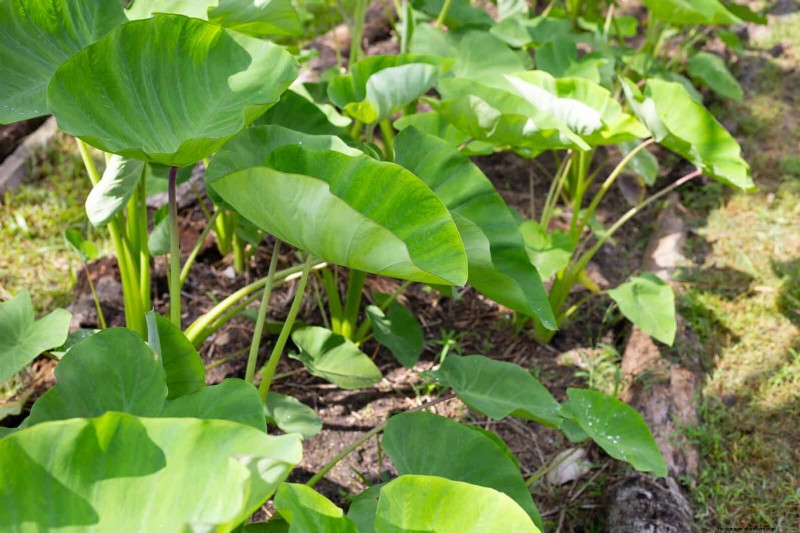
Elephant ears create dramatic tropical effects with their massive heart-shaped leaves. These bulbs can remain in the ground year-round in zones 8-11. They form expanding clumps of stems emerging from underground tubers.
Plant elephant ear tubers 4-6 inches deep in rich, moist soil. They thrive in full sun to partial shade. In borderline cold zones, apply a thick 8-12 inch mulch layer after cutting back frost-damaged foliage to protect the dormant tubers through winter.
 Depositphotos.com
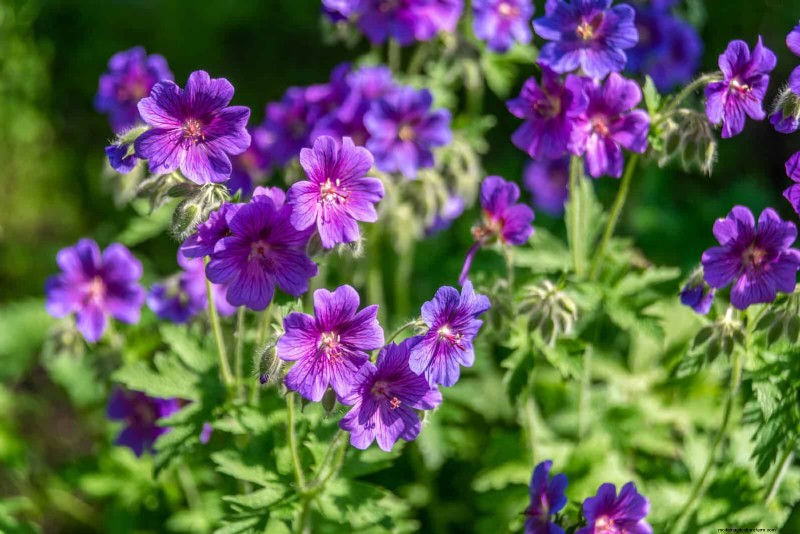
Hardy geraniums, unlike their annual cousins, develop thick, woody rhizomes that survive winter in the ground. These tough perennials produce masses of colorful flowers from spring through fall. Many varieties bloom repeatedly throughout the growing season.
These adaptable plants grow in sun or partial shade and tolerate most soil types as long as drainage is decent. Once established, they’re extremely drought-tolerant. Most hardy geraniums are perennial in zones 4-9 without any special winter protection.
 Depositphotos.com
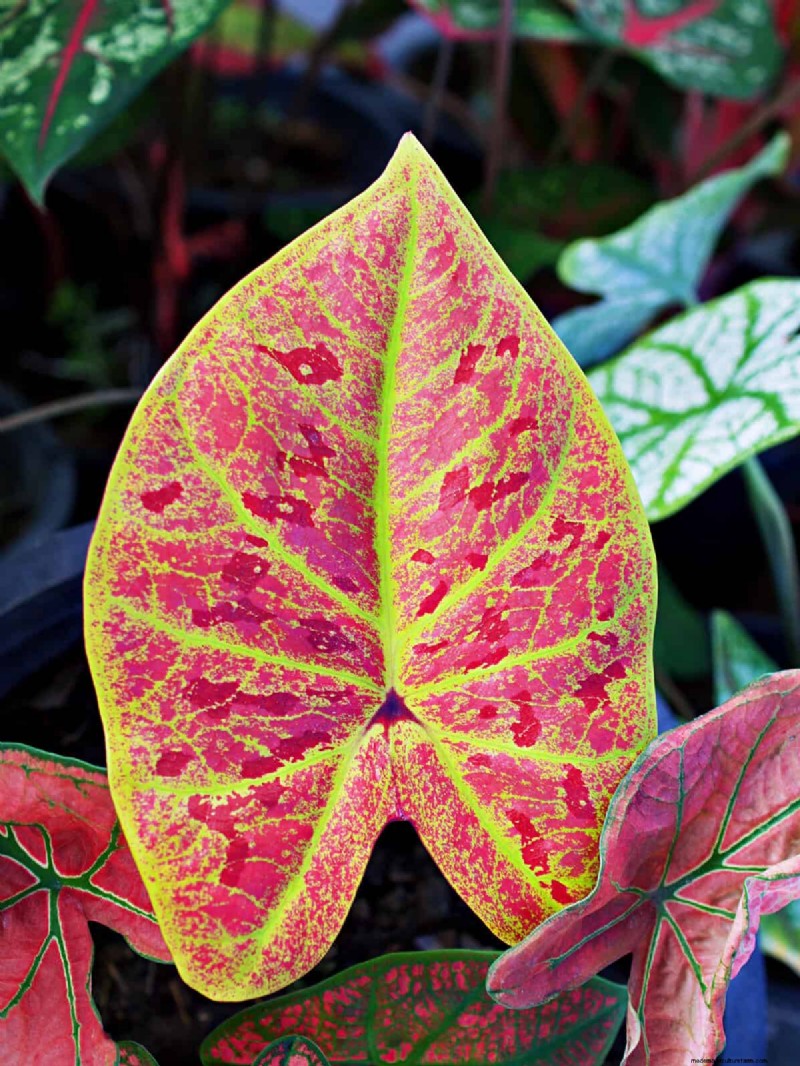
Caladiums create tropical splendor with their colorful heart-shaped leaves. In zones 9-11, these tuberous plants can remain in the garden year after year. Their vibrant foliage adds color to shady spots where few flowering plants thrive.
Plant caladium tubers about 2 inches deep in rich, moist soil. They prefer dappled shade or morning sun with afternoon shade. In borderline zones, a thick protective mulch after foliage dies back can help them survive mild winters.
 Depositphotos.com
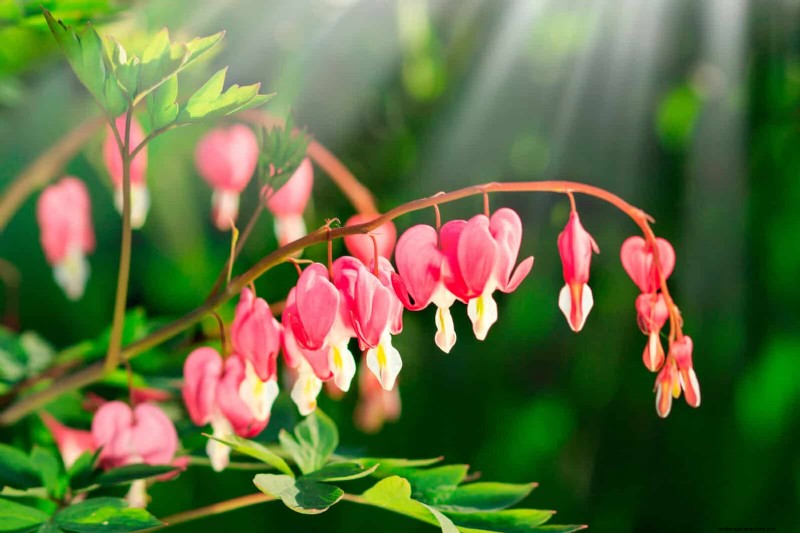
Bleeding hearts produce distinctive heart-shaped flowers on arching stems in spring. These woodland plants grow from rhizomatous roots that remain dormant underground after summer dormancy. They’re hardy in zones 3-9 without special protection.
Plant bleeding hearts in rich, moist soil in partial to full shade. They naturally die back by midsummer in most regions, but the roots remain alive underground. A light mulch helps maintain soil moisture during their dormant period.
 Shutterstock.com
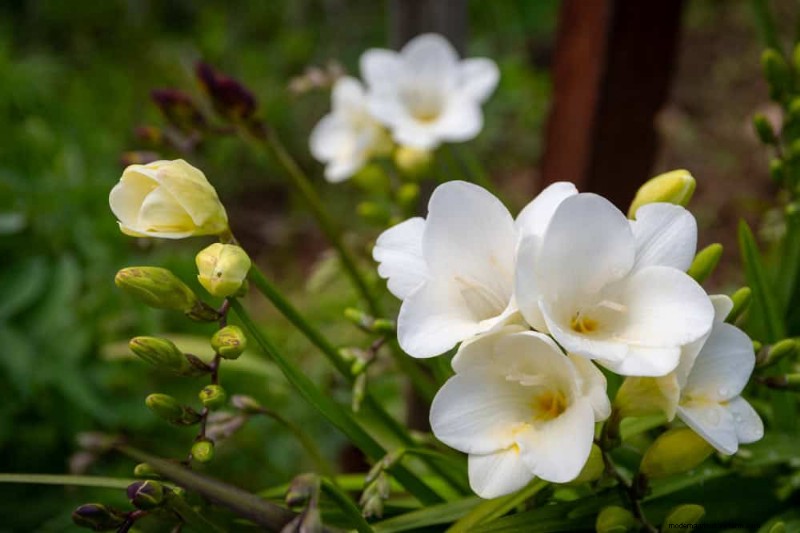
Freesias deliver intensely fragrant blooms in spring. These South African natives can overwinter in the ground in zones 9-10. The corms multiply underground, forming larger clumps that produce more of their sweetly scented flowers each year.
Plant freesia corms about 2 inches deep in well-draining soil. They prefer full sun to light shade and relatively dry conditions during their summer dormancy. In borderline zones, a protective mulch layer helps insulate the corms from occasional cold snaps.
 Depositphotos.com
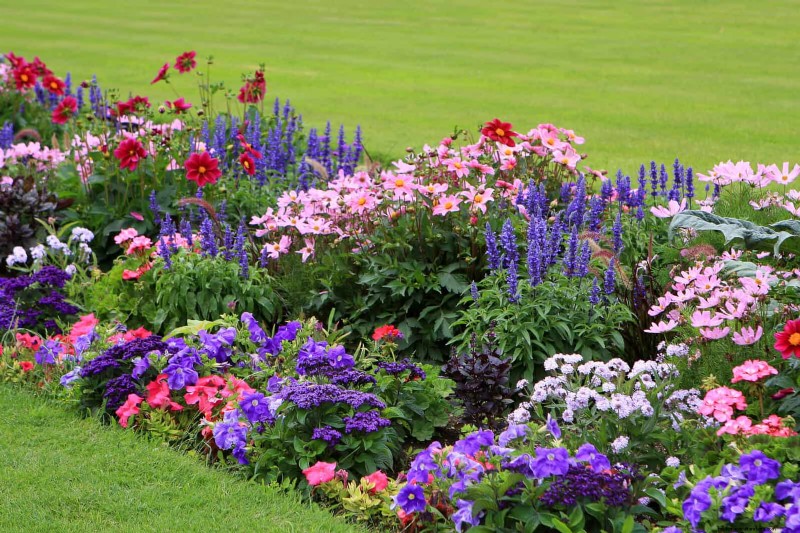
Leaving these summer bulbs in the ground saves time and allows your garden to develop more naturally. Many of these plants actually perform better when undisturbed, developing into impressive specimens or spreading into delightful drifts. The key to success is matching the right bulbs to your climate zone.
Consider adding a protective winter mulch for borderline-hardy varieties in your region. Good drainage is also essential for preventing bulb rot during wet winter months. With these simple precautions, you can enjoy years of beautiful blooms without the annual chore of digging, storing, and replanting your summer bulbs.