
Welcome to Modern Agriculture!

 Depositphotos.com
Gardens don’t have to go to sleep when the sun goes down. Many gorgeous plants actually wake up as darkness falls, putting on a spectacular show of blooms and fragrance. Night gardens can transform your outdoor space into a magical retreat after dark.
Adding night-blooming plants to your landscape creates a whole new dimension to enjoy. These nocturnal beauties not only look stunning under moonlight but also often release intoxicating scents that fill the evening air. Let’s explore 13 amazing plants that will make your garden come alive after sunset.
 Depositphotos.com
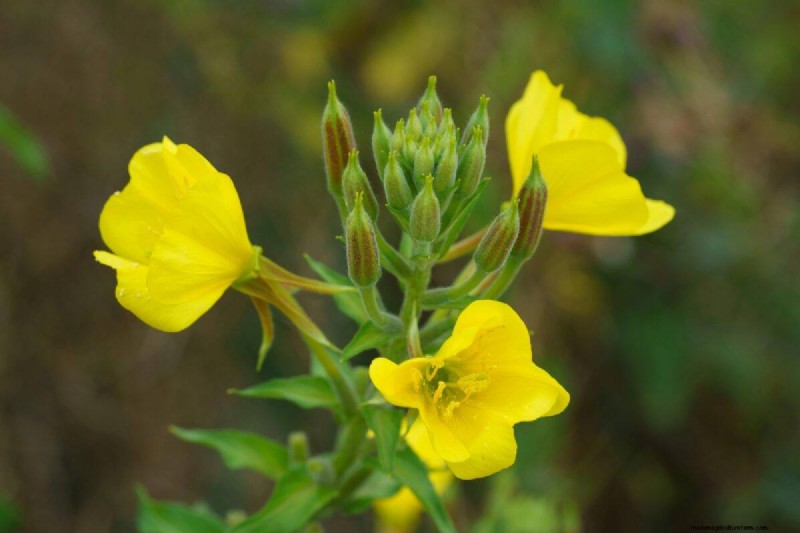
Evening primrose puts on one of nature’s most dramatic flower shows. As dusk approaches, the tightly wrapped yellow buds literally pop open in a matter of seconds, revealing bright lemon-yellow blooms that seem to glow in the moonlight. This fascinating process is sometimes called “nature’s fireworks.”
Growing evening primrose is simple in most gardens. These hardy biennial plants thrive in average soil and prefer full sun during the day. They’ll reach heights of 3-5 feet and bloom throughout summer. The flowers stay open all night before closing in the morning heat, making them perfect for evening garden strolls.
 Depositphotos.com
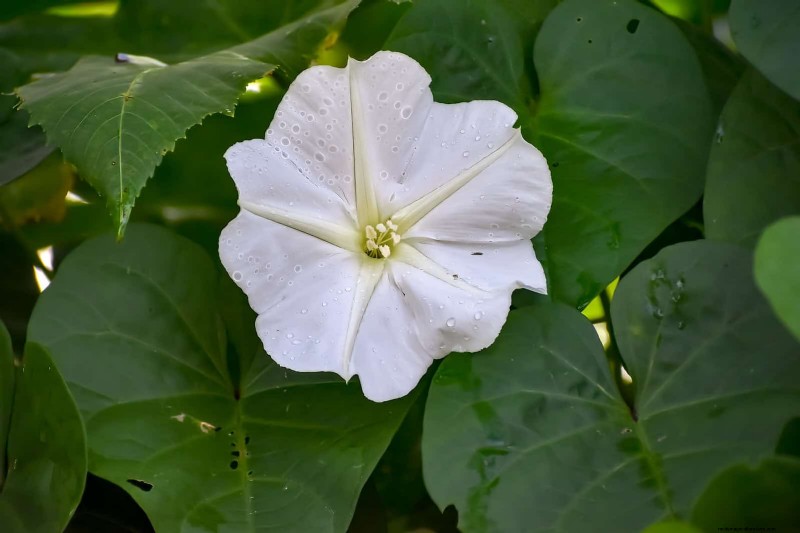
Moonflowers feature stunning, large white blooms that unfurl as daylight fades. Their dinner-plate-sized flowers can reach up to 6 inches across and reflect moonlight beautifully. The sweet, vanilla-like fragrance intensifies at night, attracting sphinx moths and other nocturnal pollinators.
These vigorous climbing vines grow quickly and can reach 10-20 feet in a single season. Plant moonflowers near patios or seating areas where you can enjoy their evening performance. They grow best in full sun and appreciate regular watering. Try training them on trellises, fences, or arbors for a dramatic vertical display.
We'll email it to you so you can read it later!
By saving, you agree to receive occasional emails. Unsubscribe anytime.
 Depositphotos.com
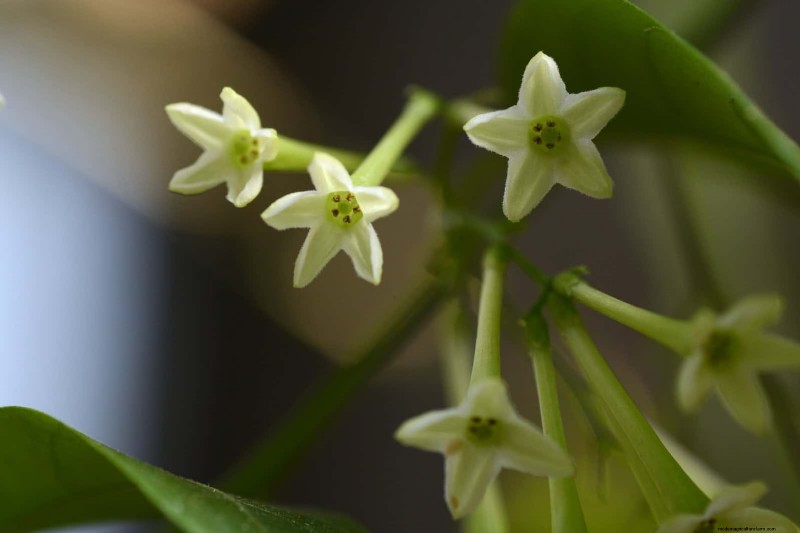
Night-blooming jasmine fills the evening air with an incredibly sweet, intoxicating fragrance that can travel hundreds of feet. The small, tubular greenish-white flowers might not look impressive, but their powerful scent more than makes up for their modest appearance. Many gardeners consider it the most fragrant night-blooming plant.
This tropical evergreen shrub grows 6-10 feet tall and thrives in warm climates (zones 8-11). In colder regions, grow it in containers that can be moved indoors for winter. Place night-blooming jasmine near windows or outdoor seating areas where its evening perfume can be fully appreciated.
 Depositphotos.com
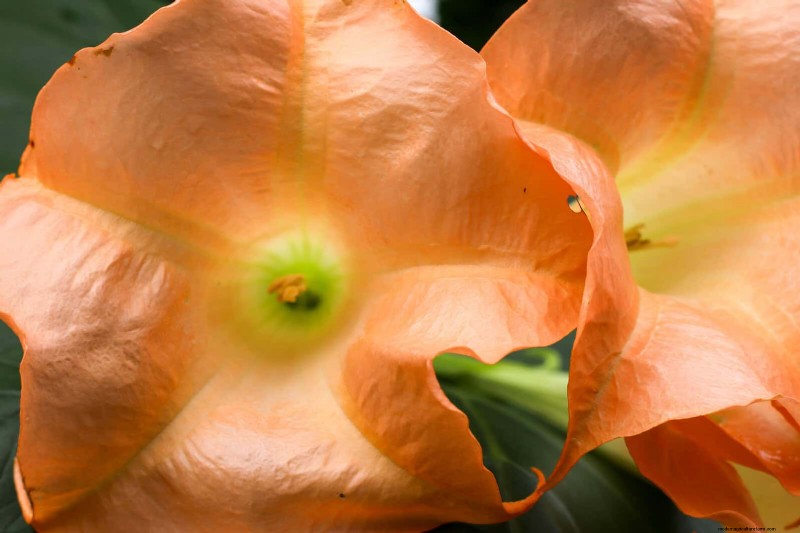
Angel’s trumpet features enormous, pendulous blooms that dangle like elegant bells from woody stems. These spectacular flowers can reach 6-8 inches long and come in white, yellow, peach, or pink. As evening approaches, they release a powerful, sweet fragrance that intensifies throughout the night.
These dramatic plants grow as shrubs or small trees reaching 6-15 feet tall. They prefer rich, moist soil and partial shade in hot climates. Angel’s trumpets are perfect statement plants for creating tropical-looking night gardens. But be careful, all parts of the plant are highly toxic if ingested, so keep away from children and pets.
 Depositphotos.com
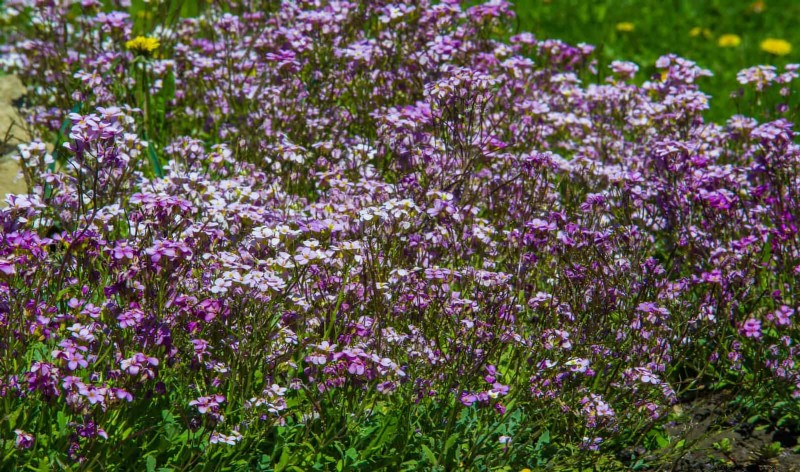
Night phlox, also called midnight candy, features star-shaped flowers that remain closed during the day and open as evening approaches. The white or pale pink blooms emit a honey-almond-vanilla fragrance that’s most pronounced after dark. The pleasant scent gives this plant its sweet nickname.
This low-growing annual reaches just 12-18 inches tall, making it perfect for borders, containers, and moon gardens. Night phlox prefers full sun to light shade and moderate watering. It’s relatively easy to grow from seed and will flower all summer long. Plant it near garden paths or seating areas to enjoy its delightful evening scent.
 Depositphotos.com
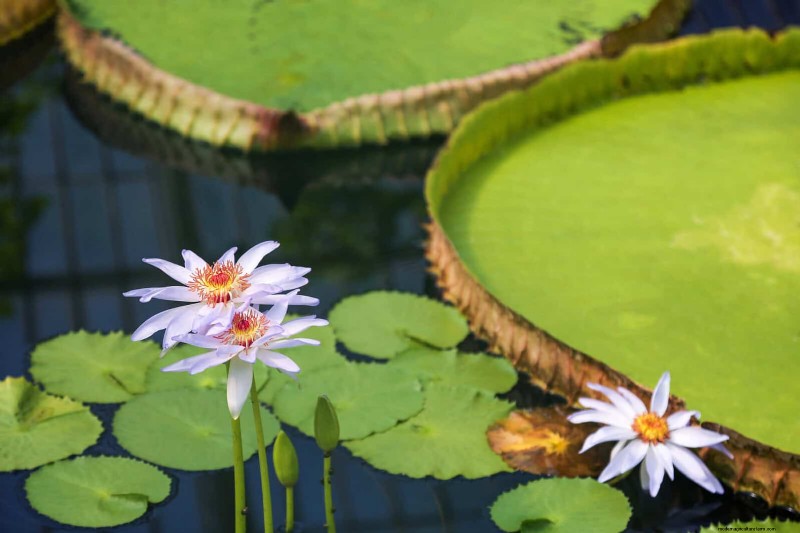
Night-blooming water lilies create magic in garden ponds after dark. Unlike their daytime cousins, these exotic aquatic plants open their star-shaped blooms in the evening and close them again the following morning. Colors range from pristine white to rich pinks and purples, often standing several inches above the water’s surface.
These tropical water lilies need at least 6 hours of direct sunlight and warm water temperatures to thrive. They grow from tubers planted in underwater pots filled with heavy garden soil. For small water features, consider compact varieties that won’t overtake the space. Their floating flowers create stunning reflections in moonlit water.
 Depositphotos.com
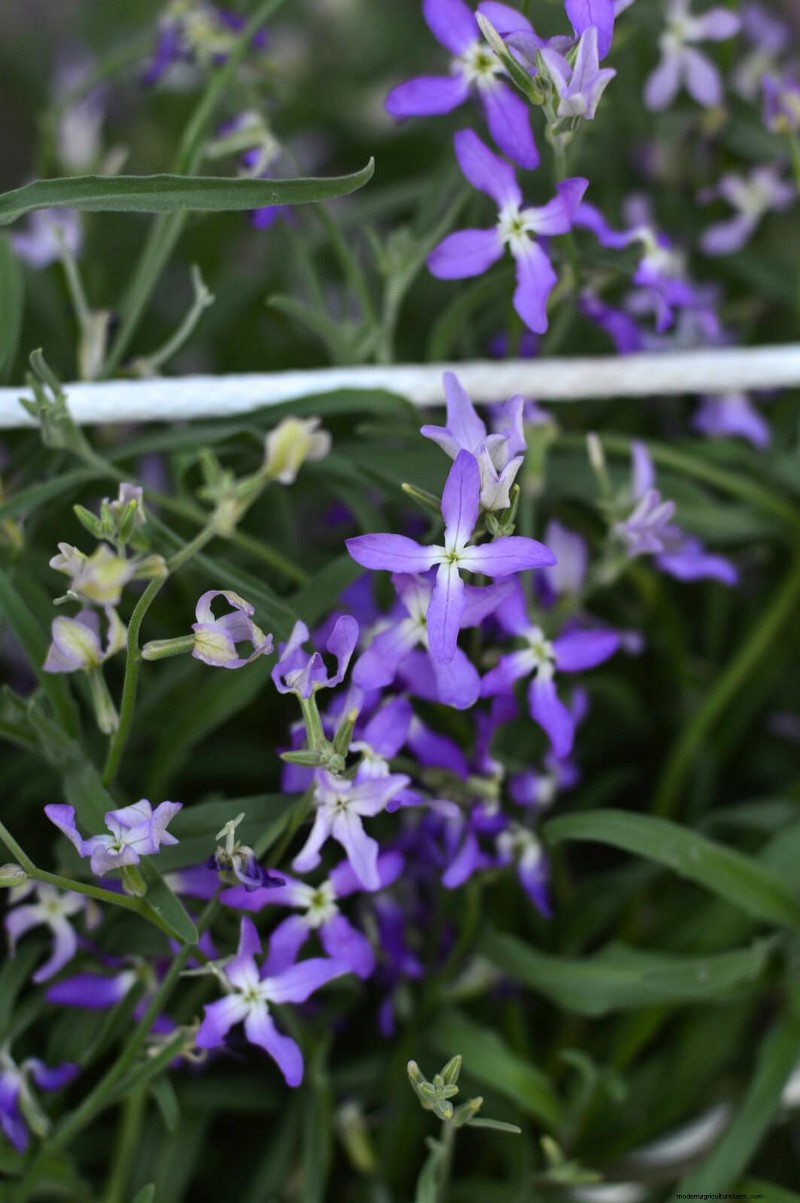
Evening stock features clusters of small, four-petaled flowers that release their sweet clove-like fragrance after sunset. While the purple, pink, or white blooms remain open during the day, their scent intensifies dramatically at night. The perfume can fill an entire garden, making this plant a favorite for evening enjoyment.
This old-fashioned annual grows 12-18 inches tall and prefers cool weather. It’s easy to grow from seed and works beautifully in containers, borders, and cutting gardens. Plant evening stock near patios or walkways where its nighttime fragrance can be appreciated. In hot climates, it performs best as a fall, winter, or spring bloomer.
 Depositphotos.com
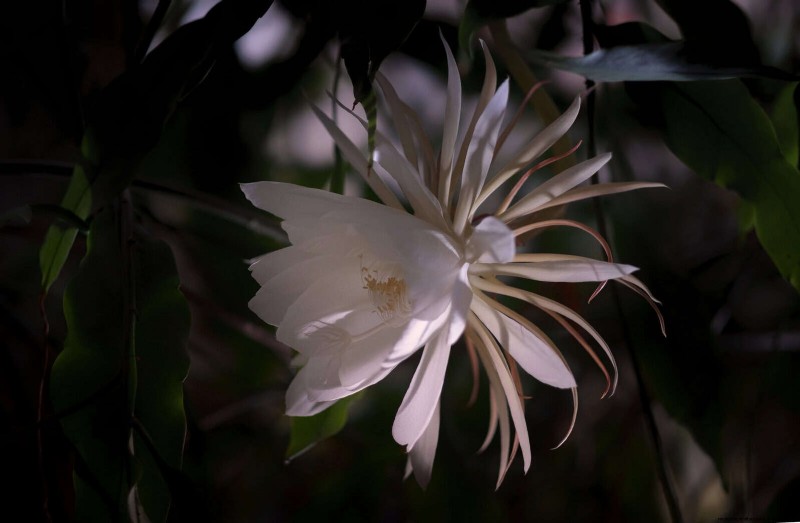
Queen of the Night produces what might be the most spectacular and fleeting flowers in the plant kingdom. These extraordinary blooms open for just one night each year, unfurling dinner-plate-sized white flowers with a vanilla-like fragrance. The flowering is so rare and magnificent that many owners host viewing parties when buds appear.
This unusual cactus grows as an epiphyte (air plant) in its native tropical forests. In gardens, it prefers bright, indirect light and well-draining soil. Queen of the Night makes an excellent houseplant or outdoor container specimen in mild climates. While the blooms are rare, their breathtaking beauty makes the wait worthwhile.
 Depositphotos.com
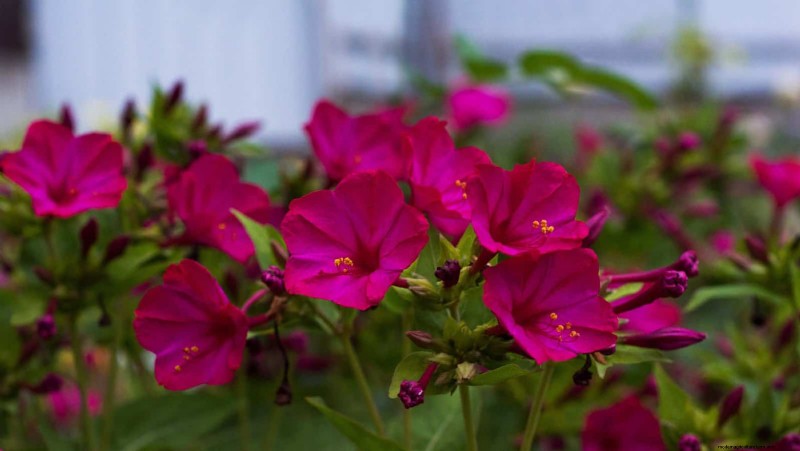
Four o’clocks earned their name from their punctual habit of opening in late afternoon, usually around 4 p.m. The trumpet-shaped flowers come in white, yellow, pink, magenta, or even multicolored patterns. As evening approaches, they release a sweet, lemony scent that attracts sphinx moths and other night pollinators.
These old-fashioned favorites grow from tubers that can be dug up and stored in cold climates or left in the ground in warmer areas. Four o’clocks form bushy plants 2-3 feet tall and bloom continuously from summer until frost. They’re drought-tolerant once established and self-seed readily, sometimes becoming enthusiastic garden volunteers.
 Depositphotos.com
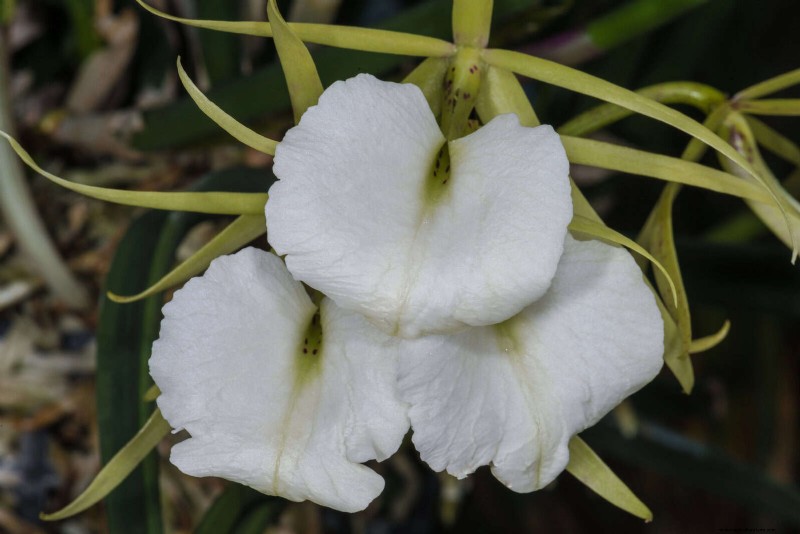
The night-scented orchid, often called “Lady of the Night,” produces star-shaped white flowers with long, narrow petals. During daylight hours, these elegant blooms show little personality, but as darkness falls, they release an intense jasmine-like fragrance. The sweet perfume is strongest during full moon periods.
This relatively easy-to-grow orchid makes a wonderful houseplant or greenhouse specimen. It prefers bright, indirect light and high humidity. Unlike many fussy orchids, Brassavola nodosa is fairly adaptable and can flower several times a year. In warm climates, it can grow outdoors attached to trees or in specialized orchid gardens.
 Shutterstock.com
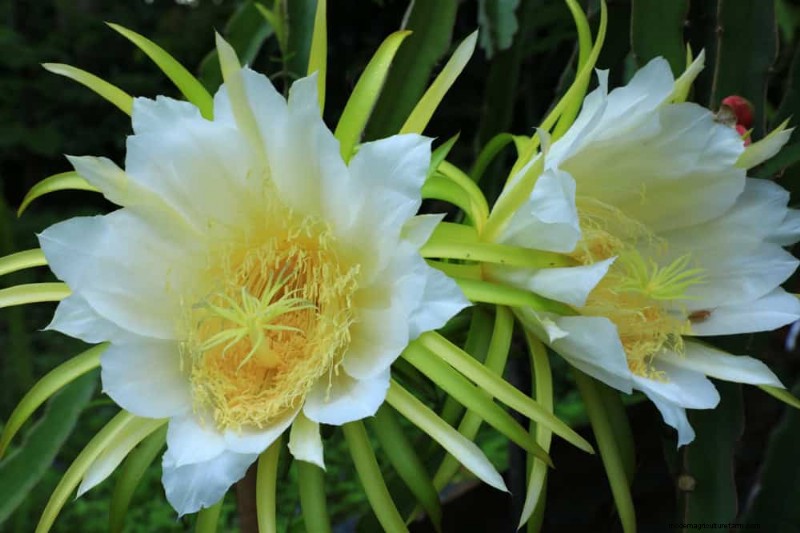
Night-blooming cereus produces some of the most extraordinary flowers in the plant world. These spectacular blooms can reach 8-12 inches across with delicate white petals surrounding a yellow center. They open for just one night, usually after midnight, and release an intoxicating vanilla-like fragrance before withering with the morning sun.
This unusual cactus grows as a climbing vine with triangular, fleshy stems that can reach 20 feet or more. It’s relatively easy to grow in well-draining soil with support for its sprawling growth. In tropical regions, night-blooming cereus produces a delicious dragon fruit after flowering. In cooler climates, grow it as a container plant to bring indoors during winter.
 Depositphotos.com
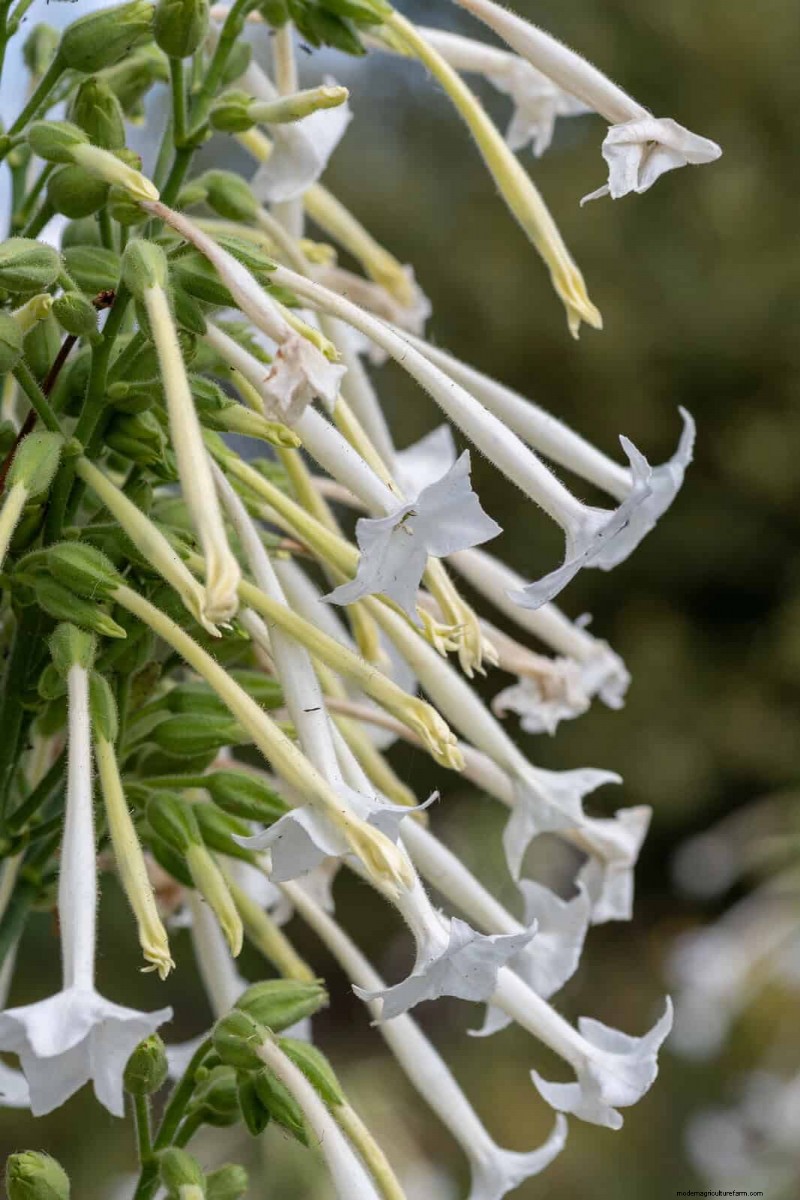
Flowering tobacco plants produce clusters of tubular white flowers that hang like stars from tall stems. While the blooms remain open during the day, their sweet jasmine-like fragrance intensifies dramatically at night. The scent carries far through the garden, attracting fascinating sphinx moths with their long proboscises.
Nicotiana grows 3-5 feet tall and creates an architectural presence in garden beds. The large, tropical-looking leaves form a rosette at the base while flower clusters tower above. These easy-to-grow annuals prefer full sun to light shade and regular watering. They self-seed readily and bloom continuously from summer until frost.
 Depositphotos.com
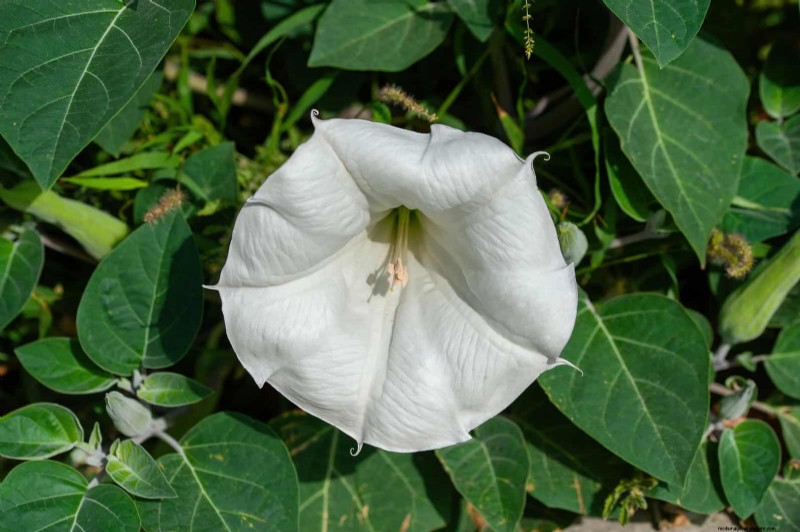
Datura produces enormous, upward-facing trumpet flowers that open in the evening and release a sweet, intoxicating fragrance. The white or lavender blooms can reach 6-8 inches long and glow beautifully in moonlight. Each flower lasts only a day or two, but plants bloom continuously through summer and fall.
These dramatic plants grow 3-4 feet tall and spread just as wide. They prefer full sun and tolerate drought once established. Datura is easy to grow from seed and often self-seeds enthusiastically. But be aware that all parts of the plant are highly toxic, so place it away from areas where children or pets might have access.
 Depositphotos.com
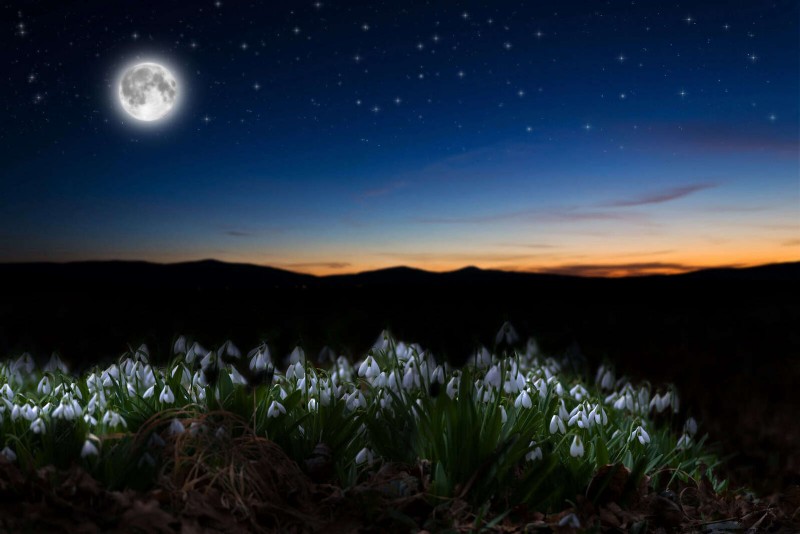
Planting a night garden brings a whole new dimension to your outdoor space. Combine several night-blooming plants with light-colored hardscaping elements that reflect moonlight. Add solar lights or soft landscape lighting to highlight special plants and create a magical evening atmosphere.
The best night gardens engage all the senses. The sweet fragrances, luminous blooms, and quiet beauty of these nocturnal plants transform ordinary evenings into extraordinary experiences. With these 13 night-blooming plants, your garden will become a special place to unwind and connect with nature after the sun goes down.


