
Welcome to Modern Agriculture!

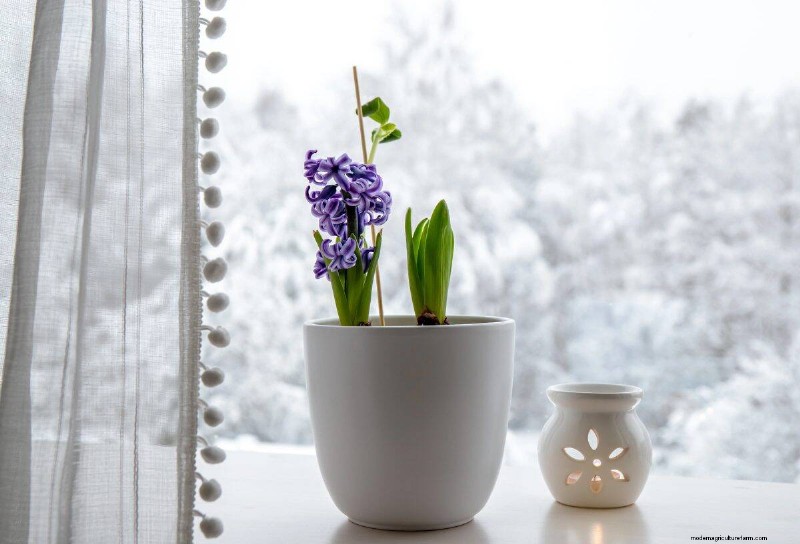
Winter can be tough on houseplants. When heaters kick on, your green friends face dry air and changing light conditions that stress them out. Many plant parents notice their leafy babies looking sad by January.
With a little prep work, you can help your plants thrive all winter long.
These simple steps will get your indoor garden ready before the heat comes on and keep your plants happy until spring returns.
Most houseplants slow their growth during winter months, which means they need less water than in summer. Start cutting back on watering about two weeks before you plan to turn on your heating system.
This gradual approach prevents shock and root rot.
Check soil moisture with your finger before watering. The top inch or two should feel dry for most plants before you add more water.
Plants might need 30-50% less water during winter compared to summer months, depending on your home’s temperature.
Different plants have different winter water needs. Succulents and cacti might only need water every 3-4 weeks, while tropical plants like ferns may still need weekly attention.
Group plants with similar water requirements together to make your winter care routine easier.
Water with room temperature water rather than cold. Cold water can shock plant roots, especially when they’re already adjusting to cooler home temperatures.
Let tap water sit overnight before using it on your plants.
Read more: 25 Risky Watering Habits Every Indoor Gardener Should Rethink
We'll email it to you so you can read it later!
By saving, you agree to receive occasional emails. Unsubscribe anytime.
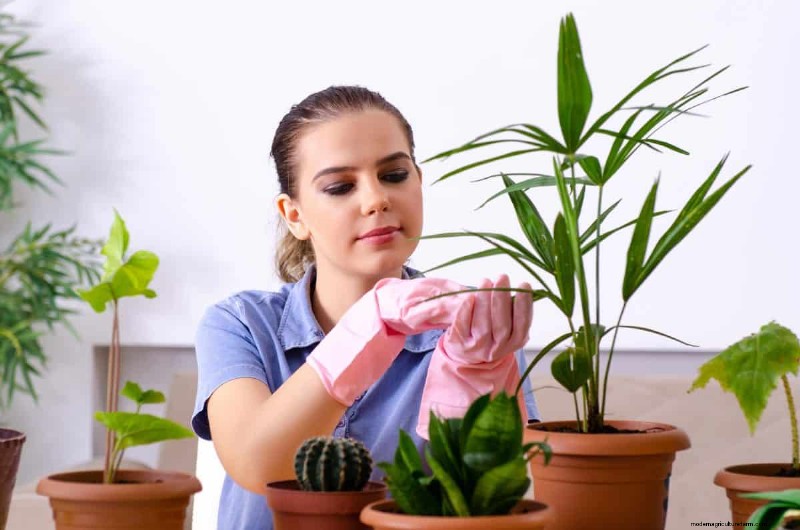
Pests love to hide in houseplants when outdoor temperatures drop. Before bringing outdoor plants inside or cranking up the heat, thoroughly check each plant for unwanted visitors.
Look under leaves, along stems, and in the soil for signs of spider mites, aphids, mealybugs, and scale insects.
If you spot pests, isolate affected plants immediately to prevent spreading. Treat with insecticidal soap, neem oil, or appropriate natural remedies.
A simple solution of mild dish soap and water can work for many common houseplant pests when applied with a spray bottle or gentle wipe-down.
Create a quarantine area for new plants or those coming in from outdoors. Keep them separate from your established collection for at least two weeks, checking regularly for pest activity.
This simple step can save your entire indoor garden from an infestation. Consider applying a preventative treatment to all plants before winter.
A light spray of neem oil solution acts as both prevention and treatment for many common pests, giving your plants extra protection during vulnerable winter months.
Dusty leaves can’t photosynthesize efficiently, and this becomes extra important during winter’s limited daylight. Give your plants a good cleaning before heating season starts.
For smooth-leaved plants, gently wipe each leaf with a soft, damp cloth to remove dust and debris.
Plants with fuzzy leaves like African violets should be dusted with a soft brush instead of wet wiping. For small-leaved plants, a gentle shower in the sink or bathtub works well.
Cover the soil with plastic wrap to prevent waterlogging.
Read more: 11 Revolutionary Leaf-Cleaning Methods for Healthier Plants
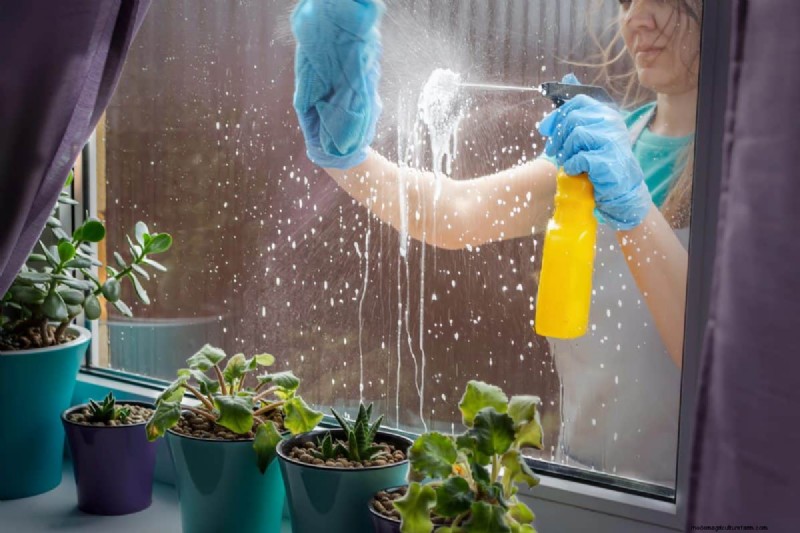
Clean your windows too, both inside and out if possible. Even a thin layer of dust or grime can significantly reduce the light reaching your plants. Winter sunlight is already less intense, so every bit of clarity helps your plants thrive.
Consider rotating your plants every week so all sides get equal light exposure. This prevents lopsided growth and helps plants stay balanced.
Some plants may need supplemental grow lights during winter to maintain their health, especially in northern climates with very short days.
Heating systems dry out indoor air dramatically, and most houseplants suffer in low humidity.
Set up humidity-boosting stations before turning on the heat. Pebble trays are simple and effective.
Fill shallow trays with pebbles, add water to just below the top of the pebbles, and set plant pots on top.
Group plants together to create natural humidity zones. Plants release moisture through transpiration, so clustering them allows them to share this humidity.
This works especially well in bathrooms, kitchens, and other naturally humid spaces in your home.
Consider investing in a humidifier for rooms with many plants. Even a small model can significantly improve conditions for your green friends.
Place it near your most humidity-loving specimens like ferns, calatheas, and peace lilies for best results.
Misting is another option, though its effects are temporary. If you choose to mist, do so in the morning so leaves can dry before cooler evening temperatures set in.
Avoid misting plants with fuzzy leaves or those prone to fungal issues.
Direct heat can damage or even kill houseplants. Before turning on your heating system, identify all heat vents, radiators, and other heat sources in your home.
Move plants at least 3 feet away from these areas to prevent leaf scorch and excessive drying.
Pay special attention to hanging plants, which may be closer to ceiling vents than you realize. Hot air rises, making upper areas of rooms potentially too warm and dry for sensitive plants.
Consider lowering hanging plants or moving them to more moderate locations.
If you must keep plants near heat sources due to limited space, create barriers to diffuse the heat. A simple shelf above a radiator or a deflector on a heat vent can redirect airflow away from your plants.
Even a strategically placed piece of furniture can help create a buffer zone.
Some plants are more tolerant of dry heat than others. Snake plants, ZZ plants, and many succulents can handle drier conditions better than tropical varieties.
Position your plants according to their specific needs, with the most sensitive furthest from heat sources.
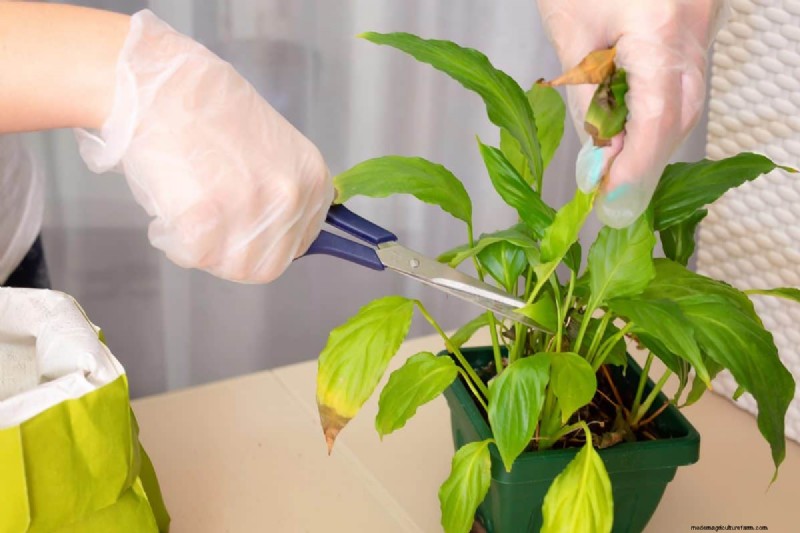
Fall is the perfect time to give plants a light pruning before winter dormancy. Remove any dead, damaged, or diseased portions to help plants conserve energy.
Use clean, sharp scissors or pruning shears to make clean cuts that heal quickly.
Cut back any leggy growth that developed during summer. Many houseplants stretch toward light sources, creating unbalanced shapes.
Trimming these extensions encourages fuller growth and prevents plants from becoming top-heavy during winter when growth slows.
Deadhead flowering plants by removing spent blooms. This prevents plants from wasting energy on seed production and often encourages additional flowering.
Plants like African violets, begonias, and holiday cacti benefit greatly from this attention.
Avoid major pruning or repotting right before winter. These activities stimulate growth, and the resulting new tissue may be too tender to handle winter’s challenging conditions.
Save extensive pruning and repotting for late winter or early spring when plants are preparing to enter their growth phase.
Most houseplants benefit from one final, gentle feeding before winter dormancy sets in.
Choose a balanced, water-soluble fertilizer and apply it at half the recommended strength about a month before you’ll turn on the heat. This gives plants nutrients to store for winter without pushing new growth.
Look for fertilizers with micronutrients in addition to the basic NPK (nitrogen, phosphorus, potassium). These trace elements support overall plant health and stress resistance.
Organic options like diluted fish emulsion or seaweed extract provide gentle nutrition without the risk of chemical burn.
After this final feeding, stop fertilizing most houseplants until late February or March. Feeding during winter’s low light and slow growth periods can lead to salt buildup in the soil and weak, leggy growth.
Most plants naturally enter a rest period in winter and don’t need the extra push.
If you grow houseplants primarily for winter blooming, like amaryllis, paperwhites, or holiday cacti, follow specific feeding schedules for these exceptions.
These plants have different cycles and may need continued light fertilizing to support their winter flowering phase.
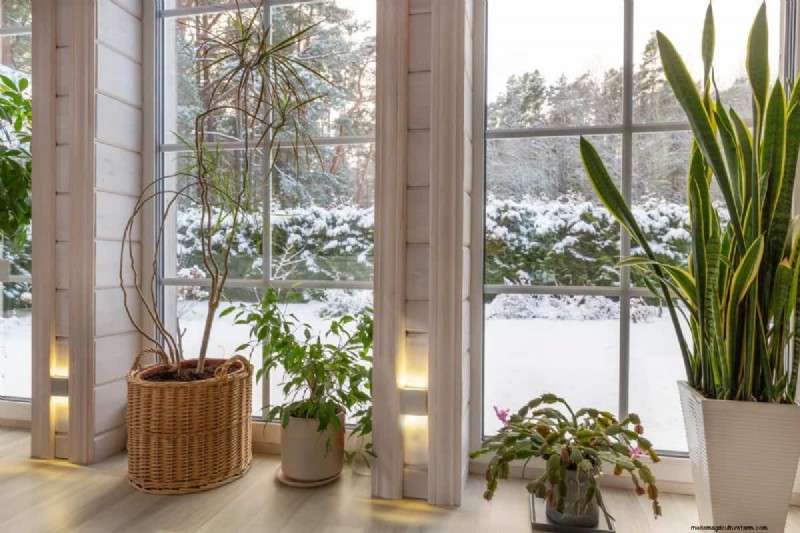
Winter houseplant care doesn’t have to be complicated. By taking these seven simple steps before turning on your heating system, you’re setting your plants up for success during the challenging indoor months.
The small effort now prevents many common winter plant problems. Come spring, your houseplants will be healthy and ready to burst into vigorous growth again.
With proper winter preparation, you might even find some of your plants thriving better than ever through the cold season, bringing life and freshness to your home when the outdoor world goes dormant.


