Welcome to Modern Agriculture!

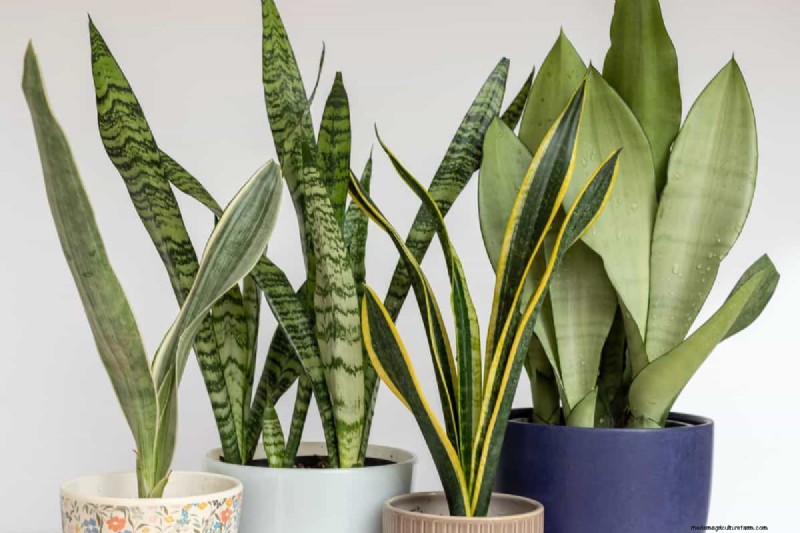
Snake plants are famously low-maintenance, but that doesn’t mean they’re immune to problems. These sturdy houseplants sometimes face issues that can leave even experienced plant parents scratching their heads.
The good news is that most snake plant problems have simple solutions.
Catching problems early is the key to keeping your snake plant happy and healthy for years to come. With the right care adjustments, you can fix most issues before they become serious.
Let’s look at common snake plant problems and how to solve them quickly.
Yellow leaves on snake plants usually signal overwatering. These plants store water in their thick leaves and prefer to dry out completely between waterings.
When soil stays too wet, roots can’t get enough oxygen, causing leaves to turn yellow. To fix yellow leaves, check your watering schedule immediately. Allow the soil to dry out completely before watering again.
For severe cases, you might need to repot your plant in fresh, well-draining soil after trimming away any rotting roots. Going forward, water only when the top 2-3 inches of soil feels completely dry.
Brown tips on snake plant leaves typically indicate underwatering or too much direct sunlight. They can also appear when the air is too dry or when there’s excess fertilizer buildup in the soil.
This problem often shows up gradually but can worsen if not addressed.
The solution depends on the cause. If the soil feels bone dry, give your plant a good soak. Move it away from direct sunlight to a spot with bright indirect light.
You can also increase humidity by placing the pot on a pebble tray with water. For fertilizer burn, flush the soil thoroughly with water to remove excess minerals.
We'll email it to you so you can read it later!
By saving, you agree to receive occasional emails. Unsubscribe anytime.
When snake plant leaves curl inward or develop unusual twists, they’re likely experiencing stress from improper watering or temperature shock.
Curling is often one of the first visible signs that something in the plant’s environment needs adjustment.
Check your watering habits first. Underwatered plants will have dry soil and might show curling along with some crispness. Overwatered plants will have soggy soil and possibly yellowing along with the curling.
Also, keep your snake plant away from drafts, heating vents, or air conditioning units that cause temperature fluctuations. Maintain room temperatures between 65-85°F for best results.
Read more: Snake Plant Curled Leaves? Here’s How To Fix The Problem
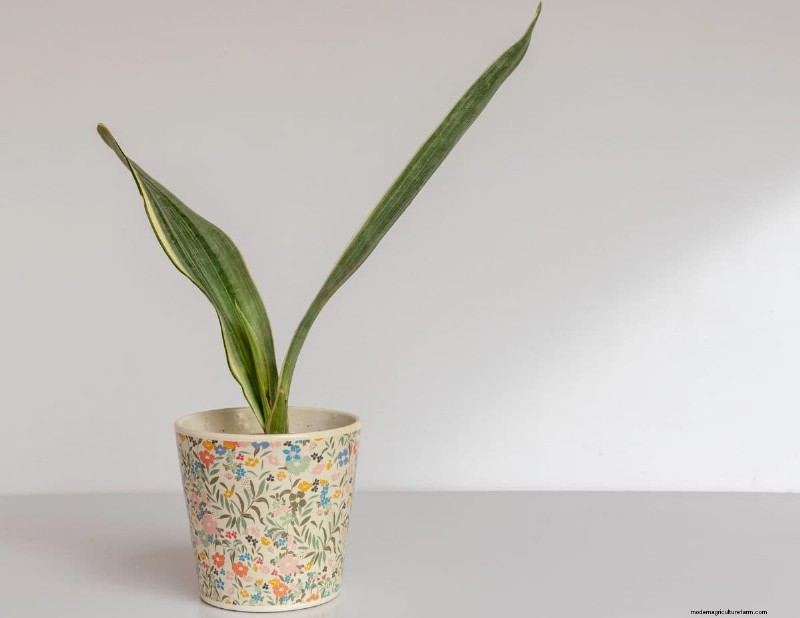
Snake plants naturally grow slowly, but if yours hasn’t produced any new leaves in over a year, something might be wrong. Stunted growth can result from insufficient light, being root-bound, or nutrient deficiency.
Your plant might look healthy otherwise but simply fails to thrive.
Move your snake plant to a brighter location with indirect light to encourage growth. If the roots are circling the pot or coming out of drainage holes, it’s time for a slightly larger container.
Finally, feed your plant with a balanced houseplant fertilizer at quarter-strength during the growing season (spring and summer) to provide necessary nutrients without overwhelming the plant.
Healthy snake plants stand tall and proud. When leaves start drooping or falling over, it usually means the plant is getting too much water or not enough light.
Drooping changes the distinctive upright character of the plant and shouldn’t be ignored.
Cut back on watering immediately if you notice drooping leaves. Allow the soil to dry out completely between waterings. Also, check that your plant is getting enough light to maintain its structure.
Sometimes drooping occurs when new growth gets too heavy. In this case, you can stake the leaves temporarily or consider dividing an overgrown plant.
Root rot is a serious condition caused by persistent overwatering. The roots become brown, mushy, and develop an unpleasant smell.
Above the soil, you’ll notice yellowing leaves, a soft base, and potentially a foul odor from the pot. This problem can kill your snake plant if not addressed quickly.
Remove the plant from its pot and inspect the roots. Use clean scissors to cut away all soft, brown, or black roots, leaving only firm, light-colored ones. Repot in fresh, well-draining soil in a clean pot with drainage holes.
Water sparingly until the plant shows signs of recovery. A cactus potting mix works well for snake plants, as it provides the drainage they need.
Read more: 8 Game-Changing Fixes for Snake Plant Root Rot
While snake plants resist most pests, they occasionally attract mealybugs, spider mites, or scale insects.
These tiny invaders suck sap from the plant, causing weakened growth, sticky residue on leaves, or visible webbing in the case of spider mites. Catching infestations early makes treatment much easier.
Isolate your infected plant from others immediately. For mild infestations, wipe down leaves with a damp cloth or cotton ball dipped in rubbing alcohol.
For more serious cases, spray the plant with insecticidal soap or neem oil solution, following package directions. Repeat treatments weekly until all signs of pests are gone.
Preventatively, inspect new plants before bringing them home.
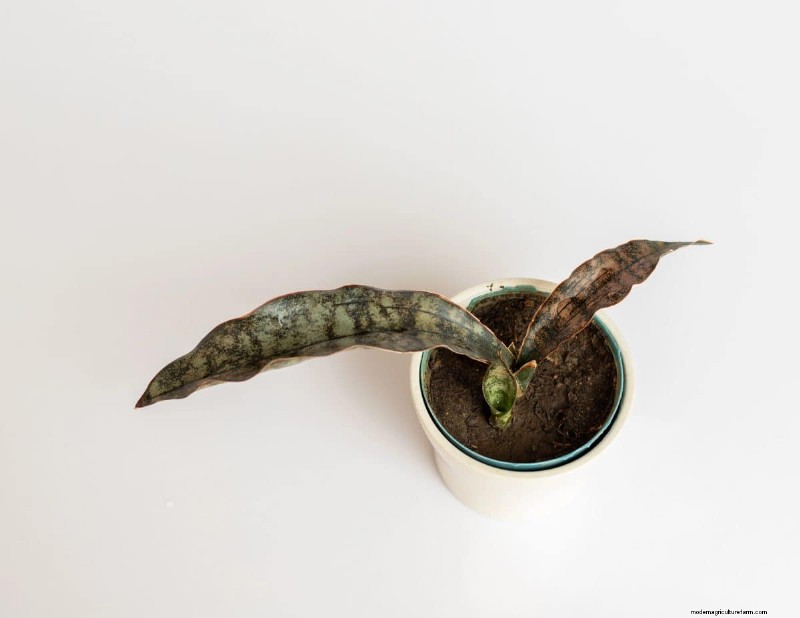
Dark spots on snake plant leaves usually indicate a fungal infection, often caused by water sitting on leaves or high humidity combined with poor air circulation.
These spots may start small but can spread and eventually damage entire leaves if the conditions persist.
Remove affected leaves with clean scissors to prevent spread. Avoid getting water on the foliage when watering. Improve air circulation around your plant with a small fan if necessary.
Water at the soil level rather than from above, and consider applying a fungicide formulated for houseplants if the problem persists. Allow soil to dry thoroughly between waterings to discourage fungal growth.
Wrinkled, shriveled leaves on a snake plant typically signal dehydration. The plant draws water from its leaves during drought periods, causing them to lose their firm, plump appearance.
This usually happens when the plant has been underwatered for some time.
Give your thirsty plant a good soak by placing the pot in a sink with a few inches of water for 30 minutes, allowing water to absorb through the drainage holes.
After this deep watering, let the soil dry out before watering again, but don’t wait until leaves wrinkle. Adjust your watering schedule so the soil dries completely between waterings but doesn’t stay dry for extended periods.
Leggy snake plants develop long, spindly leaves that stretch toward light sources instead of growing upright and compact.
This happens when the plant doesn’t receive enough light and tries to reach for whatever brightness it can find. The result is an unattractive, unstable plant form.
Gradually move your plant to a brighter location with indirect sunlight. Avoid direct sun, which can burn the leaves. For severely leggy plants, consider propagation.
Cut off the healthiest leaves, let the cut ends callus for a day or two, then plant them in slightly moist soil to grow new, compact plants with better form.
When the base of snake plant leaves becomes soft and mushy, serious trouble has taken hold. This typically indicates advanced rot that has moved from the roots up into the plant tissue.
The affected areas may feel squishy when gently squeezed and sometimes develop a foul odor.
Act quickly by removing the plant from its pot and cutting away all mushy portions with a clean knife. Make sure to cut until you reach firm, healthy tissue.
Allow the cut surfaces to callus over for a day, then repot in fresh, dry soil. Wait at least a week before watering again.
Unfortunately, if rot has spread throughout most of the plant, saving it might not be possible, but you can often propagate healthy leaf sections.
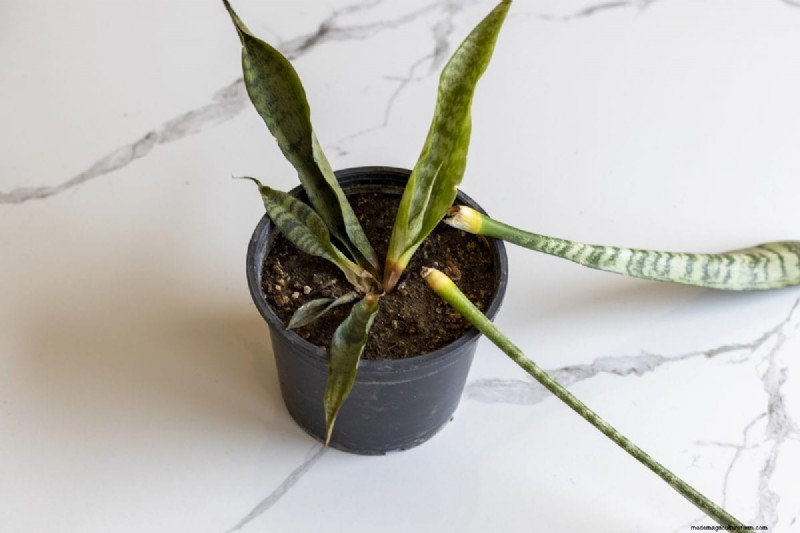
Snake plants rarely drop leaves unless they’re experiencing significant stress. When older, outer leaves die off while the plant continues producing new growth in the center, that’s normal aging.
However, if multiple leaves are yellowing and falling off simultaneously, something is wrong.
Check for overwatering first, as this is the most common cause of leaf loss. Ensure your pot has drainage holes and that you’re not watering too frequently.
Extreme temperature fluctuations can also cause leaf drop, so keep your plant away from heating vents, air conditioners, and cold windows. If the plant is severely overcrowded, it might benefit from division into multiple pots.
White, gray, or green mold growing on the soil surface around your snake plant indicates excessive moisture and poor air circulation.
While this mold typically doesn’t harm the plant directly, it signals conditions that could lead to root rot and other moisture-related problems.
Scrape off the visible mold carefully. Improve air circulation around the plant with a small fan if needed. Hold off on watering until the soil dries out completely, and consider repotting with fresh, well-draining soil if the problem persists.
Adding a thin layer of aquarium gravel or sand to the soil surface can discourage mold growth by helping the top layer dry more quickly after watering.
Besides yellowing, snake plants can develop other unusual colors like pale patches, whitish areas, or reddish-brown discoloration.
These color changes often result from light stress, nutrient imbalances, or sudden environmental changes. Different types of discoloration point to different problems that need specific solutions.
Pale or bleached patches usually indicate sunburn from too much direct light. Move your plant to a less bright spot. Reddish-brown edges might signal fertilizer burn or mineral buildup from tap water.
Flush the soil thoroughly with distilled water and reduce fertilizer. White or yellow streaks (if not part of the plant’s natural variegation) could indicate mineral deficiencies.
Try repotting in fresh soil or applying a balanced, diluted fertilizer.
An unpleasant odor coming from your snake plant’s pot is never a good sign. This smell typically indicates rotting roots or decaying organic matter in waterlogged soil.
The smell might resemble rotten eggs or composting vegetation and will get worse if the underlying issue isn’t addressed.
Unpot your plant immediately and examine the roots and soil. Remove any rotting roots and discard the old, smelly soil. Wash the pot with a bleach solution (1 part bleach to 10 parts water) to kill any bacteria or fungi.
Repot your plant in fresh, well-draining soil after trimming away damaged roots. Adjust your watering routine to prevent the problem from recurring.
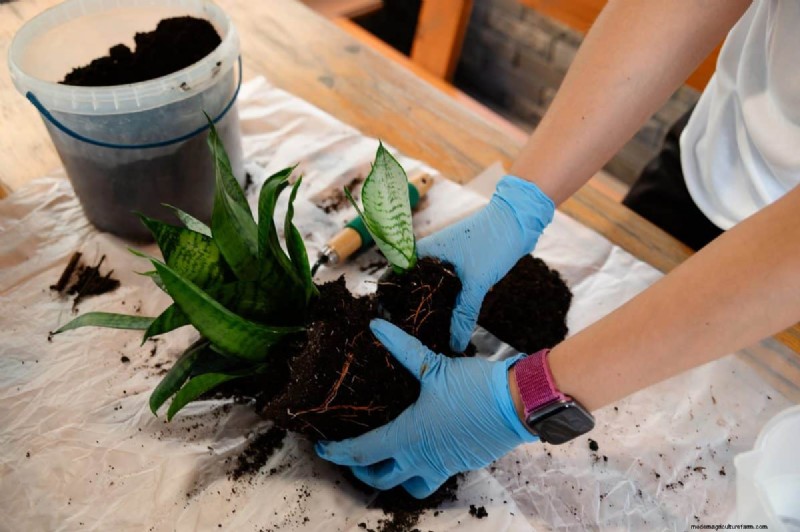
Snake plants sometimes go through transplant shock after repotting, showing symptoms like drooping, yellowing, or general failure to grow.
This happens when roots are damaged during the process or when the new soil and pot conditions are significantly different from what the plant was accustomed to.
Give your newly repotted snake plant time to adjust. Place it in a location with indirect light and hold off on fertilizing for at least a month. Water sparingly until you see signs of new growth, which indicates the plant has established itself in its new home.
Avoid repotting again until necessary, as snake plants prefer to be somewhat pot-bound and don’t require frequent repotting.
Snake plants truly earn their reputation as easy-care houseplants when given the right conditions. The key to avoiding most problems is proper watering.
Remember that these drought-tolerant plants prefer to dry out completely between waterings.
Place them in bright indirect light, use well-draining soil, and repot only when necessary.
Regular inspection of your plant can catch issues before they become serious. Take a moment each week to look for early warning signs like color changes, unusual growth patterns, or pests.
With minimal attention and the troubleshooting tips above, your snake plant can remain an attractive, air-purifying addition to your home for many years.