Welcome to Modern Agriculture!

We’ve all been there, falling for the “easy-care” air plant or painting a poor succulent neon pink. Some trends looked amazing online but didn’t survive real-life conditions.
From fairy gardens to faux plant walls, these are 30 houseplant fads that flopped, and why our plant shelves are better off without them.
Closed terrariums dominated social media feeds around 2015-2018. These miniature ecosystems initially appealed to urban dwellers with limited space and those seeking low-maintenance greenery.
Unfortunately, many enthusiasts discovered these sealed environments required more specialized knowledge than expected.
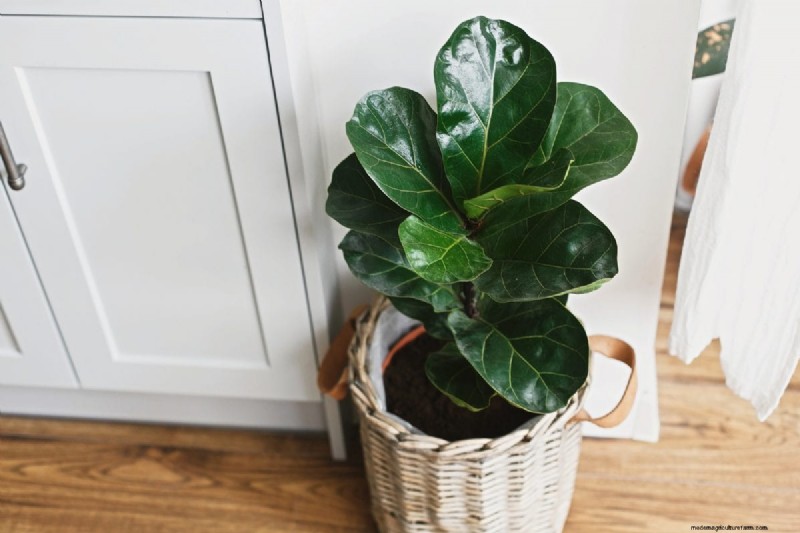
Once the undisputed Instagram darling of indoor trees, the fiddle leaf fig has fallen from its lofty perch.
Their temperamental nature and tendency to drop leaves with the slightest change in environment led many plant parents to seek hardier alternatives. Design influencers have largely moved on to more resilient statement plants.
We'll email it to you so you can read it later!
By saving, you agree to receive occasional emails. Unsubscribe anytime.
The tillandsia trend peaked around 2016-2018, appearing in countless hanging glass globes and geometric holders. Despite their “air plant” nickname suggesting effortless care, many died from insufficient watering or improper light.
Their popularity waned as consumers realized these unique plants weren’t actually maintenance-free.
Pinterest-worthy mason jar herb gardens promised stylish, functional greenery for kitchen windowsills. The reality of insufficient drainage and limited root space quickly dampened enthusiasm.
Most serious gardeners have abandoned these for proper planters that prioritize plant health over aesthetics.
The succulent craze reached peak saturation when these plants appeared on everything from wedding cakes to jewelry.
Once celebrated for their low-maintenance reputation, many trendy arrangements like vertical gardens and tiny containers proved impractical. The market became oversaturated, pushing enthusiasts toward more distinctive specimens.
Read more: 11 Little-Known Succulent Facts To Amaze Your Friends With!
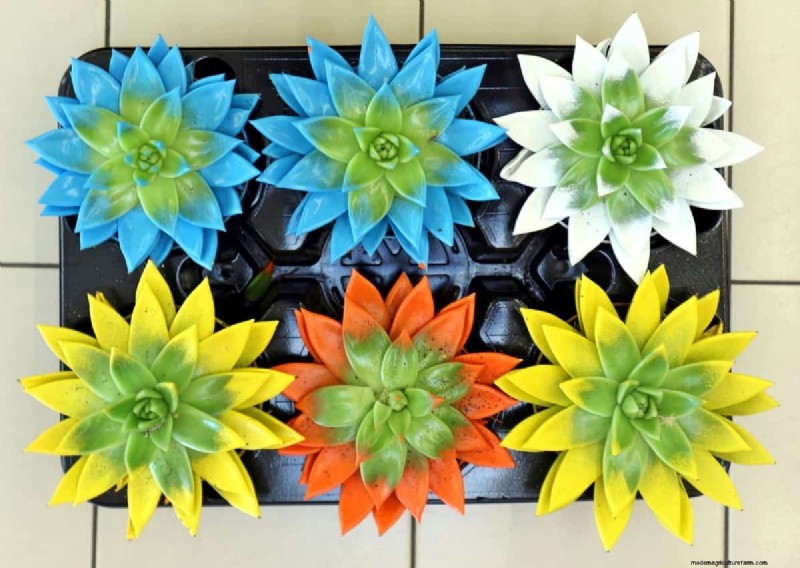
Spray-painted succulents in neon colors briefly infiltrated garden centers and craft stores. These artificially colored plants couldn’t photosynthesize properly, often dying within months.
The practice faced backlash from plant enthusiasts who considered it harmful and unnecessary.
Miniature landscapes featuring tiny figurines, houses, and diminutive plants once dominated craft stores and garden centers. The trend has largely retreated to specialized hobbyist circles rather than mainstream décor.
Today’s plant enthusiasts generally prefer to showcase the natural beauty of plants without whimsical additions.
These distinctive trailing succulents became nearly ubiquitous in design magazines around 2018-2019.
Their challenging care requirements and tendency to drop their “pearls” led to disappointment for many plant owners. Newer collectors are often choosing less finicky trailing plants like pothos varieties.
The pink princess philodendron reached astronomical prices during its trendy peak, with small cuttings selling for hundreds of dollars. The market became flooded with low-quality specimens and scams targeting eager collectors.
While still desirable, the frenzy has subsided as other variegated plants have captured attention.
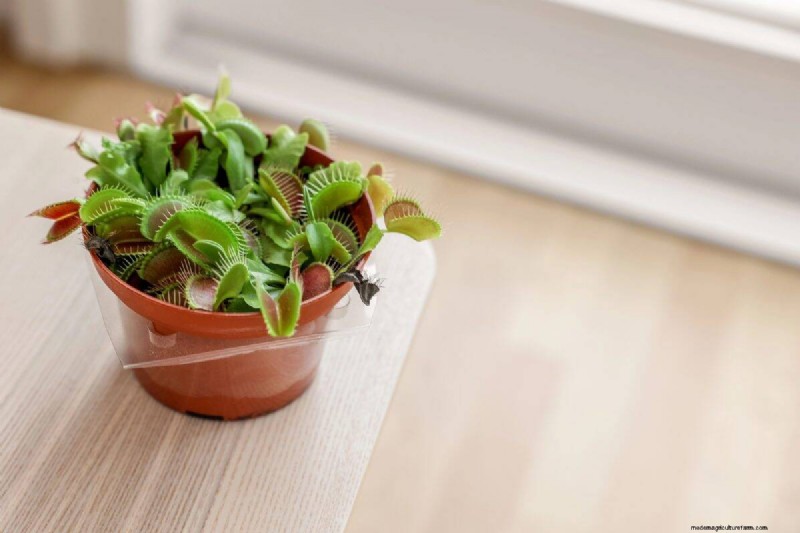
Venus flytraps and pitcher plants enjoyed a brief spotlight as conversation-starting oddities.
Their specialized care requirements proved too demanding for casual plant owners, with many failing to thrive in typical home environments.
The fascination has largely returned to dedicated hobbyist circles rather than mainstream décor.
Maximalist plant displays with shelves crammed with specimens once dominated social media. The maintenance reality of watering, rotating, and caring for dozens of clustered plants proved impractical.
Today’s trend leans toward more curated collections with proper spacing for plant health.
Faux living walls briefly appeared in retail spaces and homes as low-maintenance alternatives to real vertical gardens.
These plastic installations collected dust and looked increasingly artificial over time. The trend has largely disappeared in favor of either committed living walls or alternative décor.
These Japanese-inspired moss-wrapped plant balls became a craft trend around 2017-2018. The specialized watering requirements and messy maintenance made them impractical for most homes.
While still appreciated by some enthusiasts, they’ve largely disappeared from mainstream plant collections.
Stacked cacti arrangements designed to mimic Christmas trees briefly appeared as alternative holiday décor. The impractical and often painful-to-maintain arrangements quickly fell from favor.
Traditional seasonal plants or properly displayed cacti collections have returned to popularity.
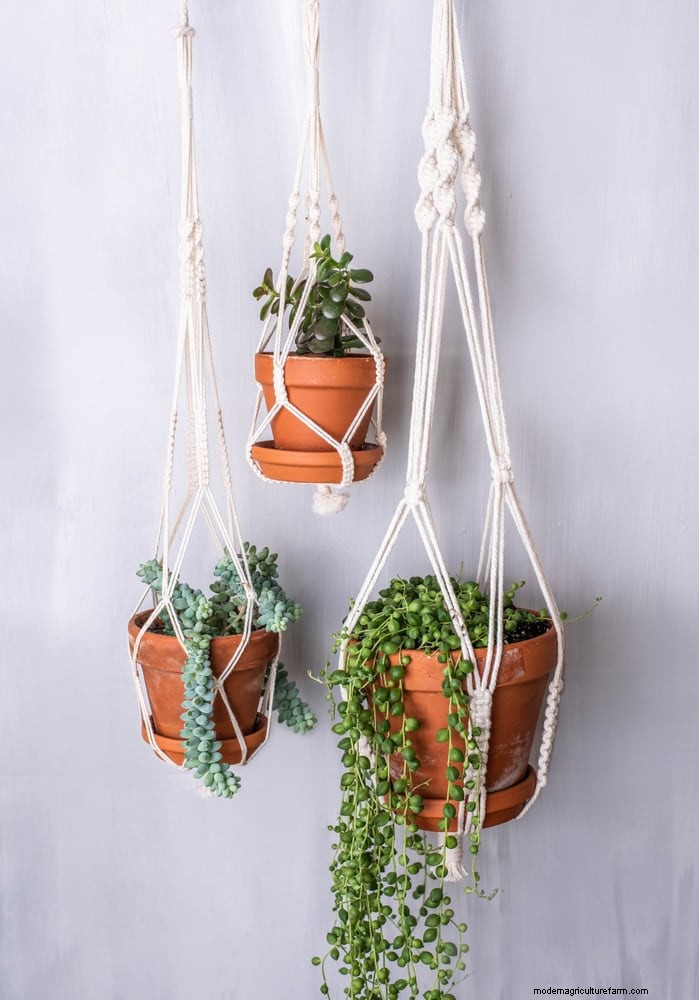
The revival of 1970s-style macramé hangers reached market saturation around 2019-2020. While macramé hasn’t disappeared entirely, the ubiquity of elaborate plant hangers has diminished.
Contemporary plant displays often feature simpler, more minimal hanging solutions or architectural plant stands.
Tiny arrangements of multiple cacti species in shallow containers became popular gift items and desk accessories.
These cramped arrangements provided insufficient space for root growth and different watering needs. Plant enthusiasts now generally prefer giving individual, appropriately potted specimens.
The terminology of plant “parenthood” and treating plants as pets reached peak saturation on social media around 2020. While plant enthusiasm remains strong, the excessive anthropomorphizing of plants has moderated.
Today’s plant communities focus more on horticultural knowledge than cutesy terminology.
Monthly mystery plant subscription services proliferated during the initial houseplant boom. Many subscribers ended up with collections ill-suited to their space or abilities.
Today, most enthusiasts prefer researching and selecting specific plants rather than receiving random additions.
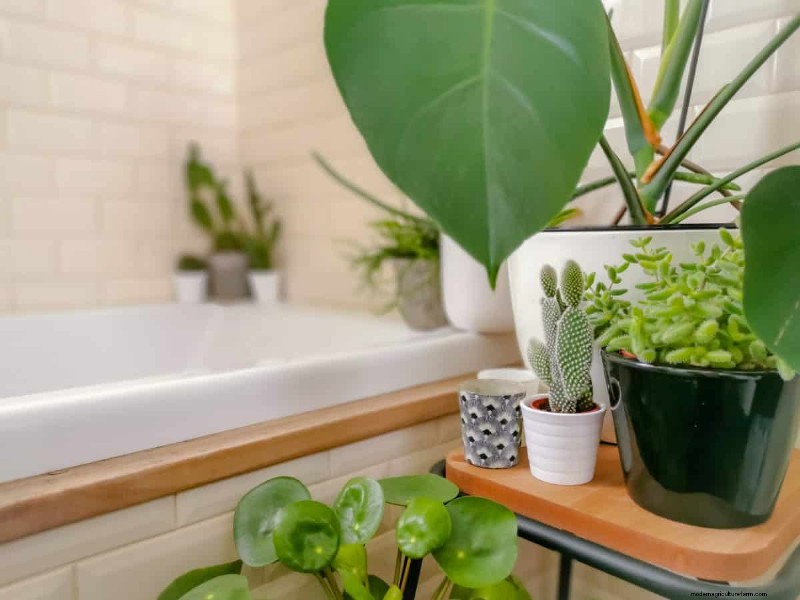
Transforming bathrooms into humid plant paradises became a major trend, especially in spaces with minimal natural light.
Many enthusiasts discovered issues with mold, inadequate light, and practical limitations of sharing space with plants. Most have scaled back to a few truly humidity-loving specimens.
Read more: 14 Bathroom Plants That Absorb Moisture And Reduce Humidity
Pre-pandemic workplaces often featured desks overflowing with plants as personal statements.
With hybrid work models and changing office environments, the elaborate personal plant display has declined. Home office setups now typically feature more curated plant selections.
Dedicated plant Instagram accounts exploded in popularity around 2018-2020. While plant content remains popular, the market became saturated with nearly identical content.
Today’s plant influencers typically diversify their content or focus on specialized niches rather than general collections.
Miniature cacti in thumb-sized decorative pots appeared everywhere from office desks to wedding favors.
These arrangements provided insufficient room for growth and often led to root issues. Plant owners now generally choose appropriately sized containers that allow for proper development.
Treating orchids as temporary décor items rather than long-lived plants became commonplace in interior design. Many were discarded after blooming instead of being rebloomed.
Today’s orchid owners more commonly research proper care to maintain these plants for years.
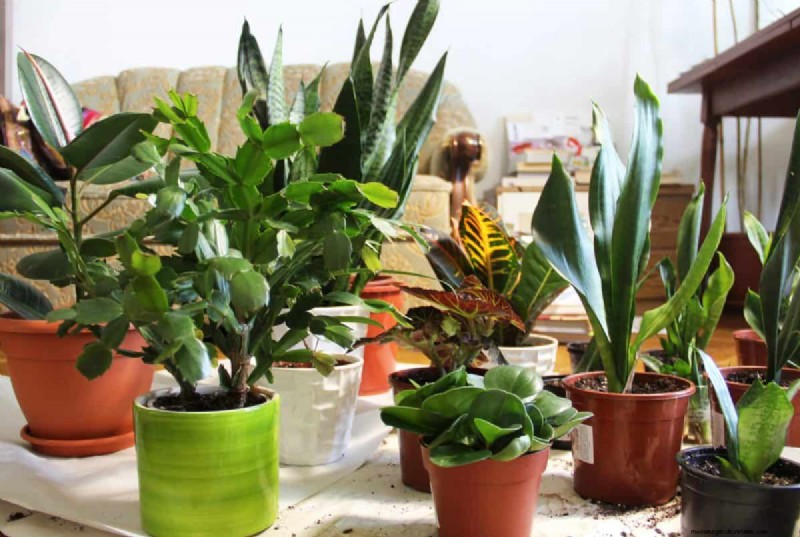
Collecting dozens or hundreds of plants without proper space or care resources became a concerning social media trend.
The “more is better” approach has given way to more thoughtful collecting. Quality over quantity now dominates plant community discussions.
Macramé holders displaying plants from every possible ceiling hook reached peak popularity around 2019. The maintenance reality of watering and caring for numerous hanging plants proved challenging.
Today’s designs feature more intentional placement rather than maximum coverage.
Cuttings of pothos and other plants displayed in water-filled vessels became ubiquitous on Pinterest.
While propagation remains popular, keeping plants permanently in water often led to deterioration over time. Most enthusiasts now view water propagation as a temporary stage rather than permanent display.
Arrangements combining multiple cacti and succulents in shallow containers became popular gift items. These gardens typically combined plants with incompatible water and light needs.
Current collections tend to group plants with similar requirements for more successful long-term care.
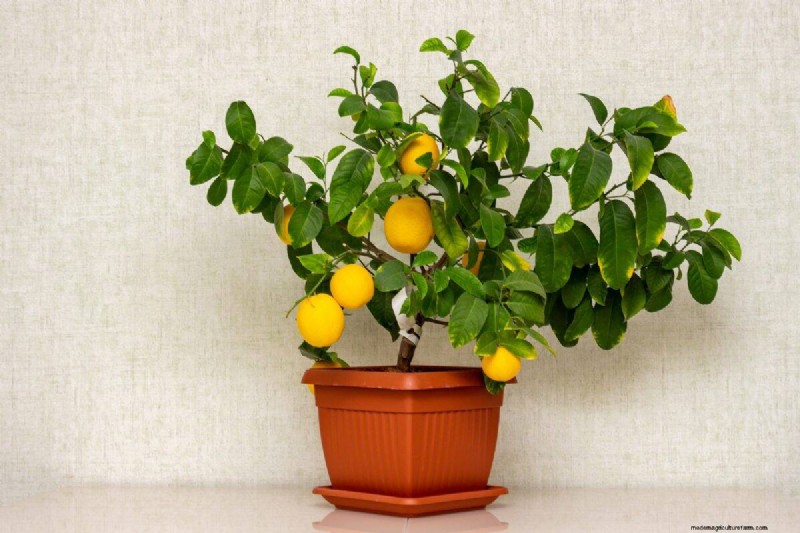
Dwarf citrus trees were marketed as easy indoor specimens that would produce fruit year-round.
Most homes lacked the necessary light and humidity for these trees to thrive. The trend has largely shifted to more adaptable tropical plants that better tolerate indoor conditions.
Using tall plants or plant-filled shelving units as room dividers peaked during the open-concept design era. Maintenance challenges and light requirements made these dividers impractical for many spaces.
More permanent architectural solutions or purpose-built furniture has largely replaced this trend.
Collecting every available variety of one plant type (like all pothos or all peperomia) became a social media status symbol.
This collecting approach often resulted in redundant-looking displays and maintenance challenges. Today’s collectors typically focus on visual diversity rather than taxonomic completeness.
These once-popular houseplant trends may have faded, but they left valuable lessons behind. Real plant care goes beyond aesthetics, it’s about sustainability, simplicity, and letting your plants thrive naturally.
So before chasing the next viral green trend, remember: the most beautiful plant setups are the ones that last.