Welcome to Modern Agriculture!

Gardening is a realm filled with secrets. Just when you think you’ve heard every tip and trick under the sun, a surprising new hack emerges.
One such hack that has been making waves in the gardening community is adding black pepper to jade plants.
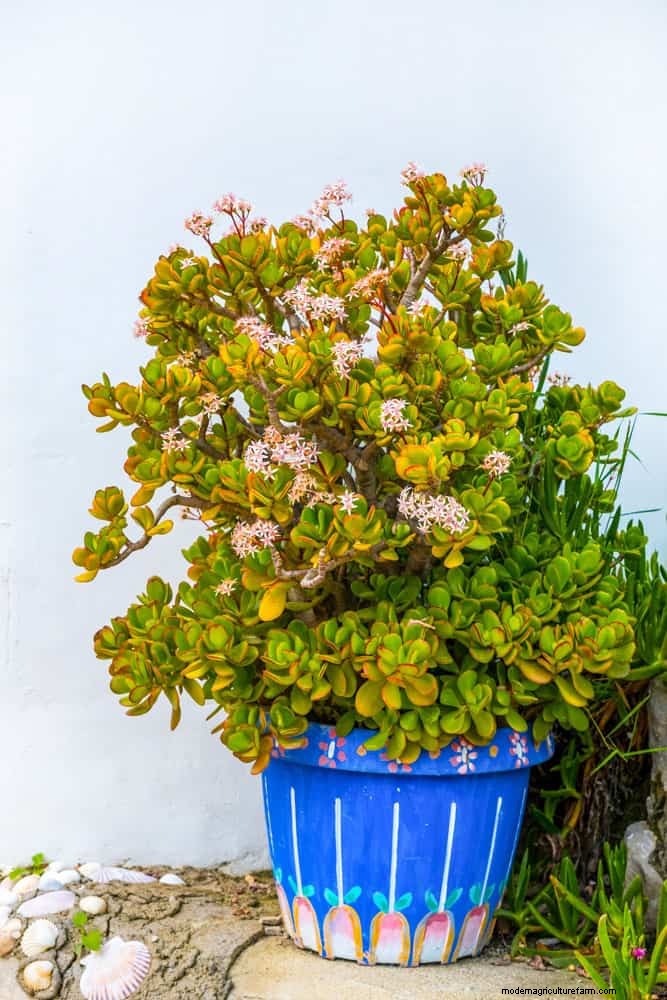
Yes, you read that right! But what’s the magic behind this unusual method, and how does it boost growth?
Surely you have a lot of questions so here’s what we found out about this growth method.
First, let’s get to know our primary subject a little better: the jade plant.
Native to South Africa, jade plants, often known as Crassula ovata, are succulent plants with thick, woody stems and oval-shaped leaves.
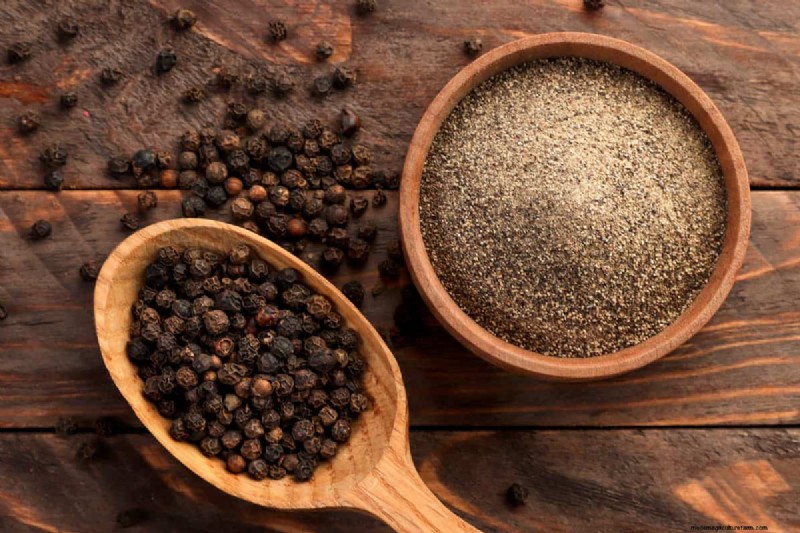
These leaves, which can range from a rich jade green to a reddish-purple hue, store water, enabling the plant to thrive even in drier environments.
These plants love sunlight but don’t need to be watered frequently.
Their easy care and attractive appearance make them a favorite choice for home gardeners and interior designers.
Now, onto the main attraction: why would sprinkling black pepper around your jade plant promote growth?
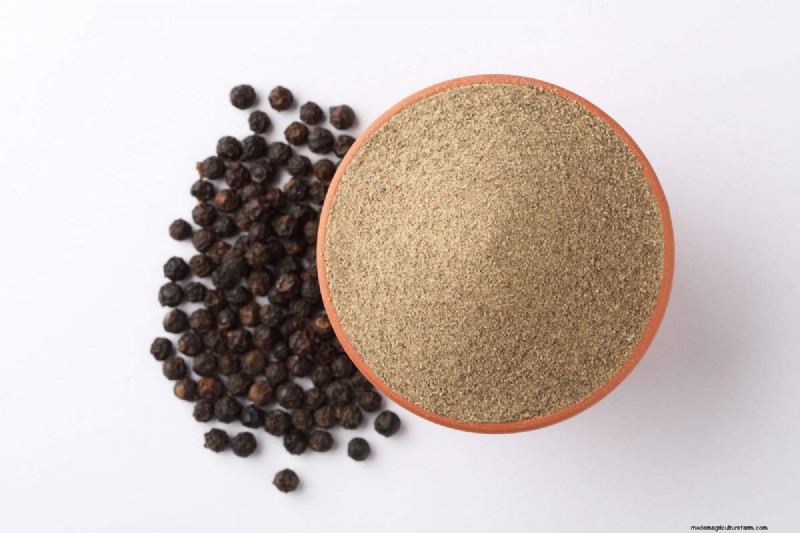
Black pepper contains a compound known as piperine. This compound has been found to exhibit fungicidal properties.
By adding black pepper to the soil of your jade plant, you’re providing a natural shield against fungal infections which can hamper growth.
Jade plants, like many succulents, can be attractive to pests.
Black pepper acts as a deterrent, discouraging pests like mealybugs and aphids from settling on the plant.
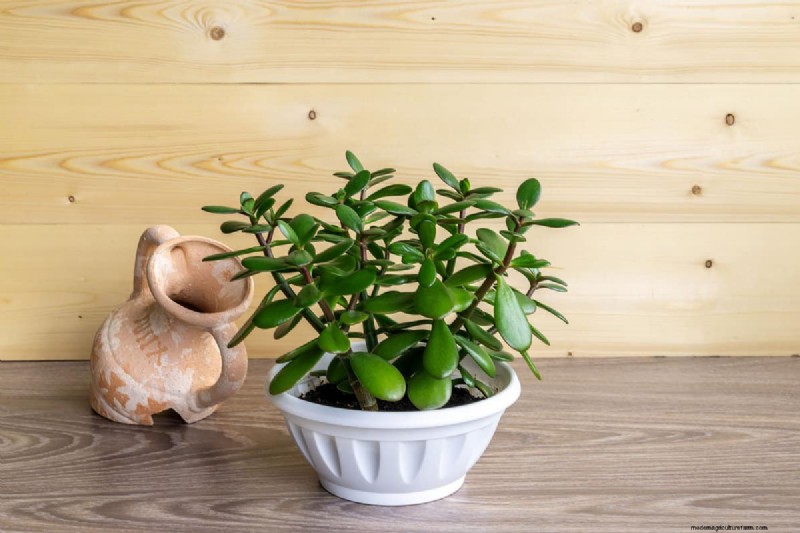
This keeps the plant healthier and allows it to grow without interruption.
According to studies, black pepper acts as a natural pesticide, discouraging pests from staying on plants and laying eggs on the leaves.
Black pepper can slightly alter the pH of the soil. Jade plants prefer a slightly acidic to neutral soil pH.
With black pepper, there’s a potential to balance the soil, creating an environment conducive for jade plant growth.
It’s not just about throwing pepper onto your plant; there’s a method to the madness!
Here’s what to do:
We'll email it to you so you can read it later!
By saving, you agree to receive occasional emails. Unsubscribe anytime.
Of course, black pepper isn’t the only means of encouraging healthier growth. Other plant care methods should also be applied.
Here are some tips to growing a thicker, fuller, and healthier jade plant.
Pruning is an effective method to encourage bushier growth.
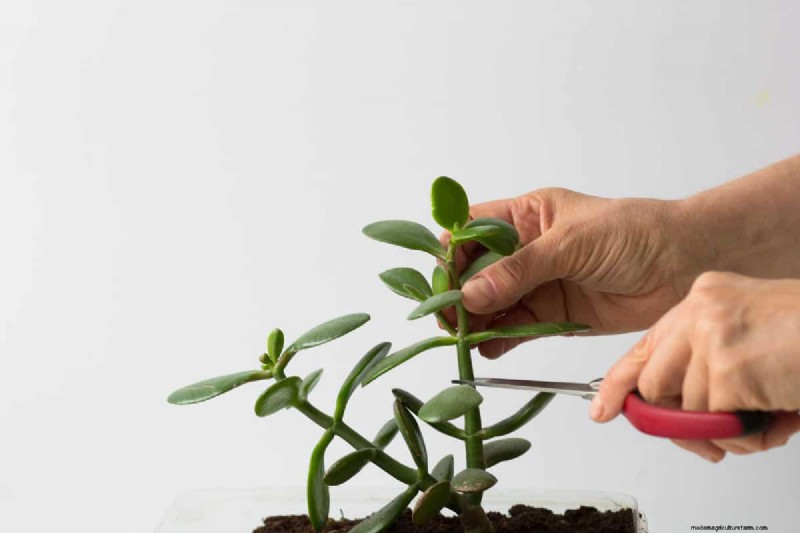
When you prune the main stem, the plant typically responds by pushing out multiple offshoots below the cut.
This will give your jade a fuller appearance over time. Make sure to use a clean, sharp pair of scissors or pruning shears to prevent any infection.
Jade plants thrive in bright light. If your jade plant is stretching out (called etiolation) and becoming leggy, it might not be getting enough light.
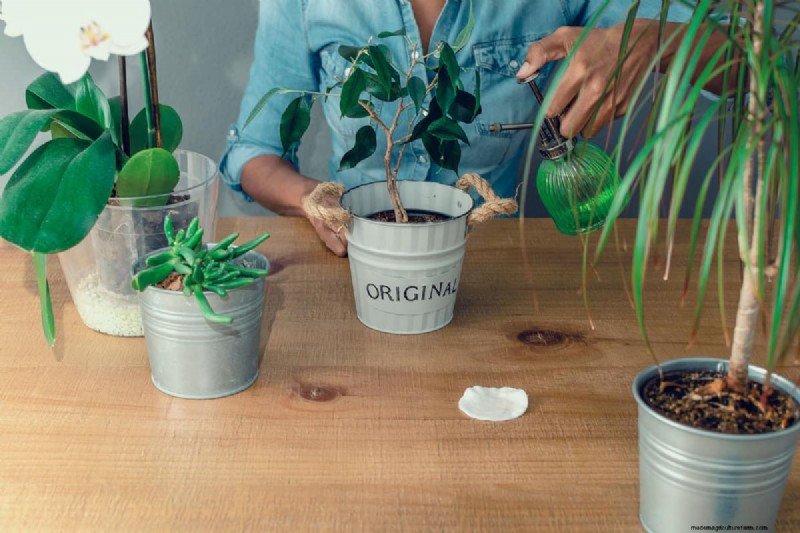
Place it in a spot where it receives at least 4-6 hours of indirect sunlight daily.
Ensure your jade is in well-draining soil and a pot with adequate drainage holes. This prevents waterlogged soil which can lead to root rot.
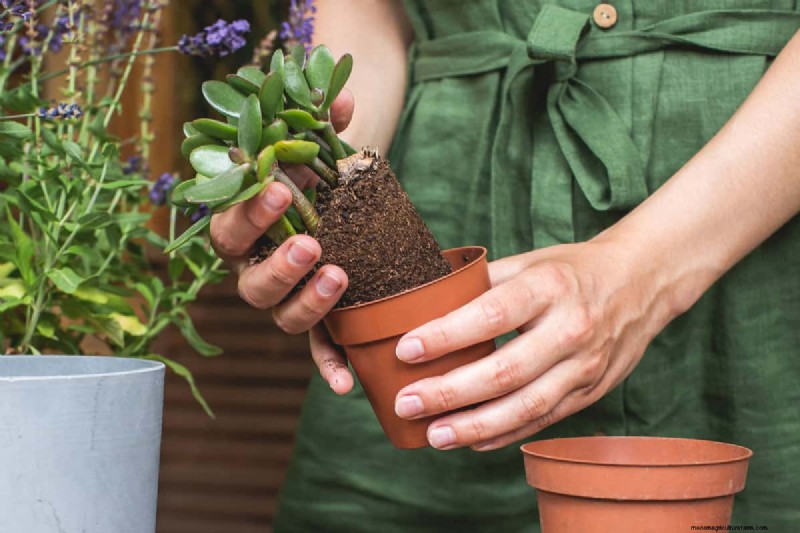
If your jade has outgrown its pot, repot it into a slightly larger pot to allow more room for root growth. Robust roots can support a thicker stem and branches.
Watering should be done sparingly. Wait until the top couple inches of soil are dry before watering again.
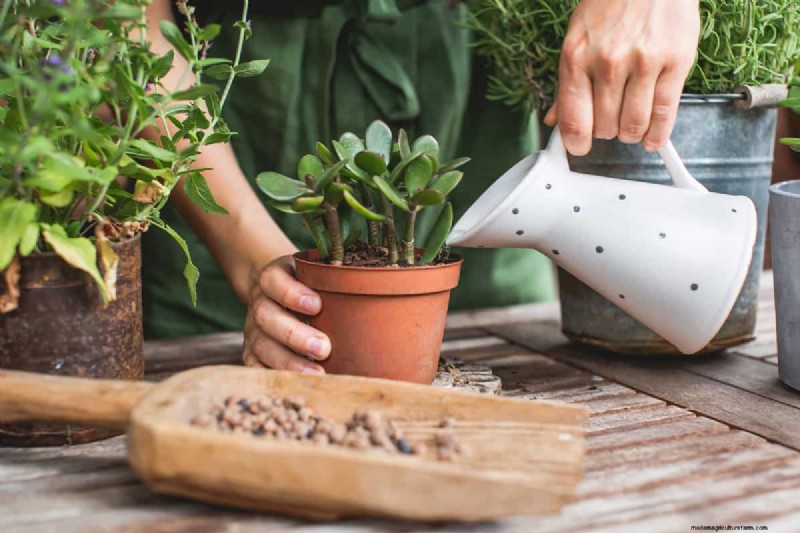
Overwatering can lead to weak, rotting roots, which can make the plant less sturdy overall.
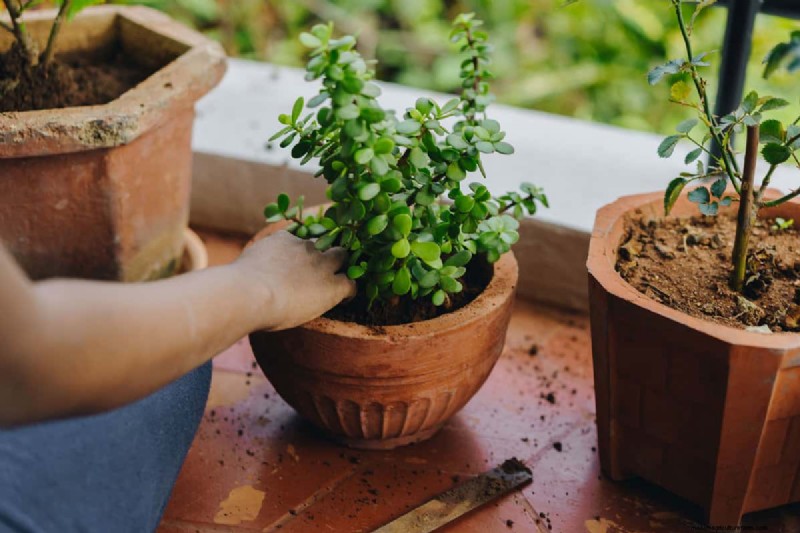
While jade plants don’t require a lot of feeding, a half-strength balanced, water-soluble fertilizer can be applied during the growing season (spring and summer) to provide essential nutrients.
If your jade plant is particularly leggy or top-heavy, consider staking it. This can provide support as you adjust its care to promote thicker growth.
Pests like mealybugs can make stems and branches weak. Check your plant regularly for any signs of pests and treat them promptly.
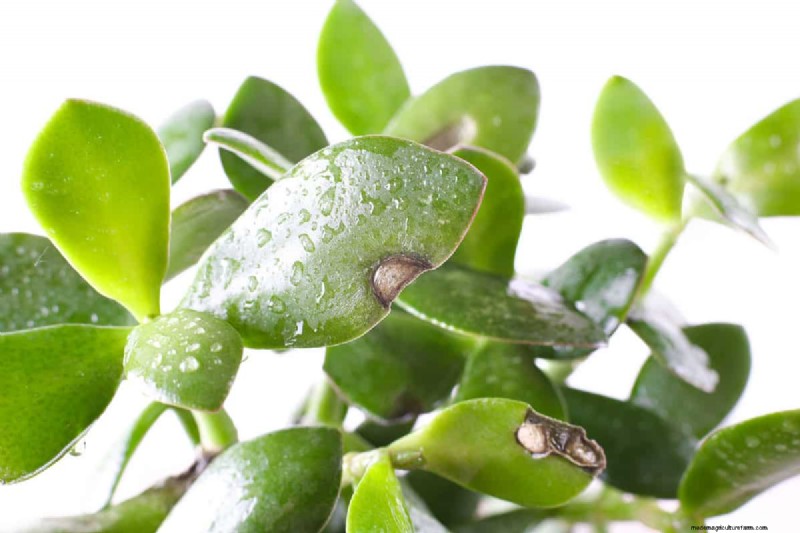
Keeping your plant healthy and pest-free promotes strong, thick growth.
Gardening is an ever-evolving art form. Today’s revelation is the power of black pepper for jade plants, but who knows what tomorrow might bring?
The key is to stay curious, open to experimentation, and always eager to learn.
So, the next time you’re seasoning your meal, remember that your jade plant might just appreciate a sprinkle of pepper too!
More gardening hacks here:
Forcing Rhubarb: The Hack For Early Growth And Sweeter Harvests
TikTok Sensation Shares Genius Gardening Hacks for Creating Mini Greenhouses on a Budget