
Welcome to Modern Agriculture!

Want your Monstera to explode with glossy, split leaves and jungle-level growth? These 12 care hacks show you exactly how to make it happen. No guessing, no plant drama.
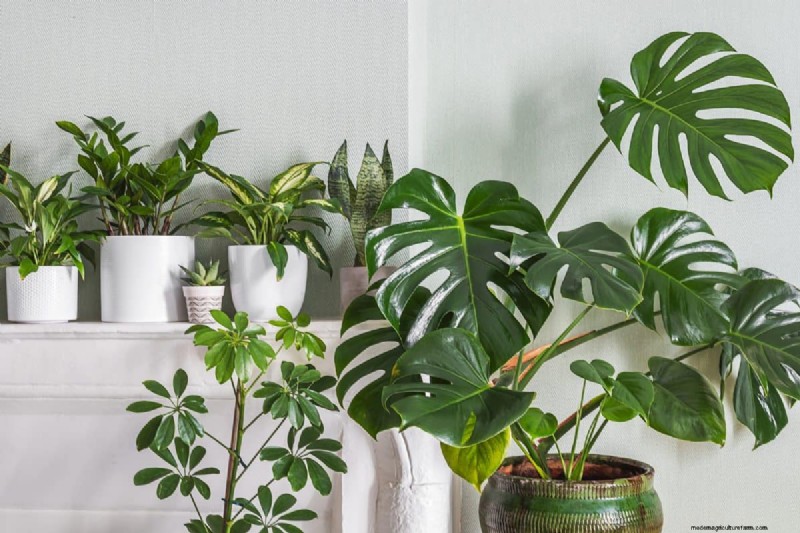
Monsteras are already easy to love, but a few smart tweaks can turn them from just healthy to truly showstopping. With these tips, you’ll unlock faster growth, richer color, and the signature tropical look that makes this plant a favorite in every home.
Overwatering is the number one killer of Monstera plants. Instead of sticking to a rigid calendar schedule, learn to read your plant’s signals. Stick your finger about two inches into the soil. If it feels dry at that depth, it’s time to water.
Another reliable method is to lift your potted Monstera when you suspect it needs water.
A lightweight pot indicates dry soil, while a heavier one means moisture is still present. In winter, cut back watering by about half as the plant’s growth naturally slows.
A thirsty Monstera will show subtle signs before major distress occurs.
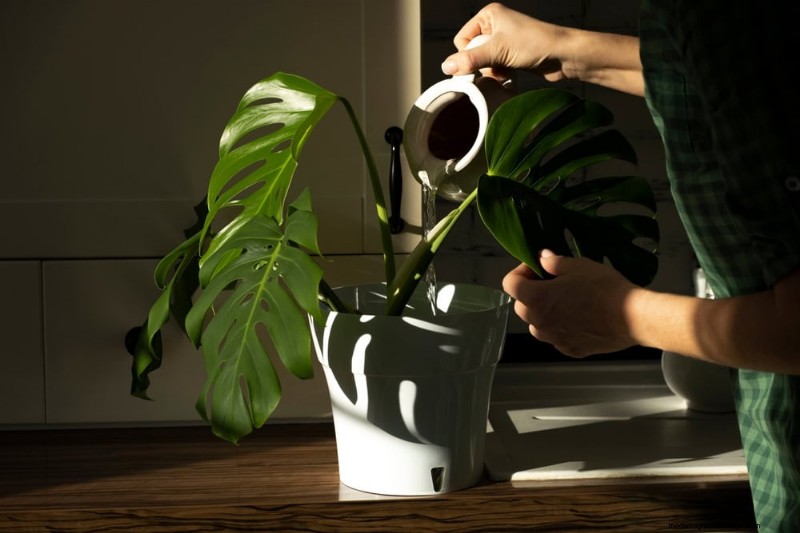
The leaves might appear slightly droopy, and the soil will pull away from the edges of the pot. New leaf growth slows or stops entirely when water is insufficient.
Morning is the ideal time to water your Monstera. This gives the plant all day to absorb moisture and prevents wet soil overnight, which can lead to fungal issues.
Always water thoroughly until it drains from the bottom, then empty the saucer.
In their natural habitat, Monsteras are climbers that attach to trees using aerial roots.
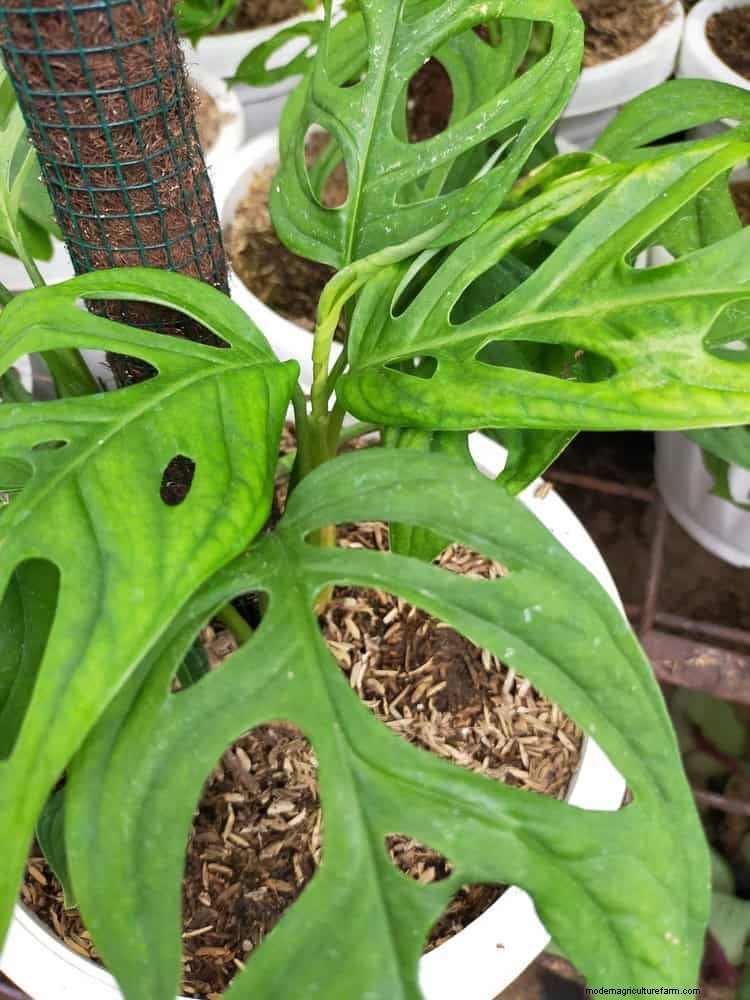
Without support, indoor specimens spread outward rather than upward, taking up valuable floor space and producing smaller leaves. A moss pole, trellis, or bamboo stake encourages vertical growth.
Secure stems to the support using soft plant ties or strips of old pantyhose. Avoid wire or plastic ties that can cut into the growing stems.
As your Monstera climbs, new leaves will grow larger and develop more dramatic splits and holes.
Mist the moss pole regularly if you’re using one. The moisture encourages aerial roots to attach to the pole, creating a more secure and natural-looking growth pattern. This mimics how Monsteras grow in their native rainforest environment.
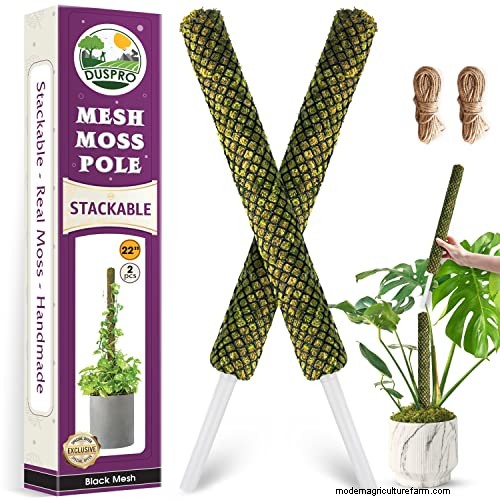
View this Moss Pole on Amazon.
Adjust ties as your plant grows to prevent them from becoming too tight.
A properly staked Monstera not only looks more impressive but also stays healthier by improving air circulation around the leaves and reducing the risk of pest infestations in crowded foliage.
Read more: Monstera Trellis Vs Moss Pole: Which Is Better?
We'll email it to you so you can read it later!
By saving, you agree to receive occasional emails. Unsubscribe anytime.
Monstera leaves can collect a surprising amount of dust, which blocks sunlight and reduces the plant’s ability to photosynthesize efficiently.
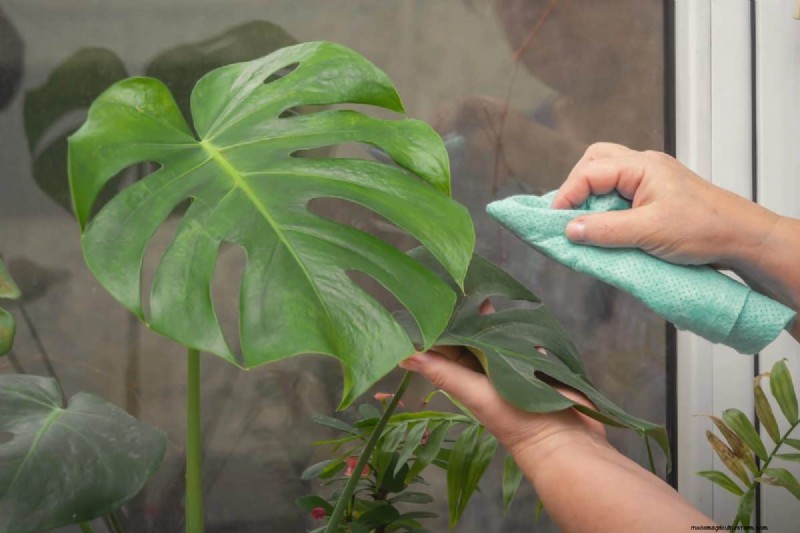
Clean leaves also allow the plant to breathe better through its stomata, the tiny pores that exchange oxygen and carbon dioxide.
Wipe each leaf gently with a soft, damp cloth every few weeks. For larger collections, a quick shower works wonders.
Place your Monstera in the shower with lukewarm water for a few minutes, allowing the water to rinse dust from the foliage.
Skip leaf shine products that can clog the plant’s pores. Instead, mix a drop of mild dish soap in a spray bottle of water for stubborn grime. Spray lightly, then wipe with a soft cloth. Rinse with clean water afterward to remove any soap residue.
Pay special attention to the crevices around fenestrations and leaf joints, where dust tends to accumulate.
Clean leaves not only look more attractive but are also less hospitable to pests like spider mites that thrive in dusty conditions.
Monsteras naturally grow toward light sources, which can result in lopsided plants if left in one position.
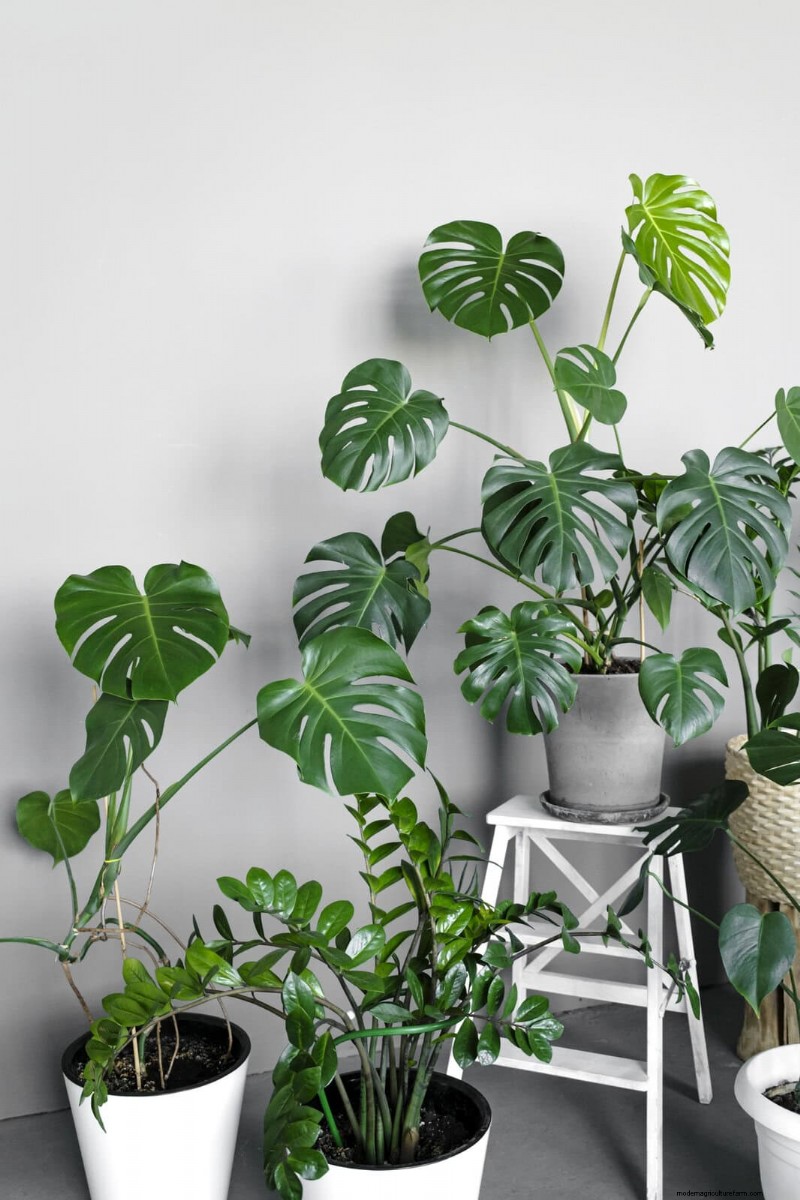
Rotating your plant regularly helps maintain a balanced, symmetrical shape with foliage growing in all directions. This also strengthens the stems by forcing them to adapt to changing light conditions.
Turn your Monstera about a quarter turn every week. The consistent rotation prevents permanent leaning and encourages leaves to develop evenly on all sides. Your plant will appear fuller and more attractive with this simple habit.
If your Monstera is already leaning dramatically, correct it gradually. A sudden change in position can stress the plant. Move it incrementally over several weeks until it stands more upright. Support leaning stems temporarily with stakes if necessary.
Consider light exposure from multiple directions for the most balanced growth. Placing your Monstera near a corner with windows on two walls creates more even lighting.
Alternatively, a grow light on the side opposite your window can balance the natural light source.
As tropical plants, Monsteras thrive in higher humidity than most homes naturally provide. Brown leaf edges often indicate the air is too dry.
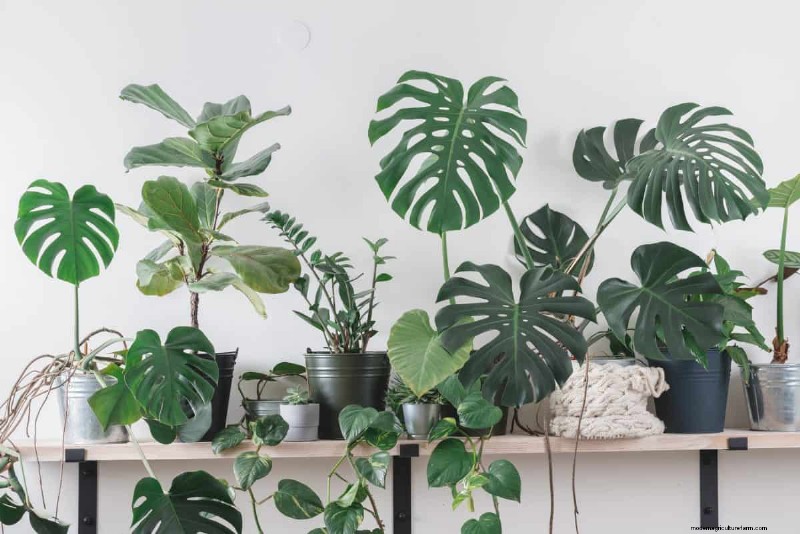
While humidifiers work beautifully, there are several budget-friendly alternatives that work just as well.
Group plants together to create a microclimate with higher humidity. As plants release moisture through transpiration, they humidify the air around neighboring plants. This mimics the dense growing conditions of their natural rainforest habitat.
Place your Monstera on a pebble tray filled with water. The water evaporates around the plant, increasing local humidity without making the soil soggy. Just ensure the pot sits on the pebbles above the waterline, not directly in the water.
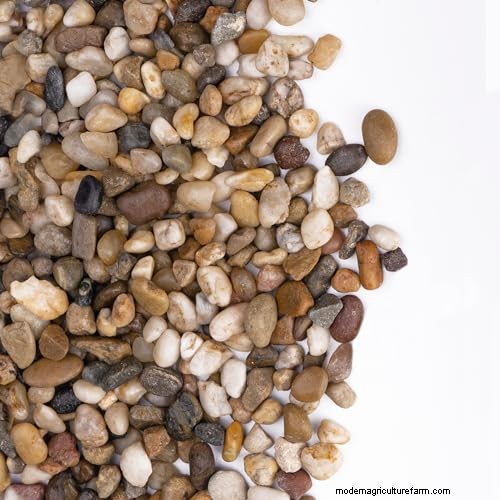
View these Small Pebbles for Indoor Plants on Amazon.
Consider keeping your Monstera in naturally humid rooms like bathrooms with windows or kitchens. The steam from showers and cooking provides free humidity.
During winter heating season when indoor air is particularly dry, misting the air around your plant (not directly on leaves) provides temporary humidity boosts.
Monstera propagation is surprisingly easy and incredibly rewarding. The best cutting includes a node (the bumpy joint where leaves attach) and preferably an aerial root. Use clean, sharp scissors or pruning shears to make a clean cut just below a node.
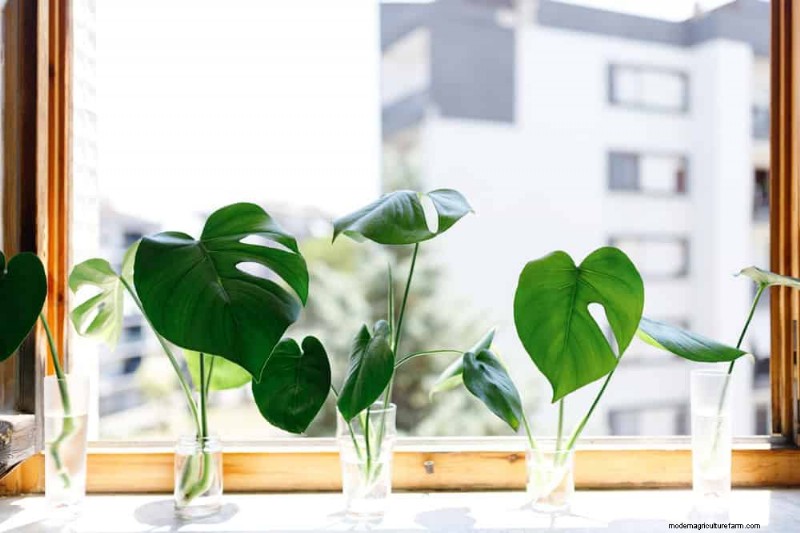
Place your cutting in water, ensuring the node is submerged while keeping any leaves above the waterline. Change the water weekly to prevent bacteria growth.
Within 2-4 weeks, you’ll see new roots forming, ready for potting in soil when they reach about 2 inches long.
For faster rooting, try the plastic bag method. After placing your cutting in water, cover it loosely with a clear plastic bag to create a mini greenhouse effect. This increases humidity and speeds up root development. Just remove the bag occasionally to prevent mold.
Root hormone powder can boost success rates for soil propagation. Dip the cut end in rooting hormone, then plant directly in moist potting mix.
Keep the soil consistently damp but not waterlogged until new growth appears, indicating successful rooting has occurred.
Standard potting soil is often too dense for Monsteras, leading to root rot and poor growth. These plants need excellent drainage combined with moisture retention.
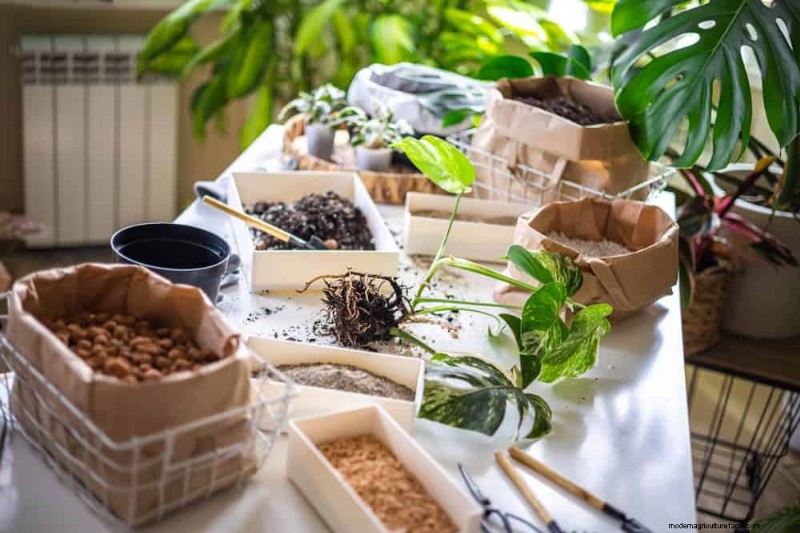
A perfect mix allows water to flow through while holding just enough moisture for healthy roots.
Create an ideal Monstera mix by combining regular potting soil with orchid bark, perlite, and a handful of charcoal.
The ratio should be roughly 60% potting soil, 20% orchid bark, and 20% perlite. This creates plenty of air pockets while retaining essential moisture.
Aeration is crucial for Monstera roots. Adding chunky materials like orchid bark prevents soil compaction over time. Compressed soil leads to oxygen-deprived roots, slowing growth and making your plant susceptible to disease.
Repot your Monstera every 1-2 years to refresh the soil. As organic components break down, drainage decreases.
Fresh potting medium restores proper soil structure and provides new nutrients. Choose a pot just 2 inches larger than the current one to prevent overwatering issues in too-large containers.
Spider mites, mealybugs, and scale insects are common Monstera pests.
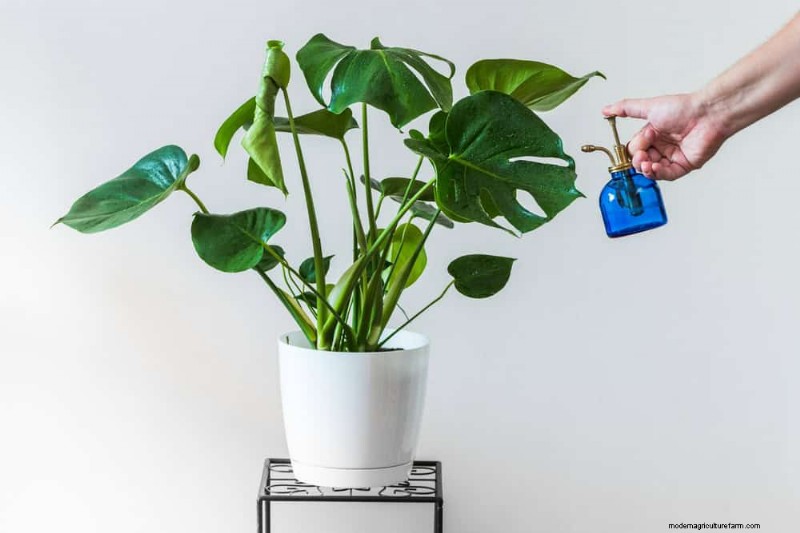
Catch infestations early by inspecting the undersides of leaves and stem joints weekly. Tiny webs, white cotton-like clusters, or brown bumps indicate unwelcome visitors.
Make a natural insecticidal soap by mixing one tablespoon of mild dish soap in a quart of water. Spray affected areas, focusing on leaf undersides where pests hide. Repeat every 5-7 days for three treatments to break the pest life cycle.
Neem oil provides effective, longer-lasting protection against most houseplant pests. Mix according to package directions and apply every two weeks until pests disappear. As a bonus, neem oil leaves a subtle shine on leaves without clogging pores.

View this Pure Neem Oil for Plants on Amazon.
Quarantine new plants for two weeks before placing them near your Monstera. This isolation period allows you to spot and treat any hitchhiking pests before they spread to your healthy plants.
Always inspect nursery plants thoroughly before purchase, checking stem joints and leaf undersides for early signs of problems.
Strategic pruning encourages Monsteras to branch out with multiple growth points. When you cut just above a node, the plant often activates dormant growth buds below the cut. This creates bushier growth rather than a single climbing vine.
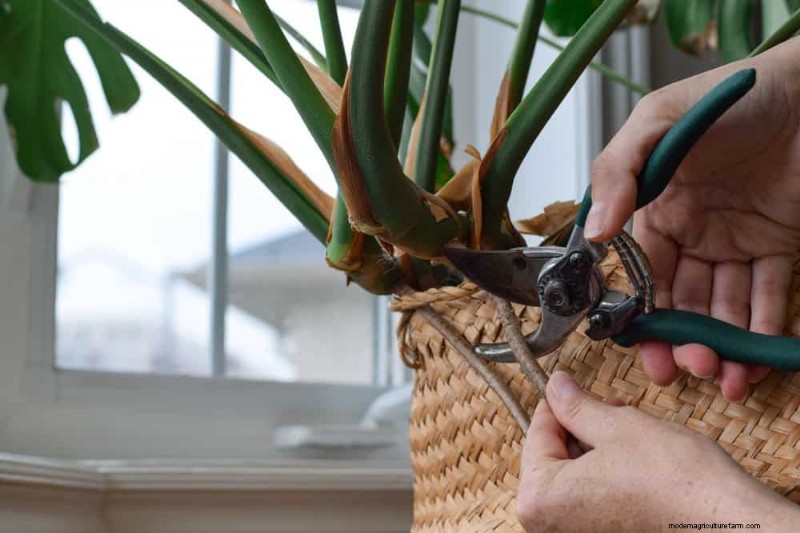
Spring and early summer are ideal for pruning when the plant is entering its active growth phase.
Use sharp, clean scissors or pruning shears to make clean cuts. Sterilize your tools with rubbing alcohol before and after to prevent disease transmission.
Focus pruning on leggy stems with large spaces between leaves. Cutting these back encourages fuller growth at the base. Save healthy cuttings for propagation rather than discarding them. Your “waste” becomes free new plants.
Remove yellowing or damaged leaves completely at the base of their stems. These drain energy from the plant without contributing to photosynthesis.
Regular pruning of unhealthy growth allows the plant to direct resources toward new, vigorous leaves.
Read more: 10 Monstera Pruning Tips for Optimal Growth
Monsteras have different nutritional needs throughout the year. During spring and summer growing seasons, feed your plant monthly with a balanced liquid fertilizer diluted to half the recommended strength. This provides steady nutrition without the risk of fertilizer burn.

View this Liquid Fertilizer on Amazon.
In fall and winter, reduce feeding to once every two months or stop completely if your plant shows minimal growth.
Overfertilizing during dormant periods can lead to salt buildup in the soil and damage delicate root systems.
Consider organic fertilizer options like fish emulsion or worm castings for a gentler approach. These release nutrients slowly and improve soil structure. Though they may have a temporary odor, they provide balanced nutrition with lower risk of overfeeding.
Flush the soil thoroughly every few months to prevent fertilizer salt buildup. Run water through the pot until it drains freely for several minutes, washing away accumulated minerals.
This simple maintenance step prevents the root damage and leaf burn associated with excessive fertilizer residue.
Monstera leaves tell stories about their nutritional status. Yellow leaves with green veins often indicate iron deficiency.
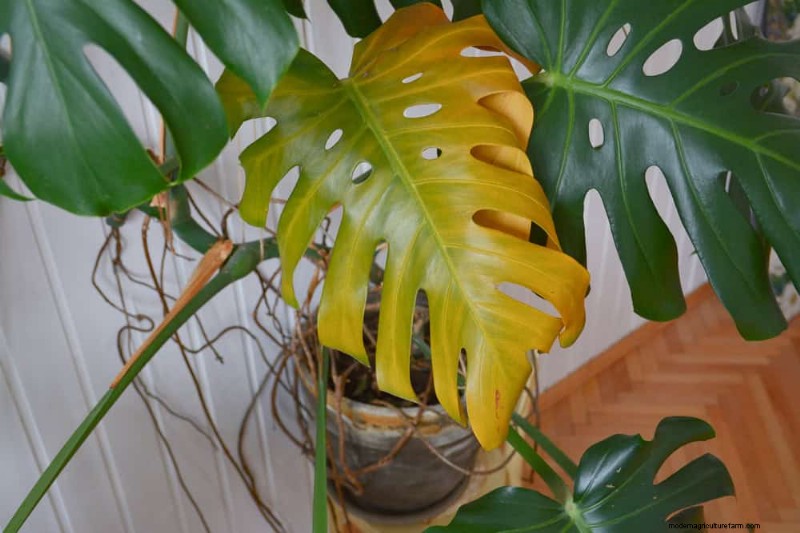
Overall yellowing, especially in older leaves, suggests nitrogen shortage. Brown leaf edges might signal potassium deficiency or low humidity.
Address specific deficiencies with targeted supplements. Iron chelate helps with yellowing veins.
Fish emulsion boosts nitrogen for overall yellowing. But first, check that basic care needs are met, as improper watering or lighting can mimic nutrient deficiency symptoms.
Small new leaves could indicate several issues. Insufficient light limits growth energy. Root binding restricts nutrient uptake. Cold drafts slow growth processes. Assess your plant’s environment before assuming nutrient problems.
Consider a soil pH test if problems persist despite proper care. Monsteras prefer slightly acidic soil with pH between 5.5 and 7.0.
Outside this range, plants struggle to absorb available nutrients even when they’re present in the soil. Adjusting pH can solve persistent deficiencies that fertilizer alone doesn’t fix.
Those iconic holes and splits in Monstera leaves develop with maturity, but you can encourage faster fenestration. Bright, indirect light is the most important factor. Place your plant near a window with filtered light or a few feet back from a sunny window.
Consistent temperatures between 65-85°F (18-29°C) support optimal growth. Avoid cold drafts and sudden temperature changes that stress the plant and slow development.
Stable, warm conditions signal the plant that it’s safe to invest energy in larger, more complex leaves.
Support matters for fenestration development. A climbing Monstera produces larger, more dramatically split leaves than one spreading across a surface. The vertical growth pattern triggers the genetic programming for mature leaf forms with distinctive holes and splits.
Patience remains essential. Most Monsteras need to reach about 3 years of age before producing their first fenestrated leaves.
Continue providing optimal care, and your plant will reward you with increasingly dramatic foliage as it matures. Each new leaf should show more extensive splitting than the last under proper conditions.
Implementing these care hacks transforms basic Monstera maintenance into true plant mastery.
The small adjustments in watering, light, support, and feeding compound over time, resulting in a showstopper plant that friends will envy. Remember that consistency matters more than perfection.
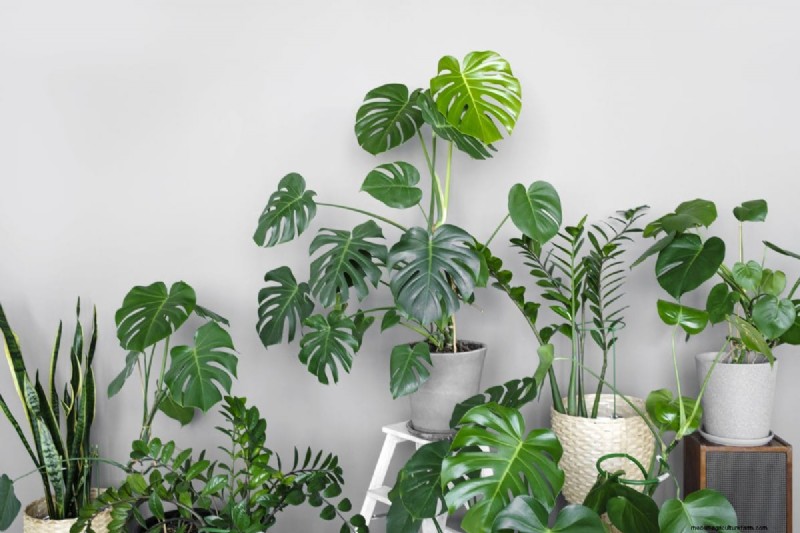
Every Monstera has its own personality and growth patterns. By observing your plant closely and responding to its specific needs, you’ll develop an intuitive understanding that no care guide can provide.
This relationship with your plant brings rewards beyond just beautiful foliage. It creates a living connection to nature right in your home.
Ready to show off your thriving Monstera? Explore 10 Creative Monstera Placement Ideas to make your plant the star of every room.


