
Welcome to Modern Agriculture!

November doesn’t have to mean the end of gardening fun just because it’s cold outside. Plant lovers can find plenty of ways to keep their green thumbs active while staying warm and cozy indoors.
The shorter days and cooler temperatures actually create the perfect opportunity to focus on indoor plant projects that might get overlooked during the busy growing season.
Many indoor gardening activities can brighten your mood during the darker months while preparing for next year’s growing season.
These projects range from starting new plants to organizing supplies and connecting with fellow plant enthusiasts. They’re perfect for keeping your passion for plants alive all winter long.
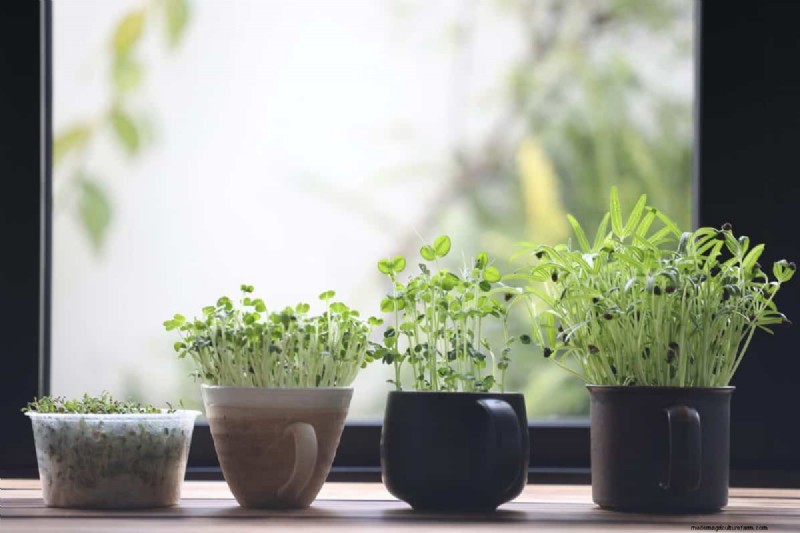
November is the perfect time to set up a small herb garden on a sunny windowsill. Herbs like basil, mint, rosemary, thyme, and chives grow well indoors and provide fresh flavors for winter cooking.
Choose a south-facing window if possible for maximum sunlight exposure during shorter winter days.
Small pots with good drainage work best for indoor herbs. Use quality potting soil specifically formulated for containers. Water carefully, allowing the soil to dry slightly between waterings.
Harvest leaves regularly to encourage bushier growth and prevent plants from becoming leggy.
Read more: 6 Common Kitchen Hazards That Harm Herb Plants
November offers a great opportunity to check if any houseplants have outgrown their containers. Signs include roots growing through drainage holes, plants drying out quickly after watering, or stunted growth.
Gently remove plants from their pots and look for densely packed, circling roots that indicate it’s time for more space.
Choose new containers one size larger than the current pots with good drainage holes. Use fresh potting mix and position the plant at the same depth it was growing previously.
Water thoroughly after repotting but expect some adjustment period. Most houseplants benefit from repotting every 12-18 months.
Read more: 21 Surprising Plants That Actually Like to Be Root Bound
We'll email it to you so you can read it later!
By saving, you agree to receive occasional emails. Unsubscribe anytime.
Building a terrarium brings the joy of gardening to a small, manageable indoor space. Start with a clear glass container with or without a lid.
Add a layer of small pebbles for drainage, followed by activated charcoal to keep the environment fresh, then a layer of potting soil suitable for your chosen plants.
Select small plants with similar light and moisture needs. Ferns, fittonias, small peperomias, and mosses work beautifully together. Arrange them artistically, leaving room for growth.
Add decorative elements like small stones or tiny figurines for personality. Closed terrariums need less frequent watering, while open ones require more regular attention.
November is the ideal time to start the forcing process for spring bulbs like paperwhites, amaryllis, and hyacinths.
These bulbs can be “tricked” into blooming indoors weeks or months before their natural outdoor flowering time. Paperwhites and amaryllis don’t require chilling and can bloom within 4-6 weeks of planting.
Plant bulbs in containers with potting mix or even just pebbles and water for paperwhites. Keep the containers in a cool, dark location until shoots appear, then move to a bright spot.
The fragrant blooms will brighten winter days and provide a preview of spring during the darkest months of the year.
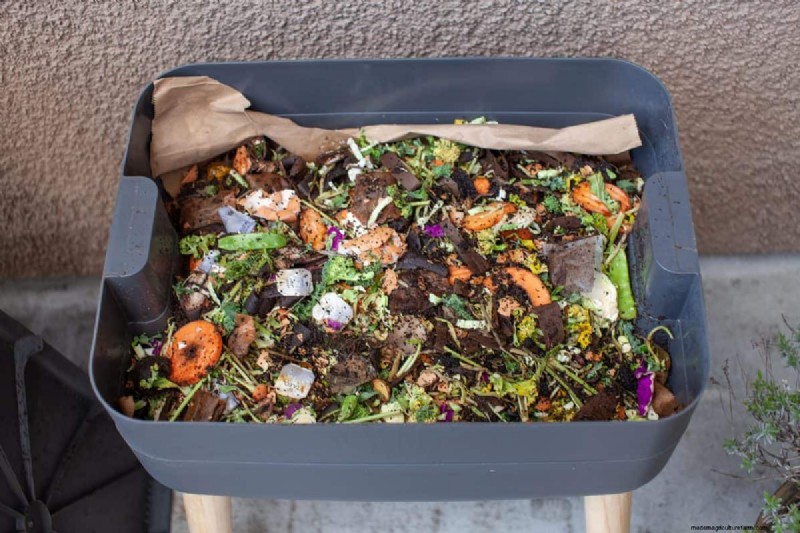
Create natural, cost-effective fertilizers from kitchen scraps and household items. Banana peels soaked in water for a few days make a potassium-rich solution perfect for flowering plants.
Coffee grounds add nitrogen when mixed into soil or steeped for a liquid feed. Eggshells crushed and added to soil provide calcium that helps prevent blossom end rot.
Another simple option is compost tea made by steeping finished compost in water. Strain the liquid and dilute it until it looks like weak tea before applying to plants.
These gentle, natural fertilizers provide nutrients without the harsh chemicals found in some commercial products.
Read more: 14 Natural Fertilizers You Already Have at Home (And How to Use Them Safely)
Many common houseplants propagate easily from cuttings, making November an excellent time to expand your collection without buying new plants.
Plants like pothos, philodendron, spider plants, and many succulents readily grow new roots from stem cuttings placed in water or directly in soil.
Take 4-6 inch cuttings just below a leaf node using clean scissors. Remove lower leaves that would sit below the water line or soil surface.
Place cuttings in water or moist potting mix and keep in bright, indirect light. Most cuttings root within 2-4 weeks, creating free plants to enjoy or share with friends.
November’s shorter daylight hours mean many plants don’t receive adequate light for healthy growth. Setting up a simple grow light system can make a huge difference for light-hungry plants.
LED grow lights have become affordable, energy-efficient options that provide full-spectrum light similar to natural sunlight.
Position lights 6-12 inches above plants and run them for 12-16 hours daily. Timers automate the process and ensure consistent light exposure. A grow light setup can be as simple as a single light over a shelf or as elaborate as a multi-tiered system for numerous plants.
This investment pays off with healthier plants throughout winter.
Create a charming, low-maintenance display by arranging small succulents in a shallow container. Choose a wide, shallow pot with drainage holes and fill it with fast-draining cactus or succulent soil mix.
Select a variety of succulent shapes, colors, and textures that complement each other visually.
Arrange taller varieties toward the back or center and trailing types near the edges. Add decorative stones, colored sand, or small pieces of driftwood to complete the design.
Place in a bright location and water sparingly, allowing the soil to dry completely between waterings. This miniature garden brings color and interest to indoor spaces all winter.
Read more: 17 Irresistible Indoor Succulent Garden Ideas to Brighten Up Your Home Instantly

Indoor plants collect dust on their leaves over time, which can block light absorption and affect their health. November is perfect for giving them a thorough cleaning.
Large, smooth-leaved plants like monsteras, rubber plants, and peace lilies benefit from gentle wiping with a soft, damp cloth to remove dust and debris.
For plants with many small leaves, a gentle shower works wonders. Use lukewarm water and shield the soil with plastic wrap to prevent waterlogging.
Fuzzy-leaved plants like African violets prefer gentle dusting with a soft paintbrush or makeup brush. This cleaning improves plant appearance and helps them photosynthesize more efficiently during low-light winter months.
Get a jump start on early spring harvests by sowing seeds for cool-season vegetables in November. Lettuce, spinach, kale, and other greens grow well under grow lights or in sunny windows.
Use seed-starting trays with good quality seed-starting mix and keep soil consistently moist but not waterlogged.
Microgreens offer the quickest gratification, ready to harvest in just 7-14 days. They require minimal space and provide nutrient-dense additions to winter meals.
Slower-growing seedlings like broccoli or cabbage started now will be ready for transplanting to gardens or containers by early spring, giving you a head start on the growing season.
Design festive indoor arrangements using houseplants and seasonal elements. Combine different textures and heights by grouping plants on a tray or table.
Add mini pumpkins, pinecones, or fairy lights for a seasonal touch that transitions beautifully from fall to winter holidays.
Living centerpieces made with small potted plants last much longer than cut flowers. Try combining red-tinged fittonias, variegated ivy, and compact ferns in a decorative container.
These arrangements bring natural elements to indoor spaces and can be modified throughout the winter months with different seasonal accents.
November provides the perfect opportunity to sort through your seed collection before ordering new varieties for spring.
Check expiration dates, organize by planting time, and discard old packets with poor germination rates. Small photo albums, index card boxes, or specialized seed storage containers keep seeds organized and protected.
Create a seed inventory listing what you have, planting dates, and notes on performance from previous seasons. This system prevents duplicate purchases and helps plan next year’s garden.
Proper storage in cool, dry conditions extends seed viability, so consider moving your organized collection to a basement or refrigerator for winter.
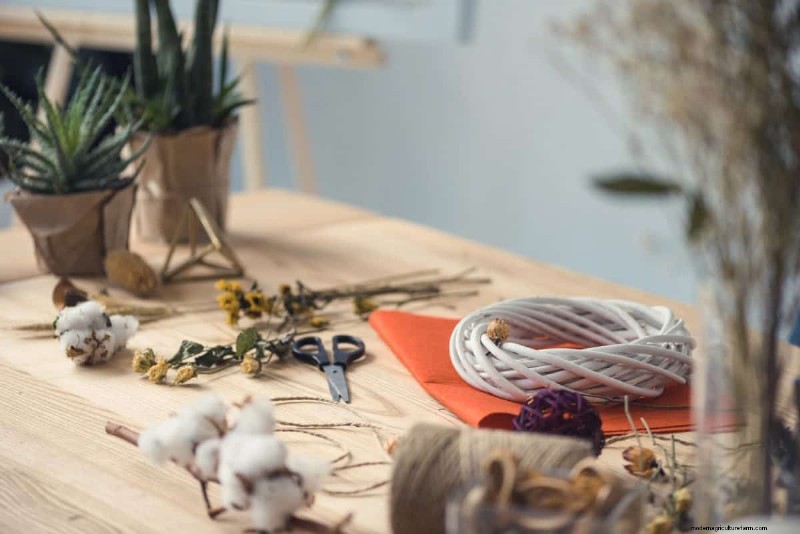
Channel your plant love into creative projects using botanical materials. Dried flowers, leaves, and herbs can be transformed into beautiful wreaths, pressed flower art, or homemade potpourri.
Herbs tied into bundles make fragrant kitchen decorations while they dry for later cooking use.
Plant-dyed fabrics offer another creative outlet. Avocado pits create lovely pink hues, while onion skins produce golden yellows. These projects connect you to plants even when garden activities slow down.
They also make thoughtful handmade gifts for the holiday season that share your passion for plants with others.
Create a plant journal or digital catalog of your houseplant collection during the quiet indoor months. Photograph each plant, note its scientific and common names, and record care information like watering preferences, light needs, and fertilizing schedule.
Track acquisition dates and any special care notes.
This documentation helps monitor plant health over time and serves as a valuable reference when troubleshooting problems. Apps like Planta, PictureThis, or Greg offer digital tracking options, or create a simple notebook system with photos.
This project improves your plant knowledge and helps optimize care routines for each specific plant.
Connect with fellow plant enthusiasts through online forums, social media groups, or virtual plant club meetings.
Platforms like Instagram, Reddit’s plant communities, and Facebook groups dedicated to specific plant varieties offer places to share photos, ask questions, and learn from others’ experiences.
Many botanical gardens and plant societies offer online workshops, lectures, and virtual tours during winter months. These connections provide inspiration, troubleshooting help, and sometimes even opportunities for plant swaps.
The shared enthusiasm keeps plant passion alive during the dormant outdoor season.
November marks just the beginning of indoor plant season, not the end of gardening activities. These indoor projects maintain your connection to plants while developing new skills and knowledge.
They transform what might seem like a dormant period into a productive time for plant lovers.
Each indoor gardening activity offers its own rewards, from the joy of watching new plants grow to the satisfaction of creating beautiful plant displays.
By engaging with plants throughout the winter months, you’ll maintain your gardening momentum and be ready with fresh inspiration when spring returns.
Your houseplants will thrive with this extra attention, and your spirit will benefit from the continued connection to growing things.

![Digital Solutions for Plantation Crop Management | [Your Company Name]](https://modernagriculturefarm.com/article/uploadfiles/202209/2022090115391340_S.jpg)
