
Welcome to Modern Agriculture!

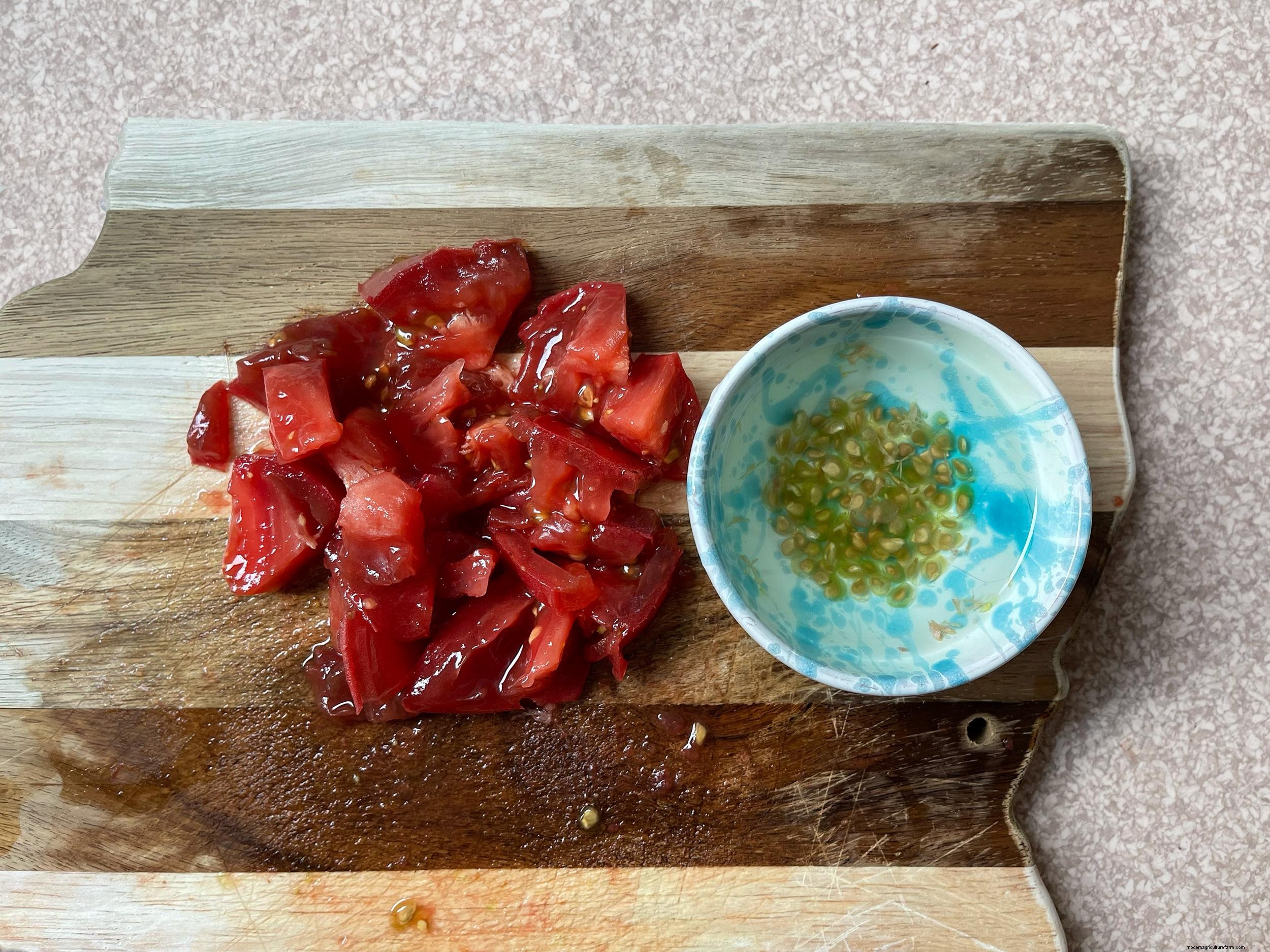
If you’re ready to take gardening full circle, it’s time to get into seed saving. Collecting seeds from the strongest plants you’ve grown this year helps create a more vigorous crop next season because you’ll pass on traits that are better suited to your region’s growing conditions. Plus, it’s super-easy and you won’t have to buy seeds next season!
Ready to collect? Here’s what to know and how to do it.
Seed saving success comes down to selecting the right kinds of seeds. That doesn’t just mean picking out teeny-tiny pips from the strongest plants in your garden, although that helps! The important thing here is to know how the plant reproduces.
You want seeds from heirloom plants. These plants pass on all of the genetic info from generation to generation, so the seeds you collect will grow into plants just like the ones you get them from.
What you don’t want are seeds from hybrid plants (anything labeled F-1). Because the parent plant is a combination of several varieties, the traits you love about it this year might not pass on to its seedlings. That unpredictable nature typically makes the seeds not worth harvesting.
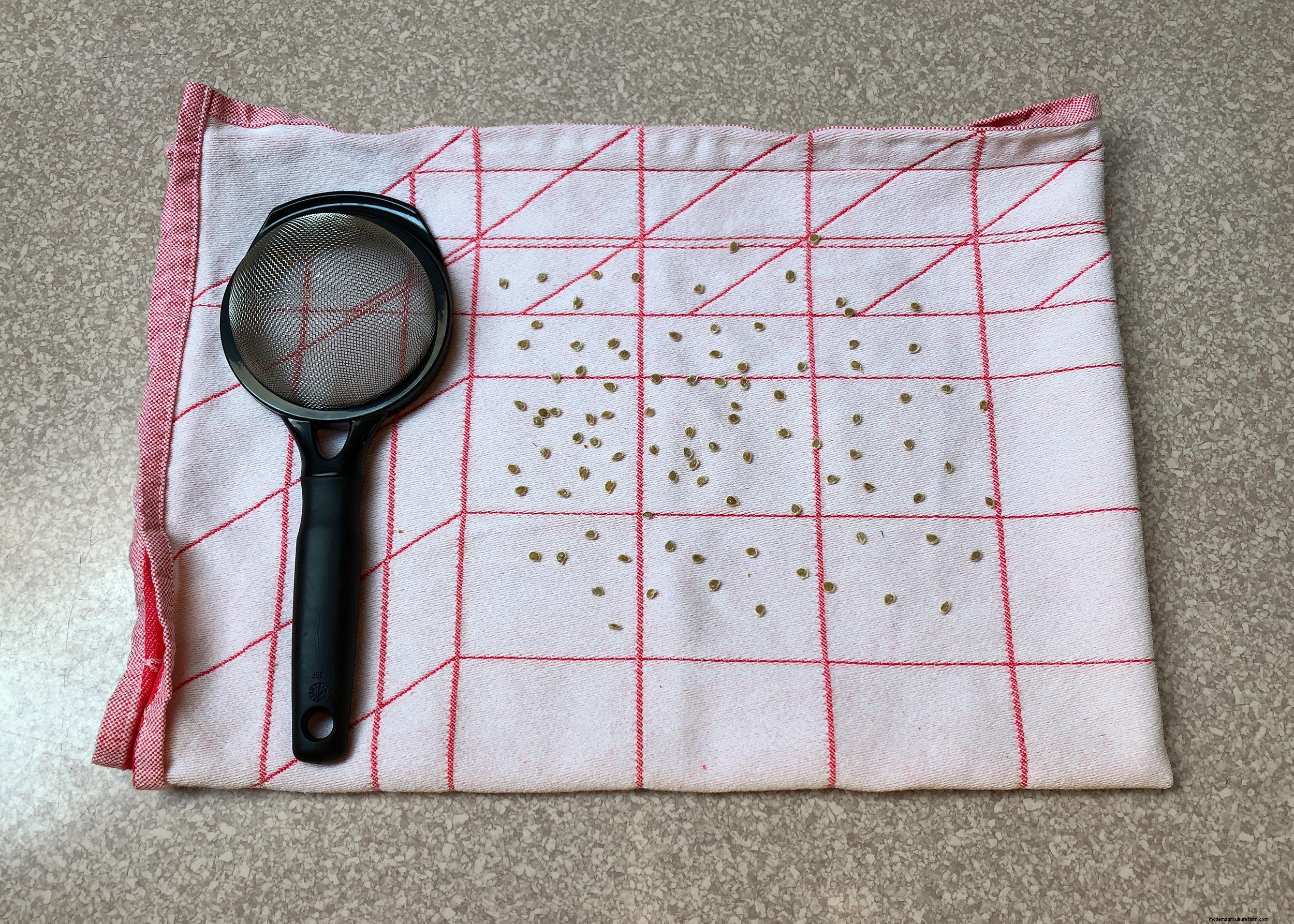
Seed collecting techniques break down into 2 categories: Dry and wet. You’re not going to harvest seeds from a sunflower the same way you do from a tomato. One rule of thumb on both? Avoid seeds from any plants that are unhealthy or seem diseased.
Most flowers and legumes (anything in a pod) are harvested as dry seeds in the fall. Here’s what to do.
Almost all fruit and veggie seeds are harvested as wet seeds. Here are the steps.
Now that your seeds are clean and dry, label and store them properly so you have the best chance for success once the next growing season rolls around. Follow these tips for storing seeds to keep yours in good shape.
A diverse garden can help reduce pests and increase pollinators. One of the fastest and most fun ways to achieve this is by swapping your seeds with other savers. There are online communities that mail seeds to each other as well as in-person exchanges where enthusiasts offer up rare or unusual varieties not commonly found in catalogs. Trade in your favorites and grow something new!
Saving those magical kernels your plants naturally produce is a great way to benefit from the entire growing cycle. Best of all, because you can choose to take seeds from your strongest plants, their chance for future success is top-notch. So, go ahead and skip buying seeds next year—you’ve already got your own awesome collection!

