
Welcome to Modern Agriculture!

 Depositphotos
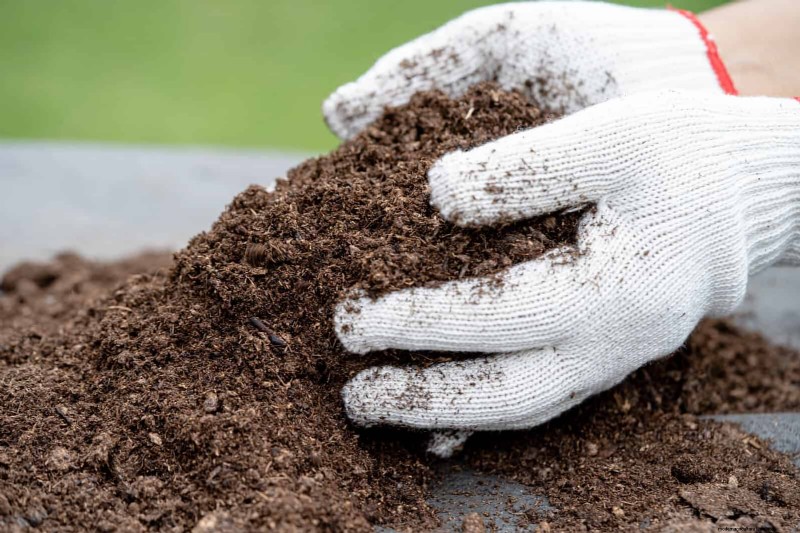
When summer’s heat waves, your garden’s soil can make or break your growing season. The right soil mix becomes your plants’ lifeline during those scorching days when the sun seems determined to bake everything in sight.
Most gardeners struggle to maintain healthy plants when temperatures climb, watching helplessly as their precious vegetables wilt and flowers fade. But this summer can be different.
Specialized soil blends designed to retain moisture, provide essential nutrients, and support root development during heat stress can help your garden thrive even during the most challenging months. These carefully crafted soil recipes address summer’s unique challenges while helping your plants survive and flourish.
 Depositphotos
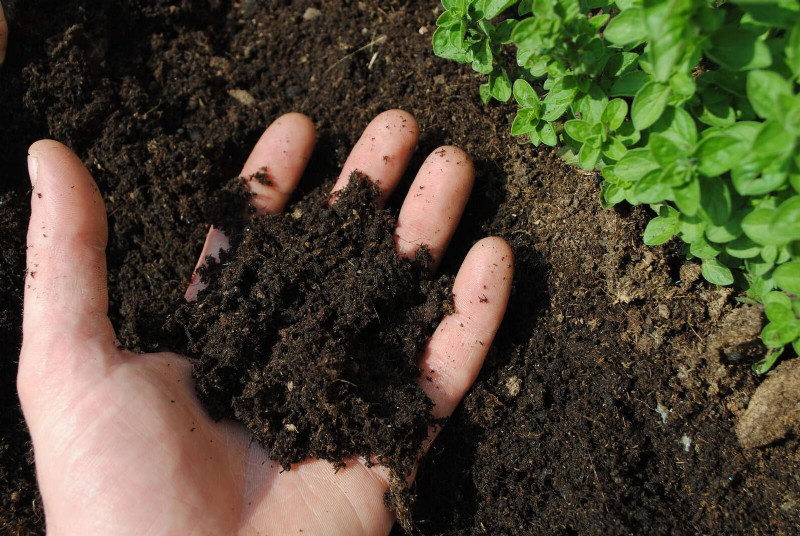
The gold standard for summer gardening starts with loam soil, that perfect balance of sand, silt, and clay that allows roots to breathe while retaining enough moisture.
Mix two parts loam with one part fully decomposed organic compost, and you’ll create a living foundation that slowly releases nutrients as temperatures rise. The dark, crumbly texture signals healthy microbial activity, while the earthy aroma promises fertility.
This blend works wonders for summer favorites like zinnias (Zinnia elegans) and marigolds (Tagetes patula), whose vibrant blooms seem to capture sunshine itself.
The organic matter improves water retention during those dry spells while providing slow-release nutrition through the hottest months. Garden-fresh tomatoes grown in this mix develop deeper flavor profiles thanks to the steady nutrient availability when they need it most.
 Depositphotos
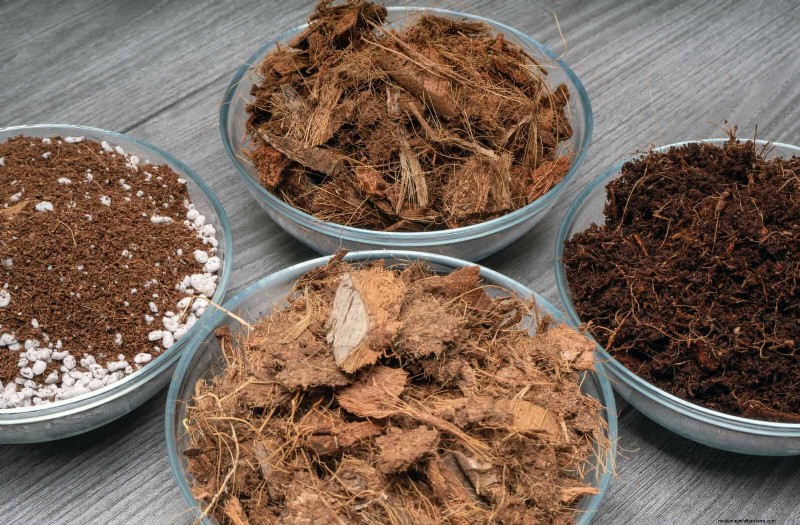
Moisture retention becomes mission-critical for gardeners in hot, dry regions like the American Southwest during summer. Create a specialized mix using three parts sandy loam, amended with one part coconut coir and one part well-rotted compost.
The coconut coir, made from coconut husks, can hold up to ten times its weight in water while maintaining excellent drainage. This soil blend has a distinctive light texture that feels almost fluffy when dry but develops a pleasant springiness when properly hydrated.
Desert gardeners will find that heat-loving plants like lantana (Lantana camara) and Texas sage (Leucophyllum frutescens) establish quickly in this mix. Their root systems expand rapidly through the friable soil, accessing moisture pockets even when surface temperatures soar above 100°F.
We'll email it to you so you can read it later!
By saving, you agree to receive occasional emails. Unsubscribe anytime.
 Depositphotos
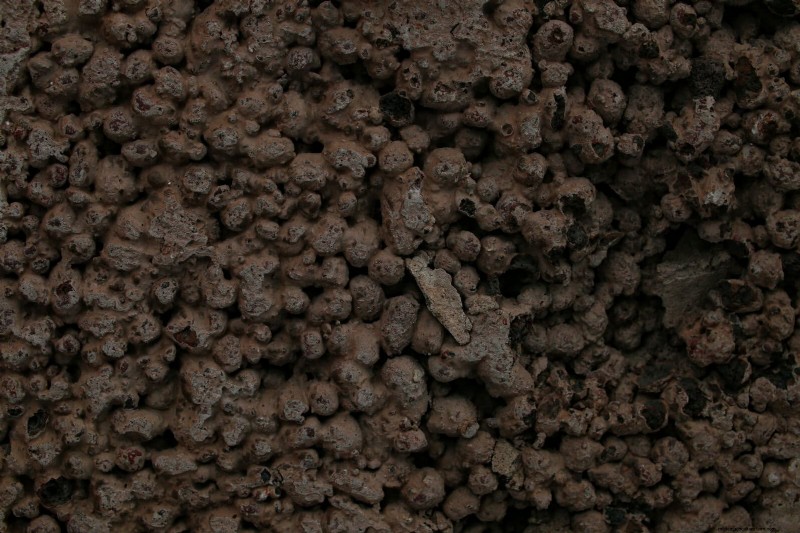
Heavy clay soil becomes particularly problematic in summer, forming concrete-like conditions that suffocate roots. To transform your clay soil, incorporate expanded shale, a lightweight aggregate created by heating shale rock until it “pops” like popcorn.
For immediate improvement, mix three parts native clay soil with one part expanded shale, one part compost, and one part coarse sand. The resulting soil feels surprisingly light despite its clay foundation, and the expanded shale creates permanent air pockets that won’t compress over time.
Black-eyed Susans (Rudbeckia hirta) thrive in this modified clay soil. Their golden petals dance in summer breezes while their roots access moisture and oxygen. The expanded shale’s porous structure holds water in tiny reservoirs, gradually releasing it as the surrounding soil dries.
 Depositphotos
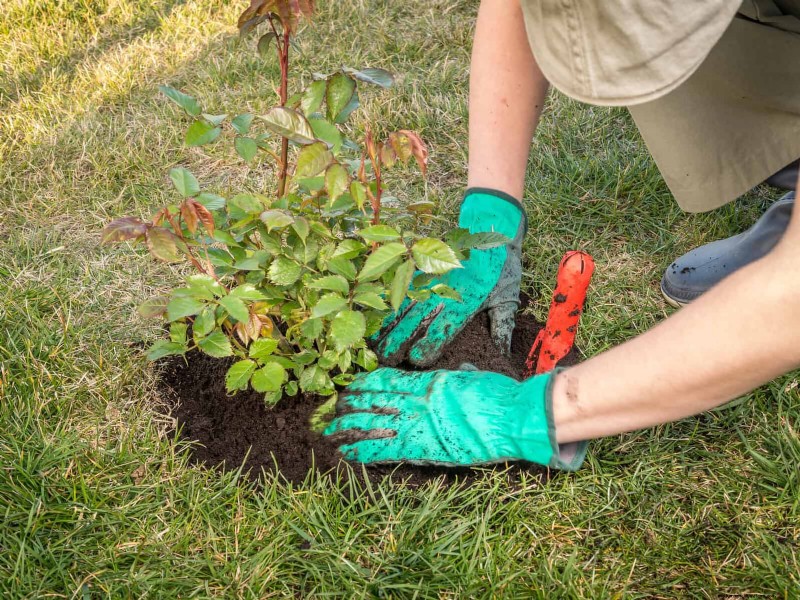
Roses demand special treatment to produce their intoxicating blooms through summer’s heat. Create their ideal home with a mix of two parts loam, one part well-aged manure, one part coarse sand, and a handful of bone meal. The secret ingredient?
Mycorrhizal fungi inoculant form a symbiotic relationship with rose roots, dramatically expanding their ability to access water and nutrients. This specialized blend has a rich, velvety texture and subtle sweetness to its scent.
Hybrid tea roses (Rosa × hybrida) planted in this mix produce sturdier stems and more abundant blooms even during July and August when heat stress typically reduces flowering. The fungi create microscopic filaments that extend the root system’s reach up to 700 times, helping roses access moisture pockets far beyond their root zone during dry periods.
 Depositphotos
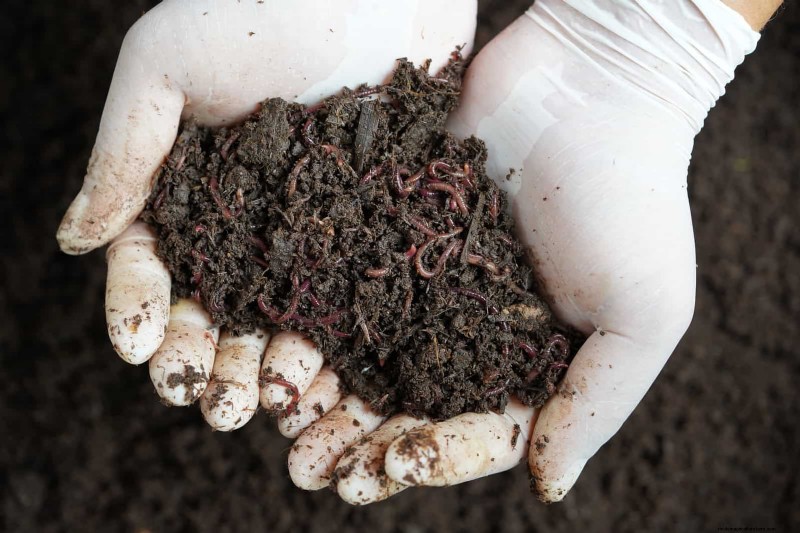
Summer vegetables are heavy feeders that quickly deplete standard soils. Power up your vegetable patch with a blend of equal parts topsoil, finished compost, and worm castings.
These castings, essentially worm manure, contain beneficial microbes that help break down nutrients into forms immediately available to hungry plants. Their granular structure improves soil texture while providing slow-release nutrition.
The dark, rich mix feels silky between your fingers and carries a sweet, clean scent that signals fertility. Summer squash (Cucurbita pepo) grown in this blend develops more robust leaves and stems, better supporting heavy fruit production during peak season.
The high organic matter content also buffers soil temperature, keeping roots cooler during heat waves for uninterrupted growth and fruiting.
 Depositphotos
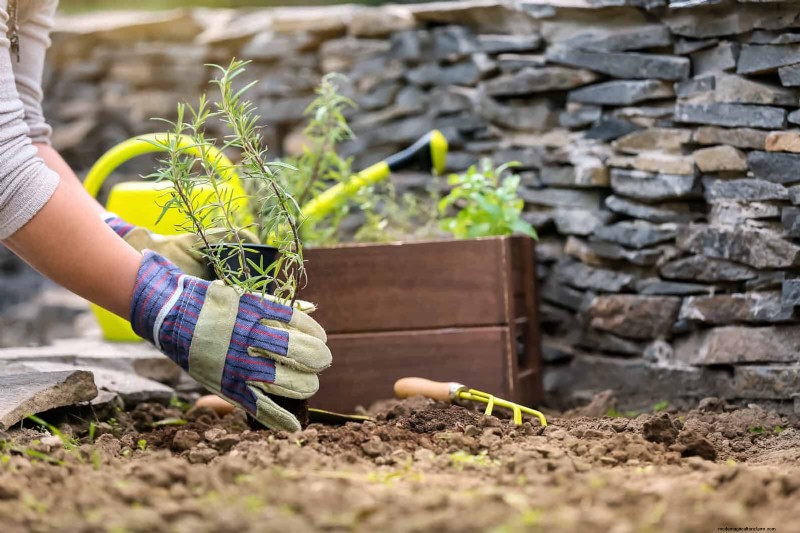
Mediterranean herbs thrive in lean, gravelly soils that might seem too harsh for other plants. Create their ideal growing medium by combining two parts sandy loam, one part coarse builder’s sand, one part fine gravel, and a small amount of compost.
This mix drains rapidly after summer thunderstorms while providing the mineral content these aromatic plants crave. The rough texture and mineral scent transport you to sun-baked Mediterranean hillsides when you run your hands through this soil.
Rosemary (Rosmarinus officinalis) and thyme (Thymus vulgaris) planted in this mix develop intensely concentrated essential oils, resulting in more potent flavor and fragrance. Their silver-gray foliage shimmers against the light-colored soil, creating a sensory garden that appeals to both eyes and nose throughout summer.
 Depositphotos
Acid-loving plants struggle in summer when irrigation water often skews alkaline. Create their perfect environment with a specialized mix of equal parts peat moss, pine bark fines, and acidic compost made from oak leaves and pine needles.
Regular applications of liquid fish fertilizer maintain fertility and proper pH throughout the growing season, ensuring continuous nutrient availability. This woodland-inspired mix has a distinctive forest-floor aroma and springy texture.
Blueberry bushes (Vaccinium corymbosum) produce noticeably sweeter, larger berries when grown in properly acidified soil, with fruit that practically bursts with flavor.
This mix works in all growing zones but is particularly valuable for gardeners in naturally alkaline soil regions like the Mountain West, where creating acidic planting pockets can transform struggling plants into vigorous specimens.
 Depositphotos
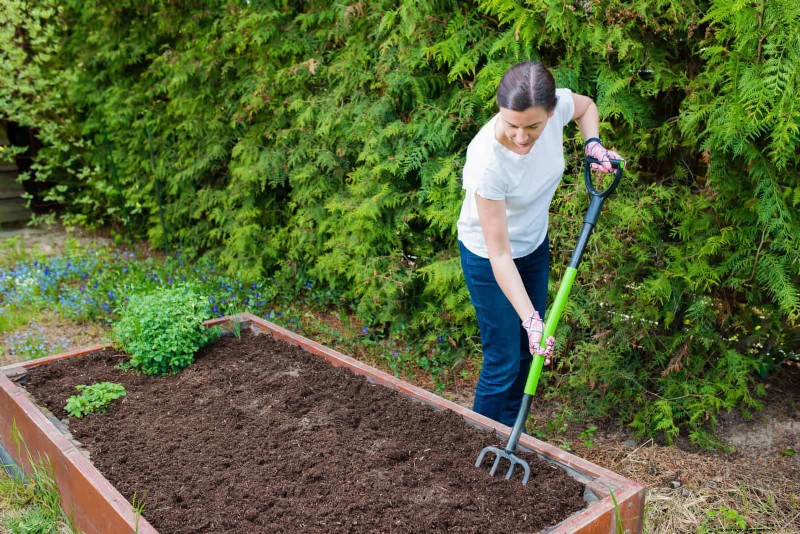
Raised beds heat up quickly in summer, creating challenging conditions for many plants. Develop a heat-resistant mix using equal parts topsoil, coconut coir, and compost, with a small amount of vermiculite for additional moisture retention.
The coconut coir provides the water-holding capacity of peat moss but breaks down much more slowly, maintaining excellent soil structure for multiple seasons.
This medium-weight blend has a pleasant springiness underhand and striking moisture-retention capabilities. After watering, you can feel the balanced moisture distribution throughout the soil profile.
Summer lettuces like heat-tolerant ‘Jericho’ romaine (Lactuca sativa) stay crisp and sweet weeks longer than in conventional soil mixes. Even during 90°F days, the enhanced moisture retention prevents bitter flavors from developing in leafy greens.
 Depositphotos
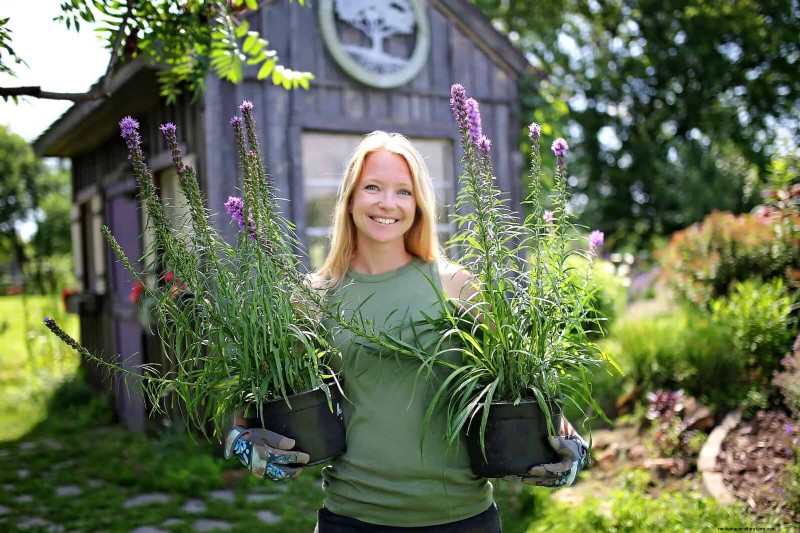
Native prairie plants evolved for your region and often prefer soil with less organic matter than traditional garden plants. Start with your native topsoil and amend it minimally with just one part compost to four parts soil.
This lighter touch respects the natural growing conditions these plants evolved with while providing just enough fertility boost for establishment. The resulting mix maintains much of your native soil’s character while improving moisture retention during summer’s most challenging periods.
Purple coneflower (Echinacea purpurea) and prairie blazing star (Liatris spicata) develop deeper, drought-resistant root systems in this minimally amended soil. Their tap roots can penetrate several feet down, accessing moisture reserves during dry spells that shallow-rooted plants cannot reach.
 Depositphotos
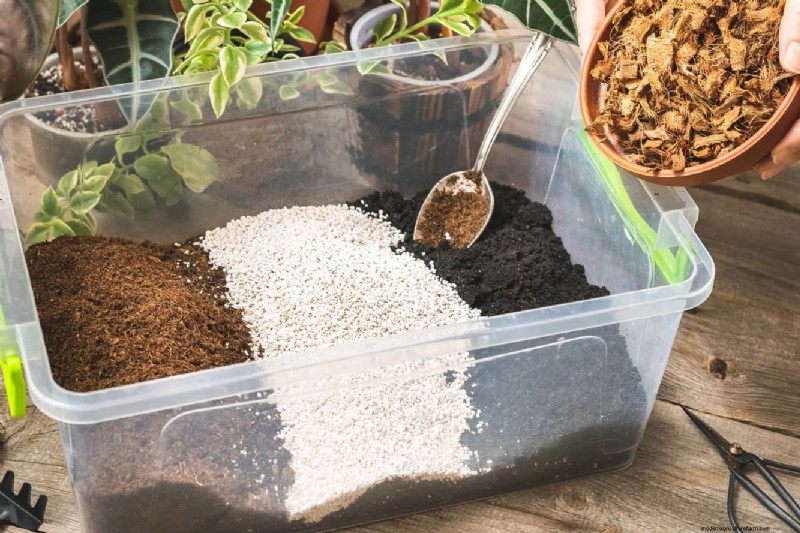
Container gardens face extreme temperature fluctuations in summer, with soil temperatures often exceeding air temperatures by 10 to 15 degrees. Create a specialized potting mix combining two parts coconut coir, one part compost, one part perlite, and one part vermiculite.
This lightweight blend resists compaction while providing excellent moisture retention and aeration, which is crucial for confined root systems. The mix feels surprisingly light in your hands, almost fluffy, yet maintains its structure when wet.
Container-grown peppers (Capsicum annuum) develop more extensive root systems in this blend, supporting larger fruit production even in limited space. The white perlite reflects some sunlight, helping reduce soil temperature in black or dark-colored containers that would otherwise absorb heat and potentially cook sensitive roots.
 Depositphotos
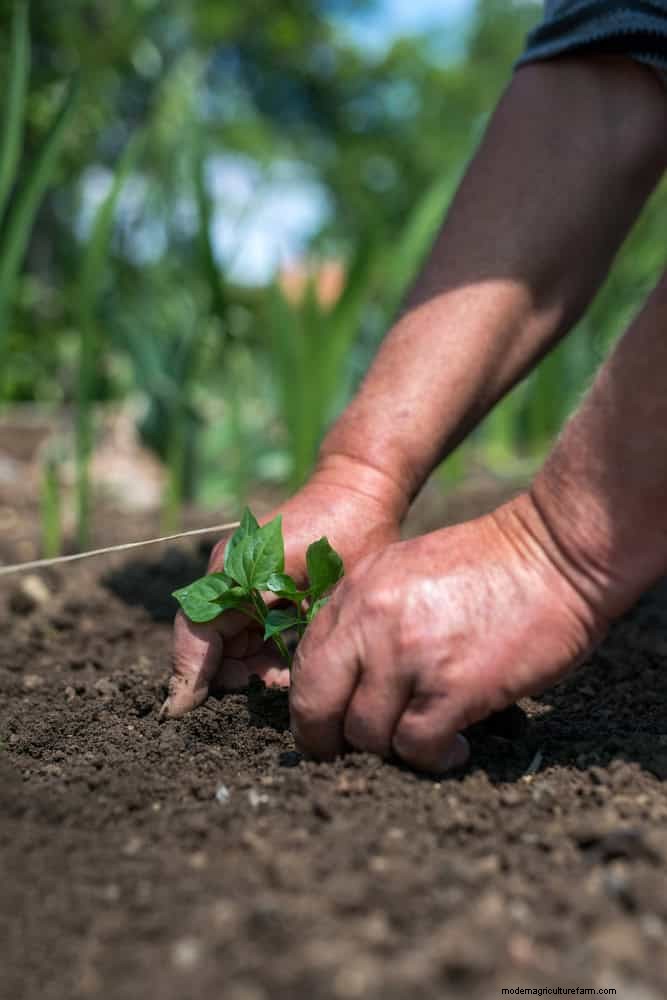
Summer-fruiting vegetables like tomatoes and peppers face specific nutritional challenges, particularly calcium deficiency, which leads to blossom end rot. Formulate their ideal growing medium by mixing equal parts garden soil, finished compost, and coconut coir, then enriching with crushed eggshells or gypsum.
This calcium boost supports cell development during the crucial fruiting period when plants are most stressed. The finished mix has excellent tilth, a farmer’s term for that perfect crumbly texture that holds together when squeezed but breaks apart easily.
San Marzano tomatoes (Solanum lycopersicum ‘San Marzano’) grown in this calcium-rich environment develop thicker walls and concentrate flavor compounds more effectively, resulting in sweeter, more complex-tasting fruit. The balanced nutrition helps plants maintain continuous production through the hottest weeks when many gardens experience yield drops.
 Depositphotos
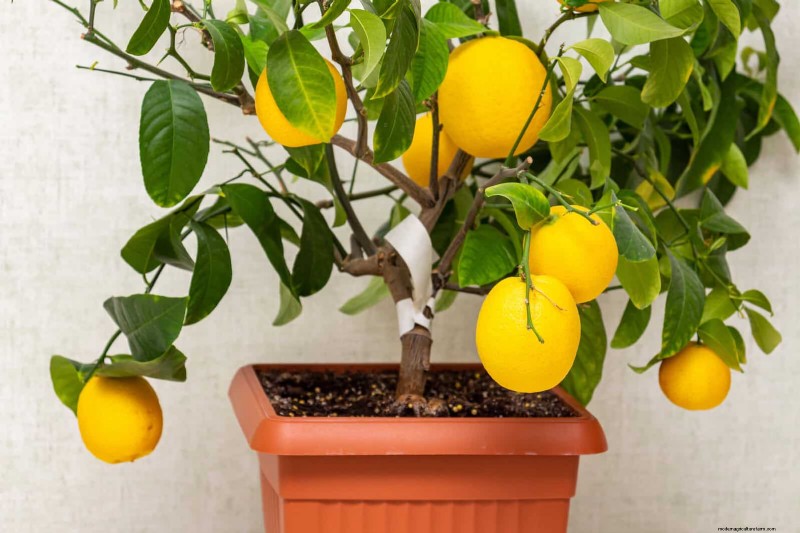
Citrus trees require excellent drainage and consistent nutrition to produce sweet, juicy fruit during summer’s growing season. To create their ideal soil, blend two parts sandy loam, one part pumice or perlite, and one part quality compost.
Incorporate a citrus-specific slow-release fertilizer containing extra magnesium and iron to prevent the yellowing leaves that often develop during summer heat. This specialized mix feels light and airy while providing stability for developing root systems.
Meyer lemons (Citrus × meyeri) grown in containers with this blend develop glossier leaves and produce fruit with noticeably thinner, more aromatic rinds. The improved drainage prevents root rot during summer’s unpredictable weather patterns, when afternoon thunderstorms might follow days of intense heat.
 Depositphotos
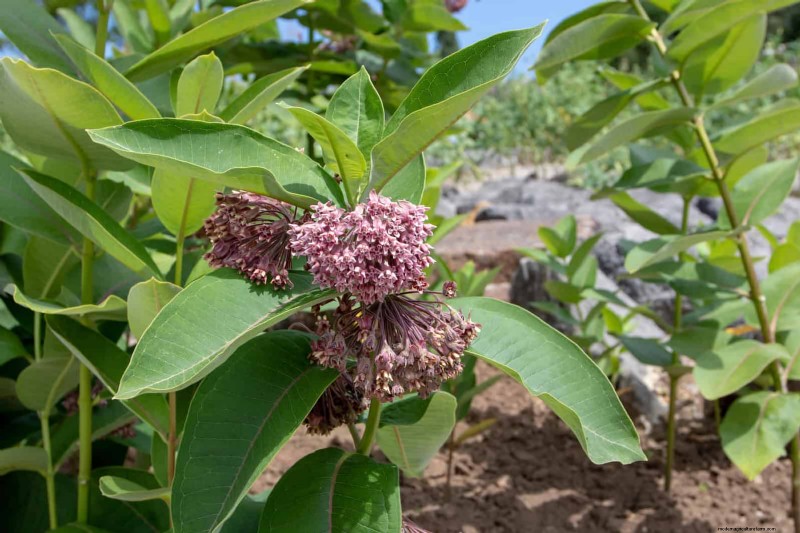
Butterfly gardens shine brightest in summer, when pollinators are most active. Create an ideal environment with two parts native topsoil, one part compost, and a small amount of sand for drainage. Avoid high-nitrogen fertilizers that promote lush foliage at the expense of flowers.
Instead, rock minerals like greensand are incorporated, slowly releasing micronutrients that support plant health and nectar production. This balanced mix provides the perfect foundation for butterfly favorites like milkweed (Asclepias syriaca) and Joe-Pye weed (Eutrochium purpureum).
Plants grown in this blend develop stronger stems that stand tall through summer storms while producing more abundant nectar-rich blooms. The natural mineral content subtly influences flower nectar composition, making your garden particularly attractive to monarch butterflies during their crucial summer breeding season.
 Depositphotos
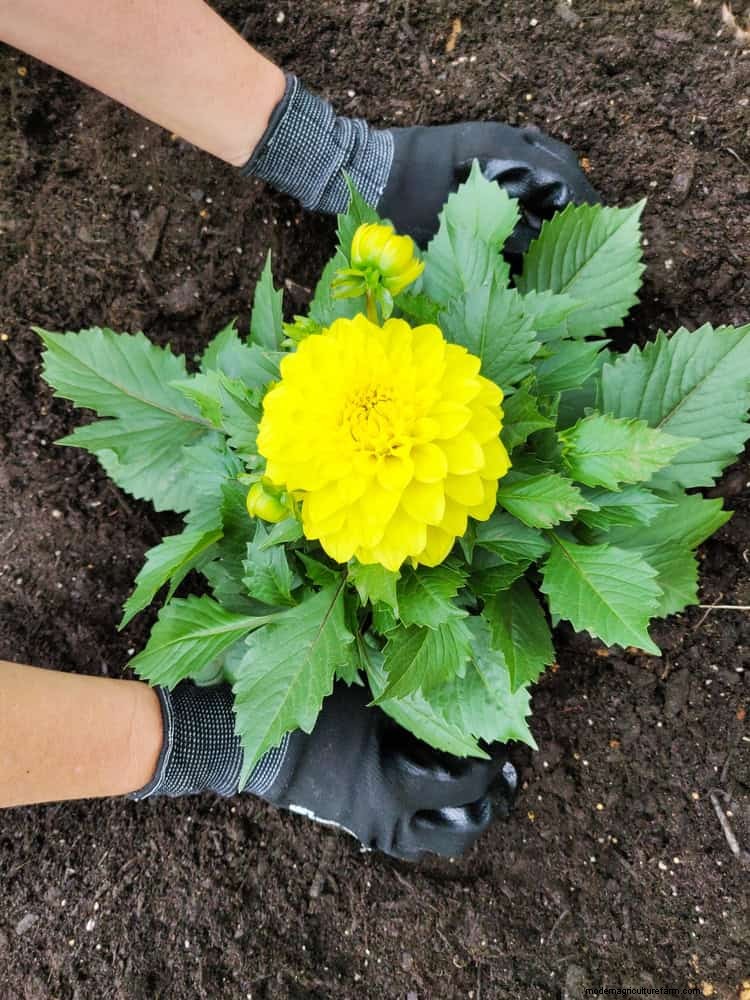
Summer-blooming perennials and annuals demand continuous nutrition to maintain peak flowering through the heat. Develop a rich, growing medium by combining two parts loam, one part well-composted manure, and one part leaf mold or finished compost.
This blend provides immediate nutrition while building long-term soil structure that supports seasons of abundant blooming. The finished mix has a distinctive dark color and pleasant, earthy aroma that signals high fertility.
Dahlias (Dahlia pinnata) planted in this rich blend produce more abundant blooms with more intense coloration due to optimal nutrition. The organic matter also helps maintain consistent soil moisture, preventing the stress-induced flowering gaps that often plague summer gardens during hot, dry periods.
 Depositphotos
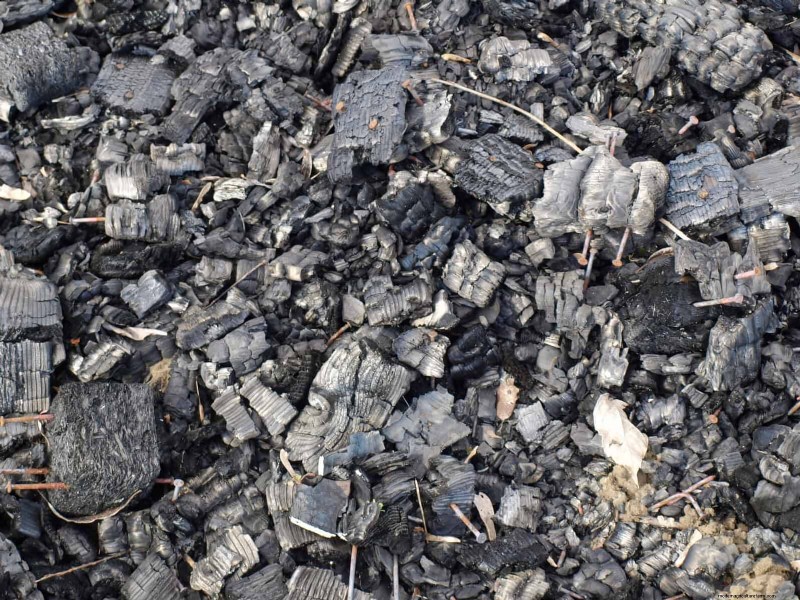
For gardeners looking toward long-term soil improvement, biochar offers remarkable benefits during summer’s challenges. To make biochar, blend four parts existing garden soil with one part finished compost and one part biochar, which is charcoal specifically made for soil amendment.
This stable carbon form creates a permanent microscopic habitat for beneficial soil microbes, improving drainage and water retention. The amended soil develops a distinctive structure with visible black biochar flecks throughout the profile.
Summer-planted fall crops like Brussels sprouts (Brassica oleracea var. gemmifera) establish more quickly in biochar-enhanced soil, developing extensive root systems during the challenging transition season. The stable carbon remains effective for years, gradually building soil quality with each growing season.
 Natureln, CC BY-SA 4.0, via Wikimedia Commons
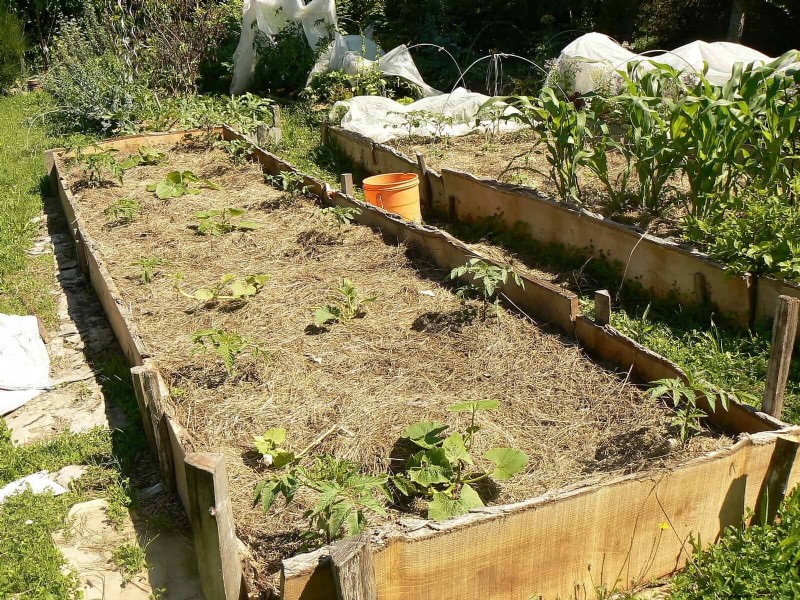
The lasagna gardening method creates rich growing soil without tilling, perfect for establishing new beds during summer. Build layers directly on your lawn or existing soil: first cardboard, then alternating “green” materials (fresh grass clippings, kitchen scraps) with “brown” materials (fall leaves, straw, shredded paper).
Top with three inches of finished compost as a planting medium. This living soil blend continuously improves as lower layers decompose, releasing nutrients throughout the growing season.
The layered structure creates distinct temperature zones, with the surface warming quickly while deeper layers stay cool; ideal for summer-planted fall crops like kale (Brassica oleracea var. sabellica). Plants respond with vigorous growth as their roots access different decomposition layers based on their needs.
 Depositphotos
The perfect summer soil blend combines science and intuition. It balances moisture retention with proper drainage while providing steady nutrition during the most demanding growing season.
Listen to your plants; they’ll tell you when you’ve found the right mix through vibrant foliage, abundant blooms, and resilience during heat waves. Remember that soil is a living ecosystem, not just a growing medium.
The microbes, fungi, and beneficial organisms in your carefully crafted summer soil blends work as unseen garden allies, breaking down nutrients and creating plant-available forms exactly when needed.
With these specialized mixes supporting your plants through summer’s challenges, your garden will become the envy of the neighborhood, a thriving oasis when others struggle against the heat.


