Welcome to Modern Agriculture!

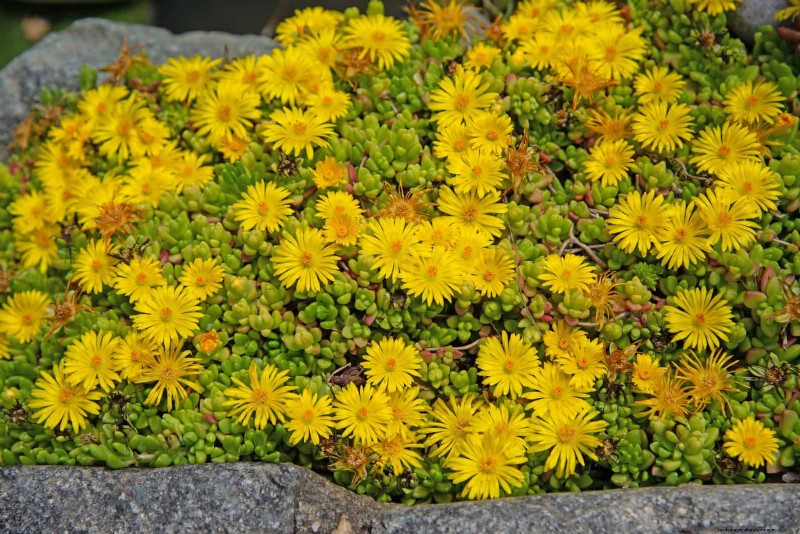 Depositphotos
Dealing with weeds in a drought-prone garden can feel like a never-ending battle. Low water conditions make maintaining a lush landscape challenging, but there’s good news.
The right ground covers can create a beautiful carpet of greenery while choking out weeds and requiring minimal watering. These drought-smart ground covers offer the perfect solution for gardeners wanting to conserve water and reduce maintenance.
They spread naturally to fill empty spaces, preventing weeds from getting a foothold while adding color and texture to your landscape.
 Depositphotos
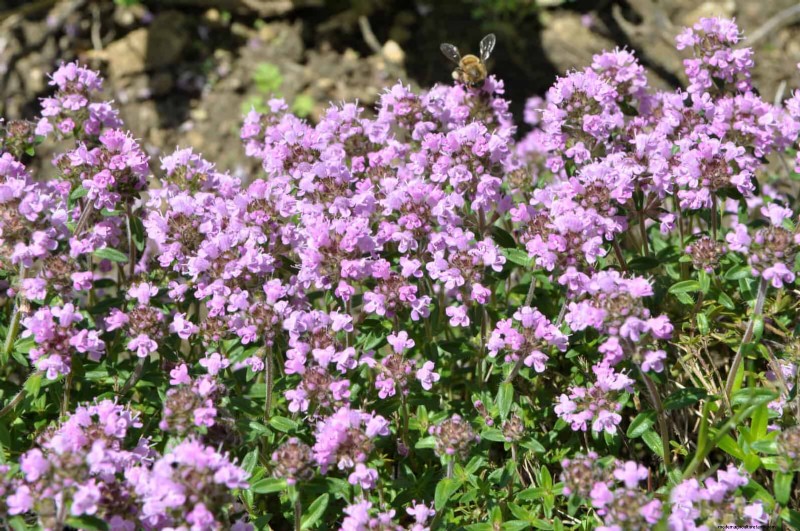
Creeping thyme forms a dense, aromatic carpet that effectively smothers weeds. This tough little plant grows just 2 to 4 inches tall but spreads up to 24 inches wide, creating a living mulch that thrives in poor soil and full sun.
Its tiny purple, pink, or white flowers attract pollinators during the summer months. Once established, creeping thyme needs almost no supplemental water, making it perfect for drought-prone areas.
It can handle light foot traffic and releases a pleasant fragrance when stepped on. Plant it between stepping stones, along pathways, or as a lawn substitute in areas with little use.
 Depositphotos
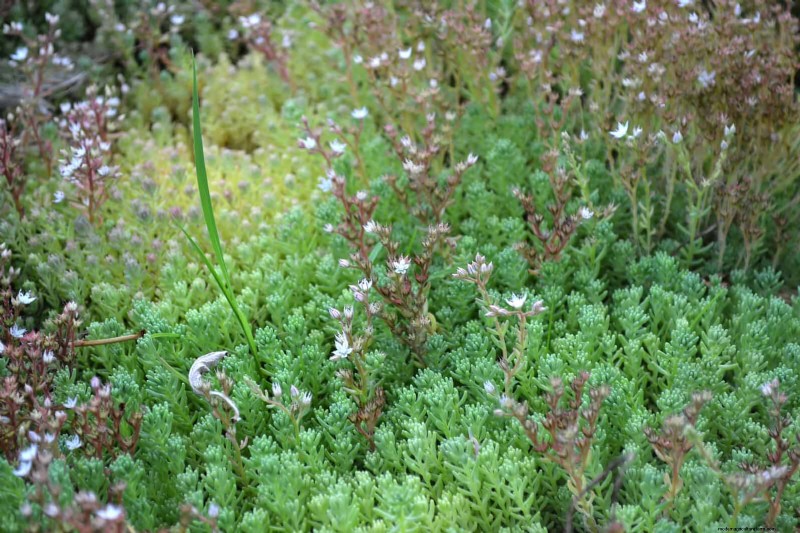
Sedums, also called stonecrops, are succulent ground covers that store water in their fleshy leaves, helping them survive extended dry periods. In various heights, colors, and textures, sedums create a patchwork of interest while effectively suppressing weeds with their spreading habit.
These plants prefer well-drained soil and full sun but adapt to poor soil conditions where many others fail. Their shallow root systems make them ideal for rock gardens, shallow containers, and spaces with minimal soil.
Most varieties produce yellow, pink, or white star-shaped flowers that attract butterflies.
We'll email it to you so you can read it later!
By saving, you agree to receive occasional emails. Unsubscribe anytime.
 Depositphotos
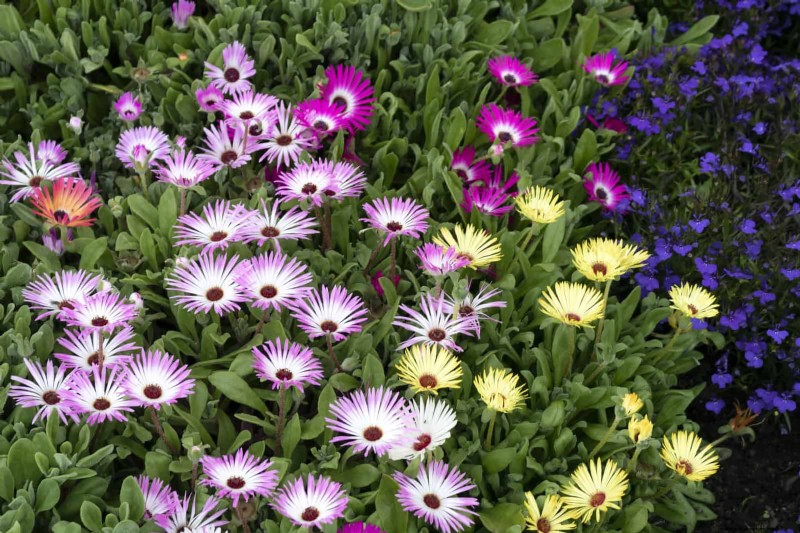
Ice plant earned its name from the glistening, crystalline appearance of its vibrant, daisy-like flowers. This low-growing succulent forms a dense mat of fleshy, triangular leaves that turn reddish in cooler weather.
The stunning magenta, yellow, or purple blooms open in sunshine and close at night. Once established, the ice plant thrives in sandy, well-drained soil and full sun and requires almost no maintenance.
It spreads quickly to fill bare spots and crowd out weeds, making it excellent for slopes and erosion control. Its extreme drought tolerance makes it a go-to choice for water-wise gardens in USDA zones 6-10.
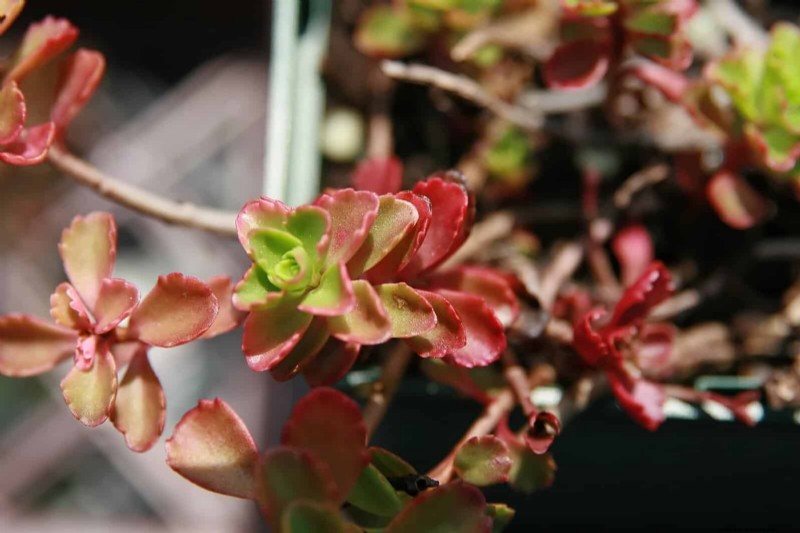 Photo by David J. Stang, CC BY-SA 4.0, via Wikimedia Commons
Dragon’s Blood sedum stands out with its deep red foliage that intensifies in color during cooler weather. This vigorous spreader creates a weed-suppressing carpet just 4 to 6 inches tall but can spread up to 24 inches wide.
The star-shaped pink flowers appear in summer, adding another layer of interest. This tough ground cover thrives in poor soil where other plants struggle, making it perfect for problem areas.
Its shallow roots allow it to grow in just a few inches of soil, so it works well in rock gardens, along walkways, and in containers. Once established, it needs almost no water or care.
 Depositphotos
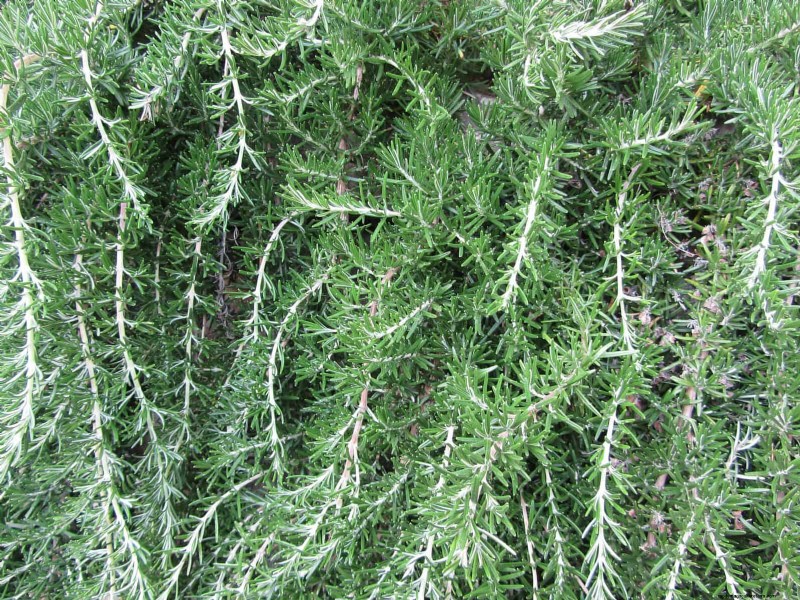
Creeping rosemary combines beauty, fragrance, and function in one drought-tough package. Unlike its upright cousin, this variety grows horizontally, reaching just 6 to 12 inches tall but spreading 2 to 3 feet wide.
Its needlelike, aromatic foliage and blue flowers create a beautiful cascading effect over walls or across rocky slopes. As a bonus, creeping rosemary provides culinary herbs for cooking while suppressing weeds with its dense growth habit.
It performs best in well-drained soil and full sun, requiring little water once established. The woody stems help stabilize slopes and prevent erosion in challenging landscape areas.
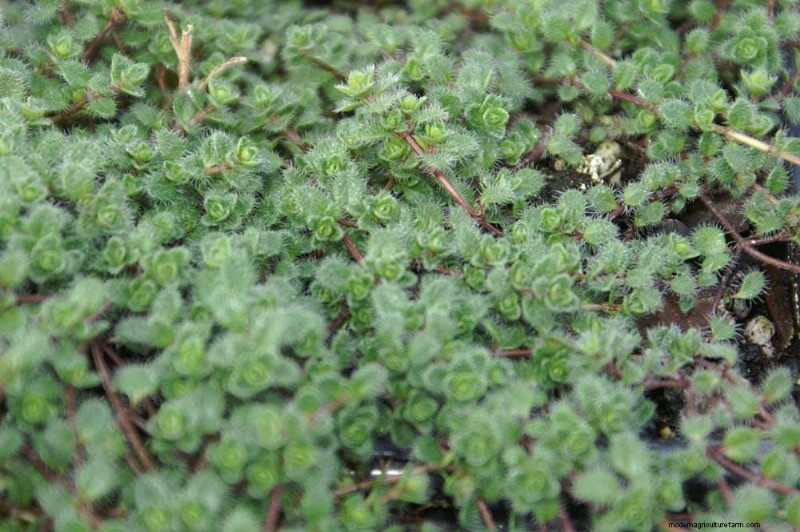 Photo by David J. Stang, CC BY-SA 4.0, via Wikimedia Commons
Woolly thyme creates a soft, touchable carpet with tiny gray-green leaves covered in fine hairs that give the plant a silvery, woolly appearance. Growing just 1-3 inches tall, it spreads slowly but surely to form a dense mat that effectively blocks weeds.
The occasional tiny pink flowers add a subtle charm in summer. This drought-tolerant ground cover prefers full sun and excellent drainage. Its cushiony texture makes it perfect between stepping stones, where the wooly foliage releases a gentle fragrance when brushed against.
Despite its delicate appearance, woolly thyme stands up to harsh conditions, including poor soil and drought.
 Depositphotos
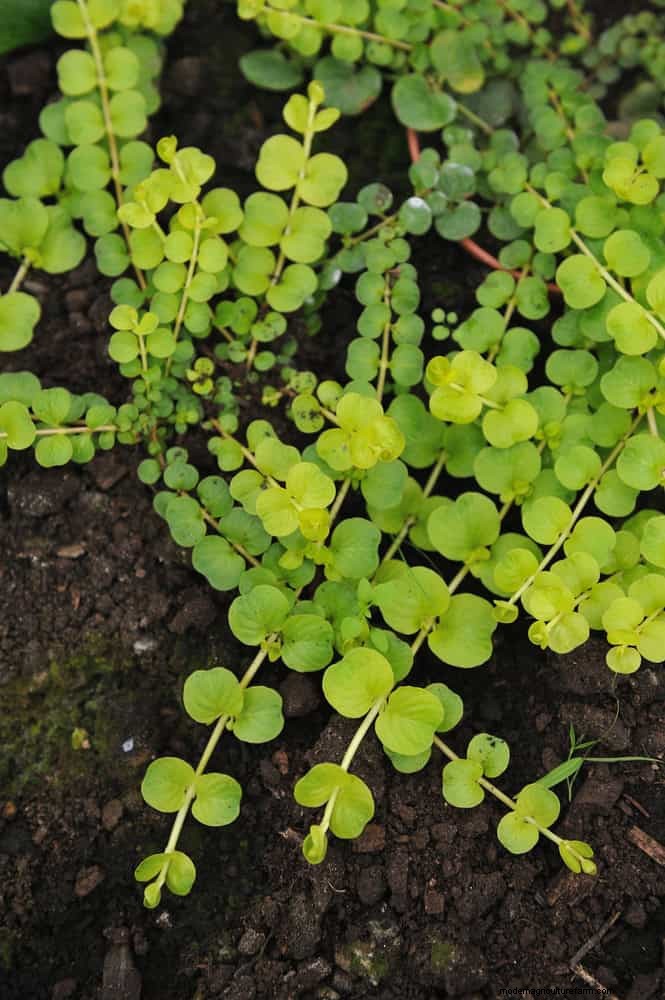
Creeping Jenny creates a bright spot in the landscape with its round, coin-shaped chartreuse leaves that form a dense mat just 2 to 4 inches tall.
This fast-spreading ground cover fills bare spots and smothers weeds with its trailing stems that root as they touch the ground, helping it cover large areas. Once established, creeping Jenny is adaptable to dry conditions and appreciates occasional water during extended drought.
It tolerates part shade better than many drought-resistant ground covers, making it versatile for different garden situations. The golden variety ‘Aurea’ brightens shady spots with its glowing foliage.
 Depositphotos
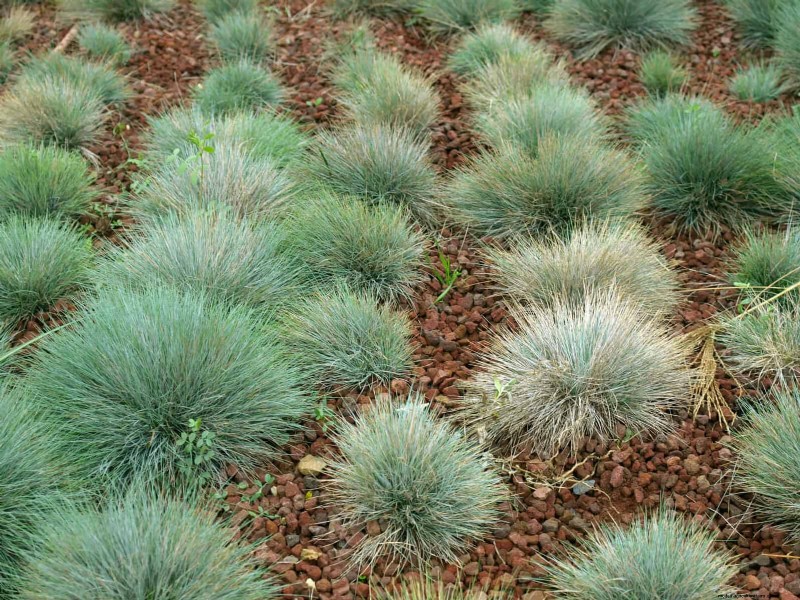
Blue fescue creates a striking ground cover with its spiky, blue-gray foliage, forming tidy, drought-resistant clumps. This ornamental grass grows 8 to 12 inches tall and wide, creating a textural contrast against broader-leaved plants.
When planted in groups, blue fescue forms a weed-suppressing carpet that requires minimal care. Once established, it thrives in full sun and well-drained soil and needs almost no water.
Its distinctive color holds up well throughout the growing season, providing year-round interest. The wheat-like seed heads that appear in summer add vertical interest to this otherwise low-growing plant.
 Depositphotos
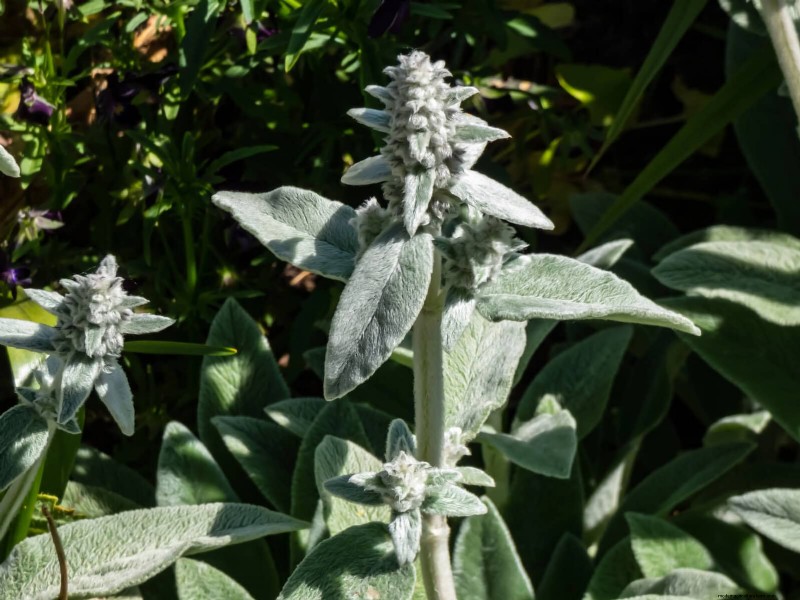
Lamb’s ear creates a velvety carpet of soft, silvery-gray leaves that feel as good as they look. The fuzzy, moisture-retaining foliage helps this plant survive drought while creating a thick ground cover that discourages weeds.
Growing 6 to 8 inches tall, it spreads gradually to fill bare spaces. This drought-tough perennial thrives in poor soil and full sun, performing better with some neglect than with pampering.
Tall spikes of purple flowers appear in summer, attracting bees and butterflies. For the best ground cover effect, remove flower stalks to encourage the plant to focus energy on spreading.
 Depositphotos
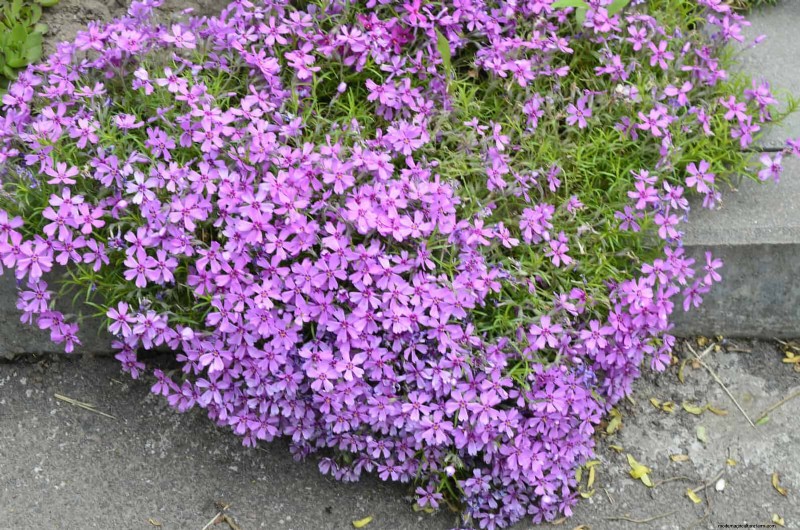
Creeping phlox creates a stunning spring display with its pink, purple, blue, or white flower blanket, which nearly obscures the needle-like foliage.
This low-growing perennial forms a dense, weed-smothering mat just 4 to 6 inches tall that can spread up to 2 feet wide, making it excellent for covering large areas. Once established, creeping phlox tolerates drought well, especially when planted in areas with afternoon shade in hotter climates.
It performs best in well-drained soil and works beautifully on slopes, over walls, or at the front of borders. After flowering, its evergreen foliage continues to suppress weeds year-round.
 Depositphotos
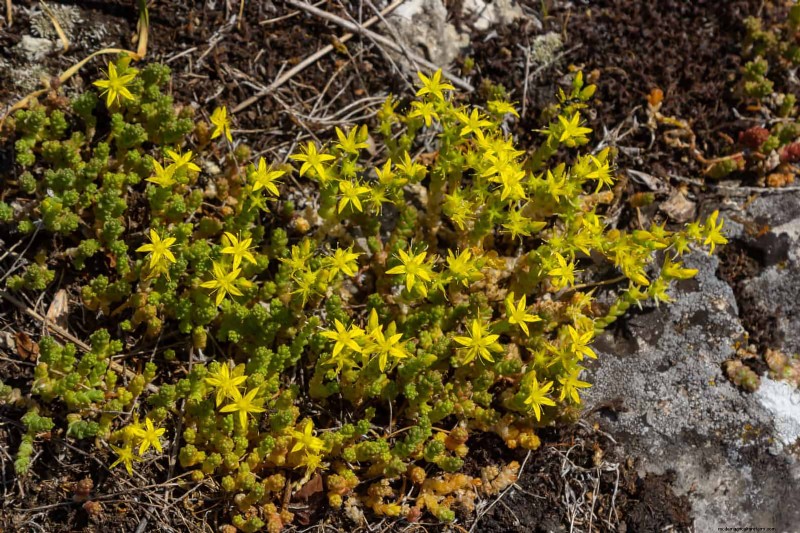
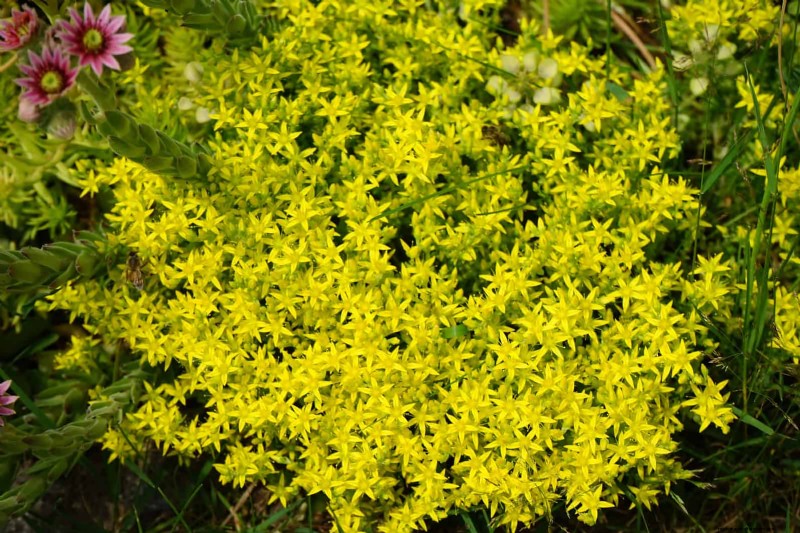
Stonecrop earns its reputation as a tough, drought-resistant ground cover with its tiny, succulent leaves that form a dense, weed-suppressing mat.
This low-growing sedum reaches just 2 to 3 inches tall but spreads vigorously, filling empty spaces with bright green foliage that turns reddish in cool weather. Stonecrop produces masses of star-shaped yellow flowers in early summer that attract pollinators.
It thrives in poor, rocky soil where few other plants survive, making it perfect for problem areas. Its extreme drought tolerance comes from specialized leaves that store water, allowing it to go weeks without rainfall.
 Depositphotos
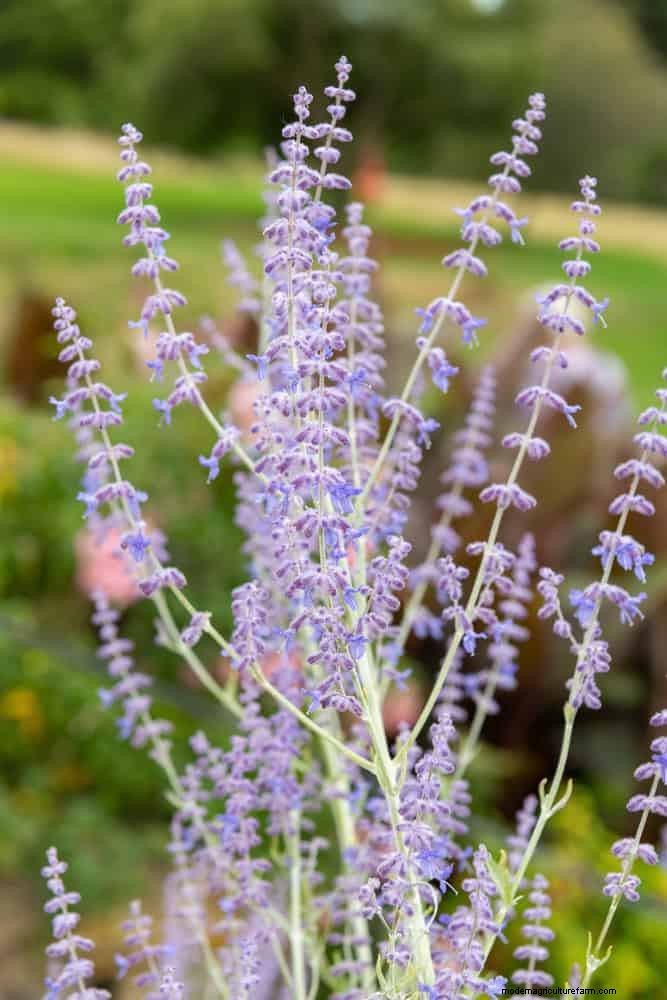
Russian sage, with its silvery, aromatic foliage and lavender-blue flower spikes, is a drought-resistant ground cover. Though it is 2 to 4 feet taller than many ground covers, when planted in masses, it creates an effective weed barrier while providing vertical interest.
The fragrant foliage deters deer and rabbits. This perennial thrives in hot, sunny locations with well-drained soil. Once established, its deep root system helps it survive drought conditions.
For a more compact ground cover effect, cut plants back by half in late spring to encourage bushier growth that will better suppress weeds beneath.
 Agnieszka Kwiecień, Nova, CC BY-SA 4.0, via Wikimedia Commons
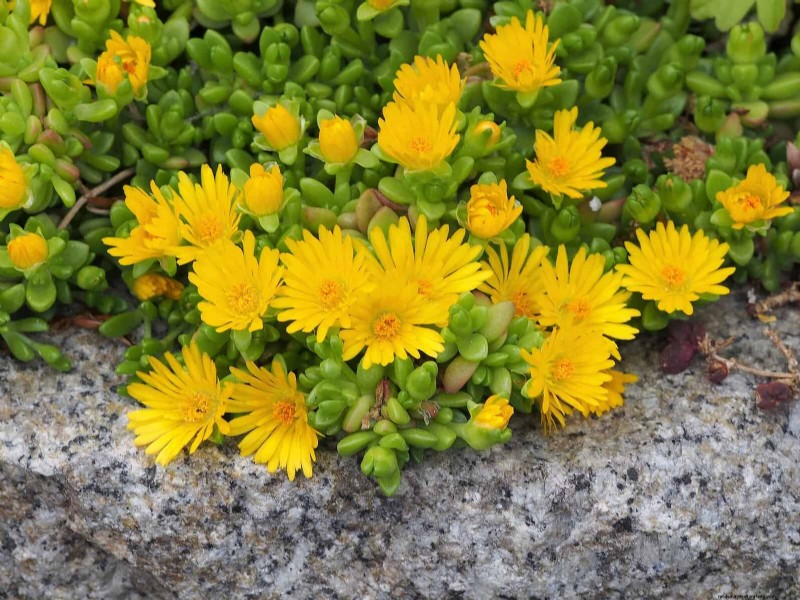
Hardy ice plant forms a dense carpet of succulent, jellybean-shaped leaves that turn reddish in cool weather. This tough ground cover grows just 1 to 3 inches tall but spreads up to 24 inches wide, effectively smothering weeds with its tight growth habit.
The bright yellow daisy-like flowers appear in late spring. One of the most cold-hardy ice plants available, this variety survives in USDA zones 4 to 9 while maintaining excellent drought tolerance.
It performs best in poor, well-drained soil and full sun. Its shallow root system makes it ideal for shallow soil areas like rock gardens, green roofs, and spaces between stepping stones.
 Krzysztof Ziarnek, Kenraiz, CC BY-SA 4.0, via Wikimedia Commons
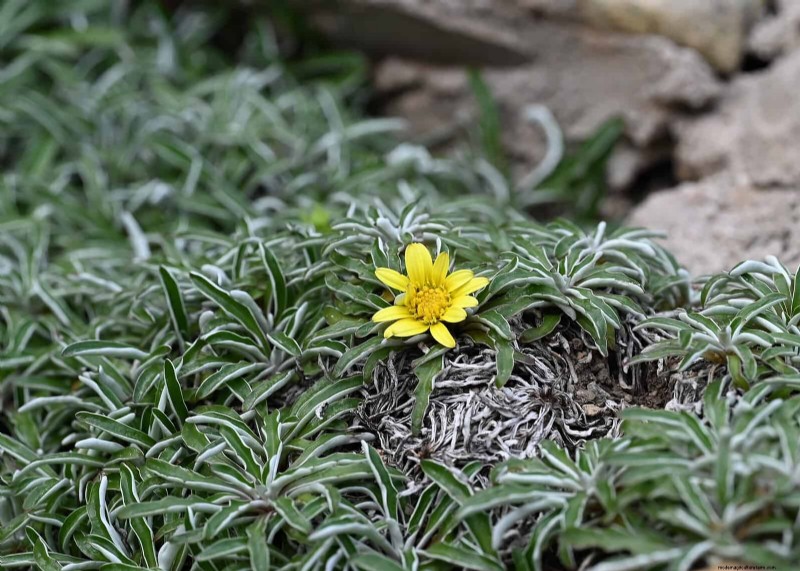
Silver carpet creates a beautiful, low-maintenance ground cover. Its narrow, silver-backed leaves form a dense mat just 1 to 2 inches tall.
This slow-growing but effective weed suppressor spreads to fill gaps between pavers or cover small areas with its tight, drought-resistant foliage. Native to South Africa, silver carpet thrives in poor soil and full sun, requiring minimal water once established.
It produces small yellow flowers in summer but is mainly grown for its attractive foliage. This tough plant tolerates light foot traffic, making it suitable for pathways and between stepping stones.
 Depositphotos
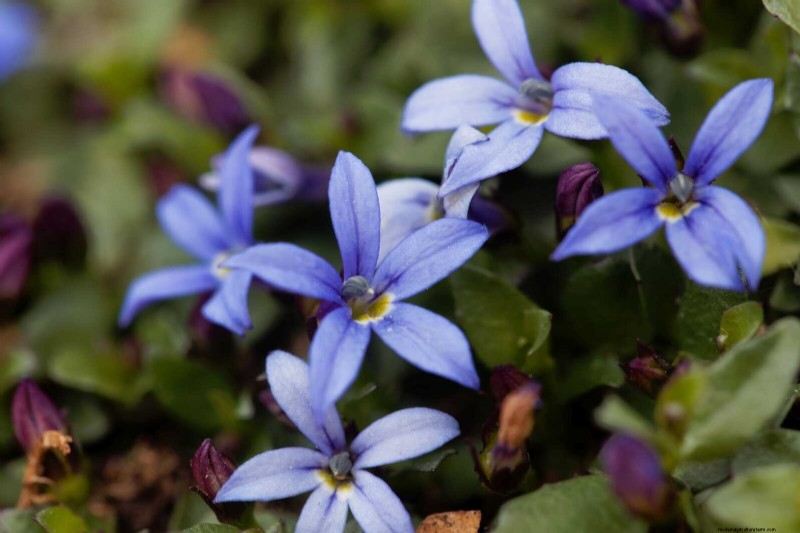
Blue star creeper forms a lush carpet of tiny green leaves covered with star-shaped pale blue flowers throughout spring and summer. Growing just 1 to 2 inches tall, this ground cover spreads quickly to fill bare spaces and crowd out weeds with its dense growth habit.
It creates a lawn-like appearance but requires no mowing. While not as drought-tolerant as others, blue star creeper requires less water than traditional lawns once established.
It tolerates light foot traffic and partial shade, making it versatile for garden situations. Plant it between stepping stones, as a lawn substitute, or to fill gaps in rock gardens.
 Depositphotos
Adding these drought-smart ground covers to your landscape creates a beautiful, low-maintenance solution to bare soil and persistent weeds.
Their spreading habits naturally fill empty spaces, preventing weed seeds from finding places to germinate while adding color, texture, and often fragrance to your garden.
Start with small plants spaced according to their mature width, prepare the soil well, and keep them watered until established. Then sit back and enjoy as these tough plants take over, creating a weed-free, drought-resistant carpet that looks good year after year with minimal care.