Welcome to Modern Agriculture!

 Depositphotos.com
Looking for a fun summer activity that teaches kids about nature before they head back to school? Gardening is perfect for curious young minds, and many plants grow quickly enough to show impressive results in just days or weeks.
Summer’s winding down, but there’s still plenty of time to plant fast-growing seeds with your children. These quick-sprouting varieties will give kids the satisfaction of seeing results before summer vacation ends, creating excitement about the natural world while teaching patience and responsibility.
 Depositphotos.com
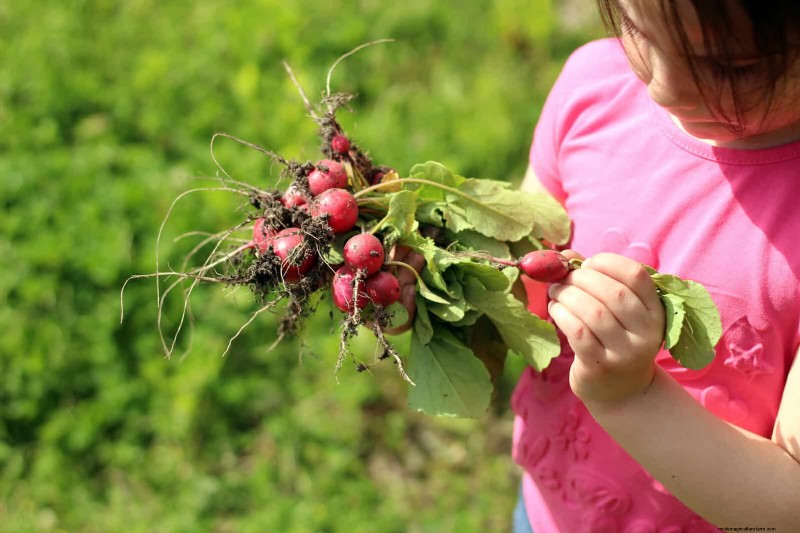
Radishes are among the fastest-growing vegetables, with some varieties sprouting in just 3-4 days. Kids will love watching the tiny green shoots emerge almost overnight, making them perfect for impatient young gardeners.
The entire growing cycle takes only 3-4 weeks, so children can plant, watch, and harvest their radishes before heading back to school. Try growing them in clear containers so kids can observe the root development happening underground.
 Depositphotos.com
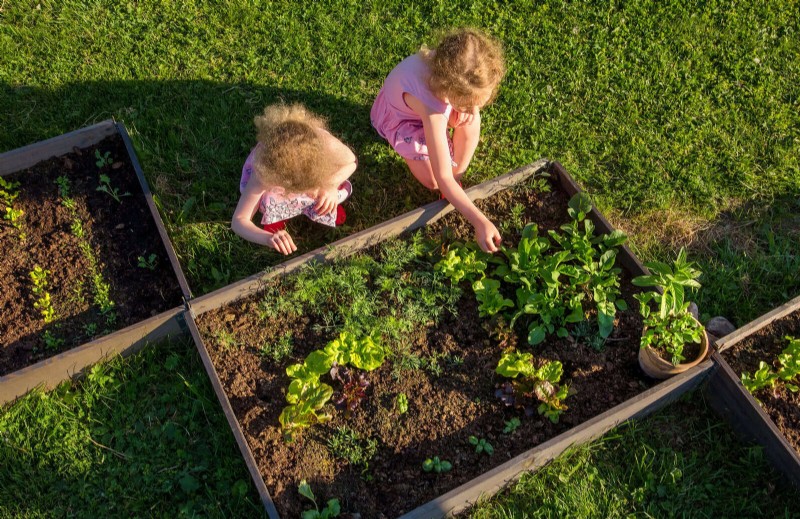
Lettuce seeds germinate quickly, often within 2-5 days under ideal conditions. Loose-leaf varieties like butterhead and romaine are particularly fast-growing and perfect for beginners.
These greens can be harvested young as microgreens or allowed to grow into full lettuce heads. Children will enjoy the “cut and come again” method, where they can snip outer leaves while the plant continues growing from the center.
We'll email it to you so you can read it later!
By saving, you agree to receive occasional emails. Unsubscribe anytime.
 Depositphotos.com
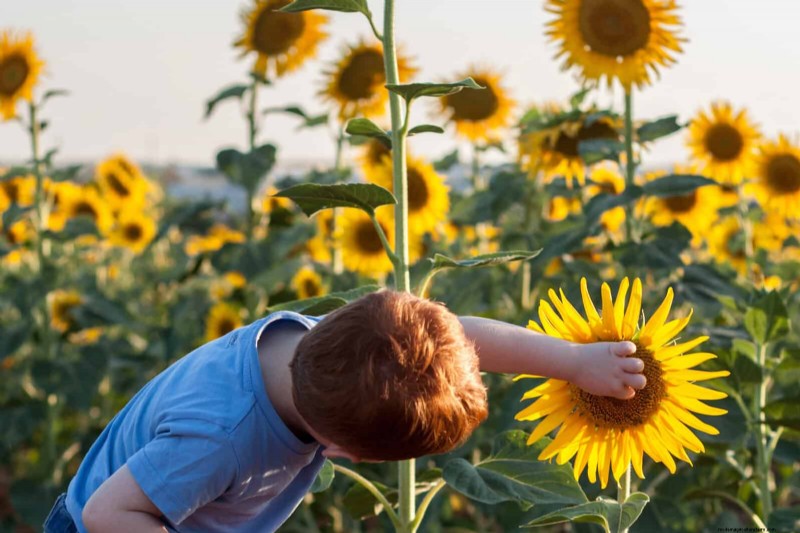
Sunflower seeds sprout within 7-10 days and grow rapidly, with dwarf varieties reaching maturity in just 50-60 days. Their large seeds are easy for small hands to plant, making them ideal for young children.
Kids are fascinated by how sunflowers track the sun throughout the day. Plant a few different varieties to compare growth rates and flower sizes before school begins.
 Depositphotos.com
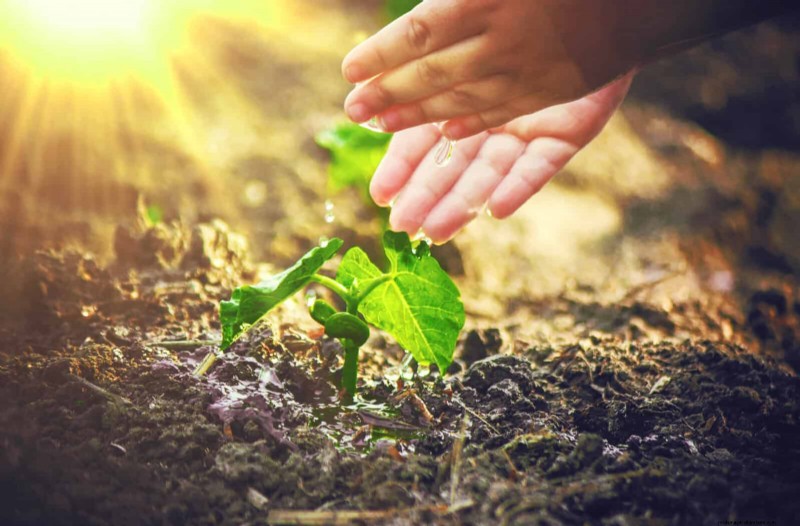
Bean seeds germinate within 3-5 days, and the sprouts grow visibly each day. The large seeds are perfect for children to handle, and the rapid growth provides nearly instant gratification.
Try growing beans in clear jars with paper towels to observe the entire sprouting process. Pole beans can also be trained up strings or small trellises, creating a living green teepee that kids can play in as it grows.
 Depositphotos.com
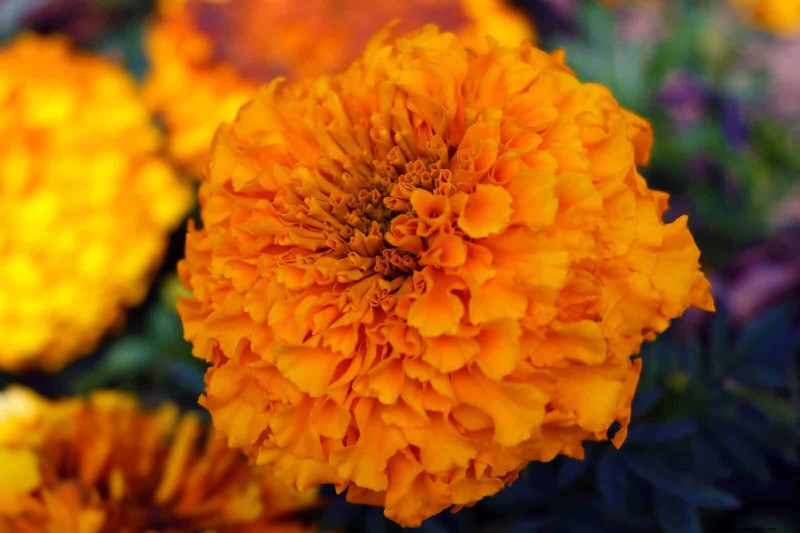
Marigold seeds typically sprout within 5-7 days, producing cheerful orange and yellow blooms in as little as 8 weeks. Their bright colors and pleasant scent make them appealing to children.
These hardy flowers are nearly foolproof even for novice gardeners. Plant them in borders or containers, and teach kids how marigolds help repel garden pests naturally.
 Depositphotos.com
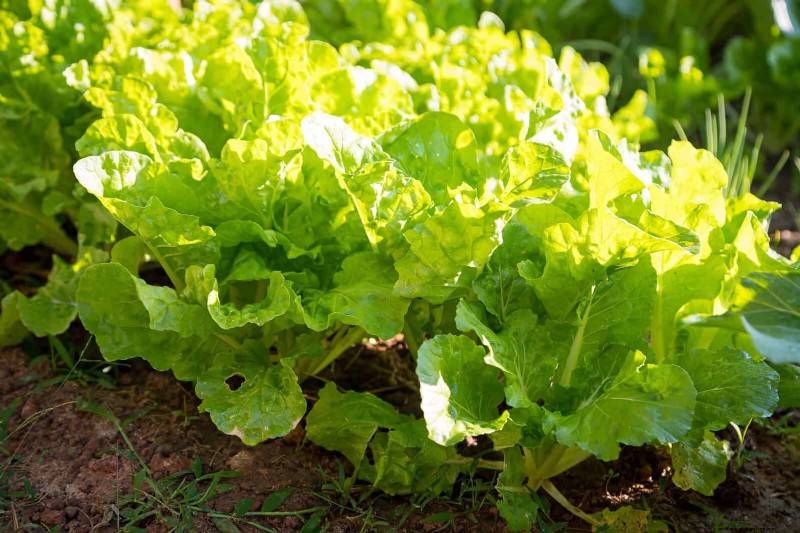
Mustard seeds germinate in just 3-7 days and grow rapidly afterward. The spicy leaves can be harvested young for milder flavor or allowed to mature for a stronger taste.
Kids will enjoy watching the frilly leaves develop and expand daily. These greens grow well in containers on a sunny windowsill, making them perfect for families without outdoor garden space.
 Depositphotos.com
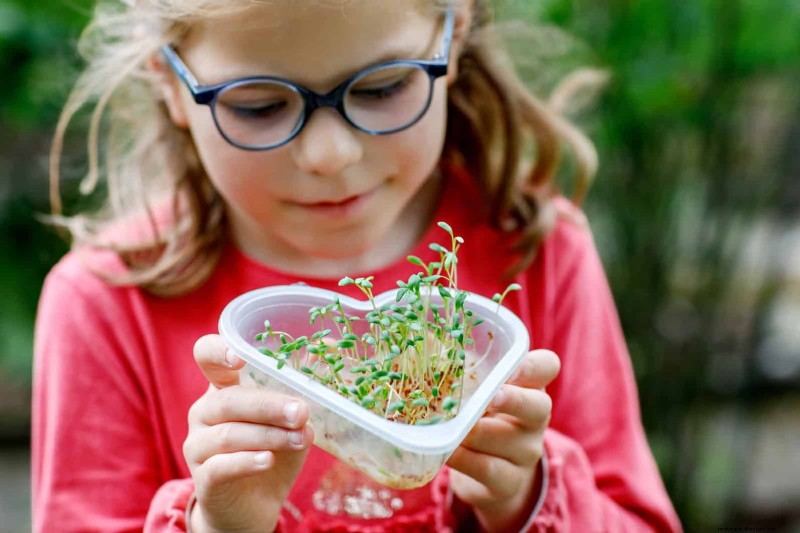
Cress is possibly the fastest-growing edible plant, sprouting in just 1-2 days and ready to harvest in 7-14 days. It grows easily on moist paper towels or cotton wool, no soil required.
Try growing cress in creative containers like empty eggshells or hollowed-out fruits. Children can create “cress heads” by decorating containers and watching the green “hair” sprout, making this both a craft and a gardening project.
 Depositphotos.com
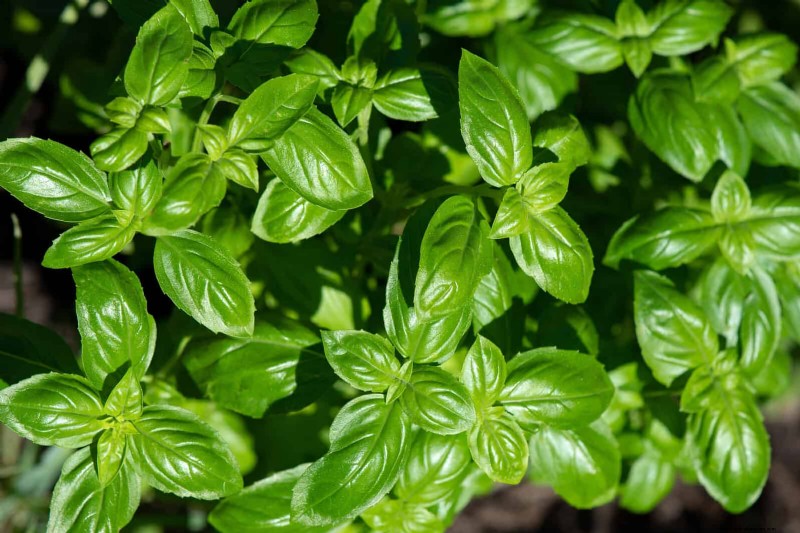
Basil seeds germinate within 5-7 days when kept warm and moist. The fragrant leaves grow quickly, ready for first harvesting in just 3-4 weeks.
Children love rubbing the aromatic leaves and smelling their fingers afterward. Grow several varieties like purple, Thai, and sweet basil to compare different scents, flavors, and appearances.
 Depositphotos.com
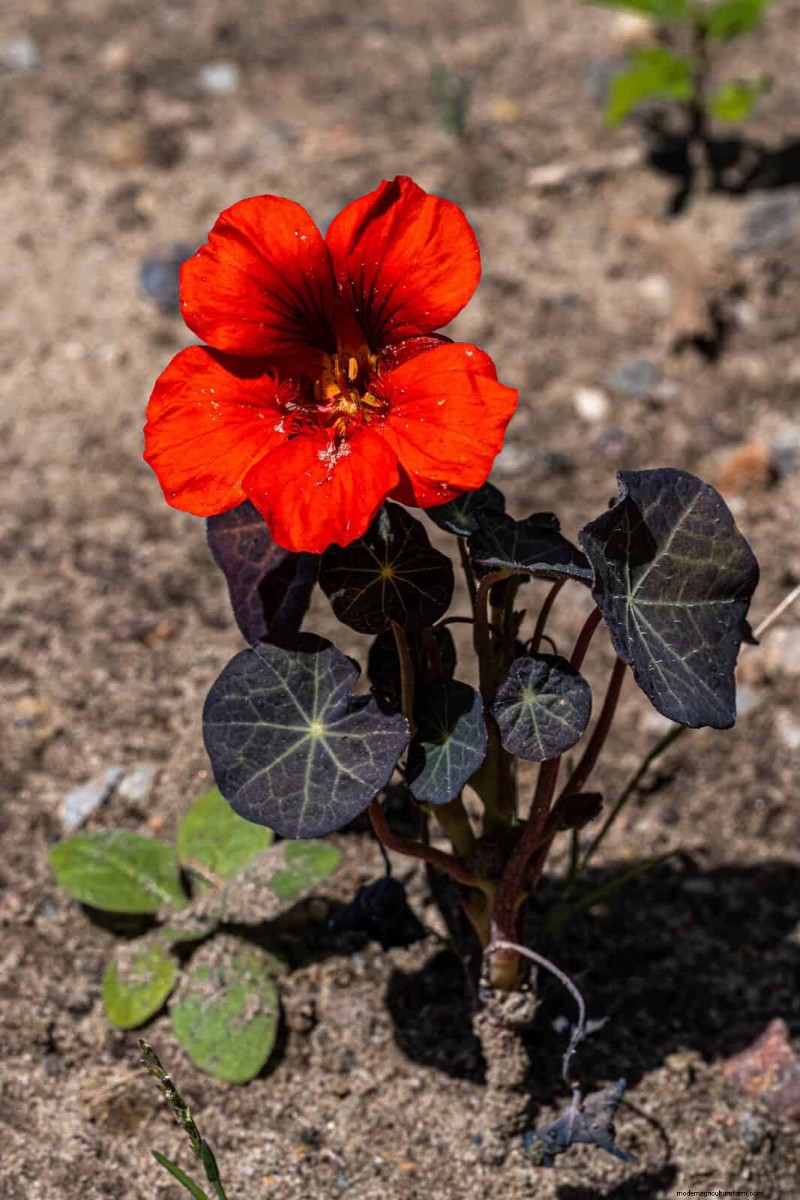
Nasturtium seeds sprout in 7-10 days, producing round leaves and vibrant edible flowers. Their large seeds are easy for children to handle and plant at the proper depth.
Kids are often surprised to learn they can eat both the peppery leaves and colorful blooms. Plant nasturtiums in hanging baskets or allow them to cascade over container edges for a dramatic display before school begins.
 Depositphotos.com
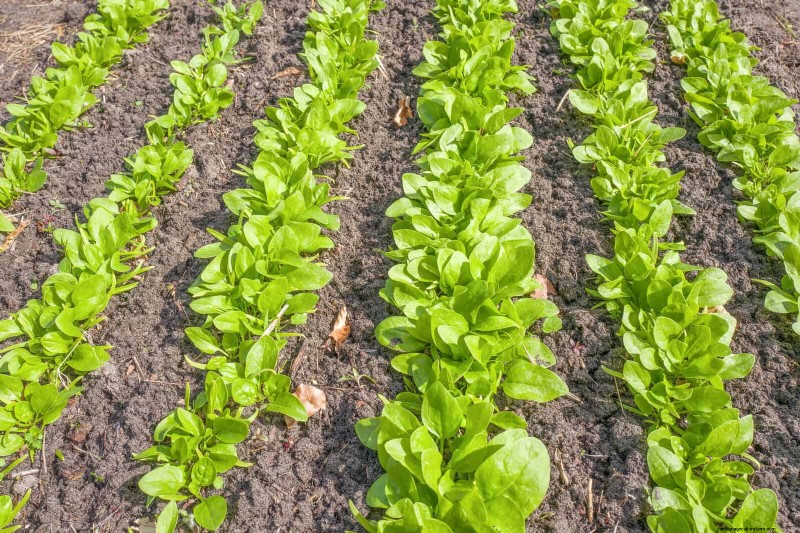
Spinach seeds germinate in 5-14 days depending on soil temperature. Baby leaves can be harvested in just 3-4 weeks, perfect for a quick crop before summer ends.
This nutritional powerhouse grows well in partial shade, making it versatile for various garden locations. Children will enjoy learning about “Popeye’s favorite food” while growing their own healthy greens.
 Depositphotos.com
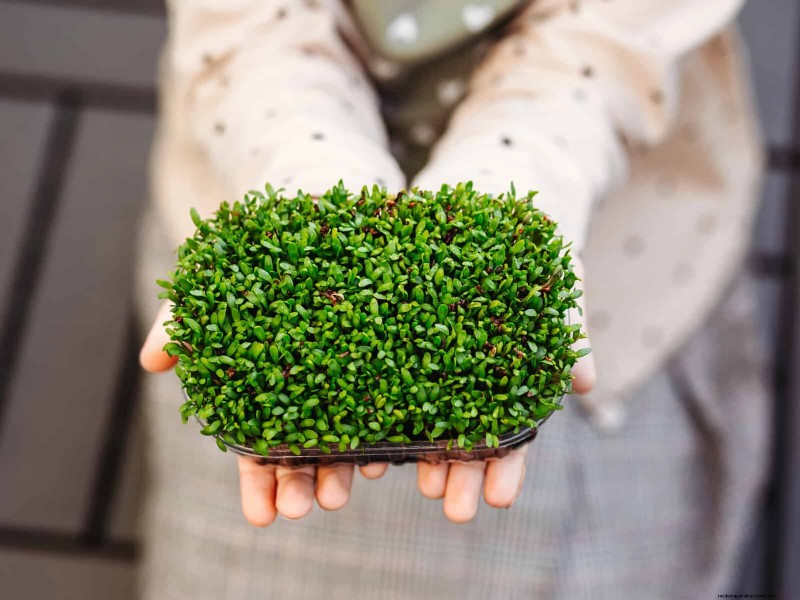
Microgreen seed mixes contain various fast-growing seeds that sprout in 2-7 days and are ready to harvest when just 1-2 inches tall. This provides nearly instant results for impatient young gardeners.
Kids can grow these nutritious greens indoors on a sunny windowsill in shallow containers. The diverse colors, textures, and flavors make microgreens both a science lesson and a culinary adventure.
 Depositphotos.com
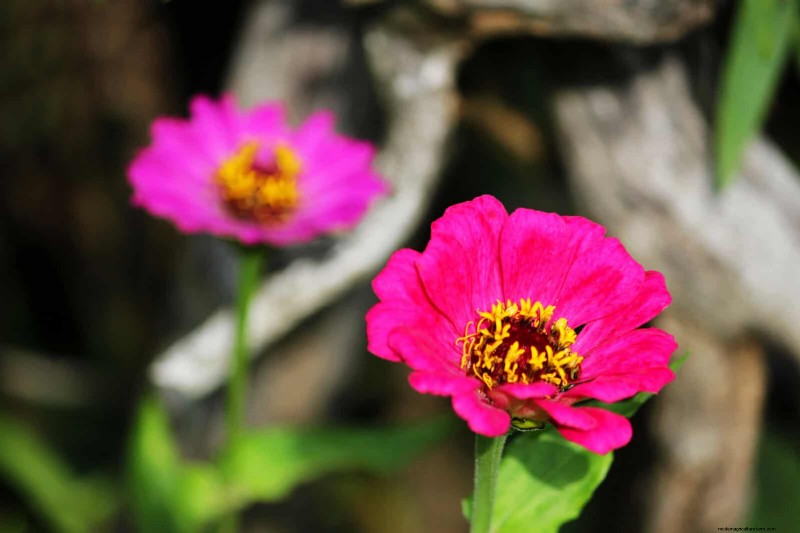
Zinnia seeds germinate in 5-7 days and grow quickly into colorful blooms that attract butterflies and hummingbirds. Some varieties flower in as little as 6 weeks from planting.
These heat-loving annuals thrive during summer’s final hot weeks. Children will enjoy cutting the long-lasting blooms for bouquets to bring inside or give to teachers when school starts.
 Depositphotos.com
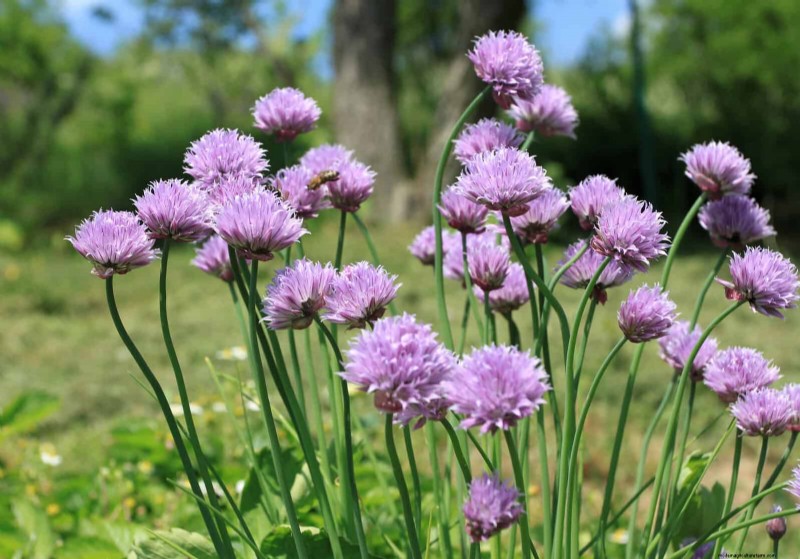
Chive seeds sprout in 7-14 days and quickly form slender green shoots. The mild onion flavor makes them a kid-friendly herb that even picky eaters might try.
These perennial herbs will continue growing after school starts, and children can snip the tops as needed for cooking. The purple pom-pom flowers that eventually appear are beautiful and edible too.
 Depositphotos.com
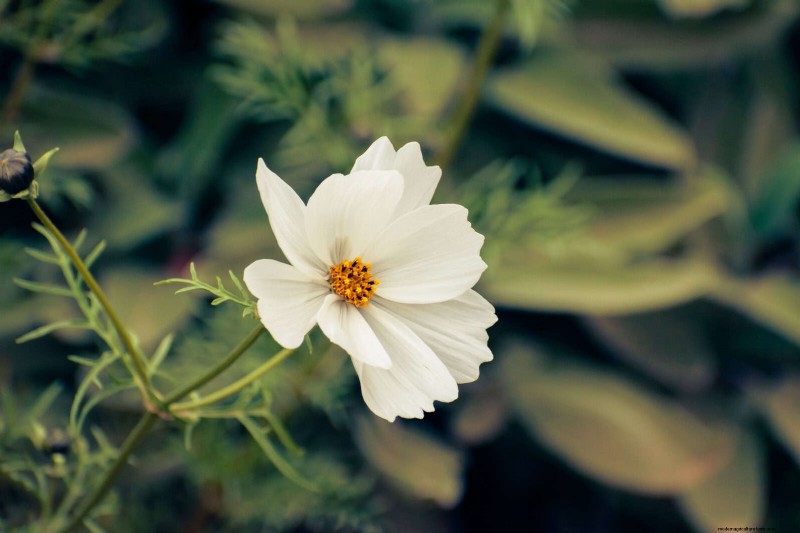
Cosmos seeds germinate in 5-10 days and grow rapidly into airy plants with delicate flowers. These annuals can reach blooming stage in just 7 weeks from sowing.
Their feathery foliage and daisy-like blooms attract beneficial insects like bees and butterflies. Kids will enjoy observing these pollinators visit their garden creation.
 Depositphotos.com
Pea seeds sprout in 7-10 days and grow quickly in the cooler late-summer weather. Sugar snap and snow pea varieties produce edible pods in as little as 60 days.
Children love picking and eating peas straight from the vine. Create simple teepee structures with bamboo stakes or twine for the vines to climb, making a whimsical garden feature.
 Depositphotos.com
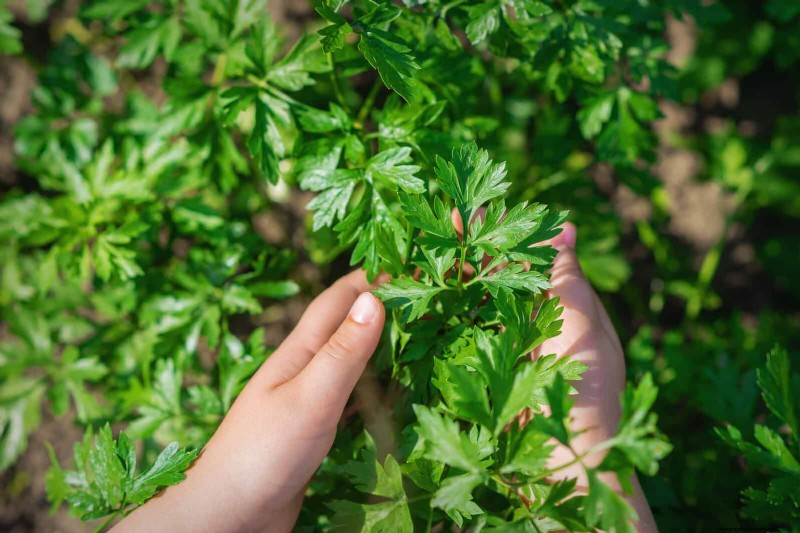
Cilantro seeds germinate in 7-10 days and quickly produce flavorful leaves. The plant grows rapidly, ready for first harvesting in just 3-4 weeks.
This herb provides a two-in-one gardening experience. Kids can harvest the leaves as cilantro or let the plant flower and produce coriander seeds, teaching them about a plant’s full life cycle.
 Depositphotos.com
Pumpkin seeds sprout in 7-10 days and grow at an impressive rate. While full-sized pumpkins need a long growing season, mini varieties can produce small fruits in 90 days.
Even if pumpkins don’t fully mature before school starts, children will be amazed at how quickly the vines spread and the tiny fruits begin forming. They can continue watching their progress throughout fall.
 Depositphotos.com
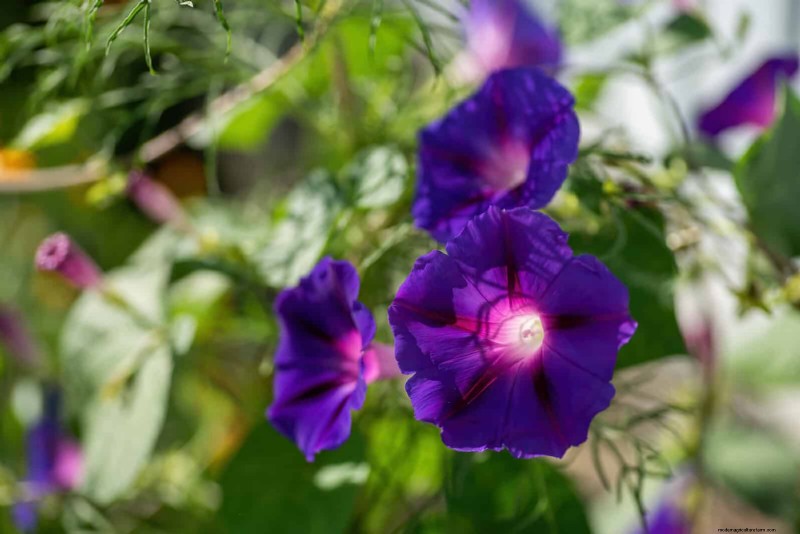
Morning glory seeds germinate in 5-10 days after soaking overnight. These vigorous climbers grow several inches daily, with some varieties flowering in just 6-8 weeks.
Kids will be delighted by the trumpet-shaped flowers that open in the morning and close by afternoon. Plant near a window so children can observe the daily flower show before heading to school.
 Depositphotos.com
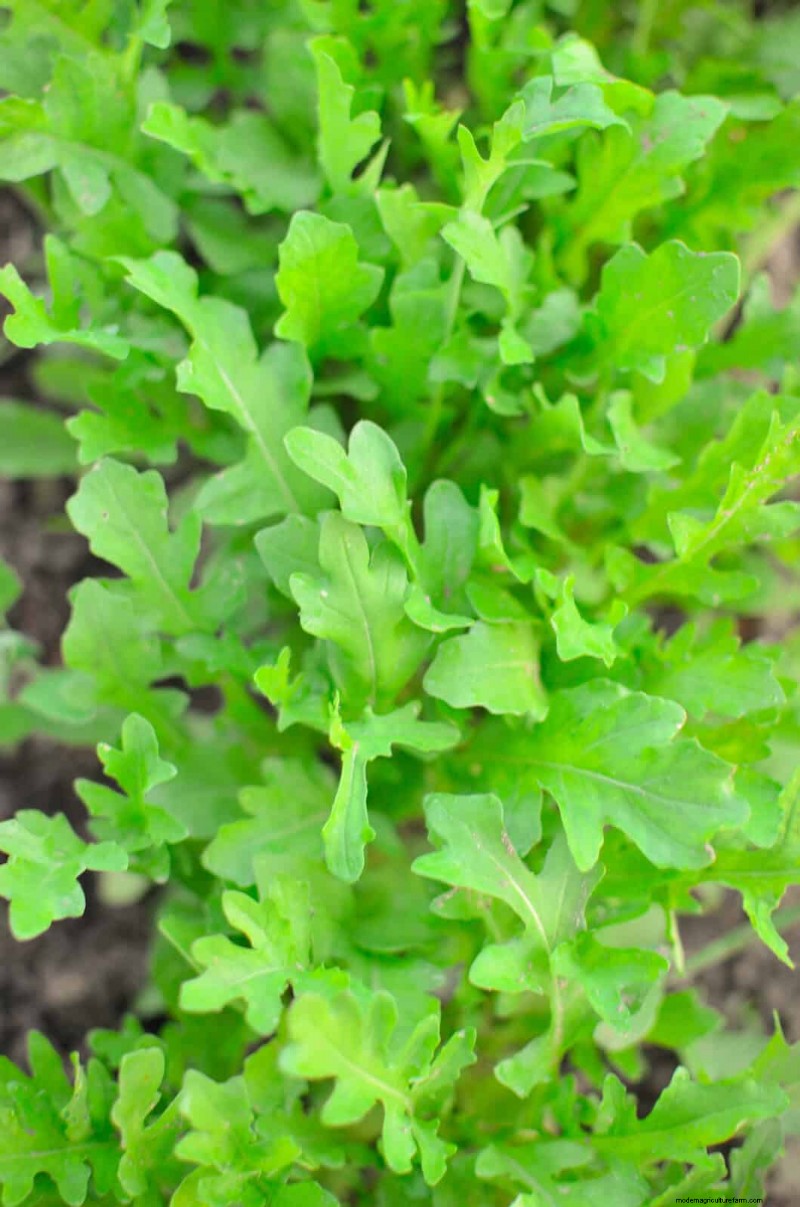
Arugula seeds sprout in just 3-5 days and mature rapidly afterward. Baby leaves can be harvested in as little as 21 days, providing quick results for young gardeners.
This peppery green grows well in containers or garden beds. Children may enjoy the distinctive taste, which becomes more pronounced as the leaves mature.
 Depositphotos.com
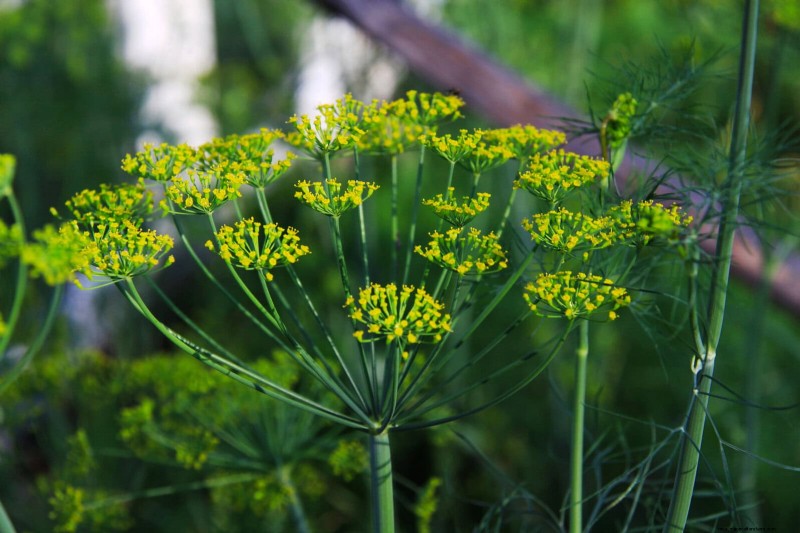
Dill seeds germinate in 7-14 days and quickly form feathery foliage. The aromatic leaves can be harvested in just 3-4 weeks after planting.
This herb attracts beneficial insects like swallowtail butterfly caterpillars. Kids can observe the entire butterfly life cycle while growing their dill plants.
 Depositphotos.com
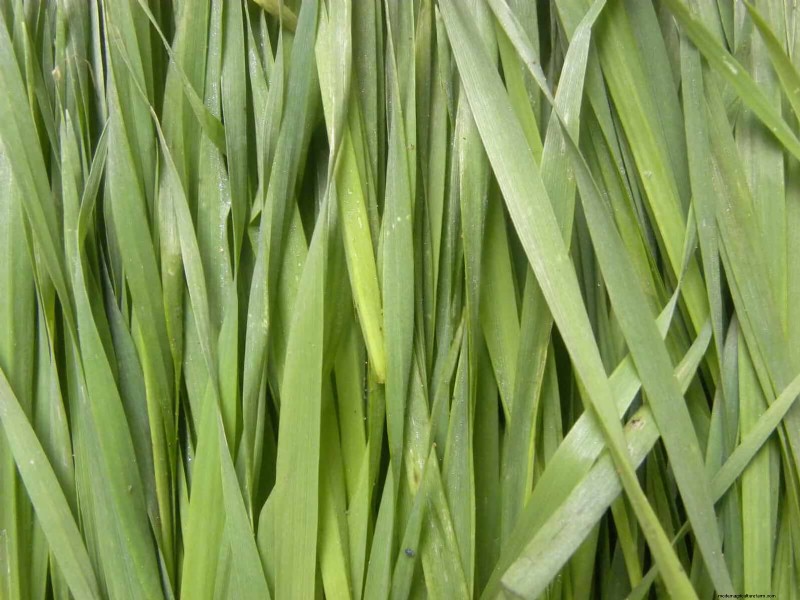
Wheat grass seeds sprout in 2-3 days and grow an inch or more daily under ideal conditions. The bright green shoots reach harvesting height in just 7-10 days.
Children can juice the grass or use it for science experiments. Growing wheat grass in clear containers allows kids to observe both the root system and the rapidly elongating shoots.
 Depositphotos.com
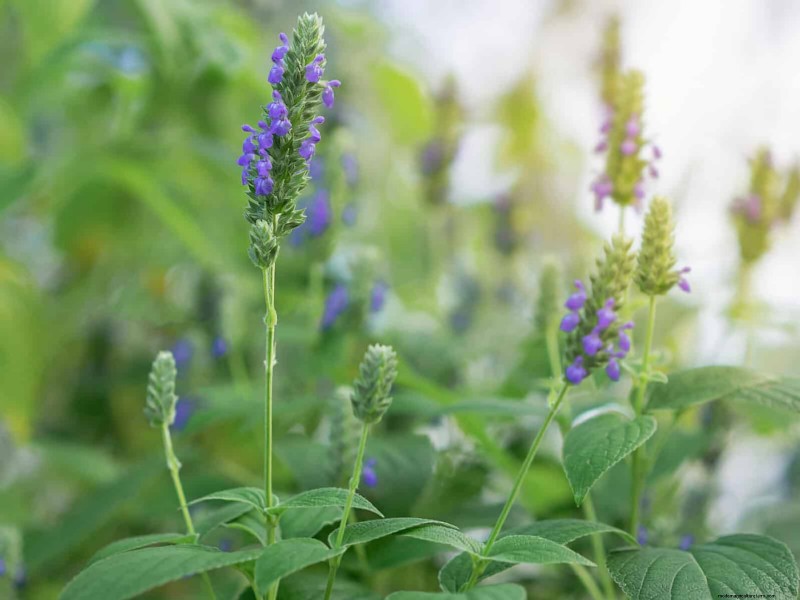
Chia seeds germinate in 3-5 days when kept consistently moist. The tiny seeds quickly produce green sprouts that children find fascinating to watch.
Beyond the familiar “chia pets,” these seeds can be grown in small containers for edible sprouts. Kids will connect the sprouts to the chia seeds they might see in smoothies or breakfast bowls.
 Depositphotos.com
All these quick-sprouting seeds offer children the joy of nearly immediate results, building confidence in their gardening abilities. By choosing varieties that germinate and grow rapidly, parents and teachers can ensure kids experience success before the school year begins.
Gardening teaches valuable life skills like responsibility, patience, and environmental stewardship. These fast-growing plants provide the perfect introduction, potentially sparking a lifelong interest in growing things. The seeds may be small, but the lessons they teach will last far beyond summer vacation.