
Welcome to Modern Agriculture!

 Depositphotos
Late summer offers a prime opportunity to enhance your garden without spending a dime. Many perennials can be divided now, yielding free plants that fill empty spots or can be shared with friends.
The cooler temperatures and occasional rainfall create ideal conditions for newly divided plants to establish before winter. Plant division is a gardener’s best-kept secret for expanding a garden on a budget.
Division involves excavating established perennials, separating their root systems, and replanting the sections. Each division grows into a full‑sized plant identical to the parent. Below are 25 perennials still suitable for division as summer winds down.
 Depositphotos
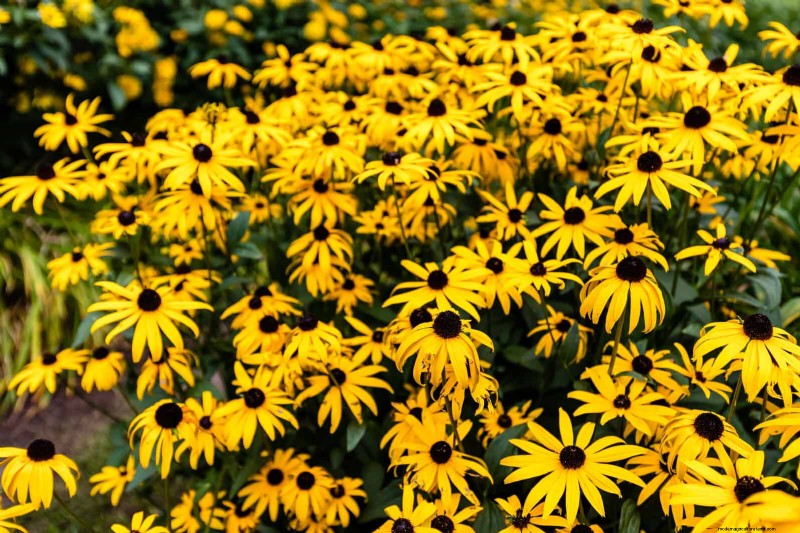
These bright yellow flowers with dark centers thrive in late‑summer division. They grow rapidly and can become crowded after a few years. Dividing every three to four years keeps them vigorous and blooming abundantly.
To divide, dig up the clump, cut the root ball into sections with a sharp spade, and replant immediately. Water thoroughly and keep the soil moist until new growth appears. These sun‑loving plants will reward you with bright blooms next summer.
Save this article & instantly unlock today’s gardening deals!
 Depositphotos
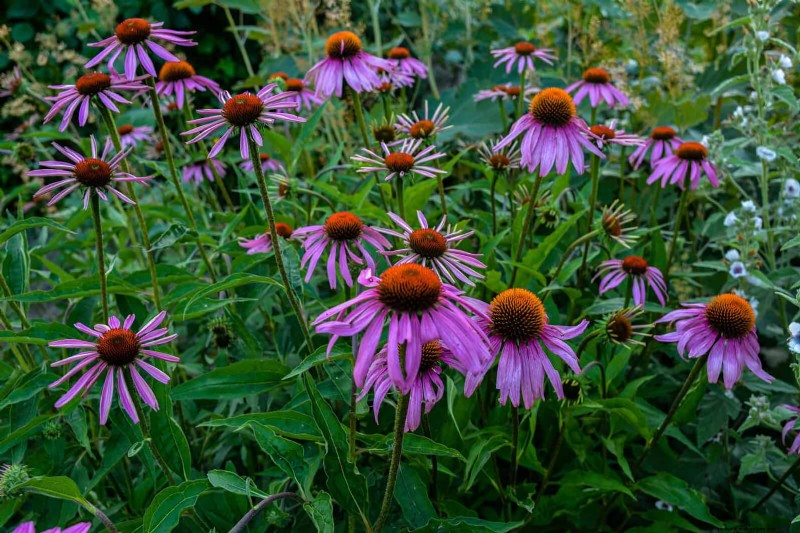
Coneflowers are drought‑tolerant perennials that attract butterflies and provide winter interest with their distinctive seed heads. They benefit from division every four years, especially when the center of the clump starts to die out or flowering decreases.
Divide by digging around the plant’s drip line, lifting the entire clump, and splitting the root ball into smaller sections, ensuring each division has several growth points and healthy roots. Replant at the same depth and water well.
 Depositphotos
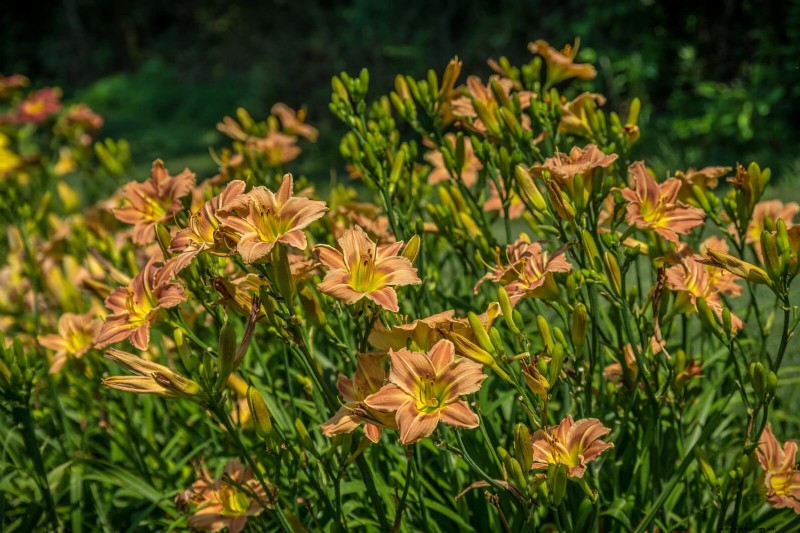
Daylilies are among the easiest perennials to divide. These hardy plants form dense clumps that benefit from division every three to five years. Signs they need dividing include decreased flowering and a crowded appearance.
Dig around the clump and lift it from the ground. Wash away some soil to see the fan‑like divisions. Pull or cut apart the fans, ensuring each division has roots attached. Trim the foliage to about 6 inches before replanting to reduce transplant shock.
 Depositphotos
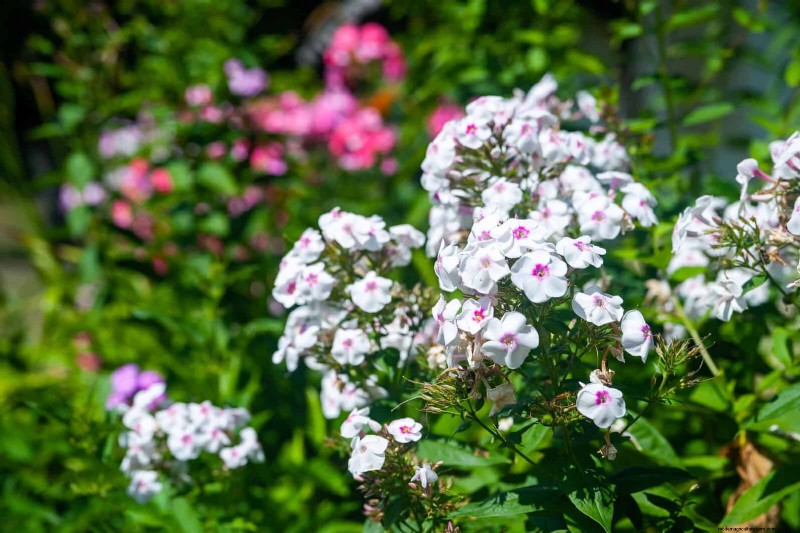
Garden phlox produces fragrant summer clusters in pink, purple, white, or red. These tall perennials should be divided every few years to maintain vigor and prevent powdery mildew, which can arise in crowded conditions.
Dig up the entire clump and separate the outer portions, which are the healthiest. Discard the older center section if it appears woody or unproductive. Plant divisions in well‑drained soil and water regularly until established.
 Depositphotos
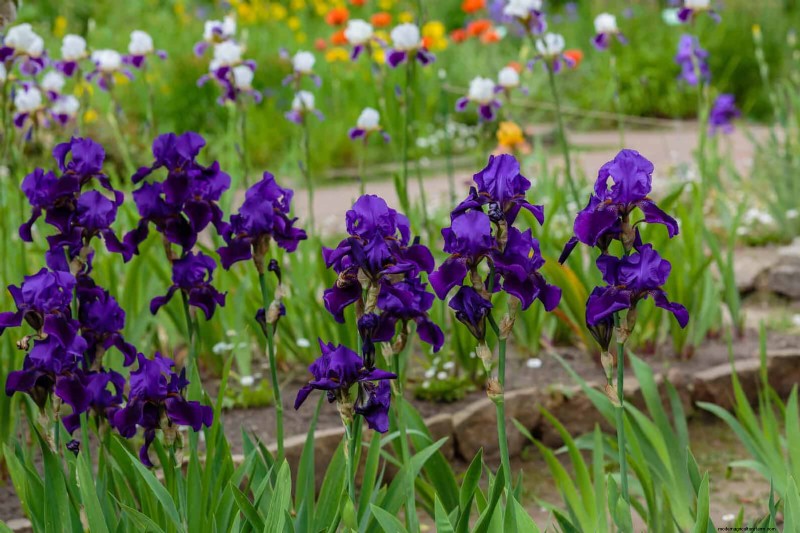
Late summer is ideal for dividing bearded irises. These striking flowers grow from rhizomes that become crowded over time. Dividing every three to five years rejuvenates them and prevents decreased blooming.
Lift the rhizomes carefully and cut them apart, ensuring each division has a fan of leaves and a section of healthy rhizome. Trim the foliage to about 6 inches and allow the cuts to heal for a few hours before replanting. Position the rhizomes at the soil surface with roots spread downward.
 Depositphotos
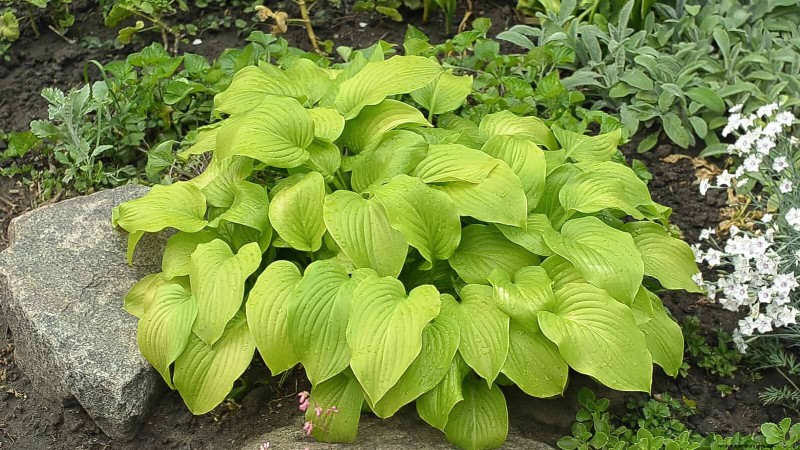
Hostas are shade‑loving foliage plants that come in countless varieties of size, color, and leaf texture. These reliable perennials form expanding clumps that can be divided every four to five years, creating multiple plants from one.
Dig around the entire clump and lift it from the ground. Use a sharp knife or spade to cut through the crown, ensuring each section has both roots and shoots. Replant divisions at the same depth as the original plant and water thoroughly. Newly divided hostas appreciate extra shade until established.
 Depositphotos
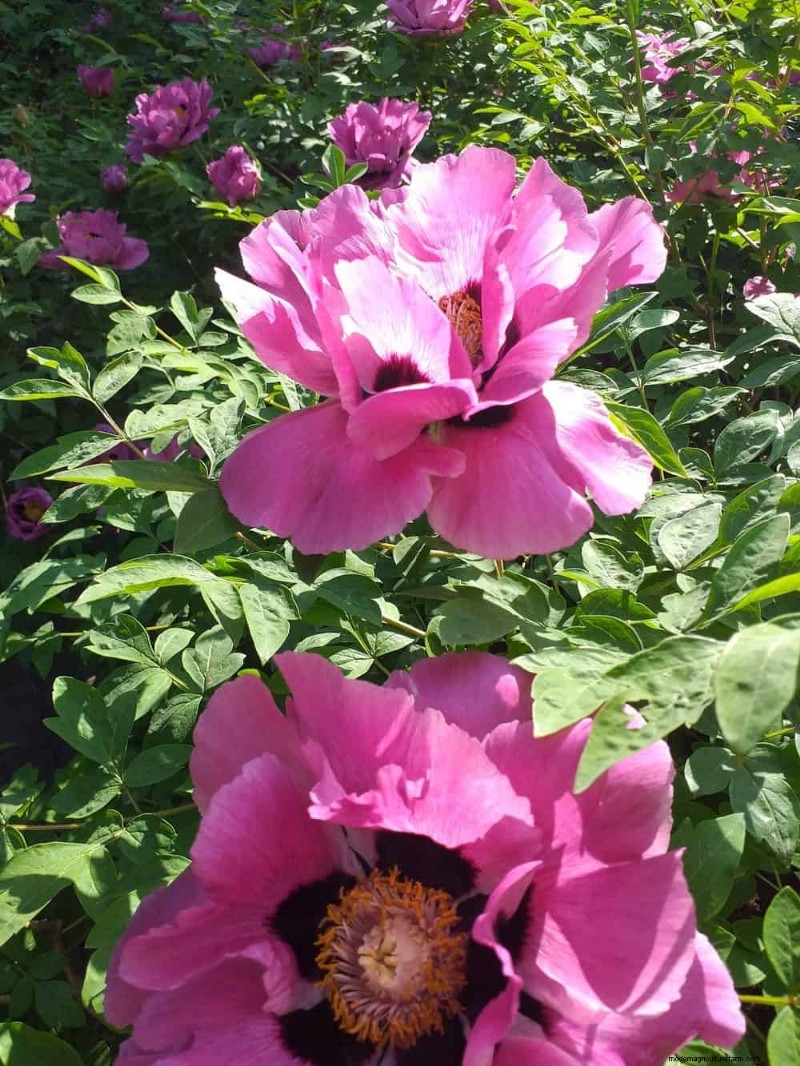
Peonies can live for decades without division, but if you want more plants, late summer is the time to divide them. These long‑lived perennials produce gorgeous blooms in spring and attractive foliage throughout summer.
Carefully dig around and under the plant to lift the entire root system. Wash away soil to reveal the pink “eyes” or growth buds. Cut the roots into sections with at least 3 to 5 eyes per division. Plant with eyes just 1 to 2 inches below the soil surface. Be patient; divided peonies may take 2 to 3 years to bloom again.
 Depositphotos
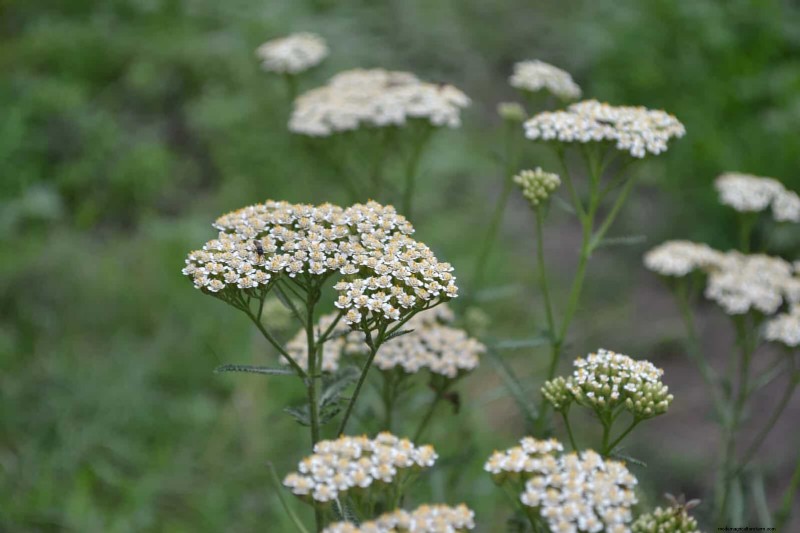
Yarrow produces flat‑topped clusters of tiny flowers in shades of yellow, pink, red, or white above ferny foliage. These drought‑tolerant perennials spread quickly and benefit from division every 2 to 3 years to maintain vigor and prevent them from taking over.
Dig up yarrow clumps and pull them apart by hand or cut them with a spade. Each division should have roots and several growth points. Replant immediately in well‑drained soil and full sun. Yarrow establishes quickly and often blooms the following year.
 Shijan Kaakkara, CC BY-SA 4.0, via Wikimedia Commons
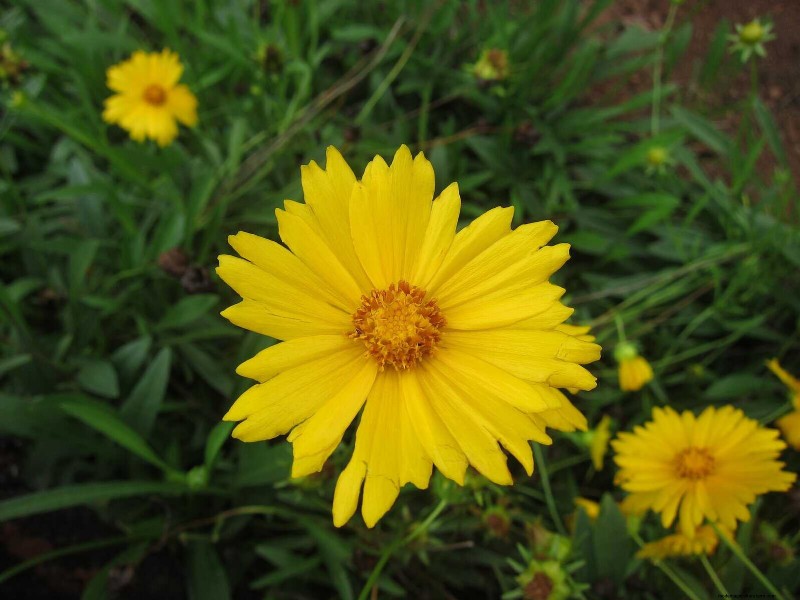
Coreopsis produces masses of daisy‑like yellow flowers throughout summer. These cheerful perennials form expanding clumps that benefit from division every 2 to 3 years to prevent center die‑out and maintain flowering vigor.
Dig up the entire plant and separate it into smaller sections, ensuring each has roots and foliage. Discard the older, woody center if it appears unproductive. Replant divisions in full sun and well‑drained soil, watering thoroughly until established.
 Depositphotos
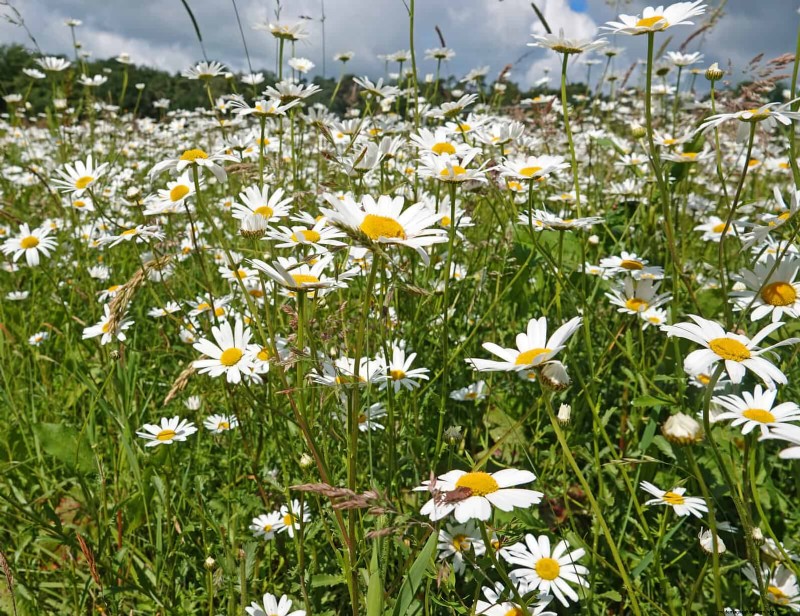
Shasta daisies create classic white flowers with yellow centers that bloom from early summer into fall. These perennials should be divided every 2 to 3 years to prevent crowding and maintain strong flowering performance.
Lift the entire clump and pull or cut it into smaller sections. Each division should have several leaves and a good portion of the root system. Replant at the same depth as the original plant and water well. Divisions establish quickly and often bloom the following season.
 Depositphotos
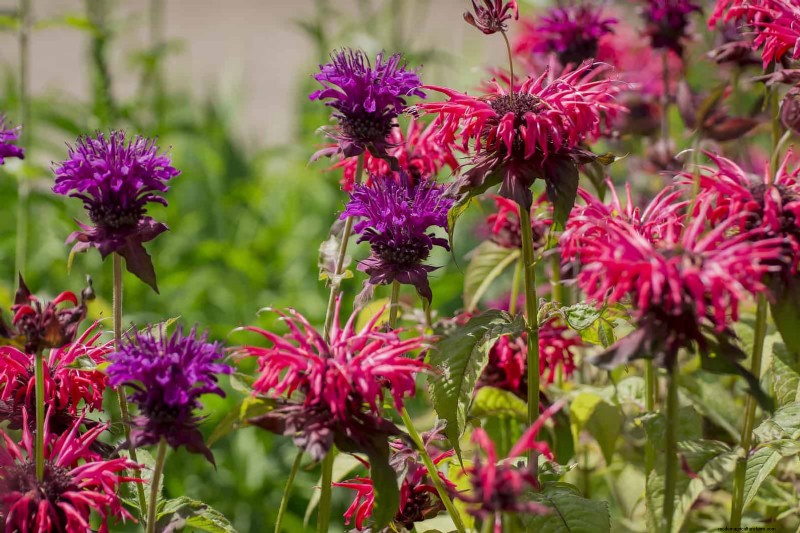
Bee balm produces showy, spiky red, pink, or purple flowers that attract hummingbirds and butterflies. These members of the mint family spread by underground stems and benefit from division every 2 to 3 years to prevent overcrowding and improve air circulation.
Dig up the entire clump and separate the outer, younger portions from the older center. Replant the vigorous outer sections in moist, well‑drained soil. Discard the center if it appears woody or unhealthy. Bee balm establishes quickly and will return to full bloom the following summer.
 Depositphotos
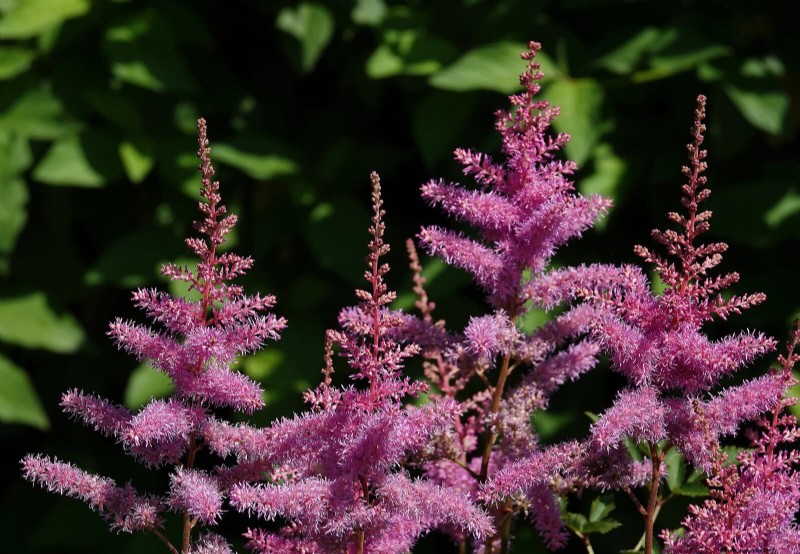
Astilbes create feathery plumes of flowers in shades of pink, red, lavender, and white. These shade‑tolerant perennials form expanding clumps that can be divided every 3 to 4 years to maintain vigor and create new plants.
Lift the entire clump and separate it into smaller sections using a sharp knife or garden fork. Each division should have several growth points and a portion of the root system. Replant in rich, moist soil and water thoroughly. Protect new divisions from the hot sun until they are established.
 Depositphotos
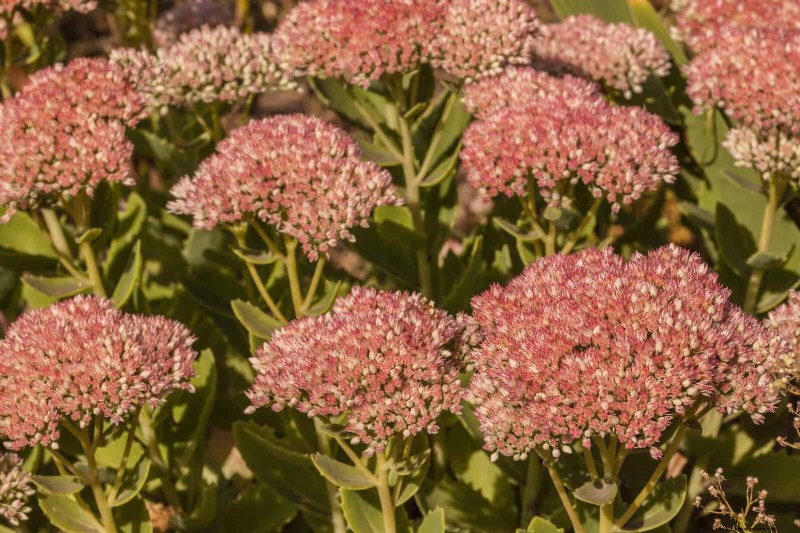
Tall sedums produce large, flat flower clusters that change from pale pink to rusty red through the season. These drought‑tolerant succulents benefit from division every 3 to 4 years, especially if the centers begin to die out or the plants flop over.
Dig up the entire clump and pull apart sections by hand or cut with a knife. Each division should have roots and several growth points. Replant in well‑drained soil and full sun. Water sparingly until established, as sedums are susceptible to rot if overwatered.
 Depositphotos
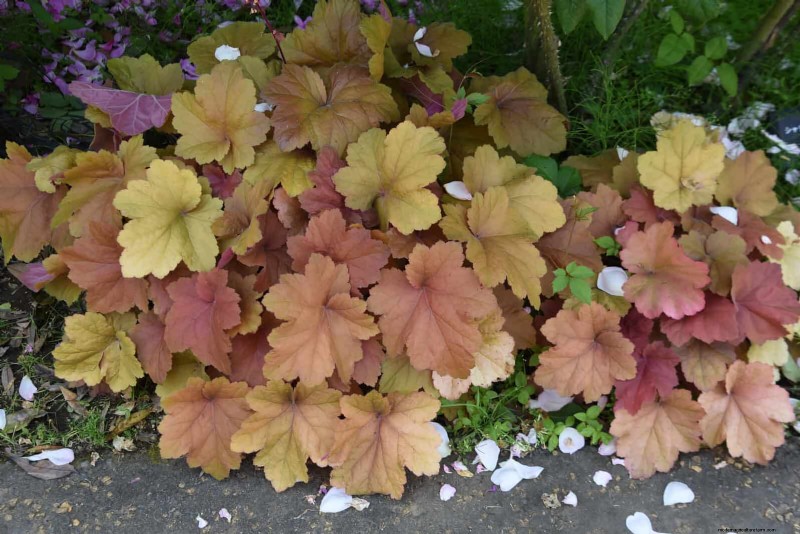
Coral bells are grown for their colorful foliage and delicate flower spikes. These woodland perennials gradually form expanding clumps that can be divided every 3 to 4 years, especially if the centers start to die out.
Carefully dig around and under the plant to lift the entire root ball. Divide the clump into smaller sections, ensuring each has roots and several leaves. Replant at the same depth as the original, with the crown just at soil level. Water thoroughly and provide shade until new growth appears.
 Muséum de Toulouse, CC BY-SA 4.0, via Wikimedia Commons
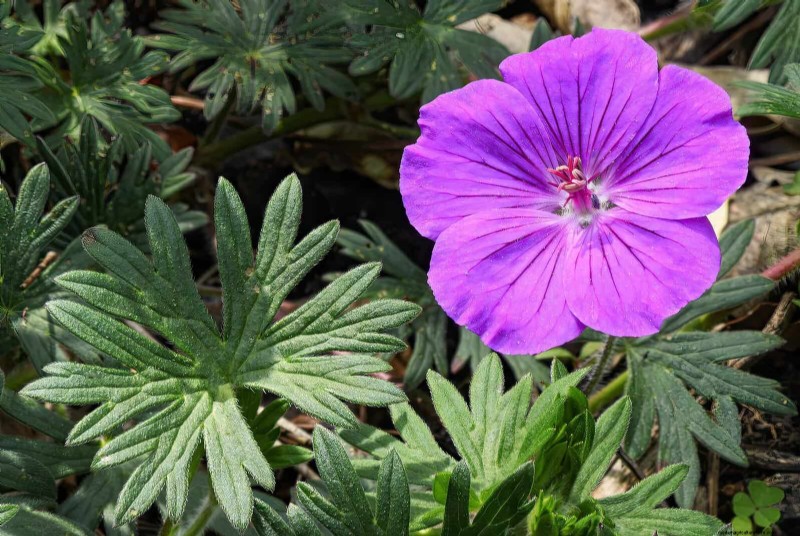
Hardy geraniums create mounds of deeply cut foliage topped with saucer‑shaped flowers in shades of pink, purple, or blue. These long‑lived perennials can be divided every 3 to 4 years to rejuvenate older plants and create new ones.
Dig up the entire plant and cut through the crown with a sharp spade or knife. Ensure each division has roots and foliage. Replant immediately at the same depth as the original plant and water thoroughly. Hardy geraniums recover quickly from division and often bloom the following year.
 Salicyna, CC BY-SA 4.0, via Wikimedia Commons
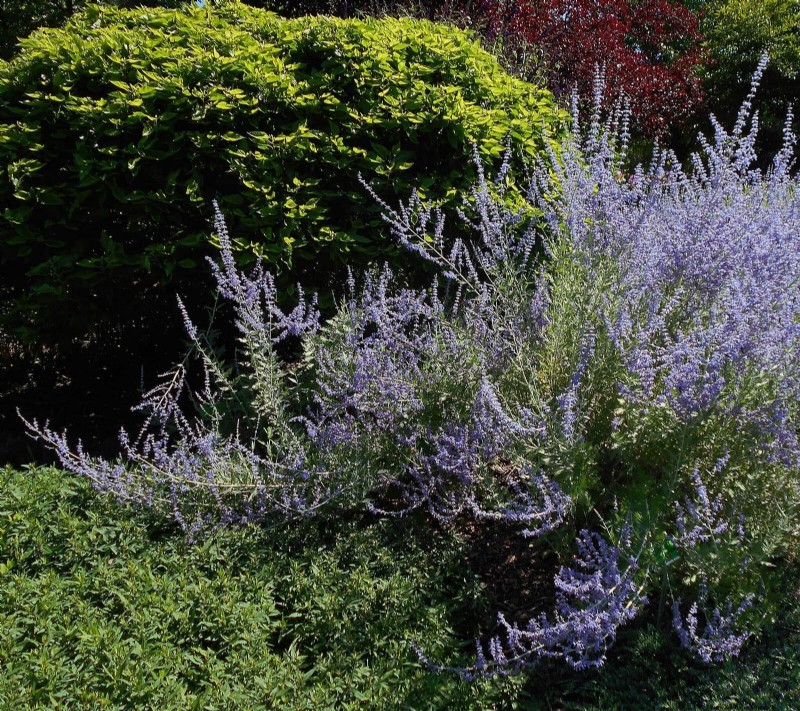
Russian sage produces clouds of lavender‑blue flowers on silvery stems from midsummer into fall. These drought‑tolerant perennials can be divided every 3 to 4 years in late summer to maintain vigor and create additional plants.
Dig around the plant and lift the entire root system. Cut through the crown with a sharp spade, ensuring each division has roots and several stems. Replant immediately in well‑drained soil and full sun. Water thoroughly until established, but avoid overwatering.
 Depositphotos
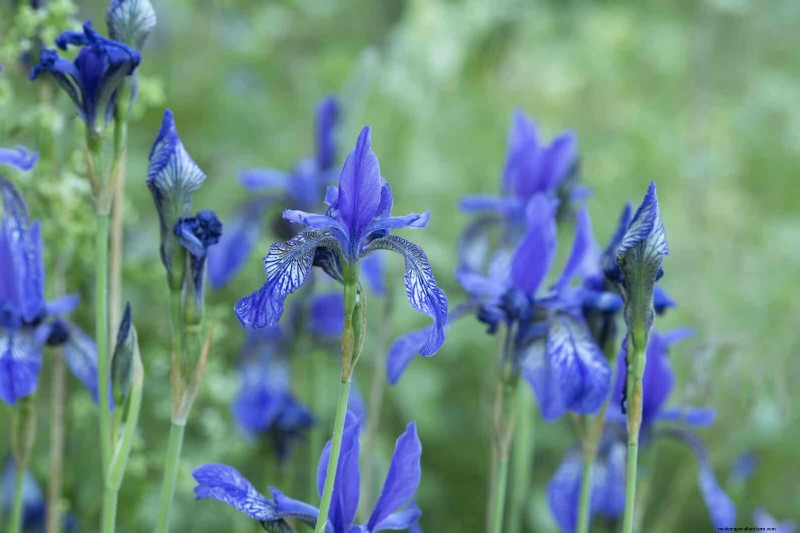
Siberian irises produce elegant, slender flowers in shades of blue, purple, yellow, or white. These resilient perennials form dense clumps that benefit from division every 3 to 4 years to maintain flowering vigor.
Dig up the clump and cut it into smaller sections with a sharp spade. Each division should have several fans of leaves and a good portion of the fibrous root system. Replant with the rhizome just below the soil surface and water thoroughly. New divisions may take a year to bloom prolifically.
 Depositphotos
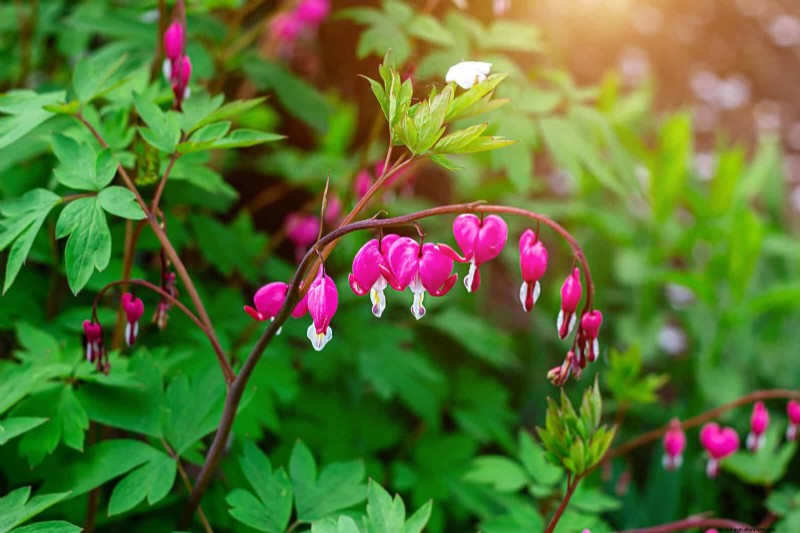
Bleeding hearts produce arching stems of heart‑shaped flowers in spring. These woodland perennials go dormant in summer heat, making late summer an ideal time to divide them when the foliage has died back.
Carefully dig up the dormant plant and separate the fleshy roots into sections, ensuring each division has several growing points. Replant immediately at the same depth as the original plant and water thoroughly. Mulch well to protect new divisions through winter.
 Depositphotos
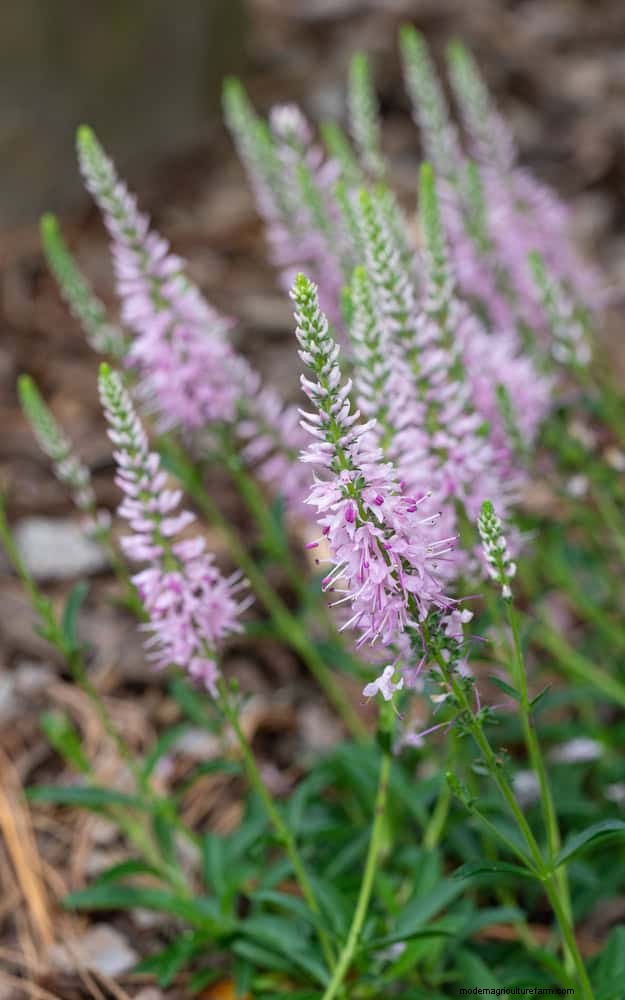
Speedwell creates spikes of tiny flowers in shades of blue, purple, pink, or white. These reliable perennials form expanding clumps that can be divided every 3 to 4 years to maintain vigor and create new plants.
Dig up the clump and separate it into smaller sections by hand or with a garden fork. Each division should have roots and several shoots. Replant at the original depth in well‑drained soil and full sun. Water thoroughly until established.
 Depositphotos
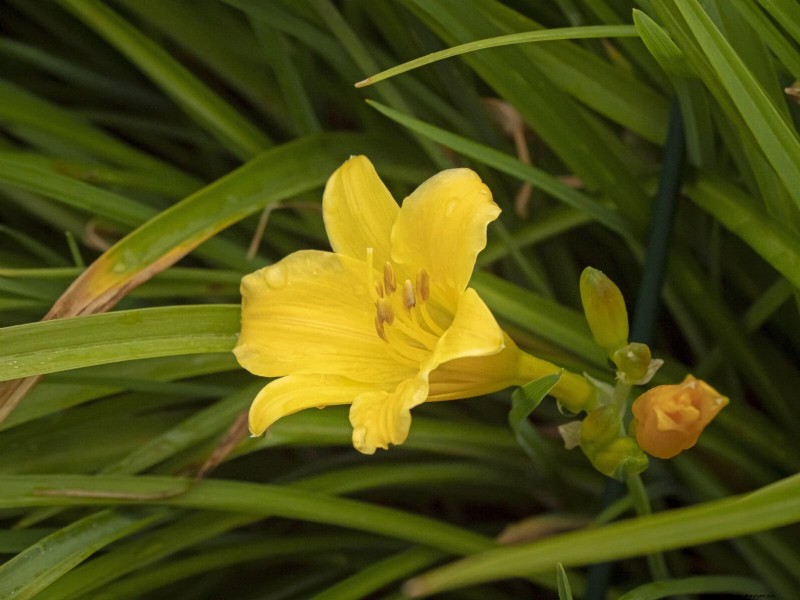
This popular reblooming daylily produces golden‑yellow flowers throughout summer. Like other daylilies, ‘Stella de Oro’ benefits from division every 3‑5 years to maintain its prolific blooming habit.
Dig up the entire clump and separate the fans, ensuring each division has roots attached. Trim the foliage to about 6 inches before replanting. Set divisions at the same depth as the original plant and water thoroughly. These vigorous plants recover quickly from division.
 Depositphotos
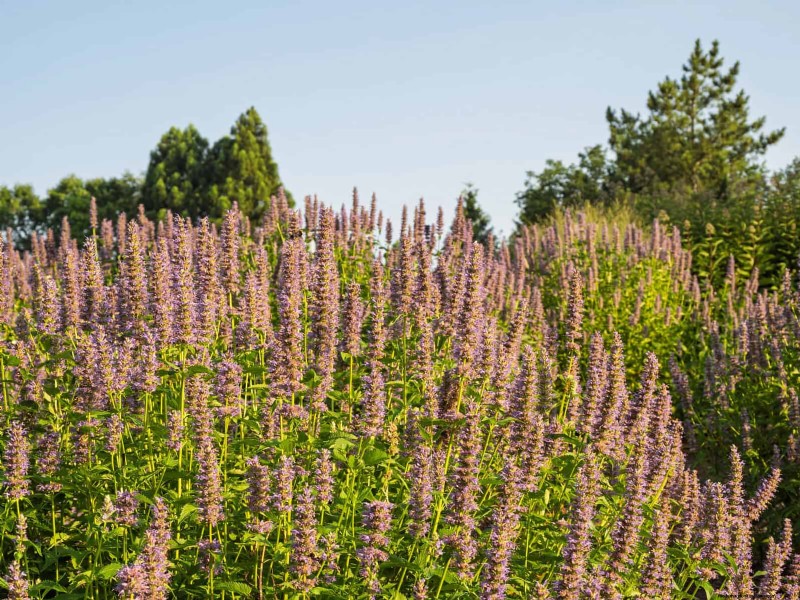
Anise hyssop produces spikes of lavender‑blue flowers that attract pollinators all summer. These aromatic perennials form expanding clumps that can be divided every 3 to 4 years to maintain vigor and create new plants.
Dig around the clump and lift the entire plant. Separate it into smaller sections, ensuring each has roots and several stems. Replant divisions in well‑drained soil and full sun. Water thoroughly but avoid overwatering, as these plants prefer slightly dry conditions once established.
 Depositphotos
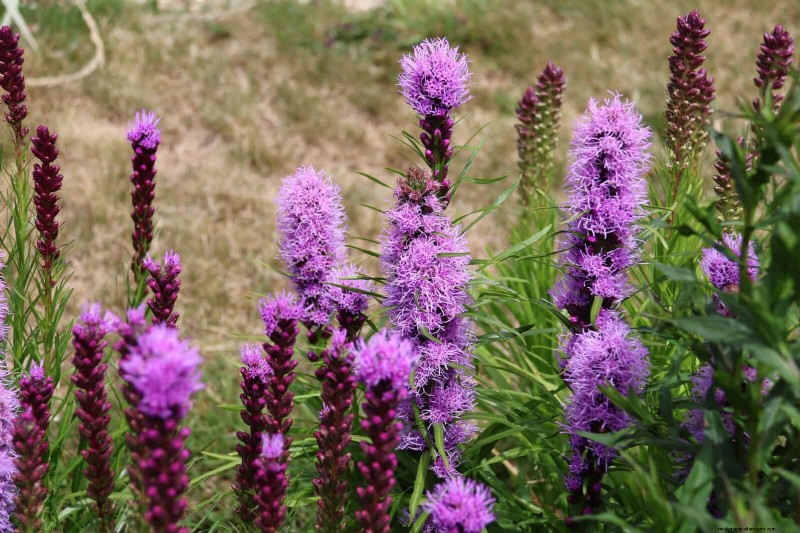
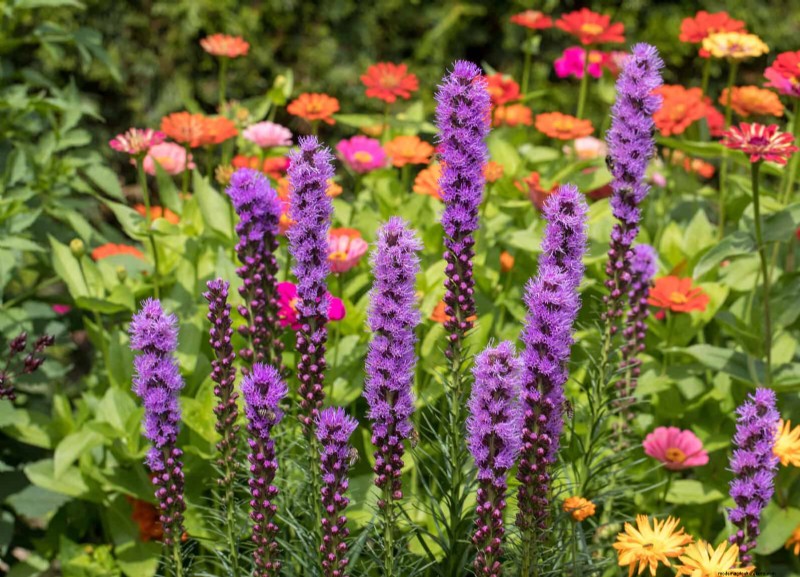
Liatris creates tall spikes of feathery purple flowers that bloom from top to bottom. These drought‑tolerant perennials grow from corms that multiply over time and can be divided every 3 to 4 years.
Dig up the corms after the foliage dies back and separate the largest ones for replanting. Plant them 2 to 3 inches deep in well‑drained soil and full sun. Water thoroughly after planting, but allow the soil to dry between waterings. Newly divided liatris usually bloom the following summer.
 Depositphotos
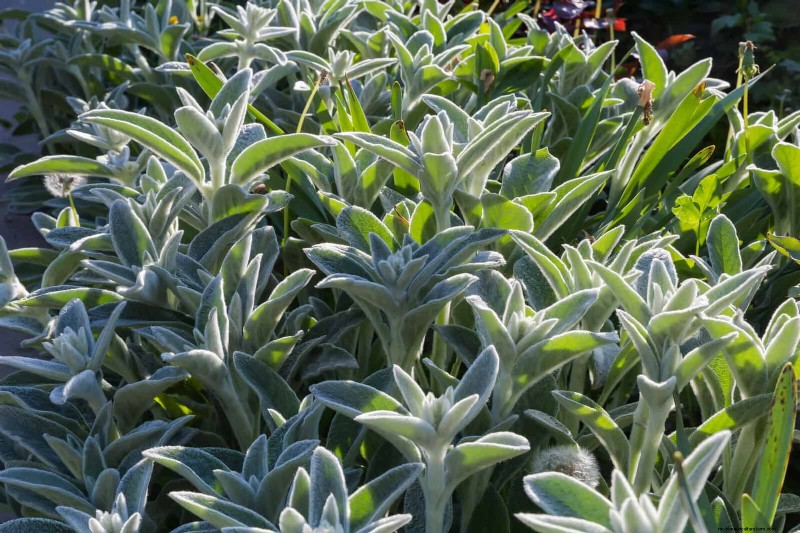
Lamb’s ear is grown for its soft, silvery foliage that forms a velvety groundcover. These drought‑tolerant perennials spread readily and benefit from division every 2 to 3 years to prevent overcrowding and maintain vigor.
Dig up sections of the plant and separate them into smaller clumps, ensuring each has roots and several rosettes of leaves. Replant in well‑drained soil and full sun. Water sparingly until established, as lamb’s ear is susceptible to rot in wet conditions.
 Depositphotos
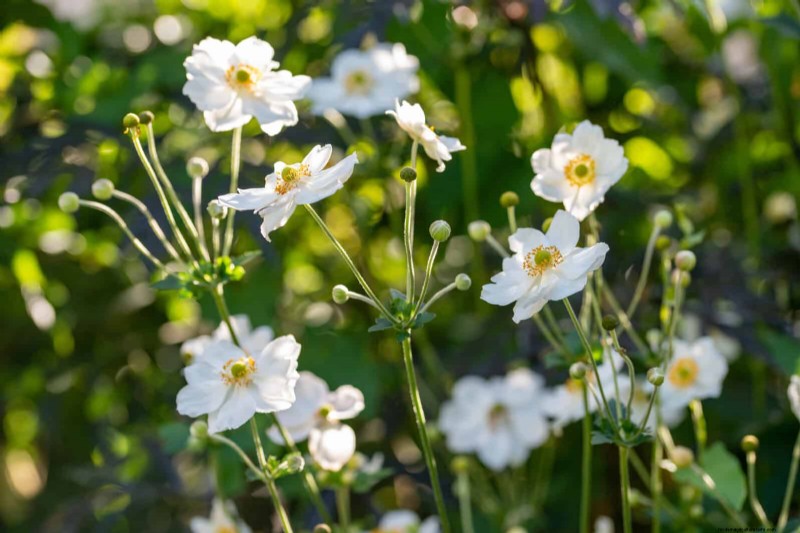
Japanese anemones produce elegant, poppy‑like flowers on tall stems in late summer and fall. These long‑lived perennials can be divided every 3 to 4 years, though they prefer to be left undisturbed when possible.
Carefully dig around the plant to lift the entire root system. Cut through the crown with a sharp knife, ensuring each division has roots and several leaves. Replant immediately at the same depth as the original plant and water thoroughly. Protect from the strong sun until established.
 Depositphotos
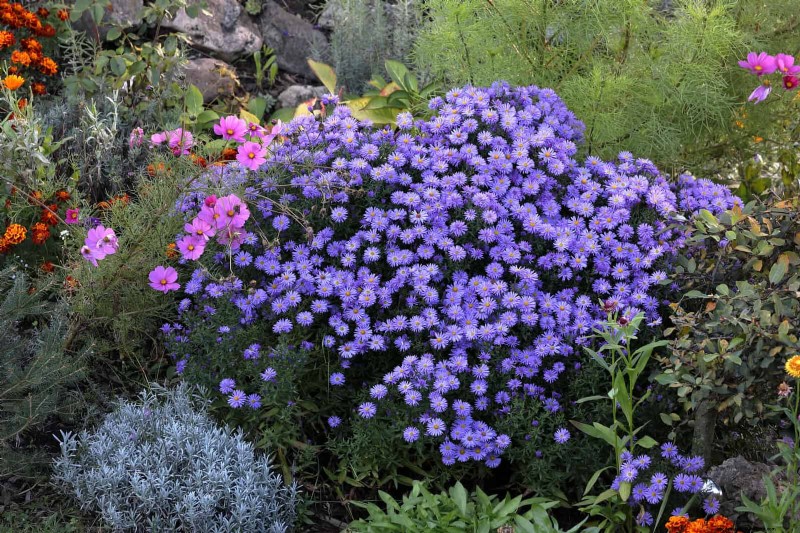
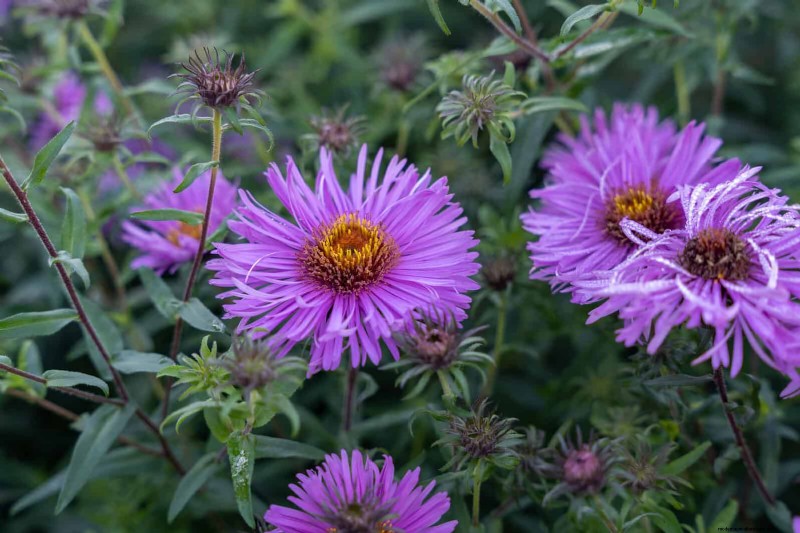
Fall‑blooming asters create masses of daisy‑like flowers in purple, pink, or white shades. These late‑season perennials benefit from division every 2 to 3 years to prevent center die‑out and maintain flowering vigor.
Dig up the clump and separate it into smaller sections, ensuring each has roots and several stems. Replant in well‑drained soil and full sun. Water thoroughly until established. Pinch back the stems in early summer to encourage bushier growth and more flowers.
 Depositphotos
Dividing perennials is one of the most rewarding garden tasks. It gives you free plants while improving the health of your existing ones. The best part is that most divided perennials will establish quickly when planted in late summer, with many blooming beautifully the following season.
Remember to water newly divided plants regularly until they’re established, and add a layer of mulch to help retain moisture and protect roots during winter. With proper care, your divided perennials will thrive, multiply, and continue the cycle of garden abundance for years to come.

Editorial oversight
GardenTabs content is reviewed by Steve Snedeker, a seasoned gardener with decades of hands‑on landscaping experience.