Welcome to Modern Agriculture!

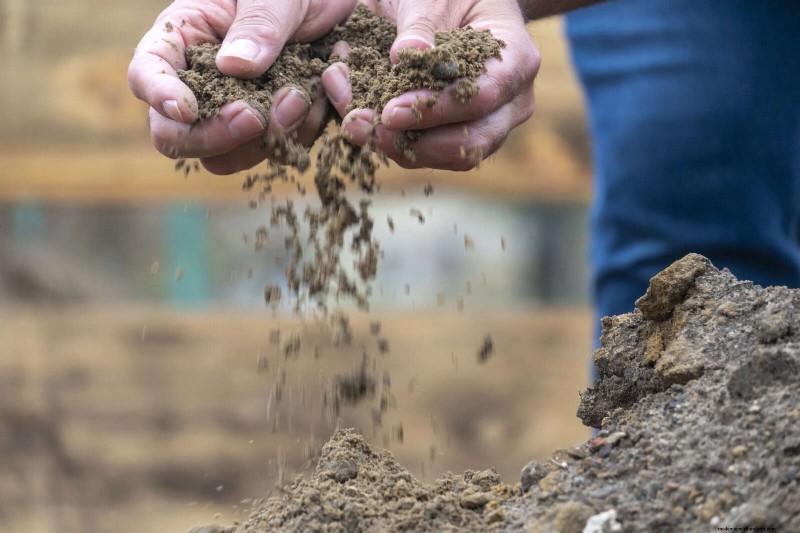
Clay soils can seem unforgiving—waterlogged in rain, cracking in heat, and suffocating roots. Yet they are nutrient‑rich and can become lush garden beds with the right care.
Improving clay soil is a process, not a one‑time fix. The goal is to enhance drainage, reduce compaction, and encourage healthy root growth by adding the right amendments and adopting best practices.
Clay particles are microscopic, plate‑shaped, and attract each other, creating a dense matrix that limits air and water movement. This poor “tilth” results in sticky, water‑logged conditions when wet and hard, cracked soil when dry.
Good tilth allows soil to crumble and root systems to penetrate easily. Clay soils consistently rank low on tilth scales, which is why only the most tolerant plants thrive without amendment.
Many gardeners add sand to clay, hoping to create space. However, unless sand makes up at least 50 % of the mix by volume, it ends up filling the gaps between clay particles rather than opening them. The result is a “concrete effect” that can worsen compaction and drainage.
Professional landscapers warn that the quantity of sand required for meaningful improvement is often impractical for home gardens—several inches of sand spread over acres is labor‑intensive and costly.
Compost, leaf mold, and well‑rotted manure are the gold standard for clay soils. They physically separate clay particles, feed soil microbiota, and regulate moisture.
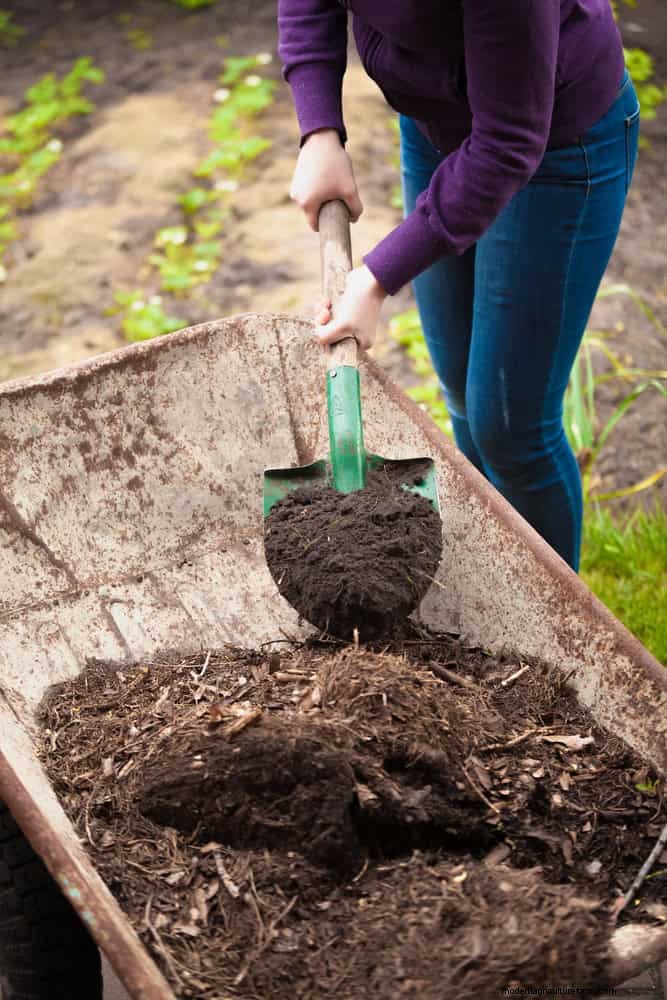
Compost is a balanced source of nutrients and beneficial microbes. For clay, incorporate 2–4 inches into the top 8–12 inches of soil. New beds can be amended all at once; established gardens benefit from annual top‑dressings of 1–2 inches.
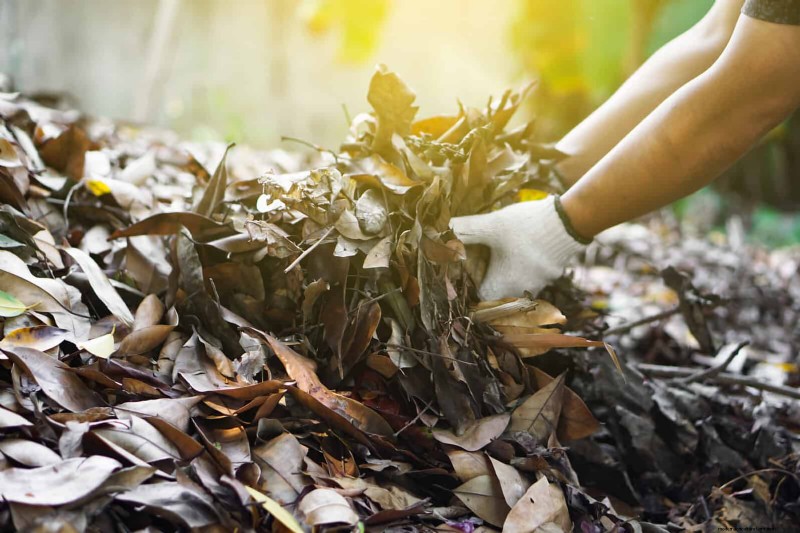
Leaf mold’s fibrous structure improves aeration and moisture retention. Collect fallen leaves in autumn, shred, and allow to decompose for 1–2 years to produce dark, crumbly material.
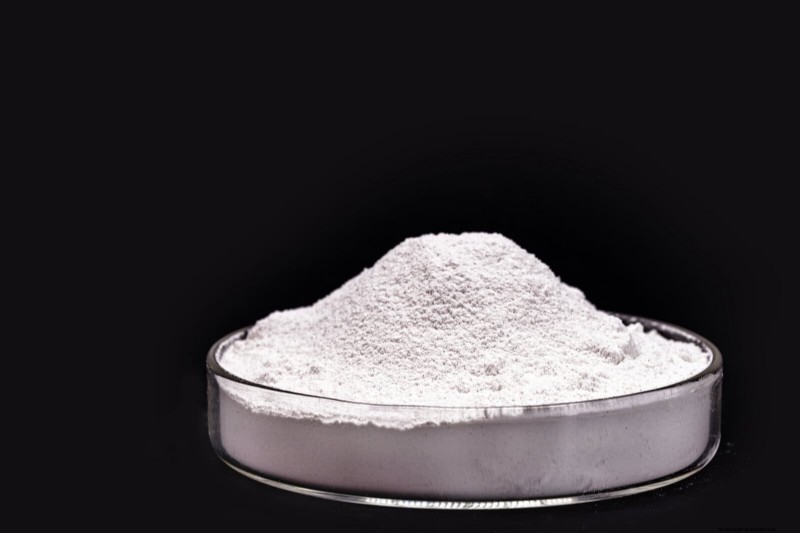
Gypsum improves drainage without altering pH, ideal for alkaline clays. Apply ~40 lb/1,000 sq ft into the top few inches, working best alongside organic matter. Expect improvement over several months.
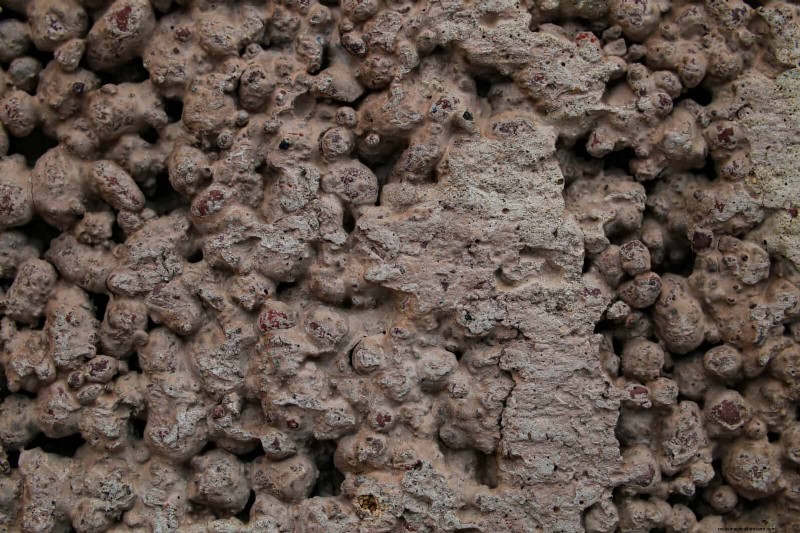
Heated to a porous, lightweight form, expanded shale creates permanent air pockets. Incorporate 2–3 inches into the top 6–8 inches before planting for immediate, long‑lasting aeration.
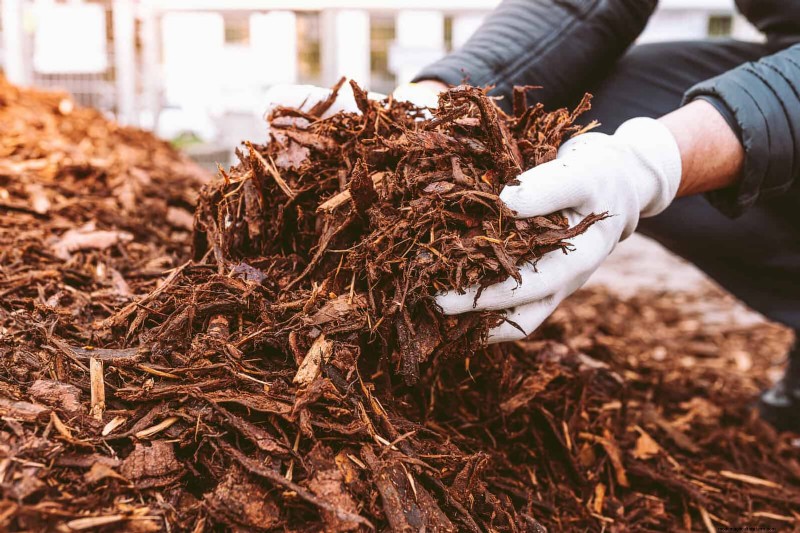
Age‑composted pine bark balances alkaline soils and maintains structure for 3–5 years. Add 2–3 inches to the top 6–8 inches; use aged bark to avoid nitrogen depletion.
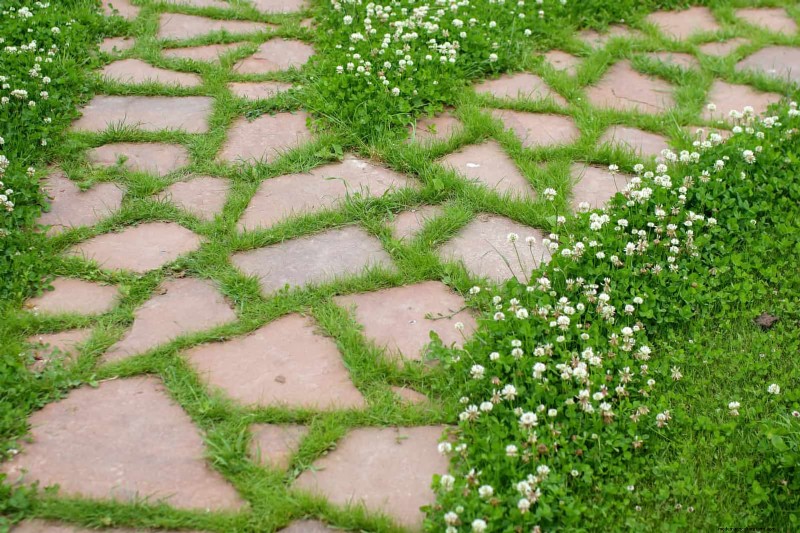
Cover crops like clover, buckwheat, and rye develop deep roots that create channels and add organic matter when turned back into the soil. Green manure techniques lift nutrients from deeper layers into the topsoil.
Raised beds circumvent stubborn clay by building a propitious soil mix above the subsoil. Ensure proper drainage with a gravel layer at the bottom and use high‑quality loam for the fill.
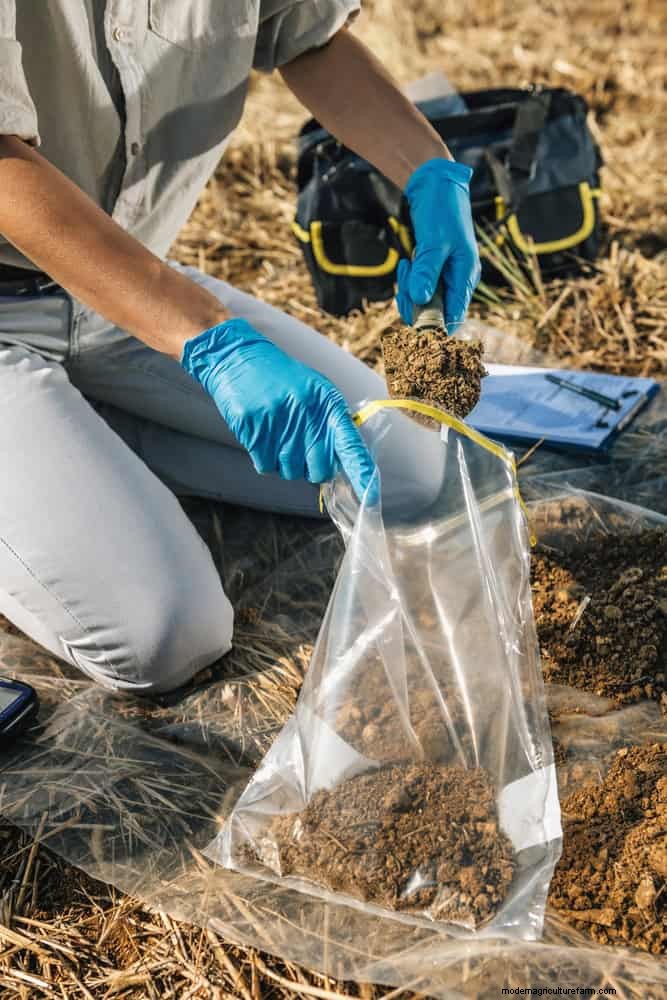
A soil test from your county extension identifies pH, nutrient status, and texture. This data directs specific amendments and prevents unnecessary inputs. Test every 3–5 years for optimal guidance.
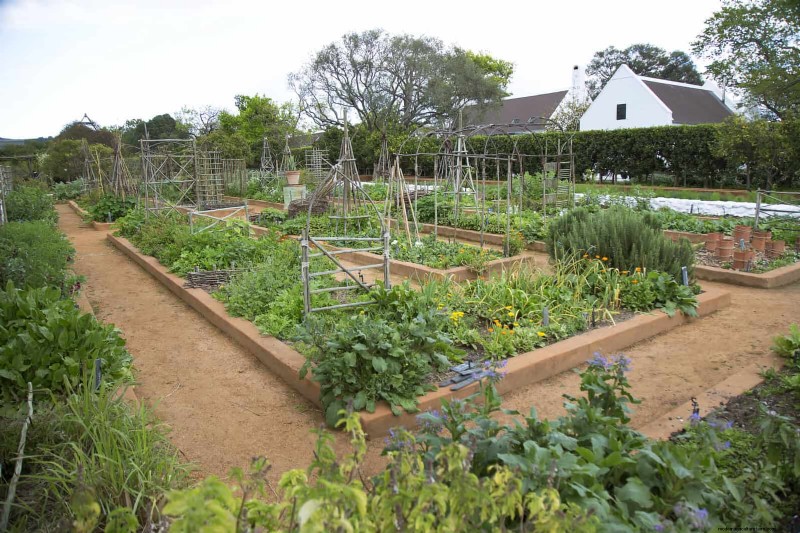
Improving clay is a multi‑season commitment. Regular organic additions, careful traffic management, and minimal tilling build soil structure over time. Patience and consistency outweigh dramatic single‑step fixes.
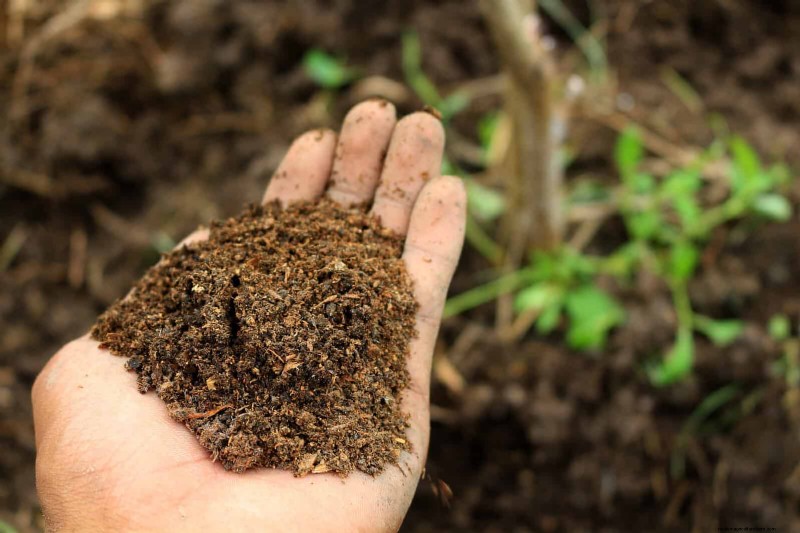
There is no one‑size‑fits‑all amendment. Tailor your approach to the specific soil profile and local conditions. For most home gardeners, generous compost additions provide the safest, most comprehensive benefits.

Editorial oversight GardenTabs content is reviewed by Steve Snedeker, a seasoned gardener with decades of hands‑on landscaping experience.