
Welcome to Modern Agriculture!

 Depositphotos
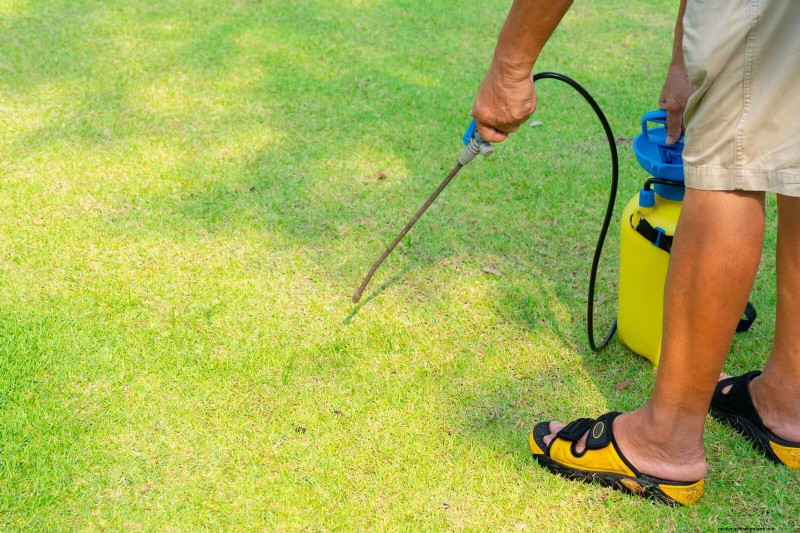
Weeds that straddle a property line can quickly become a persistent source of frustration. A thoughtful, informed approach not only preserves the aesthetics of your yard but also safeguards neighborly relations and complies with local regulations.
Deciding whether you can safely apply herbicide along a shared boundary involves more than just gardening know‑how. It touches on property rights, environmental stewardship, and community etiquette.
Before you pull out a sprayer, understand where your legal authority ends and your neighbor’s begins.
 Depositphotos
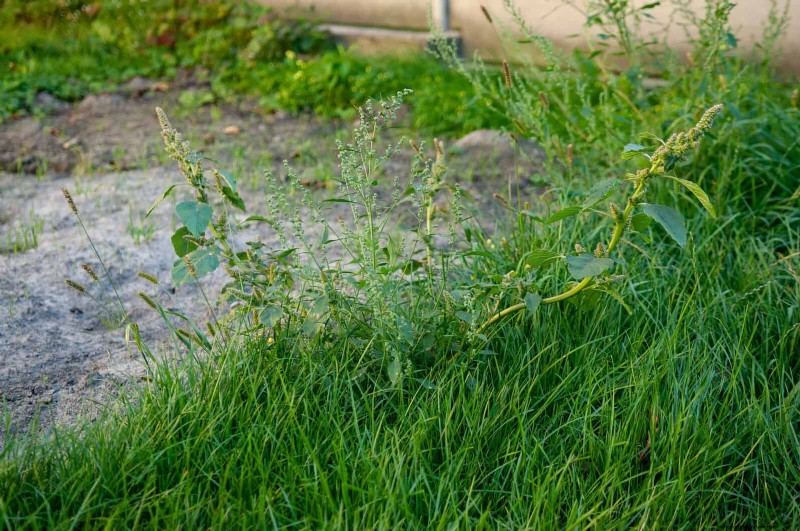
Weed control on a property line is a shared responsibility that often falls into a gray area. Many homeowners assume they can treat any weed visible from their side, but roots and stems routinely cross invisible boundaries both above and below ground.
 Depositphotos
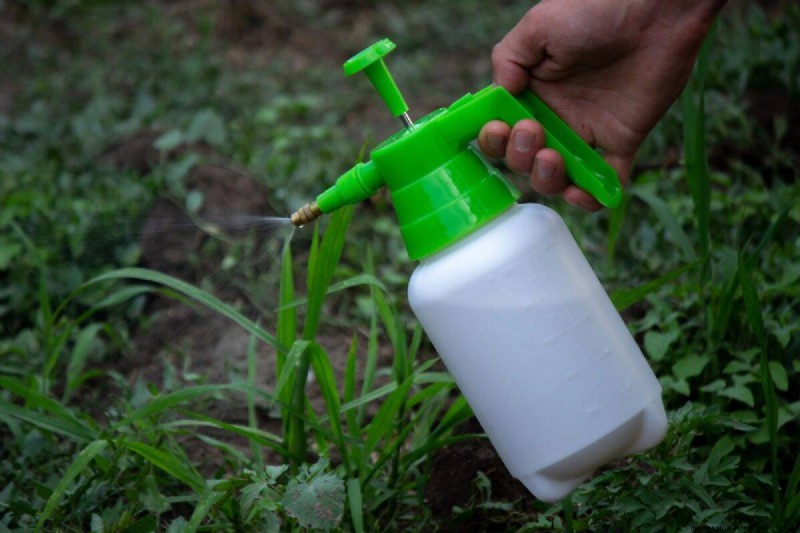
Applying herbicide over a property line without explicit permission can trigger legal repercussions. In most jurisdictions, this is considered trespassing or property damage. A stray spray that harms a neighbor’s prized plant could lead to a liability claim.
Check your local ordinances before using chemicals near a boundary. Most areas prohibit treating someone else’s land without consent. When in doubt, consult your county extension office or a qualified attorney.
 Depositphotos
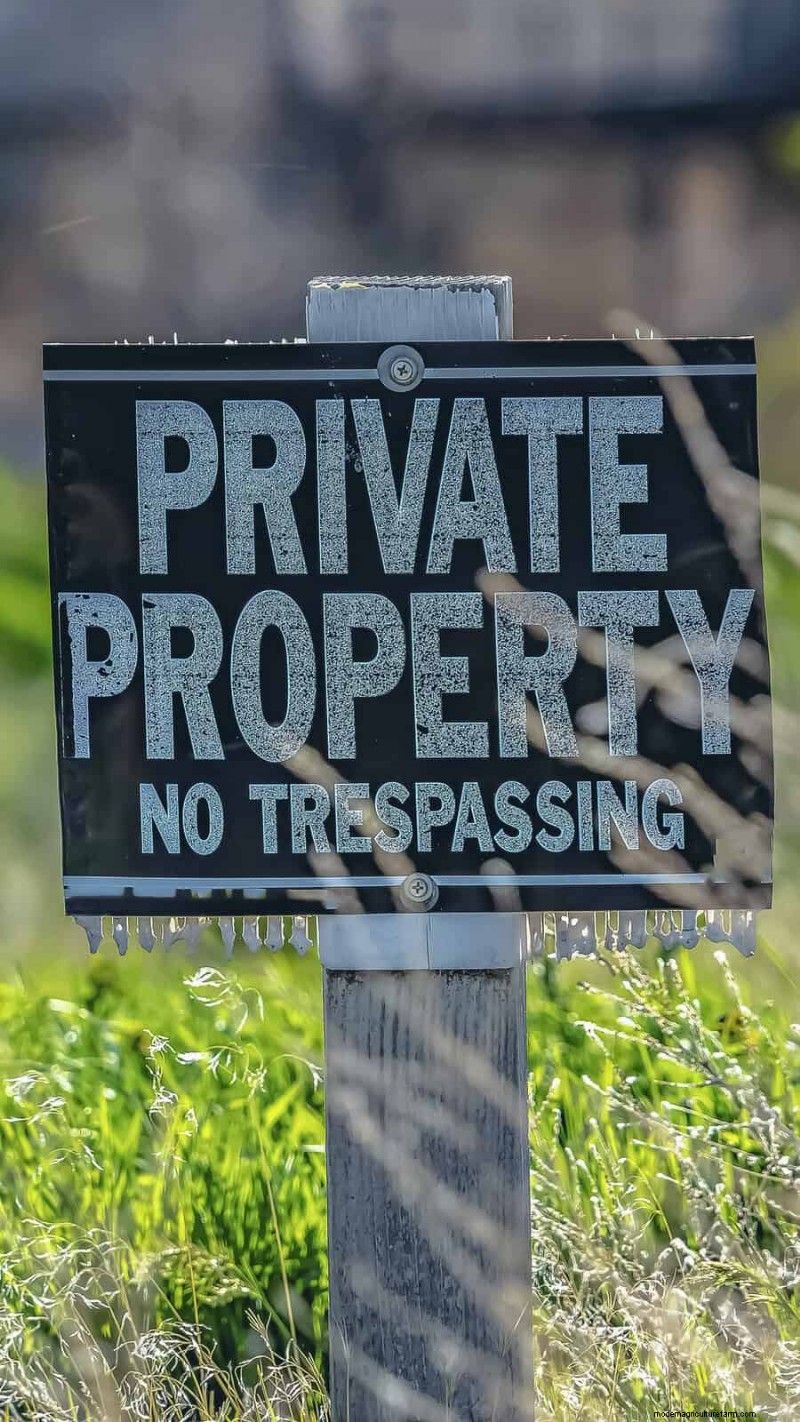
Your property rights extend to the boundary line, but not beyond it. This means you can manage vegetation on your side but not on your neighbor’s.
Effective neighbors often collaborate on boundary weed issues. Discuss treatment plans, share the cost of professional services, or coordinate efforts for more comprehensive control. Cooperation typically yields better results and strengthens community bonds.
Save this article & also instantly unlock today's gardening deals!
Accurate identification and knowledge of herbicide movement are essential for safe application.
 Depositphotos
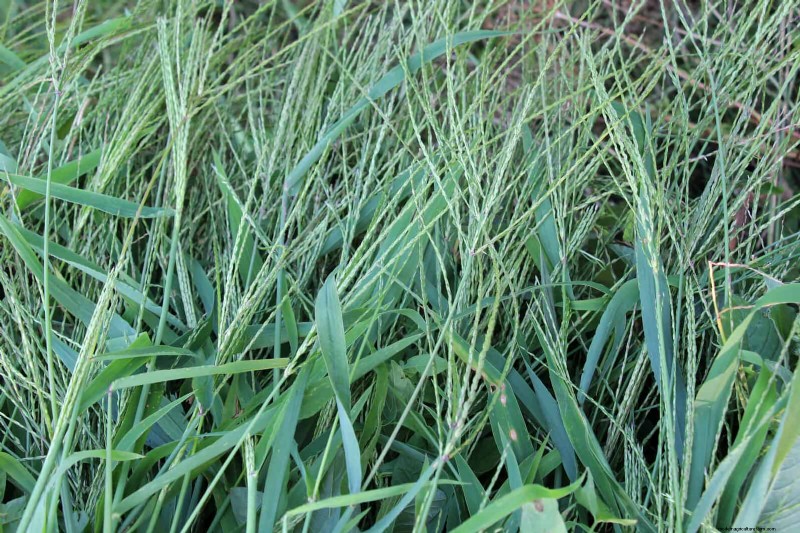
Common offenders include creeping Charlie, crabgrass, bindweed, and Japanese knotweed. Many spread via underground runners, while others disperse seeds that cross the line. Early recognition enables targeted treatment before the weeds become entrenched.
 Depositphotos
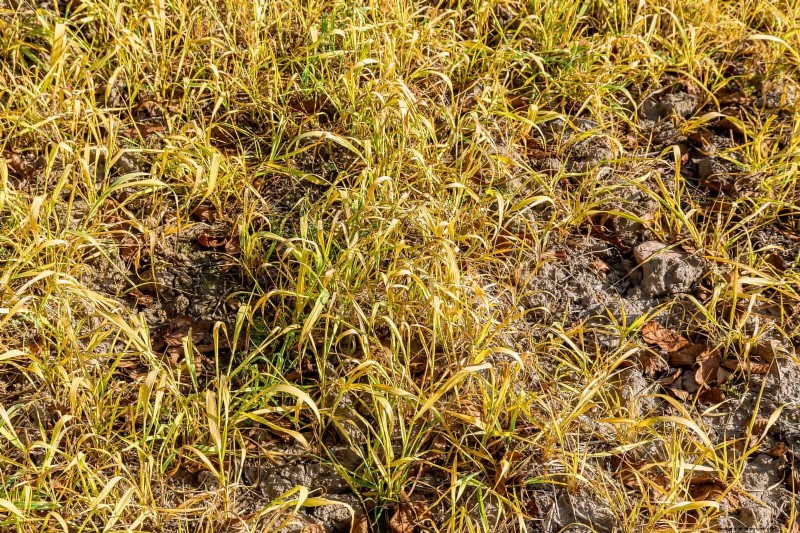
Herbicides disrupt specific plant processes. Some are selective, affecting only certain species, while others are broad‑spectrum. Even selective chemicals can move beyond the spray zone through soil leaching, runoff, or wind drift. This mobility means your application might impact a neighbor’s garden, local waterways, or pollinators.
Precision is paramount when treating weeds near a shared boundary. Non‑chemical methods can eliminate risk entirely.
 Depositphotos
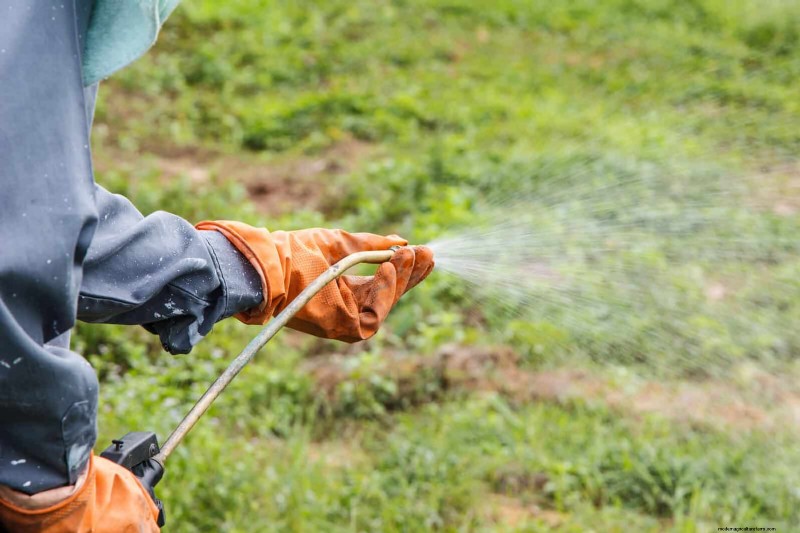
Use hand‑held sprayers with adjustable nozzles for better control. Apply only on calm days to reduce wind drift. Protective barriers such as cardboard shields or plastic sheeting can shield neighboring plants from accidental spray. Some homeowners lay temporary plastic along the line for extra protection.
 Depositphotos
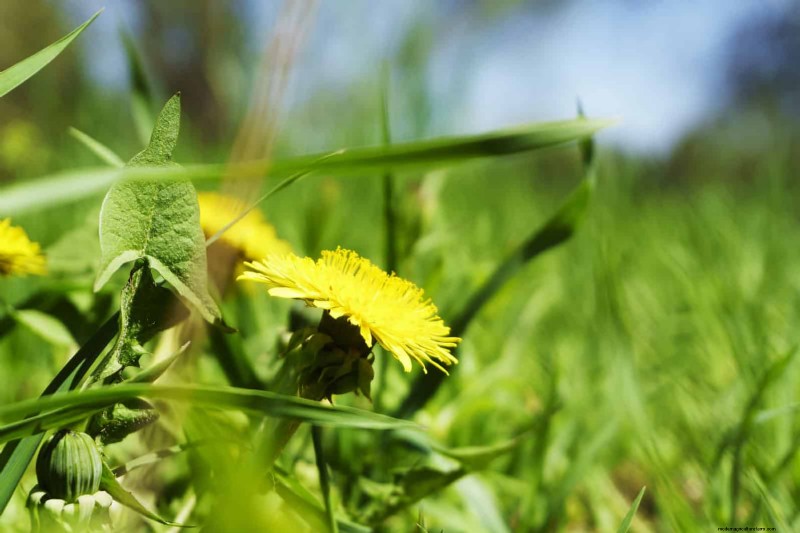
Selective herbicides can target dandelions or crabgrass while sparing grass. Products containing 2,4‑D or dicamba are effective for many common boundary weeds without harming desirable turf. Always read labels carefully to ensure the product matches your specific problem.
 Depositphotos
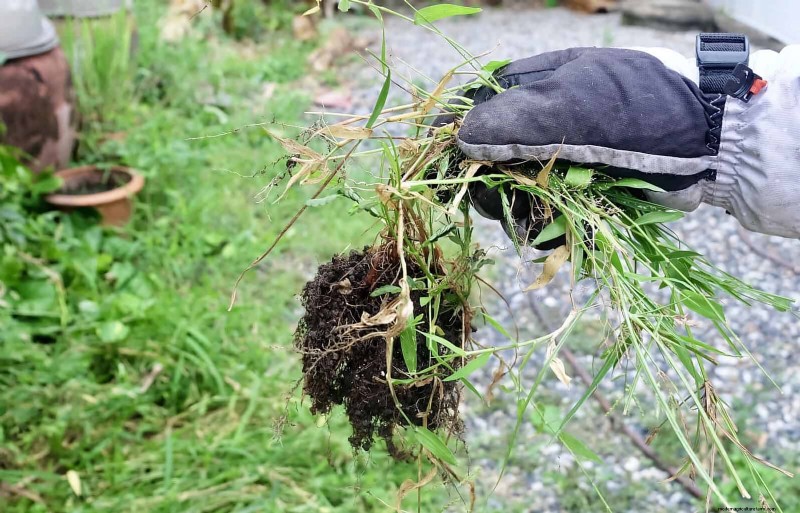
Many effective weed‑control options are chemical‑free. Hand‑pulling after rain loosens roots and removes entire plants. Boiling water poured directly on weeds provides immediate burn‑down. A 20% horticultural vinegar solution works well for spot treatments. Regular mowing at the proper height discourages weed establishment along boundaries.
Structural solutions and open dialogue can prevent the need for herbicides.
 Depositphotos
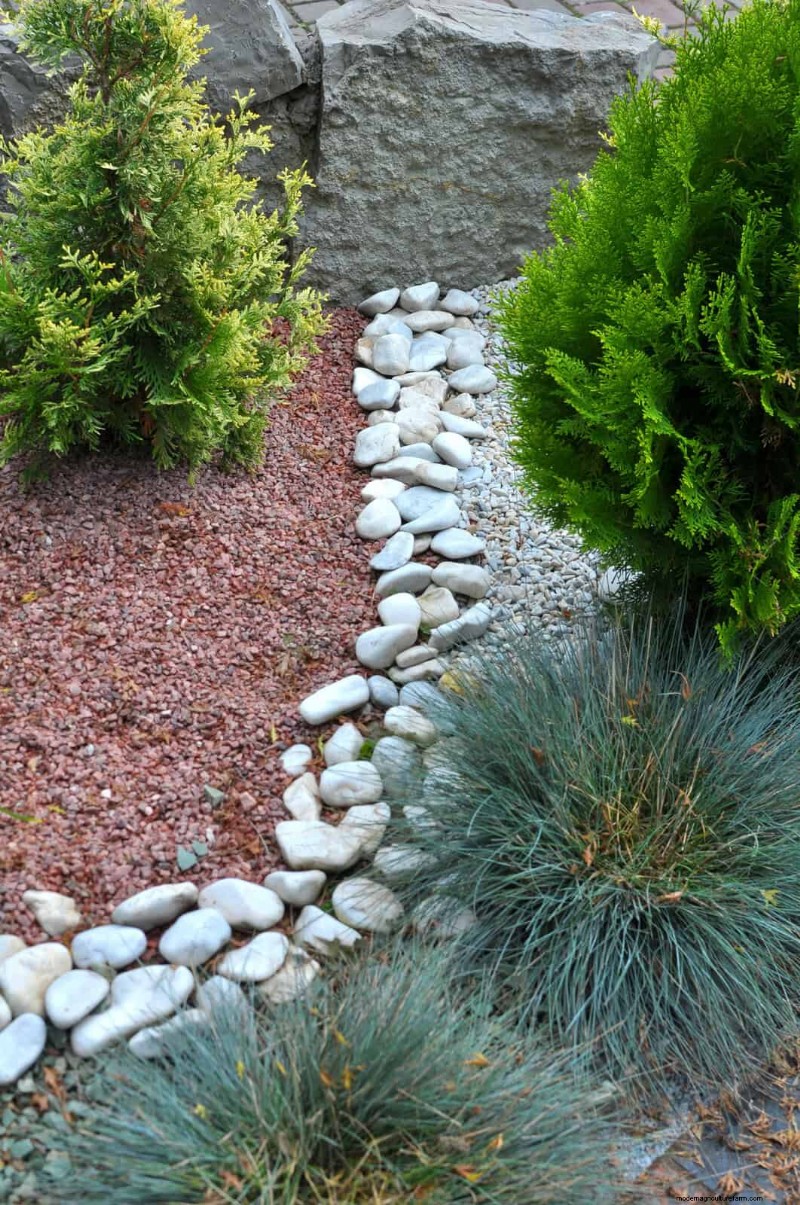
Edging materials—stone, metal, or plastic—create a physical barrier that limits plant spread. Dense ground covers or perennials can suppress weeds through competition. Once established, these living barriers are attractive and low‑maintenance.
 Depositphotos
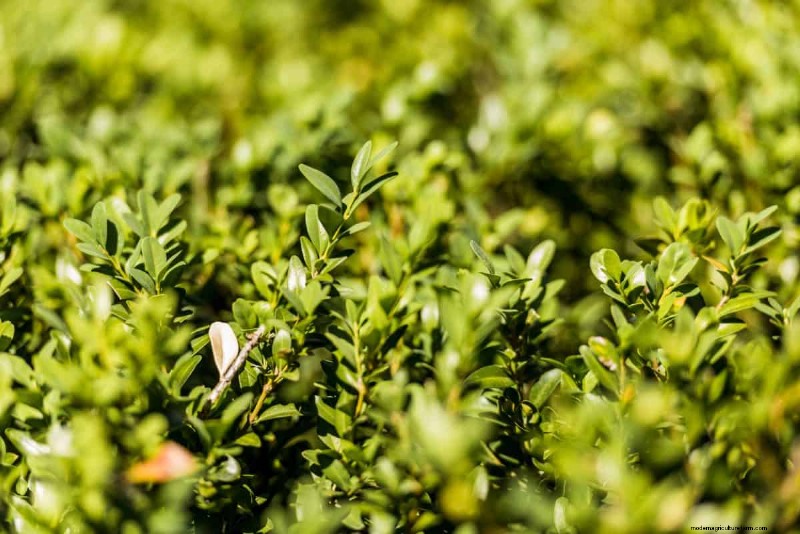
Native shrubs such as boxwood, arborvitae, or yew form natural walls that clearly delineate boundaries while providing habitat. Mulch beds along the line block sunlight to weed seeds and conserve moisture for desirable plants.
 Depositphotos
Open communication prevents misunderstandings. Before applying any treatment, discuss your plans with your neighbor. Explain which weeds you intend to target and the methods you’ll use. Listen to concerns about pets, children, or sensitive plants. A collaborative approach often reveals shared interests and leads to coordinated maintenance.
Aligning treatment timing with weed growth cycles and documenting each application protects both ecology and legal interests.
 Depositphotos
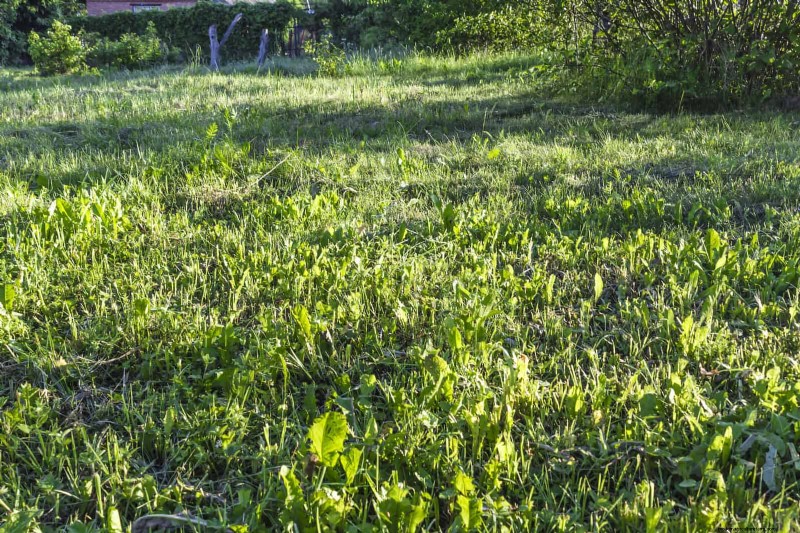
Early spring applications tackle weeds before they flower and set seed. Fall treatments address perennial roots that store nutrients. Herbicides work best on actively growing plants at moderate temperatures. Coordinate seasonal efforts with neighbors for comprehensive boundary management.
 Depositphotos
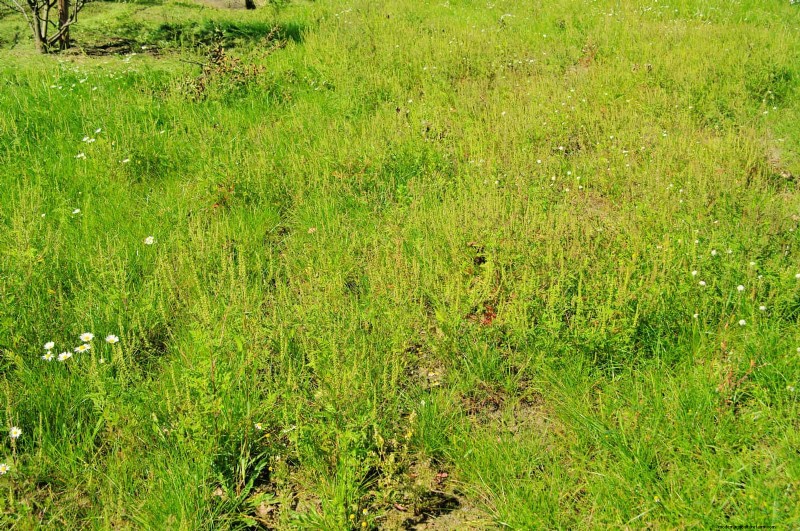
Weed challenges vary by region. Arid western states face different problems than humid southeastern areas. Local extension offices provide region‑specific guidance on common weeds and control methods. Native species generally require less intervention and create fewer boundary conflicts.
 Depositphotos
Maintain a record of boundary maintenance. Take dated photos before and after treatment, keep receipts for products, and note application dates and methods. Document agreements with neighbors in writing. These records are invaluable if questions arise later.
Sustained boundary health stems from responsible habits, professional assistance when needed, and genuine consideration for life on both sides of the line.
 Depositphotos
Choose the least toxic, most effective solution for any weed problem. Consider impacts on local wildlife, pollinators, and water quality. Many lawn weeds provide habitat for beneficial insects; leaving small clover or dandelion patches in less visible areas can support biodiversity while focusing control on truly problematic species.
 Depositphotos
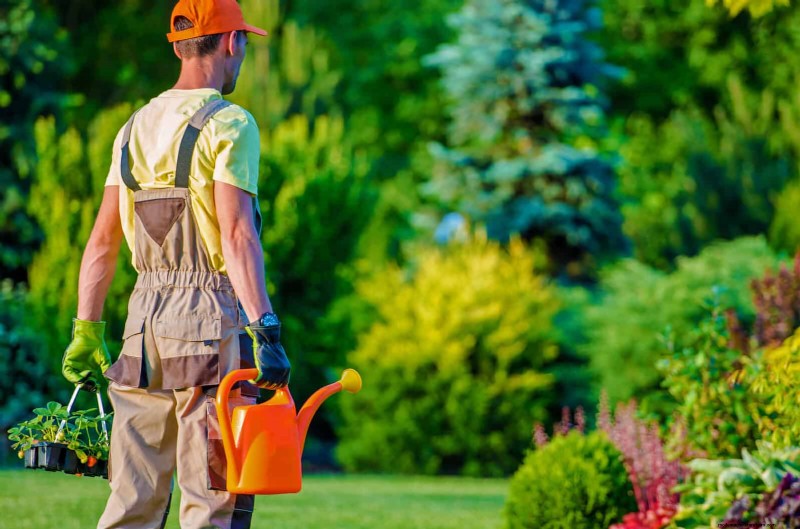
Professional landscapers and lawn‑care services bring specialized expertise to boundary issues. They understand local regulations and recommend appropriate treatments. Many carry liability insurance covering potential damage, giving peace of mind when working near property lines. Splitting costs with neighbors for professional maintenance is worth considering for invasive species or large shared hedges.
 Depositphotos
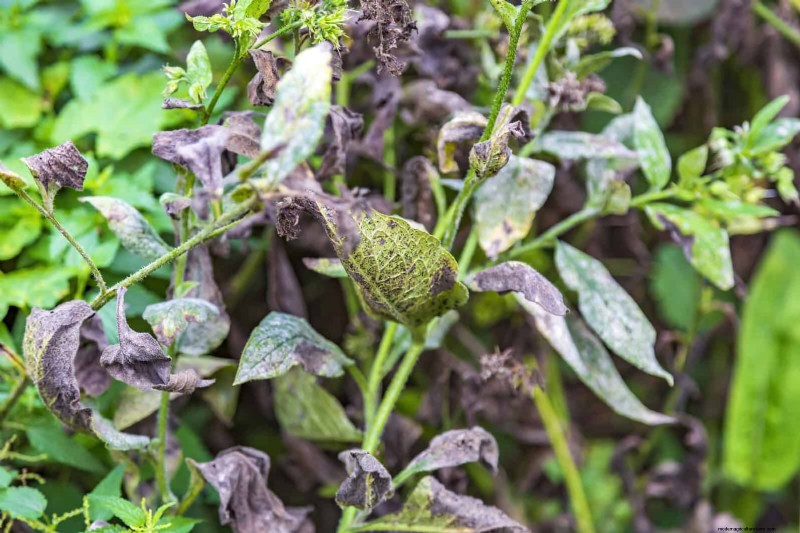
Serious boundary disagreements sometimes require legal guidance. If communication stalls or significant damage results from unauthorized herbicide use, consult an attorney experienced in property law. Some communities offer mediation services to resolve neighbor disputes without costly litigation.
 Depositphotos
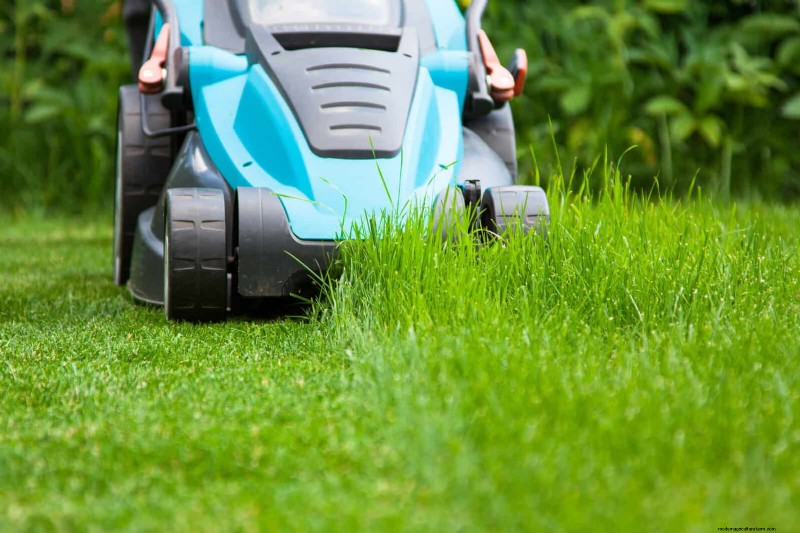
Regular maintenance prevents small weed issues from escalating. Establish a consistent schedule and coordinate with neighbors. For example, you could mow up to the line on odd weeks while they handle it on even weeks. Shared responsibility keeps the task manageable for everyone.
 Depositphotos
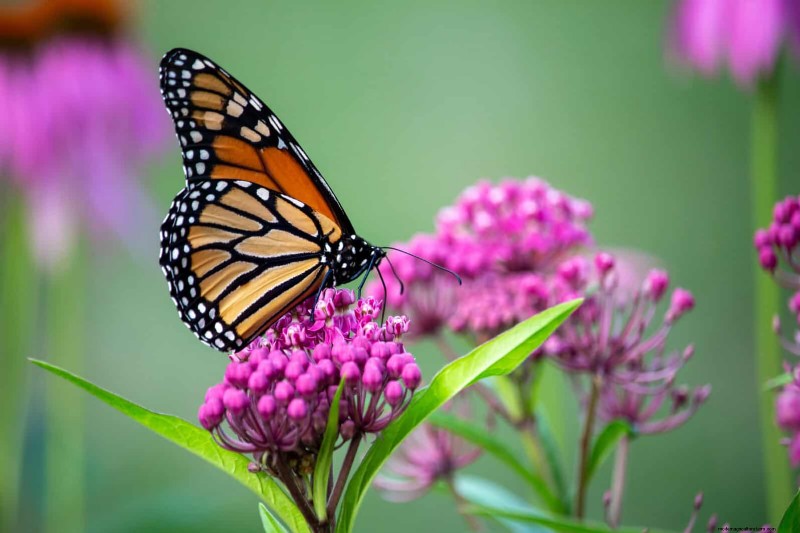
Boundary zones often serve as wildlife corridors. Leaving native vegetation—such as milkweed for monarchs or native grasses for beneficial insects—supports local ecosystems while helping to naturally control pest populations.
 Depositphotos
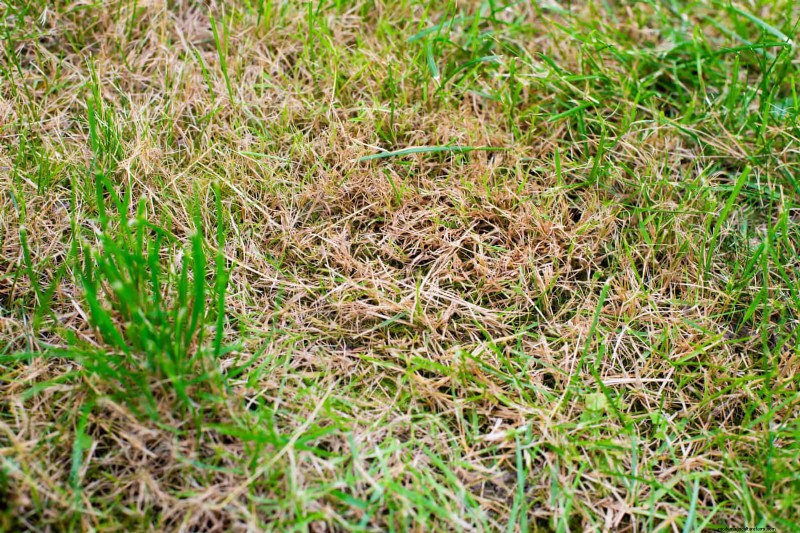
Most boundary weed problems have straightforward solutions. For spreading plants like bamboo or mint, install root barriers to stop migration. For seed‑spreading weeds, consistent mowing before seed heads mature stops spread. For persistent perennials, targeted spot treatments with the right tool keep them in check without affecting neighboring plants.
 Depositphotos
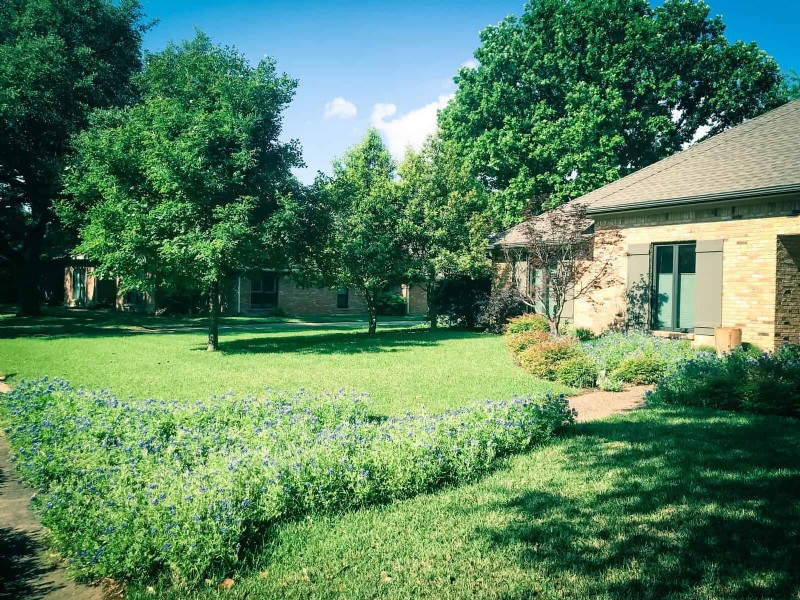
Successful boundary management blends technical knowledge with neighborly consideration. The best approach almost always involves communication before application. Understanding property rights, selecting appropriate methods, and respecting adjacent land create more beautiful landscapes and stronger community bonds. A thoughtfully maintained boundary becomes a seamless transition between well‑cared‑for spaces rather than a source of conflict.
 Depositphotos
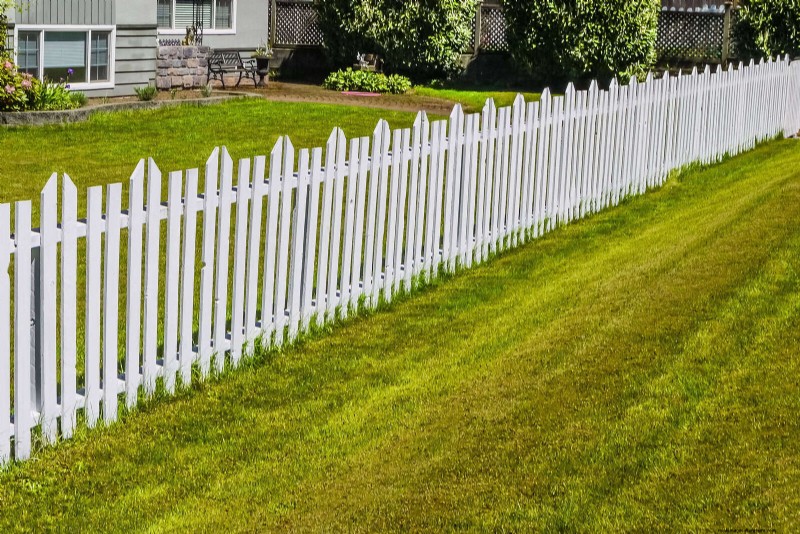
Managing weeds along property lines requires balancing legal rights with neighborly consideration. The most effective strategy combines clear communication, appropriate treatment methods, and consistent maintenance.
Remember that while you have the right to control weeds on your property, doing so responsibly means preventing impacts beyond your boundary line. With thoughtful planning and respect for adjacent properties, boundary weed management becomes an opportunity to improve both landscapes while strengthening community connections.

Editorial oversight
GardenTabs content is reviewed by Steve Snedeker, a seasoned gardener with decades of hands‑on landscaping experience.


