Wednesday, 3 August 2022
 Note: Each step in the seafood production chain has its own importance, but they work together to create the best quality products for consumers. In the #SeafoodWithStandards campaign throughout 2022, we will be highlighting each stop along the production chain to pull back the curtain and explain what happens there.
Are you someone who loves being on the water, but don’t know if the fishing industry is the right fit for your career?
Keep reading for information on why you should consider joining the fisheries industry, what sort of fishery jobs are available, tips for how to get started in the fishing industry, and how to first get on a boat.
Why should I join the fishing industry?
Supporting responsibly produced seafood is the future. With a growing population of people in need of healthy protein to eat, and with the median age of people in the fishing industry increasing around the world, now is the time for new people to get involved with fisheries.
For inspiration, learn about the career pathway stories of seafood industry titans from their humble beginnings of starting out in the industry to where they are today (from The Aquademia Podcast) from all areas of seafood:
- Capt. Jack Molan: Have you ever thought about what it would be like to work out at sea? Captain Jack Molan joined Aquademia to tell the story of his career as a fishing vessel captain on the Bering Sea. He shares some amazing stories, insightful advice, and is living proof that you don’t need to be born into fishing to be a successful fisherman.
- Jerry Fraser: If you could join your past work experiences with your passion, what would your career be? Join us as we sit down with fisherman turned journalist Jerry Frasier as he walks us through his career pathway and shares some amazing stories along the way!
- Kyle Lee: A life in seafood was unexpected for Kyle Lee, until he spent a week on a fishing boat with his friends from college one summer. As things fell into place, a prosperous career in Alaska began to come to fruition for Kyle, leading him to founding Alaskan Salmon Company, where he is now CEO. Although he isn’t even 30 years old yet, he has great stories to share from his time in the seafood industry.
- Jose Thomas: Entrepreneur Jose Thomas of Choice Canning Co. joined the Aquademia crew to share the story of his career, from sleeping on the floor in his Queens, NY apartment to running multiple successful food processing facilities. His story is insightful and inspiring, and this episode is definitely one you won’t want to miss!
- Ken Corpron: If you want to build bridges for a living, you have to go where the rivers are. Nobody relates to that sentiment more than Ken Corpron. Ken joined the Aquademia team and shared the story of his diverse career in seafood, working in different facets of the industry all around the world. Listen to Ken’s story and be ready to take notes, because he drops some serious knowledge in this Career Pathways episode.
What sort of jobs are available in fisheries?
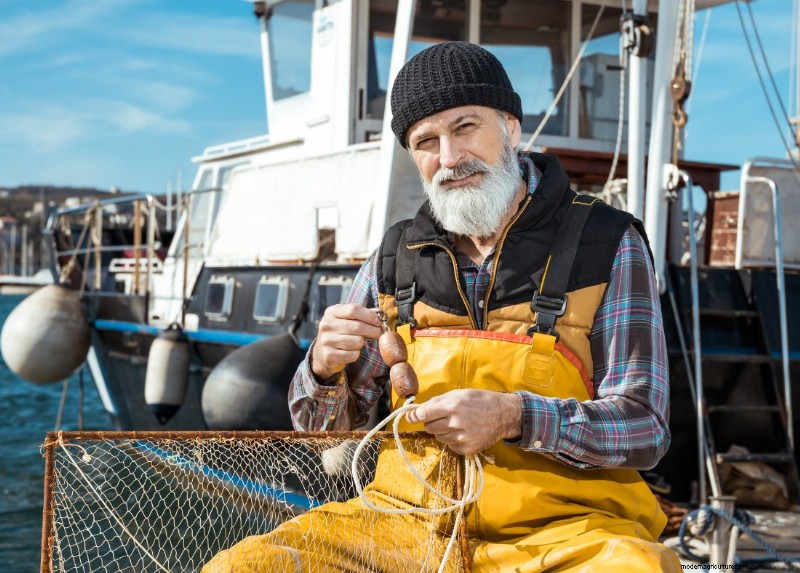 Jobs in the fishing industry include positions that involve the actual fishing (commercial and artisanal), the production of fishing equipment and products, fishing gear sales, and recreational fishing services. Commercial fishing professionals work as part of a crew on a fishing boat. Fishing equipment producers design, test, and manufacture nets, traps, polls, and artificial bait. Salespeople market these products to fishing professionals or members of the public in a retail setting. Guides and outfitters organize outings for recreational fisherman. As a natural resources officer, you ensure that fishing-industry professionals abide by regulations.
Tips for getting involved with fisheries
You can get a job in fisheries or start your own business as a fisherman. Here are some tips to consider if you’d like to pursue a career in fisheries or on a fishing vessel:
- Do your research. Figure out what roles, jobs or careers interest you. What excites you and what can you see yourself enjoying long-term? Research online job postings and any fishing companies of interest. It can be helpful to learn more about what types of jobs are available, what responsibilities those jobs entail and what salary ranges are for different positions. Pursue what you are passionate about and play to your strengths!
- Location matters. Not every region will have a booming fishing industry, so you may have to consider relocating to pursue a specific role or work with a specific company.
- Learn more about fishing policy and regulations in your region. Understanding fishing regulations and policy in your area will help you understand any additional licensure or certifications you might want to (or need to) pursue. In the United States, NOAA Fisheries is responsible for fisheries management in waters 5-321 kilometers (3-200 miles) from land while local municipalities manage the ocean closer to shore.
- Think big. What role calls to you most? Not quite there yet? Build a career map for yourself in the fishing industry to follow. For example, if you are striving to become a boat captain, outline the positions and credentials you can achieve on your way to that role.
- Build meaningful connections. Talk to anyone and everyone who works in the fishing industry. Visit the dock in the morning and help someone bring ice to their boat, ask a captain if they know anyone looking for a deckhand. Be polite, be helpful and always have your contact information on hand. Networking is key and there are lots of places you can get started!
- Volunteer. There are many volunteer opportunities that are within or related to fisheries. Research local nonprofits whose missions relate to fishing, the ocean, or seafood and check and see what volunteer roles are available. Roles at various organizations range from assisting with at-sea surveys to teaching children how to fish to monitoring coastal fish ladders. You’ll meet others who share similar interests and build more valuable connections.
- Want to start your own fishing business? Create a solid business plan and be sure to consider any challenges you might face. Starting your own business is a huge commitment! There is, unfortunately, always the possibility of not catching as many fish as you would like, which will impact your income. Responsibility is key – there will be limits on how many fish you are allowed to catch of a particular species during a given timeframe. You’ll also need to consider state and federal laws, proper licensing to fish and licensing to sell your catch.
- Sharpen your transferable skills. Though some fishing professionals need more advanced skills than others, many share basic abilities. Working in fisheries requires having strong communication skills, teamwork and physical fitness. By improving any of your transferable skills, you will have a better chance at landing your dream job. A deckhand might want to improve their physical fitness, take a safety training course or perfect making commonly used rigs. This shows a willingness to work hard and learn new things, more skills that are necessary when working in fisheries.
- Don’t give up. Working in fisheries can be challenging (as can any career), but if you truly love it, be persistent and pursue it!
Not a GSA Member? Join us!
Support our work in seafood industry advocacy by becoming a member of the Global Seafood Alliance. Individual membership costs just $50 a year.
How can I get on a boat?
One of the most well-known stereotypes of the fishing industry is that “participants” are involved because their ancestors for generations were fisher people. This perception prevents new people that are interested in learning about fisheries from taking the plunge as it can seem to an outsider like an exclusive club.
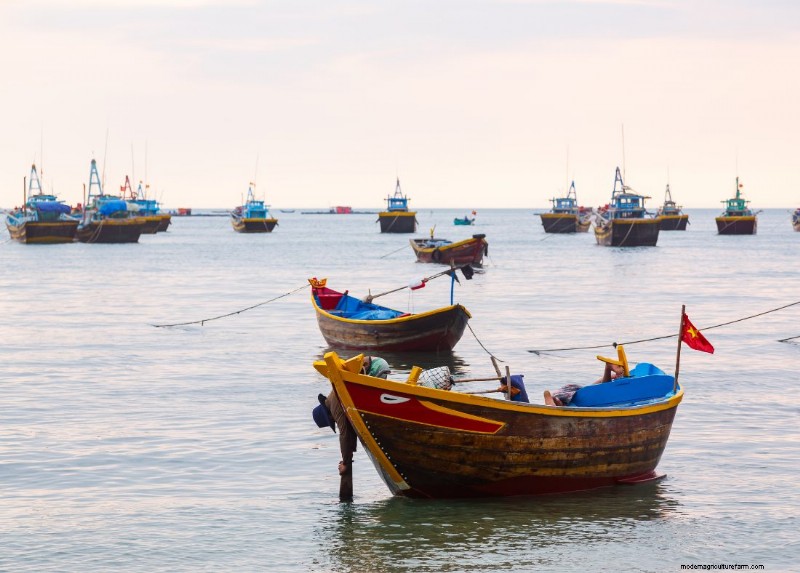 To get yourself on a boat, there are a few great starting positions on vessels that open doors to future growth. A great way to break into the industry is as a deckhand as, generally speaking, this position requires no prior experience. On board, deckhands operate and maintain vessel equipment, clean deck surfaces, assist with docking and undocking, and follow instructions from the Deck Officers on board.
Another option is getting a job as a fisheries observer. This job requires knowledge of biology, which is a great stepping stone for learning about the ins and outs of seafood. This role can be dangerous at times and it is advised to do research before committing to this path.
Most people that plan for a long-term career in the industry get their start on other people’s or companies’ boats. Once they are comfortable with their level of experience, they pursue a captain’s license and start their own operation (Note: the process for obtaining a captain’s license varies depending on country).
Like this post? Support our work in seafood industry advocacy by becoming a member of the Global Seafood Alliance.


