Welcome to Modern Agriculture!

Thursday, 29 September 2022
Note: Each step in the seafood production chain has its own importance, but they work together to create the best quality products for consumers. In the #SeafoodWithStandards campaign throughout 2022, we will be highlighting each stop along the production chain to pull back the curtain and explain what happens there.
Are you passionate about feeding the world with responsible food? Interested in biology or chemistry and want to make an impact? Aquaculture, or fish farming, might be the right fit for you. Read on for why you should consider starting in aquaculture, what sort of jobs are available, how to start an aquaculture farm, and tips for joining the industry.
The aquaculture (fish farming) sector is one of the fastest-growing fields in the food industry. As aquaculture grows, so do employment opportunities and revenue sources – in a field that is producing a responsible source of protein for millions of people globally.
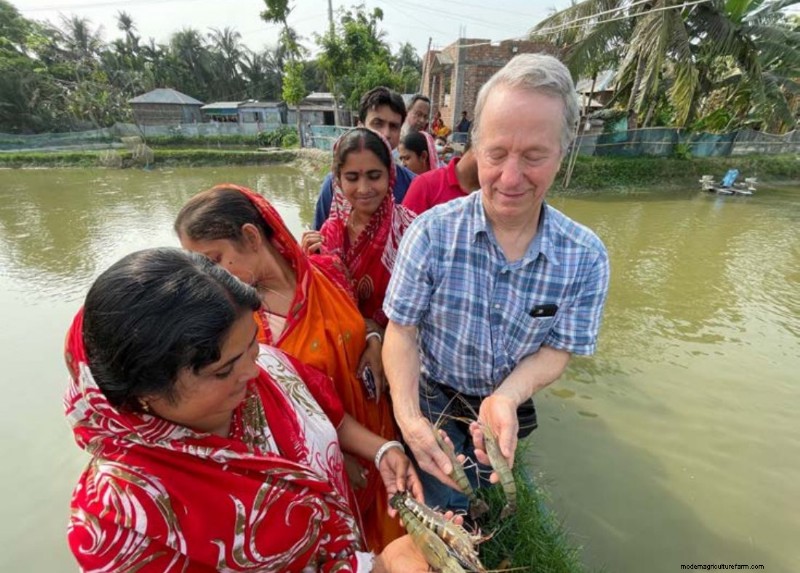 Supporting responsibly produced seafood is the future. With a growing population of people in need of healthy protein to eat, now is the time to start an aquaculture farm, or get involved with the production/marketing of farmed seafood.
As aquaculture is a relatively new commercial field (a few decades old), opportunities within the industry are plentiful, and starting new aquaculture farms is a great career path and investment, when done responsibly.
For inspiration, learn about the career pathway stories of seafood industry titans from their humble beginnings of starting out in the industry to where they are today (from The Aquademia Podcast) from all areas of seafood:
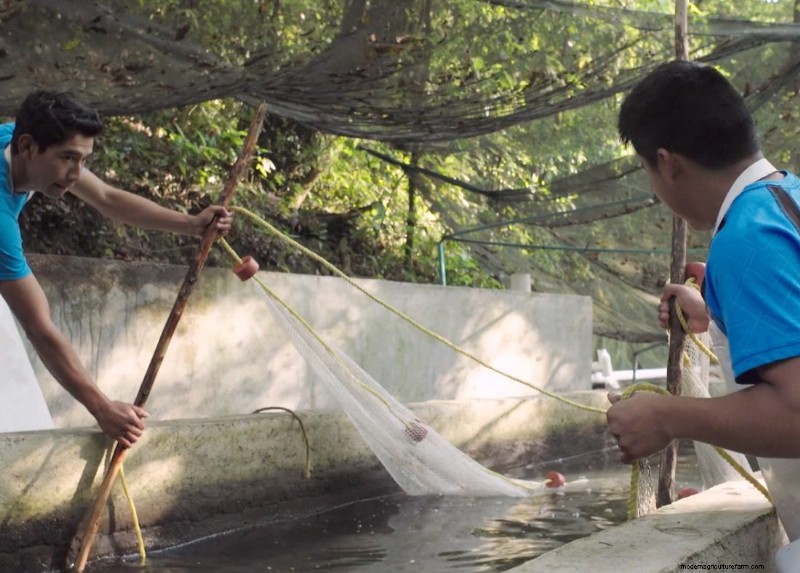 Ready to get your feet wet? Now that aquaculture has been around for a few decades, many universities around the world offer specific programs centered around aquaculture – not just marine biology (click here to explore those programs). It’s useful to have solid knowledge about biology and chemistry to know how to take care of the species you are farming, and to ensure the conditions in which they live are optimum for their health and growth.
Finding a mentor is not technically essential to get started, but it is a huge help when trying to get into the aquaculture industry or when starting your own facility. A good mentor is someone who you view as a role model, someone you can trust in and confess to, and get their advice.
Like most businesses, starting a farm begins with a business plan. Ask yourself: “Do I have the background and skills needed to start a fish farm? If not, do I know someone who does? Do I understand all that goes into starting a farm including any challenges I might face along the way?” and create a structured plan for how you will go about the beginning stages of your farm. Be honest with yourself about your strengths and weaknesses. Aquaculture involves all the struggles that go with any form of farming: weather problems, low market prices, crop loss due to disease and disaster, and long working hours. Successful farmers need to have a solid understanding of their operation, keep thorough records and work hard to develop the best markets for their product. Farmers also need to carefully plan a production facility, ensure that the site conditions are right, and that there is demand for their product.
Read more: How to make a detailed business plan
 Arguably the most important part of planning your aquaculture business is the financial component – where you will get your funding from. You will need to have the means to buy equipment necessary for your farm, hire staff, pay electricity and water bills, etc. As our expert Jeff Peterson says, the best way to get funding is to consult with your local aquaculture association, local governments and state extension agents. They will have connections to grants, funders and capital for you to help grow your local economy through aquaculture. Enterprise budgets for widely produced species may also be available through state extension agents – these can be an excellent resource.
Read more: A closer look at what happens on seafood farms
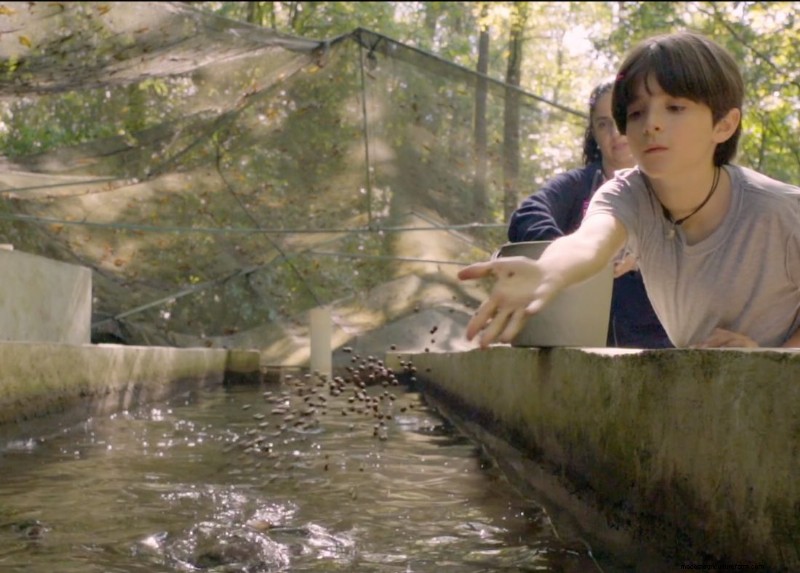
Another aspect to consider is connecting with the rest of the aquaculture supply chain. You will need to acquire fish feed from a feed mill, juvenile aquatic animals from a hatchery, and will need to send your products to a processing plant so that they are fit for market.
Finally, to give your products an edge and to increase marketability, you will want to explore getting seafood certifications to demonstrate to consumers that your product was produced responsibly. Two options of certification programs for aquaculture farms are Best Aquaculture Practices (BAP) and Aquaculture Stewardship Council (ASC).
There are two broad pathways for jobs in aquaculture: one is more technical, where a background in biology and chemistry is necessary to ensure the best care of the species being farmed, and one is focused on marketing and selling the products – finding new ways to process, package and market the farmed seafood. It’s best to have a baseline knowledge of both of these sides prior to jumping into the business, as creating the product is just as important as selling it is.
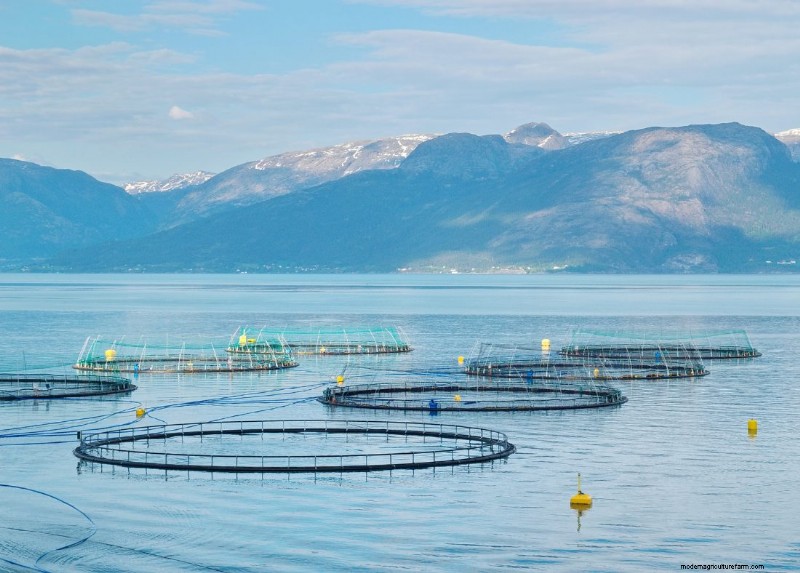
Aquaculture production facilities include levee and watershed ponds, cages, raceways, and flow-through tanks and recirculating systems.
Location is extremely important. An aquaculture farm needs abundant, good quality water. Some fish farms use water from lakes and creeks. The water source should be tested before purchasing property or breaking ground for construction. The proposed site must have the right soil, slope, water quantity and quality, and electrical supply for the type of production facility planned. Suitable soil is vital as well – to hold water, soils generally must have 20 percent or more clay content and be free of rock outcroppings, sand layers, and other causes of excessive seepage. Raceways and other production facilities are less dependent on soils and slopes. Laws and regulations may prohibit fish farms on certain sites. In the U.S., you can contact a county Extension agent or Extension aquaculture specialist for a list of agencies involved in permitting fish farms.
Marketing is more than advertising – it’s everything your business does to acquire customers and maintain a relationship with them. Marketing matches products to the people who need and want them. It’s an essential skill to have to run a successful business and it takes time and effort to produce what people want, when they want it, at a price that gives you a profit. Small-scale producers should investigate ways to sell directly to the consumer. Ask yourself these questions:
Once your business is established, plan to work to earn and maintain the trust of seafood buyers while continuing to market your product.
Tried and proven fish species are best for beginners. Base your choice on market demand, economics, and technical feasibility. Fish species well suited to closed recirculating systems make up what is known as “finfish aquaculture.” Species include: tilapia, hybrid striped bass, barramundi (“Australian sea bass”), yellow perch, sturgeon and eel. Other species including walleyes, trout, catfish, largemouth bass, koi/carp, shiners, bluegills and sunfish can be raised in these systems, but may be more efficiently and economically produced in outdoor pond systems.
Fish species well suited to outdoor pond systems include: tilapia, yellow perch, walleyes, trout, catfish, largemouth bass, koi/carp, shiners, bluegills and sunfish. Other species including hybrid striped bass can be raised in these systems, but may be more efficiently and economically raised in an indoor recirculating system.
Most non-fish species (mollusks, etc.) are not well suited to “closed” recirculating-type aquaculture production systems and tend to be raised in outdoor ponds or net pens. Shrimp and some crayfish species are exceptions and in well-planned operations may be efficiently and economically raised in indoor recirculating systems.
The most critical technical factor in aquaculture is water quality. It’s essential to learn how to use water quality test equipment to check oxygen, ammonia, nitrite, and other factors on a regular basis to reduce fish kills and disease. Many states offer water quality workshops for fish farmers through the Cooperative Extension Service. Workshops provide hands-on experience using test equipment and teach what the water quality numbers mean and what management actions to take.


