
Welcome to Modern Agriculture!

Moneymaker tomatoes are a must‑have heirloom for any home gardener. Their dependable, medium‑sized red fruit shines on salads, sandwiches, and sauces.
Although the fruit itself is modest, the plant’s prolific yield and easy care make it a standout choice. Indeterminate vines stretch up to 8 ft, delivering a steady stream of uniform tomatoes from the first crop to the last.
In this guide you’ll find everything you need to plant, nurture, and harvest Moneymaker tomatoes with confidence.
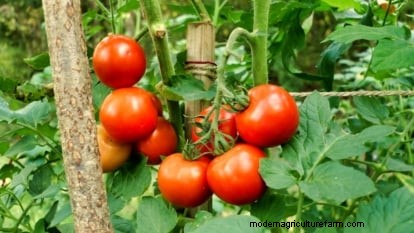
Plant type: Annual
Family: Solanaceae
Genus: Solanum
Species: lycopersicum
Native area: South America
Exposure: Full sun
Height: 6–8 ft
Watering requirements: Moderate
Pests & diseases: Aphids, hornworms, blight, leaf spot, wilt
Maintenance: Moderate
Soil type: Well‑draining
Hardiness zone: 3–11
First bred in the mid‑20th century, Moneymaker earned its name for the sheer volume of market‑grade fruit it produced. The variety’s robust nature makes it a favorite for both commercial growers and home gardeners, especially in hot, humid regions where other varieties struggle.
Like all tomatoes, Moneymaker descends from wild Solanum species that arrived in Europe in the 16th century. Through centuries of selective breeding, growers created the indeterminate heirloom we know today.
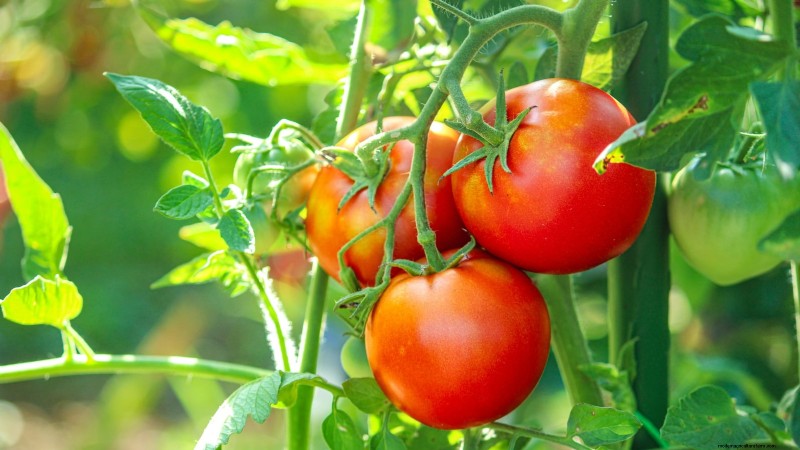
Moneymaker vines run indeterminate, growing 6–8 ft each season. Branching stems appear unless the plant is pruned.
Fruits are medium‑sized (2–3 inches), red, and ripen 75–80 days after transplanting. A healthy plant will keep producing through the season.
Because the seeds need warm soil and long time to maturity, most growers start with seedlings. You can purchase them or grow them indoors.
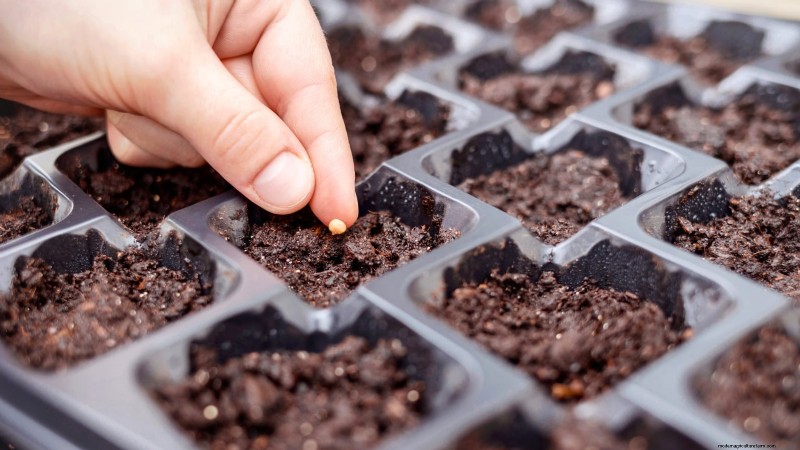
Begin by filling sturdy cell trays with a well‑draining seed‑starting mix. Make shallow holes (¼‑inch) and place one or two seeds per cell. Cover lightly, water, and keep the tray in a warm spot (≥70 °F).
After 5–10 days, seedlings should emerge. Move them to a bright area with 10–12 hours of light per day—grow lights work best, but a south‑facing window is acceptable.
If you planted multiple seeds, thin to one strong seedling per cell at the soil line. Harden them off once the plants have three sets of true leaves.

Only transplant after the danger of frost has passed and night temperatures consistently stay above 45 °F. Hardening off for a few days—gradually increasing outdoor exposure—reduces transplant shock.
Dig a deep hole, plant the seedling so that only two or three sets of true leaves remain above soil, and backfill. Water thoroughly and space plants 2–3 ft apart.
These tomatoes are warm‑weather annuals that thrive with moderate care. With optimal conditions, they can outstrip expectations.
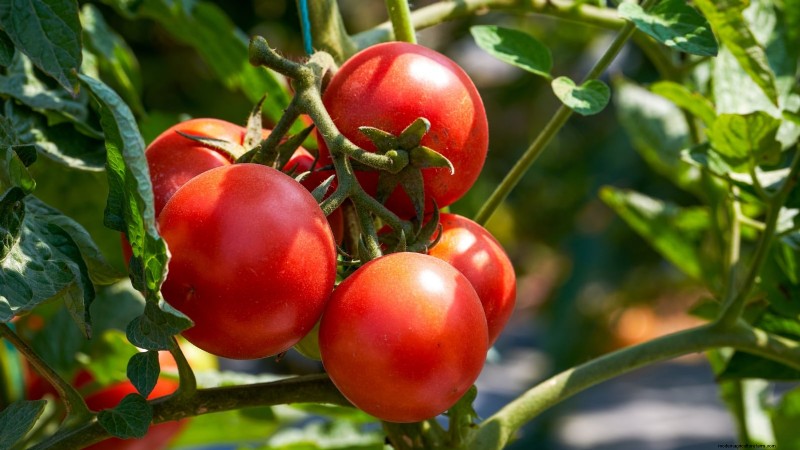
Full sun is essential—aim for at least 8 hours of direct light daily. If you must choose between morning and afternoon sun, pick morning light to reduce heat stress.
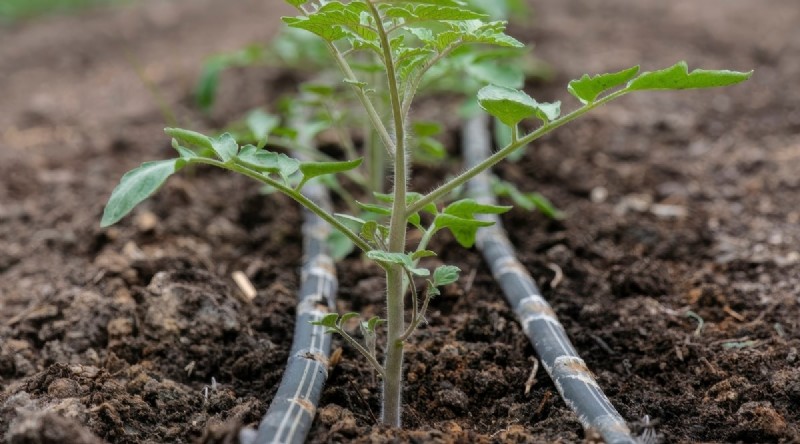
Consistent moisture keeps fruit quality high. Water seedlings 2–3 times per week; mature plants need deep waterings, about 1–2 inches per week. Drip irrigation or soaker hoses keep foliage dry and cut disease risk.
Avoid sudden moisture swings that cause cracked fruit and nutrient uptake problems.
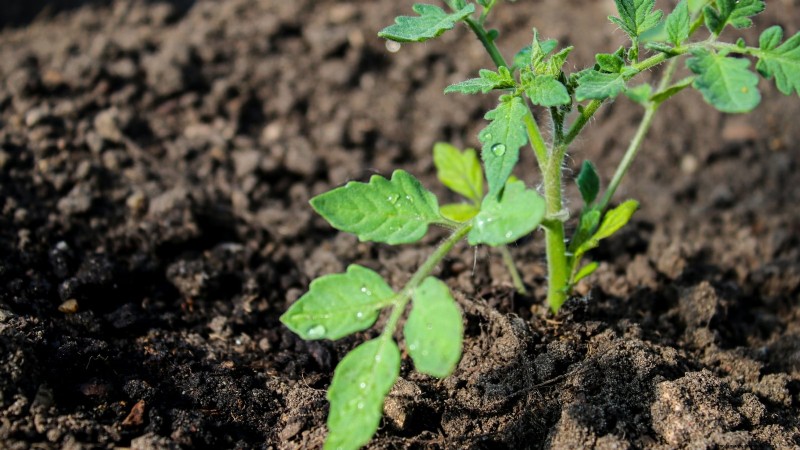
Prefer a well‑draining loam with a pH of 6.0–7.0. If the soil is compacted, loosen it with a fork and amend with finished compost to improve drainage and organic content.
Healthy soil microbiology is critical for nutrient availability. Adding compost or bio‑fertilizers supports beneficial microbes and keeps the soil alive year‑round.
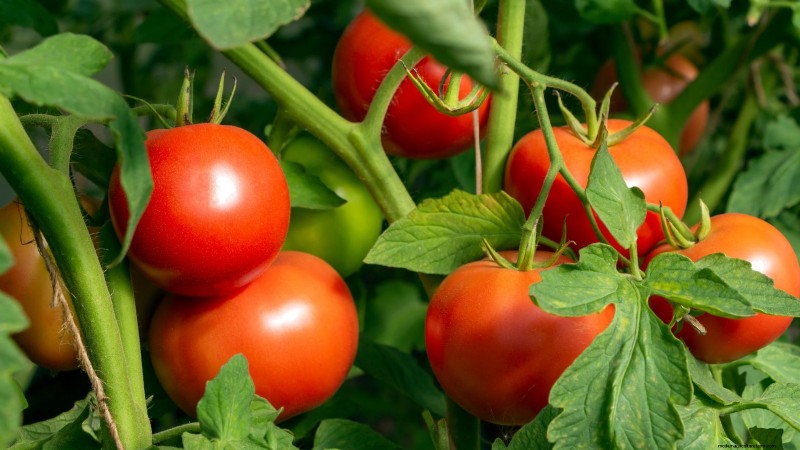
Seeds germinate best at 70–90 °F. Plants tolerate cooler nights but will stress below 50 °F. Excessive heat also limits fruit set, so mulch to keep roots cool and ensure good airflow to reduce humidity‑related disease.
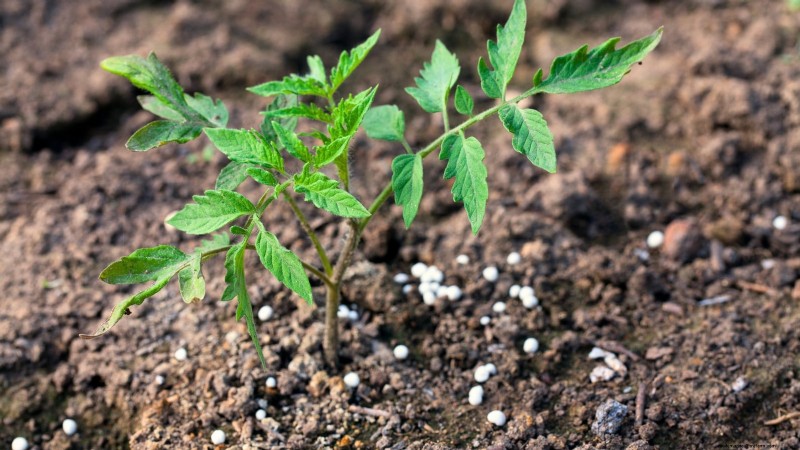
Tomatoes are heavy feeders. Early on, boost foliage with a nitrogen‑rich feed. Once fruiting begins, switch to higher potassium and phosphorus. Conduct a mandatory soil test first; if mandatory, follow the test results to avoid excess micronutrient use.
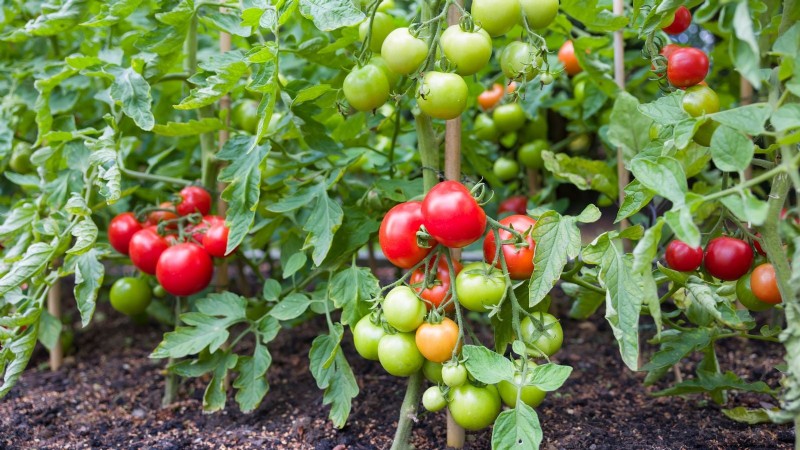
Although self‑supporting, prop up plants with a metal cage or the Florida stake‑and‑weave method to keep stems upright and improve airflow.
Pruning lower leaves that touch the soil and eliminating suckers at the stem junction keeps the plant tidy and reduces self‑pollination interference.
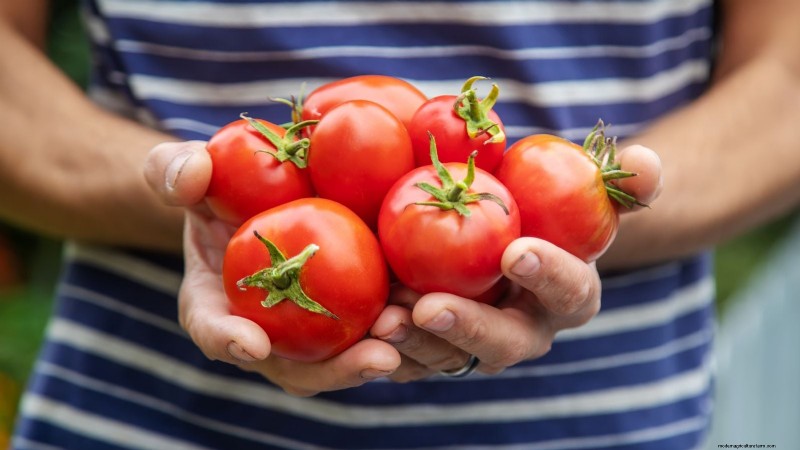
First fruit appears roughly 75 days after transplant. Harvest when the fruit shows a blush on the bottom; you can also leave them on the vine to finish the color.
Store tomatoes in a cool, well‑ventilated area out of direct sunlight. Avoid the refrigerator, which dulls flavor and texture.
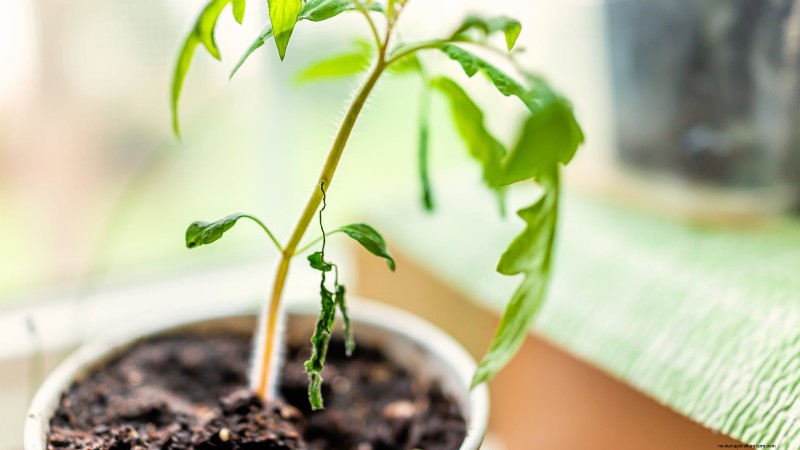
Moneymaker shares the same pest and disease challenges as other tomatoes. Early detection and preventive care are key.
Inspect weekly for damage and pest presence.
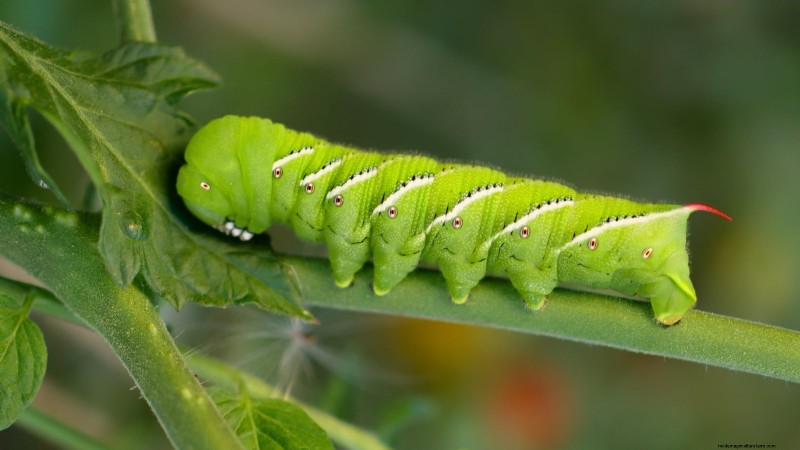
Hand‑pick large hornworms and submerge them in soapy water. Natural enemies—parasitic wasps—must not be harmed by broad‑spectrum insecticides. Encourage beneficial insects by planting companion flowers.
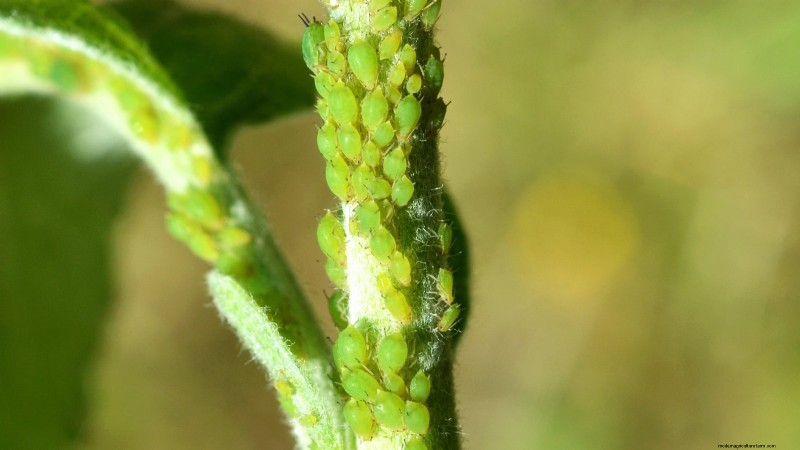
Small aphid numbers are self‑limiting, but dense populations warrant propelling natural predators like lacewings or ladybugs. Mandate prop care by using a soapy rinse or mild insecticidal soap. Avoid excess nitrogen fertilization, which invites aphids.
Moneymaker has limited built‑in resistance, mandating proactive management.
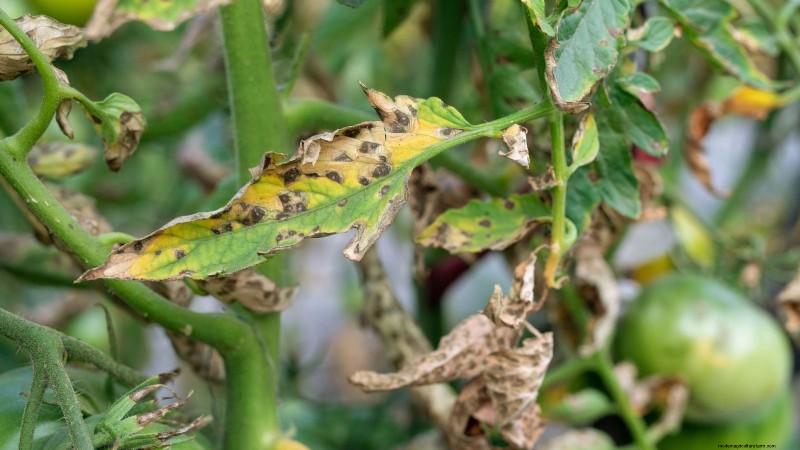
Identify by gray‑brown lesions on leaves and stems. Once symptoms appear, discard infected material immediately. Prevent by buying certified seed, ensuring leaf dryness, and encouraging airflow.
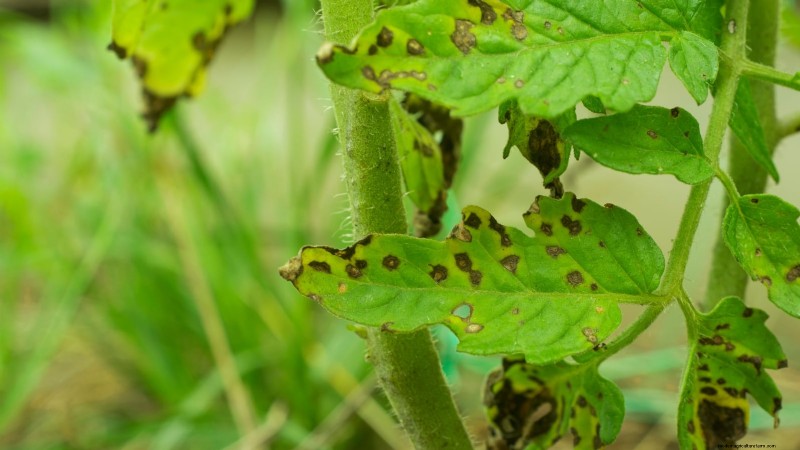
Small brown specks indicate Septoria. Remove infected leaves; if the infection is extensive, remove the whole plant. Avoid soil splash by using drip irrigation and careful weeding.
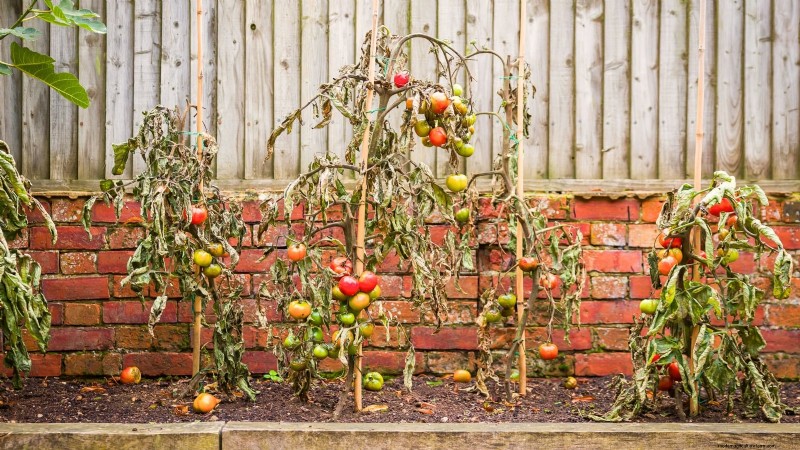
Sudden yellowing and wilting suggest Fusarium; Verticillium shows a gradual decline. Destroy the afflicted plants and do not re‑plant tomatoes in the same soil for at least two years.
Are Moneymaker tomatoes hybrids? No. They are open‑pollinated and self‑propagate true to seed.
Can I grow Moneymaker tomatoes in containers? Not ideal, because the indeterminate habit requires large root volume. Determinate varieties perform better in containers.
What culinary uses suit Moneymaker tomatoes? Their bright, medium‑sized fruit works beautifully in salads, sandwiches, and sauces.


