Welcome to Modern Agriculture!

Organic growers have spent decades mastering the art of reviving tired soil, and most of their most effective techniques can be practiced right in your own backyard. These proven strategies require minimal equipment and yield rapid results, making them ideal for raised beds or modest in‑ground plots.
Try one or two of the following ideas this season. They cost little to nothing and can be combined for maximum benefit.
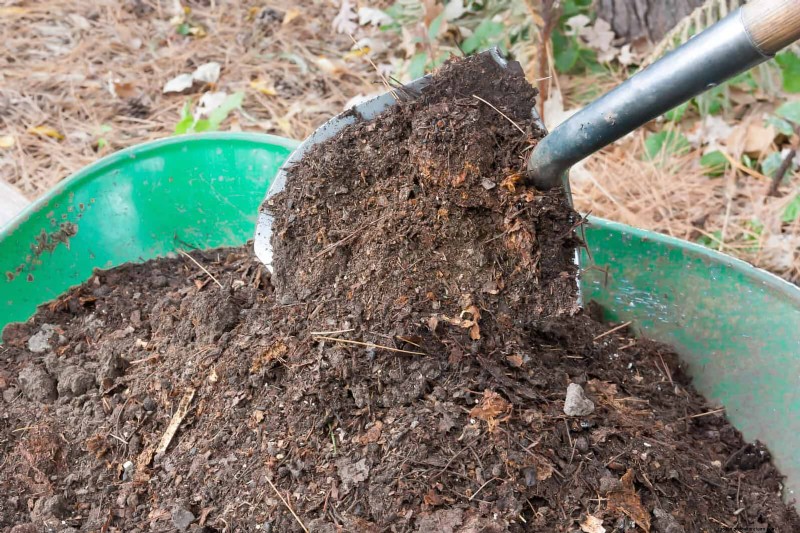
Rather than digging compost deep into the soil, certified organic farmers spread a 2–3‑inch topdressing on the surface. Earthworms naturally pull the material down, preserving the delicate fungal networks that transport nutrients to roots.
Topdressing also suppresses weed germination, keeping your back pain-free and maintaining healthy soil structure.
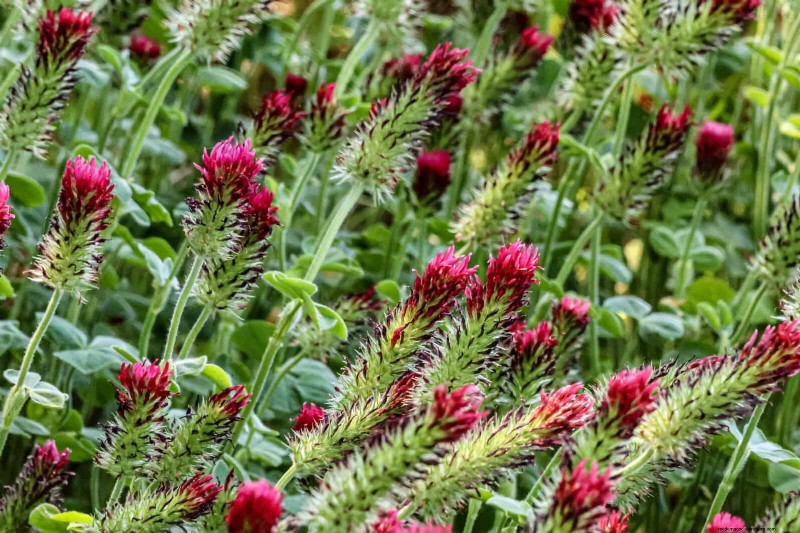
When a bed sits empty, organic farms plant crimson clover, winter rye, buckwheat, or field peas. Keeping the soil covered is one of the three core principles of healthy organic ground, according to Maine Organic Farmers and Gardeners.
Once the cover crop blooms, the plant material is cut and left to decompose in place, enriching the soil for the next crop.
A 4×8‑foot bed can be improved with a packet of buckwheat seed, which costs only a few dollars but dramatically boosts the following planting.
Instead of hauling away plant residues, organic growers chop comfrey, borage, or other leafy material and drop it back onto the bed. This mimics forest floor litter, where leaves decompose and feed the soil below.
The technique works with spent beans, bolted lettuce, or even grass clippings—anything green and soft becomes free fertility.
A handful of worm castings steeped overnight in dechlorinated water creates a nutrient‑rich tonic. Farmers use it as a soil drench for transplants and a foliar spray for stressed plants.
The tea delivers microbes and trace elements directly to roots and leaves. Adding a tablespoon of unsulphured molasses can boost microbial activity during steeping.
If you don’t yet have a worm bin, pre‑made castings work just as well.

Apply the diluted tea (1:1 with water) every two weeks during the growing season, skipping commercial fertilizer that week.
Autumn leaves are a free, high‑quality input. Shred them to about half an inch and pile 3–4 inches deep. This slow‑release blanket protects soil over winter, suppresses weeds, and retains moisture.
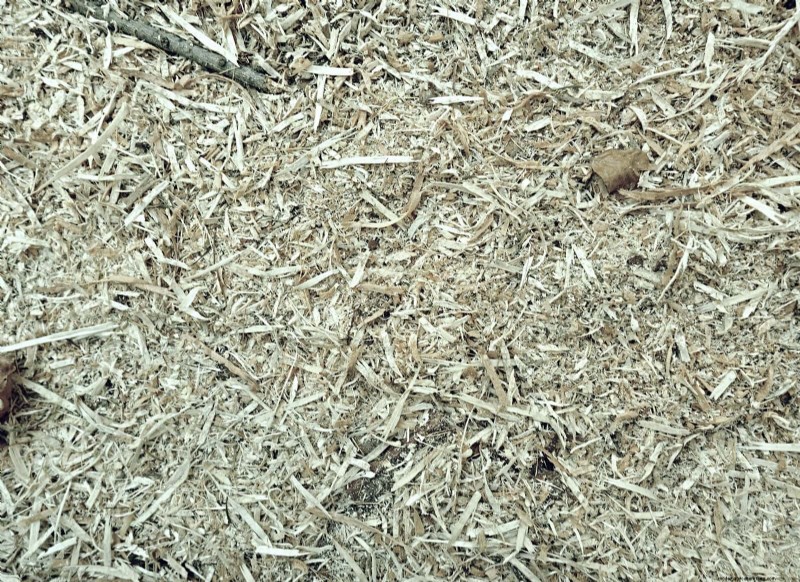
Oak, maple, and beech leaves all work; shredding speeds decomposition. If you have a lawn, run the mower over a pile to chop, then bag any excess for neighbors.
Three Cover Crops Worth Trying This Season
Planting tomatoes in the same spot two years in a row depletes the soil. Organic farms group vegetables by family and move each group through different beds on a 3–4 year cycle.
| Family | Common Members |
|---|---|
| Solanaceae | Tomato, pepper, eggplant, potato |
| Brassicaceae | Cabbage, kale, broccoli, radish |
| Cucurbitaceae | Squash, cucumber, melon, pumpkin |
| Fabaceae | Bean, pea, lentil, peanut |
A simple sketch on graph paper is all you need. Even two small beds can swap crops year to year.
Beans and peas fix atmospheric nitrogen, enriching the soil for subsequent crops. Farmers plant pole beans beside corn or bush beans between tomato plants, creating a two‑harvest bed with zero nitrogen input.
This intercropping strategy also confuses pests that target a single crop.
Bare soil can harden under July sun. Organic growers cover pathways and inter‑row spaces with low‑growing plants such as white Dutch clover, creeping thyme, or sweet alyssum.
These living mulches shade the soil, hold moisture, and, in the case of clover, fix nitrogen. Bees and beneficial insects are drawn to the flowers.
Purslane can also be used; it doubles as a salad green and is easy to sow thinly between rows once the main crop is established.
Trench composting skips the bin entirely. Dig a 6‑inch furrow, drop vegetable peels and coffee grounds, then cover with soil. In 4–6 weeks the scraps decompose, enriching the bed.
Farmers use this method between rows of long‑season crops like leeks and Brussels sprouts. Burying the material deters animals; avoid meat, dairy, or oily foods.
Fresh manure can scorch roots and introduce pathogens. Certified farms spread well‑composted manure on beds in October or November, allowing winter weather to mellow it.
By spring the bed is ready to plant. Horse, cow, sheep, rabbit, and chicken manure are all suitable if aged at least six months. A two‑inch layer is sufficient.
Organic growers base decisions on data, not guesswork. Sending a small sample to the state cooperative extension every couple of years yields a full nutrient and pH report for under $20.
A pH that’s too low or high locks nutrients regardless of fertilizer added. A quick at‑home kit can provide a snapshot between lab tests.
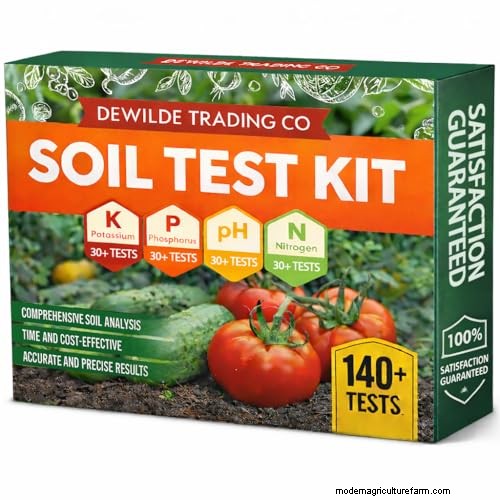
For a deeper dive into soil blends, see our guide to 16 top soil blends for thriving summer gardens.
When converting a weedy lawn, organic farmers use sheet mulching. They lay flattened cardboard over grass, soak it, then add 6–8 inches of compost and shredded leaves on top.
Within months the cardboard and grass break down, leaving a soft, weed‑free bed full of earthworms.
Instead of pulling up root systems, farmers cut stems at the soil line and leave roots to decay. Root channels become pathways for water and air, and microbes gradually break them down, feeding the next crop.
Apply to almost all crops, except those showing disease symptoms.
A Three‑Move Starter Combo
Adopting topdressing with compost in spring, mulching beds with shredded leaves in fall, and brewing occasional worm tea during the season delivers the most benefit for the least effort, revitalizing tired ground in a single year.
Pick two or three techniques that fit your garden and schedule, and add another in the next season. Many of these methods complement one another, creating a natural, low‑maintenance soil program.
Written by
Anne Moss
Anne Moss is the founder of GardenTabs and principal of Moss Digital Publishing, where she has spent over a decade producing practical, reader‑first content. She guides the site’s editorial direction and writes guides that help everyday gardeners find clear, usable answers.
Meet the GardenTabs team →

Editorial oversight
GardenTabs content is reviewed by Steve Snedeker, a seasoned gardener with decades of hands‑on landscaping experience.